Tag

Rogue Planet

All articles tagged with #rogue planet

science8 days ago

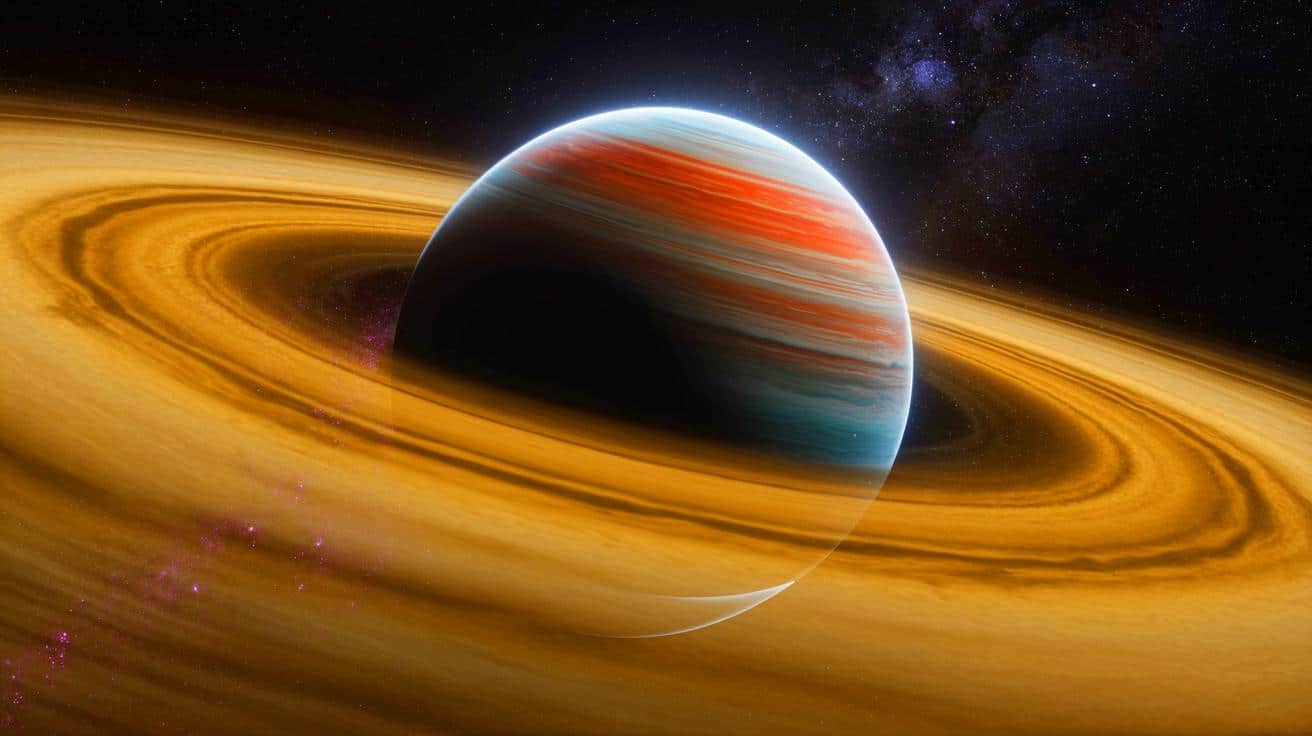
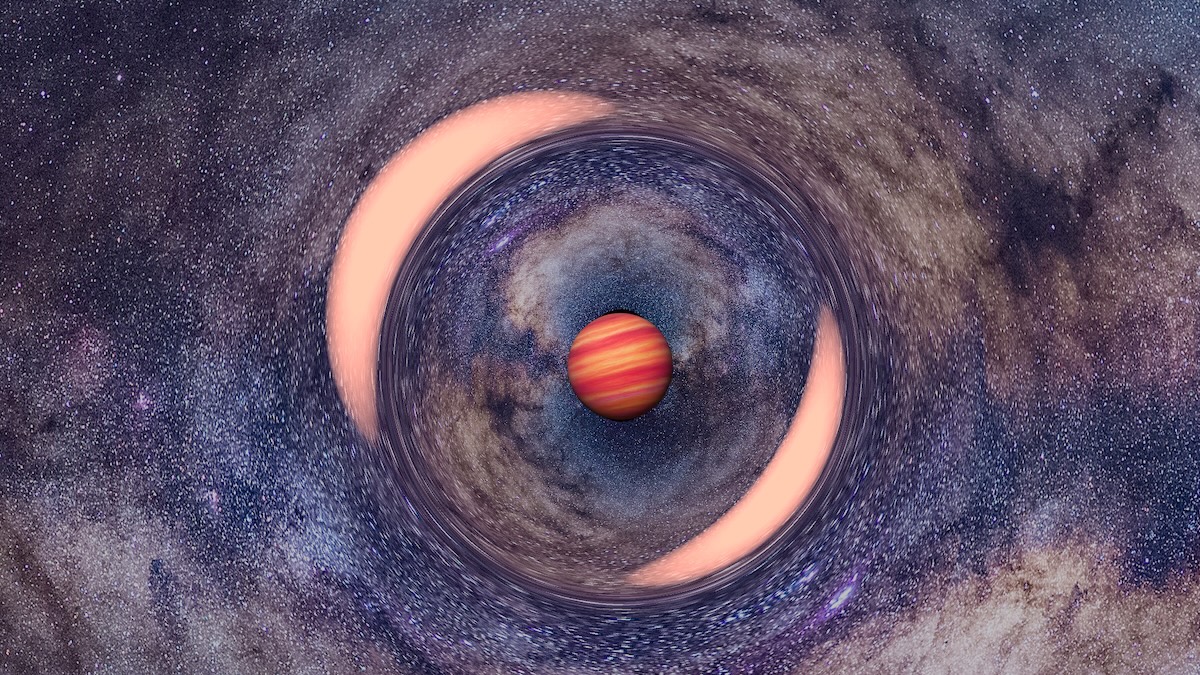
Scientists Measure Mass of Rogue Saturn-Size Planet Drifting in Space

Astronomers have directly measured the mass of a Saturn-sized rogue planet drifting in space using gravitational microlensing, marking a significant advancement in studying free-floating planets that do not orbit stars. This breakthrough was achieved through a rare cosmic alignment observed from Earth and the Gaia space telescope, demonstrating a new method to analyze these elusive celestial bodies.
science3 months ago

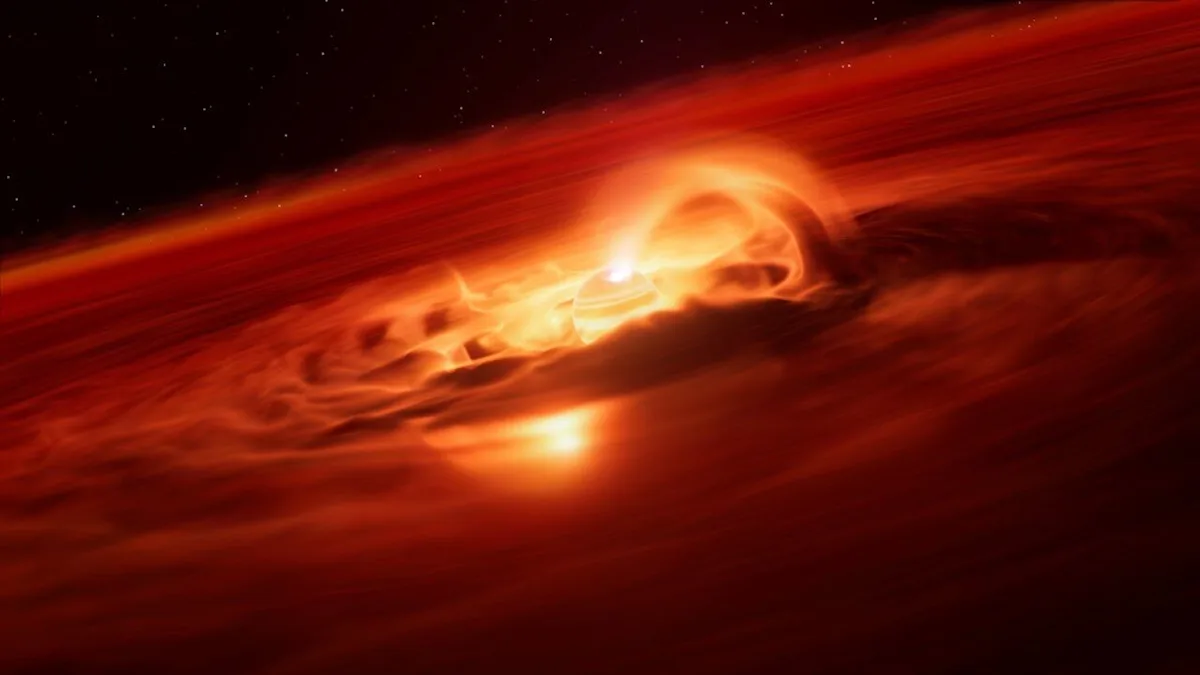
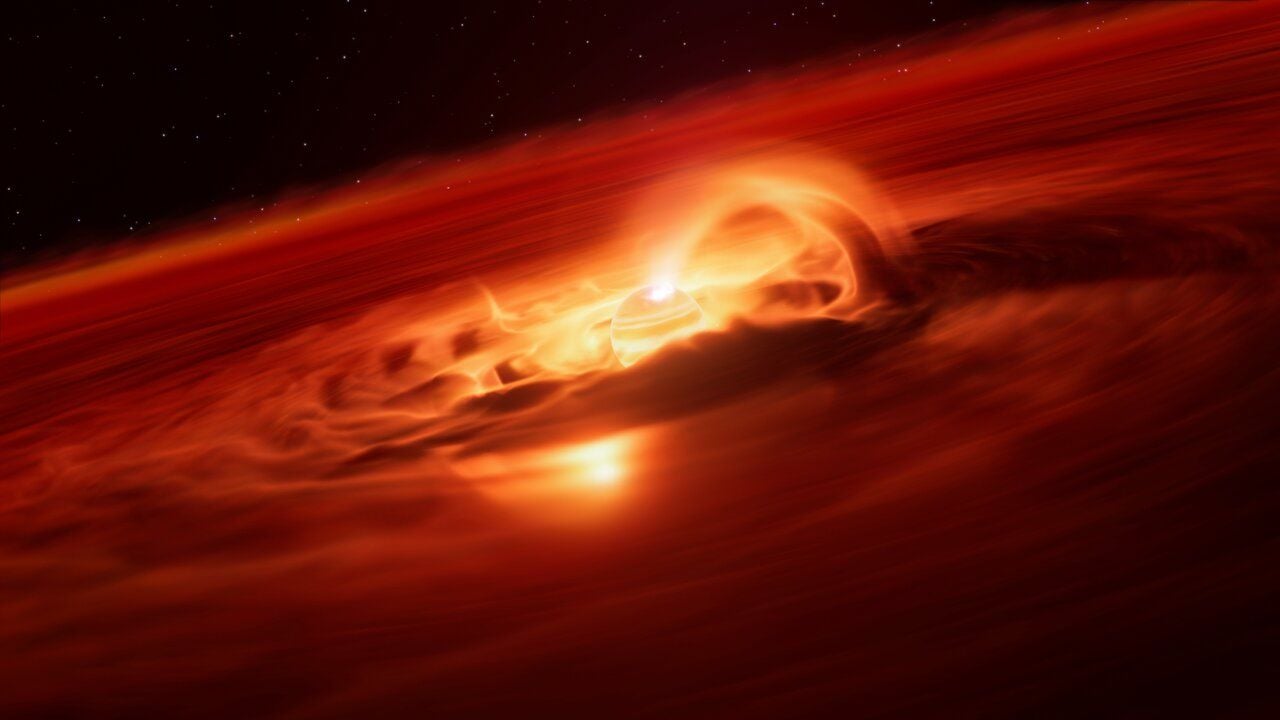
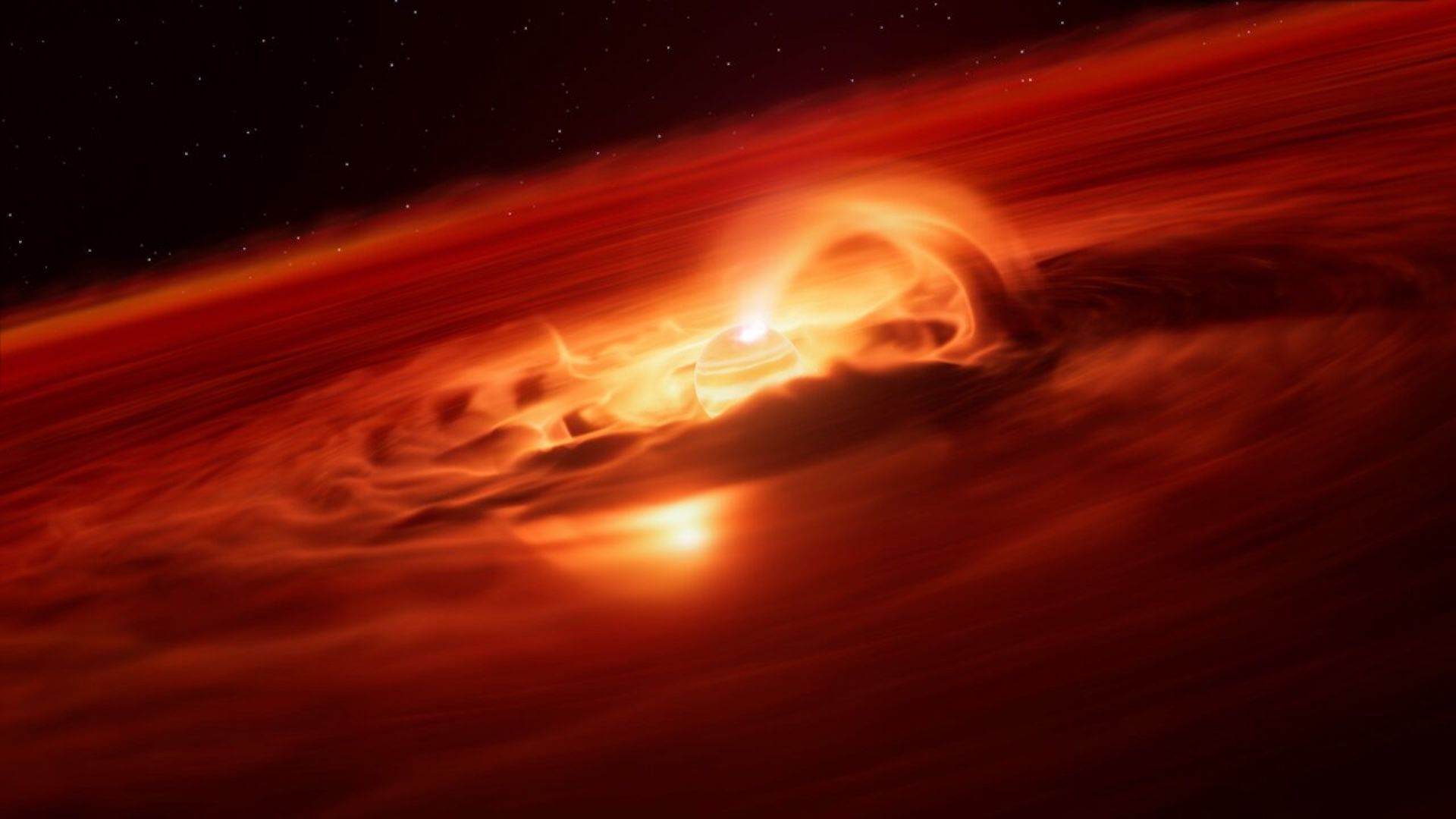
Mysterious Rogue Planet Rapidly Growing Like a Star

A rogue planet named Cha 1107-7626 is rapidly growing by consuming six billion tonnes of material per second, challenging traditional distinctions between planets and stars and suggesting that some planets may form through star-like processes. Advanced telescopes like the VLT and upcoming ELT are helping astronomers study these phenomena, which could reshape our understanding of planetary and stellar evolution.

science3 months ago

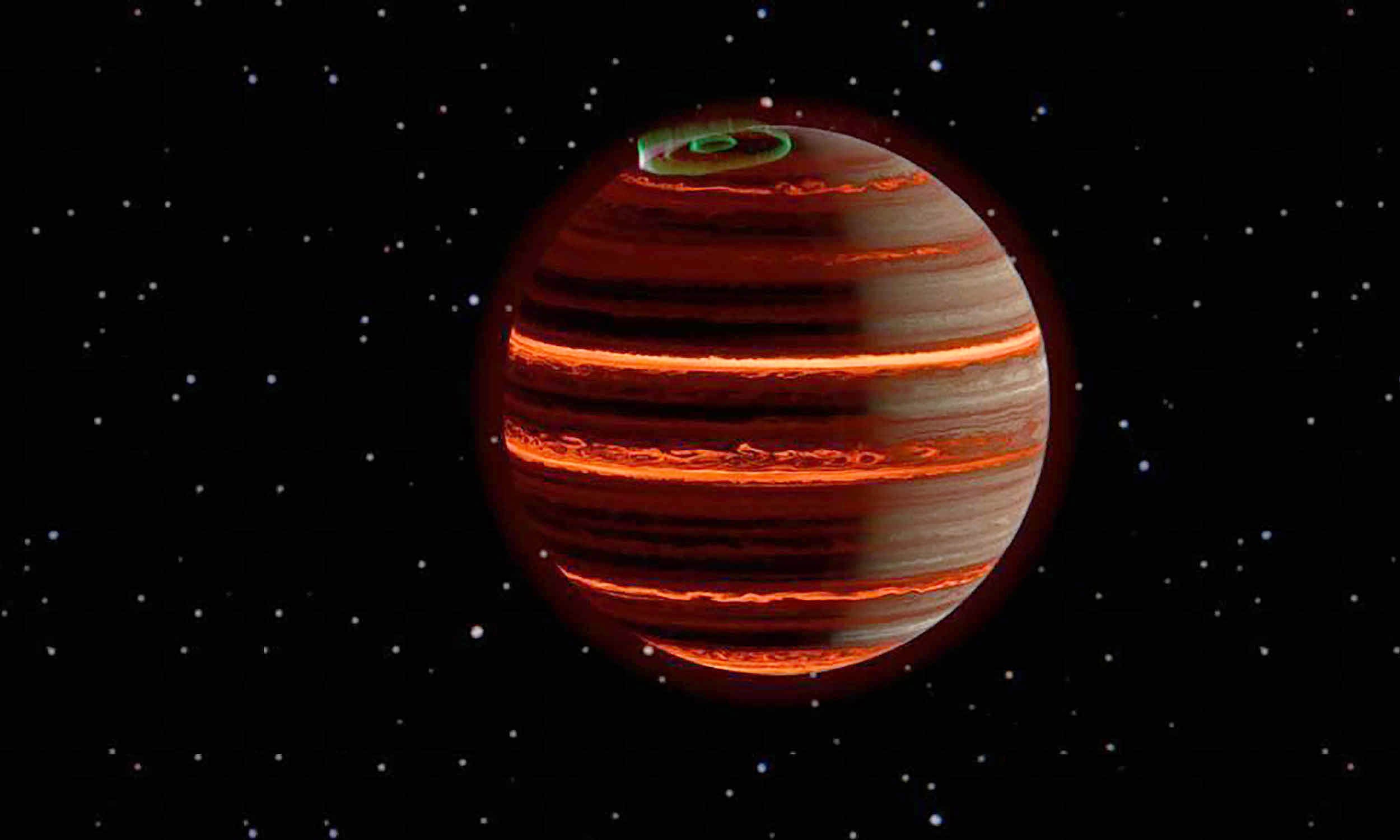
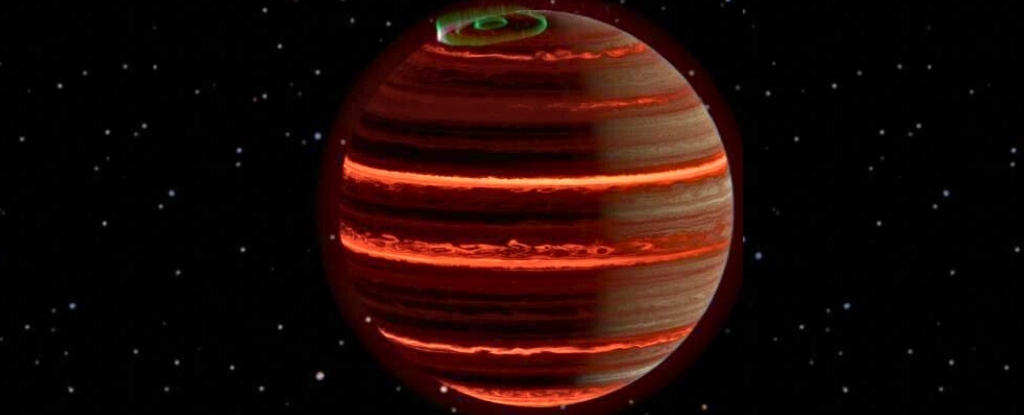
James Webb Telescope Detects Stormy Auroras on Sunless Rogue Planet

Astronomers using the James Webb Space Telescope have observed auroras and complex weather patterns on SIMP 0136, a starless, rogue brown dwarf, revealing detailed atmospheric structures, temperature inversions, and steady silicate clouds, driven by magnetic activity and internal heat, demonstrating that even isolated objects can have dynamic weather systems.

science3 months ago

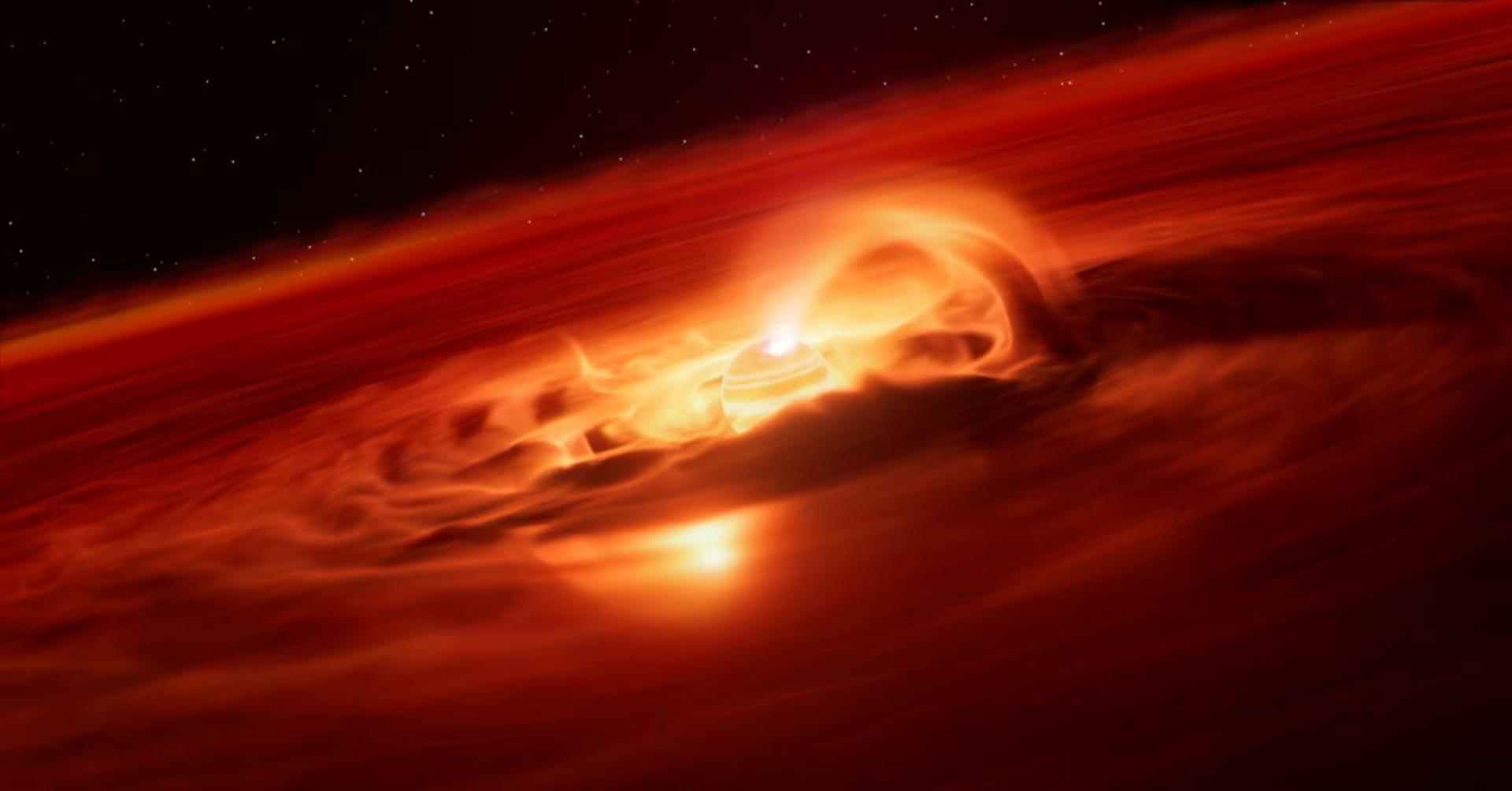
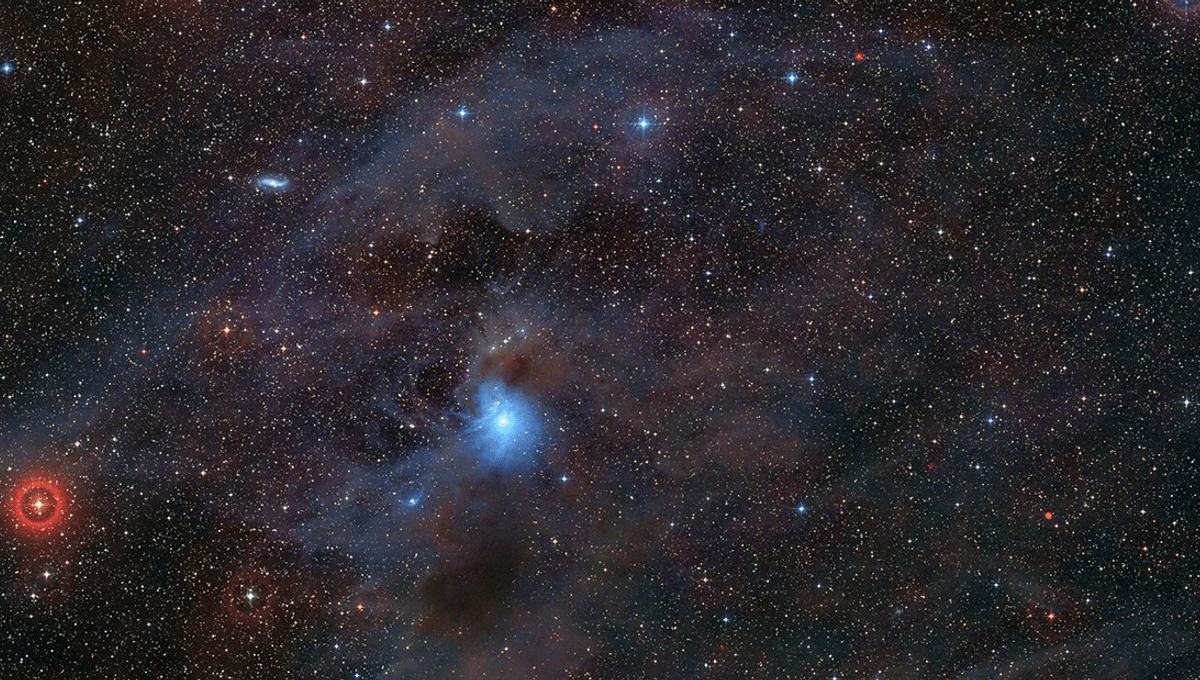
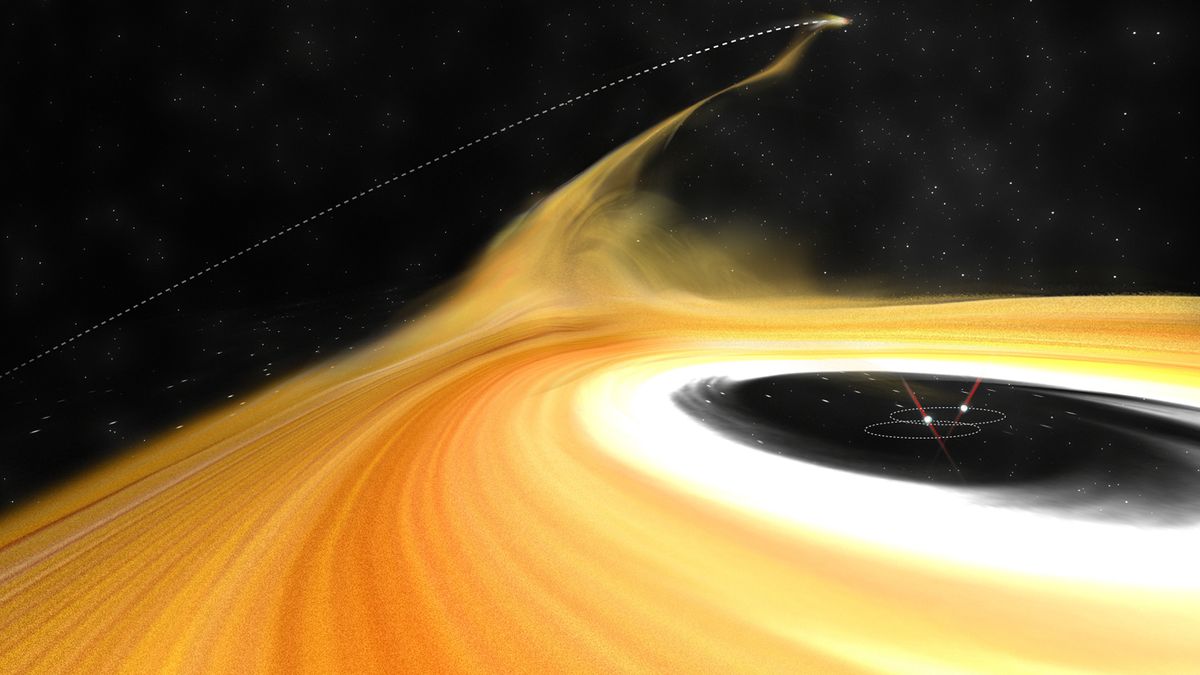
Rogue Planet Larger Than Jupiter Rapidly Growing by Consuming Billions of Tons of Gas Per Second

Scientists have discovered a rogue planet, Cha 1107-7626, in the Chamaeleon constellation that is actively accreting gas and dust at an unprecedented rate, suggesting some rogue planets can grow similarly to stars, especially during violent growth spurts fueled by magnetic fields, challenging previous notions of these solitary worlds.

science5 months ago

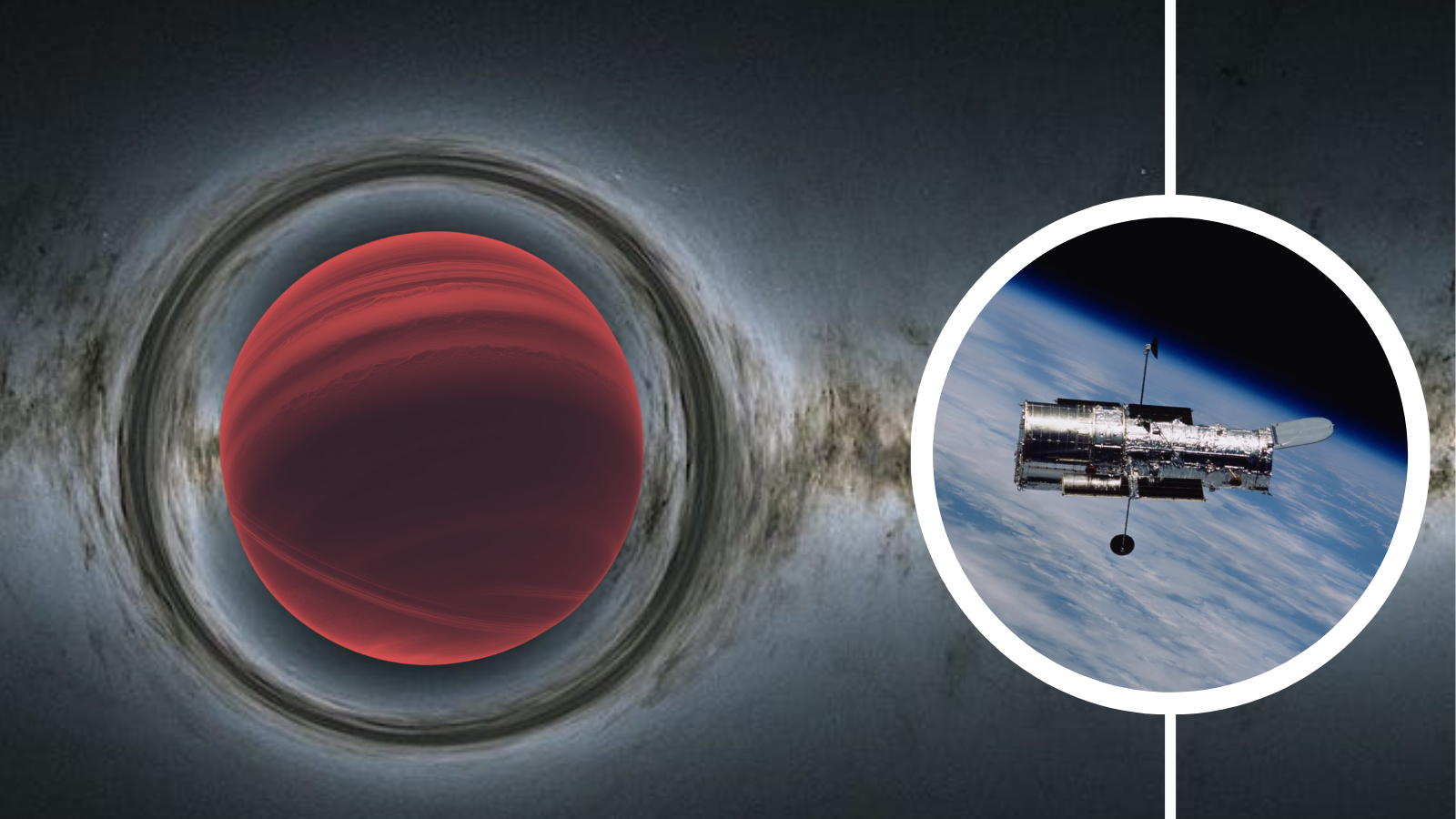
Hubble Discovers Rogue Planet Using Einstein's Help

Astronomers discovered a new rogue planet using archival data from the Hubble Space Telescope, leveraging Einstein's theory of general relativity and gravitational microlensing, with the event being one of the shortest on record, suggesting the planet is either a Neptune-mass or Saturn-mass object located thousands of light-years away, and the discovery highlights the potential for finding more such elusive worlds in existing data.

astronomy2 years ago

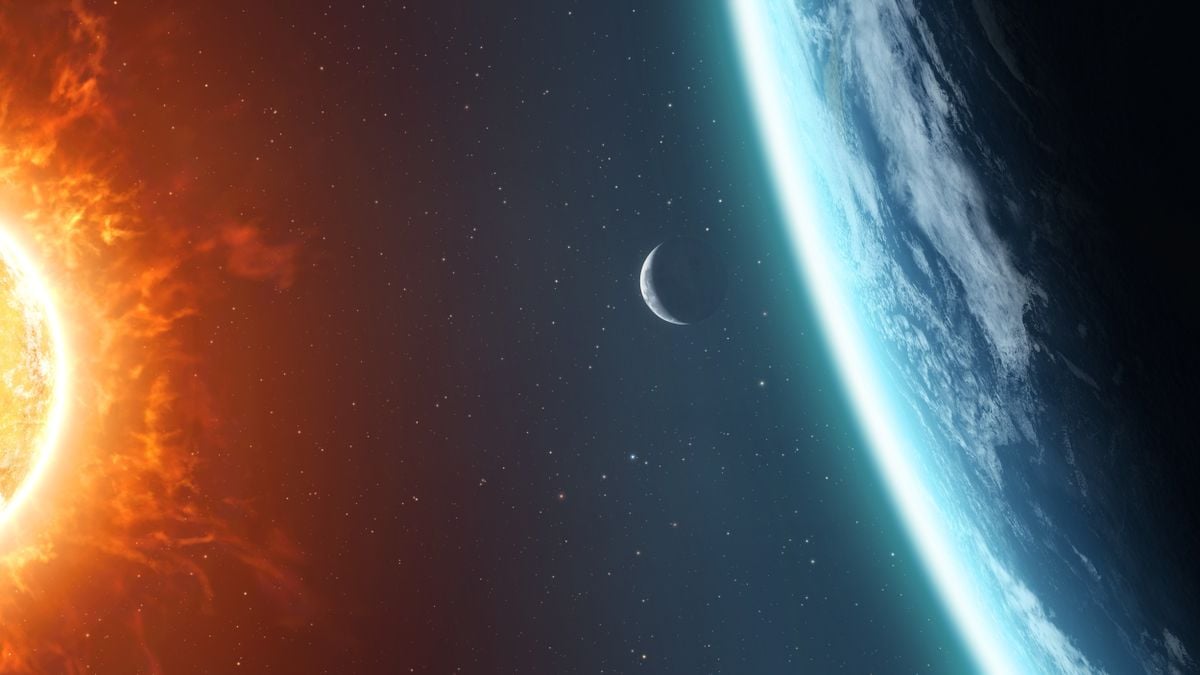
"Runaway Star: Earth's Billion-Year Salvation Revealed"

A new theoretical study suggests that in about a billion years, a chance encounter with a passing star could save Earth from the sun's expansion by tossing it into a cooler orbit or helping it break free from the solar system entirely. However, the chances of this happening are extremely slim. The study simulated how our solar system would behave if a star swept past it, and found that in some simulations, Earth was pushed into a farther, colder orbit or landed in the Oort cloud. In a few simulations, Earth was gravitationally lured away by the wandering star, potentially allowing for liquid water. However, the overall odds of this happening are just 1 in 35,000. The study suggests that instead of relying on a stellar savior, we should focus on finding our own solutions to modify Earth's orbit or block a fraction of the Sun's incoming energy.

science-and-astronomy2 years ago

"Earth's Potential Transformation into a Rogue Planet: A Cosmic Possibility"

In about 500 million years, the sun will heat Earth beyond redemption, but there is a potential solution. Our descendants could steal energy from Jupiter's orbit to raise Earth's orbit and keep it away from the sun's increasing heat. However, if done incorrectly, Earth could be sent careening out of the solar system, becoming a rogue planet. Resonance effects could amplify the energy transfer, leading to catastrophic consequences. Astronomers estimate that there are between 0.25 and 10,000 rogue planets for every star in the Milky Way.