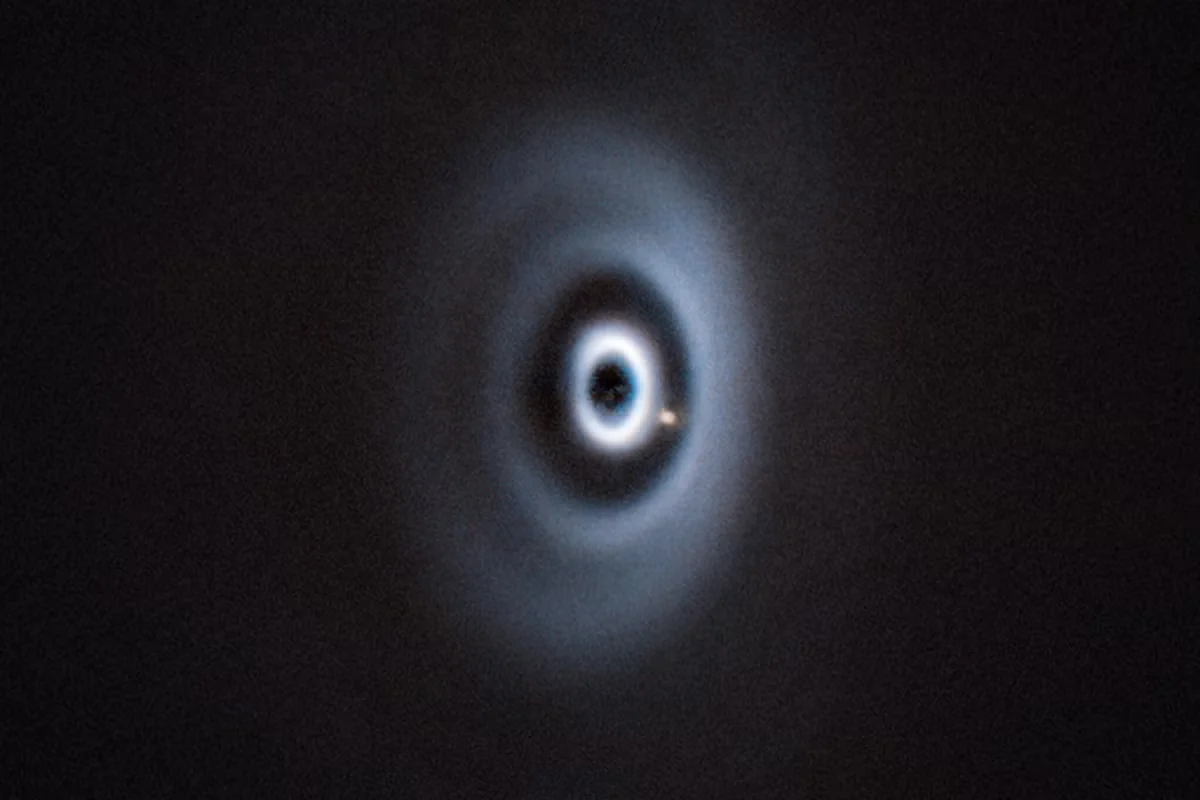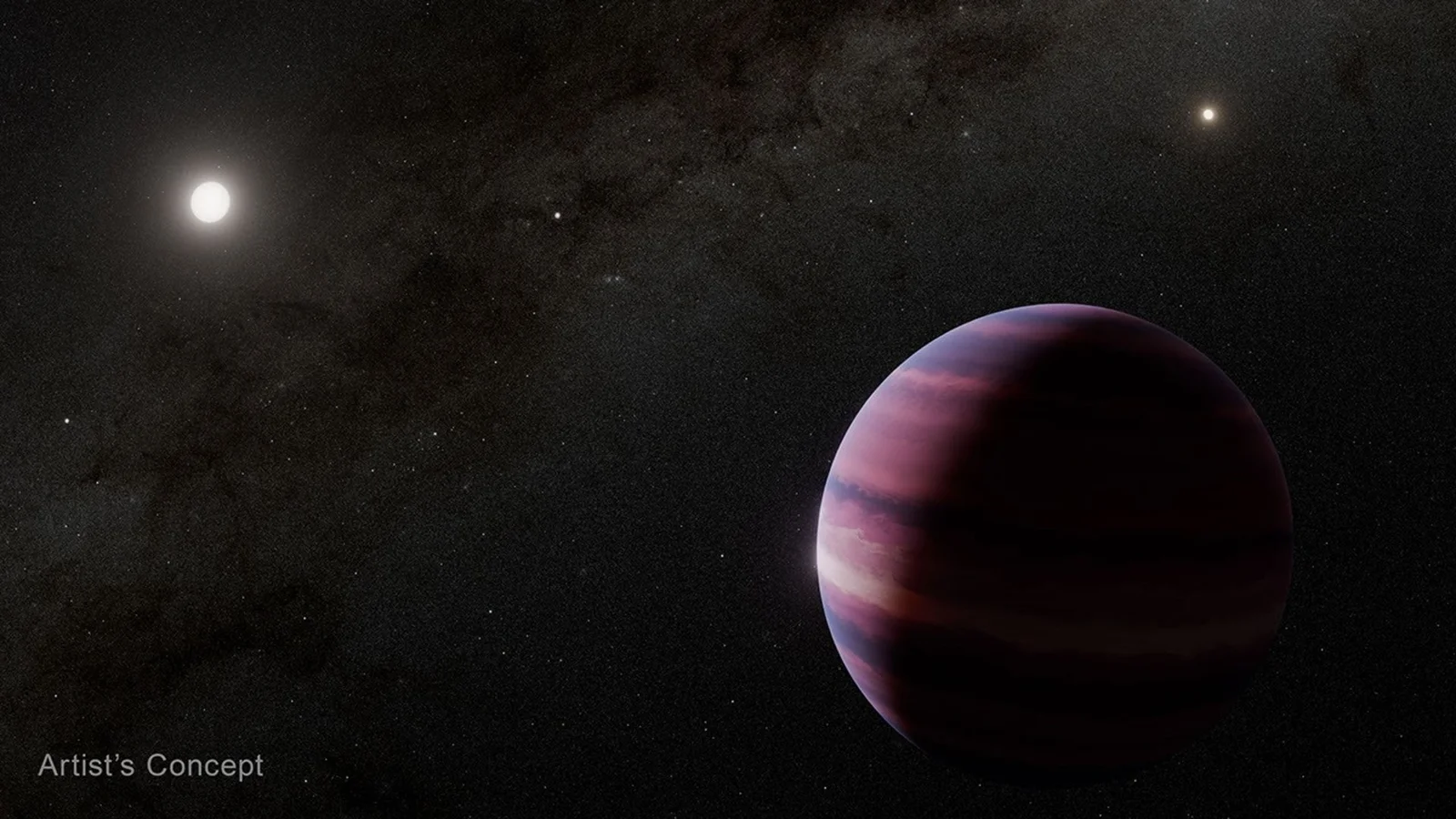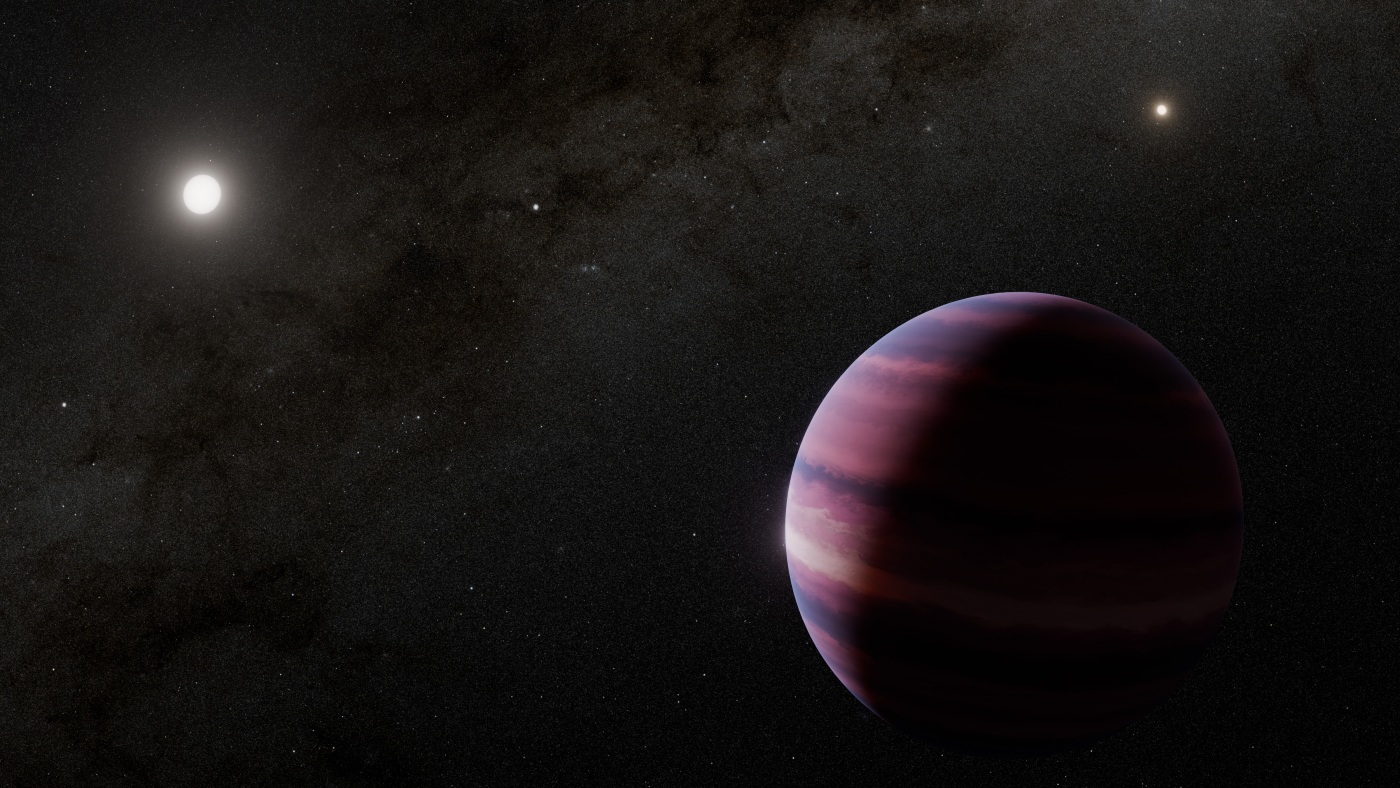
Scientists have captured the first-ever observation of a planet, WISPIT 2b, forming within a protoplanetary disk around a young star 400 light-years away, providing new insights into planetary development and challenging existing models.
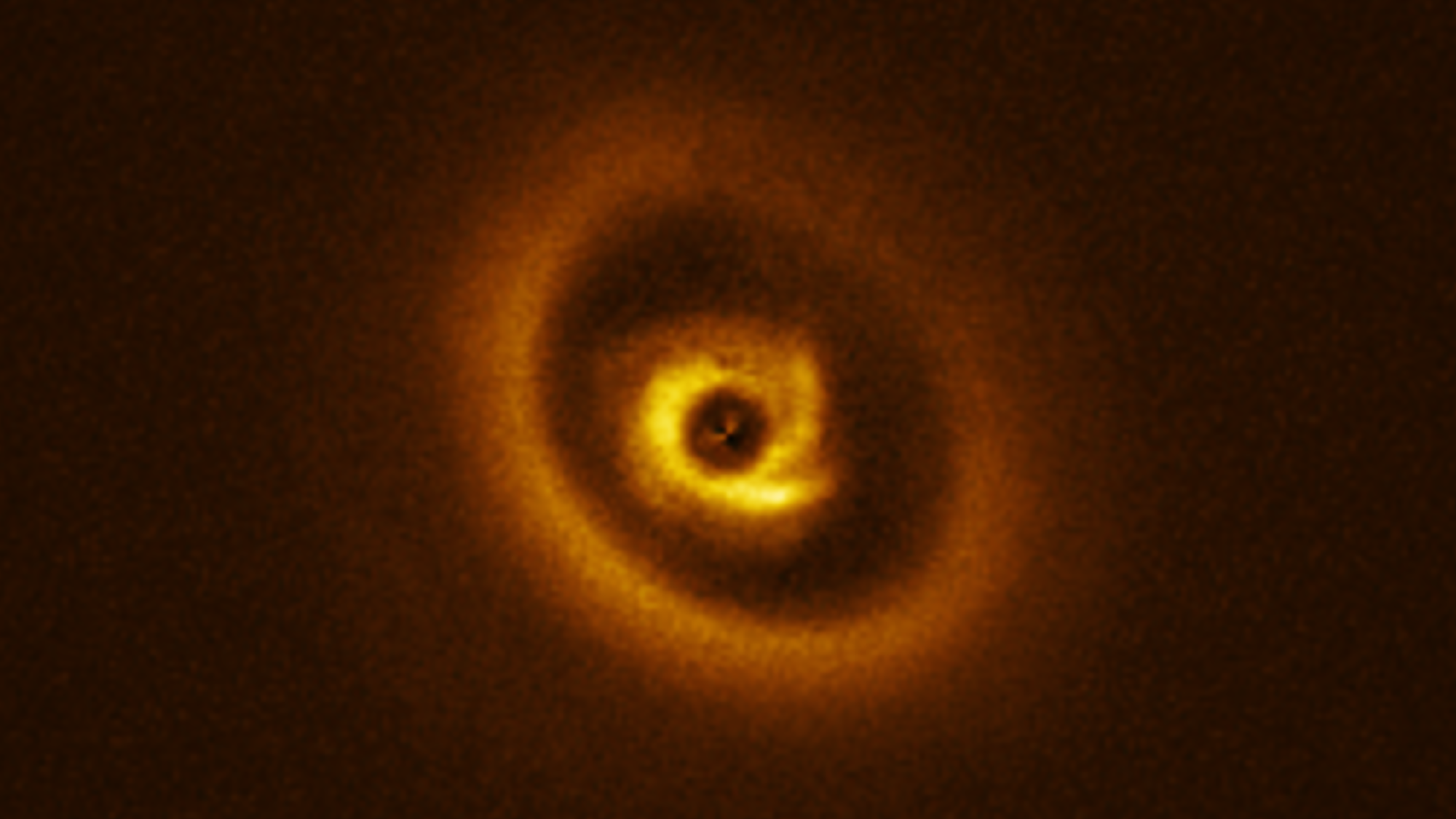
Astronomers, including researchers from Galway, have discovered a new planet, WISPIT 2b, around a young star using ESO's VLT in Chile. This five-million-year-old gas giant, similar in size to Jupiter, was detected in infrared and visible light, providing insights into early planet formation. The discovery, made in a dust disk with multiple rings, is only the second of its kind around a star this young, offering valuable data for understanding planetary development.
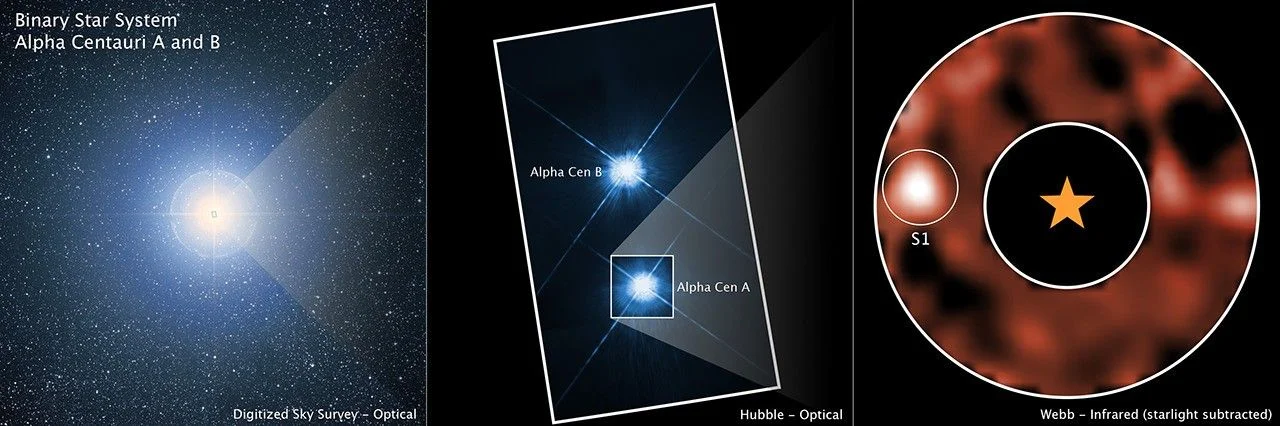
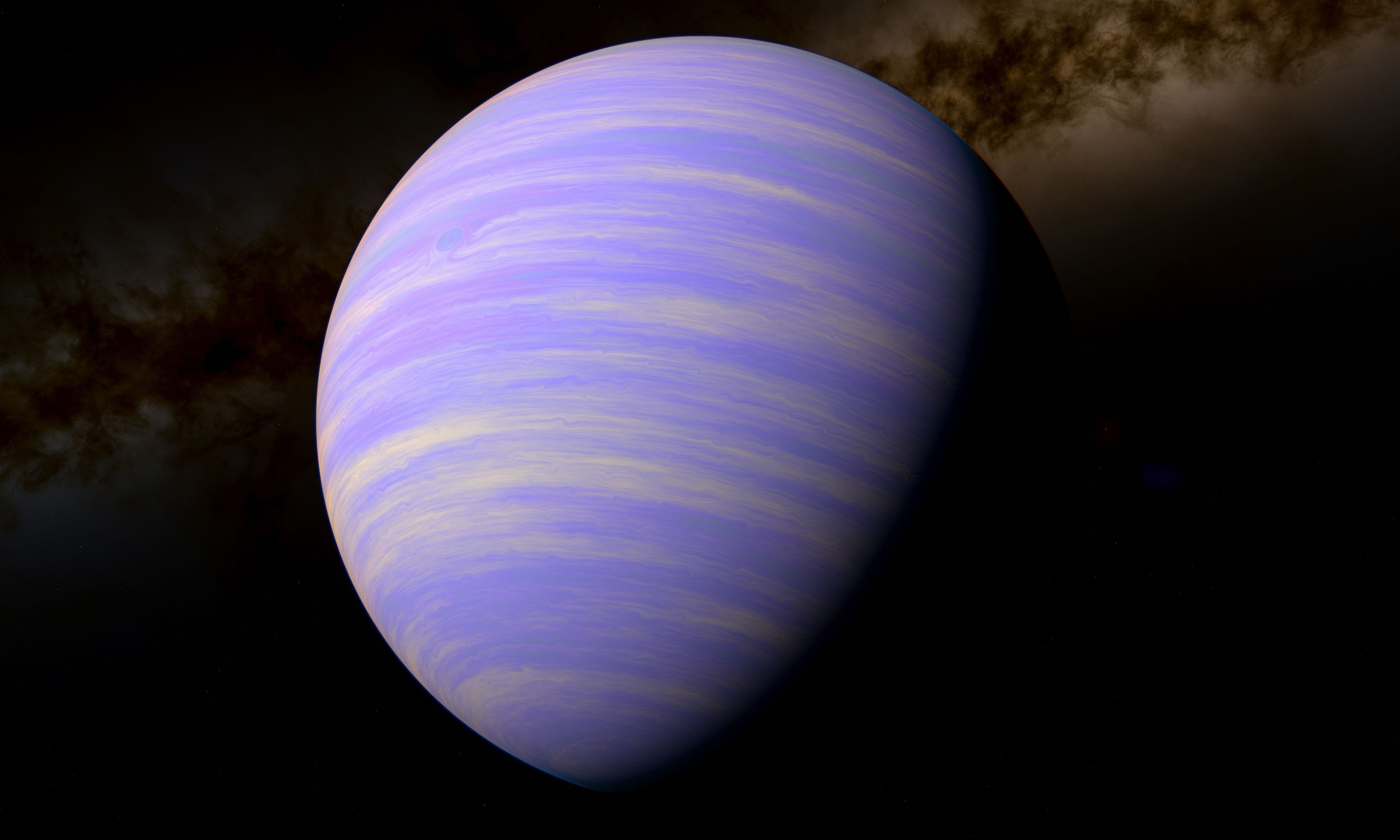
Astronomers using NASA's James Webb Space Telescope have found strong evidence of a Jupiter-sized gas planet orbiting Alpha Centauri A within its habitable zone, marking the closest potential exoplanet discovery around a sunlike star, though further confirmation is needed.
Scientists have found strong evidence of a giant gas planet in the Alpha Centauri star system, the nearest star system to Earth, using the James Webb Space Telescope. Although the planet's existence needs further confirmation, it is similar to Jupiter and Saturn and could have moons that support life. Future observations aim to verify its presence and explore its composition and potential habitability.
Astronomers using the James Webb Space Telescope have found strong evidence for a potential new gas giant exoplanet orbiting Alpha Centauri A, the closest sun-like star to Earth, located just four light-years away. The planet candidate is in the habitable zone but is unlikely to support life due to its gaseous nature. Further observations are needed to confirm its existence, which could provide valuable insights into planetary formation in multi-star systems.
Scientists using the James Webb Space Telescope have identified a candidate gas giant planet orbiting Alpha Centauri A, the nearest Sun-like star, which may have moons and exists in a temperate zone potentially suitable for life, sparking excitement about the possibility of a Pandora-like world nearby.
NASA's James Webb Space Telescope has found strong evidence of a potential gas giant planet orbiting Alpha Centauri A, the closest Sun-like star system to Earth. Although initial observations suggested the planet's presence, subsequent data did not confirm it, leading to the possibility that the planet may have moved or was a transient detection. If confirmed, this would be the closest exoplanet to Earth orbiting a Sun-like star and could significantly impact our understanding of planetary formation and evolution in binary star systems.
NASA's James Webb Space Telescope has found strong evidence of a potential gas giant planet orbiting Alpha Centauri A, the closest Sun-like star system to Earth. The discovery, based on infrared observations, suggests the planet could be a Saturn-sized gas giant in an elliptical orbit, but further observations are needed to confirm its existence. If confirmed, this would be the closest exoplanet to Earth and a significant milestone in exoplanet research.
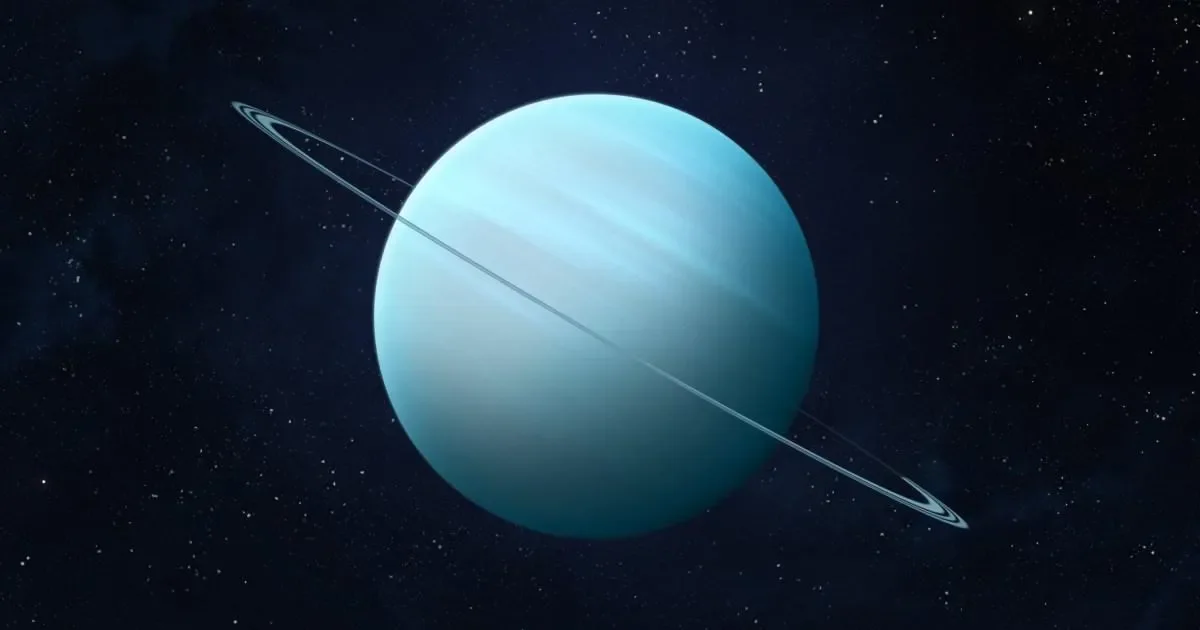
Recent research reveals that Uranus emits more internal heat than previously thought, indicating it is warmer and leakier, with internal processes contributing to its temperature despite its distance from the Sun. This discovery helps scientists better understand Uranus's origins and planetary evolution.
A team of astronomers used gravitational microlensing, a technique based on Einstein's 1936 theory, to discover a rare gas giant exoplanet, AT2021ueyL b, located over 3,200 light-years away in the galactic halo, marking only the third such discovery outside the Milky Way's dense center. This method allows detection of distant, cold planets in wide orbits, providing valuable insights into planetary formation in metal-poor regions. The discovery was facilitated by Gaia satellite alerts and ground-based telescopes, and it highlights the potential of upcoming missions like the Nancy Grace Roman Space Telescope to vastly expand our understanding of exoplanets.
Researchers captured an image of a young star's disk showing signs of a forming giant planet, likely a gas giant, with features like a dark ring and spiral arms, providing rare insight into early planetary development. The study aims to confirm the planet's presence with the James Webb Space Telescope.
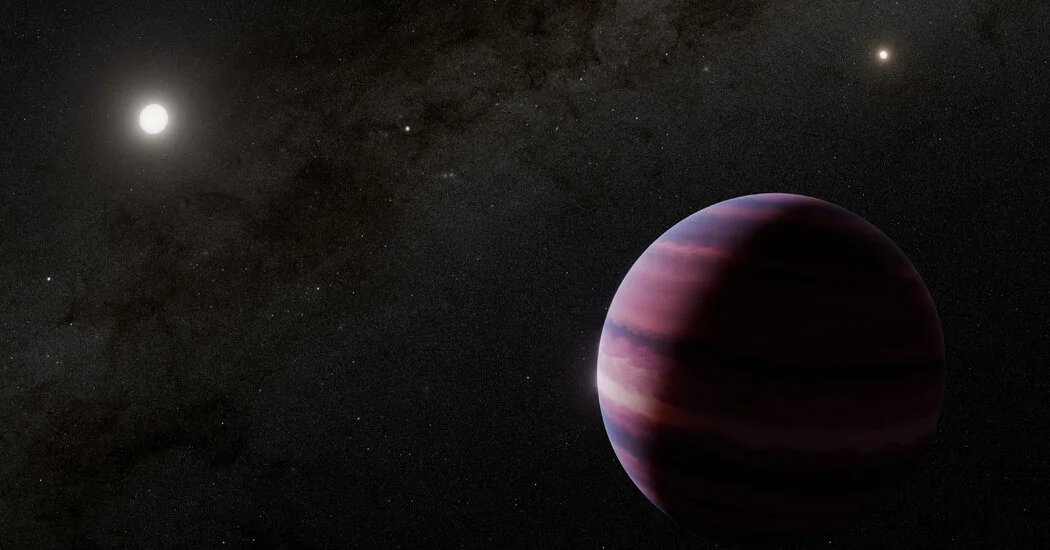
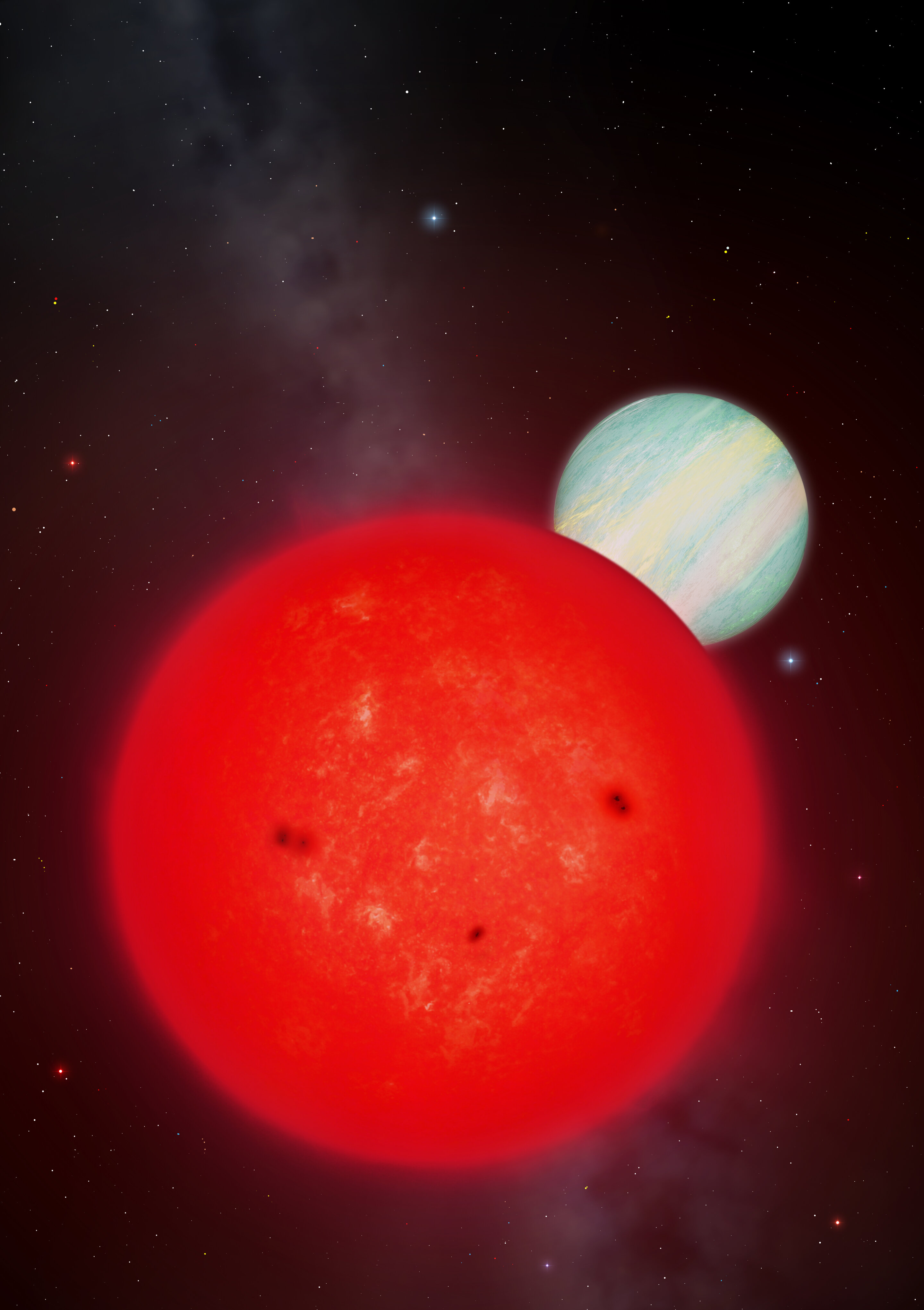
Astronomers have discovered a large gas giant planet, TOI-6894 b, orbiting a tiny red dwarf star about 20% the mass of the sun, challenging current planetary formation theories as such large planets are not expected around stars of this size.
Astronomers have discovered a giant planet, TOI-6894b, orbiting a tiny red dwarf star, challenging existing theories of planet formation, as such large planets were thought unlikely to form around such low-mass stars. The planet's unusual characteristics, including its low temperature and potential atmospheric composition, make it a key target for future observations to understand its origin and the processes of planet formation around small stars.
The exoplanet WASP-69 b, a gas giant similar in size to Jupiter, has been found to have a 350,000-mile-long tail of gas, primarily helium, trailing behind it due to its close orbit around its star and the influence of stellar wind. This tail, acting like a 'stellar windsock,' provides insights into the interactions between the planet's atmosphere and stellar winds, offering a unique opportunity to study these phenomena. The discovery was confirmed using data from the W. M. Keck Observatory.
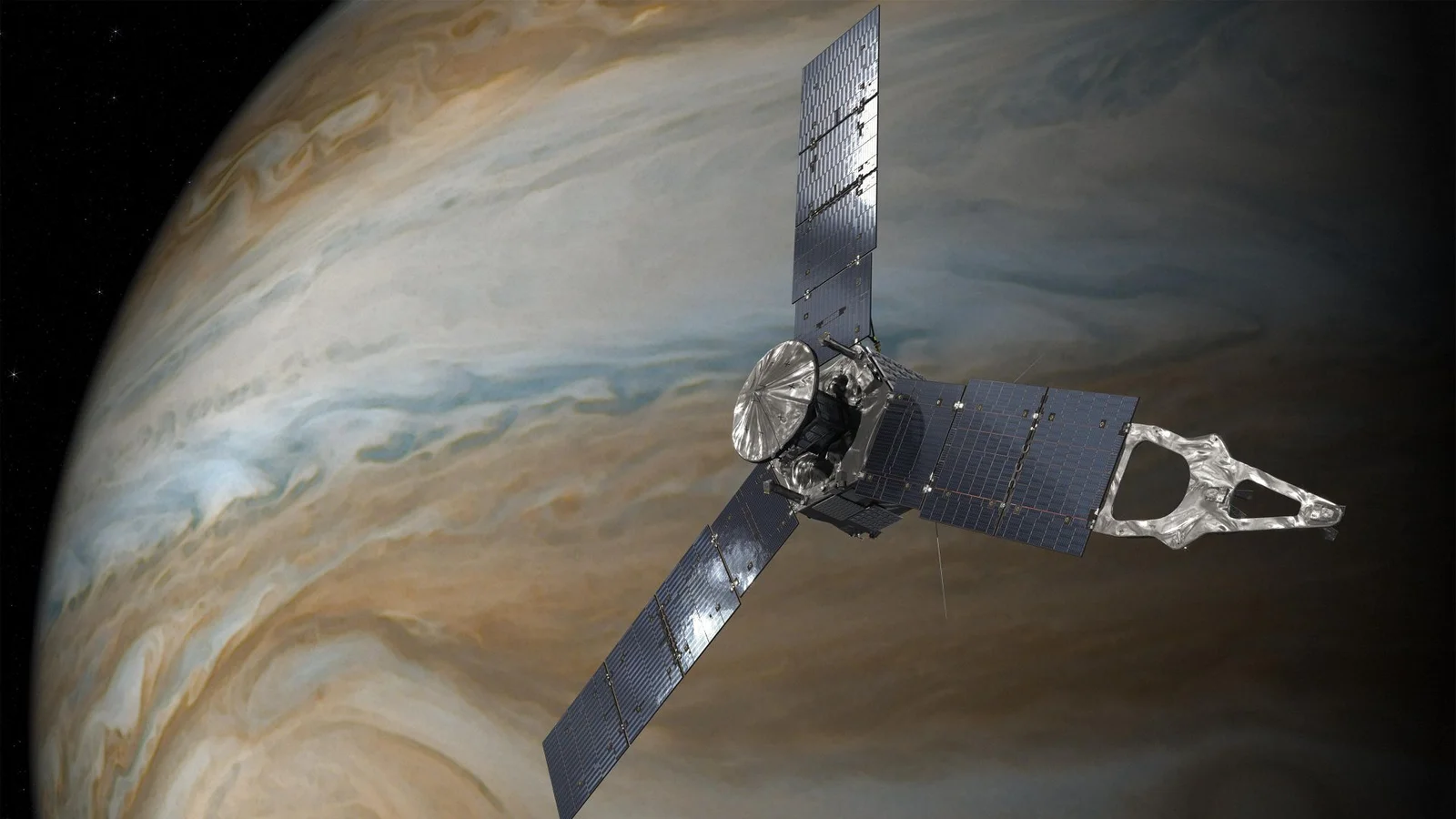
Jupiter, the largest planet in the solar system, lacks a solid surface and is composed mostly of hydrogen and helium, making it a gas giant. As you descend through its atmosphere, the pressure increases, turning gas into liquid hydrogen and eventually into metallic hydrogen. Jupiter's core is extremely hot and dense, with conditions inhospitable to life. Despite its harsh environment, Jupiter plays a crucial role in protecting Earth from space debris due to its massive gravitational pull. NASA's upcoming Europa Clipper mission aims to explore Jupiter's moon Europa, which may harbor life in its subsurface ocean.