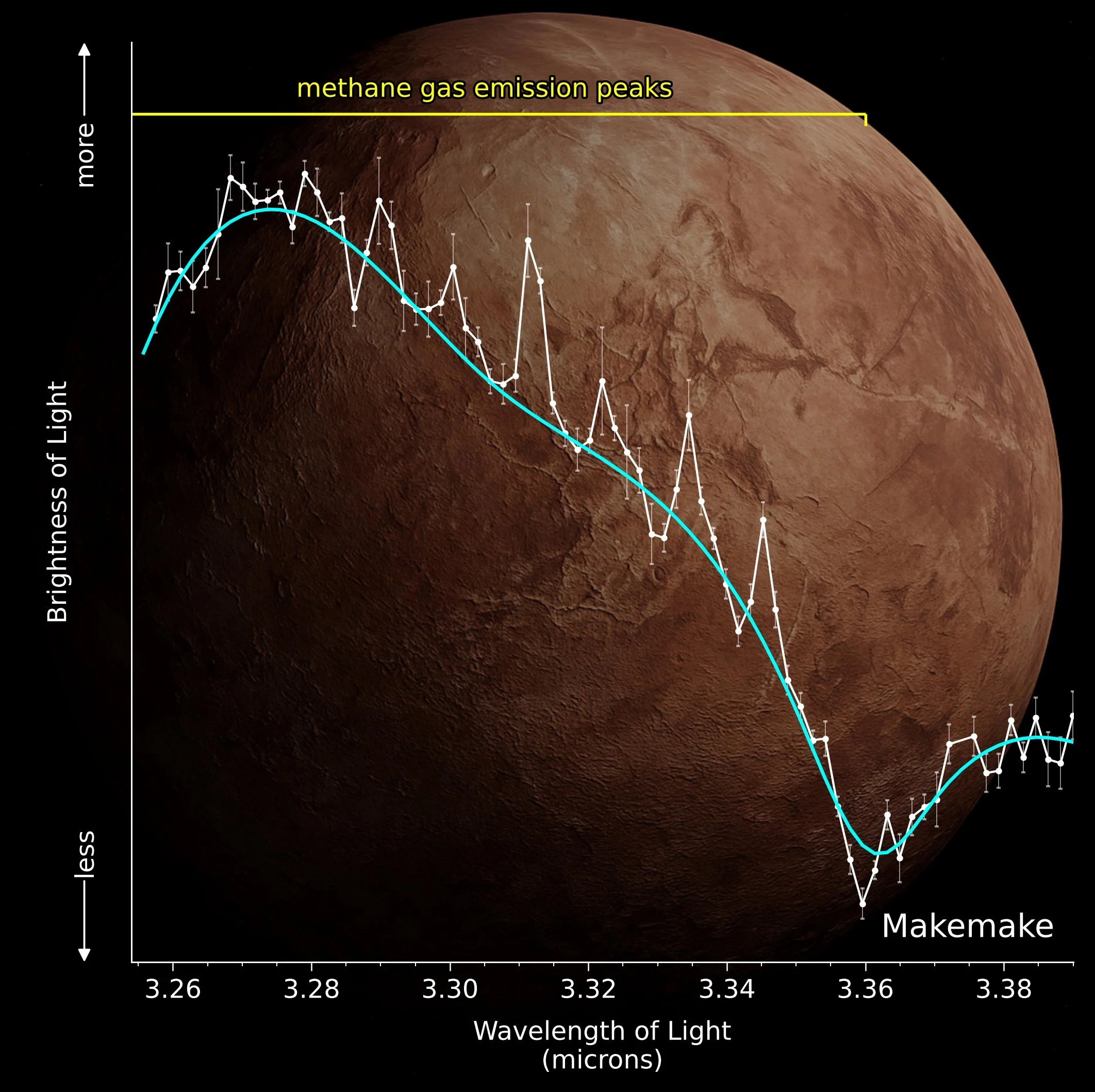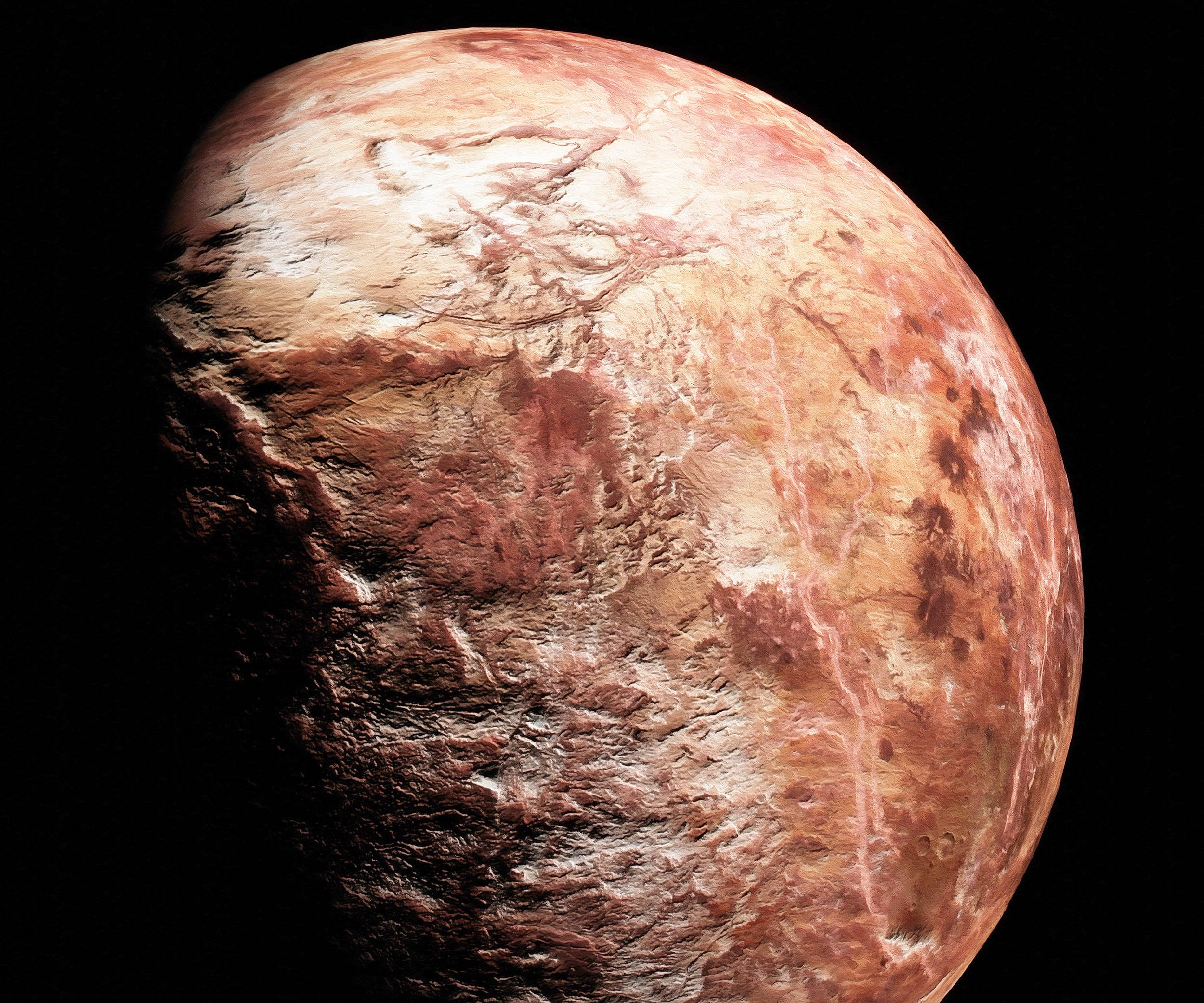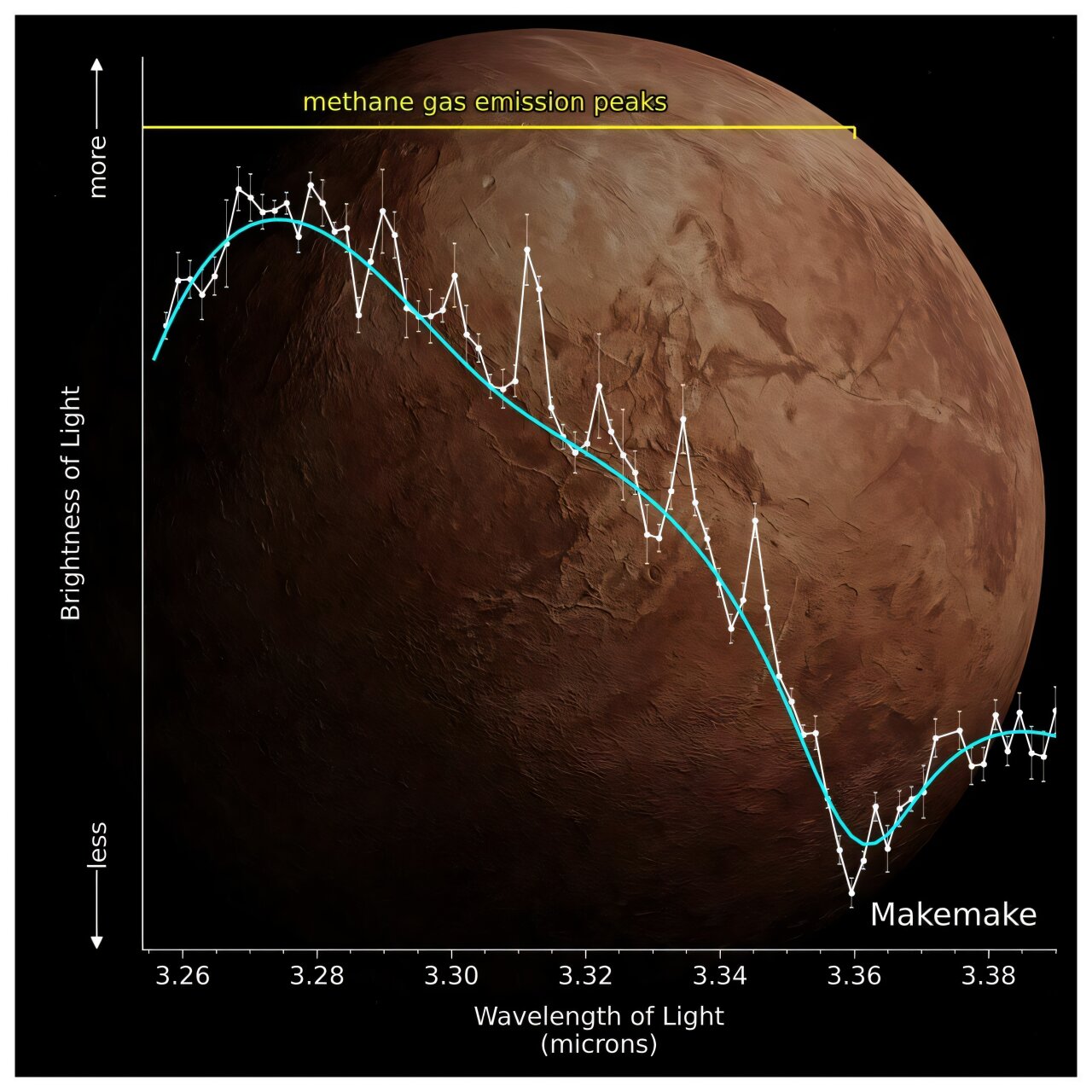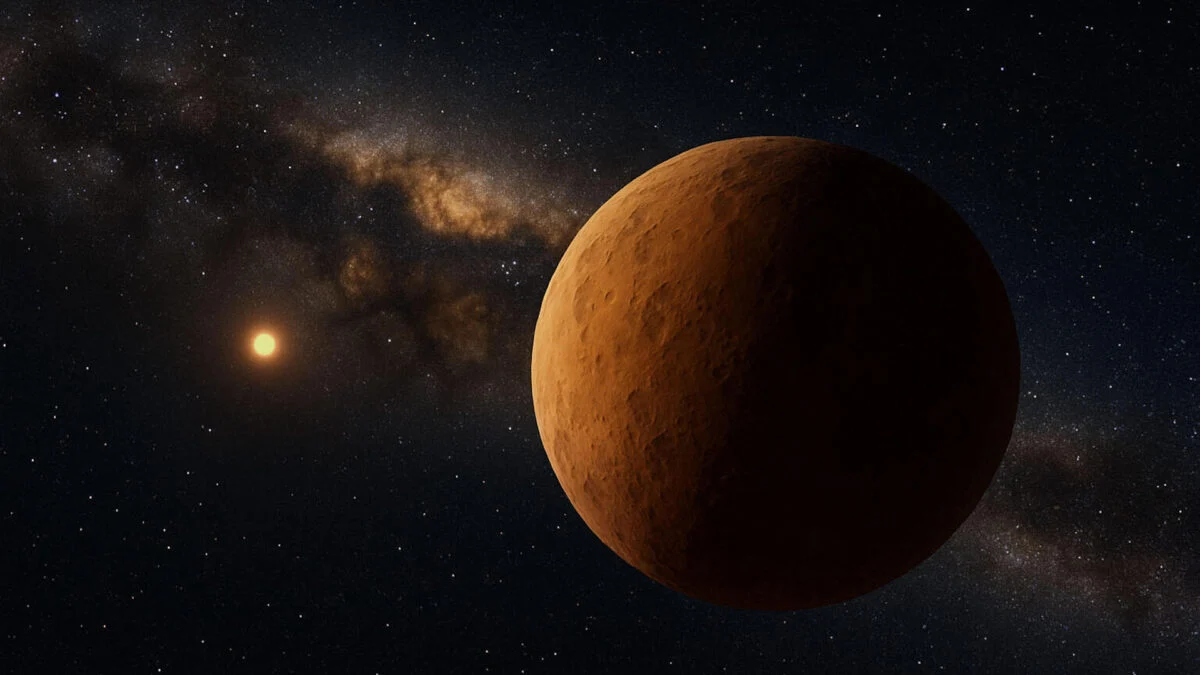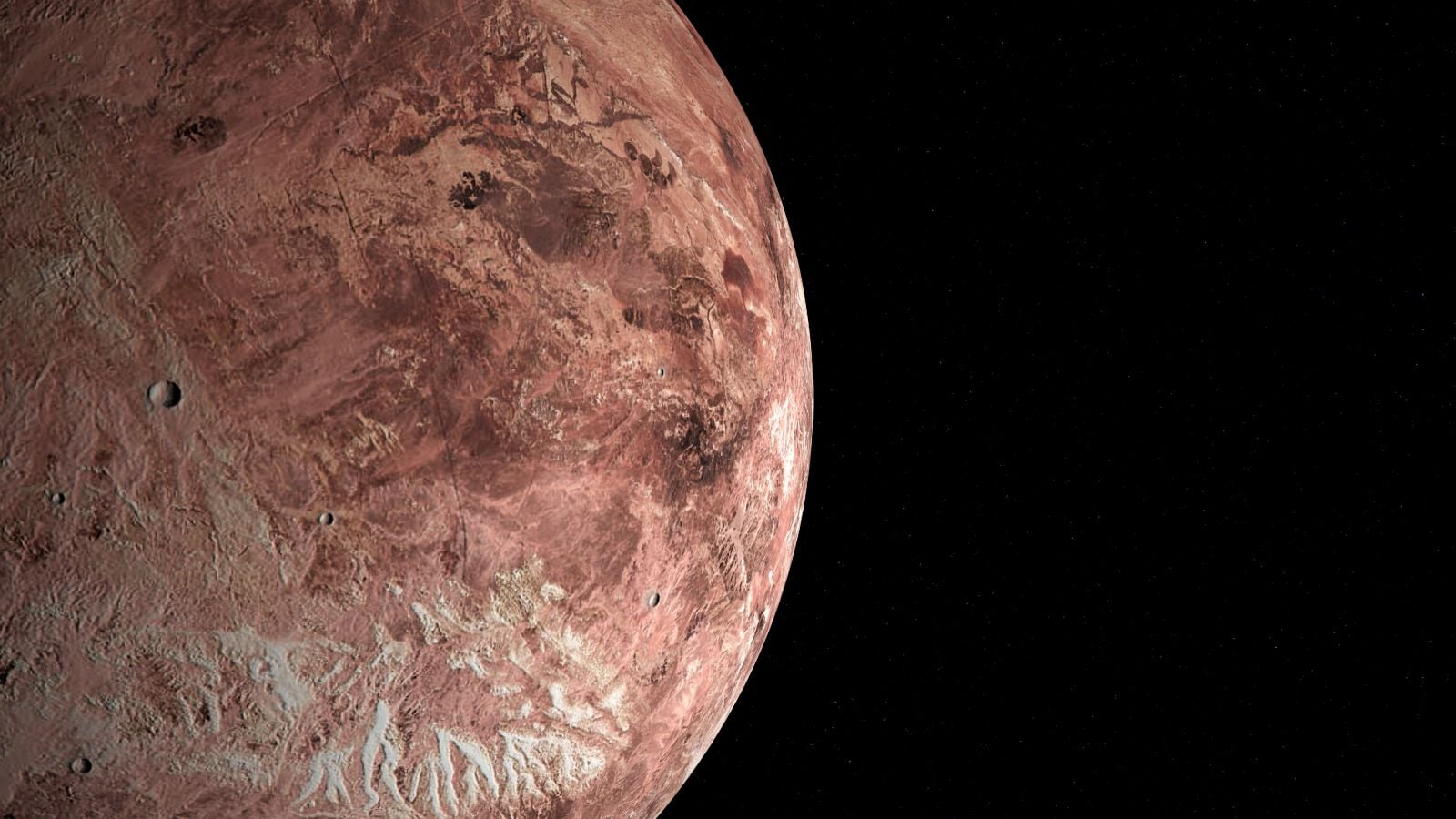
Scientists using the James Webb Space Telescope have detected faint traces of fluorescent methane gas around the dwarf planet Makemake, suggesting it is more active than previously thought and challenging the idea of it being a dormant icy body in the outer solar system.
Scientists using NASA's James Webb Space Telescope have detected methane gas on the dwarf planet Makemake, indicating it is a dynamic icy world with possible transient activity or a thin atmosphere, making it only the second trans-Neptunian object after Pluto to have confirmed gas presence.
NASA's James Webb Space Telescope has detected methane gas on the dwarf planet Makemake, suggesting the presence of a thin atmosphere or geological activity, making it only the second trans-Neptunian object after Pluto with confirmed gas. Future observations are needed to determine the exact mechanism behind this volatile activity.
Using NASA's James Webb Space Telescope, scientists have detected methane gas above the surface of Makemake, a dwarf planet beyond Neptune, indicating it may have a thin, Pluto-like atmosphere or localized outgassing, challenging previous beliefs that it was a completely frozen, inactive world.
A team using the James Webb Space Telescope has detected methane gas on the dwarf planet Makemake, suggesting it may have a tenuous, active atmosphere or transient outgassing, making it only the second trans-Neptunian object after Pluto with confirmed gas presence.
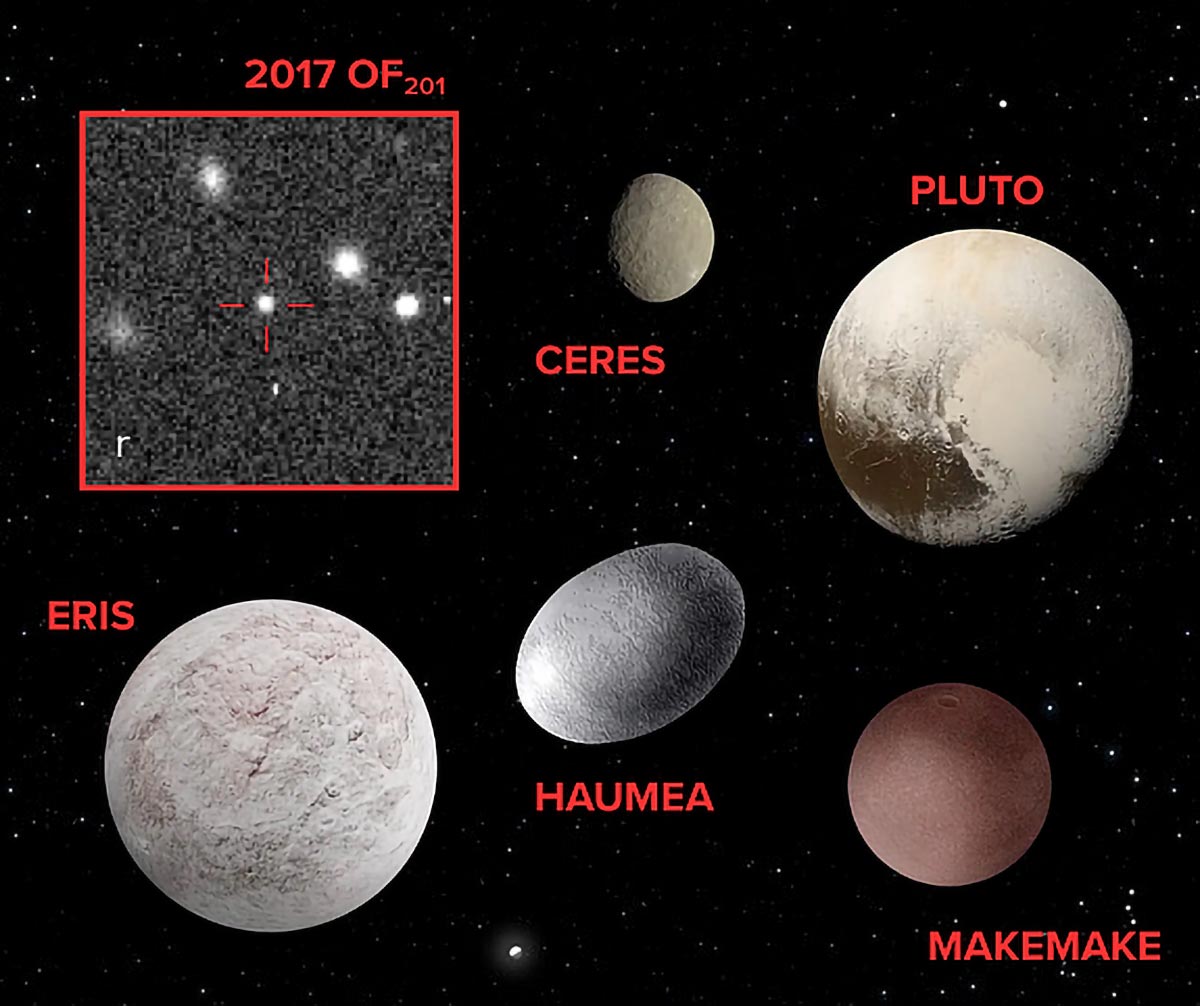
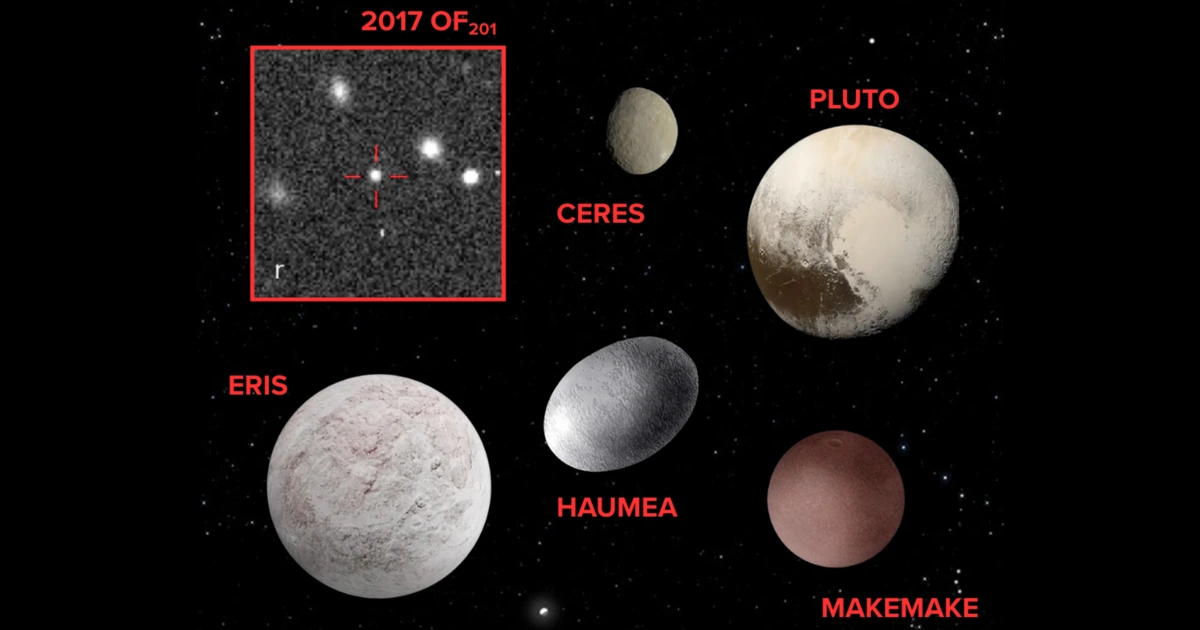
Astronomers have discovered a new trans-Neptunian object, 2017 OF201, which has a vast orbit and potential dwarf planet size, suggesting more hidden bodies exist beyond Neptune in the Kuiper Belt. The discovery challenges previous assumptions about the emptiness of this region and highlights the power of open science in astronomical research.
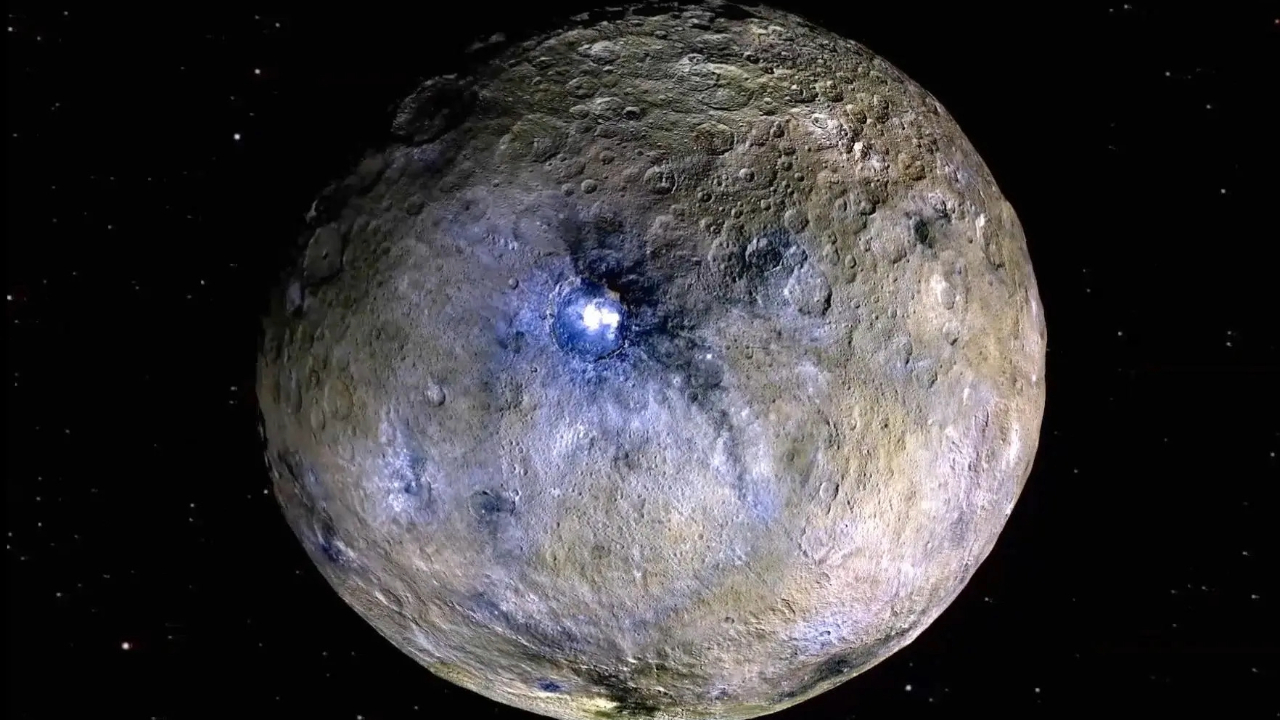
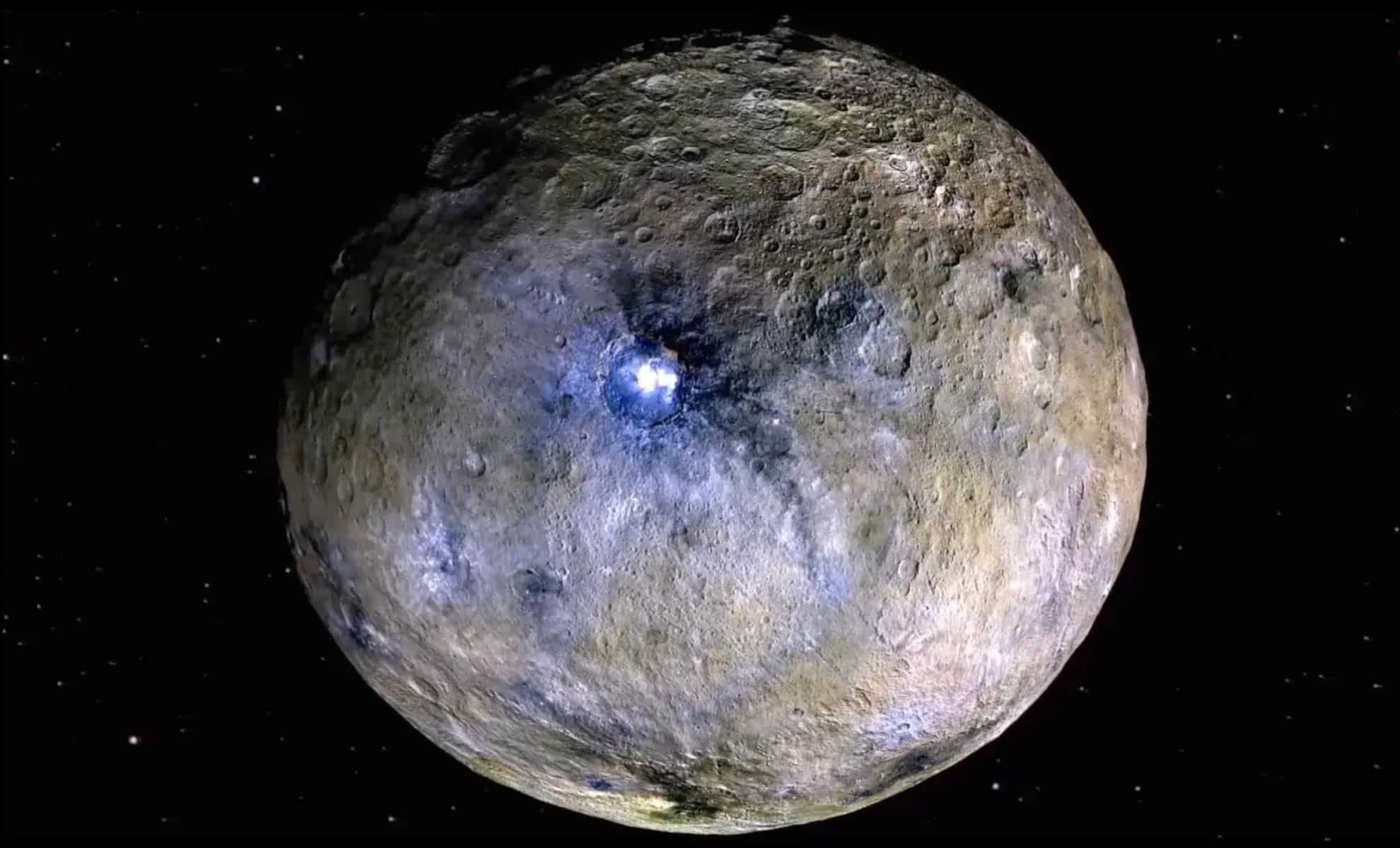
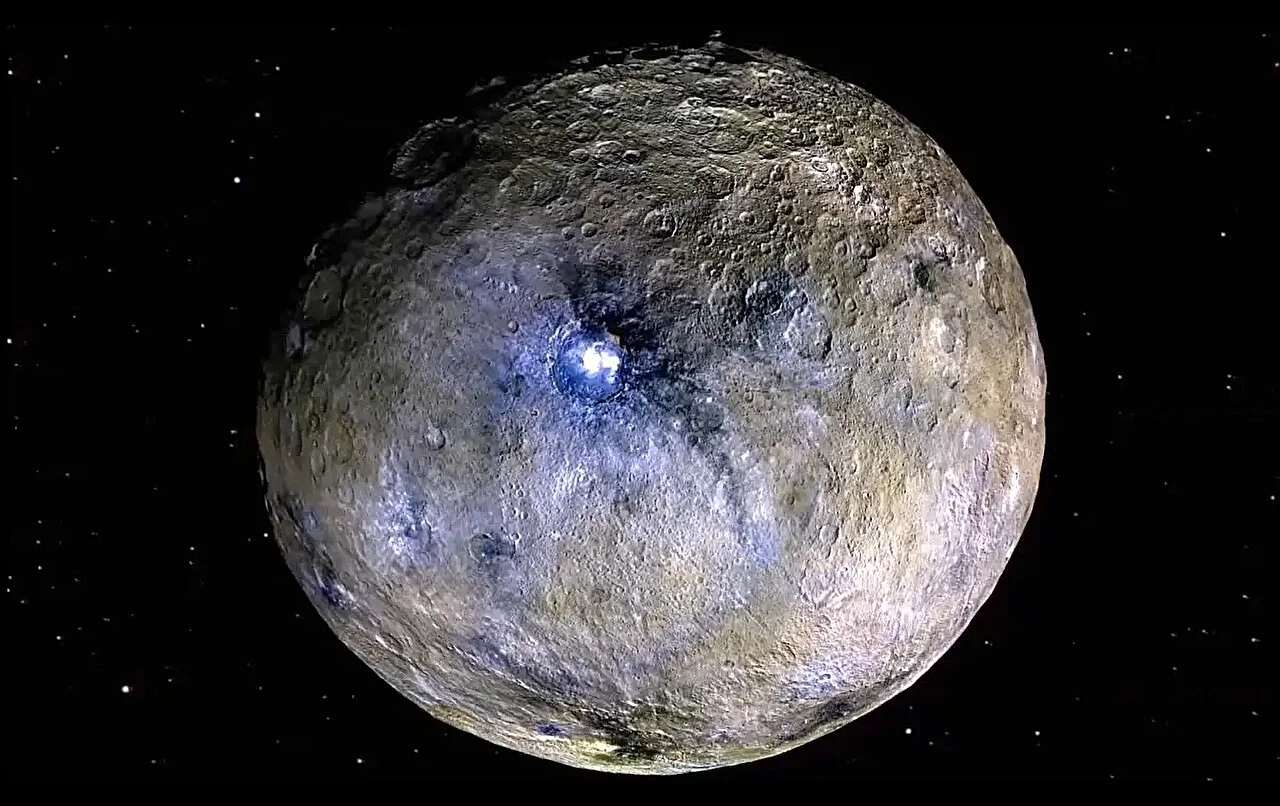
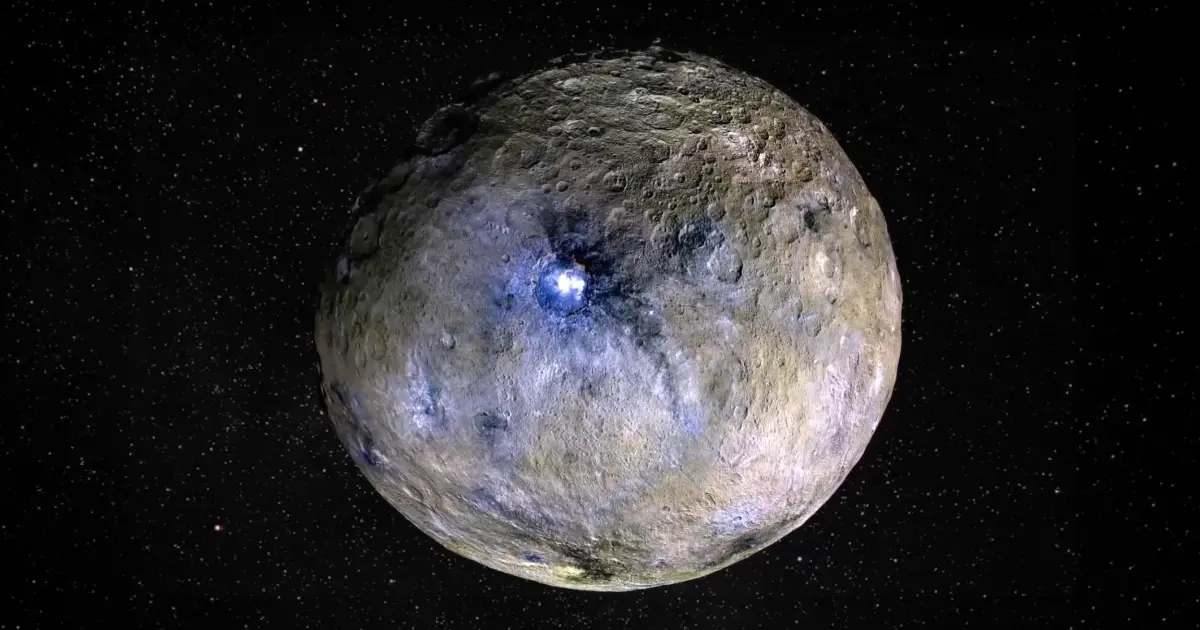
New research suggests that billions of years ago, the dwarf planet Ceres may have had the right ingredients and energy sources to support simple microbial life, due to past hydrothermal activity driven by radioactive decay, despite its current icy and cold state.
NASA's study suggests that Ceres may have once had conditions suitable for microbial life, with a subsurface ocean enriched with chemicals and energy sources, similar to Earth's hydrothermal vents, although it is no longer habitable today.
New NASA research suggests that Ceres, the largest asteroid in the belt, may have had a long-lasting source of chemical energy in its past, potentially supporting microbial life, due to a steady supply of hot, mineral-rich water from its interior, although current conditions are too cold for habitability.
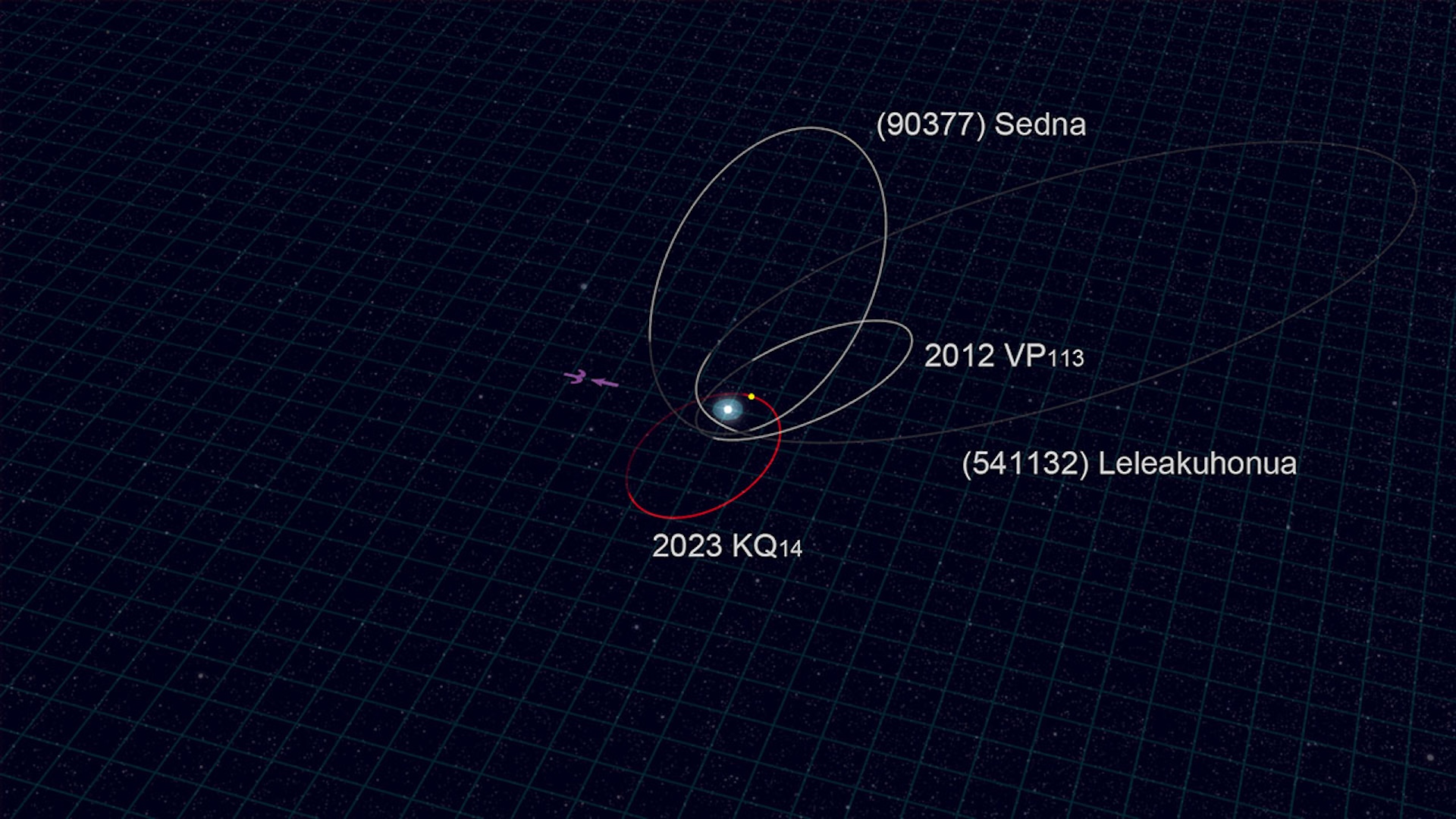
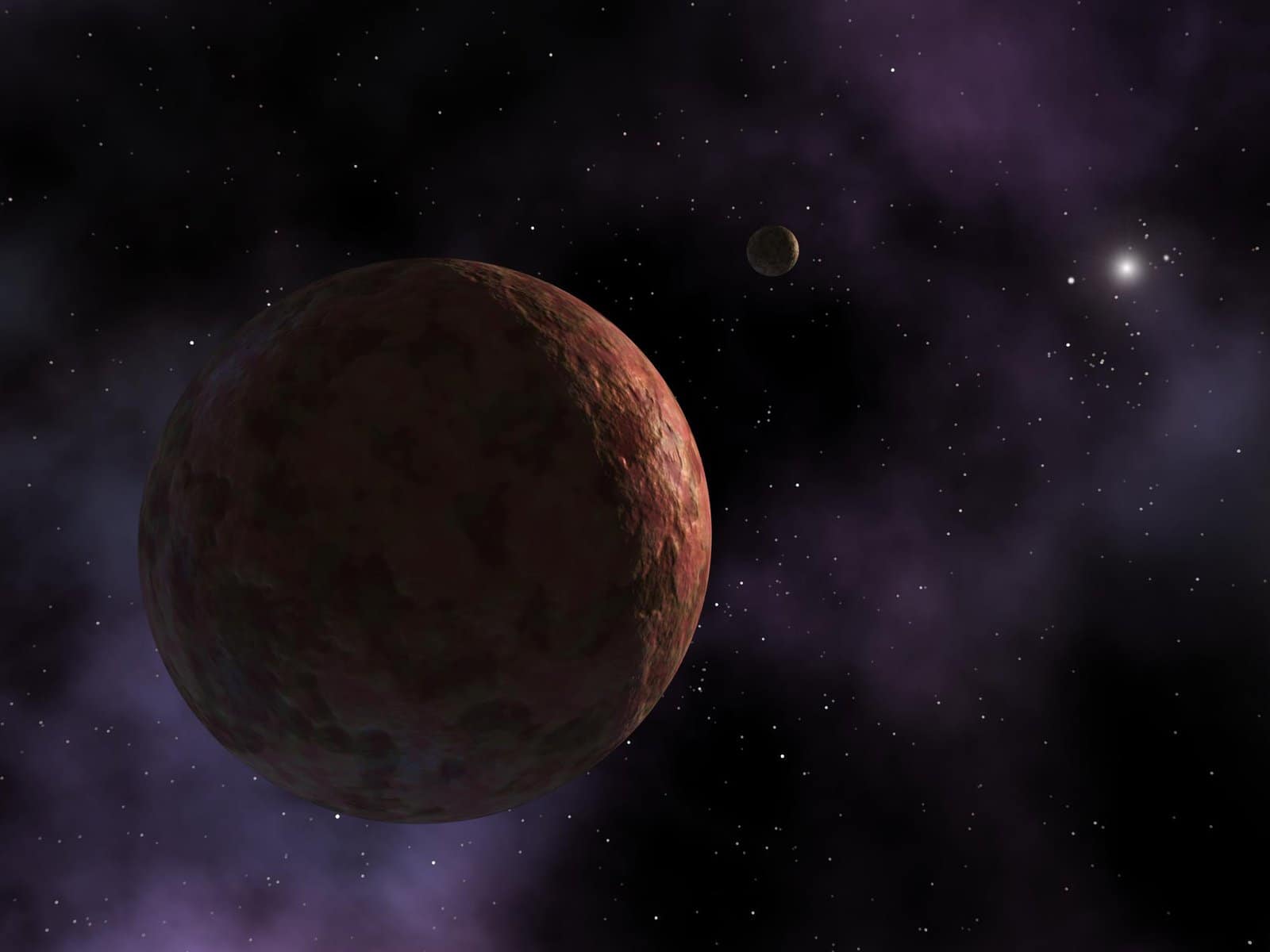
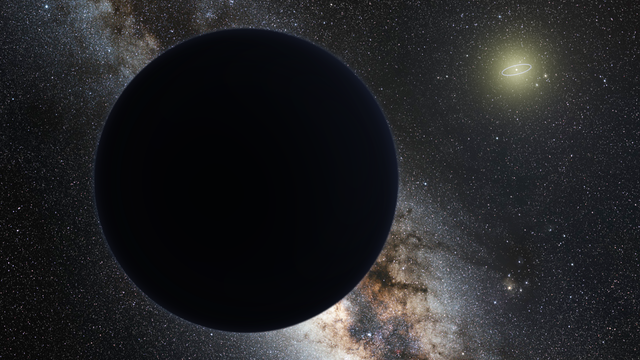
Astronomers have discovered a new dwarf planet called Ammonite beyond Pluto, which challenges the existing Planet Nine hypothesis by its unusual orbit, suggesting the possibility that such a large planet may not exist or was ejected from the solar system.
Astronomers in Japan have discovered a distant object named Ammonite beyond Neptune, which is part of a group called Sednoids that have elongated orbits. This discovery challenges the hypothesis of a ninth planet influencing these objects, suggesting a more complex history of the solar system. Ammonite's orbit and characteristics provide insights into the early solar system and its evolution.
Scientists are racing to send a spacecraft to Sedna, a distant dwarf planet on an elongated orbit that will be closest to the Sun in 2076, to study its composition and origins before it moves away again. Due to the extreme distance, innovative propulsion methods like solar sails or fusion drives are being considered, but both face significant technical challenges. A successful mission could provide valuable insights into the early Solar System and potentially extraterrestrial material, but timing and technological development are critical.
Ceres, the largest object in the asteroid belt, is a nearly spherical dwarf planet with complex geology and evidence of a once-frozen ocean, making it a compelling target for future exploration and the search for past life in our solar system.
Researchers have potentially discovered a new dwarf planet, 2017 OF201, at the edge of our solar system, which challenges some theories about the existence of the hypothetical Planet Nine, though more observations are needed to confirm its nature and implications.
Scientists have discovered a new potential dwarf planet, 2017 OF201, which challenges the existence of Planet Nine by exhibiting an orbit that does not cluster with other extreme trans-Neptunian objects, raising questions about the hypothesized planet's influence on the outer solar system.