Tag

Space And Spaceflight

All articles tagged with #space and spaceflight

Astronomers Spot the Tiniest Packed Quadruple Star System
space-and-spaceflight1 day ago

Astronomers Spot the Tiniest Packed Quadruple Star System

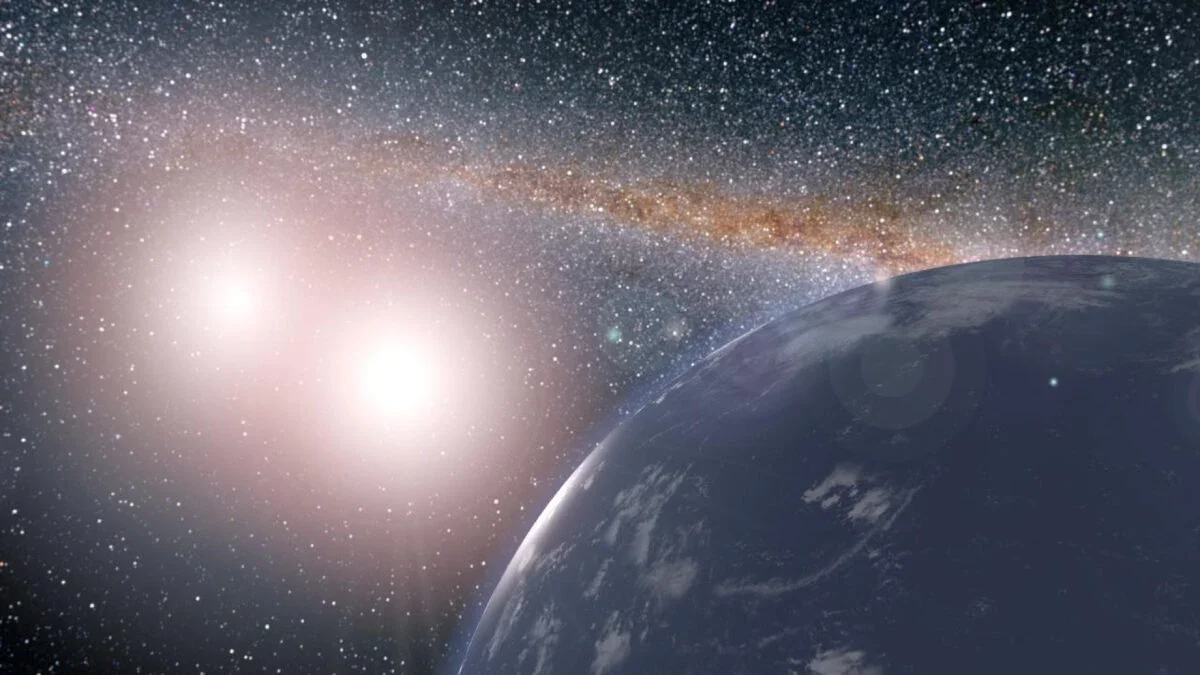
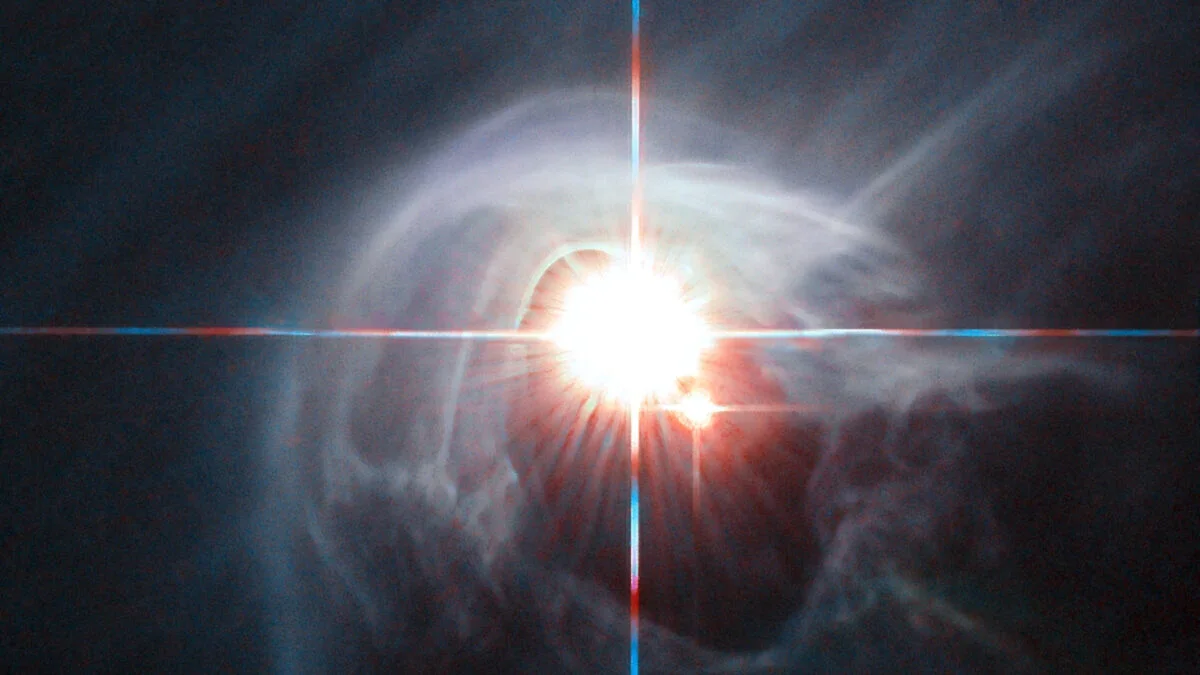
Using NASA’s TESS data from 2019–2024, astronomers identified TIC 120362137 as the most compact 3+1 quadruple star system: an eclipsing binary eclipsed by a third star, plus a distant fourth star with a 1,045.5‑day orbit—the shortest outer period observed in such a configuration. The inner three stars are packed within Mercury’s orbital distance while the outer companion sits near Jupiter’s orbit. The team’s models suggest the inner trio will merge into a white dwarf in ~300 million years, leaving a double white-dwarf system with a ~44‑day orbit.
Tiny Life Survives Asteroid-Scale Shock in Lithopanspermia Test
space-and-spaceflight1 day ago

Tiny Life Survives Asteroid-Scale Shock in Lithopanspermia Test

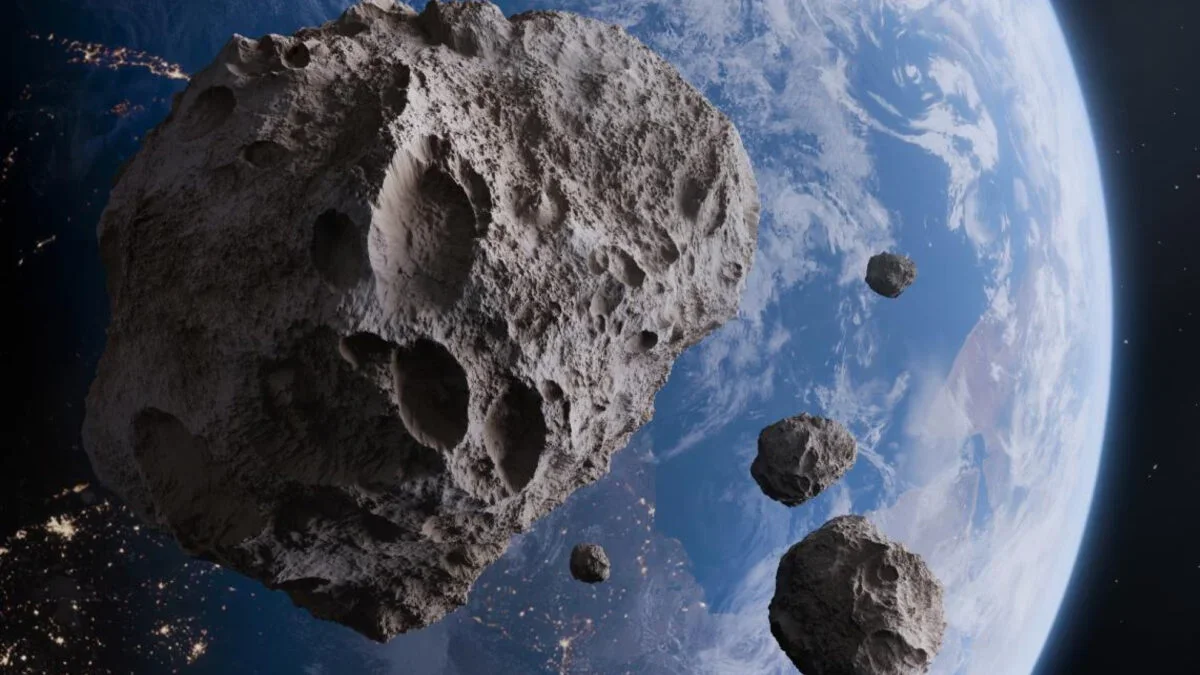
Johns Hopkins researchers simulated the harsh journey life might take on a rock traveling between planets, blasting Deinococcus radiodurans between metal plates at speeds up to 300 mph to mimic asteroid ejection from Mars. The microbes withstood 1–3 gigapascals of pressure, with only some internal damage, while the steel plates failed. The study lends support to the lithopanspermia idea that life could hitch rides on asteroids, but it remains unproven and limited in scope, and it underscores the need for planetary protection and further testing on other extremophiles.

180-Degree Sun-Pointing Glitch Ends $72M Lunar Mission on Day One
space-and-spaceflight2 days ago

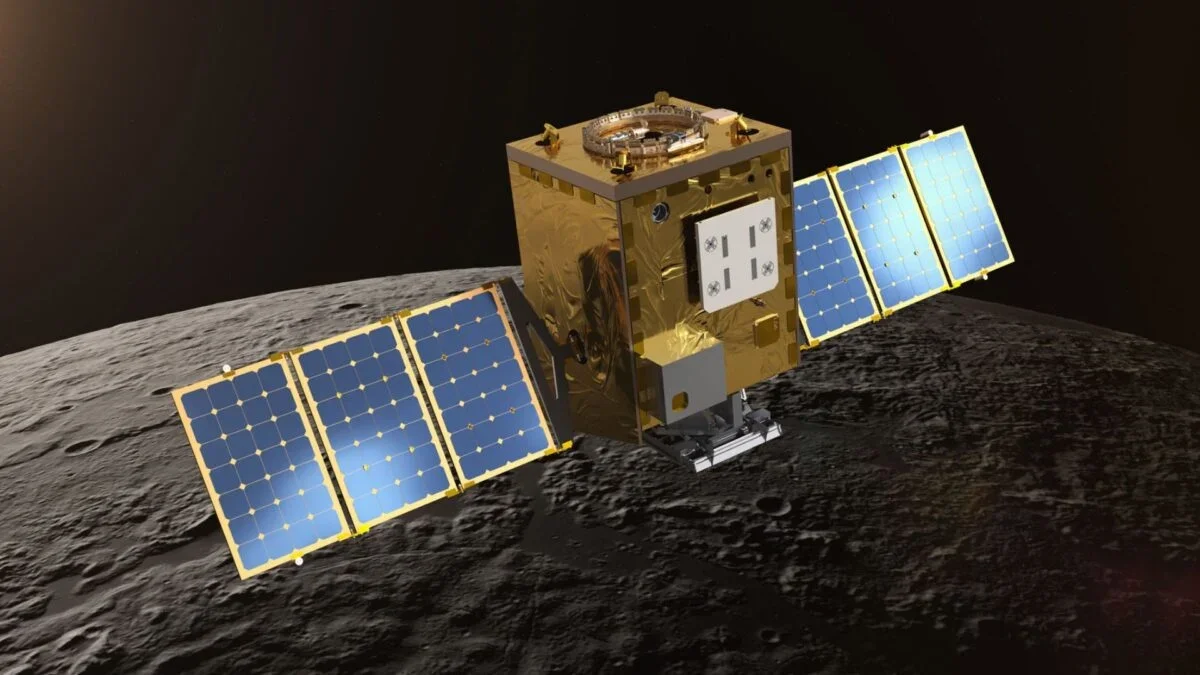
180-Degree Sun-Pointing Glitch Ends $72M Lunar Mission on Day One

NASA’s $72 million Lunar Trailblazer, designed to map water on the Moon, went dark on day one after flight software pointed its solar panels away from the Sun, plunging the craft into a cold state and severing communications. A NASA review attributed the failure to insufficient end-to-end testing and flawed fault-management actions, noting that the mission’s low-cost design amplified risk. Lockheed Martin and NASA say lessons learned will inform future efforts, and some technology will continue on in UCIS-Moon for Artemis-era research.

JUICE Captures 120 Images of Interstellar Comet 3I/Atlas as It Recedes
space-and-spaceflight5 days ago

JUICE Captures 120 Images of Interstellar Comet 3I/Atlas as It Recedes

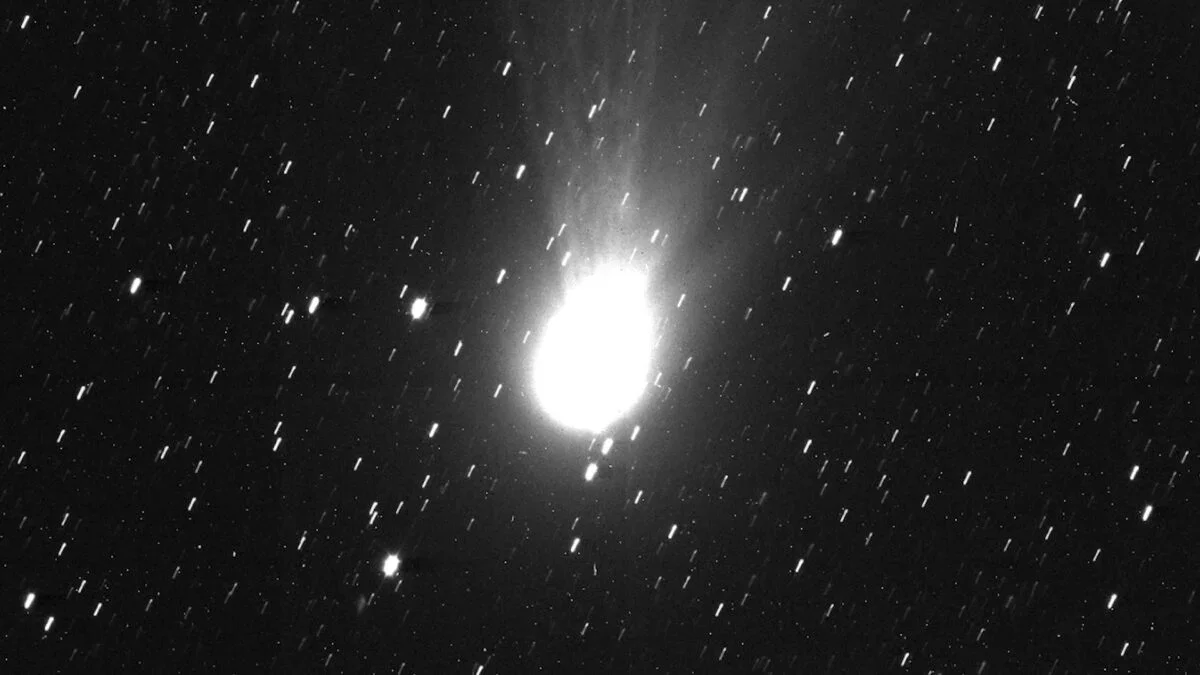
ESA’s JUICE mission photographed interstellar comet 3I/Atlas in more than 120 JANUS images on November 6, 2025, a week after its closest approach to the Sun. The shots show a bright coma and a long tail, and scientists are analyzing the data (with results expected in late March). 3I/Atlas, discovered June 2025 by ATLAS, is only the third known interstellar visitor, and as it drifts away from the Sun, JUICE continues its deep-space observations on its way to Jupiter (arrival in 2031).

Rubin Observatory Unleashes Real-Time Sky Alerts, 800,000 Notifications Overnight
space-and-spaceflight6 days ago

Rubin Observatory Unleashes Real-Time Sky Alerts, 800,000 Notifications Overnight

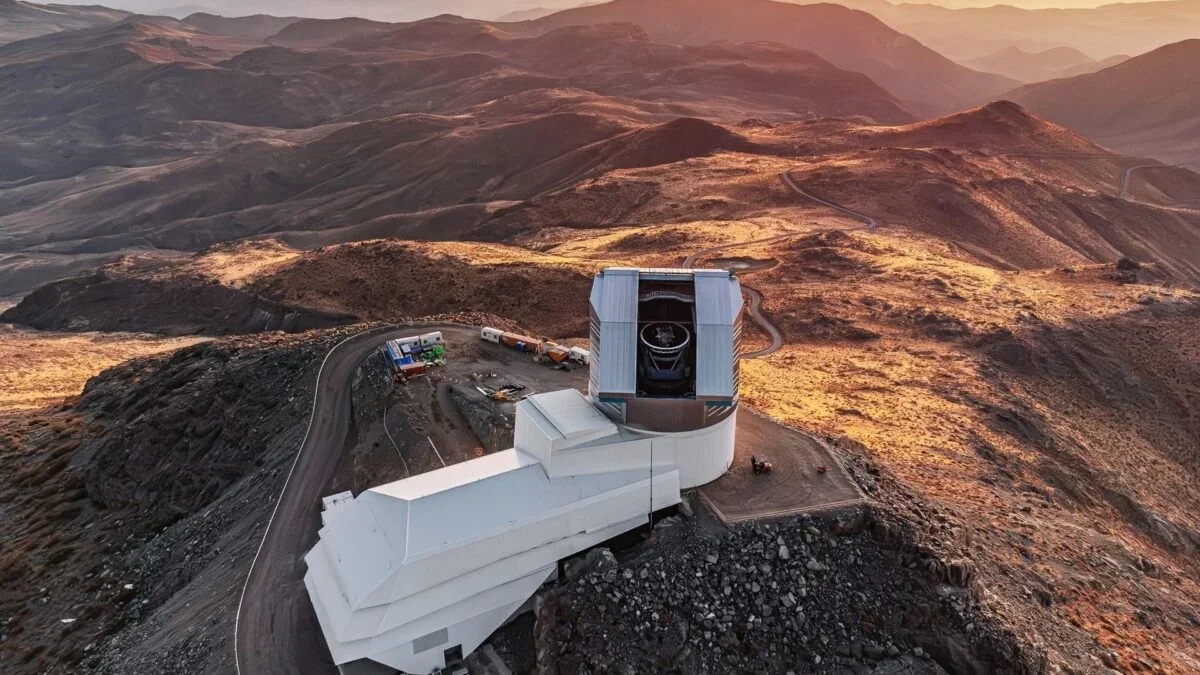
The Vera C. Rubin Observatory kicked off its real‑time alert system, dispatching 800,000 sky-change notifications to researchers worldwide in its first run. The alerts flagged events like supernovae, asteroids, variable stars, and active galactic nuclei, and are powered by the Alert Production Pipeline designed to scale up to about 7 million alerts per night, enabling rapid follow‑up observations as the Legacy Survey of Space and Time proceeds.

Gigamaser: The Universe’s Brightest Microwave Laser Detected in Deep Space
space-and-spaceflight8 days ago

Gigamaser: The Universe’s Brightest Microwave Laser Detected in Deep Space

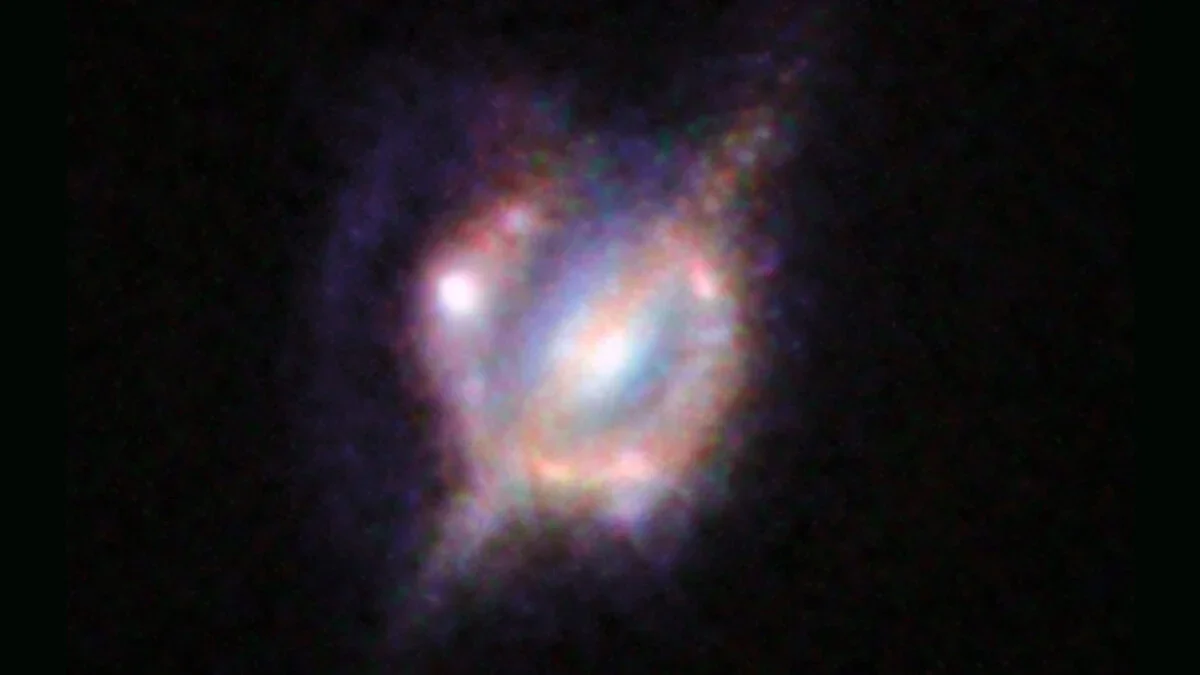
Astronomers using the MeerKAT radio telescope spotted an extremely bright hydroxyl maser in the distant galaxy merger H-ATLAS J142935.3–002836, whose signal was amplified by an unrelated foreground galaxy acting as a gravitational lens, yielding the first gigamaser—about 100,000 times the luminosity of a star—and enabling new ways to probe cosmic evolution from billions of light-years away.

Curiosity Uncovers Crunchy Nodules Among Martian Boxwork
space-and-spaceflight8 days ago

Curiosity Uncovers Crunchy Nodules Among Martian Boxwork

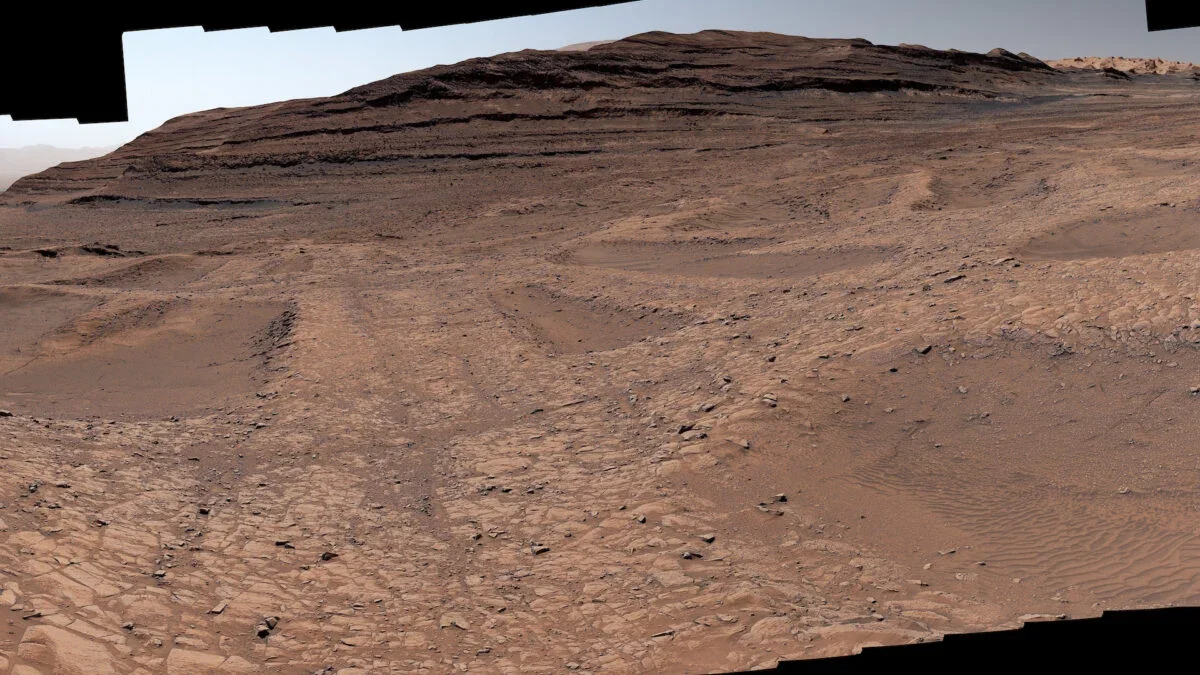
NASA’s Curiosity rover examined boxwork formations on Mount Sharp and found mineral nodules along ridge walls and hollows, formed by ancient groundwater as water flowed through rock cracks. The nodules, plus the height of the groundwater that cemented the ridges, suggest groundwater persisted longer than expected, potentially extending the window for past habitability and microbial life on Mars.

Webb’s 17-hour stare at Uranus uncovers baffling auroras
space-and-spaceflight11 days ago

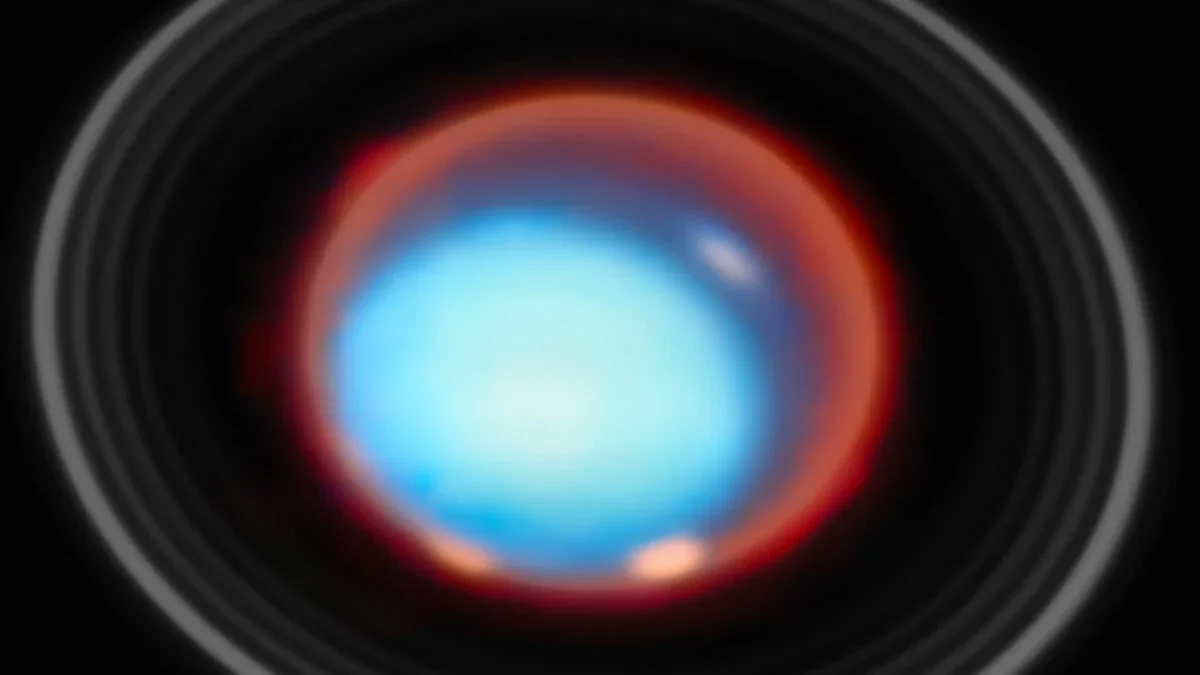
Webb’s 17-hour stare at Uranus uncovers baffling auroras

The James Webb Space Telescope spent 17 hours peering at Uranus to map its upper atmosphere in three dimensions, revealing two bright auroral bands near the planet’s unusual magnetic poles and a depletion of ions between them. The observations show how Uranus’s tilted, offset magnetosphere shapes energy flow and auroral activity, with the upper atmosphere still cooling since the 1986 Voyager flyby, providing new insights into the dynamics of ice-giant atmospheres.

Galaxy Cloaked in Darkness Hints at 99% Dark Matter
space-and-spaceflight14 days ago

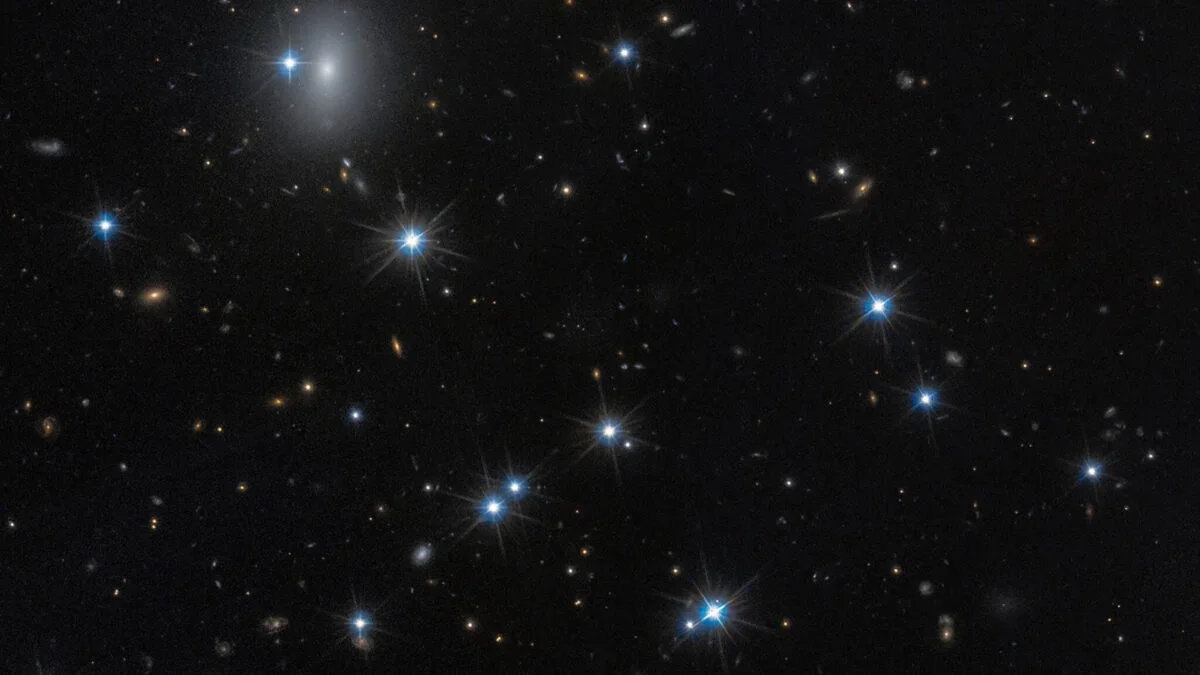
Galaxy Cloaked in Darkness Hints at 99% Dark Matter

Astronomers using the Hubble Space Telescope identified CDG-2, a very dim galaxy in the Perseus cluster that appears to be 99% dark matter, with most of its normal matter stripped away by the crowded environment; the galaxy is inferred from a surrounding globular cluster population, marking it as one of the most dark-matter–dominated galaxies and a test bed for theories of dark matter and star formation.

Hidden Lava Tubes Hint at a Subsurface Network Beneath Venus
space-and-spaceflight16 days ago

Hidden Lava Tubes Hint at a Subsurface Network Beneath Venus

Researchers analyzing radar data from the Magellan mission detected what appears to be a large underground lava tube beneath Venus, near the Nux Mons region. The tube is about 1 kilometer wide, with a roof around 150 meters thick and a hollow cavity at least 375 meters high, marking the first confirmed subsurface feature on Venus and supporting long-held ideas about the planet’s volcanic activity. If confirmed, there may be more tubes beneath Venus’ surface, a task for upcoming radar-focused missions VERITAS and EnVision, planned to launch around 2031.

NASA's Artemis II fueling fix stalls in latest test
space-and-spaceflight16 days ago

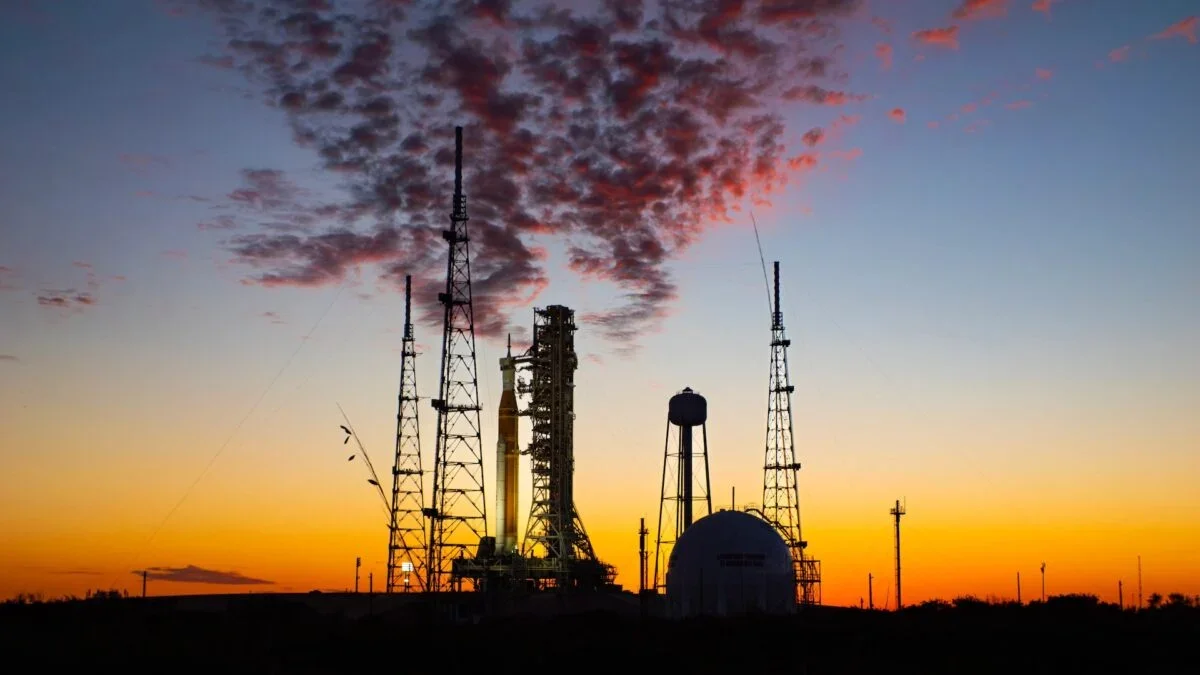
NASA's Artemis II fueling fix stalls in latest test

NASA's latest confidence test of the Space Launch System fueling system, including newly replaced seals, partially filled the core-stage liquid hydrogen tank and then encountered a ground support equipment issue that reduced hydrogen flow. The test followed a hydrogen leak observed during Artemis II prep; engineers will purge the line and inspect equipment, including replacing a suspected filter. Artemis II's March launch window could be at risk, but NASA says safety remains the priority and work will continue.

NASA Puts Swift Observatory on Pause to Prevent Reentry, Seeks Rescue Mission
space-and-spaceflight19 days ago

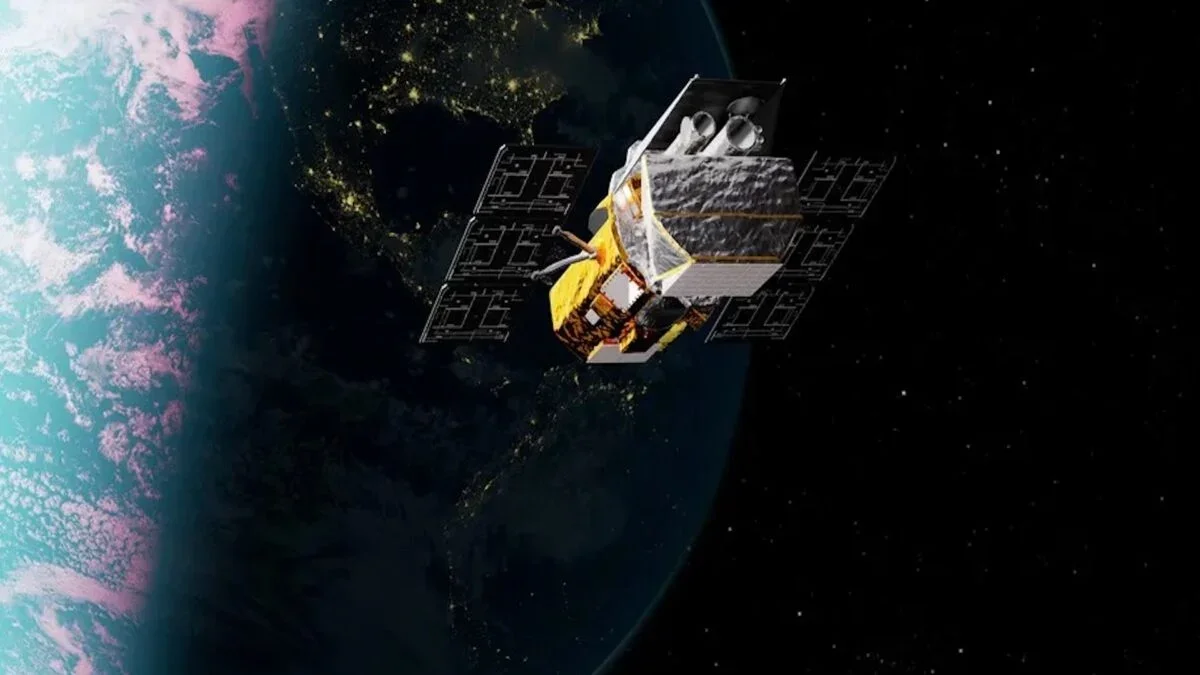
NASA Puts Swift Observatory on Pause to Prevent Reentry, Seeks Rescue Mission

NASA has paused most Swift Observatory science operations to reduce atmospheric drag and slow its orbital decay, as the 21-year-old gamma-ray telescope faces a rising risk of uncontrolled reentry by mid-2026. To extend its life, NASA awarded a $30 million contract to Katalyst Space Technologies for a rescue mission to rendezvous with Swift and boost its orbit, with a launch aimed for June to keep the spacecraft above about 185 miles in altitude. The Burst Alert Telescope will still detect gamma-ray bursts, while other telescopes remain on hold to minimize drag.

SpaceX Bets on Moon City, Mars Plans Put on Hold
space-and-spaceflight24 days ago

SpaceX Bets on Moon City, Mars Plans Put on Hold

Elon Musk announced SpaceX is shifting focus from Mars to building a self-growing Moon City, claiming the Moon option could be ready in under a decade while Mars would take 20+ years; the pivot comes as NASA and Blue Origin vie to land astronauts for Artemis 3 and SpaceX faces Starship HLS delays, signaling closer alignment with lunar goals and a potential delay to Red Planet ambitions.

Dark Matter Core Emerges as Challenger to the Galactic Center’s Black Hole
space-and-spaceflight27 days ago

Dark Matter Core Emerges as Challenger to the Galactic Center’s Black Hole

Simulations show a dense dark matter core at the Milky Way’s center could mimic Sagittarius A*’s gravity, matching observed orbital data as well as a black hole and aligning with Gaia DR3, but the model isn’t decisively better yet; next-gen instruments will test whether dark matter could truly dominate the Galactic Center.