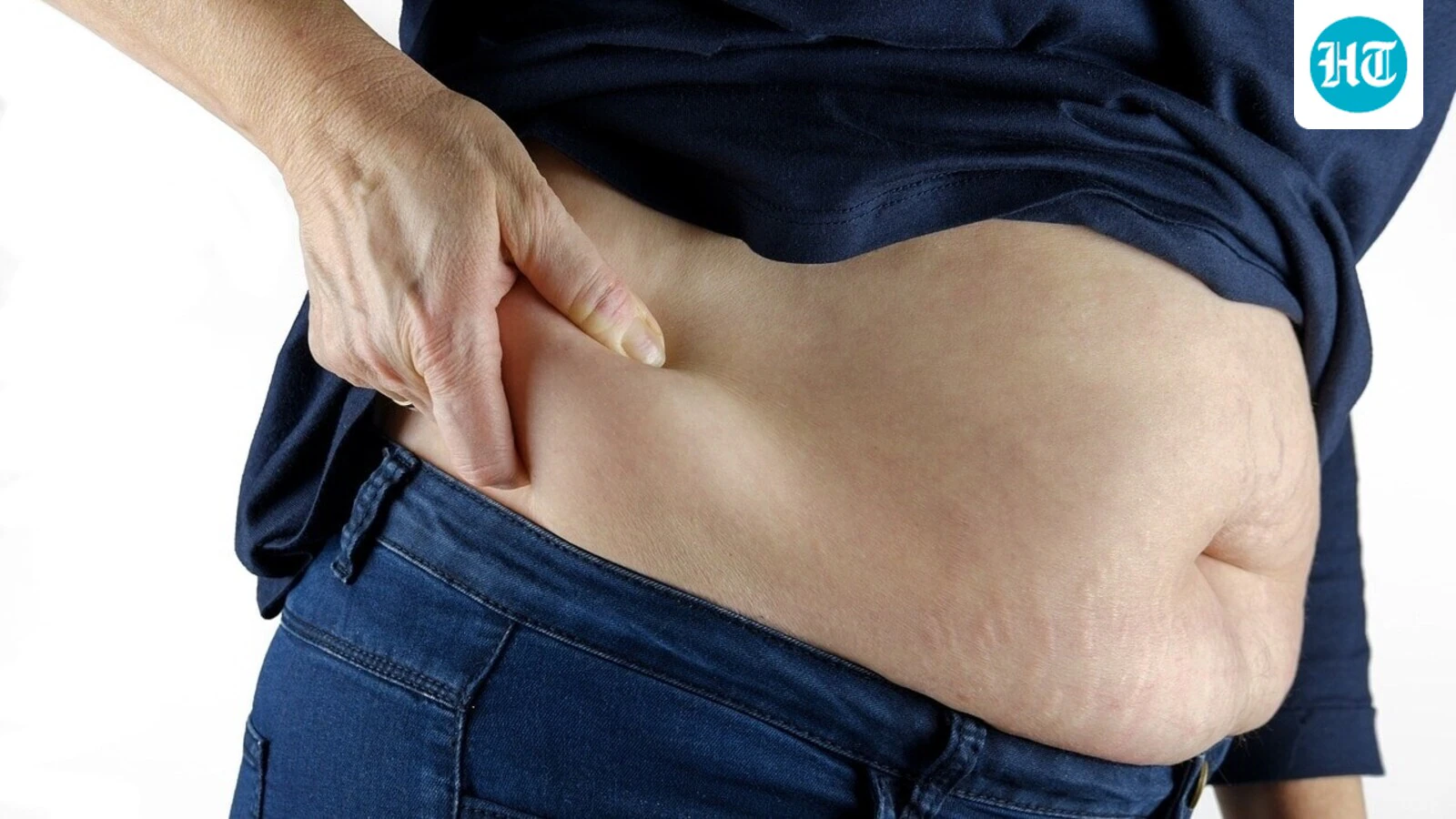
To effectively lose a paunch, men should adopt a combined approach of a healthy diet and regular exercise, including cardio and core strengthening exercises, while avoiding excess alcohol and processed foods. Managing stress and maintaining a healthy lifestyle are crucial for reducing visceral fat and improving overall health.
A study suggests that building muscle through strength training and reducing visceral fat can help maintain a younger, healthier brain as we age, highlighting the importance of resistance exercise for cognitive health in middle age.
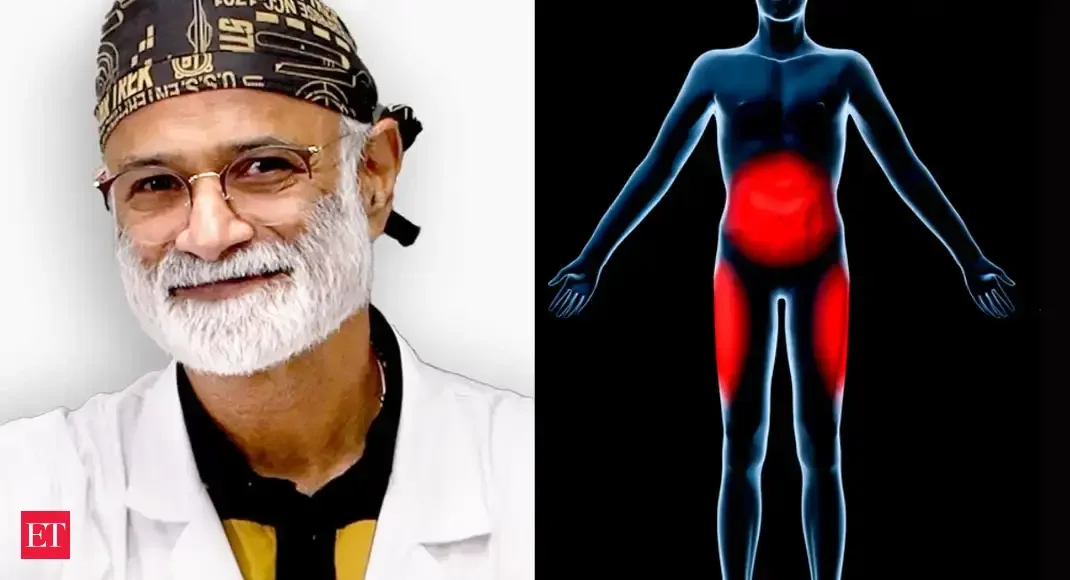
Dr. Pradip Jamnadas, a cardiologist with over 31 years of experience, recommends a gradual fasting routine starting with 12-12 hours and progressing to 18-6 hours to effectively and safely reduce visceral belly fat, which is linked to heart health issues. For severe cases like diabetes or significant obesity, he suggests more extended fasts such as 48-hour fasts or OMAD. The approach emphasizes hydration and gradual adaptation, highlighting fasting as a healing and fat-burning tool rather than starvation.
Visceral fat, the deep fat surrounding organs, is highly dangerous due to its role in inflammation and metabolic disruption, primarily caused by high insulin levels from excessive sugar intake. Fasting is recommended as an effective method to reduce visceral fat by lowering insulin and promoting fat burning, especially around the organs. Combining fasting with low sugar diets and balanced meals can improve long-term health, reduce inflammation, and lower the risk of metabolic diseases.
A new study links metabolically active visceral fat around internal organs to more aggressive endometrial cancer in women, suggesting that the activity level of belly fat, not just its amount, influences cancer severity and could lead to new diagnostic and treatment strategies.
Cardiologist Dr. Sundeep Mishra recommends adding fatty fish, leafy greens, and whole grains to your diet to reduce visceral fat and improve heart health, emphasizing a balanced lifestyle with exercise and sleep for best results.
Interventional cardiologist Dr. Pradip Jamnadas emphasizes fasting as an effective method to reduce visceral fat, which surrounds vital organs and increases health risks like heart disease and diabetes. High sugar intake raises insulin levels, promoting fat storage and inflammation, but fasting lowers insulin, triggers fat burning, and improves metabolic health, making it a powerful strategy for long-term wellness.
Visceral fat, which surrounds internal organs and is linked to health risks like diabetes and heart disease, can be effectively reduced through fasting, which lowers insulin levels and promotes fat burning, especially within the first 12 hours of fasting.
The article discusses nine natural strategies to reduce visceral fat, which surrounds organs and increases health risks. These include avoiding late-night eating, cold exposure, increasing daily movement, consuming apple cider vinegar before meals, prioritizing sleep, adding soluble fiber, choosing healthy cooking oils, lifting weights, and starting the day with protein. These habits can help improve overall health and reduce dangerous belly fat without spot reduction.
Eating spinach daily is highly effective for reducing visceral fat due to its rich carotenoid content, fiber, and appetite-suppressing compounds, supported by clinical trials and scientific research. Incorporating spinach into meals like smoothies, salads, and omelets can help improve satiety, lower inflammation, and support long-term health, especially when combined with regular exercise and a healthy diet.
Eating spinach, rich in carotenoids and fiber, can help reduce visceral fat, which is linked to health risks like diabetes and heart disease. Incorporating spinach into a balanced diet, along with exercise, stress management, and limiting added sugars, can support fat reduction and overall health.
To reduce lower belly fat after 50 without calorie counting or crunches, adopt a plant-based diet, eat earlier in the day, incorporate mini movement breaks like walking or HIIT, engage in strength training, prioritize quality sleep, manage stress, increase fiber intake, limit alcohol, and support gut health with probiotics and prebiotics. These habits target visceral fat, which is linked to health risks and responds quickly to positive changes.
Replacing Friday night takeout with homemade, nutritious meals can help reduce visceral fat, which is linked to health issues like diabetes and heart disease. Controlling ingredients, portion sizes, and avoiding distracted eating, along with regular exercise, sufficient fiber intake, and good sleep, are key strategies for managing visceral fat and improving overall health.
A study from the University of California, San Francisco, highlights the negative impact of ultra-processed foods on muscle health, particularly in the thighs, where increased intramuscular fat is linked to a higher risk of knee osteoarthritis. The research, involving over 600 participants, found that a diet high in ultra-processed foods leads to more fat in thigh muscles, regardless of calorie intake or physical activity. This fat accumulation may contribute to the onset of osteoarthritis and is associated with other chronic diseases due to its role in increasing visceral fat. The study suggests reducing ultra-processed food consumption to improve musculoskeletal and overall health.
A study from Washington University in St. Louis has found a strong link between visceral fat and Alzheimer's disease, suggesting that deep belly fat could predict Alzheimer's risk decades before symptoms appear. Unlike subcutaneous fat, visceral fat is associated with amyloid plaques in the brain, a hallmark of Alzheimer's. The research indicates that fat distribution, rather than BMI alone, may be a more reliable predictor of Alzheimer's risk. Additionally, the study highlights the role of cholesterol and insulin levels in Alzheimer's development, emphasizing the complex relationship between metabolic health and brain function.