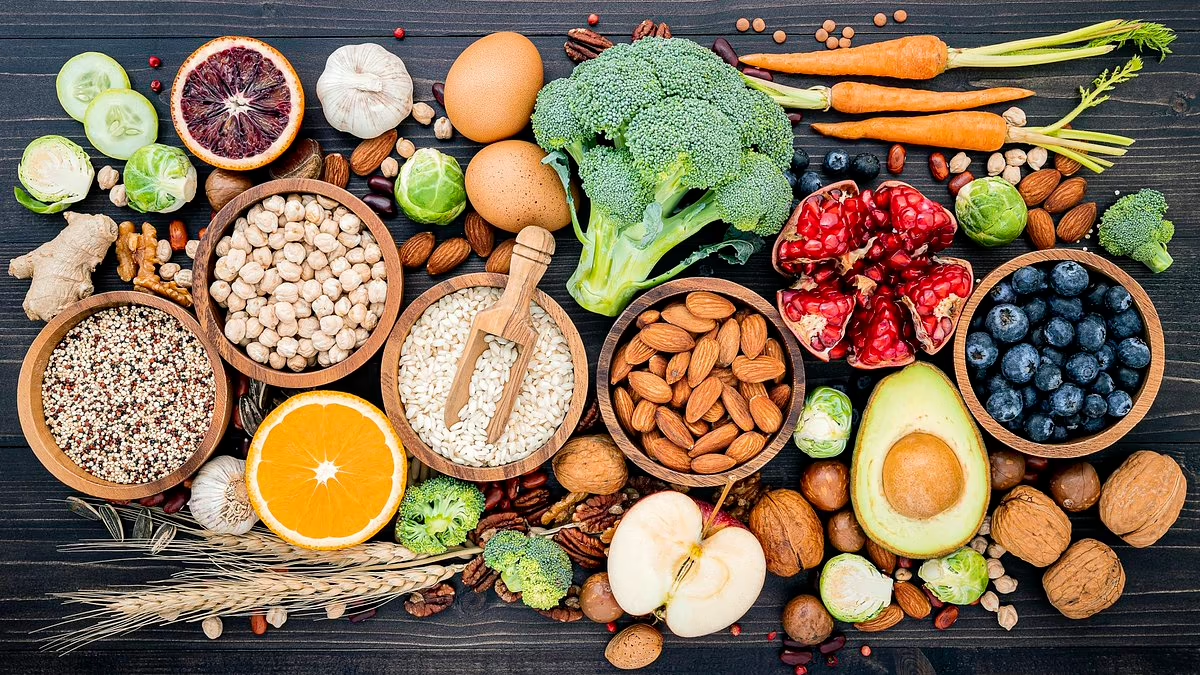
Research from Virginia Tech highlights that ultra-processed meats and sugary beverages significantly increase the risk of cognitive impairments, including dementia, in older adults. The study emphasizes the importance of moderating consumption of these foods and suggests cooking classes as a practical intervention to improve diet quality and protect brain health.

Cardiologist Dr. Sundeep Mishra recommends adding fatty fish, leafy greens, and whole grains to your diet to reduce visceral fat and improve heart health, emphasizing a balanced lifestyle with exercise and sleep for best results.
Scientists have identified key molecules linked to metabolism that may influence excessive daytime sleepiness (EDS), with dietary factors such as omega-3 fatty acids reducing risk and foods high in tyramine increasing it. These findings suggest lifestyle and dietary modifications could help manage EDS, which affects about one in five people, and highlight the role of genetics and metabolism in sleep health.
Scientists have identified key molecules linked to metabolism that may cause excessive daytime sleepiness (EDS), and suggest that dietary modifications, such as increasing omega-3 and omega-6 fatty acids and reducing tyramine-rich foods, could help manage the condition, which affects about one in five people.
A British doctor highlights beetroot as an affordable, natural superfood that can significantly lower blood pressure due to its high nitrate content, emphasizing the importance of diet and lifestyle changes alongside medication for managing hypertension.
A study suggests that a diet high in omega-3 fatty acids, including fish, olive oil, and walnuts, while reducing omega-6 intake, can slow the growth of early-stage prostate cancer. This dietary approach, combined with fish oil supplements, was shown to decrease cancer cell growth rates in men under active surveillance, potentially delaying the need for aggressive treatments like surgery or radiation. The research highlights the potential of dietary changes in managing prostate cancer progression, although further studies are needed to confirm these findings.
A study published in the British Medical Journal links ultra-processed foods (UPFs) to over 30 health conditions, including cancer, depression, and cardiovascular diseases. Based on data from 9.9 million people, the study highlights the negative impact of UPFs, which are high in sugar, fat, and salt but low in nutrients. Experts, including Dr. Chris Van Tulleken, advocate for reducing UPF consumption to improve health, suggesting simple dietary changes like using passata instead of ready-made pasta sauces.
Registered nutritional therapists suggest that dietary changes, such as increasing intake of oily fish and fiber-rich vegetables while reducing red meat, dairy, sugar, alcohol, and processed foods, could help manage symptoms of endometriosis, a condition affecting one in 10 women. Omega-3 in oily fish has anti-inflammatory properties, while fiber helps regulate estrogen levels. However, individual responses to dairy vary. Studies show that certain foods and alcohol can exacerbate inflammation and pain associated with endometriosis.
Lactose intolerance, affecting 30 to 50 million Americans, results from the body's decreased production of the lactase enzyme, leading to symptoms like gas, bloating, and diarrhea. While it's normal for adults to become lactose intolerant due to age-related enzyme reduction, dietary changes such as avoiding high-lactose foods and trying lactose-free products or enzyme supplements can help manage symptoms. Individual tolerance levels vary, so experimenting with different dairy products and amounts is recommended.
A study suggests that the Black Death, the plague that killed up to 60% of Europeans in the 14th century, may have contributed to our love of junk food today. Analysis of dental plaque from skeletons spanning thousands of years revealed that the dominant bacteria found in our mouths today is linked to low-fiber, high-carbohydrate diets, similar to modern-day diets such as junk food. Changes to diet and hygiene during the plague are thought to have affected our oral microbiome, which is associated with various health conditions. This is the first time that past pandemics have been linked to changes in the microbes in our bodies.
Cutting just 1 teaspoon of salt from daily intake could have the same effect on blood pressure as taking blood pressure medication, according to a study published in the Journal of the American Medical Association. The study found that reducing salt intake by about 1 teaspoon per day led to a decrease in systolic blood pressure by 6 mm Hg, comparable to the effect of commonly used blood pressure medication. The reduction in blood pressure was observed across individuals with normal blood pressure, controlled hypertension, untreated hypertension, and uncontrolled hypertension. The findings highlight the importance of reducing dietary sodium intake to help control blood pressure, even among individuals already on medication.
Incorporating certain spices like cumin, black pepper, ginger, fennel seeds, coriander seeds, cinnamon, and cardamom into your diet can support digestive health and prevent excessive gas and bloating. However, spices like chili, onion, and garlic can disrupt digestion and contribute to bloating. Chronic bloating should be addressed with a healthcare provider to determine the underlying cause and find appropriate solutions.
Magnesium is an essential mineral that plays a crucial role in various bodily functions. Low magnesium levels may not initially cause symptoms as the body borrows from its stored magnesium, but eventually, symptoms such as fatigue, poor appetite, muscle spasms, and mood changes may arise. Certain medical conditions and medications can increase the risk of magnesium deficiency. Dietary changes and supplementation may be recommended, but it's important to consult a healthcare provider before starting any new supplement, as excessive magnesium intake can have adverse effects.
Women in their 40s can make smart dietary changes to ease into perimenopause and age gracefully. These changes include increasing intake of nitrate-rich vegetables to boost nitric oxide levels, focusing on micronutrients like magnesium and omega-3s, avoiding extremely low-calorie diets and ensuring enough protein intake, incorporating fiber to manage cholesterol levels, and adopting a flexible and forgiving approach to healthy eating.
Brain fog, characterized by symptoms such as fatigue, difficulty concentrating, and memory loss, may indicate brain inflammation. Inflammation in the brain can result from various factors, including a leaky blood-brain barrier, chronic systemic inflammation, blood sugar imbalances, gut infections, toxins, stress, and head injuries. Research suggests that dietary changes, particularly avoiding food intolerances like gluten, can help alleviate brain fog. Understanding the causes of brain inflammation is crucial in managing and reducing it to prevent long-term damage and the risk of degenerative disorders like Alzheimer's.