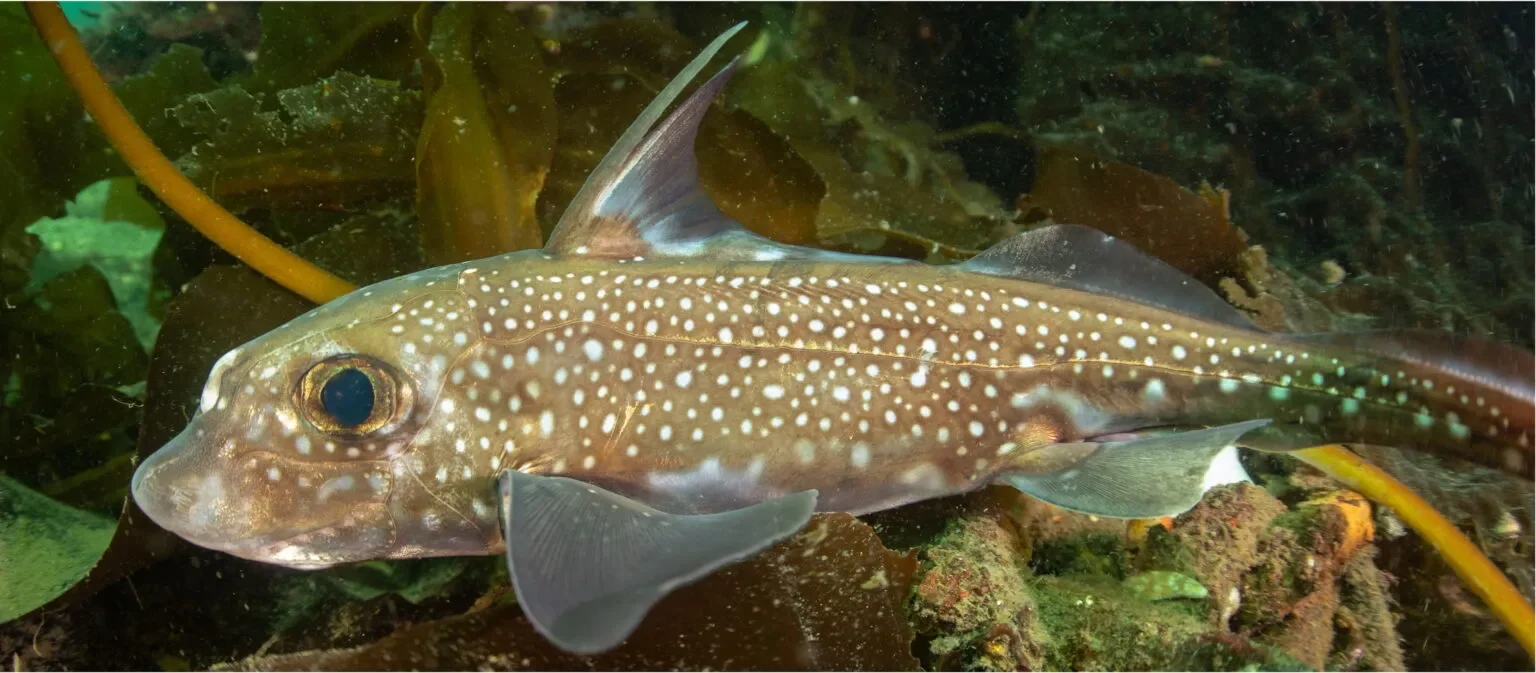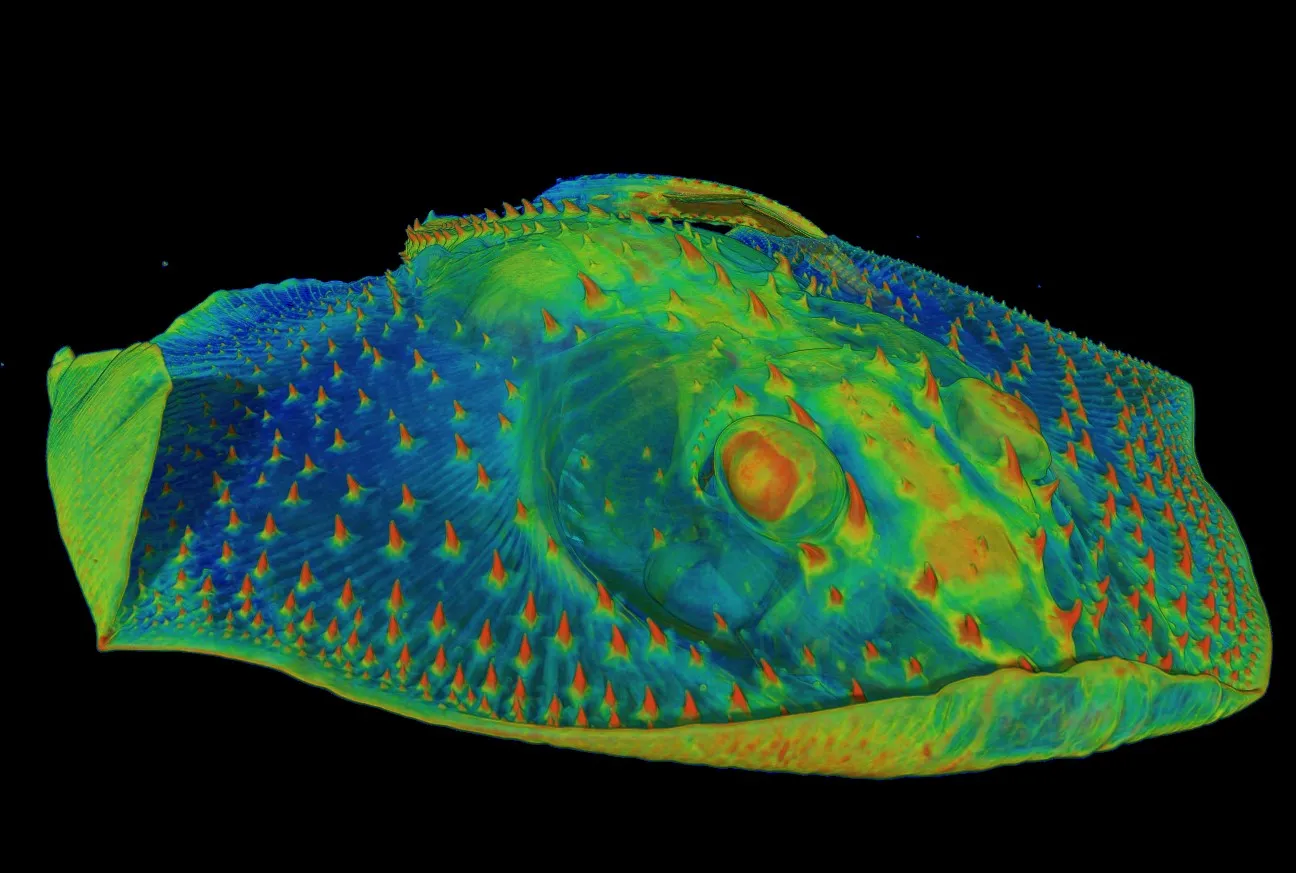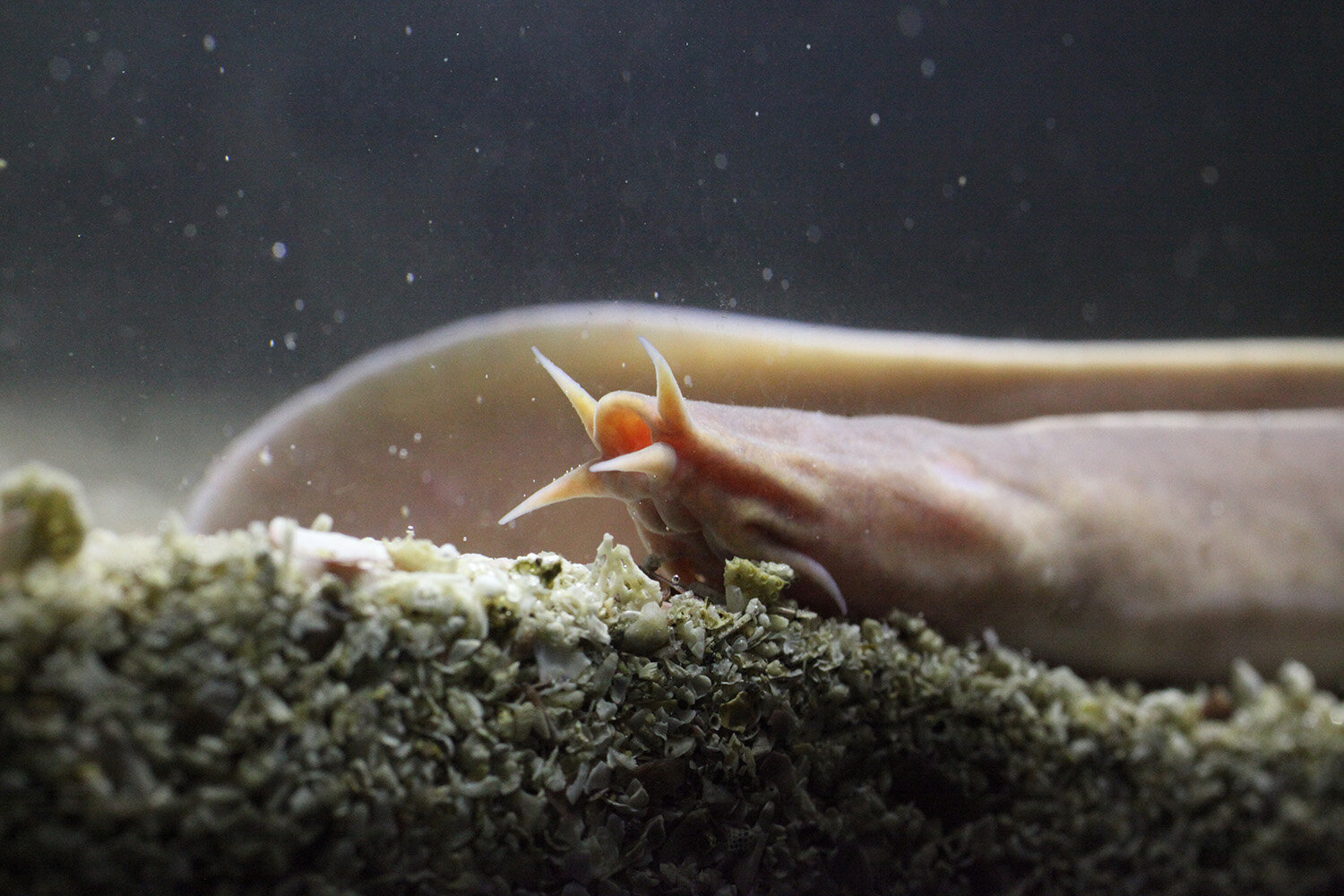
Scientists discovered that the ratfish, a primitive fish, has a unique appendage called a tenaculum with true teeth outside its head, challenging traditional views on tooth placement and suggesting more flexible dental systems in vertebrates.
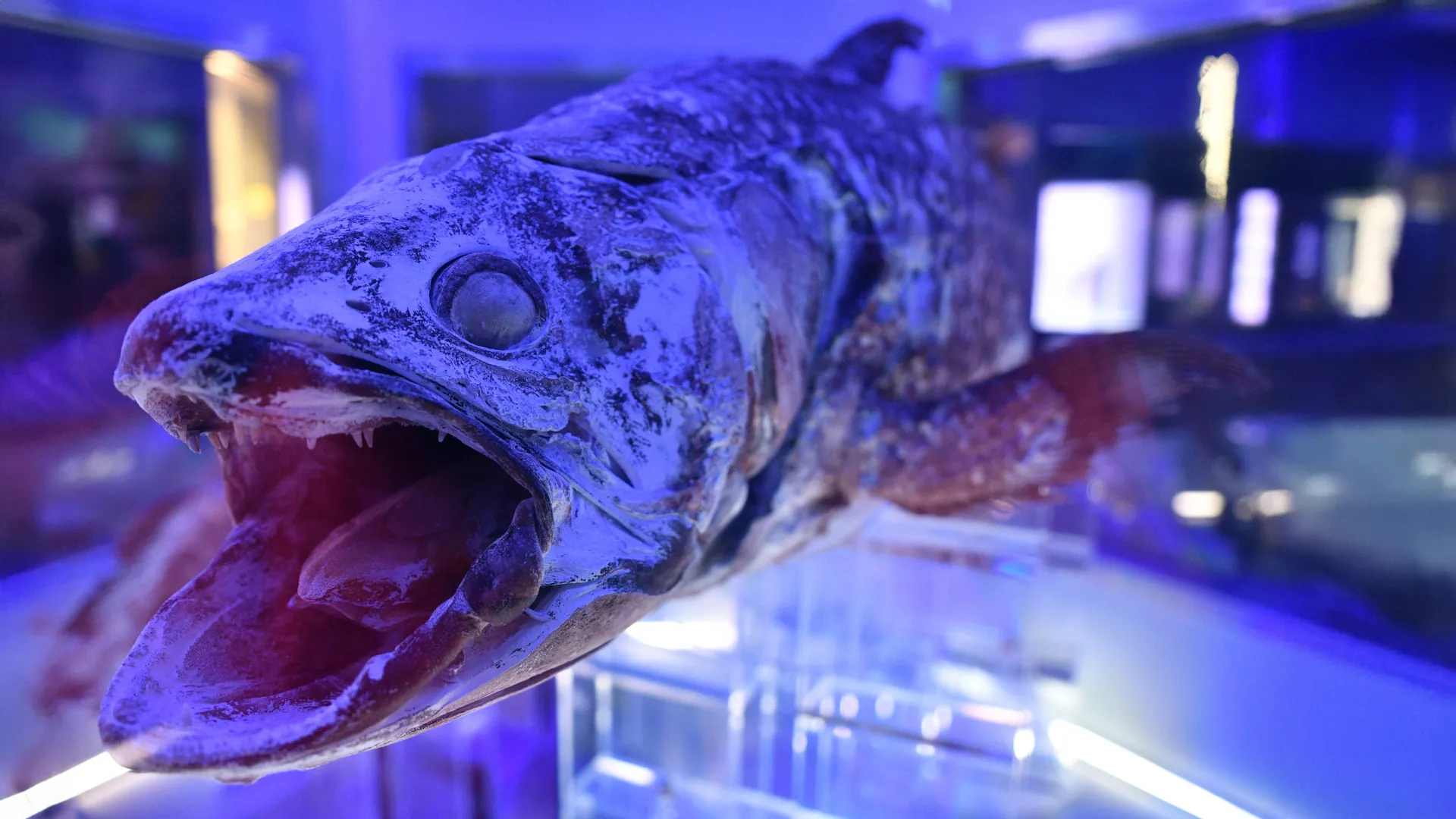
A recent study re-examining the coelacanth, a 'living fossil,' revealed that many previously identified evolutionary traits were incorrect, leading to new insights into vertebrate evolution and showing that coelacanths are more similar to cartilaginous fish and tetrapods than previously thought.
Yara Haridy's research on tiny fossils called fish flakes has revealed that early vertebrate teeth evolved from sensory exoskeletons of armored fish, supporting the 'outside-in' theory of tooth development and shedding light on the evolutionary transition from soft-bodied to skeletonized vertebrates.
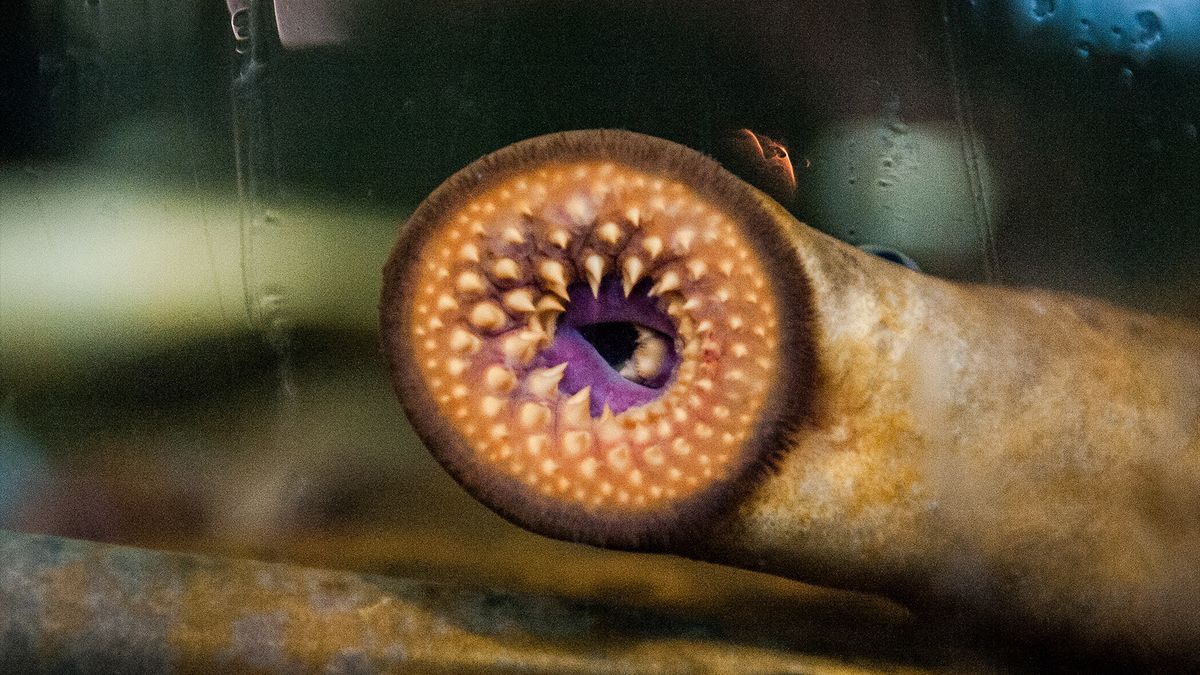
Lampreys, ancient jawless fish, were previously thought to lack a "fight or flight" response due to the absence of a structure called the neural crest. However, a new study published in Nature reveals that lampreys do have sympathetic nerve cells, suggesting that the vertebrate flight-or-flight response is more ancient than previously believed. This discovery sheds light on the evolution of this system and challenges previous assumptions about these primitive vertebrates.
Researchers have confirmed that the flea toad, Brachycephalus pulex, found in Brazil, is the tiniest frog and vertebrate species in the world, measuring an average of 7.1 millimeters for adult males. This discovery challenges the previous record held by Papua New Guinea's Paedophryne amauensis. The extremely small size of these frogs presents physical limitations for vertebrates, such as the inability to fit enough cell types to create vital organs and the loss of common frog features. Despite these limitations, the flea toads continue to thrive in their mountainous forest habitats.
Scientists have discovered a crucial link between ancient viruses and the development of myelination, a process essential for advanced nervous system functioning in vertebrates. The study reveals that a genetic element derived from retroviruses, called "RetroMyelin," is vital for myelin production in a wide range of vertebrates, including mammals, amphibians, and fish. This finding suggests that viral sequences integrated into early vertebrate genomes played a pivotal role in the evolution of myelination, enabling the development of complex brains and diverse vertebrate life. The research sheds light on the molecular mechanisms of myelin production and its evolutionary origins, opening new avenues for understanding the role of retroviruses in directing evolution.
A study published in the journal Cell suggests that ancient viruses that infected vertebrates millions of years ago played a crucial role in the evolution of advanced brains and large bodies. Researchers found that a gene sequence acquired from retroviruses is crucial for myelin production, enabling faster nerve impulse conduction and structural support, leading to the development of larger bodies. The study also suggests that the retroviral infection may have occurred multiple times in the evolutionary history of vertebrates, shedding light on the complex relationship between viruses and evolution.
An international scientific team has successfully sequenced the first genome of myxini, also known as hagfish, which is the only large group of vertebrates without a reference genome. This achievement has provided insights into the evolutionary history of genome duplications in vertebrates, shedding light on the origin of unique vertebrate structures such as the complex brain, jaw, and limbs. The study, which took nearly a decade and involved over 40 authors from seven countries, has significant implications for understanding the genomic events that led to the emergence of key vertebrate characteristics.
A study confirms that the world's highest-dwelling vertebrates are small mammals living on the snow-capped tops of volcanoes in the Andes, challenging previous assumptions about the limits of vertebrate life. Researchers discovered live and mummified leaf-eared mice at elevations of up to 22,000 feet, with evidence suggesting that these mice are resident populations rather than transient visitors. The genetic similarity among the high-dwelling rodents and the presence of rodent burrows further support their ability to thrive in these extreme conditions. The mystery of how these mice survive in their frigid habitat remains unsolved, but ongoing research aims to shed light on their diet and thermoregulation.
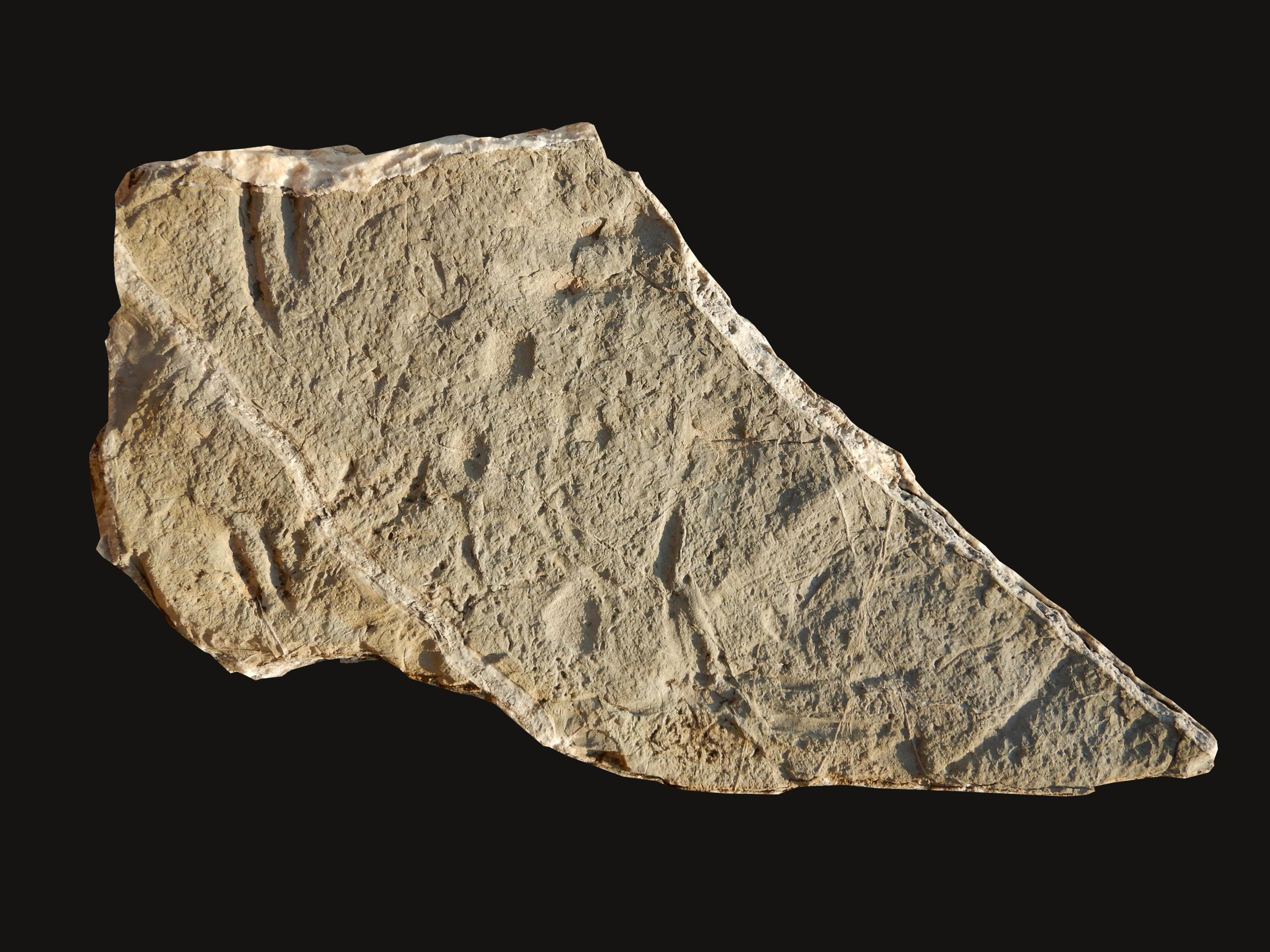
Scientists have discovered exceptionally rare fossils in 130-million-year-old rocks, providing the earliest known evidence of deep-sea fishes. The fossils, found in Italy, predate any other evidence of deep-sea fish by 80 million years and push back the timeline of deep-sea colonization. These fossils represent the earliest deep-sea vertebrates and shed light on the colonization of the deep sea by vertebrates. The discovery offers insights into the evolution of vertebrates and the history of life on Earth.
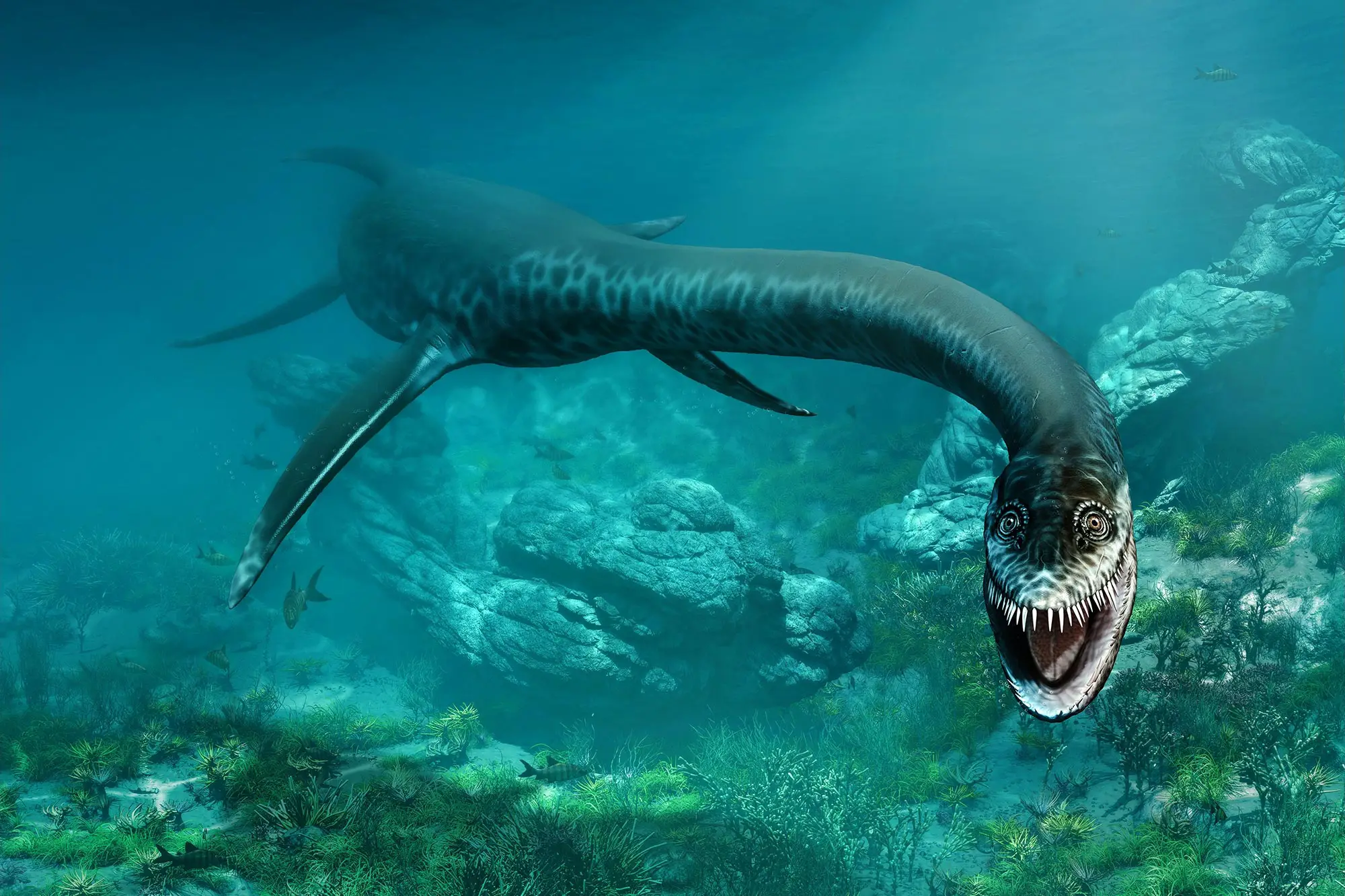
Scientists from The University of Texas at Austin have discovered the first-ever Jurassic vertebrate fossils in Texas, specifically from a plesiosaur, filling a significant gap in the state's fossil record. These fossils provide insight into the prehistoric times when the marine creature inhabited the shallow waters of present-day northeastern Mexico and western Texas around 150 million years ago. The discovery was made in the Malone Mountains of West Texas and includes not only plesiosaur bones but also other specimens that offer a glimpse into the ancient marine environment. This finding highlights the value of fieldwork and the potential for further discoveries in the area.
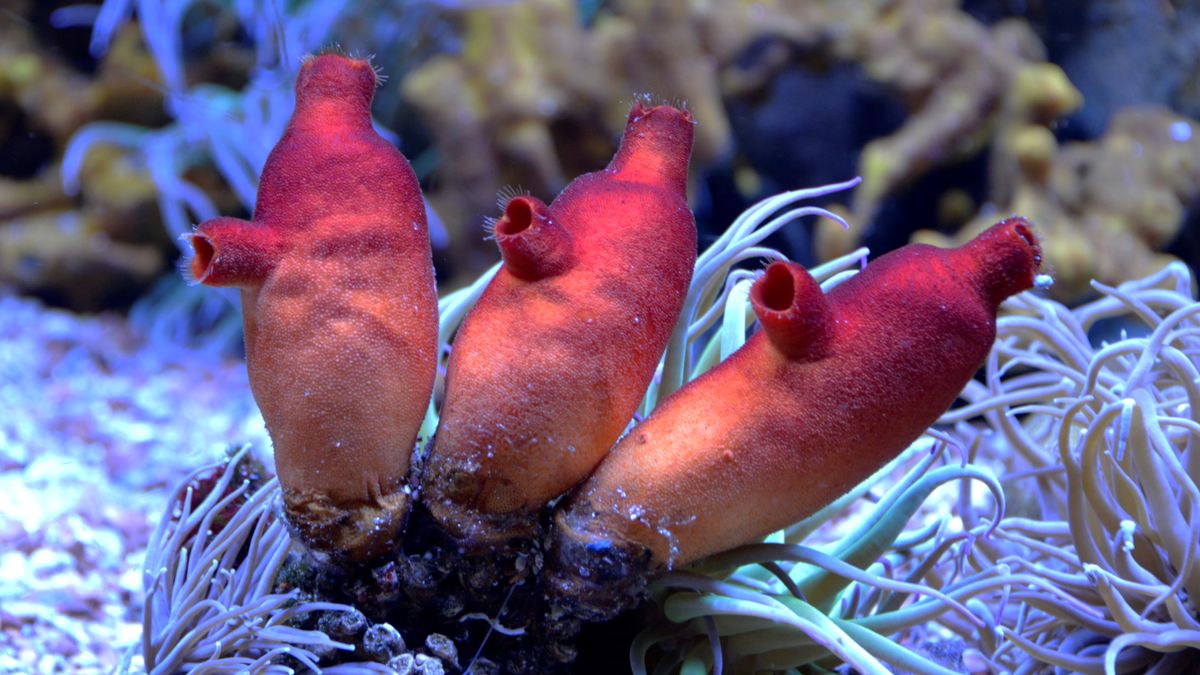
The discovery of a well-preserved, half-billion-year-old fossil of an ancient tunicate species called Megasiphon thylakos is shedding light on the evolutionary origins of vertebrates. Tunicates are the sister group of vertebrates, and this fossil provides insights into what early tunicates looked like and how they lived. The fossil resembles ascidiacea, suggesting that this body form is ancestral. The findings also suggest that tunicates originated around 500 million years ago. Further research is needed to uncover the evolutionary connections between tunicates, vertebrates, and other deuterostomes.
A 500 million-year-old fossil of a tunicate, a close relative of vertebrates, has shed light on the evolution of these peculiar sea creatures. The fossil, known as Megasiphon thylakos, suggests that the divergence between free-swimming appendicularians and other tunicates occurred earlier than previously estimated. The fossil's characteristics indicate that ancient tunicates may have started as sessile organisms, similar to modern ascidiaceans. Tunicates, belonging to the phylum Chordata, are genetically closer to vertebrates than cephalochordates, challenging previous assumptions about their evolutionary relationship. Further fossils may reveal more about the origins of tunicates and their connection to vertebrates.
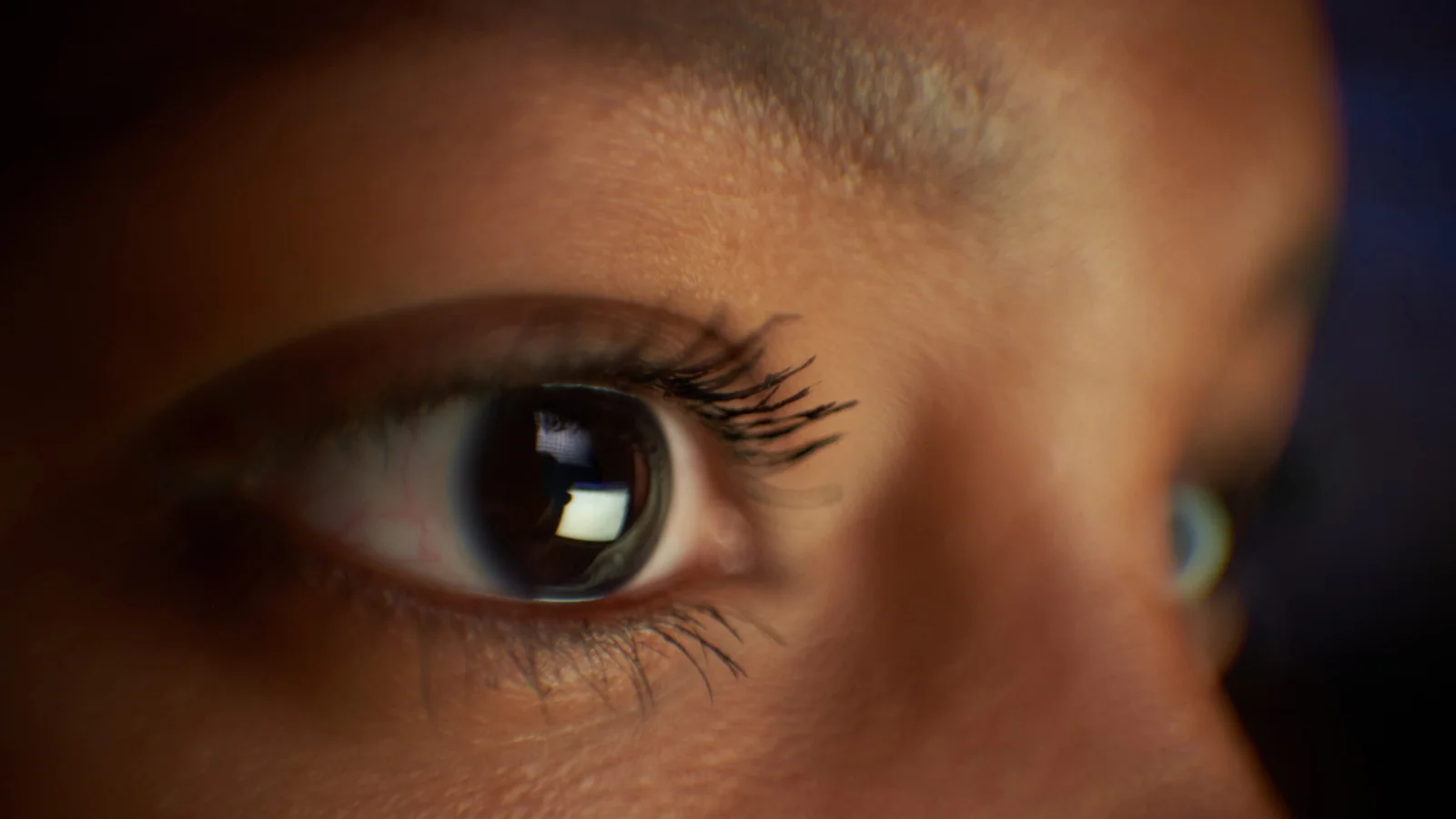
Scientists at UC San Diego have discovered that the protein responsible for vertebrates' camera-like vision, known as IRBP, originated from bacteria over 500 million years ago through horizontal gene transfer. This acquisition allowed for the efficient recycling of retinoids, molecules that sense light, and provided unique functionality to vertebrate eyes. The study highlights the significant role of bacterial genes in the evolution of complex structures and challenges traditional notions of genetic tinkering in evolutionary advancements.
Scientists at UT Austin have discovered fossilized remains of an extinct marine reptile, possibly a plesiosaur, in the Malone Mountains of West Texas, providing solid evidence of Jurassic vertebrates in the state. Previously, only ammonites and snails from the Jurassic period had been found in Texas. The discovery fills a gap in Texas' paleontological history and researchers hope to find more fossils to better understand the environment during the Jurassic period.