Tag

Paleontology

All articles tagged with #paleontology

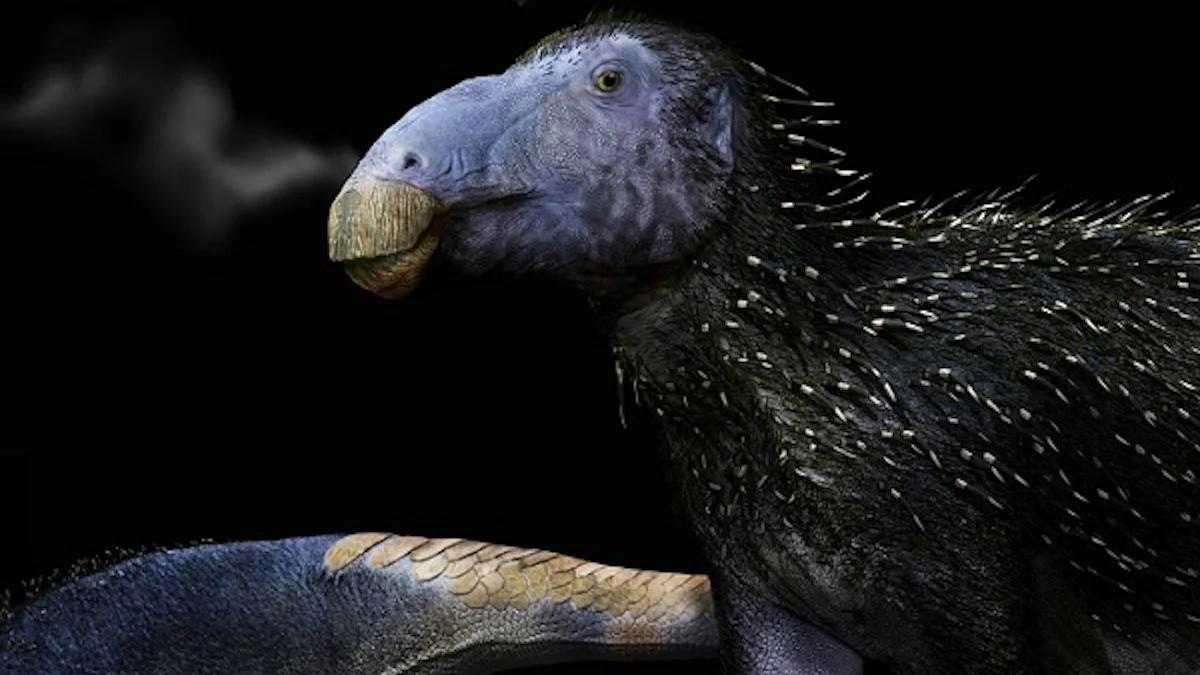
Egg-Thief Dino Used a Multi-Toothed Claw to Snatch Nests

Originally Published 20 hours ago — by The New York Times

Featured image for Egg-Thief Dino Used a Multi-Toothed Claw to Snatch Nests
Source: The New York Times

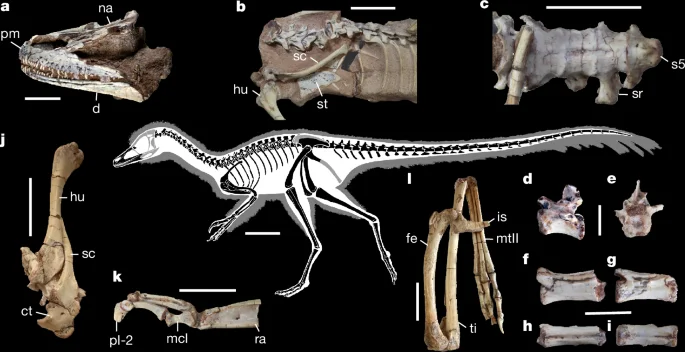
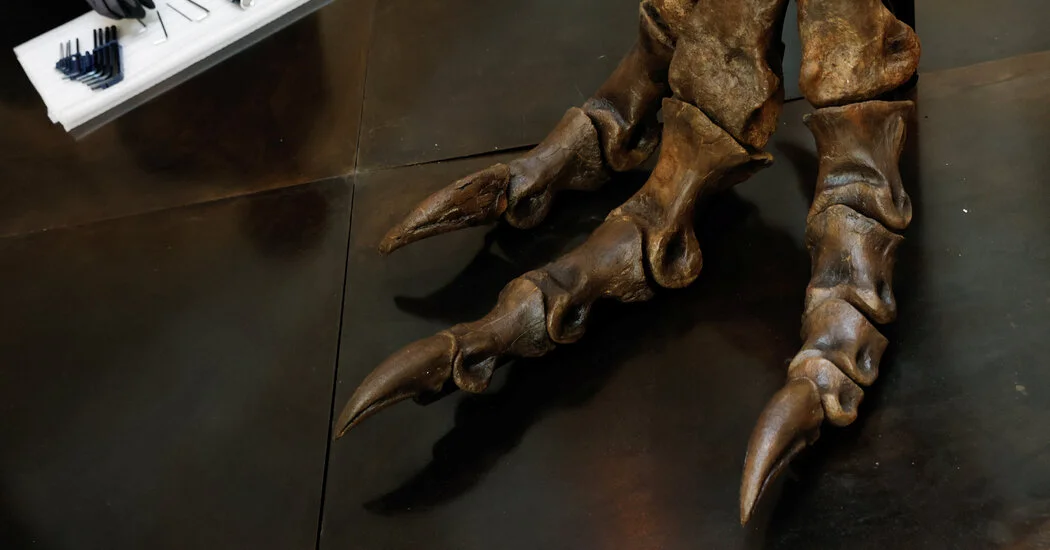
Researchers describe Manipulonyx reshetovi, a small, bird-like dinosaur from Mongolia, with a unique forelimb featuring a giant claw, two side digits, and spikes that enabled gripping smooth eggs for night-time egg-snatching about 67 million years ago; the species was named in a December paper describing the fossil.

12-Year-Old Discovers 69-Million-Year-Old Dinosaur Fossil

Originally Published 8 days ago — by The Daily Galaxy

Featured image for 12-Year-Old Discovers 69-Million-Year-Old Dinosaur Fossil
Source: The Daily Galaxy

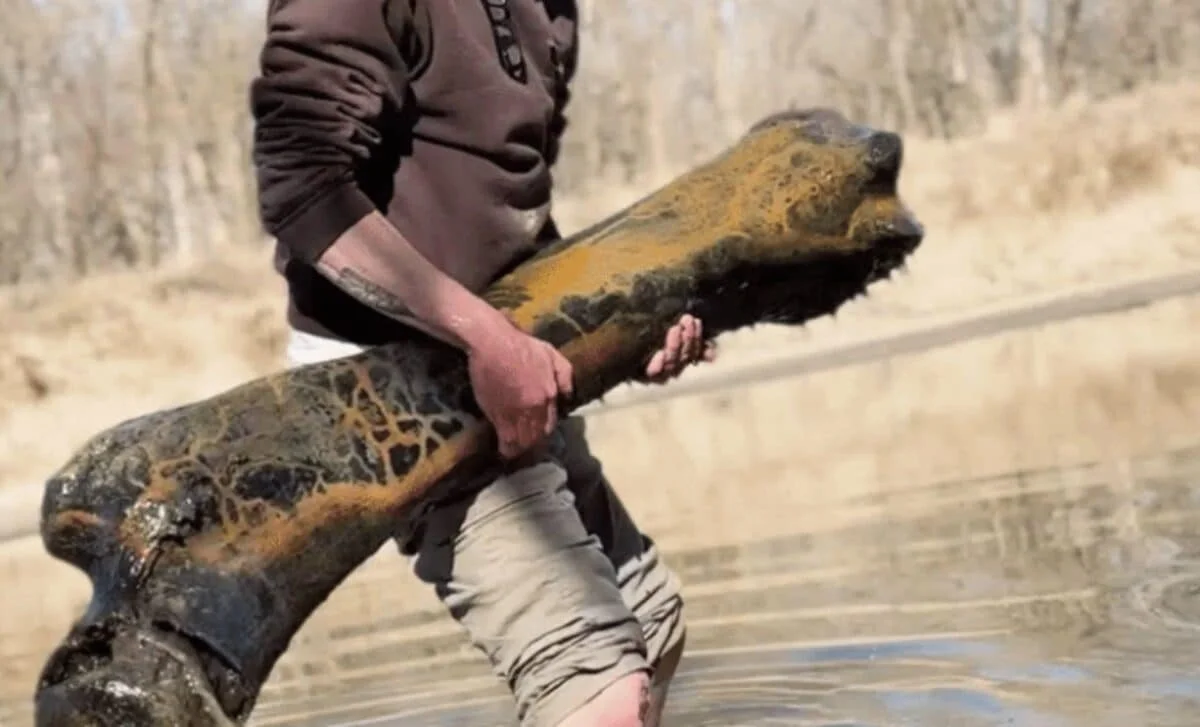
A 12-year-old boy named Nathan Hrushkin discovered a 69-million-year-old juvenile hadrosaur fossil in Alberta, leading to the excavation of dozens of bones and providing valuable insights into dinosaur evolution, all while highlighting the importance of land conservation for scientific discovery.

70-Million-Year-Old Dinosaur Egg Reveals Unexpected Crystal Treasure

Originally Published 9 days ago — by CPG Click Petróleo e Gás

Featured image for 70-Million-Year-Old Dinosaur Egg Reveals Unexpected Crystal Treasure
Source: CPG Click Petróleo e Gás

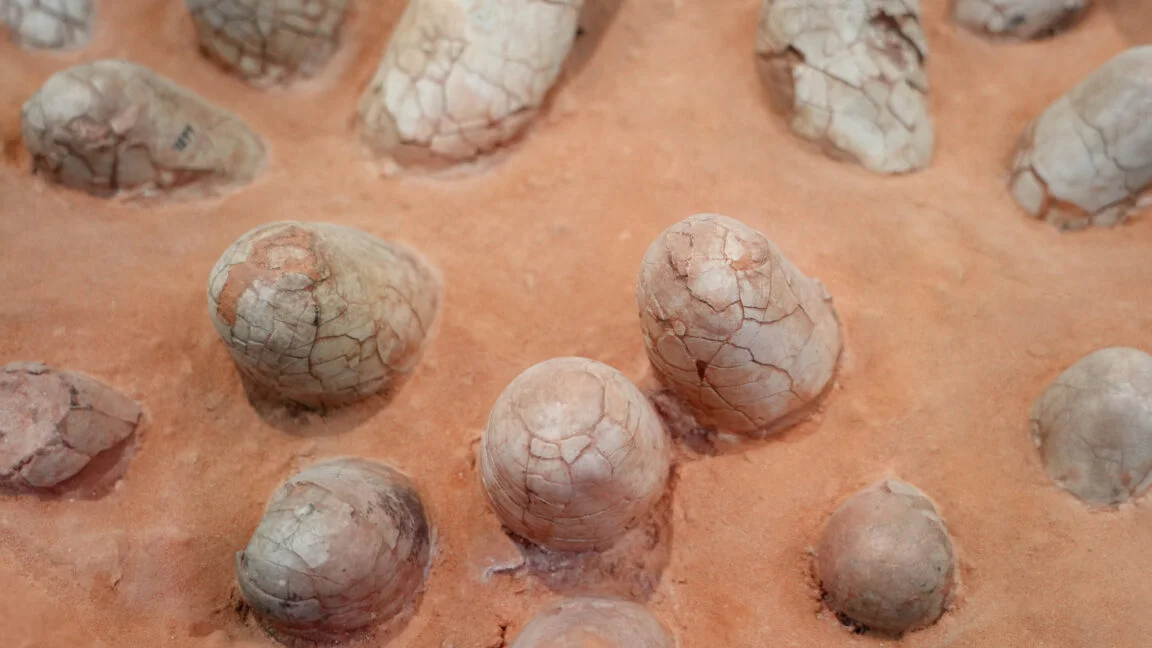
Scientists discovered a 70-million-year-old dinosaur egg in China that contained calcite crystals, transforming it into a natural geode and leading to the identification of a new species, Shixingoolithus qianshanensis, providing new insights into the microstructure, fossilization processes, and environmental conditions of the Late Cretaceous in the region.

70-Million-Year-Old Dinosaur Egg Reveals Sparkling Crystals

Originally Published 14 days ago — by ScienceAlert

Featured image for 70-Million-Year-Old Dinosaur Egg Reveals Sparkling Crystals
Source: ScienceAlert

A 70-million-year-old dinosaur egg from China was found to contain sparkling calcite crystals lining its interior, providing unique insights into the egg's structure and environmental conditions, and representing a rare geode-like discovery that enhances understanding of dinosaur reproductive biology and fossil preservation.

2025 Dinosaur Discoveries: Surprising Finds and Top Highlights

Originally Published 15 days ago — by USA Today

Featured image for 2025 Dinosaur Discoveries: Surprising Finds and Top Highlights
Source: USA Today

In 2025, paleontologists discovered several new dinosaur species, including a potential missing link in the Tyrannosaurus family tree called Khankhuuluu mongoliensis, a spiky dinosaur with long bones, a megaraptor named Joaquinraptor with preserved diet, and a dome-headed pachycephalosaur in Montana, revealing new insights into dinosaur evolution and diversity.

Giant Crystal-Filled Dinosaur Eggs Discovered

Originally Published 16 days ago — by Earth.com

Featured image for Giant Crystal-Filled Dinosaur Eggs Discovered
Source: Earth.com

Scientists in China discovered two nearly spherical dinosaur eggs filled with mineral crystals, representing a new species and providing insights into dinosaur reproduction and embryonic development, especially of plant-eating ornithopods, alongside other well-preserved dinosaur fossils that enhance understanding of ancient ecosystems.

110-Million-Year-Old Spider Fossils Discovered, Featuring Glowing Eyes

Originally Published 16 days ago — by The Daily Galaxy

Featured image for 110-Million-Year-Old Spider Fossils Discovered, Featuring Glowing Eyes
Source: The Daily Galaxy

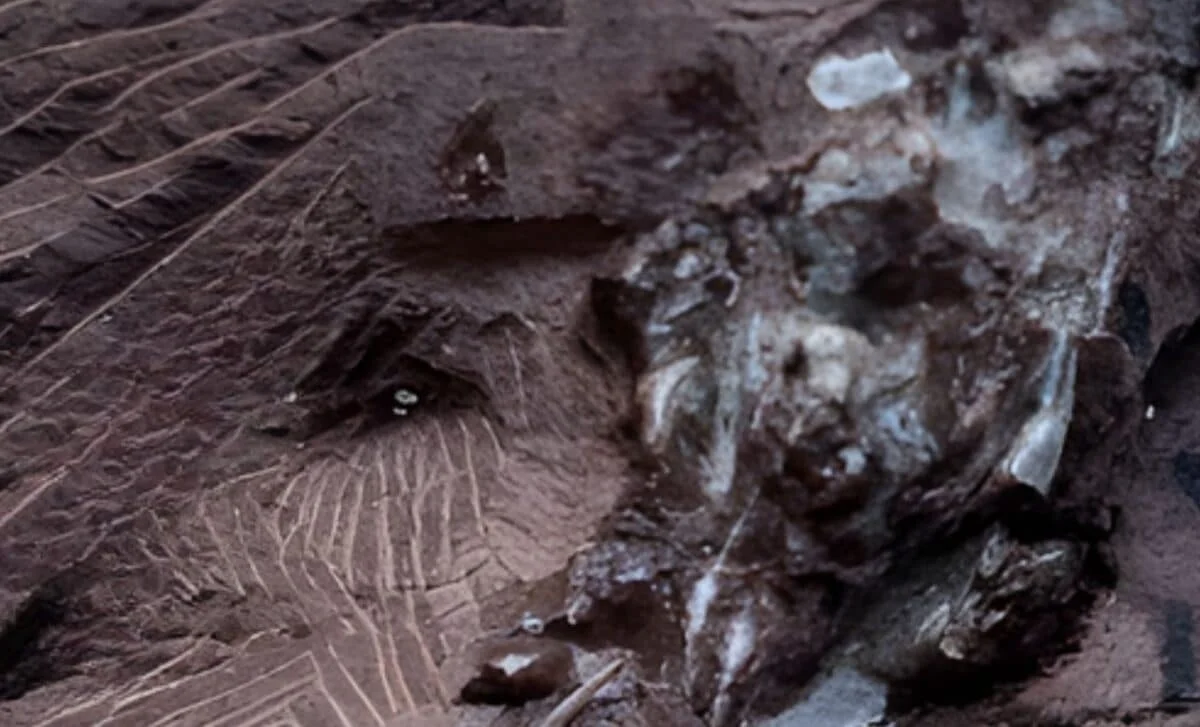
Scientists discovered 10 new fossilized spider species from the Mesozoic era in South Korea, including one with preserved glowing eyes that reflect light, indicating they may have been nocturnal hunters. This rare find, published in the Journal of Systematic Palaeontology, provides new insights into ancient spider diversity and their ecological niches, especially with the first identification of a tapetum in fossilized spider eyes.

Ancient Relatives of Dinosaur-Resilient Fish Discovered

Originally Published 18 days ago — by Earth.com

Featured image for Ancient Relatives of Dinosaur-Resilient Fish Discovered
Source: Earth.com

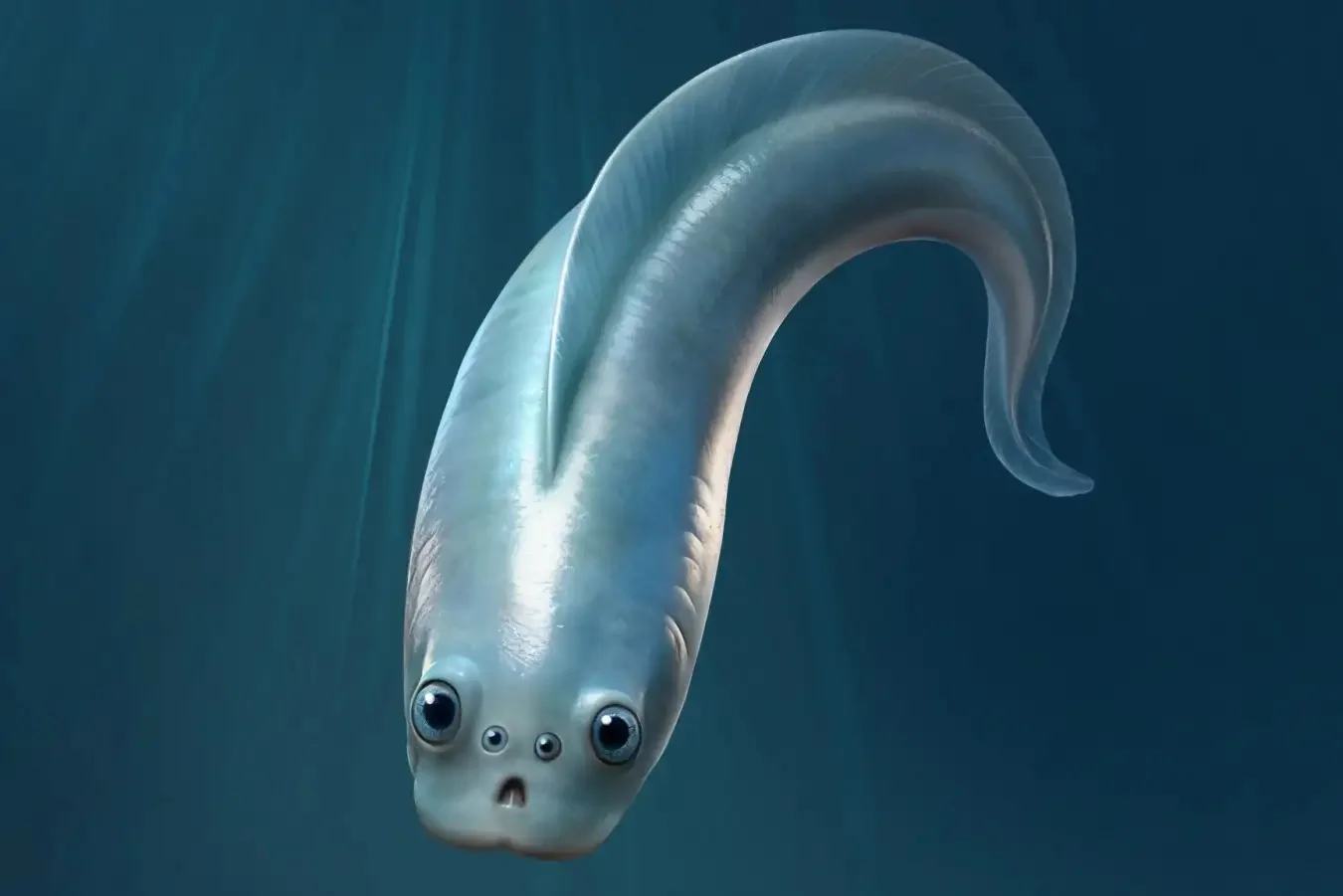
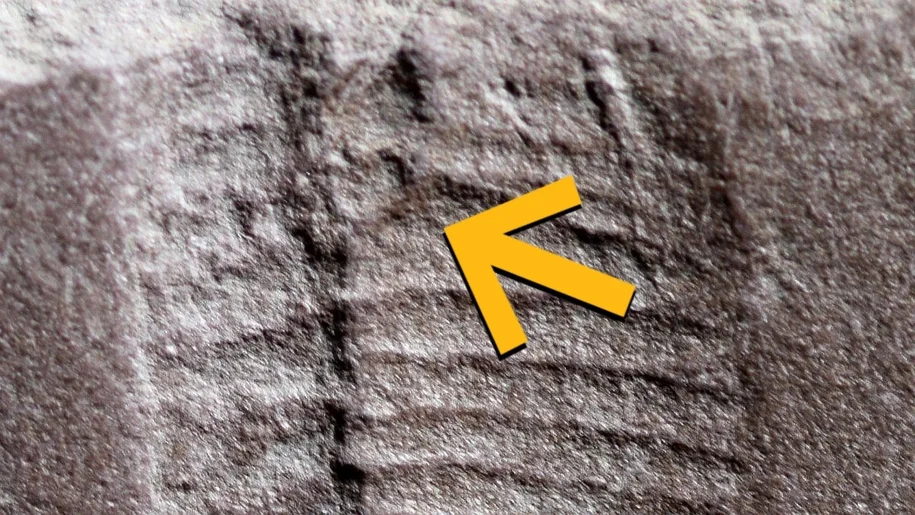
A new study reexamines over 50 fossils from the Late Triassic period in Britain, revealing they are ancient coelacanths, related to modern species, and correcting past mislabeling. These findings shed light on the diversity and ecology of coelacanths just before the end-Triassic extinction, emphasizing the importance of museum collections in scientific discovery.

Georgia Museum Unveils First Accurate Replica of 'Dinosaur-Killing' Croc

Originally Published 20 days ago — by Interesting Engineering

Featured image for Georgia Museum Unveils First Accurate Replica of 'Dinosaur-Killing' Croc
Source: Interesting Engineering

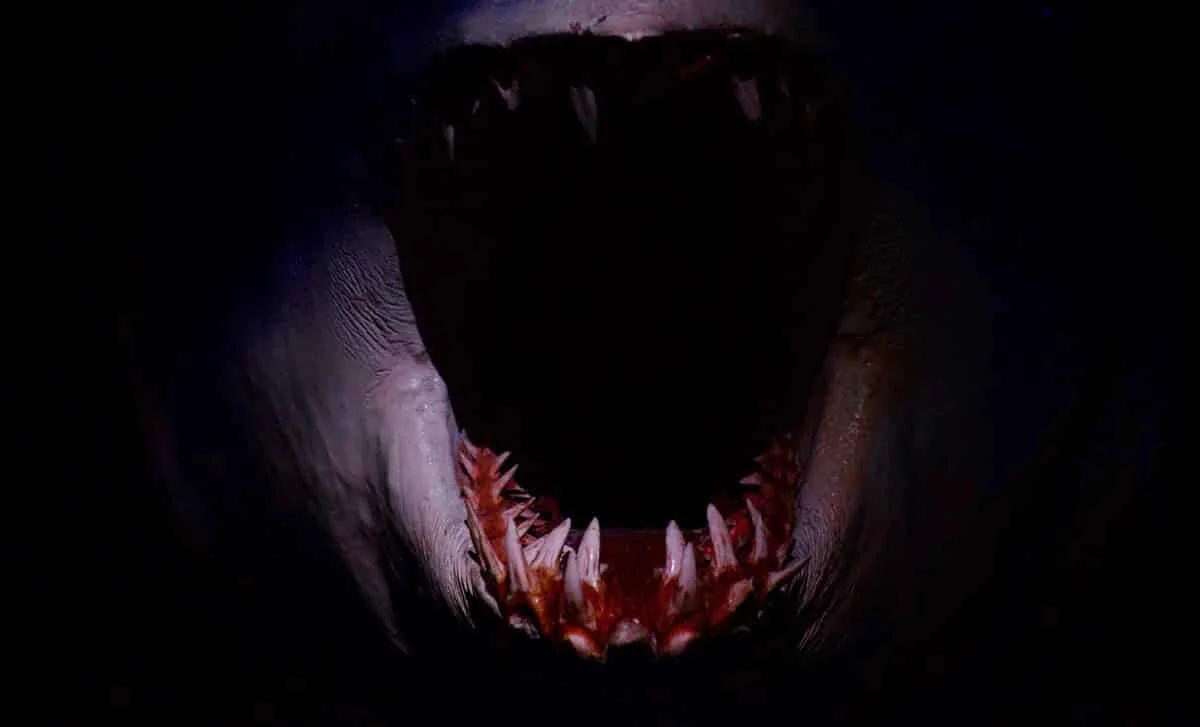
The Tellus Science Museum in Georgia unveiled the first accurate, life-sized replica of Deinosuchus schwimmeri, a massive prehistoric predator from the Late Cretaceous Period, measuring nearly 10 meters long with a powerful bite, honoring paleontologist Dr. David Schwimmer's research and providing visitors with an immersive glimpse into ancient marine life.

Discovery of Crystal Dinosaur Eggs in China Reveals Hidden Fossil Secrets

Originally Published 21 days ago — by The Daily Galaxy

Featured image for Discovery of Crystal Dinosaur Eggs in China Reveals Hidden Fossil Secrets
Source: The Daily Galaxy

Two well-preserved fossilized dinosaur eggs with internal crystal formations were discovered in China's Anhui province, attributed to a new oospecies, Shixingoolithus qianshanensis, highlighting the region's rich paleontological record and the preservation of ancient nesting sites.

Scientists Unlock Secrets of Dinosaur Egg Time Capsule

Originally Published 21 days ago — by Indian Defence Review

Featured image for Scientists Unlock Secrets of Dinosaur Egg Time Capsule
Source: Indian Defence Review

Scientists have developed a new method of dating dinosaur eggshells using uranium-lead decay, allowing for precise age determination of fossils even in the absence of volcanic ash, which could revolutionize paleontological research and provide accurate timelines for ancient ecosystems.