Tag

Cambrian Period

All articles tagged with #cambrian period

Ancient Fossil Discovered in Grand Canyon Reveals 500 Million Years of Prehistoric Life

Originally Published 9 days ago — by Indian Defence Review

Featured image for Ancient Fossil Discovered in Grand Canyon Reveals 500 Million Years of Prehistoric Life
Source: Indian Defence Review

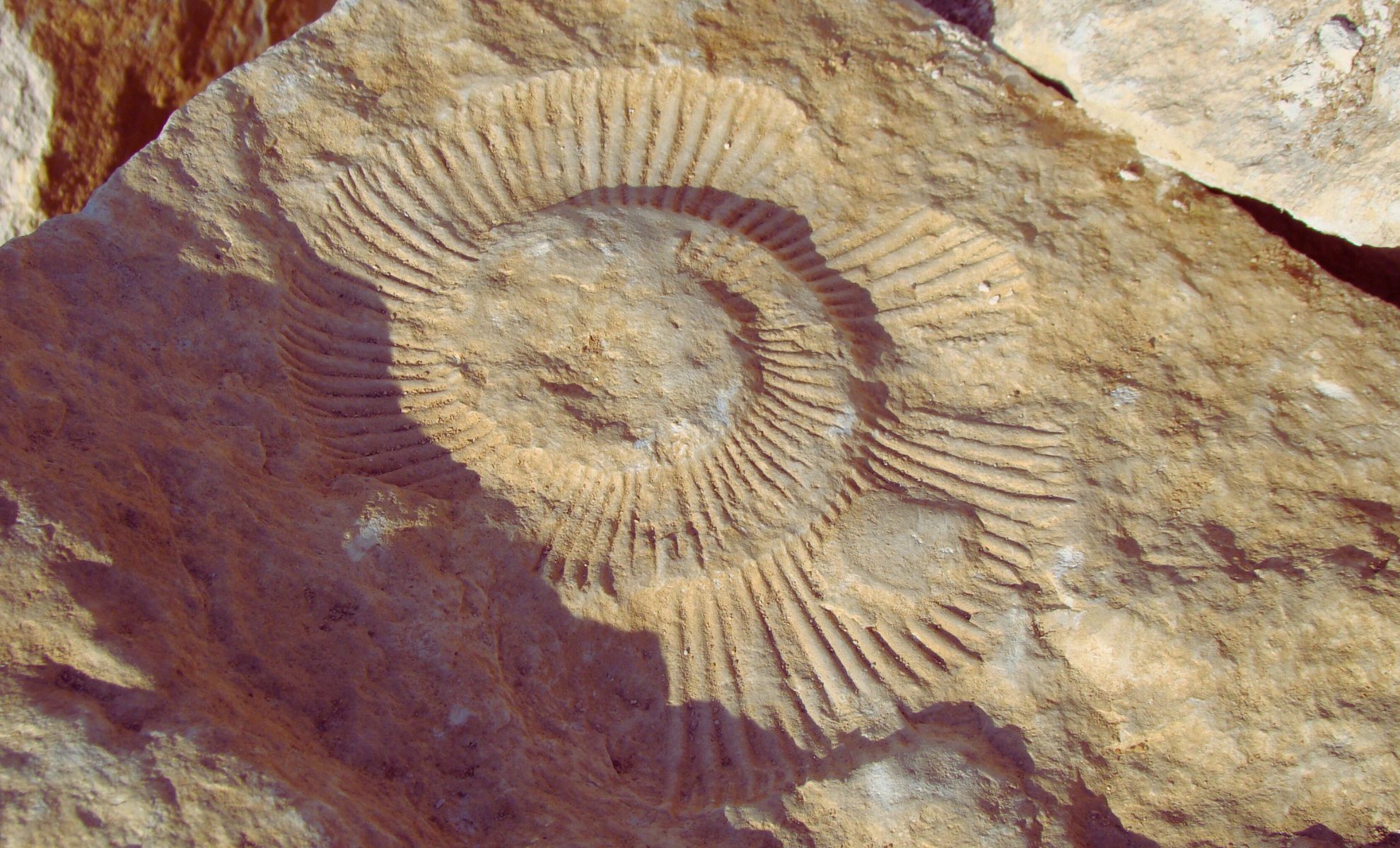
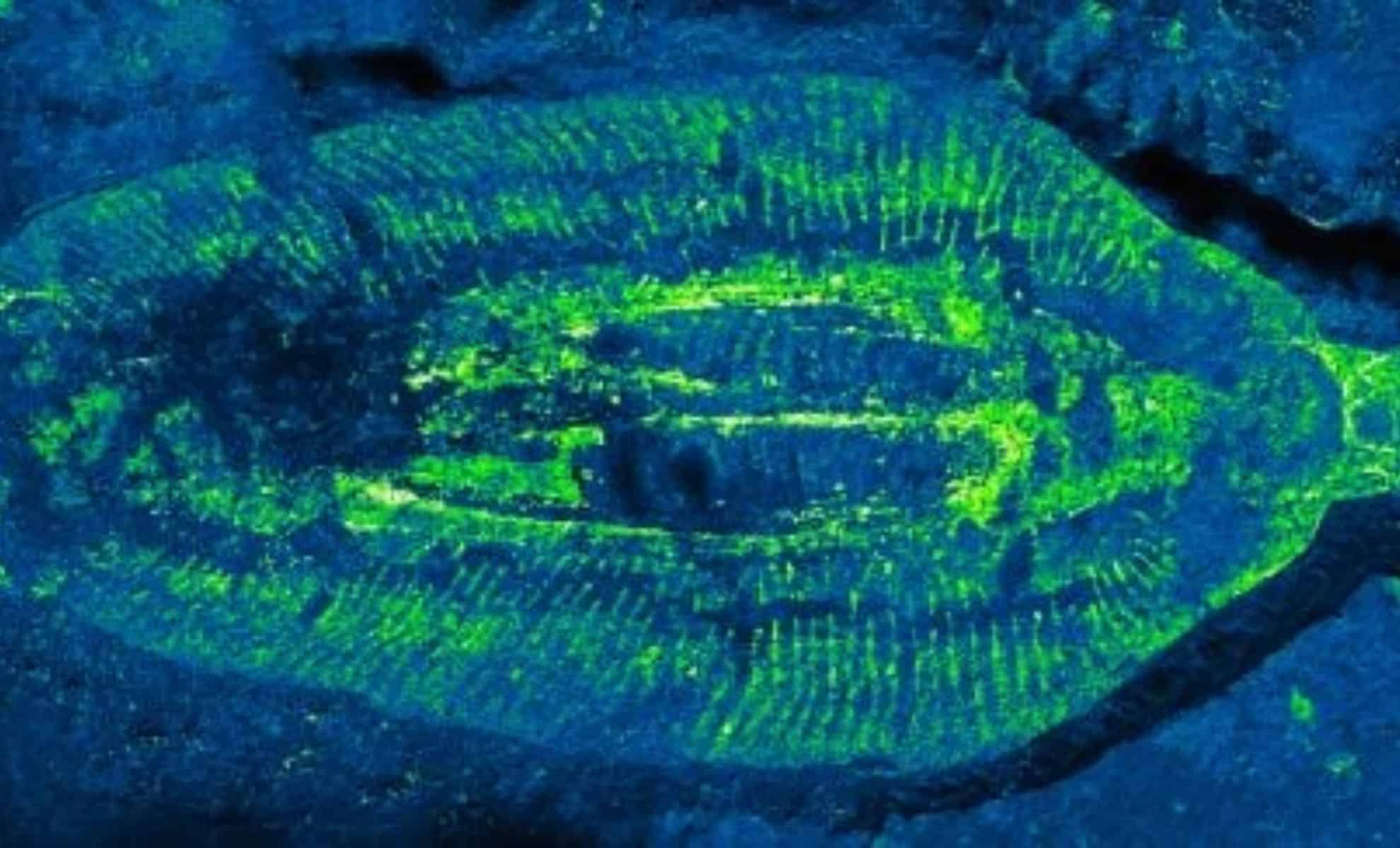
Scientists discovered exceptionally preserved soft-bodied fossils in the Grand Canyon's Bright Angel Formation, revealing a diverse and complex Cambrian ecosystem that thrived in oxygen-rich shallow waters, challenging previous assumptions about fossil preservation conditions and offering new insights into early animal evolution.
Ancient Fossil Unveils Key Evolutionary Mystery

Originally Published 5 months ago — by Indian Defence Review

Featured image for Ancient Fossil Unveils Key Evolutionary Mystery
Source: Indian Defence Review

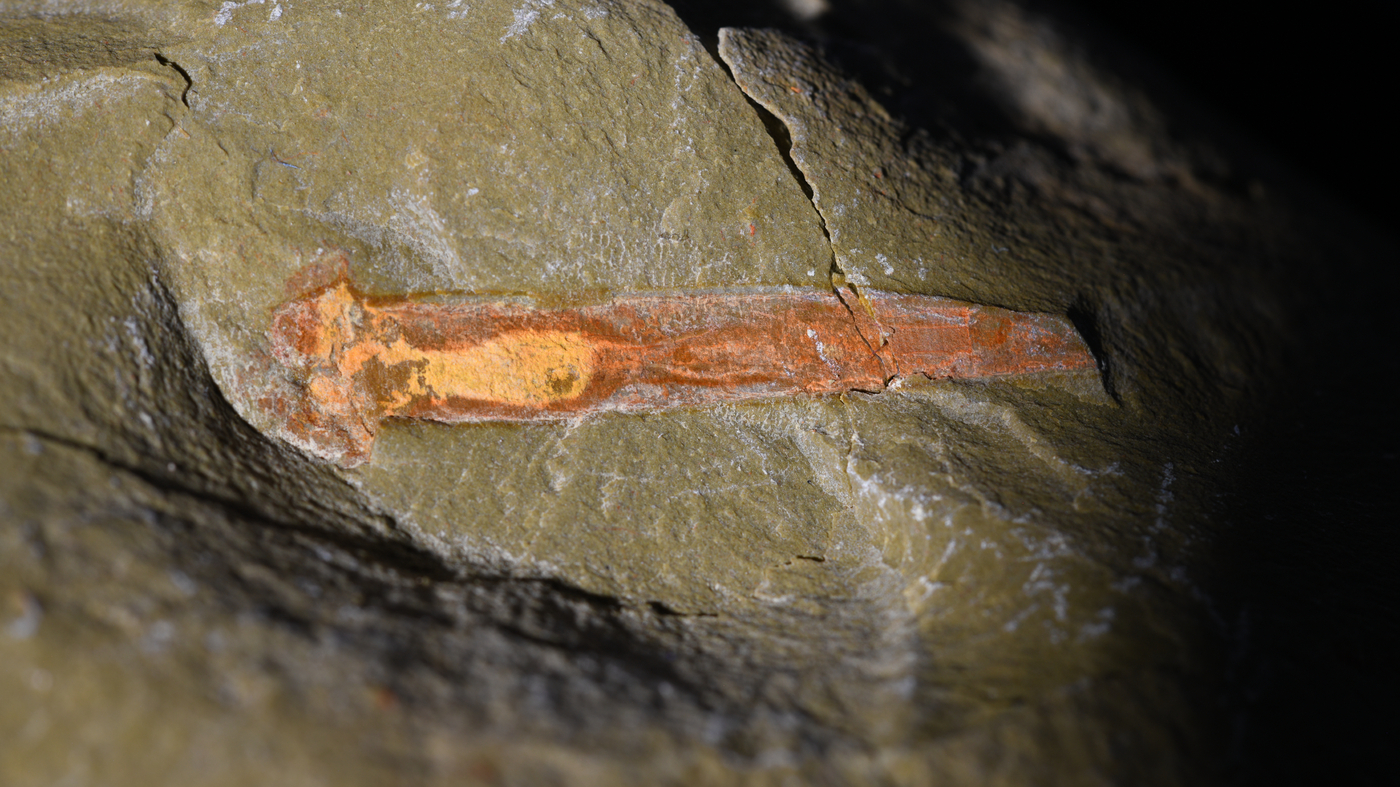
Scientists have reclassified 500-million-year-old fossils from North Greenland, revealing that ancient nectocaridids, once thought to be early squids, were actually relatives of arrow worms, showcasing their complex predatory nature and advanced sensory systems during the Cambrian period.

Ancient 520-Million-Year-Old Fossil Reveals Preserved Brains and Guts

Originally Published 7 months ago — by Earth.com

Featured image for Ancient 520-Million-Year-Old Fossil Reveals Preserved Brains and Guts
Source: Earth.com

A 520-million-year-old fossil of a Cambrian-era larva named Youti yuanshi has been discovered with preserved brains, guts, and internal organs, providing unprecedented insights into early arthropod evolution and the development of complex body plans, thanks to advanced 3D imaging techniques.

Ancient Armored Fish Origin of the 'Tooth Hurty' Joke

Originally Published 7 months ago — by Defector

Featured image for Ancient Armored Fish Origin of the 'Tooth Hurty' Joke
Source: Defector

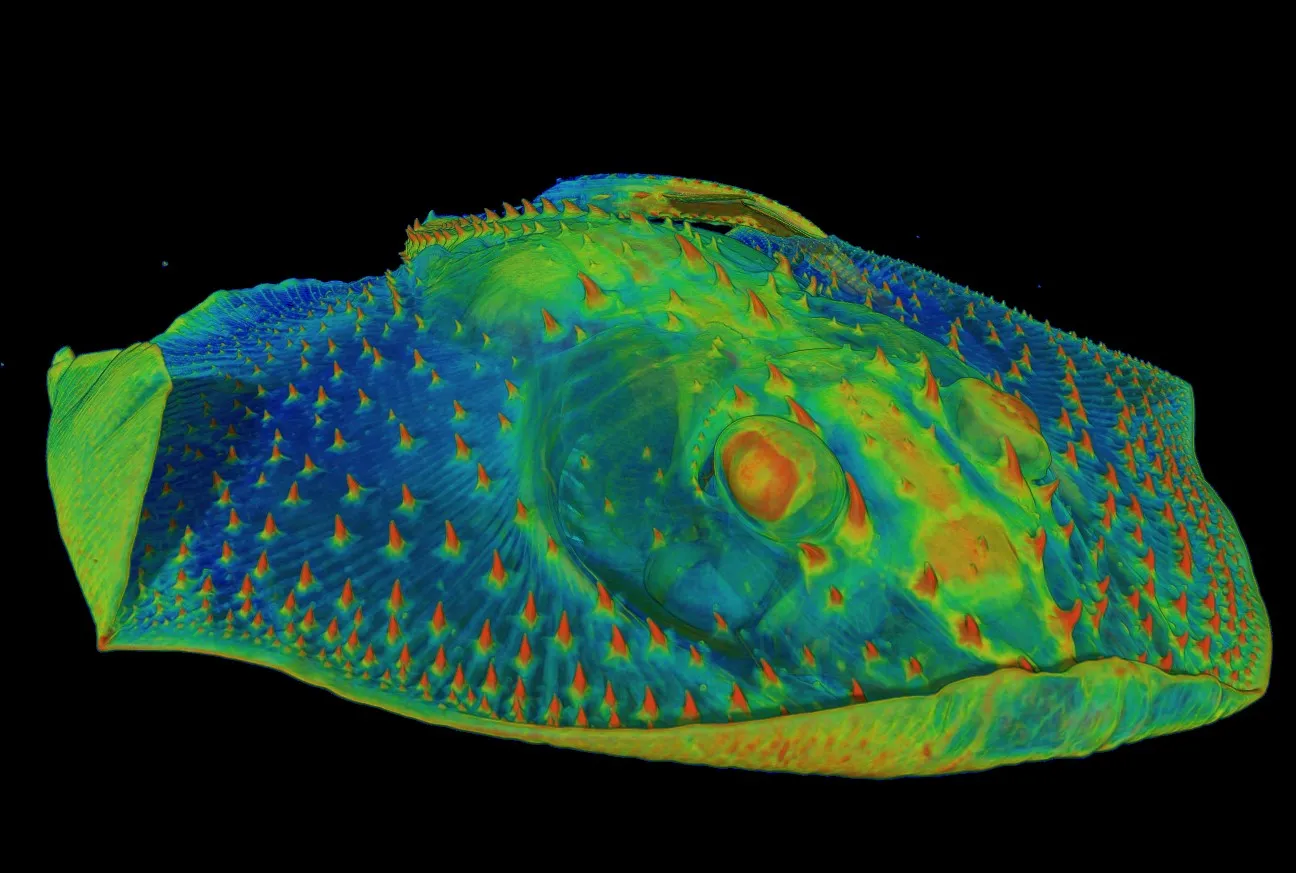
Yara Haridy's research on tiny fossils called fish flakes has revealed that early vertebrate teeth evolved from sensory exoskeletons of armored fish, supporting the 'outside-in' theory of tooth development and shedding light on the evolutionary transition from soft-bodied to skeletonized vertebrates.

Geologists Discover New Insights in Grand Canyon's Ancient Layers

Originally Published 1 year ago — by SciTechDaily

Featured image for Geologists Discover New Insights in Grand Canyon's Ancient Layers
Source: SciTechDaily

A team of geoscientists has revisited Edwin McKee's foundational studies of the Grand Canyon's geology, using modern technology to uncover new insights into ancient climate and life. Their research, supported by the National Science Foundation, updates our understanding of the Cambrian Tonto Group, revealing details about sea-level rise and the evolution of early marine life. This work underscores the evolving nature of scientific inquiry and deepens our connection to Earth's history.

"Discovery of 'Dune'-like Selkirkia Worm Species Alters Ancient History"

Originally Published 1 year ago — by NPR

Featured image for "Discovery of 'Dune'-like Selkirkia Worm Species Alters Ancient History"
Source: NPR

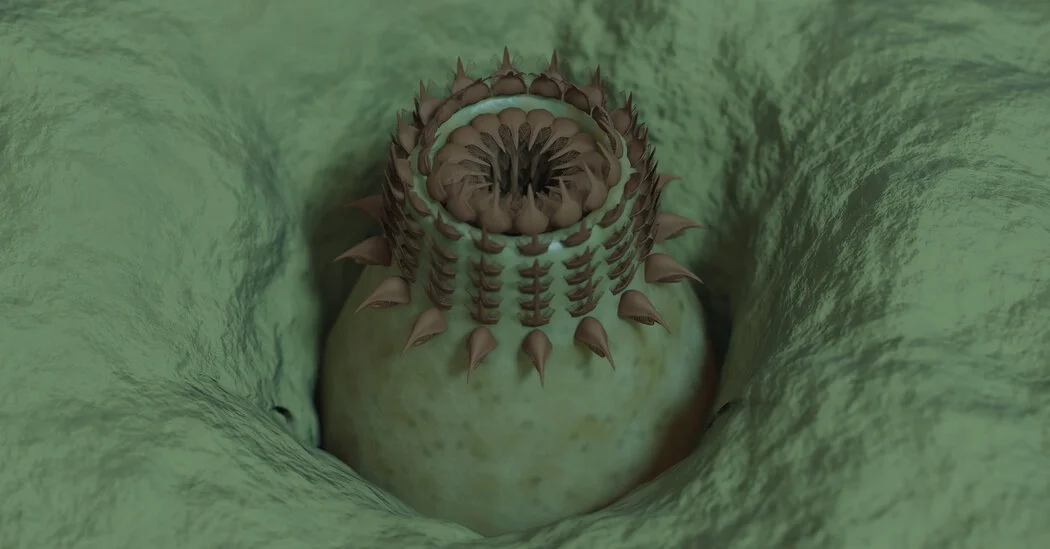
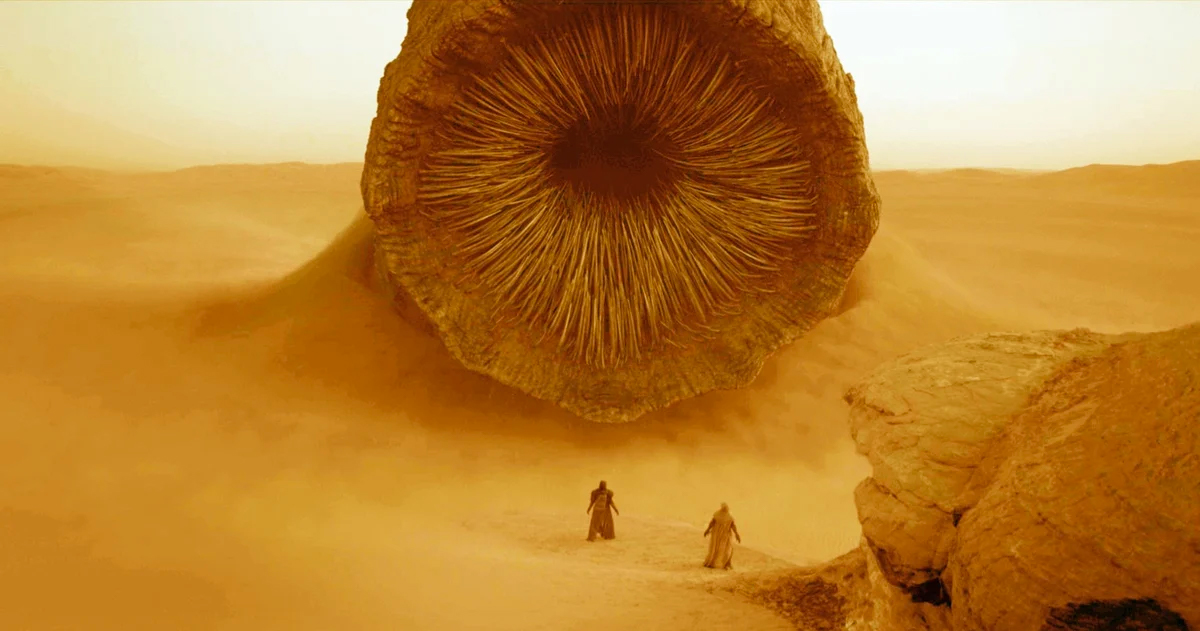
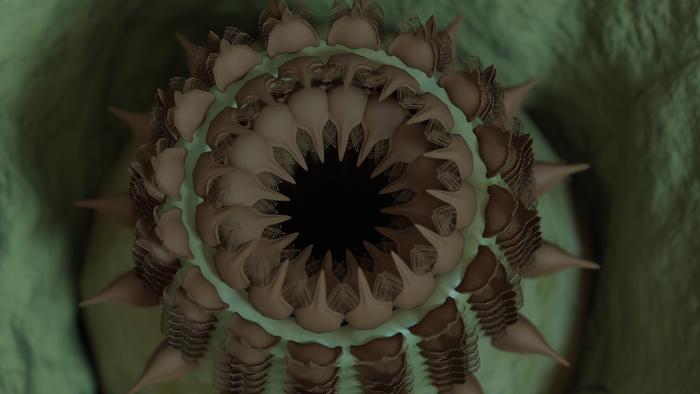
Scientists have discovered new evidence of a species of predatory worms called Selkirkia that lived 25 million years after they were previously thought to have vanished from Earth, challenging previous assumptions about the history of life on our planet. These inch-long creatures with spiny throats lived during the Cambrian period around 500 million years ago and were believed to have been wiped out by a mass extinction event. The discovery suggests that the boundaries between different periods of Earth's ancient history may be more blurred than previously thought, prompting a reevaluation of our understanding of ancient life.

"Massive Extinction 500 Million Years Ago Linked to Tectonic Plates"

Originally Published 1 year ago — by Interesting Engineering

Featured image for "Massive Extinction 500 Million Years Ago Linked to Tectonic Plates"
Source: Interesting Engineering

The Sinsk event, a massive extinction 500 million years ago, coincided with the Cambrian period's burst of life and was caused by tectonic plate activity, leading to the extinction of major groups of sea creatures, including hyoliths and archaeocyathids that had diversified into hundreds of species and created the first reefs.

"Greenland's Ancient Terror Beast: Unearthing the Gigantic Predator Worm"

Originally Published 2 years ago — by Giant Freakin Robot

Featured image for "Greenland's Ancient Terror Beast: Unearthing the Gigantic Predator Worm"
Source: Giant Freakin Robot

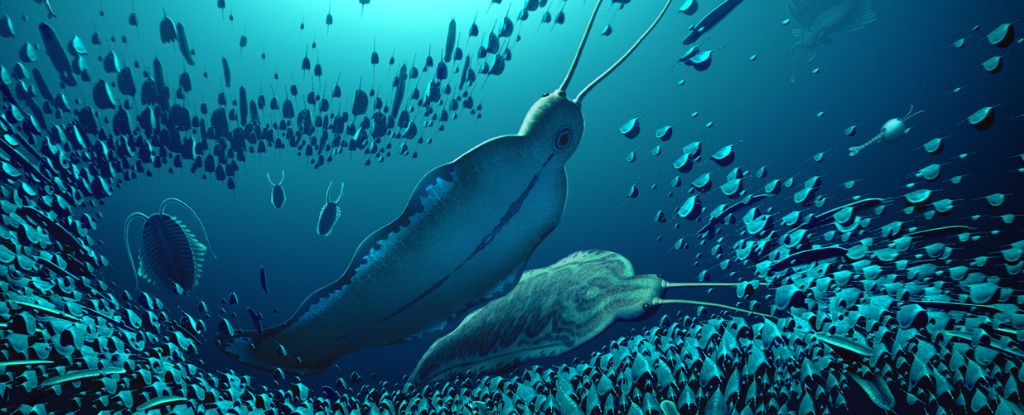
Researchers have discovered the fossil of a giant terror beast worm, named Timorebestia, in North Greenland, which ruled the Earth 518 million years ago. Measuring about 30 centimeters long, it was one of the largest swimming animals of its time and a dominant predator in the oceans. The worm's reign set the stage for evolutionary changes, reshuffling the food chain and dominance hierarchy during the Cambrian Explosion, ultimately leading to the diversification of the ocean ecosystem.

Ancient Giant Predator Worm Unearthed in Greenland's Seas

Originally Published 2 years ago — by ScienceAlert

Featured image for Ancient Giant Predator Worm Unearthed in Greenland's Seas
Source: ScienceAlert

Scientists have discovered the fossilized remains of a giant carnivorous worm, Timorebestia koprii, that ruled the ancient oceans over 518 million years ago in Greenland. Measuring around 30 centimeters in length, this creature was a dominant predator with large jaws and fins. The discovery sheds light on the early stages of animal evolution and the role of ancient worms in shaping ocean ecosystems before the Cambrian Explosion. The findings provide valuable insights into the development of predatory traits and the diversity of early animal ecosystems.

Ancient Sea Worm Named After 'Dune' Sandworms

Originally Published 2 years ago — by Livescience.com

Featured image for Ancient Sea Worm Named After 'Dune' Sandworms
Source: Livescience.com

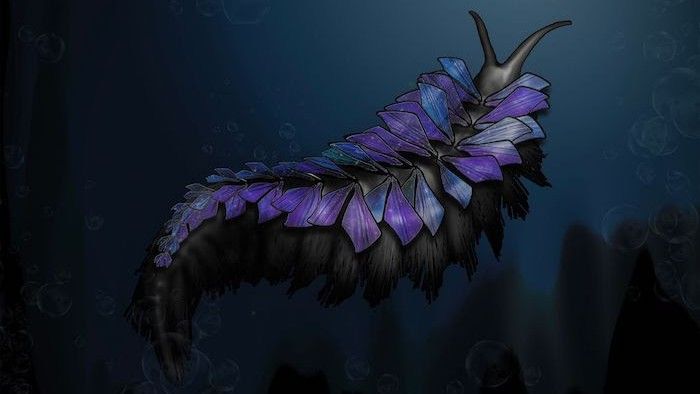
A 500-million-year-old fossilized sea worm, named Shaihuludia shurikeni, has been discovered in northern Utah. The worm, which lived during the Cambrian period, is named after the sandworms in the "Dune" novels due to its blade-like bristles resembling throwing stars. The fossil was found in the Spence Shale, a geological formation known for its rare fossils, and is a new species of annelid. The discovery sheds light on the diverse life forms that existed during the Cambrian explosion.

Evolutionary Link: Ancient Worms Shed Light on Tardigrade Origins

Originally Published 2 years ago — by Gizmodo

Featured image for Evolutionary Link: Ancient Worms Shed Light on Tardigrade Origins
Source: Gizmodo

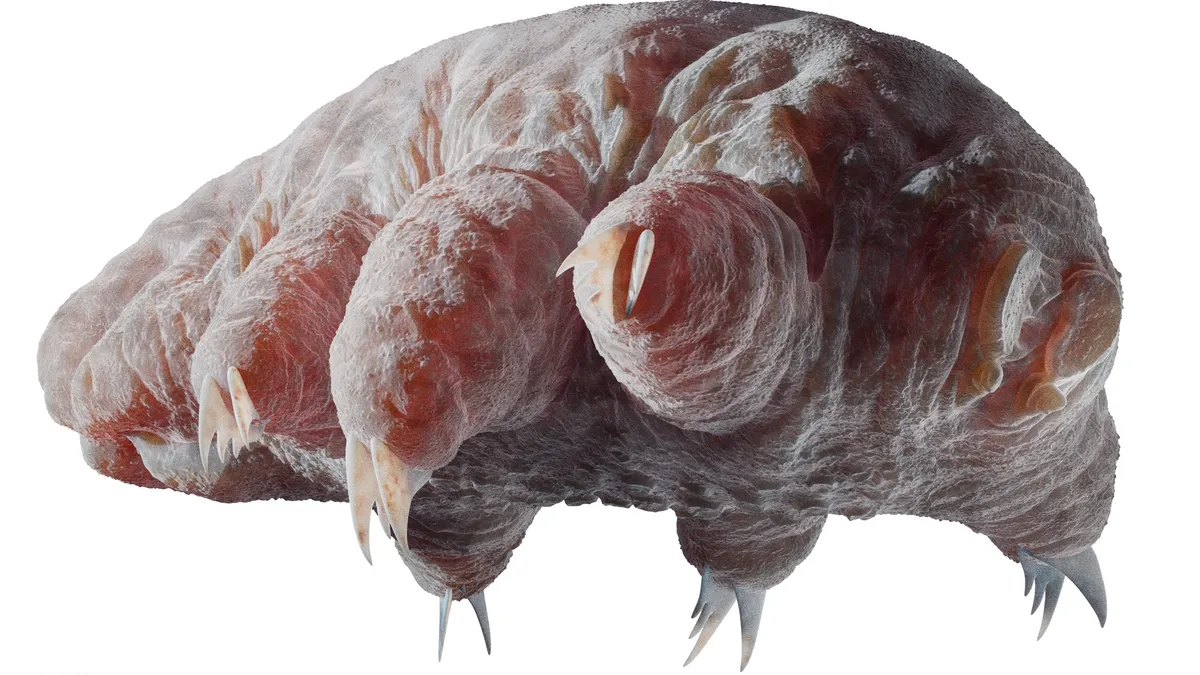
Researchers have studied the ancestors of tardigrades, known for their resilience, to understand how these microscopic invertebrates evolved. The team examined lobopodians, extinct soft-bodied worms from the Cambrian Period, and modern tardigrades to identify inherited features. They found a close relationship between tardigrades and luolishaniid lobopodians, with tardigrades having shorter legs and fewer trunk segments. The loss of developmental genes likely contributed to these differences. The study sheds light on the evolutionary history of tardigrades, but further research is needed to fully understand their unique characteristics.

Uncovering the Missing Link: Rare Fossils Shed Light on Major Animal Group Evolution.

Originally Published 2 years ago — by Phys.org

Featured image for Uncovering the Missing Link: Rare Fossils Shed Light on Major Animal Group Evolution.
Source: Phys.org

Rare, well-preserved fossils of an extinct invertebrate called Rotadiscus grandis have helped fill a gap in our understanding of the origin and evolution of major animal groups alive today. The fossils, from the Cambrian period, have revealed how some characteristics of living species may have evolved independently rather than originating in a single common ancestor. The analysis of the fossils has helped place Rotadiscus in the animal tree of life, showing that it is a very early member of the ambulacrarians, a group that includes starfish and acorn worms. The discovery also suggests that some features, such as a post-anal tail, may have evolved independently in different animal groups through convergent evolution.