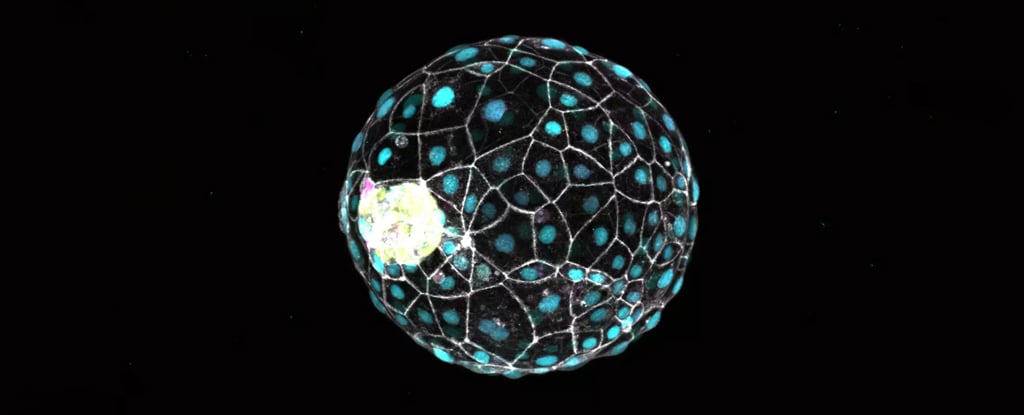
Research suggests that remnants of ancient viral DNA, specifically the LTR5Hs gene, play a crucial role in early human embryonic development by influencing tissue formation and gene regulation, highlighting how viral elements have been repurposed in human evolution.
A new study suggests that remnants of ancient viruses embedded in our DNA, particularly transposable elements, play a crucial role in early human development and evolution by influencing gene regulation, with potential implications for understanding human diseases and genome innovation.
A new study reveals that ancient viruses embedded in our DNA, specifically transposable elements like MER11, play a crucial role in regulating gene activity, especially during early development, challenging the previous notion that these 'junk' DNA segments are nonfunctional.
A new study reveals that 'junk' DNA, derived from ancient viruses embedded in our genome, actually plays a crucial role in controlling gene activity, especially during early human development, and has contributed to primate evolution.
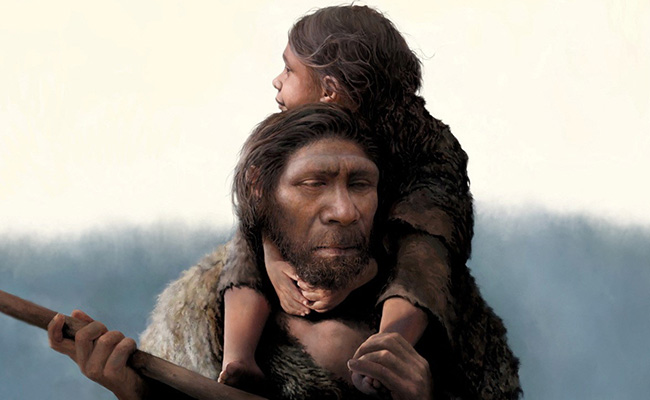
Researchers have discovered evidence of ancient viruses in 50,000-year-old Neanderthal bones, potentially linking infectious diseases to their extinction. By analyzing DNA from Neanderthal skeletons found in Russia, scientists identified fragments of adenovirus, herpesvirus, and papillomavirus. While the findings are preliminary and await peer review, they suggest that Neanderthals shared susceptibility to common human viruses, opening new avenues for understanding their disappearance.
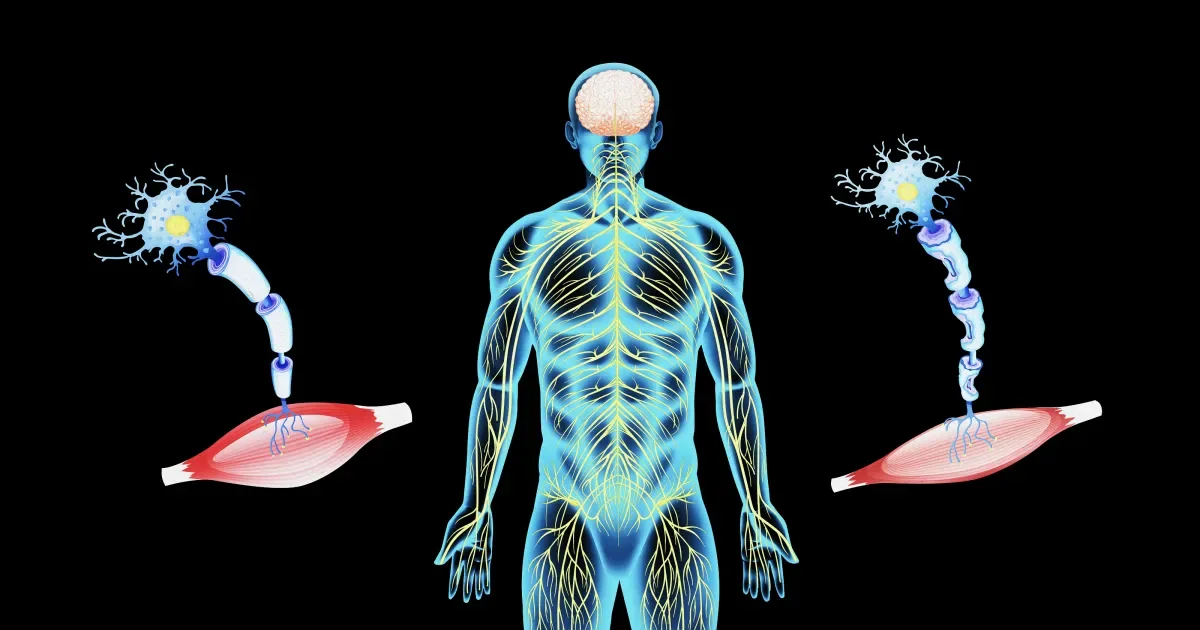
A study published in the journal Cell suggests that ancient viruses that infected vertebrates millions of years ago played a crucial role in the evolution of advanced brains and large bodies. Researchers found that a gene sequence acquired from retroviruses is crucial for myelin production, enabling faster nerve impulse conduction and structural support, leading to the development of larger bodies. The study also suggests that the retroviral infection may have occurred multiple times in the evolutionary history of vertebrates, shedding light on the complex relationship between viruses and evolution.
As Tibetan glaciers melt, ancient viruses dating back 15,000 years are being discovered, raising concerns about their potential release into the environment. Researchers have identified dozens of unique viruses from ice core samples, shedding light on their functions and genetic signatures. These viruses likely originated from soil or plants and may have facilitated nutrient acquisition for their hosts. While the release of ancient viruses is a concern, the melting ice also poses a threat by releasing massive reserves of sequestered methane and carbon. The study provides insights into past environmental changes and the evolution of viruses in extreme environments, highlighting the need for further exploration in this area.
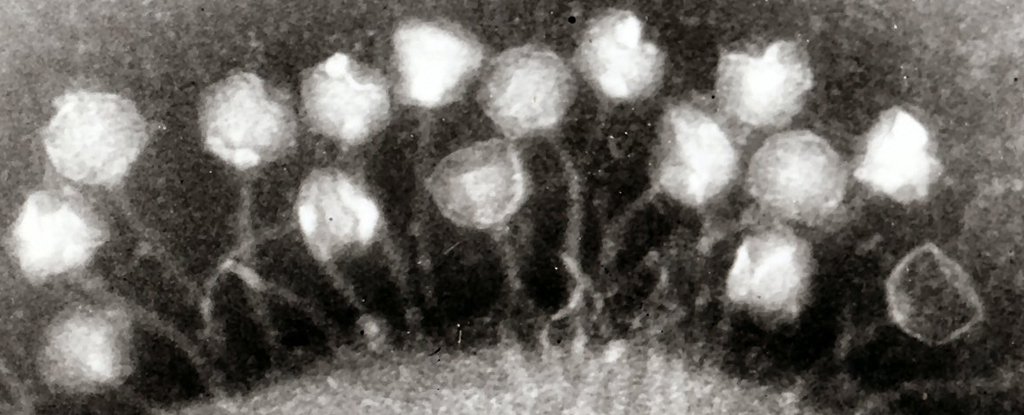
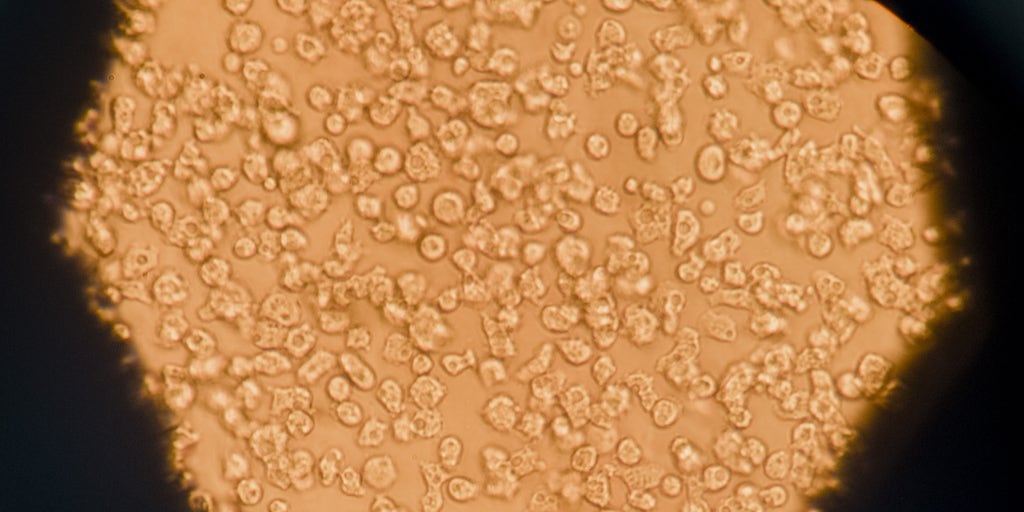
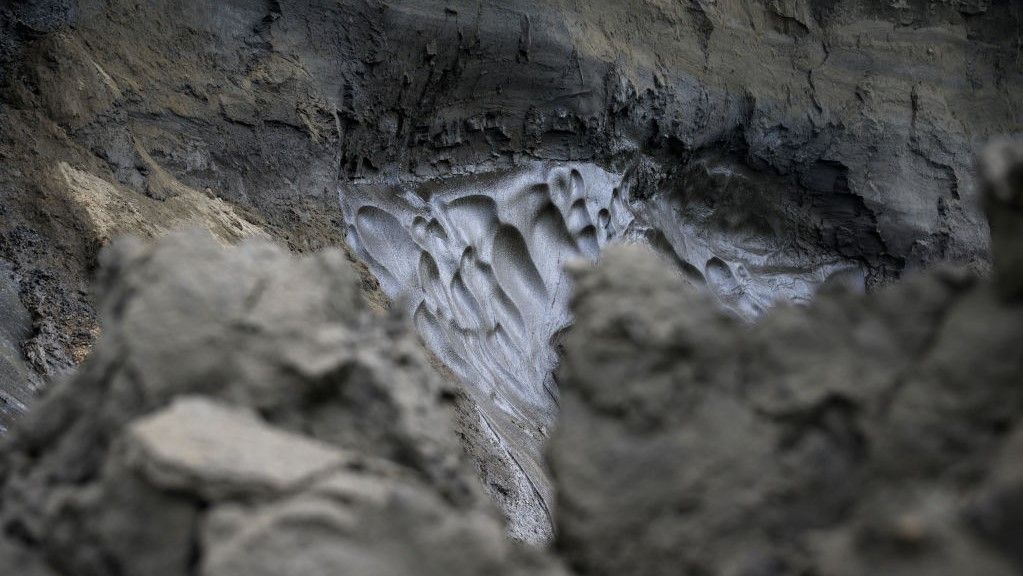
Scientists warn that rising global temperatures are causing ancient viruses trapped in permafrost to thaw and become infectious, posing a potential threat to humans. As permafrost melts, viruses that coexisted with Neanderthals thousands of years ago are being released, with some already infecting amoebas. The risk of encountering and being infected by these "zombie viruses" increases as human presence in the Arctic grows due to permafrost melting and global warming, making previously inhospitable regions more accessible.
Scientists warn that as global warming causes increased melting of permafrost in Siberia and the Arctic, ancient 'zombie viruses' trapped for thousands of years could be released, posing a risk of triggering a new deadly pandemic. The disappearance of Arctic sea ice due to global warming is allowing for increased shipping and industrial development in the region, potentially releasing ancient pathogens that are extremely difficult to fight. Researchers have identified six ancient diseases trapped in permafrost with the potential to cause widespread harm, emphasizing the urgent need for measures to mitigate the risks associated with melting permafrost.
Ancient viruses frozen in Siberia's permafrost for thousands of years are thawing due to climate change, posing a potential threat to humanity. Virologist Jean-Michel Claverie warns that melting ice could release ancient diseases, including those that may have killed Neanderthals. The viruses have already been found in mammoth wool, Siberian mummies, prehistoric wolves, and the lungs of an Influenza victim. Scientists have identified six frozen pathogens that they believe pose the greatest risk to humans. The heat wave in Siberia in 2016 activated deadly anthrax spores, demonstrating the real danger of diseases buried in the ice. With the Arctic warming, there is a growing concern about the release of ancient viruses and the need for monitoring and rapid response to potential outbreaks.
Melting permafrost due to global warming is releasing ancient viruses that have been preserved for tens of thousands of years. A recent study modeled the interactions between an ancient virus and modern bacteria to assess the potential impact on the ecosystem. While most invading viruses had little effect, in 1.1% of simulations, an invasive virus had a substantial impact, leading to a drop in biodiversity by 32%. Although the risk may seem low, the sheer number of potential exposures is staggering. However, the least populated places on Earth are covered with permafrost, reducing the risk of widespread infection.
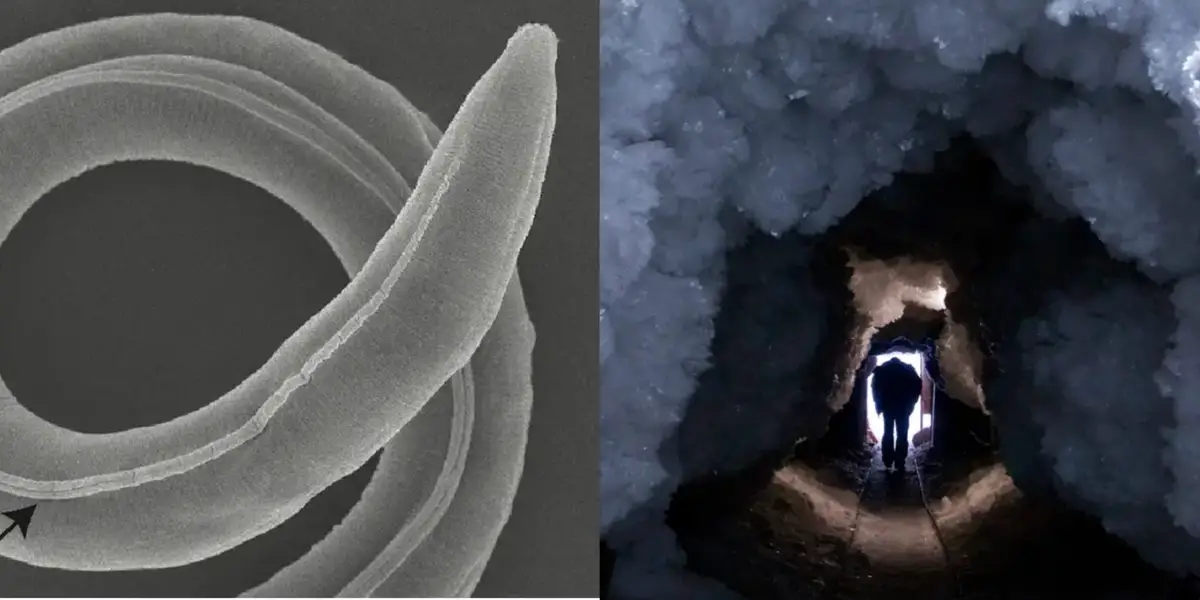
Scientists have successfully revived ancient bacteria, prehistoric viruses, and now a 46,000-year-old roundworm that started reproducing after being thawed from Siberian permafrost. As the climate crisis continues to melt ancient ice sheets, experts are concerned about the potential risks these "zombie" creatures could pose to humanity. The discovery of prehistoric viruses in permafrost has raised public health concerns, as they could potentially infect animals and humans. Additionally, the melting ice could release previously eradicated or controlled bugs, leading to unforeseen outbreaks.
Researchers at CU Boulder have identified PEG10, an ancient virus-like protein, as a new player in ALS. PEG10 is necessary for mammals to develop placentas, but when it is overly abundant in the wrong places, it may fuel disease, including certain cancers and neurological disorders. The study has shown that PEG10 is present in high levels in the spinal cord tissue of ALS patients, where it likely interferes with the machinery enabling brain and nerve cells to communicate. The hope is that this could potentially lead to an entirely new class of potential therapeutics to get at the root cause of this disease.
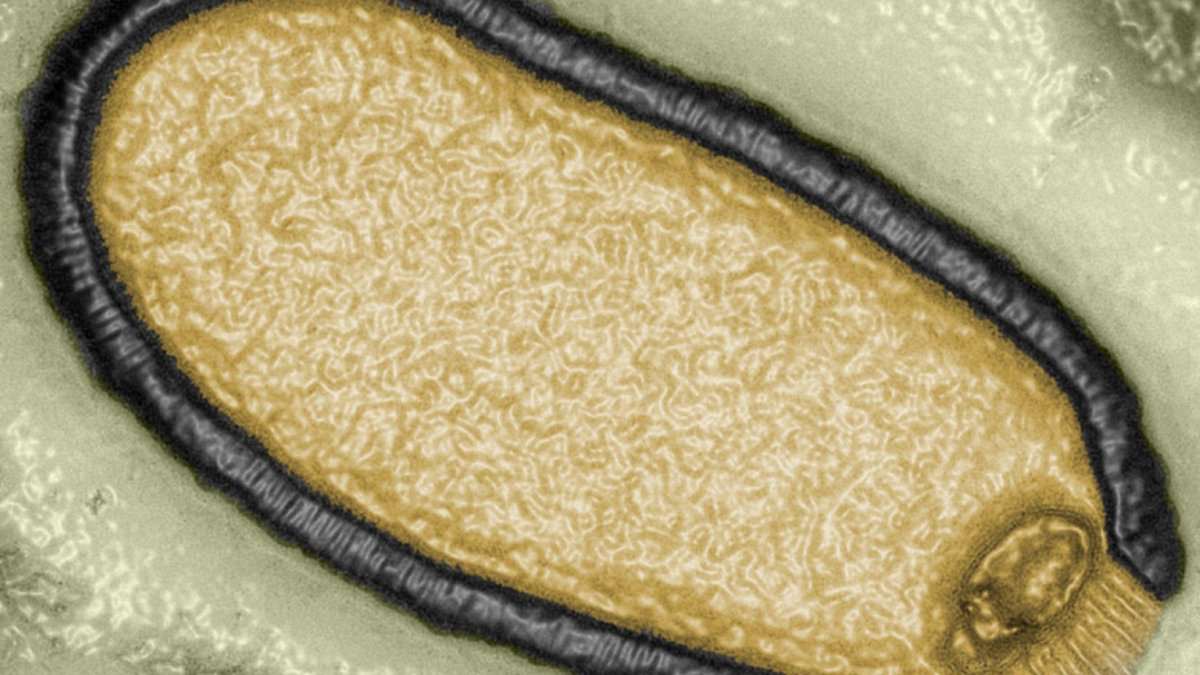
Scientists have discovered eight ancient viruses in the melting permafrost of the Russian Far East, including Pithovirus sibericum, one of the largest viruses ever found. While these viruses are harmless to humans, researchers warn that as permafrost thaws due to global warming, unknown pathogens could be unleashed and infect humans or other animals. The discovery of two ancient viruses in a single sample suggests that dormant pathogens may often lurk in permafrost, and researchers caution that distant viruses of ancient Siberian human or animal populations could reemerge as arctic permafrost layers melt and/or are disrupted by industrial activities.