Researchers propose that vertebrate eyes originated from a single ancestral eye in ancient invertebrates around 560 million years ago, later splitting into two—offering a potential answer to how the complex eye evolved and addressing Darwin’s long-standing questions.
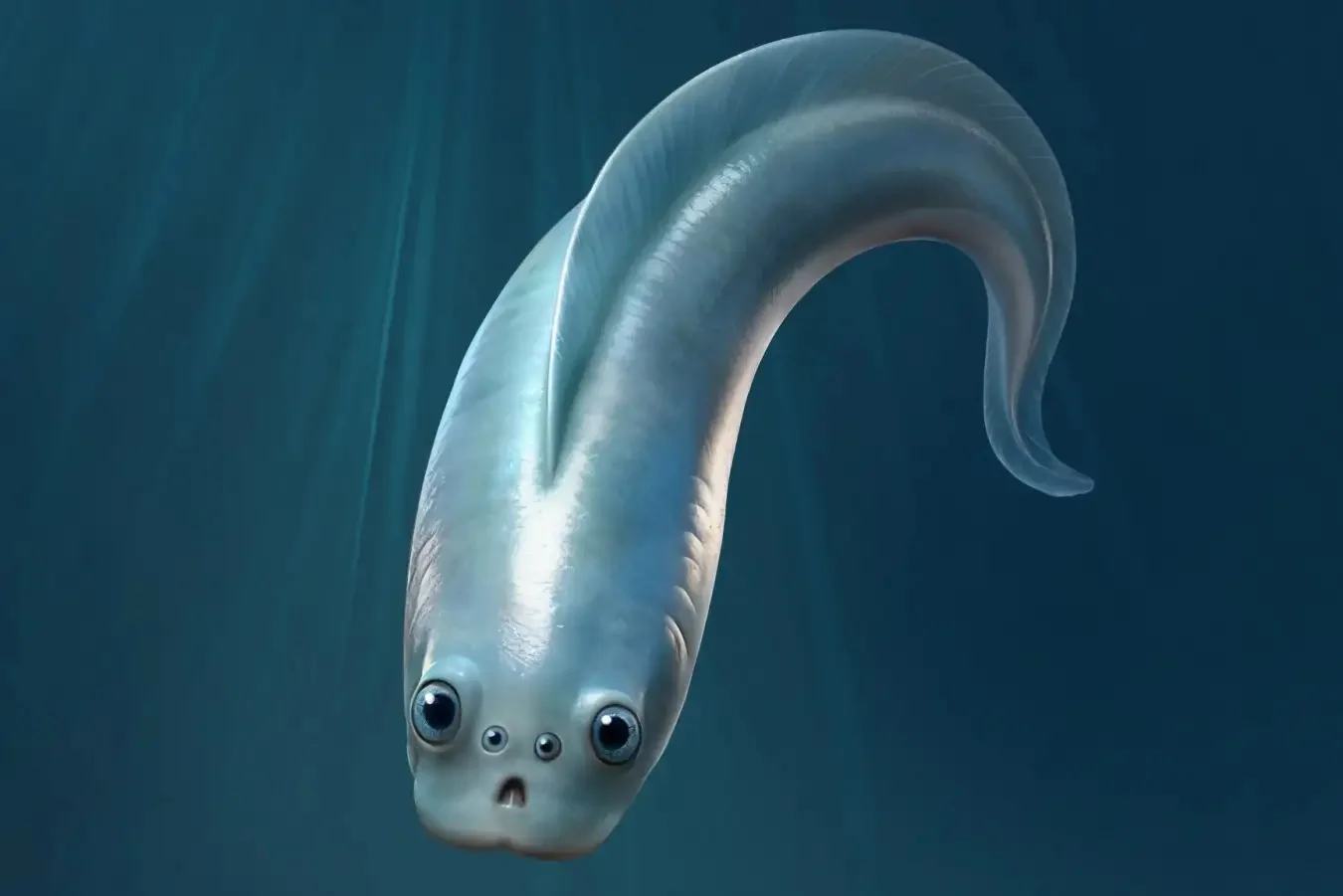
A Nature paper reports that Haikouichthys, an early Cambrian fish from China, had four eyes—two large and two small—giving it a wider field of vision and possibly a pineal-gland precursor. The discovery implies more complex early fish sensory systems than previously thought and feeds a broader discussion about fish sentience and the existential dread of life in a predator-filled ancient ocean.
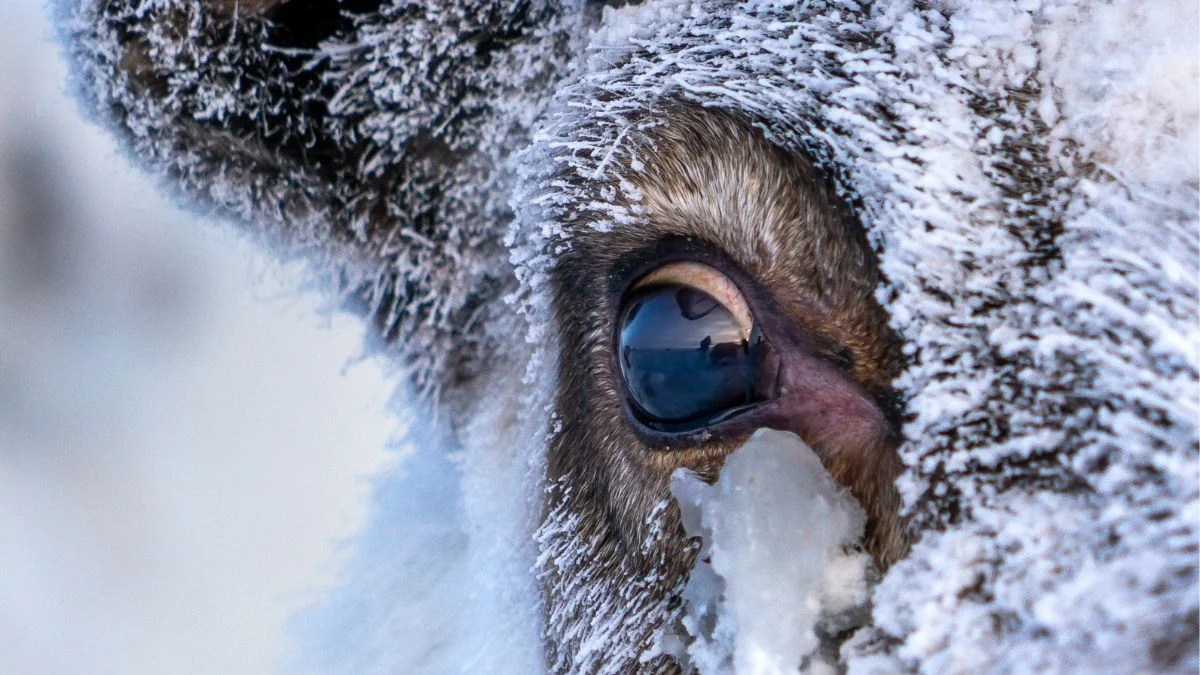
Reindeer eyes change color with the seasons, turning deep blue in winter to adapt to the low-light Arctic environment, possibly functioning as natural sunglasses by reflecting more blue light to enhance vision in darkness, a unique and reversible adaptation involving structural changes in the eye's tapetum lucidum.
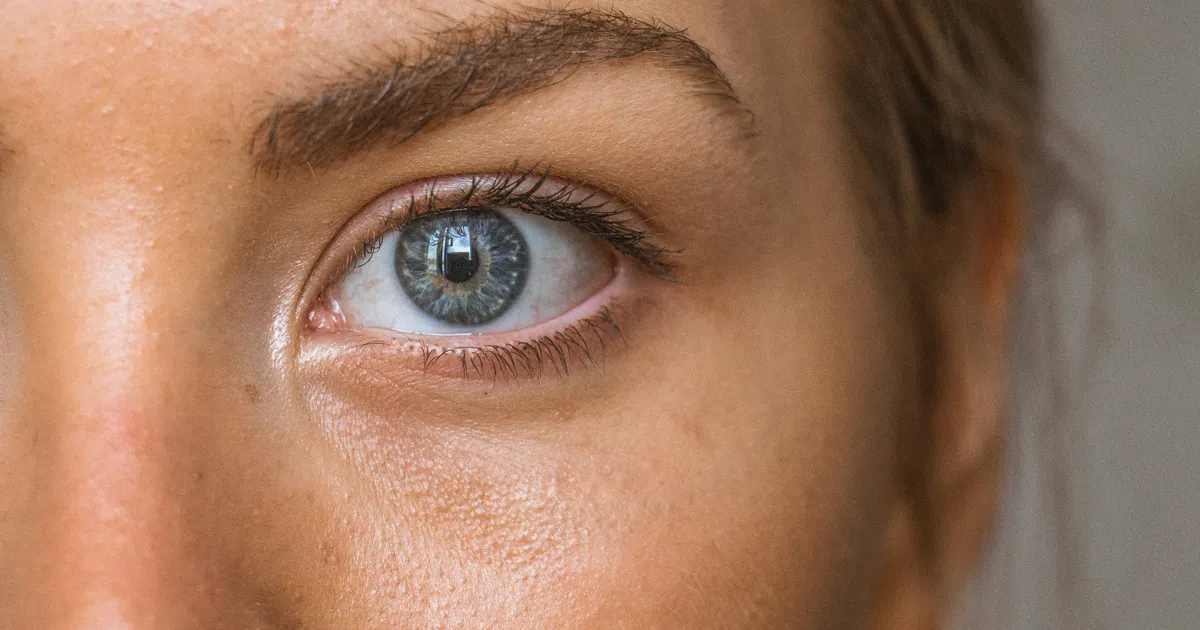
The article explains how various eye signs like yellowing, dark circles, and puffiness can indicate underlying health issues such as liver problems, anemia, or thyroid conditions, and suggests natural dietary remedies like amla, beetroot, and nuts to address these issues.,
Menopause can affect women's eyesight, particularly causing dry eyes and irritation, which are often overlooked. These symptoms may be linked to hormonal changes, and treatments like eye drops, warm compresses, or hormone therapy can help. Women are encouraged to seek regular eye checks and consult a doctor if symptoms persist.
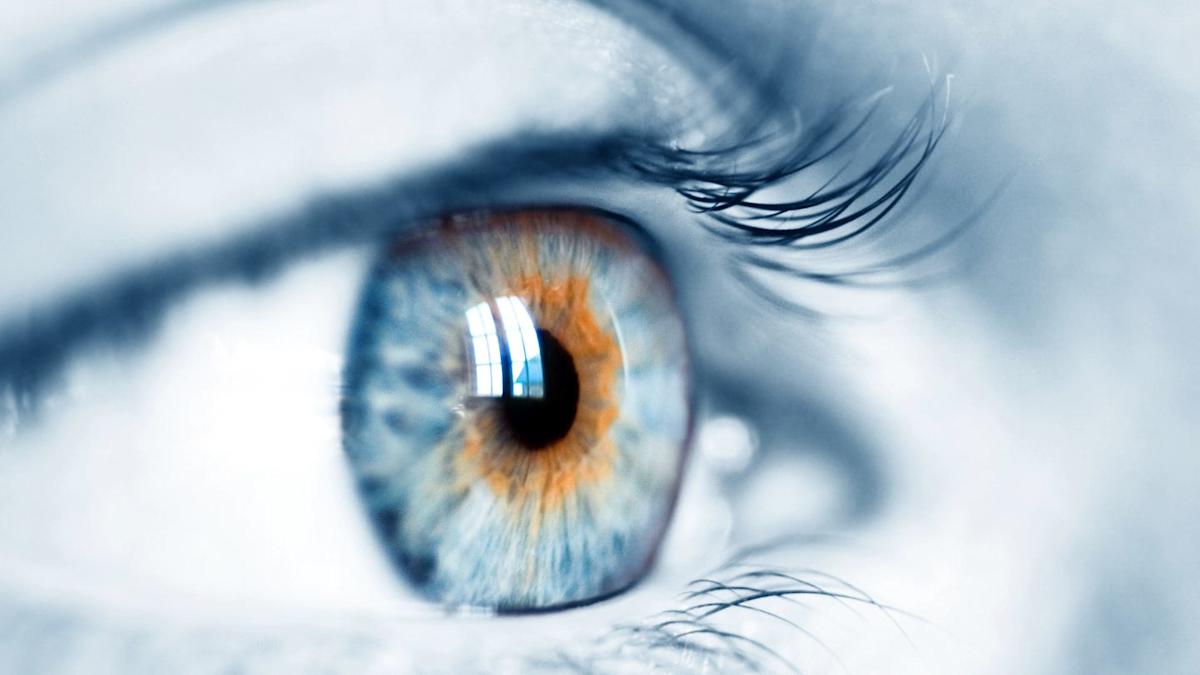
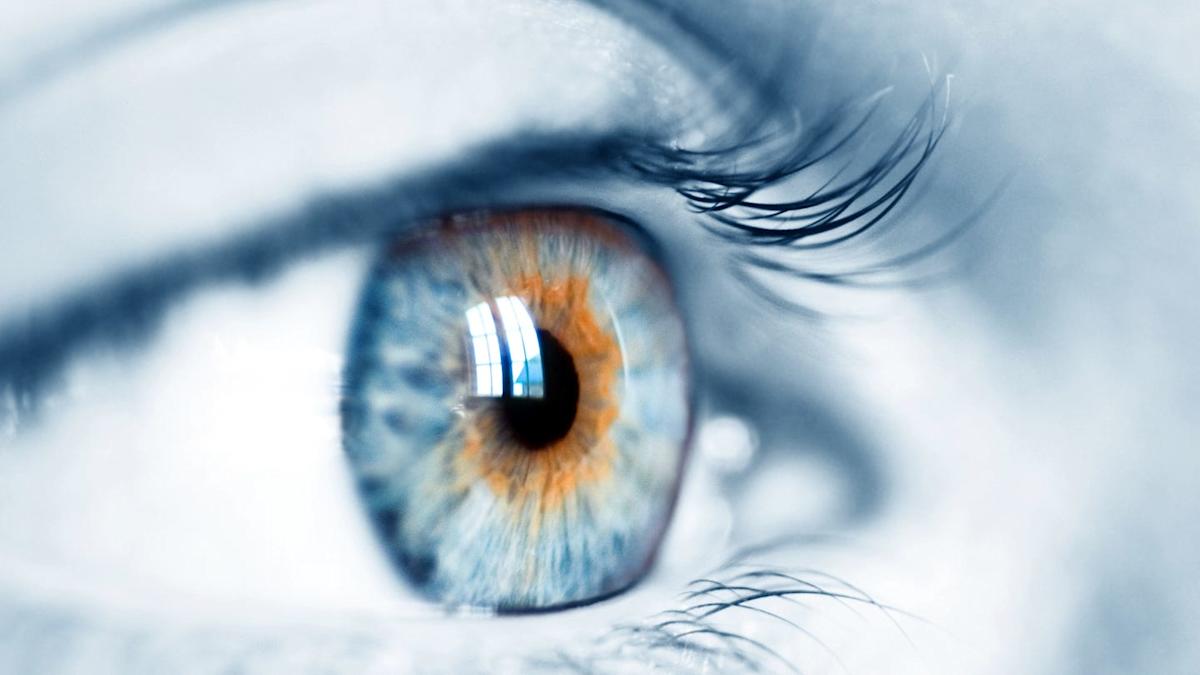
Your eyes can reveal signs of systemic health issues like diabetes, high blood pressure, autoimmune diseases, and even cancer through specialized exams, emphasizing the importance of regular comprehensive eye check-ups for early detection and overall health monitoring.
Your eyes can reveal signs of systemic health issues like diabetes, high blood pressure, autoimmune diseases, and even cancer through specialized exams. Regular comprehensive eye exams are crucial for early detection and prevention of serious health problems, with symptoms like sudden vision loss or persistent dryness warranting immediate attention.
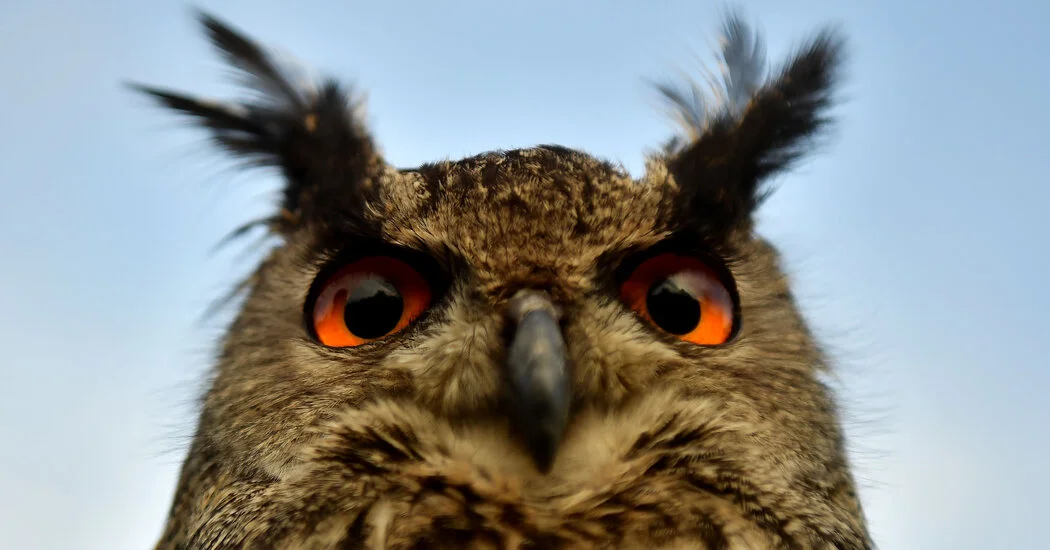
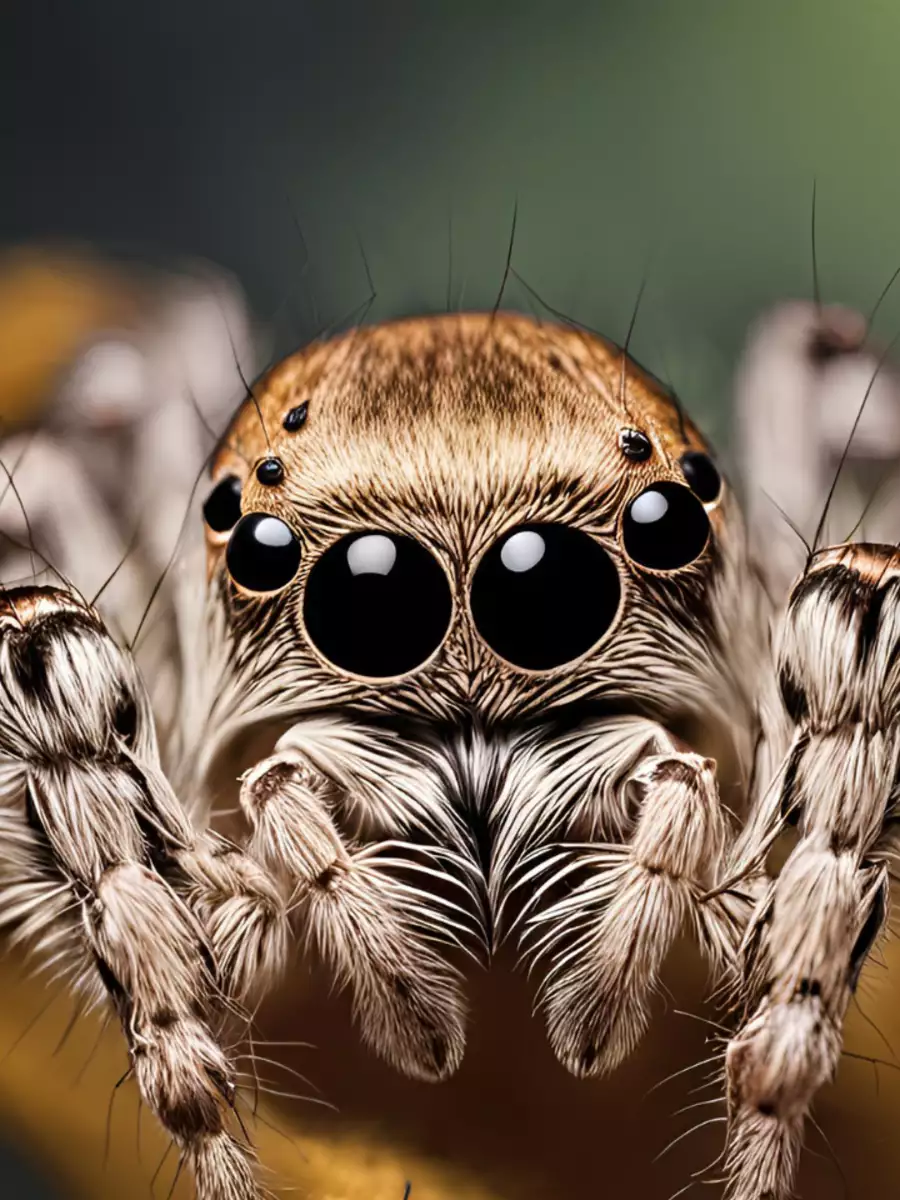
The article explores eight different animal species that possess more than two eyes, highlighting the diversity and evolutionary adaptations in the animal kingdom. These species include spiders, horseshoe crabs, and certain types of mollusks, each having developed multiple eyes for various survival advantages such as enhanced vision and environmental awareness.
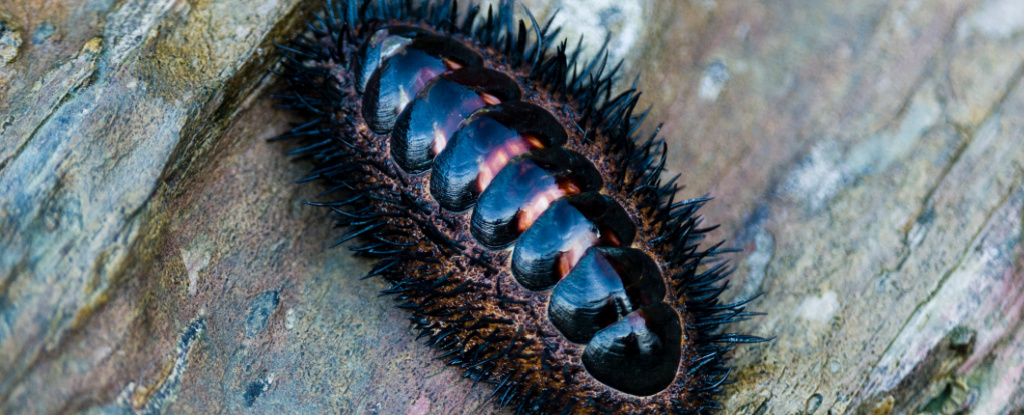
Researchers have discovered that chitons, small marine mollusks, evolved eyes on four separate occasions, resulting in two distinct visual systems. Some chitons have thousands of eyes embedded in their shells, while others have smaller eyespots. The study, led by evolutionary biologist Rebecca Varney, found that the different visual systems evolved independently and in quick succession, with some groups developing similar structures despite being distant relatives. The number of slits in the chiton's shell plates appears to influence the complexity of their visual systems. Ongoing research aims to understand how these structures process visual information.
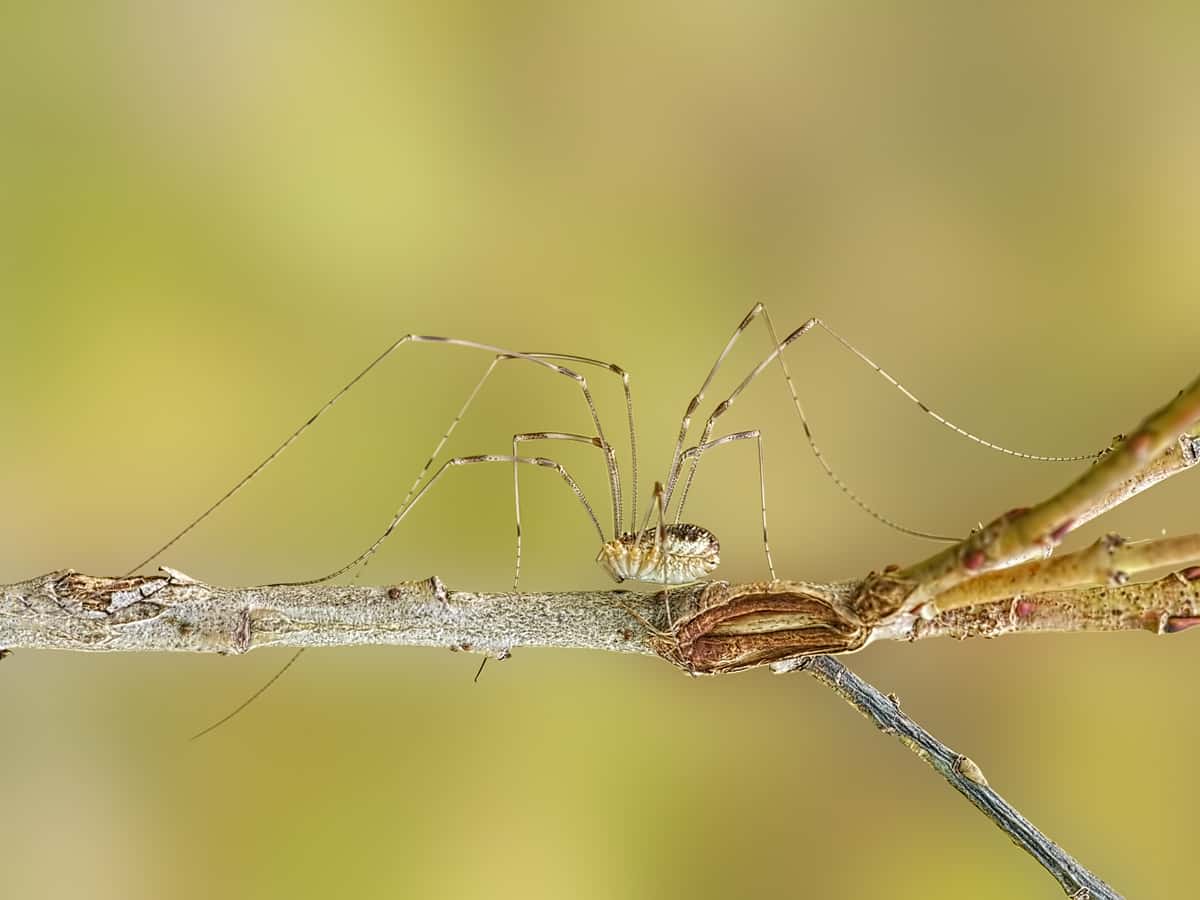
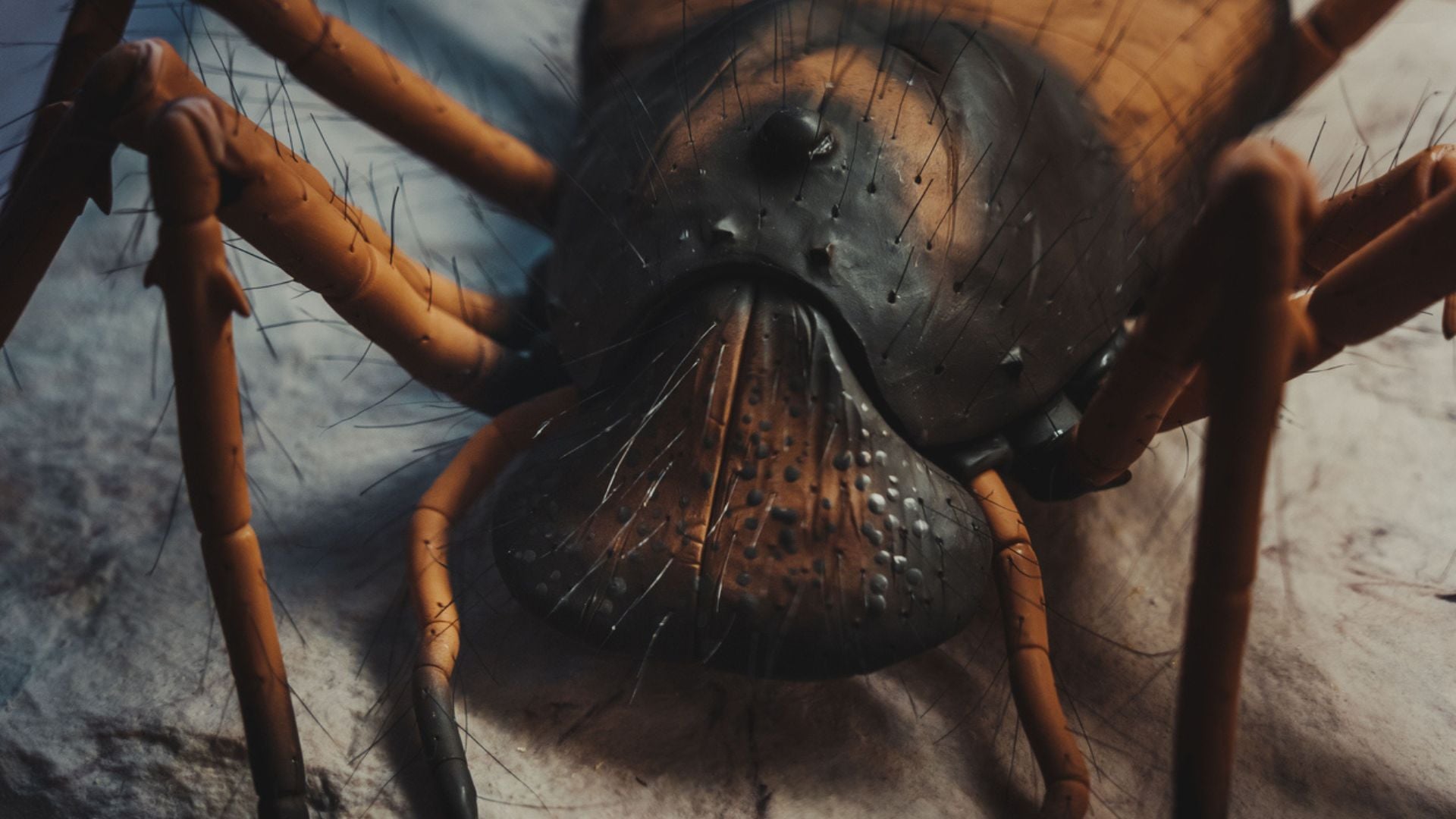
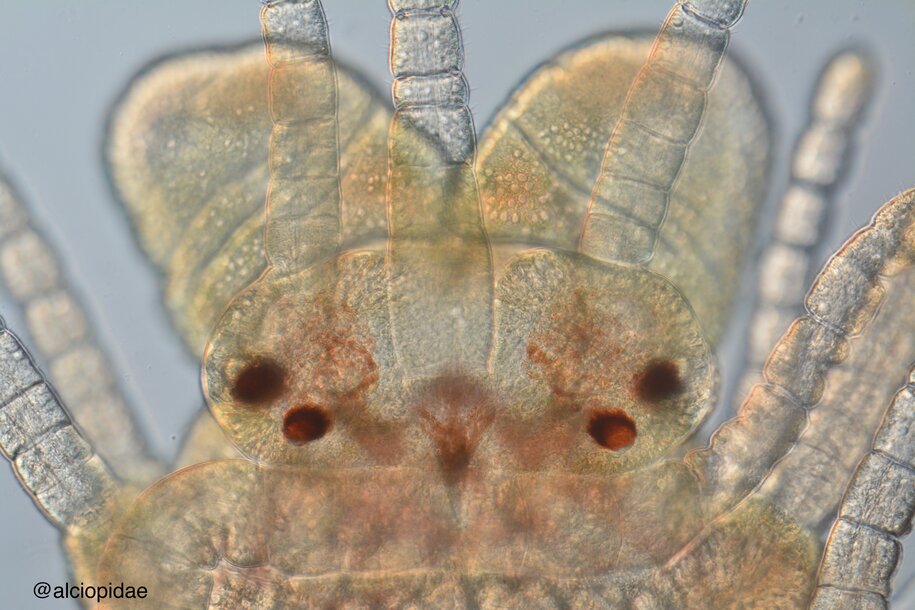
Daddy longlegs, also known as harvestmen, are ancient arachnids with a history dating back over 400 million years. Scientists recently discovered that these creatures have two additional pairs of vestigial eyes, in addition to their two median eyes. These vestigial eyes, found in embryos, suggest an evolutionary link to past arachnid species. The study sheds light on the genetic mechanisms behind eye development and evolution, providing insights into the diversity of eyes in arthropods.
Researchers have discovered that Daddy Longlegs have more eyes than previously thought, challenging the existing understanding of these creatures. Guilherme Gainett and Prashant Sharma's research has revealed new insights into this group of animals, shedding light on their unique characteristics.
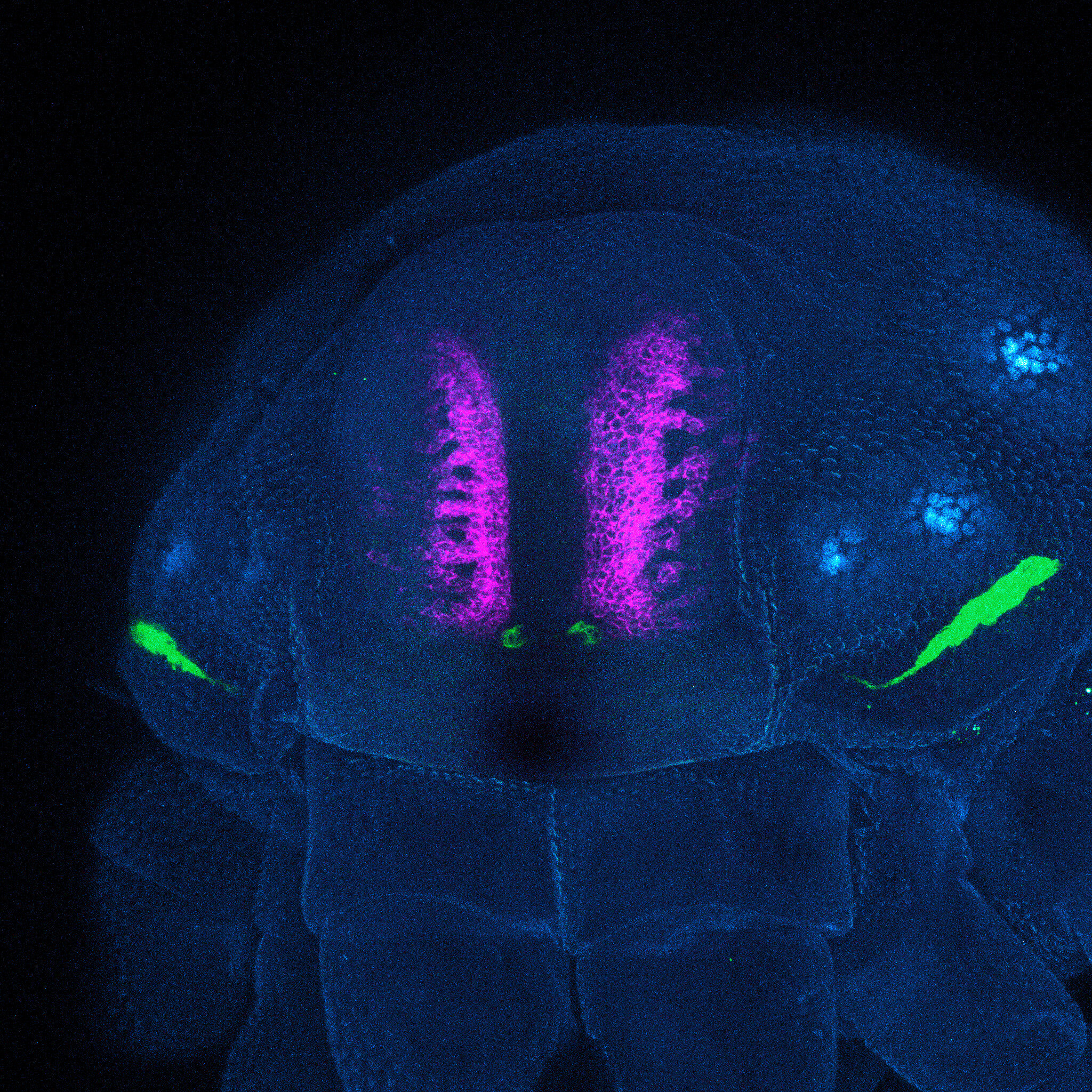
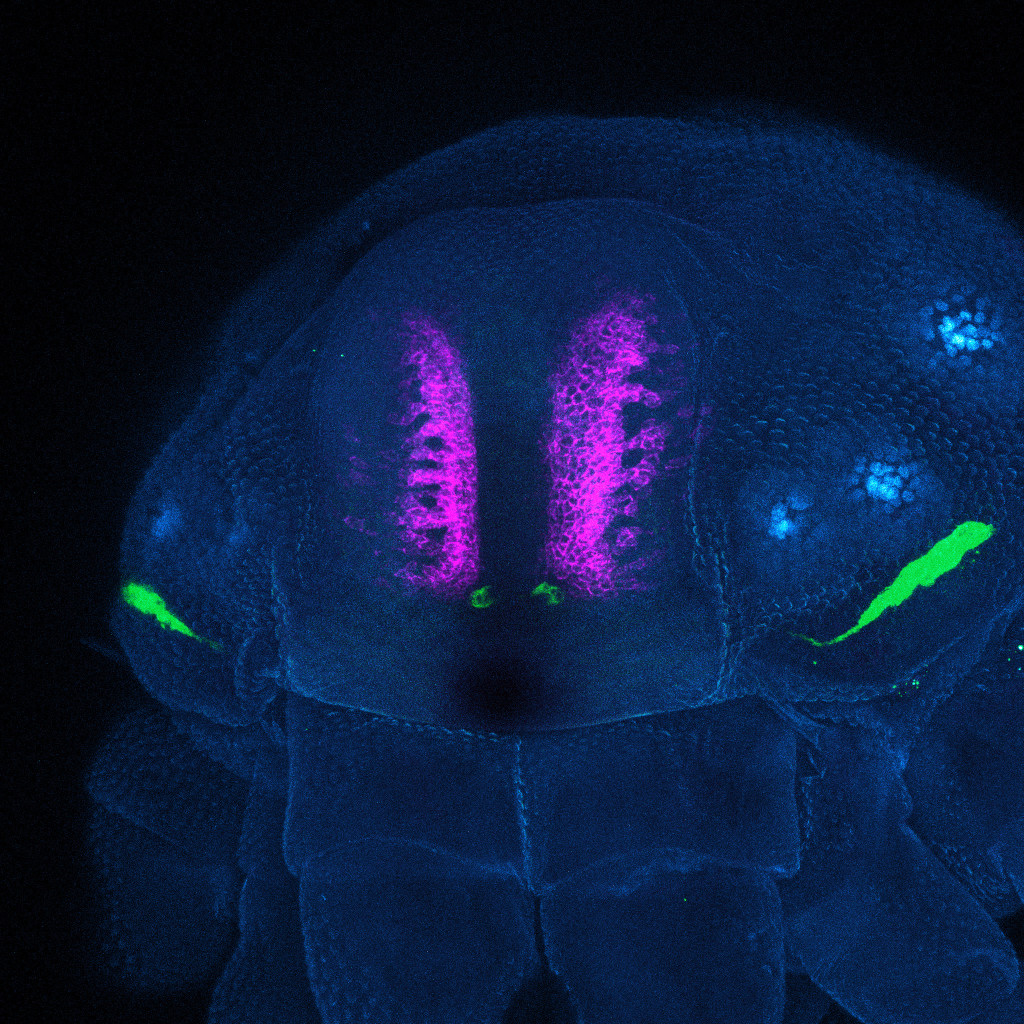
Researchers have discovered that a living species of daddy longlegs has two additional sets of underdeveloped eyes as embryos, indicating that the species diversified earlier in the evolutionary tree than previously believed. The finding suggests that the arachnid's ancestor lost two pairs of eyes, and the study provides important insights into the genetic and developmental conditions that give rise to different kinds of eyes, shedding light on the process of evolution.
Researchers studying a living species of daddy longlegs have discovered vestigial eyes in the embryos, indicating that the species diversified earlier in the evolutionary tree than previously believed. These underdeveloped eyes, containing visual proteins called opsins, suggest the presence of two additional sets of eyes in the species' evolutionary past. By studying the genetic and developmental conditions that give rise to different kinds of eyes, the researchers were able to provide evidence that the vestigial organs were likely eyes, shedding light on the evolutionary process.
A sea worm known as the "Eulalia viridis" has the unique ability to develop its own eyes and brain in its tail, which then detaches and swims away to mate. This fascinating reproductive strategy is a rare phenomenon in marine life.
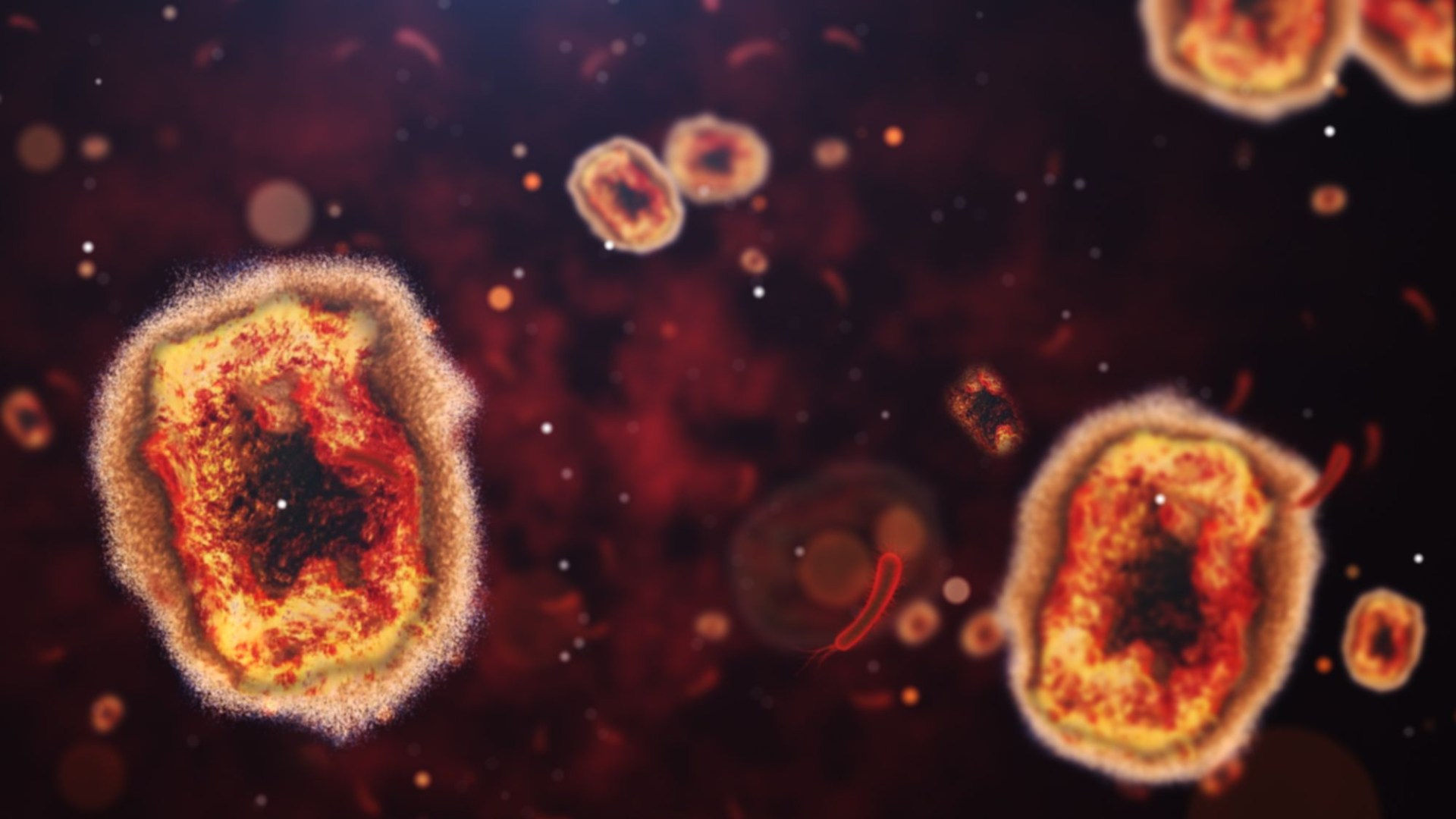
The UK is at risk of a measles outbreak as cases surge in Cardiff, with other areas potentially affected. Measles is highly contagious and can lead to serious complications such as pneumonia, meningitis, and even death. While the common symptoms include a rash, flu-like symptoms, and tiredness, there are also rare eye complications that can arise, including conjunctivitis, keratitis, retinopathy, and optic neuritis. Vaccination rates have dropped, with only 85% of five-year-olds fully vaccinated, well below the 95% needed for herd immunity. It is crucial for parents to ensure their children are up to date with the MMR vaccine to protect against measles, mumps, and rubella.