Tag

Amphibians

All articles tagged with #amphibians

science1 year ago

Ancient Amphibians Discovered in Seasonal Burrows

Researchers have discovered a new species of fossil amphibian in Wyoming, dating back 230 million years, that survived dry seasons by burrowing underground. These salamander-like creatures, found in torpedo-shaped burrows, adapted to the extreme seasonal changes of the mega-monsoon era by lowering their metabolic rate, similar to modern-day hibernation. The study, which involved collaboration with the Eastern Shoshone people, highlights the potential resilience of amphibians to climate change, offering insights into both ancient and modern amphibian survival strategies.

paleontology1 year ago

"Kermitops: The 270-Million-Year-Old Amphibian Unraveling Evolutionary Mysteries"

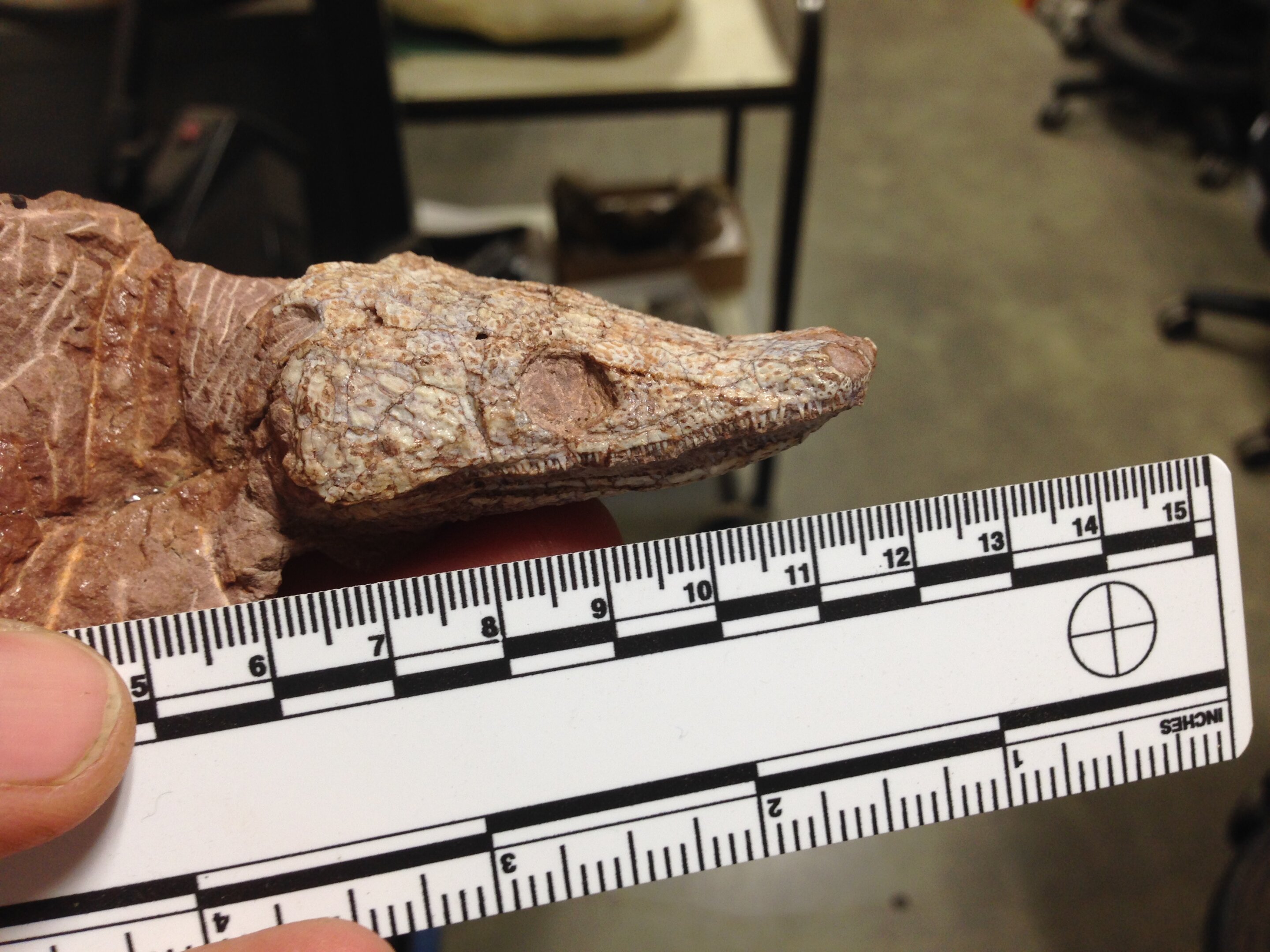
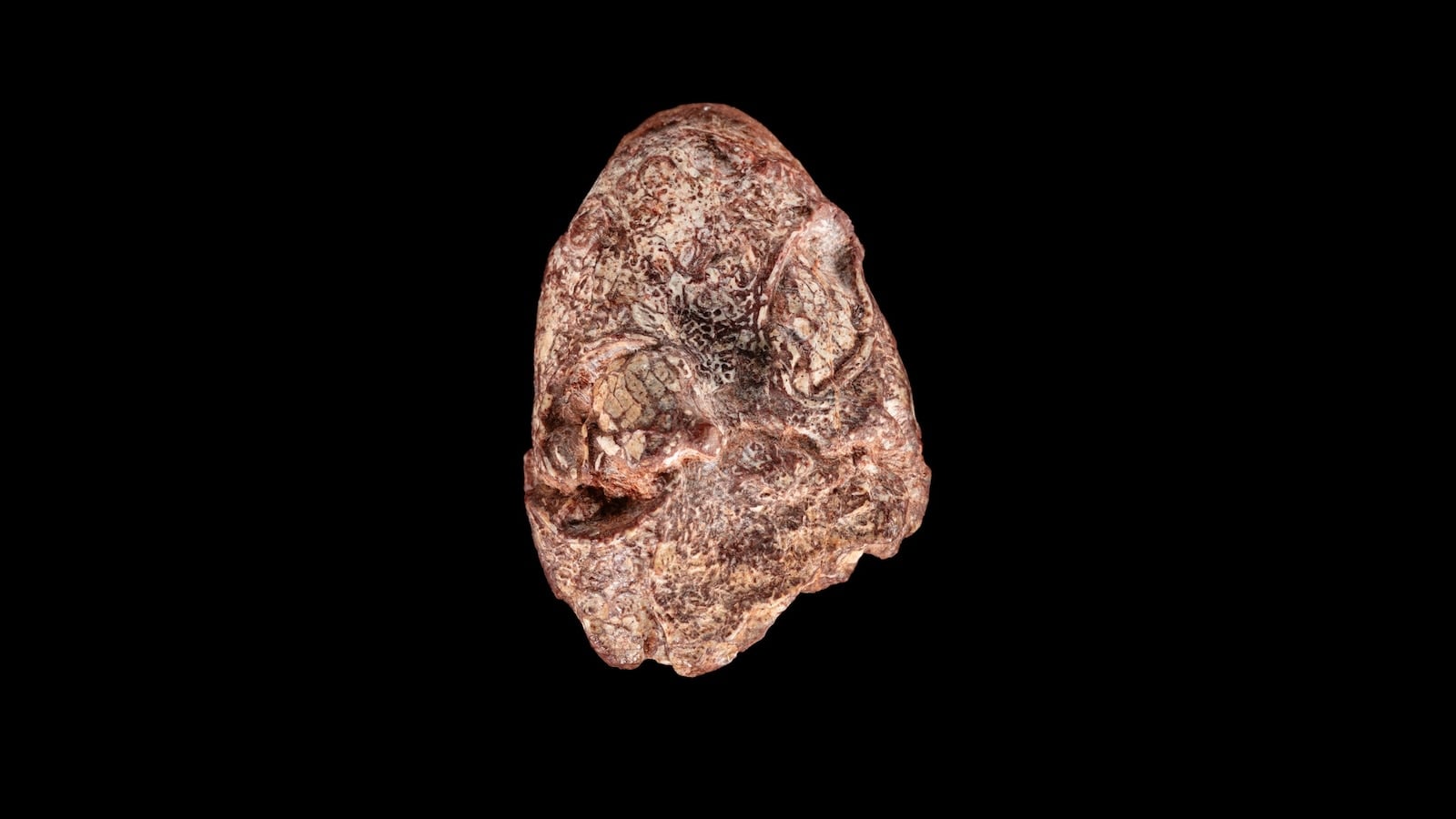
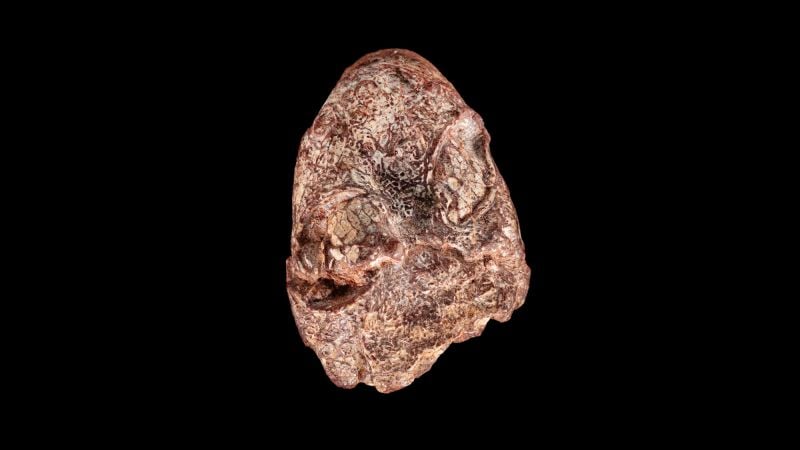
A new 270-million-year-old amphibian species, named Kermitops gratus after Kermit the Frog, has been discovered by researchers at the Smithsonian. The fossilized skull, found in Texas in 1984, has unique characteristics that differentiate it from previously discovered species, shedding light on the evolution of modern-day frogs and salamanders. The findings could help bridge the gap in understanding the development of these amphibians and their ancestors, providing valuable insights into their evolutionary path.

paleontology1 year ago

"Kermit the Frog Inspires Naming of 270-Million-Year-Old Fossilized Amphibian Skull"

Paleontologists at the Smithsonian National Museum of Natural History have identified a new prehistoric amphibian species, Kermitops gratus, named after Kermit the Frog, with a 270 million-year-old fossilized skull featuring wide eyes and a cartoonish grin. The discovery could provide insights into the complex evolution of modern amphibians, shedding light on the origins of frogs and salamanders. The fossil's mix of modern and prehistoric traits suggests a complex evolutionary history, and its small size may help explain the evolution of small-bodied amphibians. This finding underscores the significance of studying museum collections of prehistoric fossils for understanding Earth's history.

paleontology1 year ago

"Kermit the Frog Inspires Naming of Newly Discovered Fossil Species"

A 270-million-year-old fossil, named Kermitops gratus after Kermit the Frog, has been discovered at the Smithsonian National Museum of Natural History. This new species of proto-amphibian sheds light on the murky origins of amphibians and possesses unique features that differentiate it from its ancient ancestors. The fossil, which had been overlooked in the museum's collection for decades, is of significant importance in understanding the early branches of the amphibian family tree.

environment1 year ago

"The Mystery Behind the Decline of Apparently Healthy Amphibians Unveiled"

At the first global congress of herpetology in 1989, experts discovered a mysterious decline in amphibian populations worldwide. Dr. Andrew Cunningham, a veterinary pathologist, identified a deadly ranavirus in England and later uncovered a lethal fungus, Batrachochytrium dendrobatidis, infecting and killing amphibians globally. This fungus, likely spread by humans, has led to the disappearance of nearly 100 amphibian species in the past 50 years, highlighting the destructive impact of humanity on biodiversity and the urgent need to find a balance with the planet's species.

biology1 year ago

"Worm-Like Amphibians: Adorable Milk-Leaking Hatchlings"

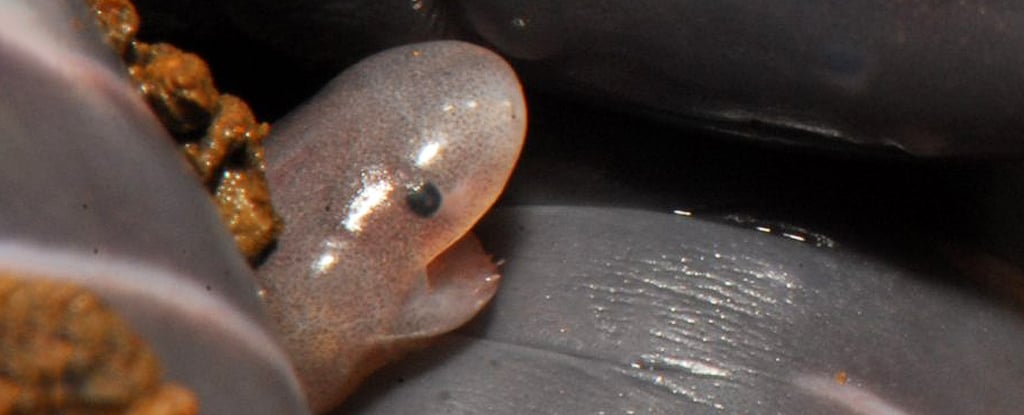
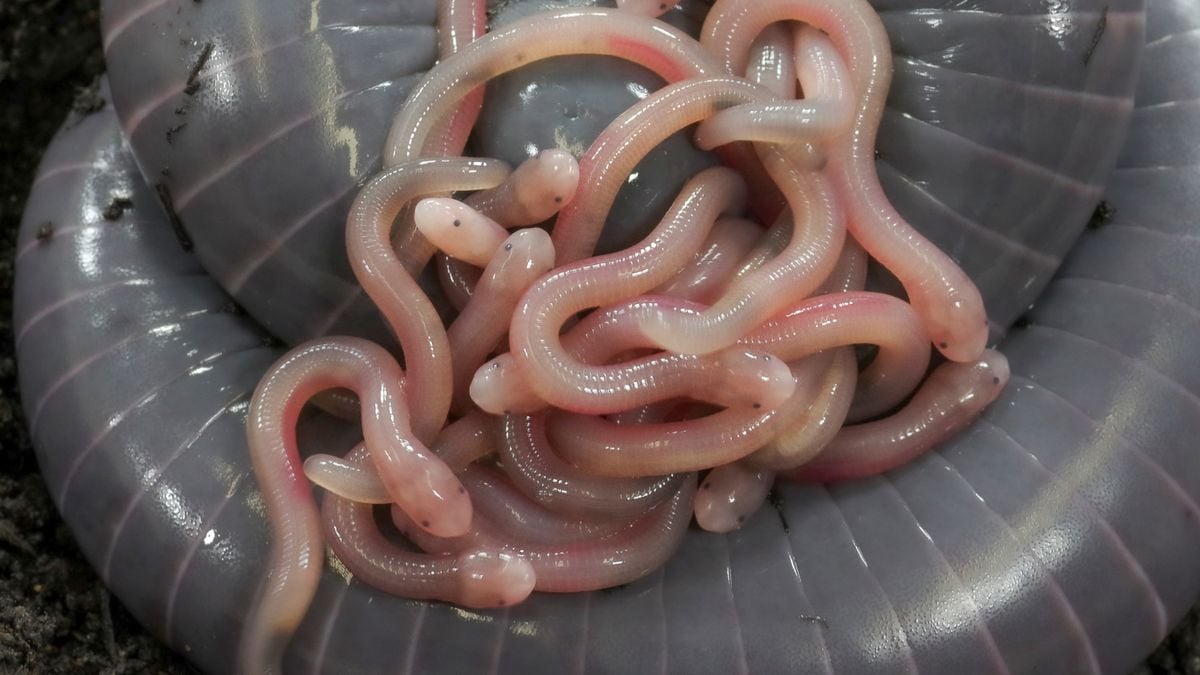
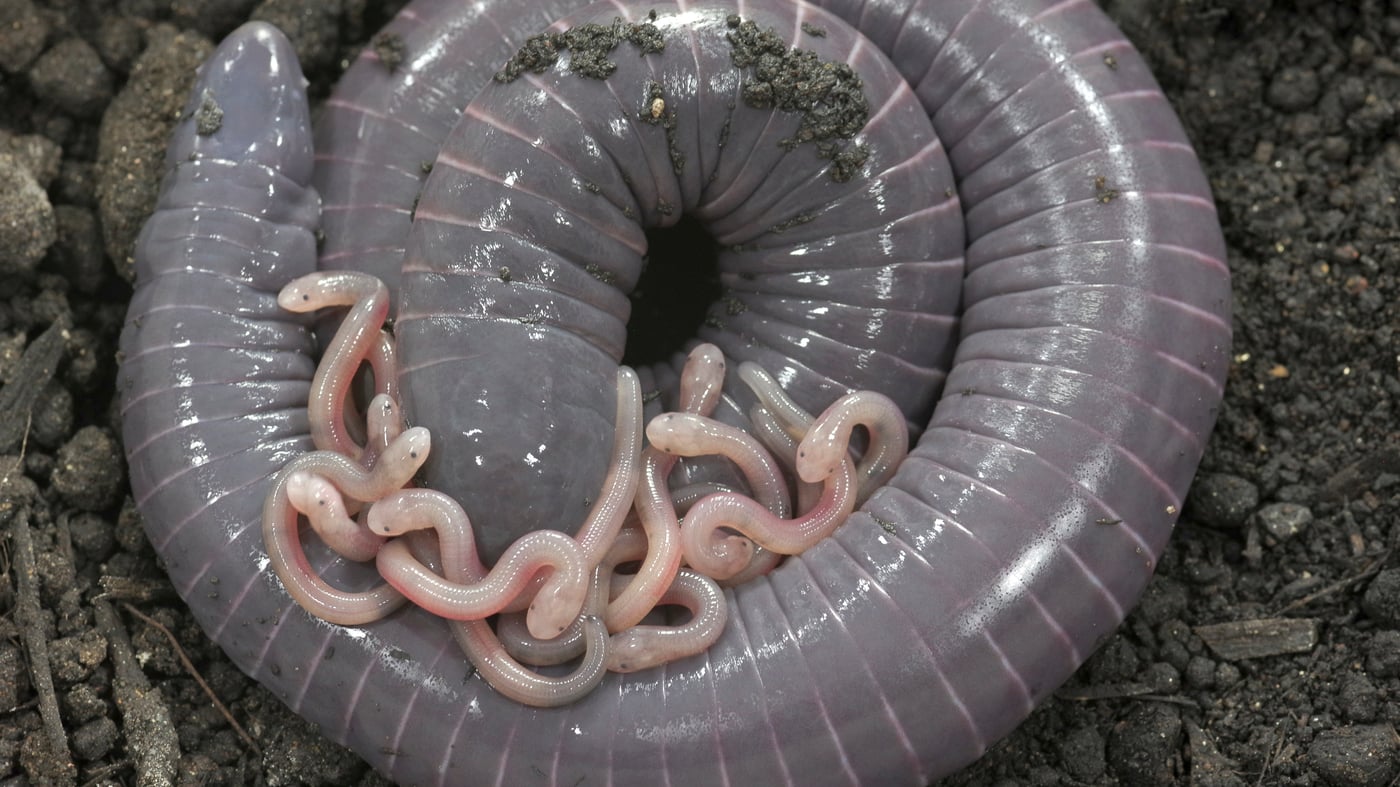
Researchers have discovered that a species of egg-laying caecilian amphibians produce milk to nurse their young, a behavior previously thought to be exclusive to mammals. The mother caecilians have specialized glands in their oviduct walls that produce a fat and carbohydrate-rich milk, which the hatchlings eagerly consume. This discovery challenges previous assumptions about milk production and parental care in vertebrates, highlighting the diverse strategies that have evolved across different animal groups.

science1 year ago

"Unique Video Captures Worm-Like Creature Feeding Young with Butt 'Milk'"

In a first-of-its-kind video, a female Brazilian ringed caecilian was documented feeding its offspring with a milk-like substance secreted from its anus, marking the first time this behavior has been observed in caecilians. The offspring communicate with physical touch and sounds to encourage the mother to release the liquid, which is rich in long chain fatty acids. This discovery sheds light on the little-understood maternal care and reproductive behaviors of caecilians, opening new areas of research for amphibian biology and evolutionary biology.

biology1 year ago

"Unusual Amphibians: Milk-Secreting Moms and Begging Offspring"

Researchers studying ringed caecilians in Brazil have discovered that the wormlike amphibians produce milk to feed their young, a behavior typically associated with mammals. The milk, mainly composed of lipids and carbs, is released through the maternal vent in response to tactile and acoustic stimulation by the babies. This finding sheds light on the diverse ways in which maternal care and nutrition are provided in the animal kingdom, showcasing the concept of convergent evolution.

biology1 year ago

"Amphibians: The Surprising Milk-Feeding Parents"

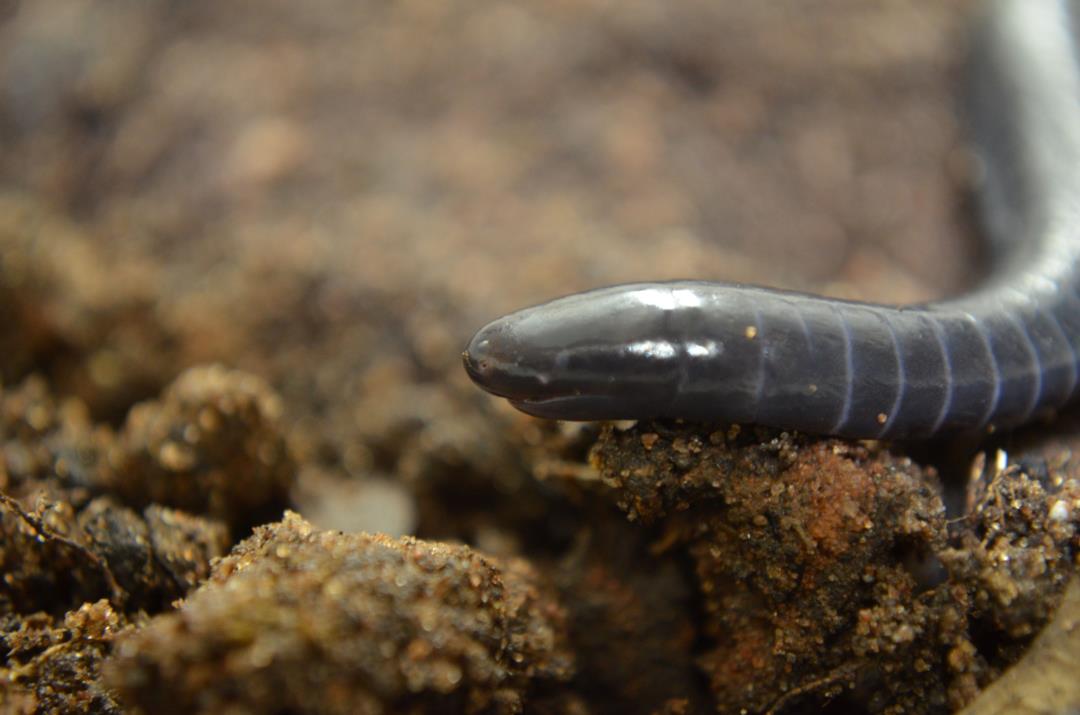
Researchers have discovered that a species of caecilian, a worm-like amphibian, produces a milk-like substance to feed its young, a trait previously thought to be exclusive to mammals. The substance contains lipids and sugars similar to mammalian milk and serves a similar nutritional function. This finding suggests convergent evolution, where different species develop similar traits to address common challenges, and highlights the creative solutions nature provides across diverse animal groups.

science1 year ago

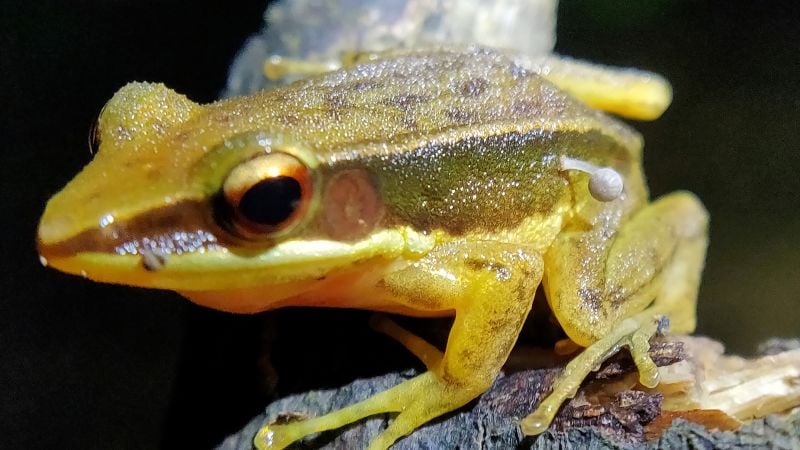
Unprecedented: Indian Frog Grows Mushroom from Its Body

Naturalists in India discovered a golden-backed frog with a mushroom sprouting from its side, a phenomenon never documented before. The frog, found in Karnataka, is of a species known as Rao’s intermediate golden-backed frog. The cause and fate of the frog are unknown, but mycologists identified the mushroom as a common bonnet, a type of fungi that typically grows on dead wood. While the frog's prognosis is uncertain, researchers speculate on potential effects, including altered susceptibility to chytridiomycosis, a frog-killing disease.

science-and-nature1 year ago

"Meet the Brazilian Flea Toad: The World's Tiniest Vertebrate"

Researchers have confirmed that the flea toad, Brachycephalus pulex, found in Brazil, is the tiniest frog and vertebrate species in the world, measuring an average of 7.1 millimeters for adult males. This discovery challenges the previous record held by Papua New Guinea's Paedophryne amauensis. The extremely small size of these frogs presents physical limitations for vertebrates, such as the inability to fit enough cell types to create vital organs and the loss of common frog features. Despite these limitations, the flea toads continue to thrive in their mountainous forest habitats.

science-and-environment2 years ago

"The Paradoxical Frog: A Giant Tadpole's Unexpected Diminutive Destiny"

The paradoxical frog (Pseudis paradoxa), found in Northern South America and Trinidad, is known for its unusual growth pattern where the tadpole stage is significantly larger than the adult stage. Tadpoles can grow up to 9 inches, while adults measure only about 3 inches. Studies suggest that these tadpoles grow for a longer period and are well-developed by the time they metamorphose, leading to adults that exhibit little to no growth post-metamorphosis, hence the "shrinking" phenomenon. This species challenges the typical growth patterns seen in other frogs.