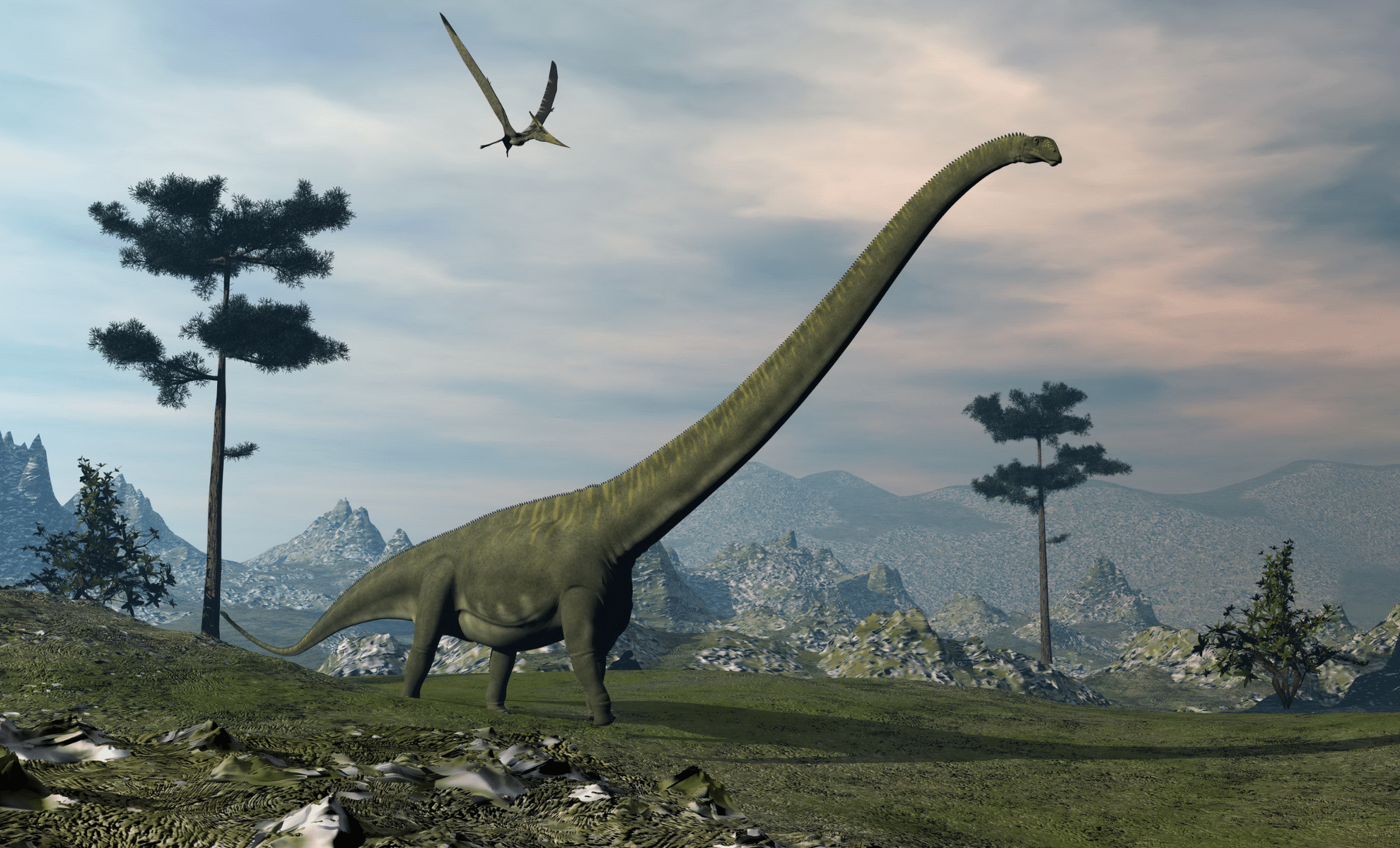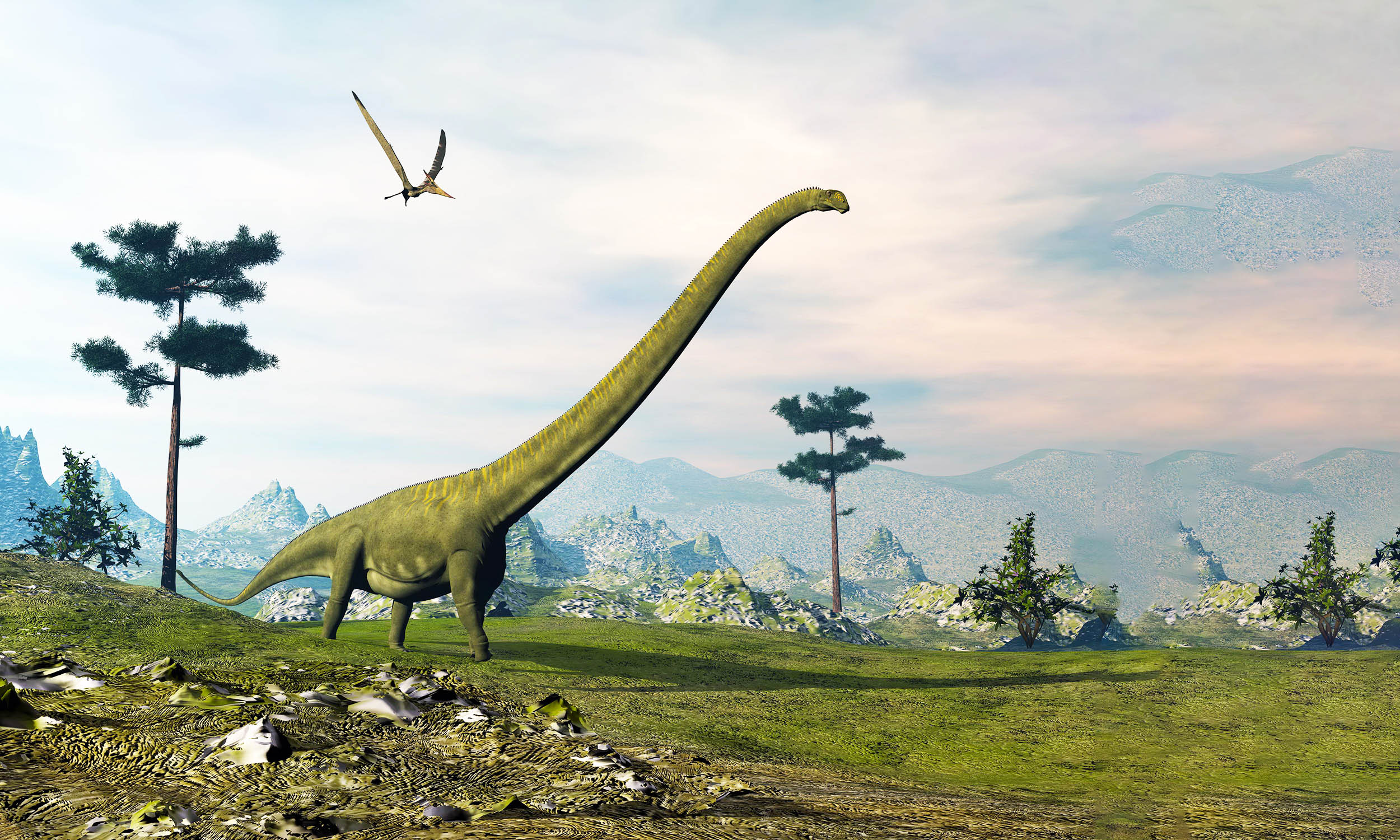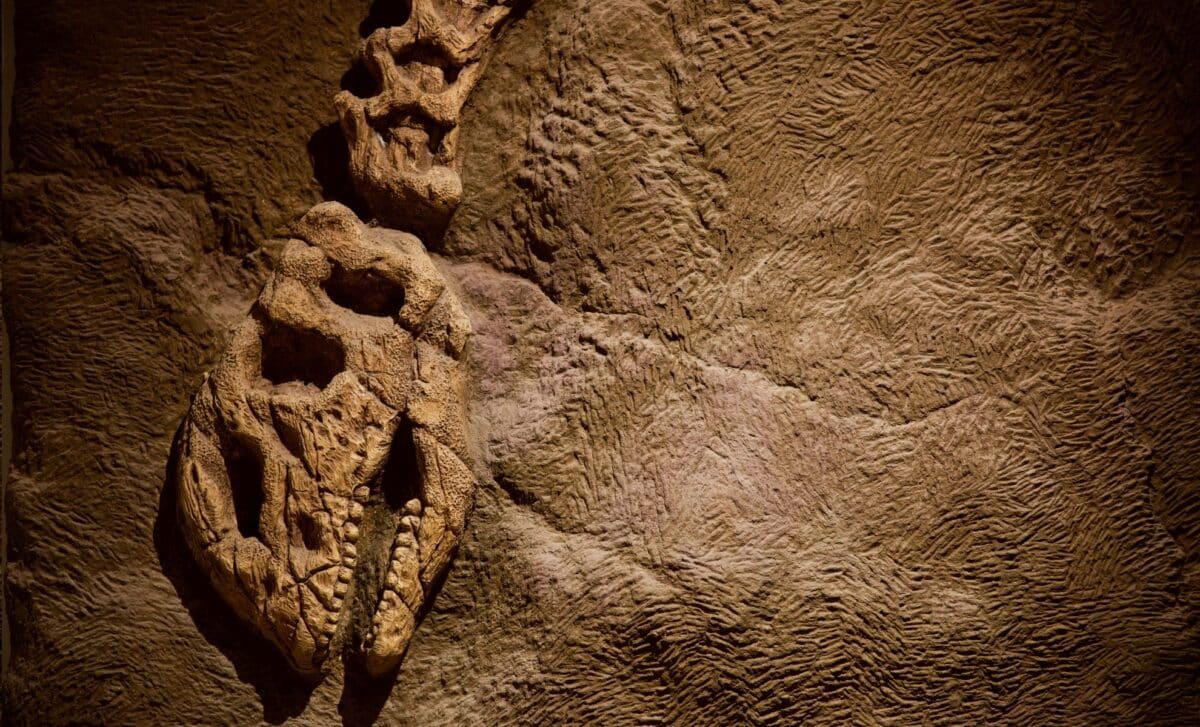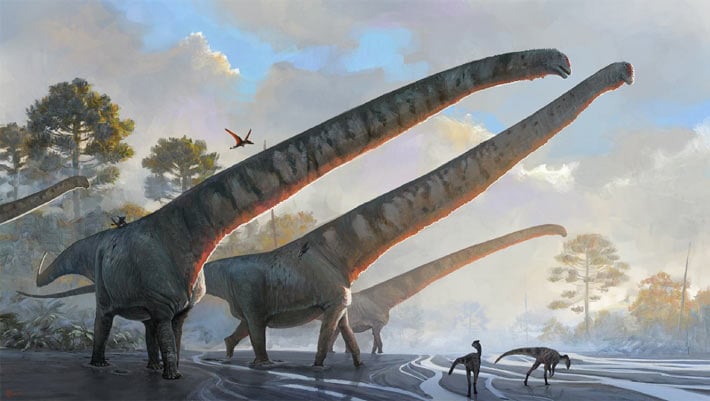
Paleontologists in China have discovered a new long-necked dinosaur species, Mamenchisaurus sanjiangensis, from the Late Jurassic period, challenging previous ideas of East Asian dinosaur isolation and highlighting the diversity and adaptation of sauropods in ancient ecosystems.
Researchers in China have identified a new long-necked dinosaur species, Mamenchisaurus sanjiangensis, from the Late Jurassic period, shedding light on the diversity and evolution of sauropods in East Asia and challenging previous notions of geographic isolation during that era.
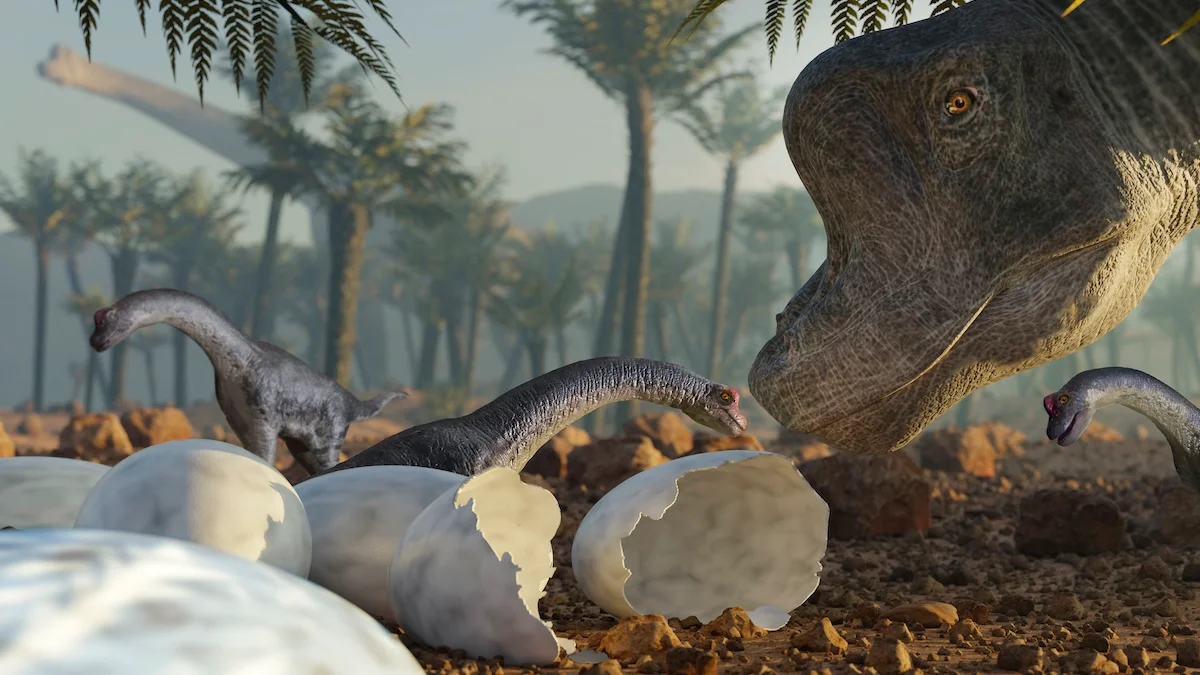
A 190-million-year-old dinosaur fossil, identified as a new species called Glacialisaurus hammeri, was discovered under Antarctic ice. The fossil, a sauropodomorph, provides insights into early dinosaur evolution and suggests a diverse Jurassic ecosystem in Antarctica, with multiple species coexisting in a cold, seasonal environment.
A remarkably well-preserved fossil of the Jurassic herbivorous dinosaur Pulaosaurus qinglong was discovered with a rare ossified voice box, seeds, and stones in its stomach, providing new insights into its diet, feeding behavior, and potential vocal abilities, suggesting some dinosaurs may have produced complex sounds.
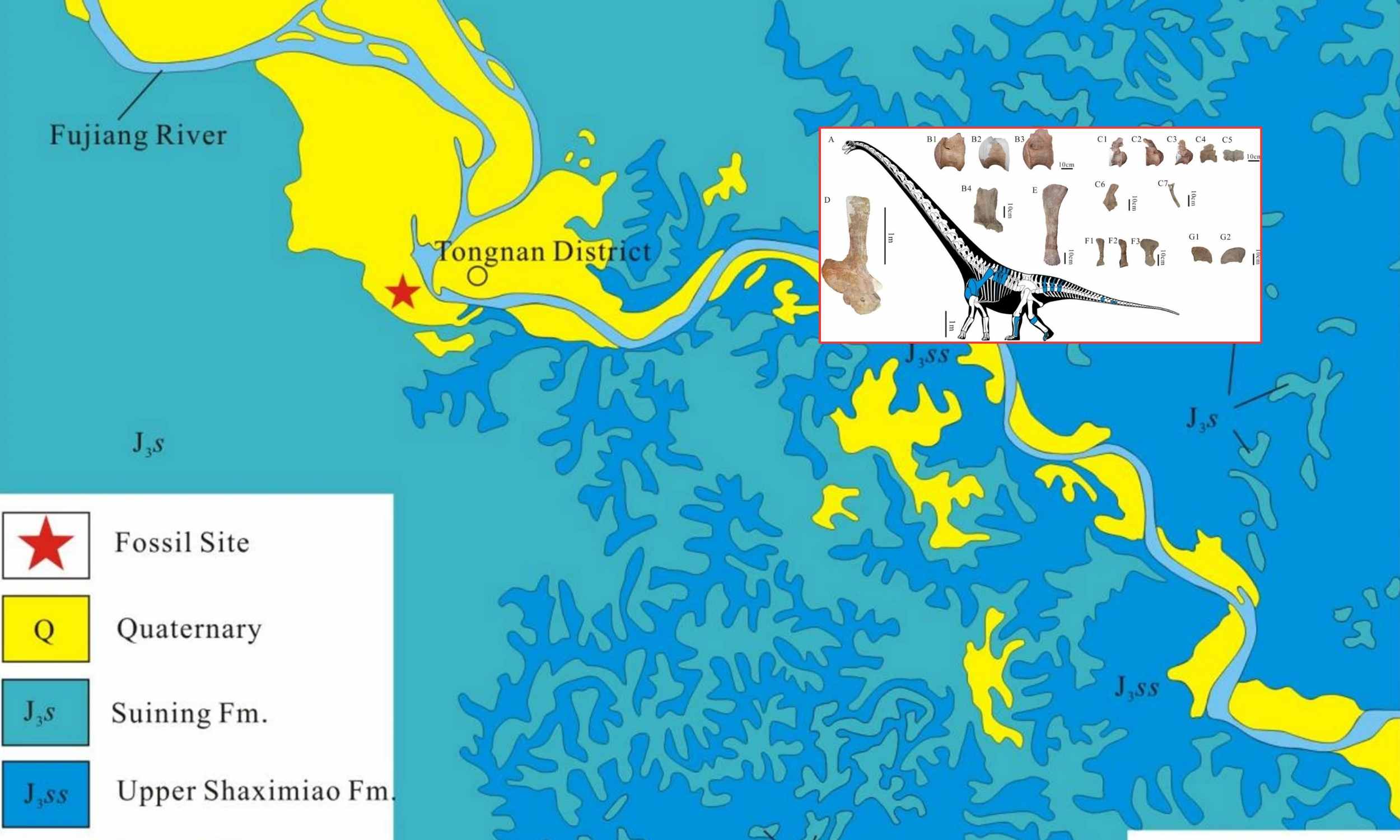
Paleontologists in China have discovered a new species of Mamenchisaurus from the Late Jurassic period, enriching our understanding of sauropod diversity and evolution in East Asia. The find, a partial skeleton from the Chongqing region, provides insights into the paleobiogeography and evolutionary history of early sauropods, highlighting regional differences in dinosaur faunas during the Jurassic.
Scientists discovered Tongnanlong zhimingi, a massive sauropod dinosaur from the Late Jurassic period in China, estimated to be up to 92 feet long, enriching our understanding of dinosaur diversity and biogeography during that era.
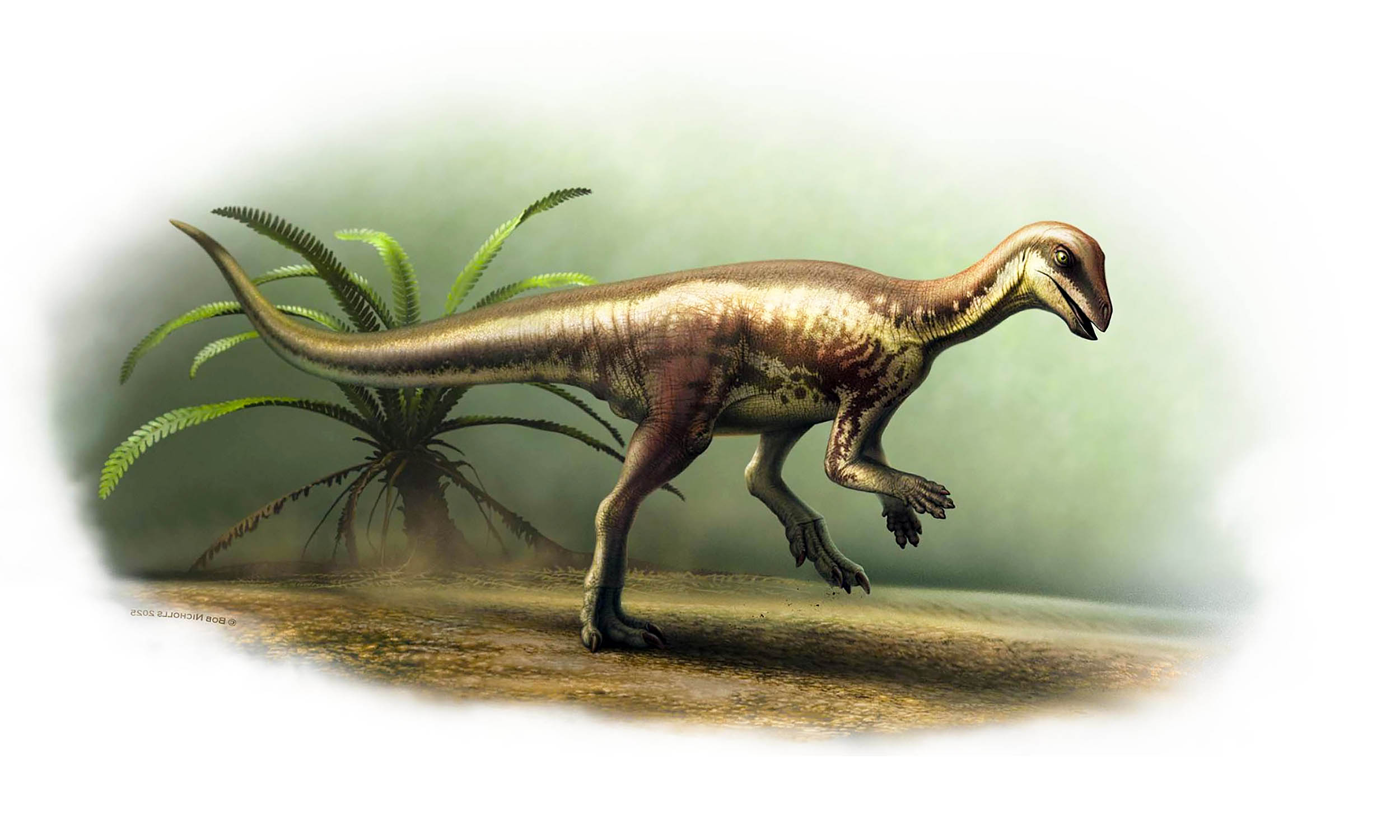
A new small, fast-running dinosaur species named Enigmacursor mollyborthwickae was discovered in Colorado, helping clarify the diversity of small herbivores in the Jurassic Morrison Formation and highlighting the importance of digitization and detailed taxonomy in paleontology.
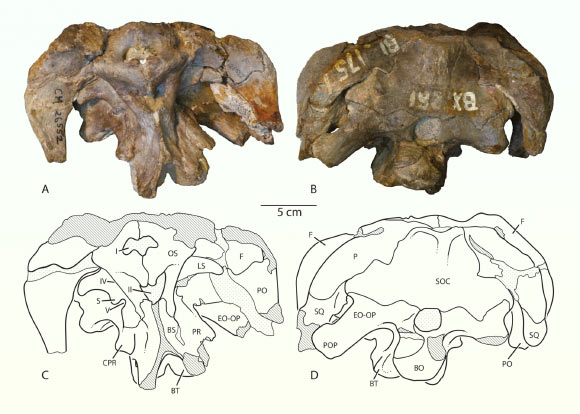
A fossil braincase from Utah, originally classified as Diplodocus, has been reclassified as a new genus and species of dicraeosaurid sauropod, named Athenar bermani, dating back to the Late Jurassic period, expanding knowledge of sauropod diversity in North America.
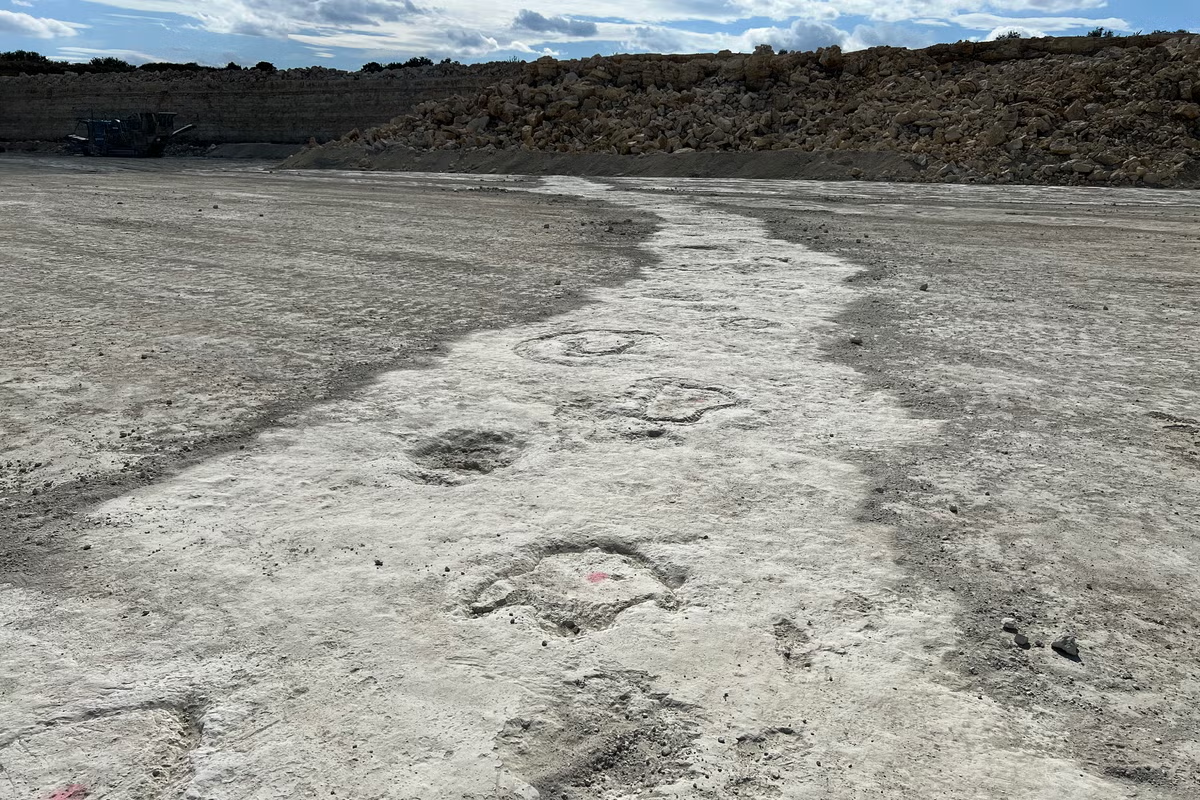
Extensive dinosaur trackways, including nearly 100 footprints from sauropods and Megalosaurs, have been discovered at Dewars Farm Quarry in Oxfordshire, dating back 171-165 million years, providing new insights into dinosaur movement and behavior in a Jurassic-era landscape.
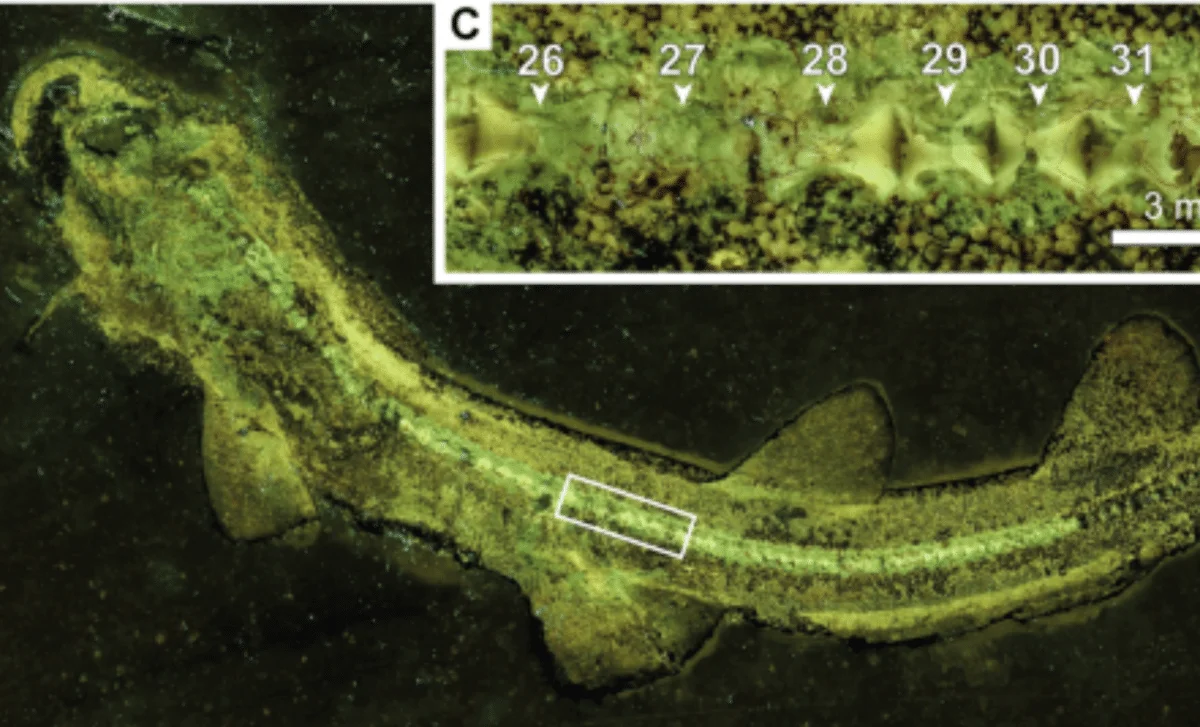
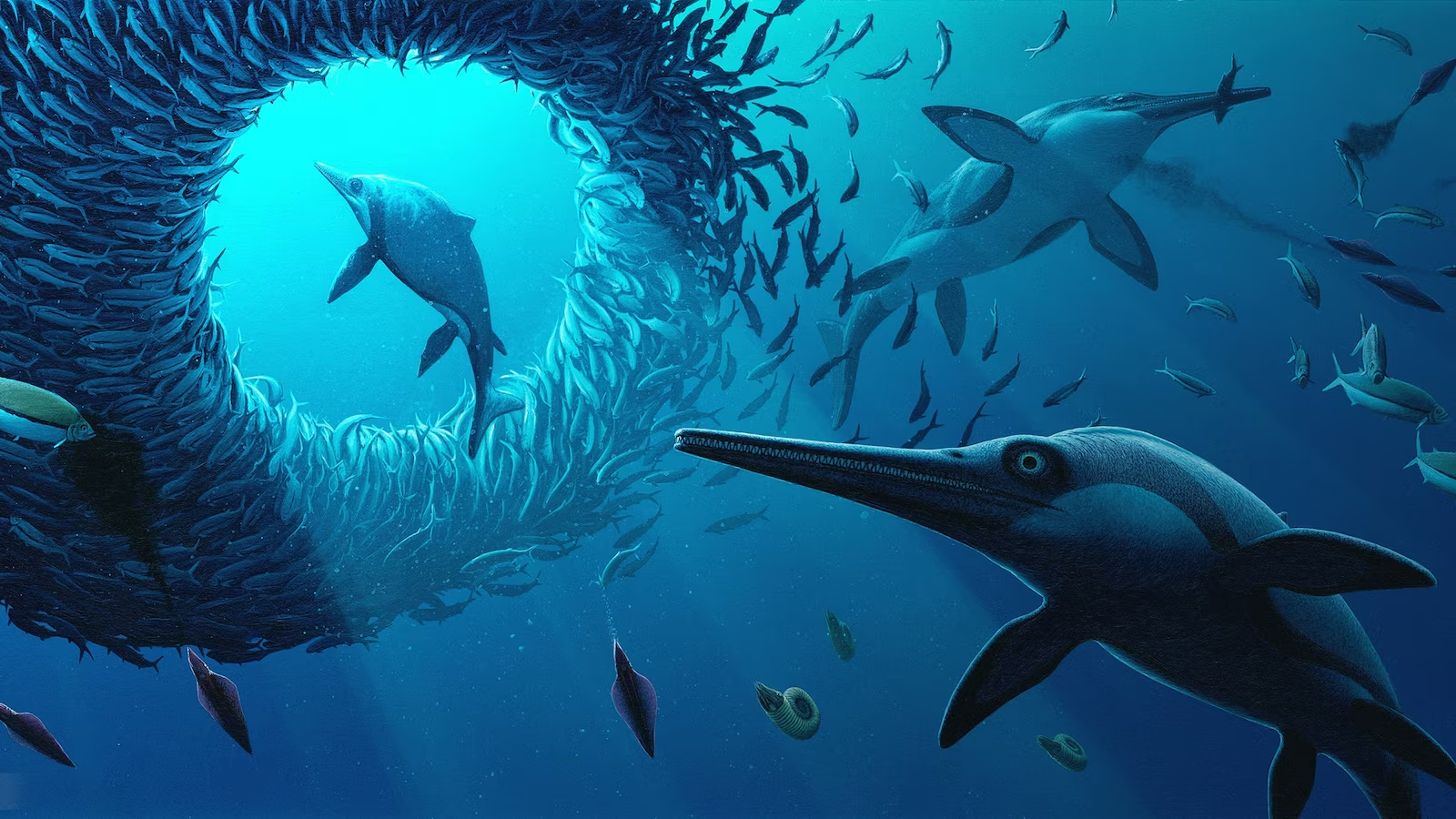
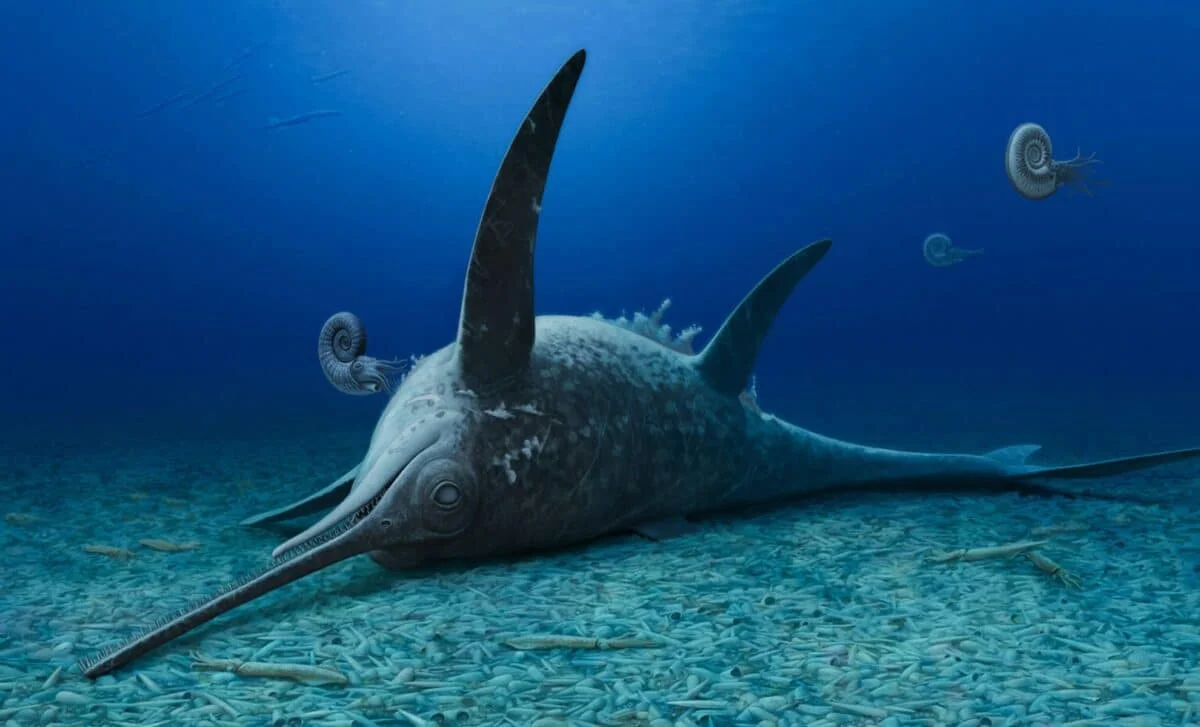
A new species of Jurassic-era marine reptile, Xiphodracon goldencapsis, was discovered in England, characterized by a long snout and narrow teeth, indicating a diet of soft prey like squid, and is considered one of the most complete fossils from its period.
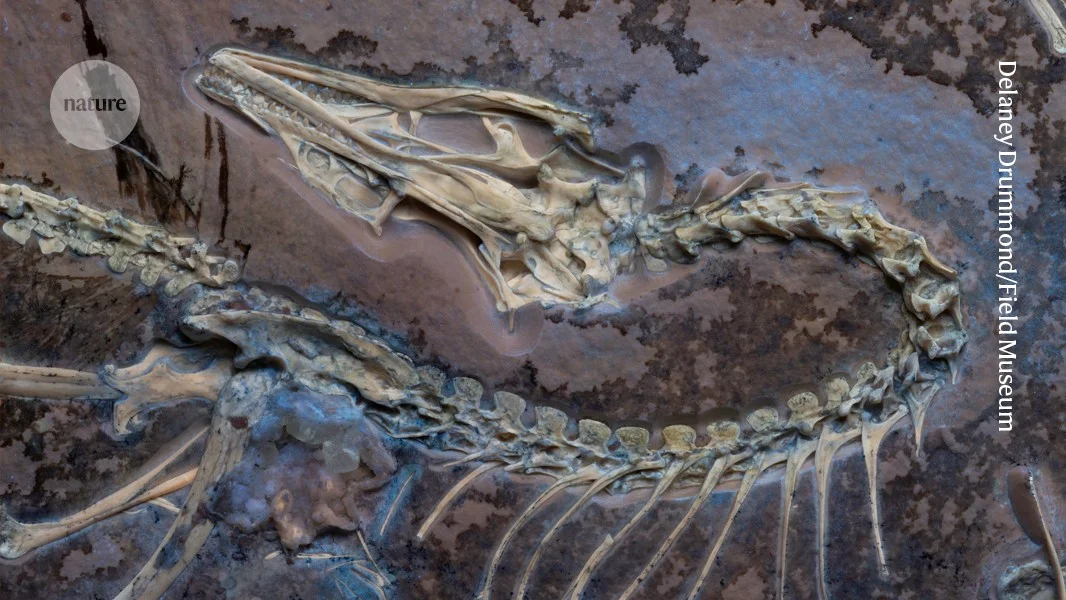
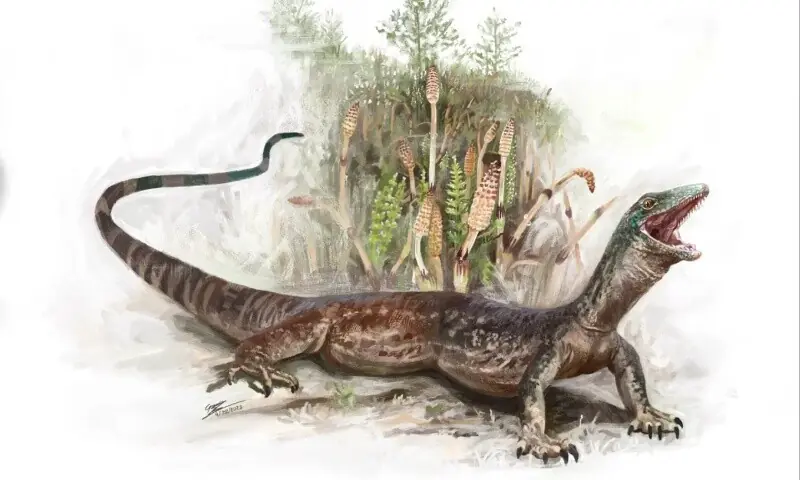
A 167-million-year-old fossil from Scotland, named Breugnathair elgolensis, exhibits a mix of snake-like and lizard-like features, challenging current understanding of reptile evolution and possibly representing an early ancestor of snakes or an evolutionary oddball, highlighting the complexity of squamate evolution.
Scientists discovered a new Jurassic reptile species on the Isle of Skye, dating back 167 million years, which is believed to be an ancestor of modern snakes and lizards, featuring snake-like jaws and a lizard-like body.
A new species of Jurassic reptile with snake-like fangs, named Breugnathair elgolensis, was discovered on Skye, providing insights into the evolution of snakes and lizards, and is among the most complete Jurassic lizard fossils known.
A 167-million-year-old fossil of a mysterious reptile called Breugnathair elgolensis, part lizard and part snake, was discovered on the Isle of Skye, Scotland. The creature had snake-like teeth and a mix of features, providing new insights into early snake and lizard evolution, and challenging previous assumptions about their development.
Researchers discovered well-preserved fossils of two juvenile pterosaurs from 150 million years ago, likely killed by a storm that caused them to fall into a lagoon and drown, providing rare insights into their death and fossilization processes, as well as the bias towards finding small pterosaur fossils in the region.