Tag

Photoreceptors

All articles tagged with #photoreceptors

health2 years ago

Revolutionary Gene Therapy Offers Hope for Restoring Vision in Retinal Disease Patients.

Scientists in Canada have discovered a way to transform dormant Müller glial cells into tissues that work like cone photoreceptors, which are required for color perception and visual acuity. While the process has only been tested on mice cells, it could eventually be developed into a therapy that can restore vision in people. The process could eventually be adapted to work in humans, without the need to transplant any new cells. The research has been published in PNAS.

science2 years ago

Starving Spiders Lose Eyesight, Study Finds.

A new study has found that spiders can lose critical parts of their vision if they go without sustenance for too long, similar to age-related macular degeneration (AMD) in humans. Researchers looked at the bold jumping spider and found that when the spiders don't get enough nutrients, the photoreceptors in their eyes can be lost. By understanding more about this, experts might be able to develop improved treatments for AMD. The research has been published in Vision Research.

science2 years ago

Hunger can blind bold jumping spiders.

Researchers found that undernourished bold jumping spiders begin to lose light-sensitive photoreceptors, causing their vision to decrease. The spiders' degenerating eyesight was initially spotted by one of the researchers' undergraduate students, who noticed that some of the spiders had developed spots on their photoreceptors. The researchers think that this shift in vision could be because photoreceptors require a lot of energy in the form of nutrients to function optimally, and if they don't receive a sufficient energy supply "the system fails." The study could provide insight into the role nutrition plays in human eye diseases such as macular degeneration.

science2 years ago

Uncovering the Mechanisms of Circadian Rhythms

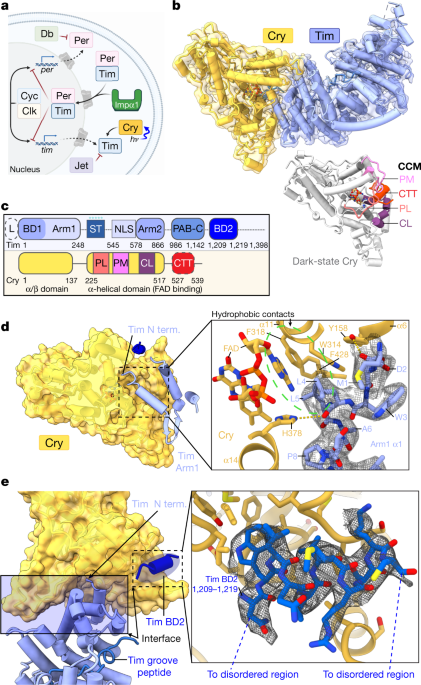
Researchers have revealed the structure of cryptochrome-timeless, a protein complex that plays a key role in the circadian clock. The study sheds light on the mechanisms behind the timing of the body's internal clock and could lead to new treatments for sleep disorders. The researchers used a combination of X-ray crystallography and cryo-electron microscopy to determine the structure of the complex, which is found in both humans and fruit flies.

health2 years ago

New drug offers hope for childhood blindness.

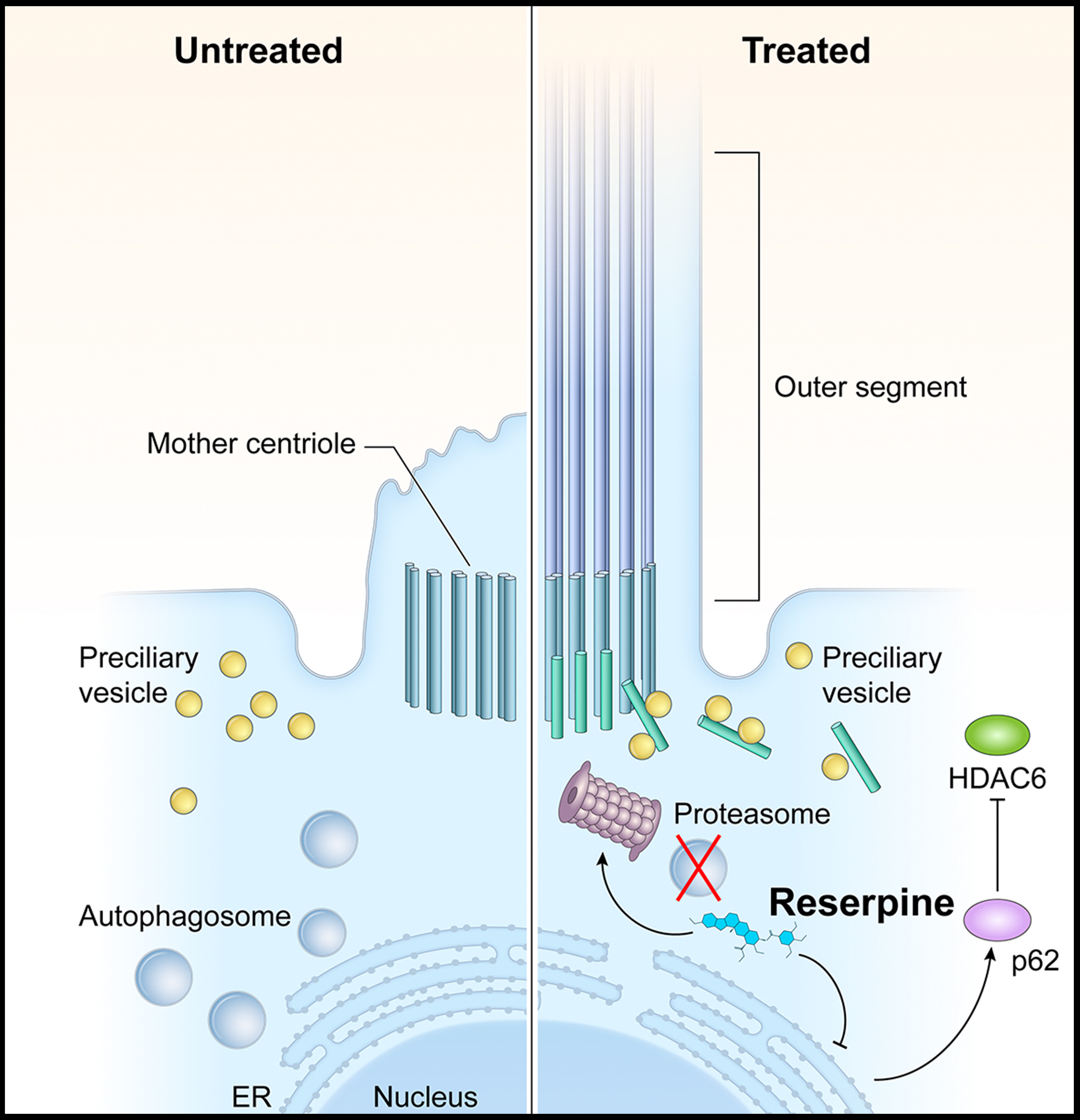
Researchers at the National Institutes of Health have identified Reserpine, an FDA-approved drug used to treat high blood pressure, as a potential treatment for Leber congenital amaurosis type 10 (LCA 10), an inherited retinal disease that can cause severe visual impairment or blindness in early childhood. The drug was found to promote the survival of photoreceptors, the cells that die in LCA, leading to vision loss. Reserpine appeared to partially restore autophagy, resulting in improved primary cilium assembly, and could potentially address retinal ciliopathies caused by many of the more than 160 disease-causing genes, regardless of the specific gene involved, without the need for expensive and labor-intensive gene therapy.