A stunning photo captures the gibbous moon over the Chilean Andes, highlighting lunar features like maria and craters, taken from Cerro Pachón in the Atacama Desert, emphasizing its significance for astronomers and moon enthusiasts.
Ecuador released a man who survived a U.S. attack on a suspected drug submarine, with authorities finding no evidence of his involvement in a crime. The incident involved a U.S. Navy strike targeting a vessel believed to be carrying drugs, specifically fentanyl, heading towards the U.S., but the survivor was cleared of any charges. The event has heightened tensions between the U.S. and Latin American countries, with regional leaders criticizing the operation.
Scientists discovered that potatoes originated from a hybridization event between ancestors of tomatoes and Etuberosum around 9 million years ago, which allowed them to adapt to high-altitude habitats in the Andes and eventually led to domesticated varieties. This hybridization provided potatoes with unique traits like tuber formation, and understanding this process could help develop disease-resistant and climate-resilient potato crops through genetic engineering.
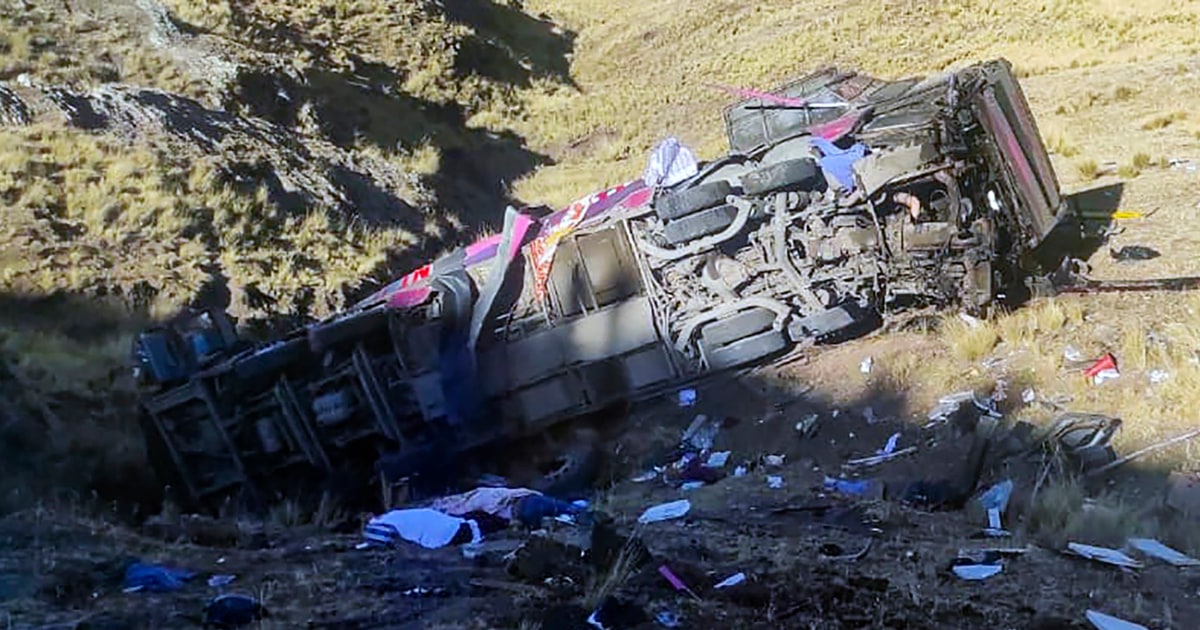
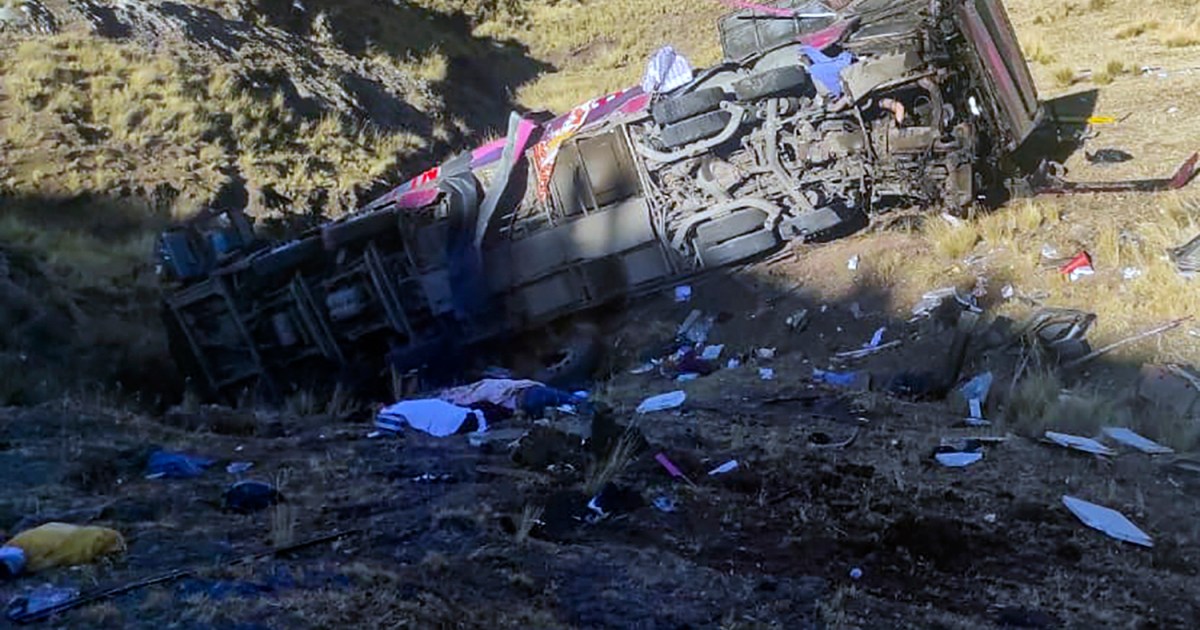
At least 25 people were killed and 17 injured when a bus plunged 650 feet down a ravine in Peru's Andean Ayacucho region. The accident occurred on the Los Libertadores highway, and rescue operations are ongoing. Deadly bus crashes are common in Peru due to precarious mountain roads and inadequately trained drivers. An investigation has been initiated by the ground transportation superintendent SUTRAN.
A bus crash in Peru's Andes mountains has killed at least 23 people and injured more than a dozen others after the vehicle veered off a cliff in the Ayacucho region. Emergency crews are struggling to reach the site, and an investigation is underway to determine the cause of the crash.
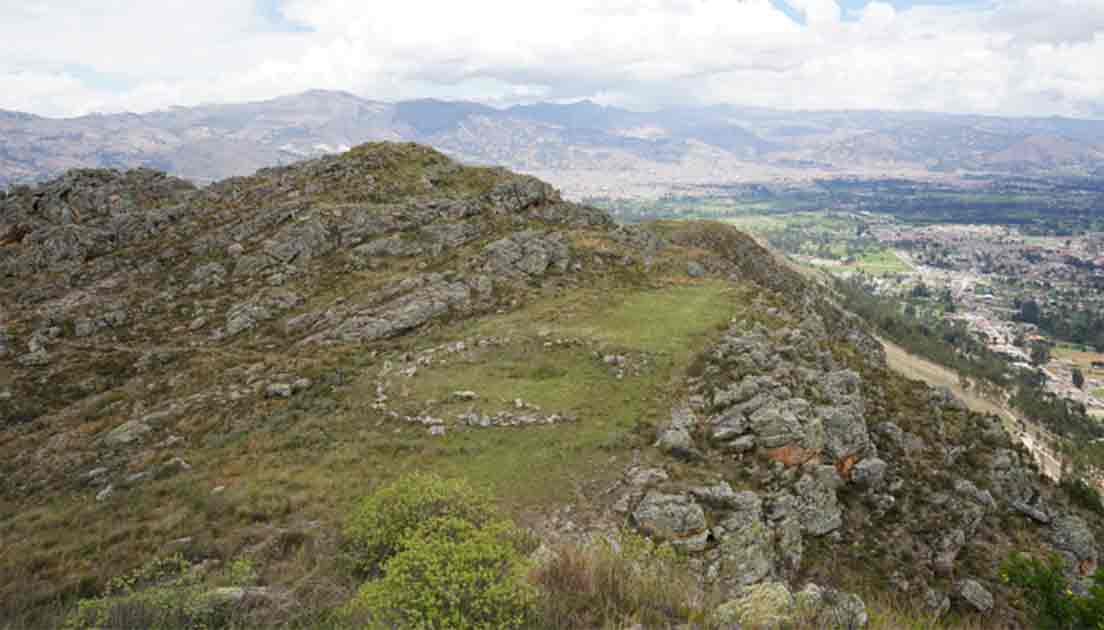
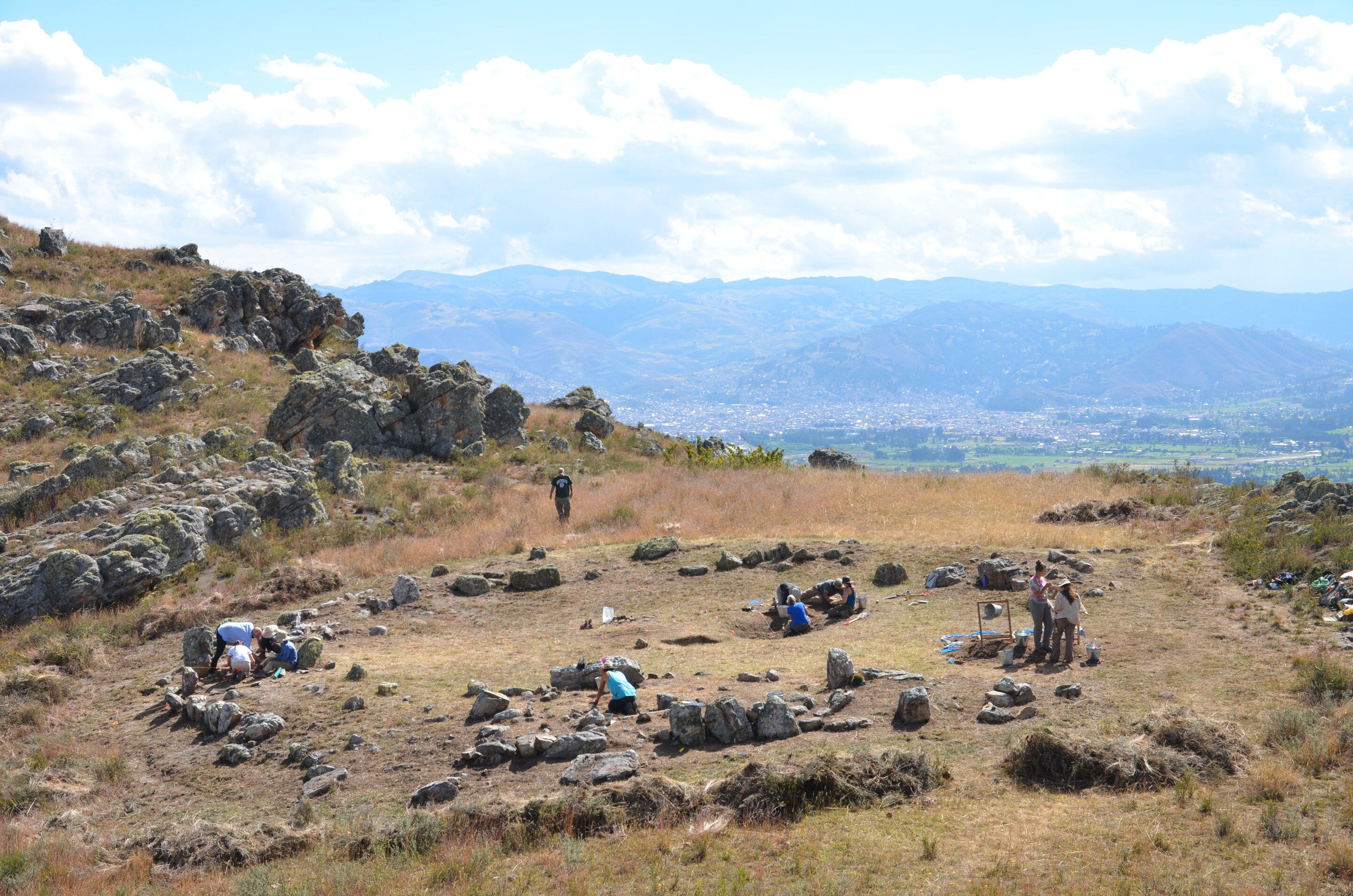
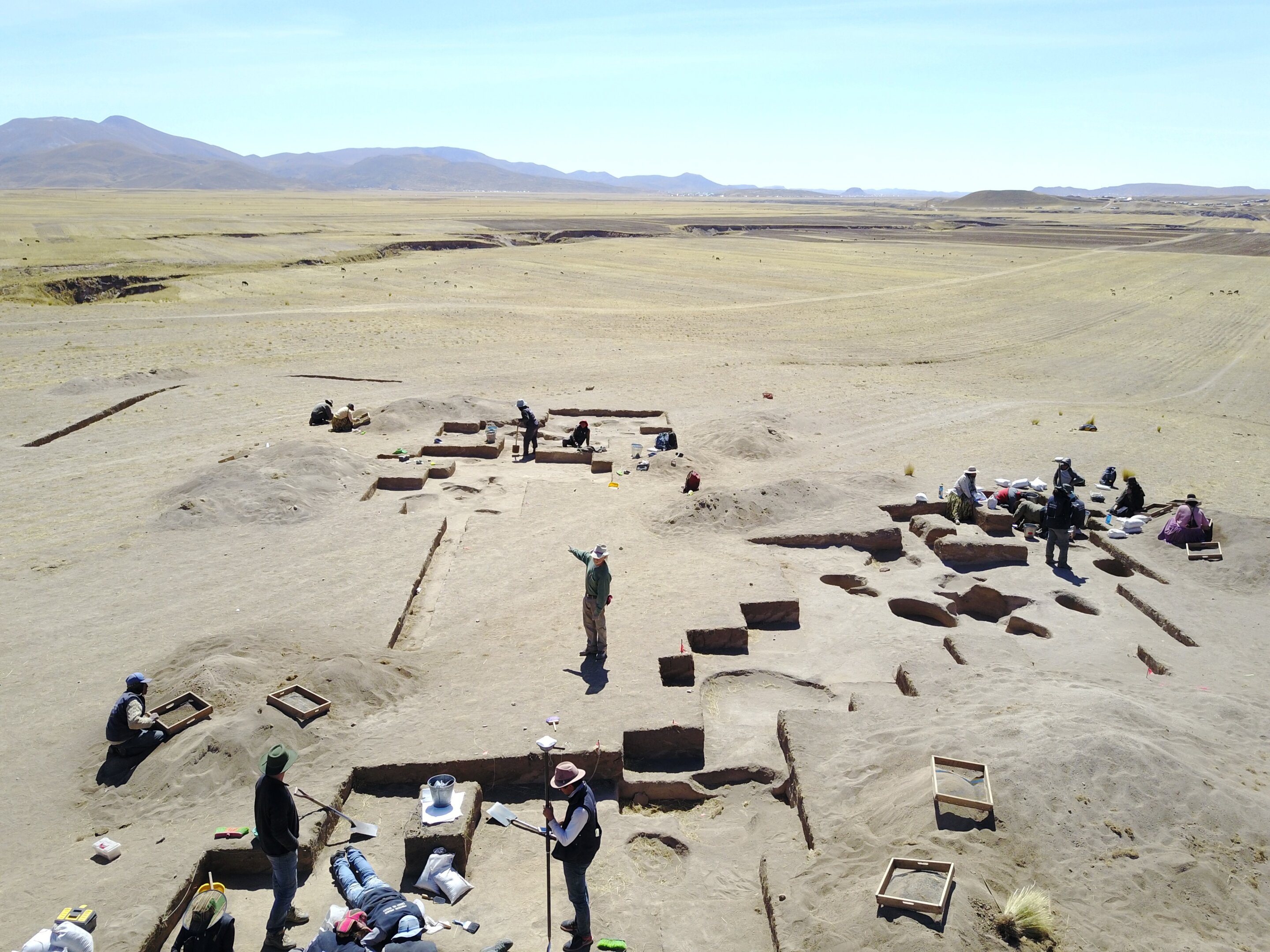
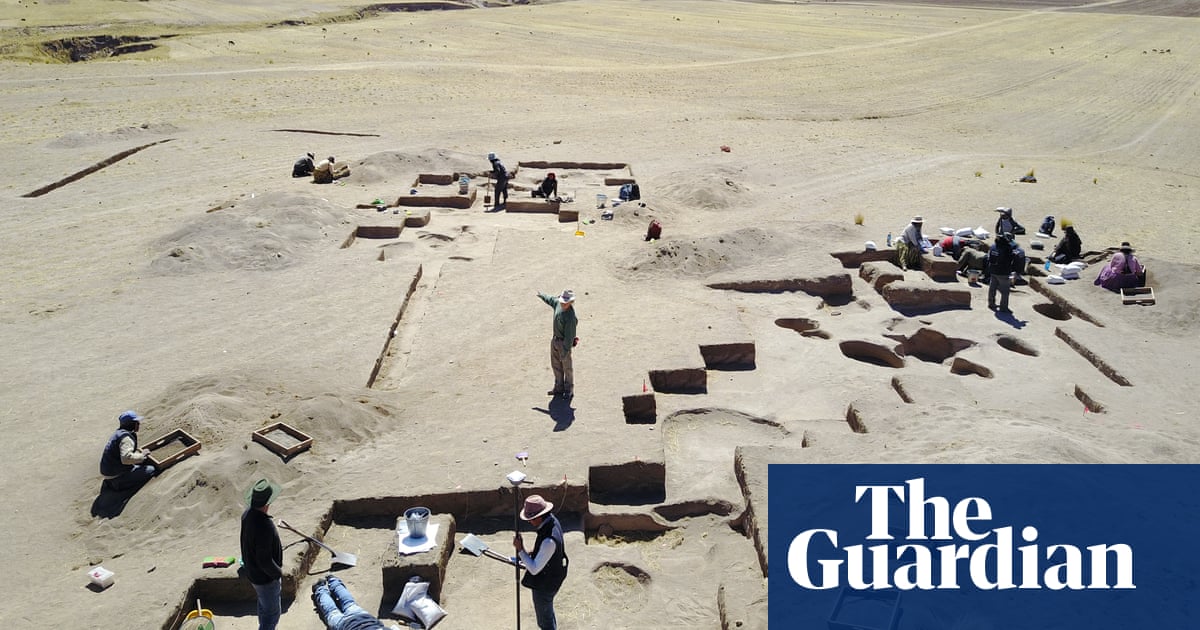
Archaeologists have discovered a 4,700-year-old megalithic stone plaza, known as Callacpuma, in the high Andes of Peru. This significant finding features a stone circle where offerings were made to ancient gods, shedding light on a crucial transitional period in South America. The plaza, built by semi-nomadic groups, raises questions about its function and the rituals that took place there, with evidence suggesting continued use and ceremonial sealing during the Layzón period. The research team plans to use ground-penetrating radar and drone-captured infrared images to uncover more mysteries of the site.
University of Wyoming anthropologists have discovered one of the earliest circular plazas in Andean South America, built around 4,750 years ago in the Cajamarca Basin of northern Peru. This monumental stone plaza, constructed with large, vertically placed megalithic stones, represents an early example of monumental and megalithic architecture in the region. The site, known as Callacpuma, is believed to have served as a gathering place and ceremonial location for some of the earliest people in the area, shedding light on ancient Peruvian civilizations. The research, published in Science Advances, provides valuable insights into the cultural heritage of the region and the lifestyles of its early inhabitants.
New research led by a University of Wyoming archaeologist challenges the traditional hunter-gatherer narrative by revealing that early human diets in the Andes Mountains were primarily plant-based, with 80% of the diet composed of plant matter and 20% meat. The study, published in PLOS ONE, utilized isotope chemistry and statistical modeling to analyze human remains from burial sites in Peru, providing a clearer understanding of early Andean diets and the pathway to agricultural economies. This groundbreaking research suggests that early human economies in at least one part of the world were plant-based, contrary to long-held beliefs about meat-heavy diets.
Archaeological findings from burial sites in the Peruvian Andes dating back 9,000 to 6,500 years ago suggest that early human hunter-gatherers primarily consumed plants and vegetables, with wild potatoes and root vegetables being a dominant source of nutrition. This challenges the common belief of a high protein, meat-heavy diet and raises the possibility of a more gradual transition from foraging to farming. The study, published in PLOS One, indicates that plant foods comprised 80% of the individuals' diets, with meat playing a secondary role, contrary to the widespread assumption of meat dominance in early human diets.
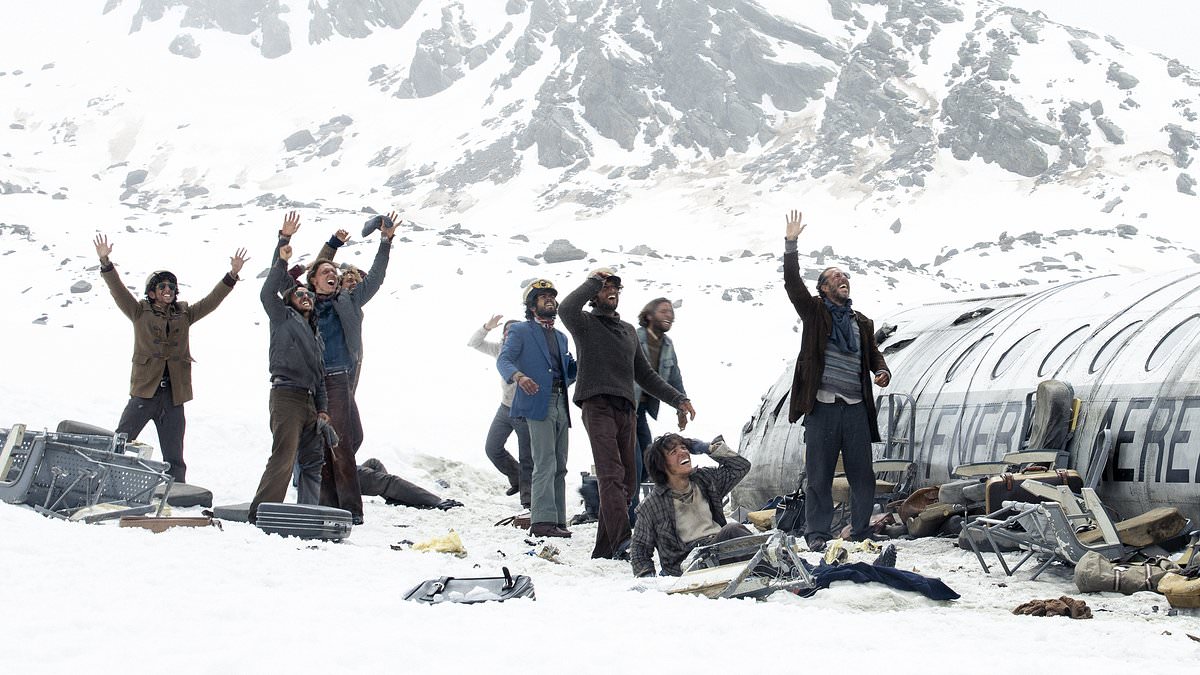
A new film called "Society Of The Snow" tells the harrowing true story of the 1972 Andes plane crash survivors who resorted to cannibalism to stay alive. After 72 days, a rescue team finally reached the 14 survivors who had endured freezing temperatures, avalanches, and starvation. The survivors were hailed as heroes, and their story of determination and bravery continues to captivate the world.
Archaeologists have used 3D scanning techniques and scientific analysis to recreate the face of the "Ice Maiden," a mummified Inca teenager sacrificed and left near the summit of a dormant volcano in the Peruvian Andes about 500 years ago. The well-preserved remains were discovered by archaeologist Dr. Johan Reinhard, and the reconstruction is part of a new exhibit at the Andean Sanctuaries Museum in Peru. In other news, the Lucy mission, designed to study Trojan asteroids, had its first close look at an asteroid and discovered it was actually a pair of space rocks. The critically endangered akikiki bird species native to Hawaii is facing extinction due to global warming, and conservationists are taking measures to protect them. New research suggests that starfish are "just a head crawling along the seafloor," and the James Webb Space Telescope has revealed previously unseen details within the Crab Nebula and captured other intriguing features in the cosmos.
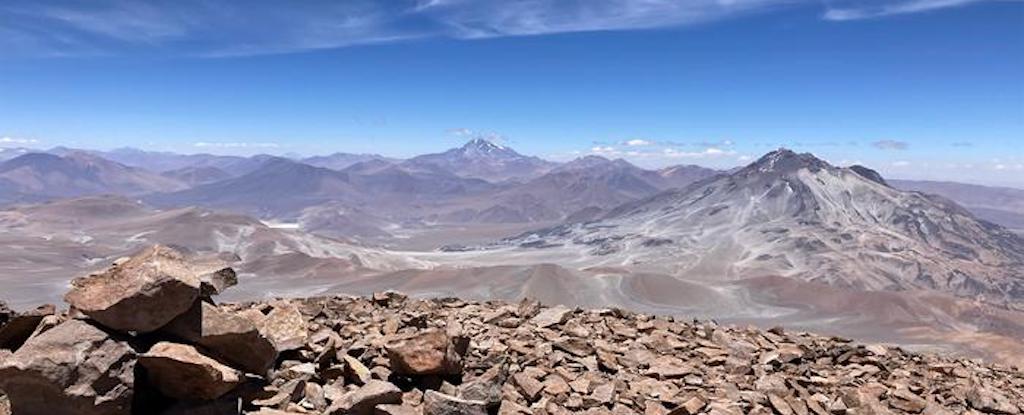
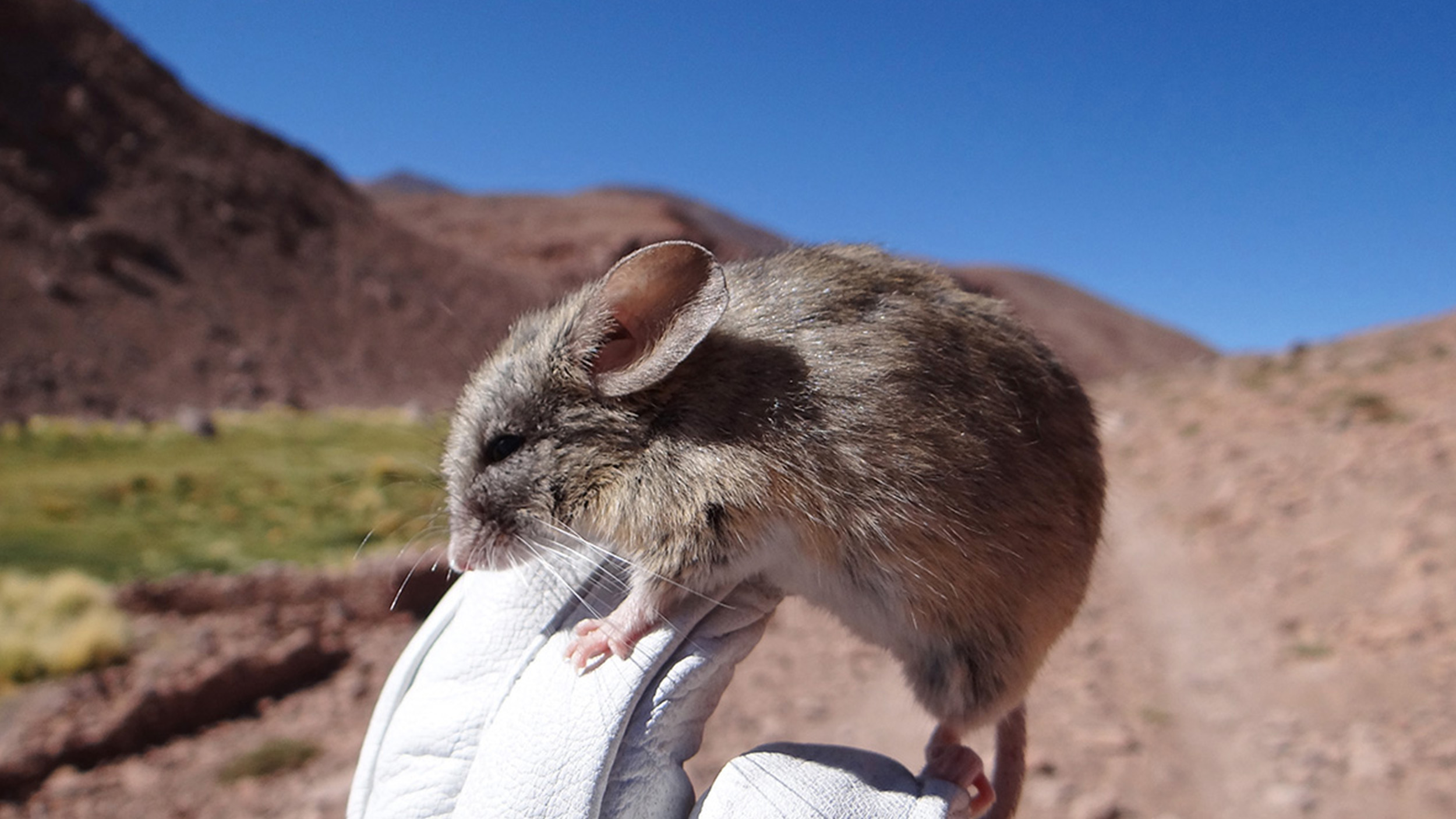
Researchers have discovered tiny mice, known as Punta de Vacas leaf-eared mice, living at altitudes of 6,000 meters in the Puna de Atacama, a high desert plateau in the Andes. Initially, archaeologists believed the mice had been brought to the mountaintops by ancient Inca people as sacrificial offerings. However, recent findings indicate that the mice have been able to survive and thrive in the extreme conditions on their own. Genetic analysis shows that the mice from the summits are part of the same population as those at lower elevations. Researchers are now studying the mice to understand their adaptations for high-altitude living and the reasons behind their choice to inhabit such harsh environments.
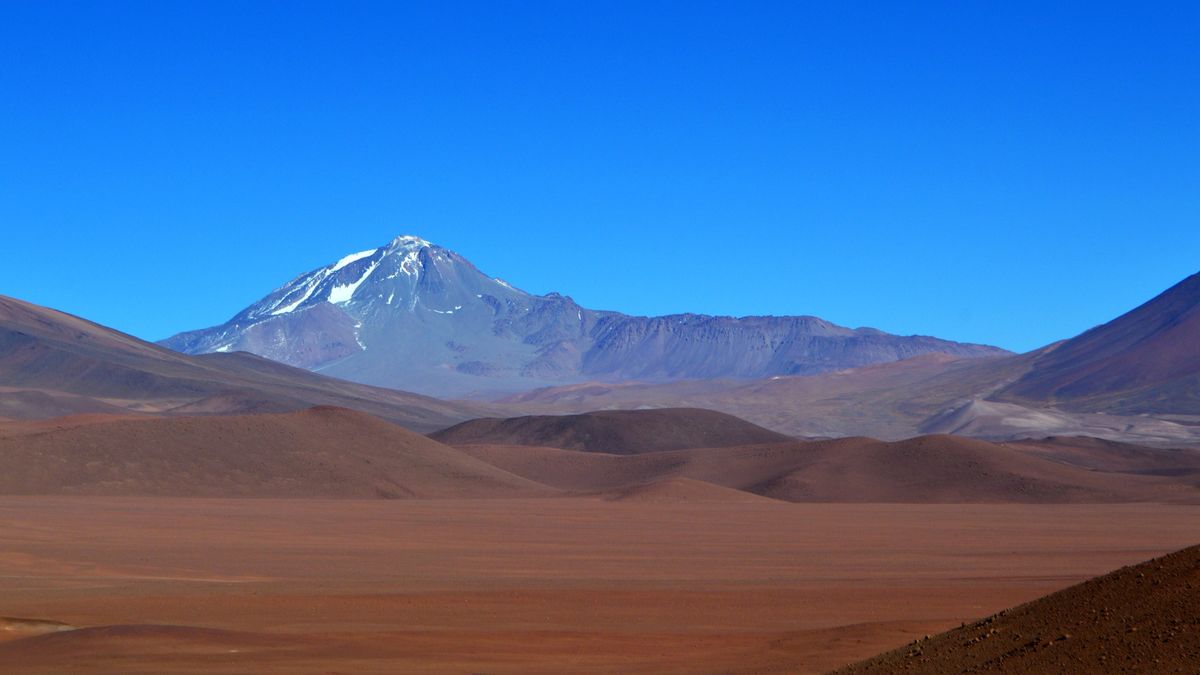
A study confirms that the world's highest-dwelling vertebrates are small mammals living on the snow-capped tops of volcanoes in the Andes, challenging previous assumptions about the limits of vertebrate life. Researchers discovered live and mummified leaf-eared mice at elevations of up to 22,000 feet, with evidence suggesting that these mice are resident populations rather than transient visitors. The genetic similarity among the high-dwelling rodents and the presence of rodent burrows further support their ability to thrive in these extreme conditions. The mystery of how these mice survive in their frigid habitat remains unsolved, but ongoing research aims to shed light on their diet and thermoregulation.
Scientists have discovered that mice are able to survive at extreme altitudes of 7,000 meters in the Andes, a range previously thought to be inhospitable to warm-blooded creatures. The mice were found to have evolved at high elevations and then migrated downward, challenging the belief that they were brought there by humans. Genetic research revealed that the mice's genetic makeup did not differ as much as expected between different elevations. The researchers are still unsure how the mice are able to survive in such extreme conditions, but it is believed they may be living off lichen.
A team of Polish and Peruvian scientists, along with a Swedish sculptor, have unveiled a silicone-made bust depicting the possible face of "Juanita," Peru's most famous mummy. The teenage Inca girl was sacrificed over 500 years ago atop the Andes. The facial reconstruction was achieved through the use of a replica skull, body scans, DNA studies, and anthropological characteristics. The mummy, discovered in 1995, has provided valuable insights into Inca culture and the life of the sacrificed individual.