A 60 Minutes crew, including correspondent Cecilia Vega, undertook a challenging 10-day ascent to Everest Base Camp to film a story, facing extreme physical and environmental challenges, including altitude sickness, avalanches, and the need for extensive preparation and local support.
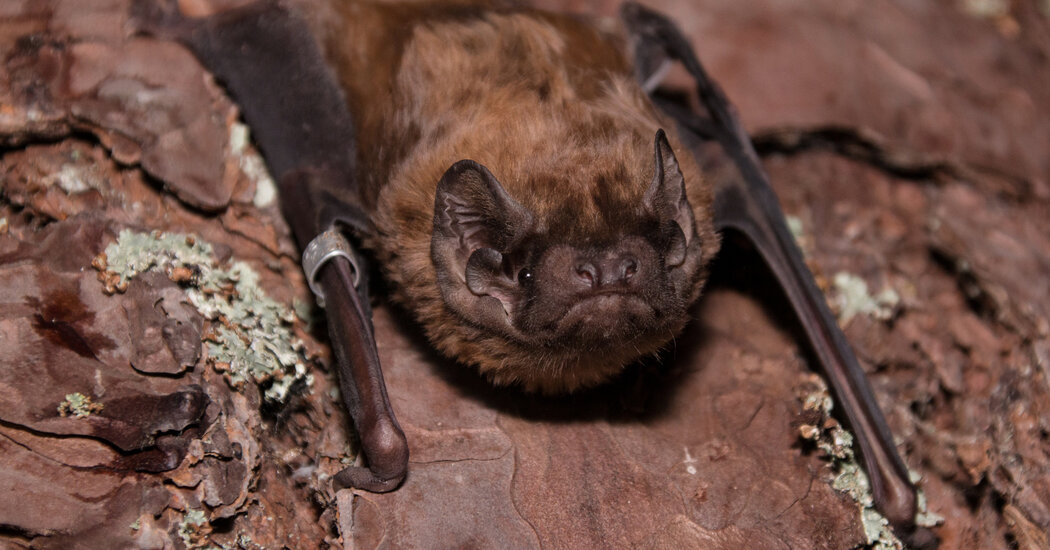
Scientists have documented for the first time a bat, specifically the greater noctule bat in Europe, catching and eating a bird in midair during migration, revealing an unexpected predator of high-altitude migrating birds.
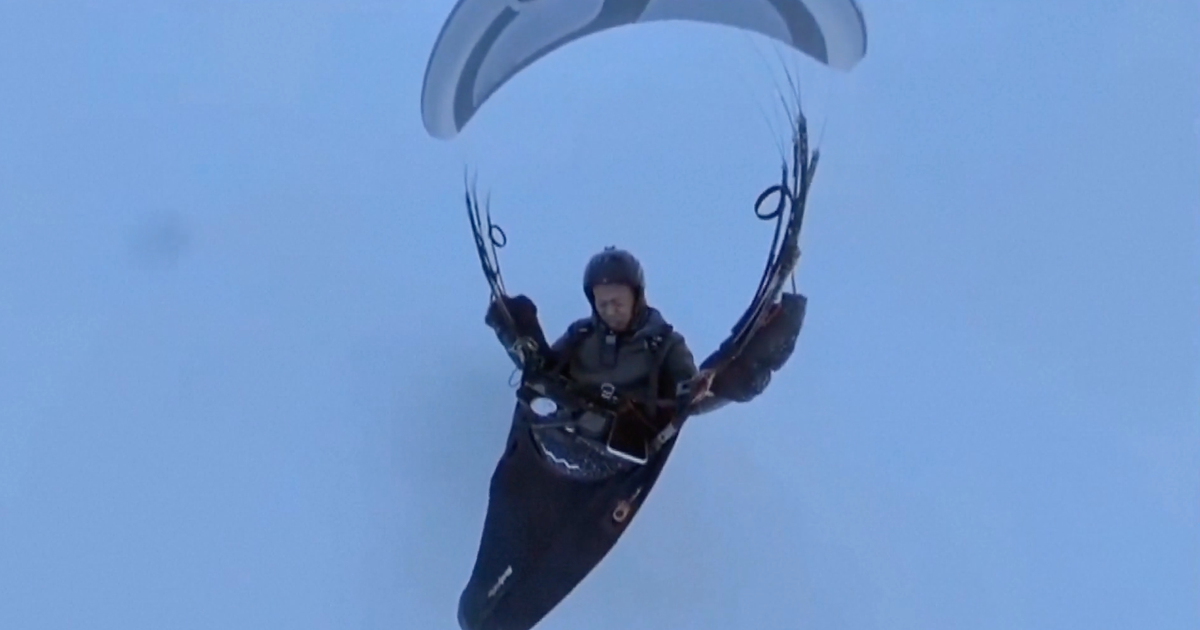
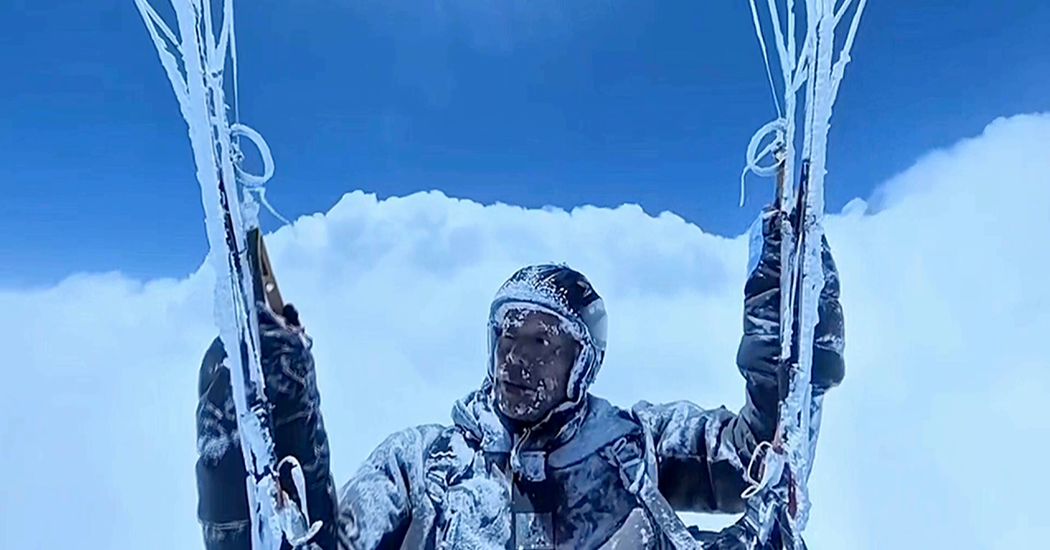
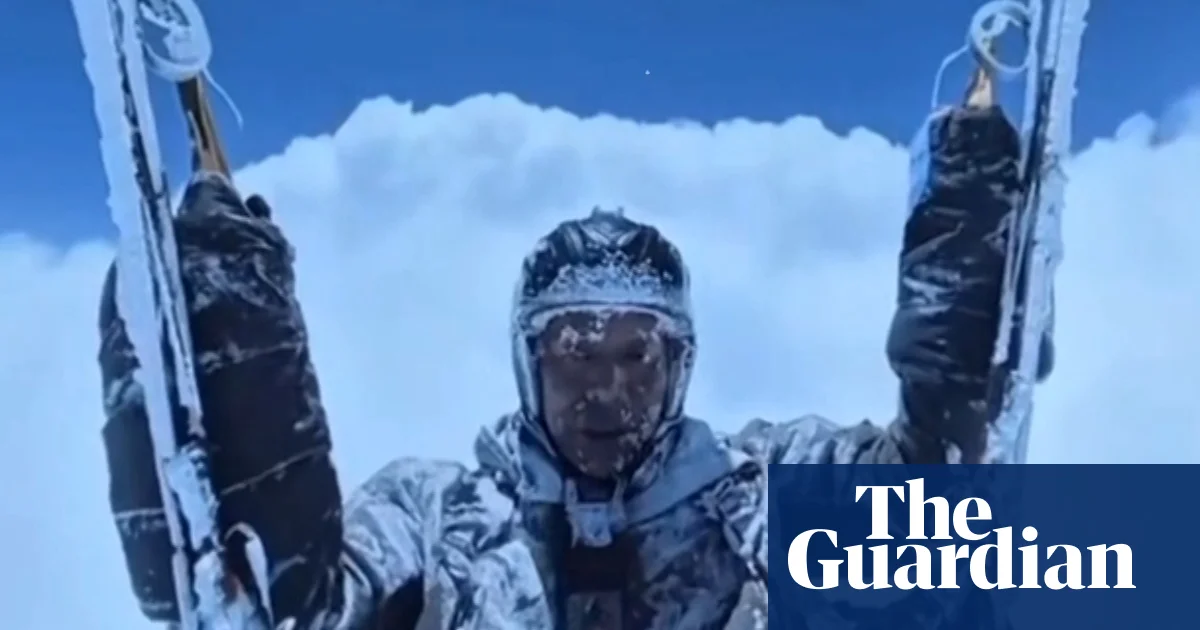
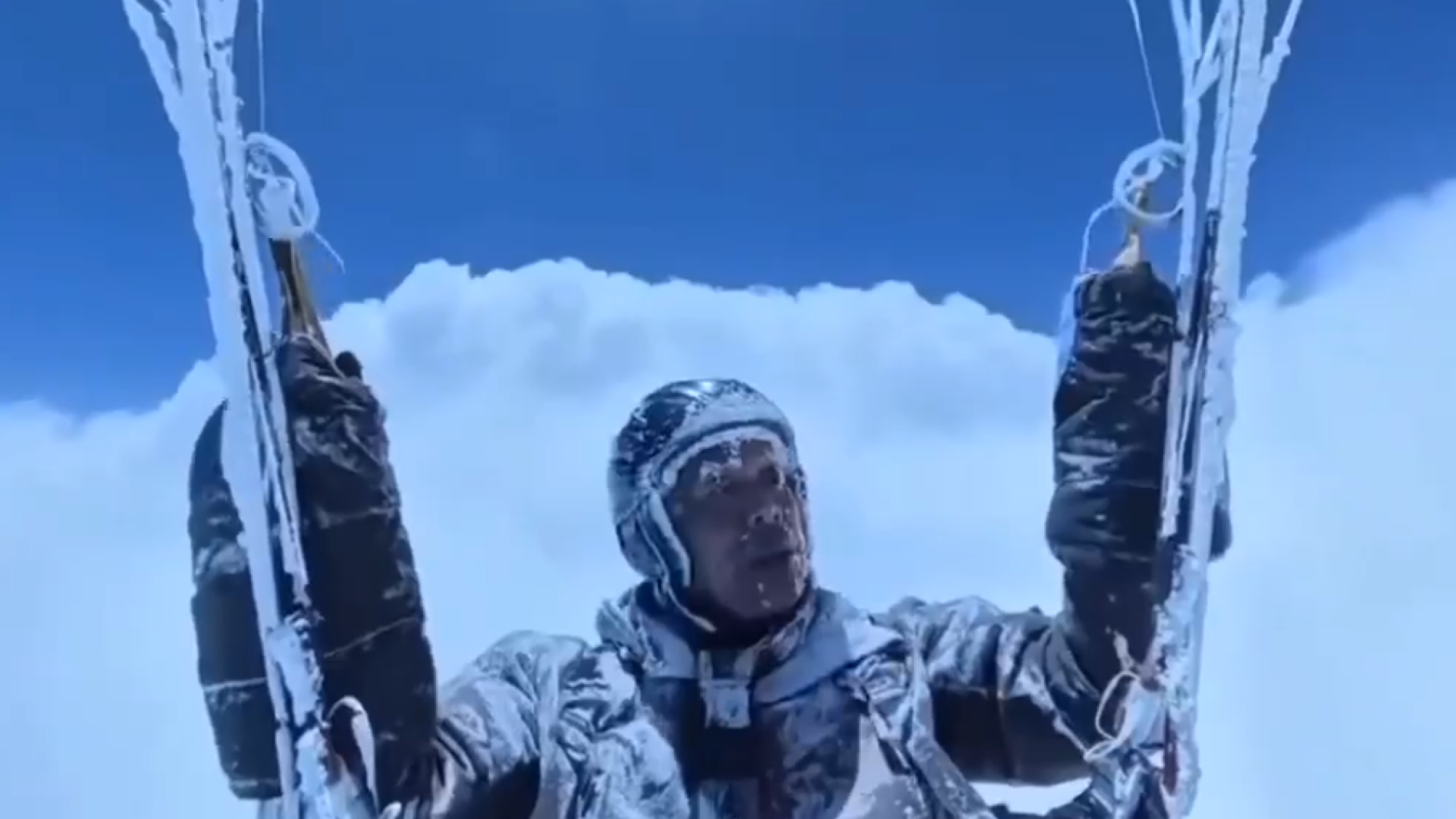
Chinese paraglider Peng Yujiang survived a dangerous ascent to 8,598 meters without oxygen after being lifted by a powerful updraft in the Qilian Mountains, controlling his glider with a compass and radio despite freezing conditions, and is now taking a break from flying. The incident raises concerns about the risks of updrafts in paragliding, with investigations ongoing into the authenticity of footage shared online.
A Chinese paraglider survived being accidentally lifted to 28,208 feet without oxygen in a powerful updraft, experiencing a terrifying ordeal inside a cloud system, and was subsequently suspended from flying for six months.
A Chinese paraglider unintentionally reached nearly 28,200 feet in the Gansu province, nearly Everest's height, after intending only to test equipment, resulting in frostbite and a six-month ban from the sport.
A Chinese paraglider accidentally soared over 8,000 meters above the clouds due to a strong updraft, surviving the ordeal but facing a six-month ban for unregistered flight and sharing the viral video. The incident highlights the dangers of unplanned high-altitude flights and regulatory issues.
A Chinese paraglider, Peng Yujiang, was sucked into a dangerous cloud vortex at nearly 8,600 meters altitude in northwestern China, surviving a harrowing experience that involved extreme cold and high winds, and was subsequently punished by local authorities. The incident drew disbelief and social media attention in China.
A paraglider in China was sucked five miles into the sky during a rare cloud suction, enduring extreme cold and frostbite at over 28,000 feet, but miraculously survived and safely landed, though authorities are investigating his flight for regulatory violations.
Comedian Nick Swardson blames a mix of alcohol, edibles, and high altitude for his early exit from a comedy gig in Beaver Creek, Colo. Video footage showed Swardson's erratic behavior and the audience's negative reaction, leading to the show being cut short and refunds being issued to ticket holders. Swardson later apologized on social media and promised to make it up to the Beaver Creek audience.
NORAD intercepted a 50-foot high-altitude balloon flying over Utah at 43,000-45,000 feet, determining it to be non-maneuverable and not a threat to national security. The balloon, with an unknown payload, was allowed to continue flying above the U.S. after coordination with the FAA. Its origins and purpose remain unclear, but the incident follows the previous tracking and shootdown of a Chinese spy balloon, leading to increased detection and interception of high-altitude balloons by NORAD.
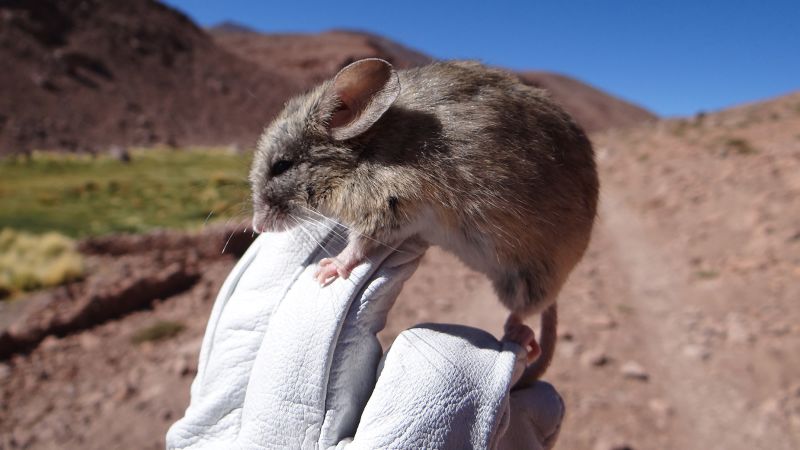
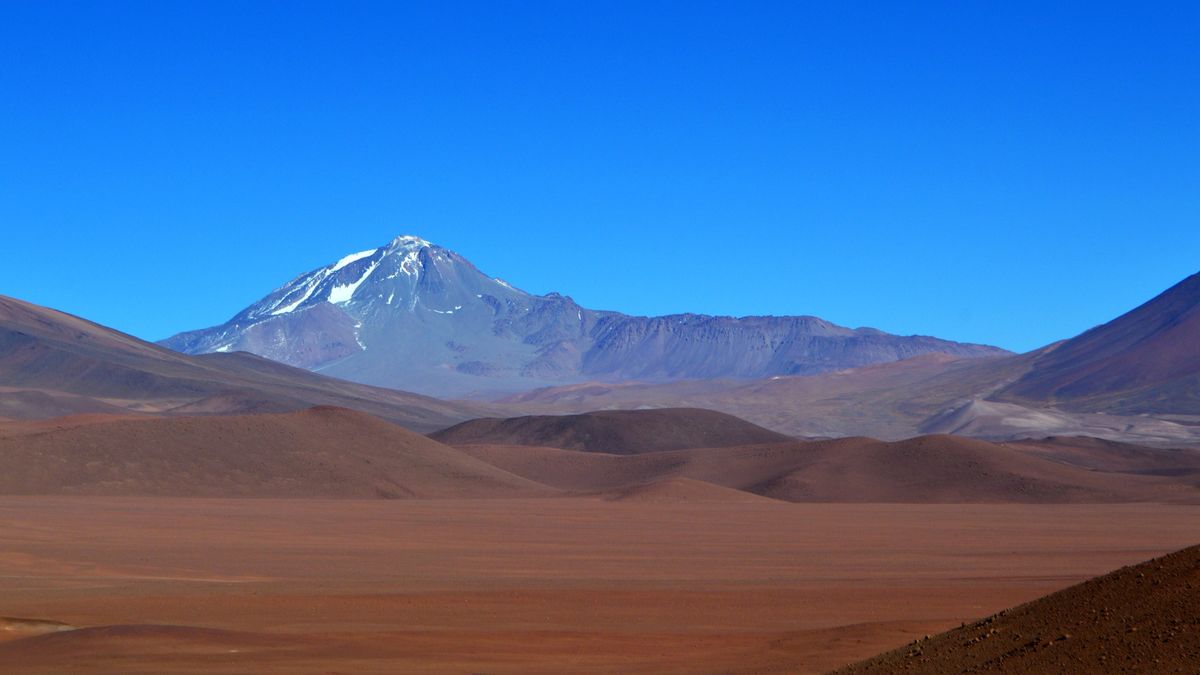
A team of scientists from Argentina, Chile, Bolivia, and the United States have discovered 13 mummified mice at elevations above 6,000 meters in the Andes mountains, making them the world's highest dwelling mammal. The mice, called Phyllotis vaccarum, are commonly found at lower elevations but have been found at extreme heights on the Atacama Plateau. The harsh conditions, similar to those on Mars, create perfect conditions for preservation. The researchers are conducting further studies to understand how the mice survive in these extreme conditions and are exploring theories such as their diet of lichens or the transportation of food by wind. This discovery challenges previous beliefs about species' survival capabilities in high-altitude environments.
A study confirms that the world's highest-dwelling vertebrates are small mammals living on the snow-capped tops of volcanoes in the Andes, challenging previous assumptions about the limits of vertebrate life. Researchers discovered live and mummified leaf-eared mice at elevations of up to 22,000 feet, with evidence suggesting that these mice are resident populations rather than transient visitors. The genetic similarity among the high-dwelling rodents and the presence of rodent burrows further support their ability to thrive in these extreme conditions. The mystery of how these mice survive in their frigid habitat remains unsolved, but ongoing research aims to shed light on their diet and thermoregulation.
Research suggests a possible link between high altitude and increased risk of depression, anxiety, and suicidal thoughts. Athletes and professionals acknowledge the potential connection but caution against attributing mental health symptoms solely to living or training at high altitudes, as other factors like sleep deprivation, physical adaptation, and social isolation may also play a significant role. More research is needed to determine the extent of altitude's impact on mental health. In the meantime, individuals living at high altitudes can prioritize seeking social connections, taking care of themselves physically and mentally, and maintaining a growth mindset and positive self-talk. Mental health is a complex interplay of factors, and while altitude may play a role, there are many other aspects individuals can control to enhance their mental well-being.
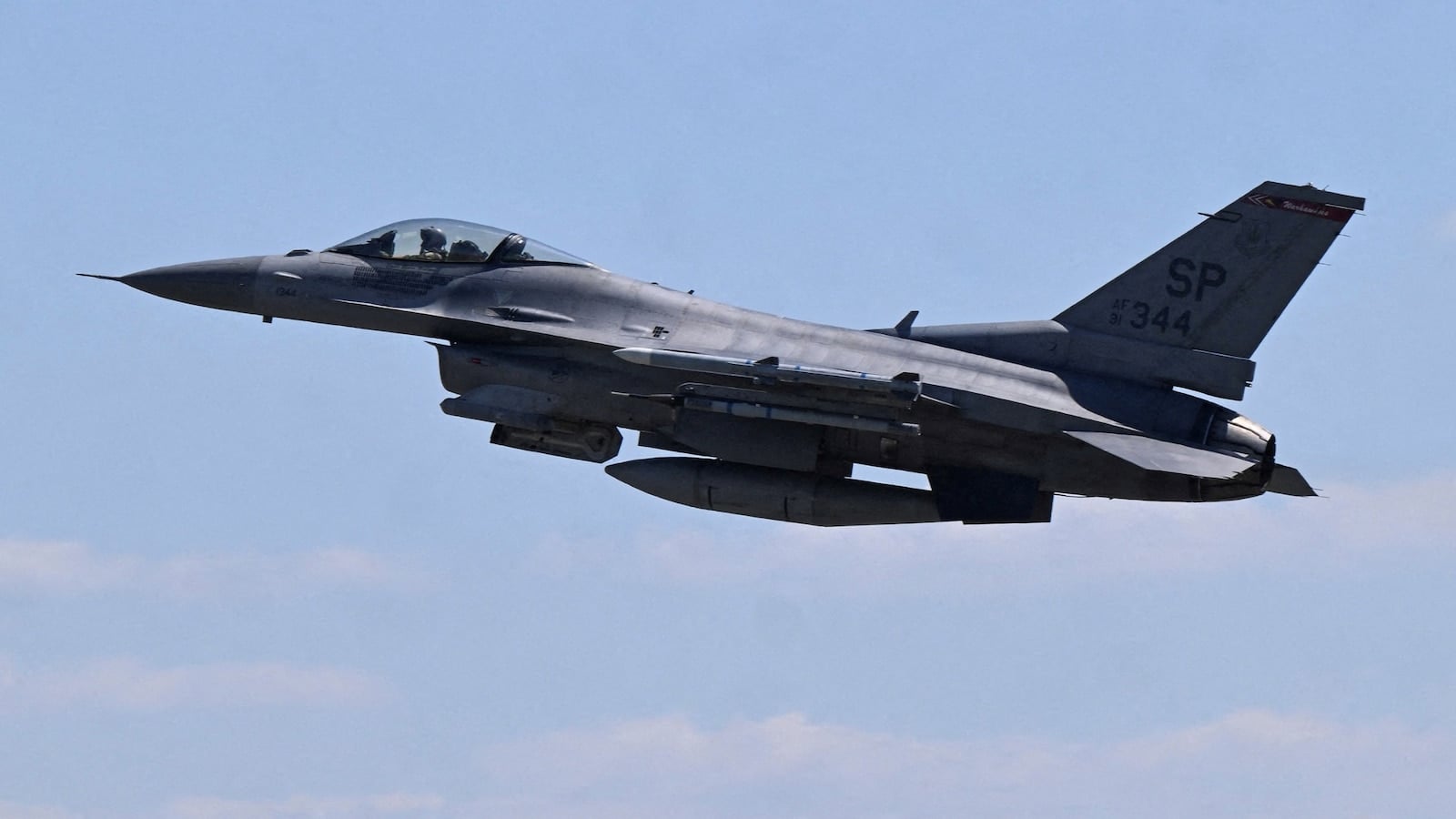
China's military drone, identified as "twin-tailed scorpion", flew around Taiwan for the first time. Capable of high-altitude, long-range missions, it is one of the largest drones in the Chinese military.
Researchers at the Gladstone Institutes have discovered how chronically low oxygen levels, such as those experienced at high altitudes, alter the way mice burn sugars and fats. The findings offer insights into the metabolic differences of individuals residing at high altitudes and pave the way for the development of novel treatments for metabolic disease. The study showed that different organs reshuffle their fuel sources and their energy-producing pathways in various ways when exposed to chronically low levels of oxygen. The lasting effects of long-term hypoxia seen in the mice, lower body weight and glucose levels, are both associated with a lower risk of diseases in humans, including cardiovascular disease.