Tag

Cambrian

All articles tagged with #cambrian

Scientists Discover Smiling Face of 500-Million-Year-Old Creature

Originally Published 10 days ago — by The Daily Galaxy

Featured image for Scientists Discover Smiling Face of 500-Million-Year-Old Creature
Source: The Daily Galaxy

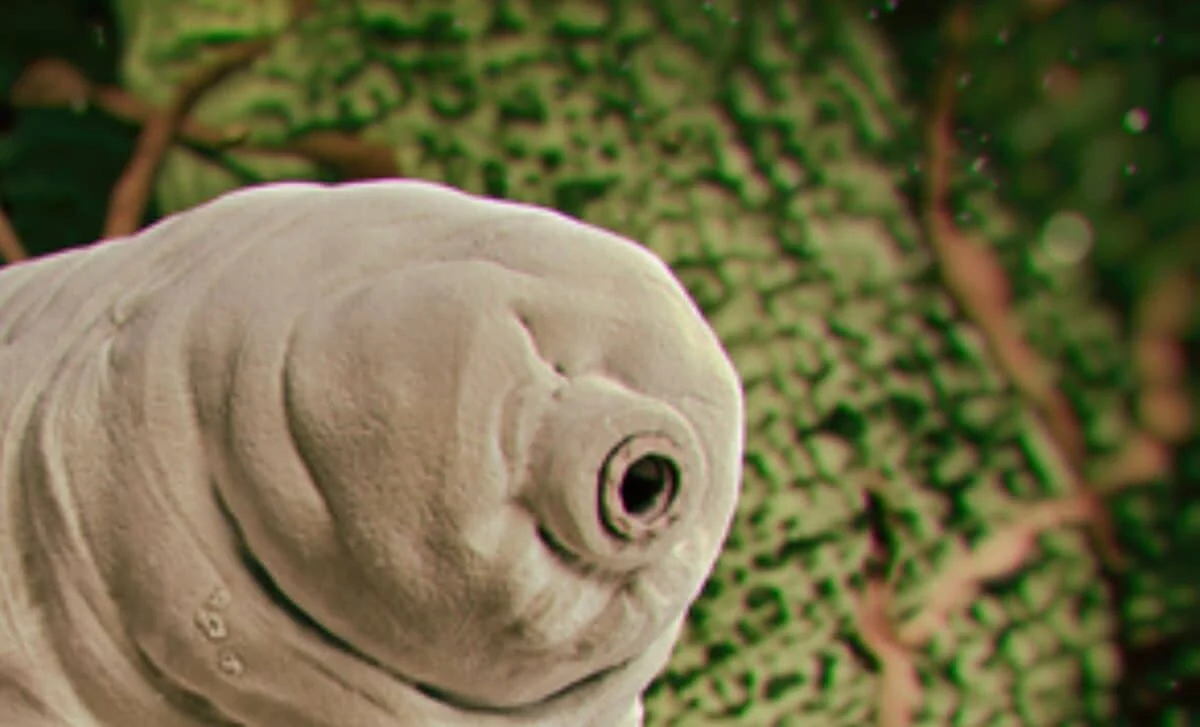
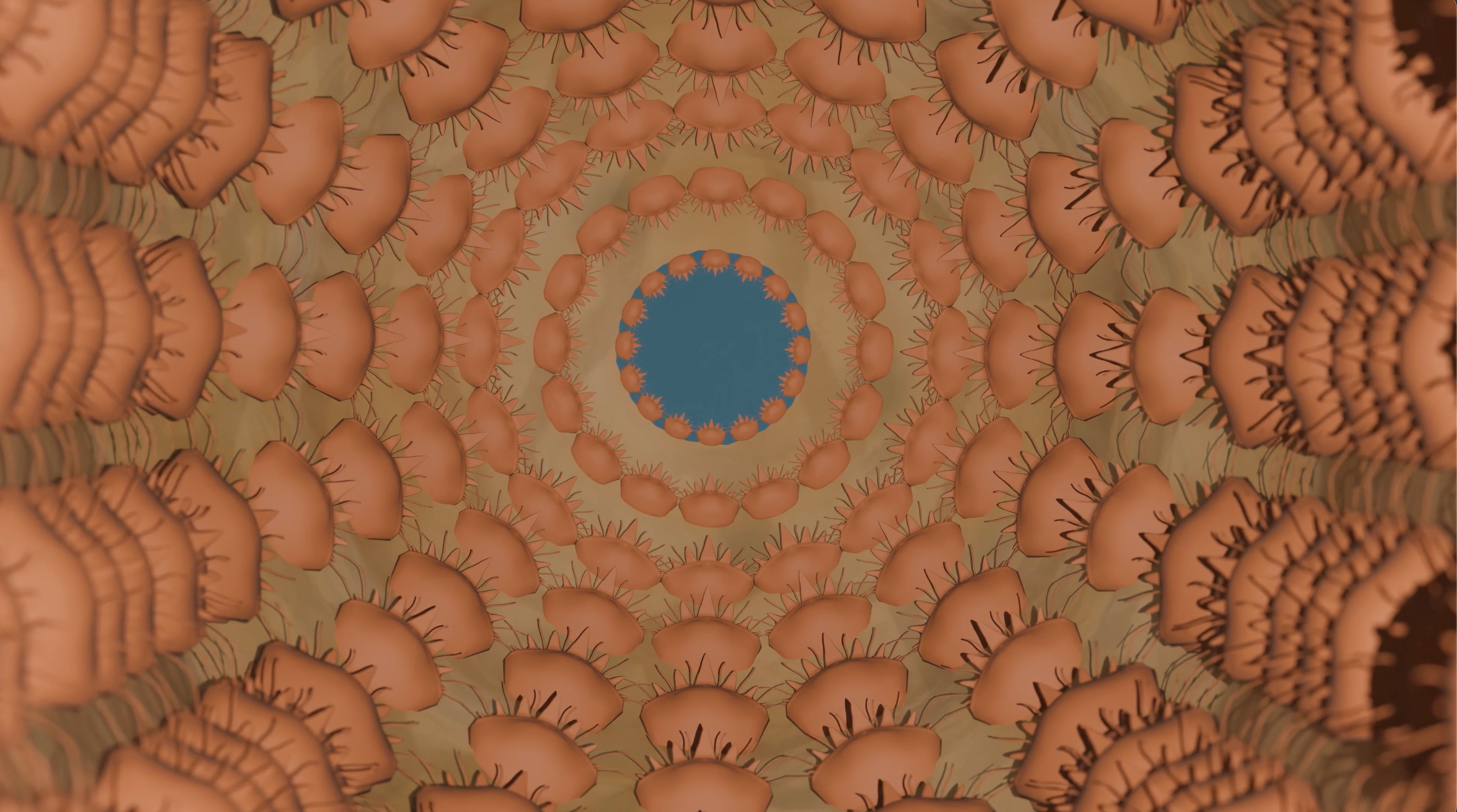
Scientists have identified the face of the 500-million-year-old creature Hallucigenia from Canada’s Burgess Shale, revealing a smiling face with tiny eyes and teeth, correcting previous misconceptions about its anatomy, and suggesting it may be an early ancestor of modern velvet worms, thus shedding new light on early animal evolution.

Ancient 520-Million-Year-Old Fossil Reveals Well-Preserved Brain and Guts, Reshaping Evolutionary History

Originally Published 4 months ago — by Indian Defence Review

Featured image for Ancient 520-Million-Year-Old Fossil Reveals Well-Preserved Brain and Guts, Reshaping Evolutionary History
Source: Indian Defence Review

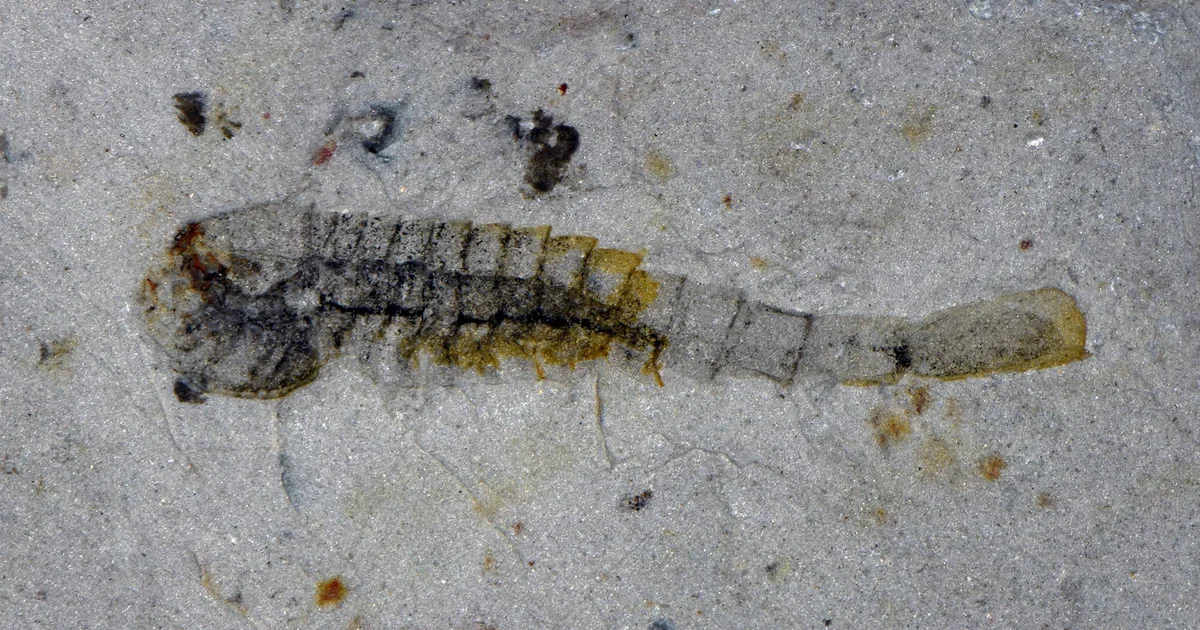
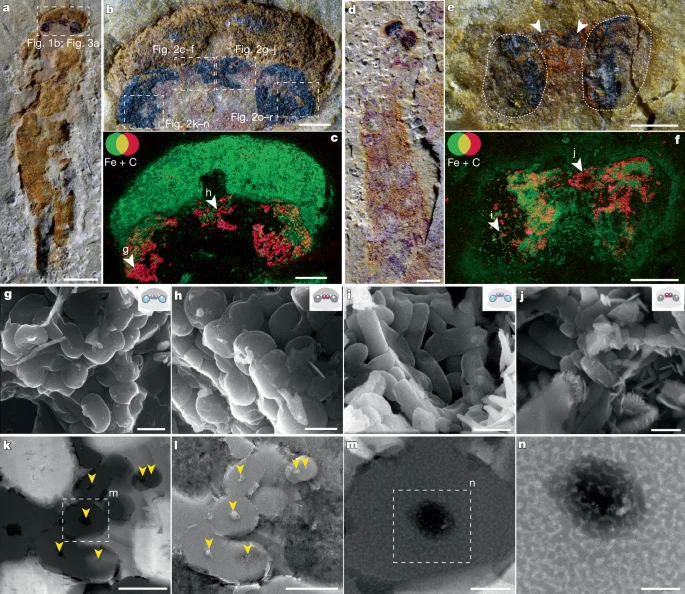
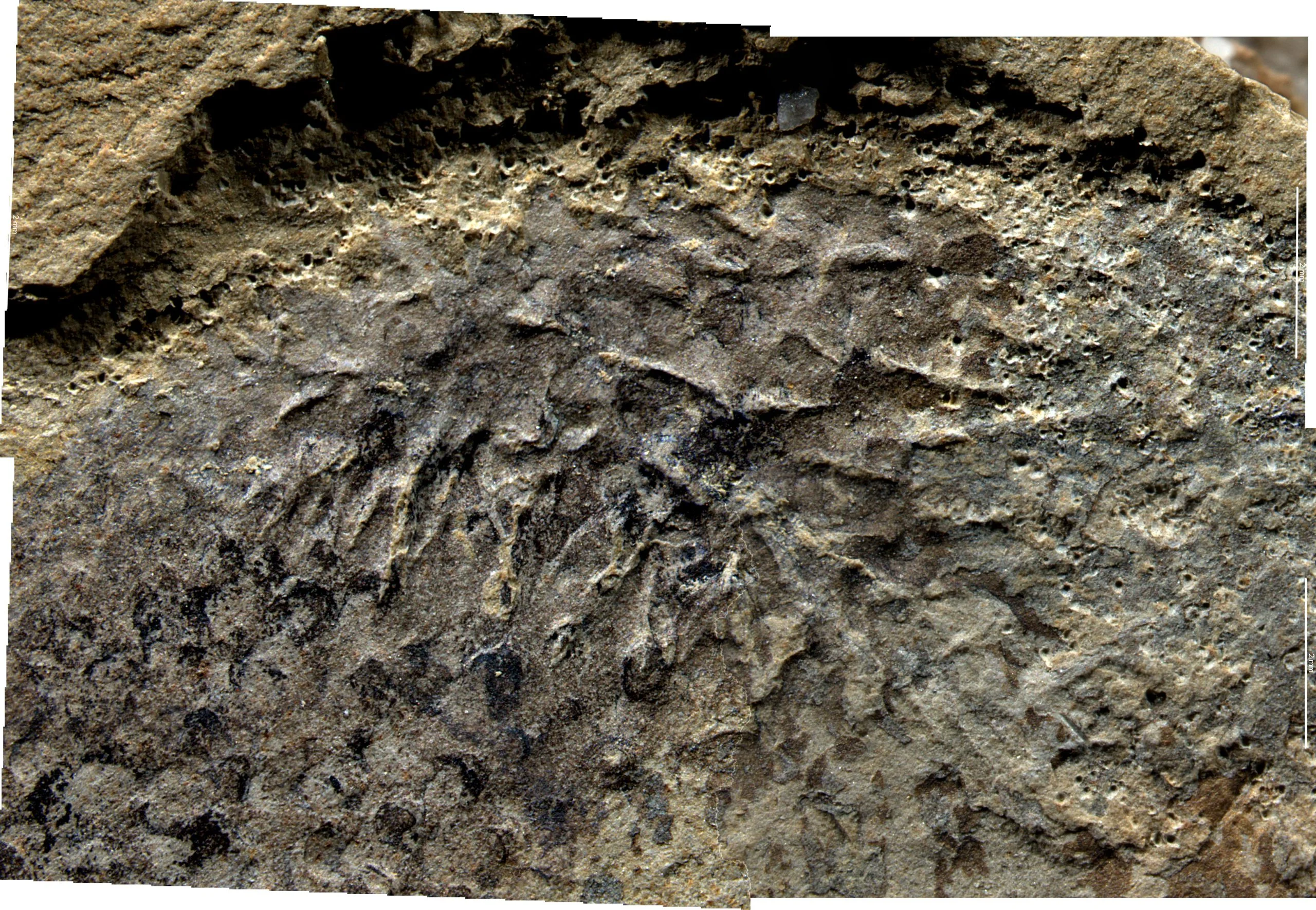
Scientists discovered a 520-million-year-old larva fossil with perfectly preserved brain and organs, providing new insights into early arthropod evolution and challenging previous assumptions about their simplicity, thanks to advanced 3D imaging techniques.

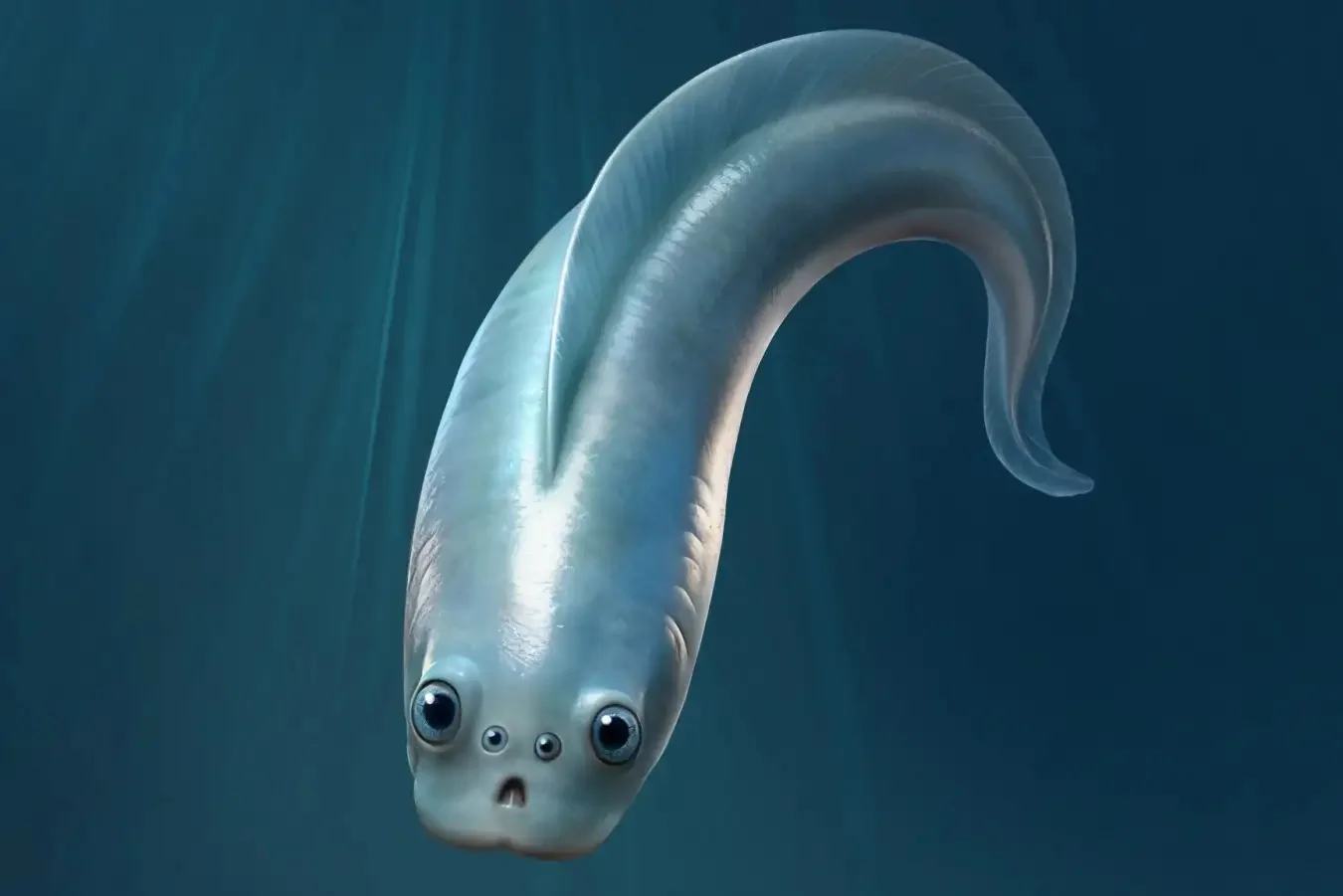
Ancient 3-Eyed Sea Predator Revealed by Fossil Discoveries

Originally Published 7 months ago — by ScienceAlert

Featured image for Ancient 3-Eyed Sea Predator Revealed by Fossil Discoveries
Source: ScienceAlert

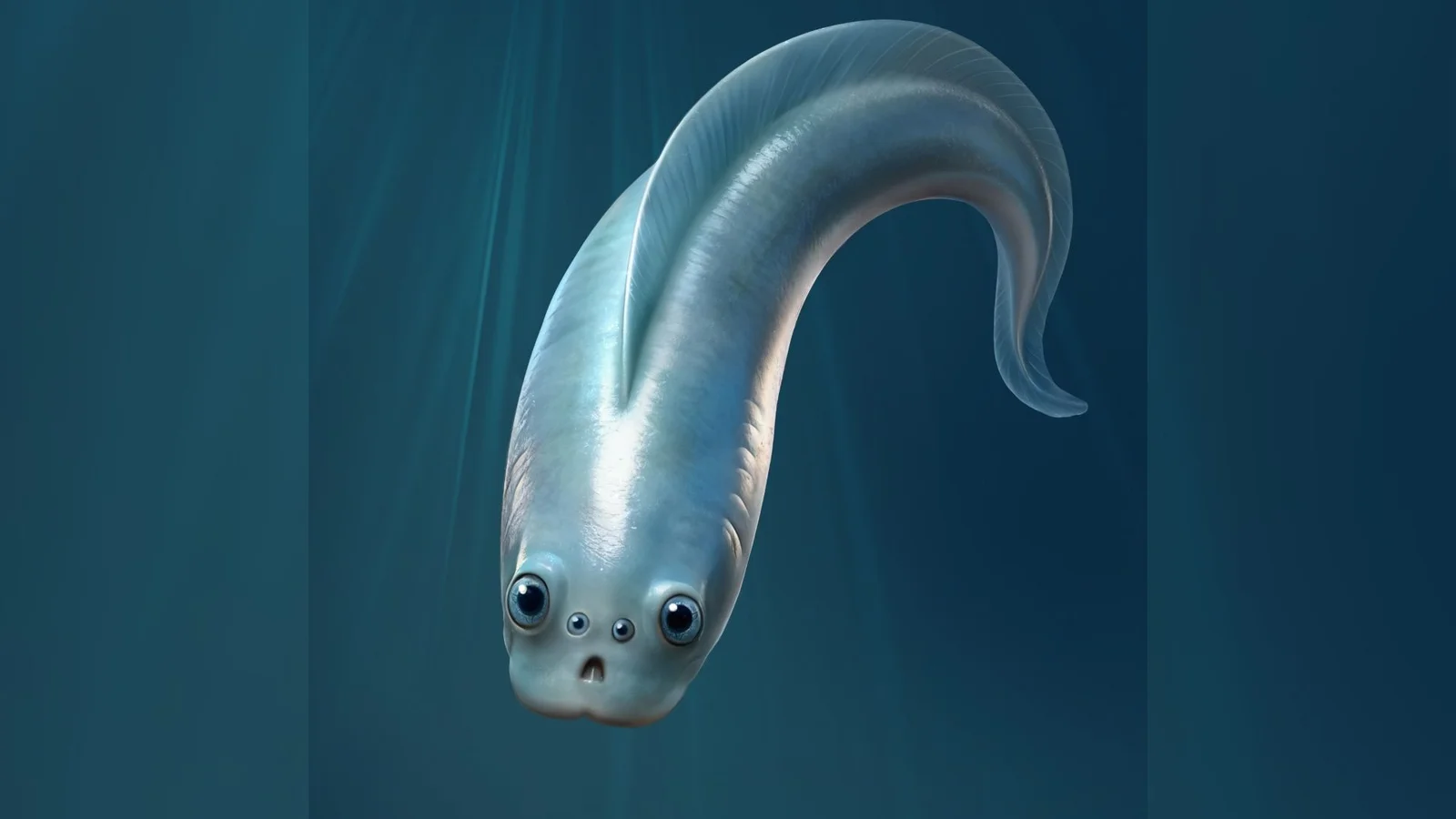
Scientists have discovered and detailed the fossilized remains of Mosura fentoni, a tiny, three-eyed predator from over 500 million years ago, revealing unique features like a segmented body, specialized respiratory system, and an open circulatory system, providing insights into early arthropod evolution and Cambrian ocean ecosystems.

Ancient Swimming Jellyfish Fossils Unearthed

Originally Published 2 years ago — by Phys.org

Featured image for Ancient Swimming Jellyfish Fossils Unearthed
Source: Phys.org

Researchers at the Royal Ontario Museum have identified the oldest known species of swimming jellyfish, Burgessomedusa phasmiformis, in the fossil record. These well-preserved fossils from the Burgess Shale provide insights into the complex Cambrian food chain and demonstrate that large, swimming jellyfish with bell-shaped bodies existed over 500 million years ago. The discovery adds to our understanding of the evolution of life on Earth and highlights the remarkable preservation of delicate animals in the Burgess Shale.

Ancient swimming jellyfish fossils reveal Earth's oldest species

Originally Published 2 years ago — by The Guardian

Featured image for Ancient swimming jellyfish fossils reveal Earth's oldest species
Source: The Guardian

The oldest species of swimming jellyfish, Burgessomedusa phasmiformis, has been discovered in 505 million-year-old fossils found at Burgess Shale in Canada. The well-preserved fossils provide insight into the evolutionary history of jellyfish, which have been difficult to study due to their delicate nature. The discovery suggests that the Cambrian food chain was more complex than previously thought, highlighting the diversity of life during that time period.

Ancient Cambrian Fossil Unravels Evolutionary Enigma

Originally Published 2 years ago — by Livescience.com

Featured image for Ancient Cambrian Fossil Unravels Evolutionary Enigma
Source: Livescience.com

The discovery of a well-preserved, half-billion-year-old fossil of an ancient tunicate species called Megasiphon thylakos is shedding light on the evolutionary origins of vertebrates. Tunicates are the sister group of vertebrates, and this fossil provides insights into what early tunicates looked like and how they lived. The fossil resembles ascidiacea, suggesting that this body form is ancestral. The findings also suggest that tunicates originated around 500 million years ago. Further research is needed to uncover the evolutionary connections between tunicates, vertebrates, and other deuterostomes.

The Fierce Prehistoric 'Killer Shrimp' with Facial Spikes

Originally Published 2 years ago — by National Geographic

Featured image for The Fierce Prehistoric 'Killer Shrimp' with Facial Spikes
Source: National Geographic

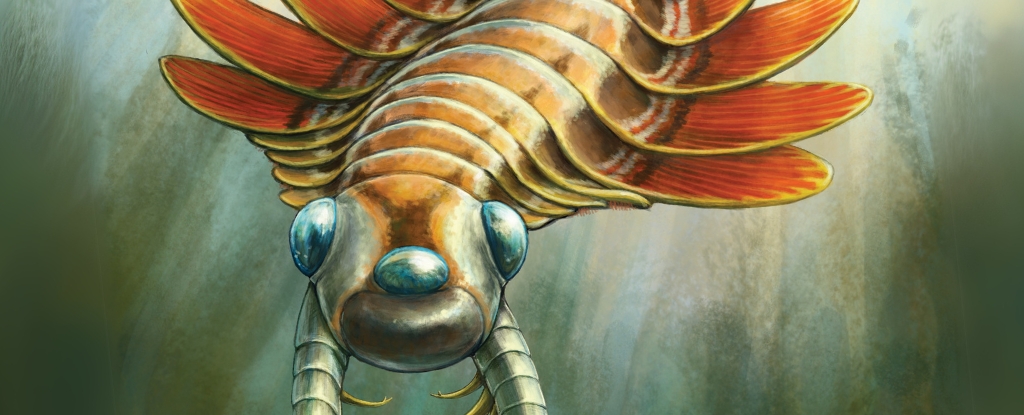
New research challenges the long-held belief that Anomalocaris canadensis, a prehistoric creature from over 500 million years ago, was a fearsome predator. Paleontologists have analyzed the appendages of Anomalocaris and found that they were not well-suited for crunching through the hard shells of trilobites, as previously thought. Instead, the researchers suggest that Anomalocaris plucked soft-bodied prey out of the water, such as comb jellies and other invertebrates. This new understanding of Anomalocaris' feeding habits provides a different perspective on the ancient creature's role in the Cambrian seas.

"Unveiling the Dietary Preferences of the Cambrian Apex Predator"

Originally Published 2 years ago — by Phys.org

Featured image for "Unveiling the Dietary Preferences of the Cambrian Apex Predator"
Source: Phys.org

Biomechanical studies on Anomalocaris canadensis, an extinct apex predator from the Cambrian period, suggest that it was likely a fast and agile swimmer that targeted soft prey in the open water rather than hard-shelled creatures on the ocean floor. The research challenges previous assumptions about the predator's ability to process hard food and sheds light on the complexity of Cambrian food webs.