Tag

Upper Atmosphere

All articles tagged with #upper atmosphere

Climate Change Amplifies Risks of Solar Storms to Satellites

Originally Published 4 months ago — by The Daily Galaxy

Featured image for Climate Change Amplifies Risks of Solar Storms to Satellites
Source: The Daily Galaxy

A new study warns that rising CO2 levels are cooling Earth's upper atmosphere, which could lead to sharper increases in atmospheric density during geomagnetic storms, potentially causing more satellite drag, shorter satellite lifespans, and disruptions to communication and navigation systems.

Sunlight-Powered Tiny Devices Explore Earth's Upper Atmosphere

Originally Published 5 months ago — by Space

Featured image for Sunlight-Powered Tiny Devices Explore Earth's Upper Atmosphere
Source: Space

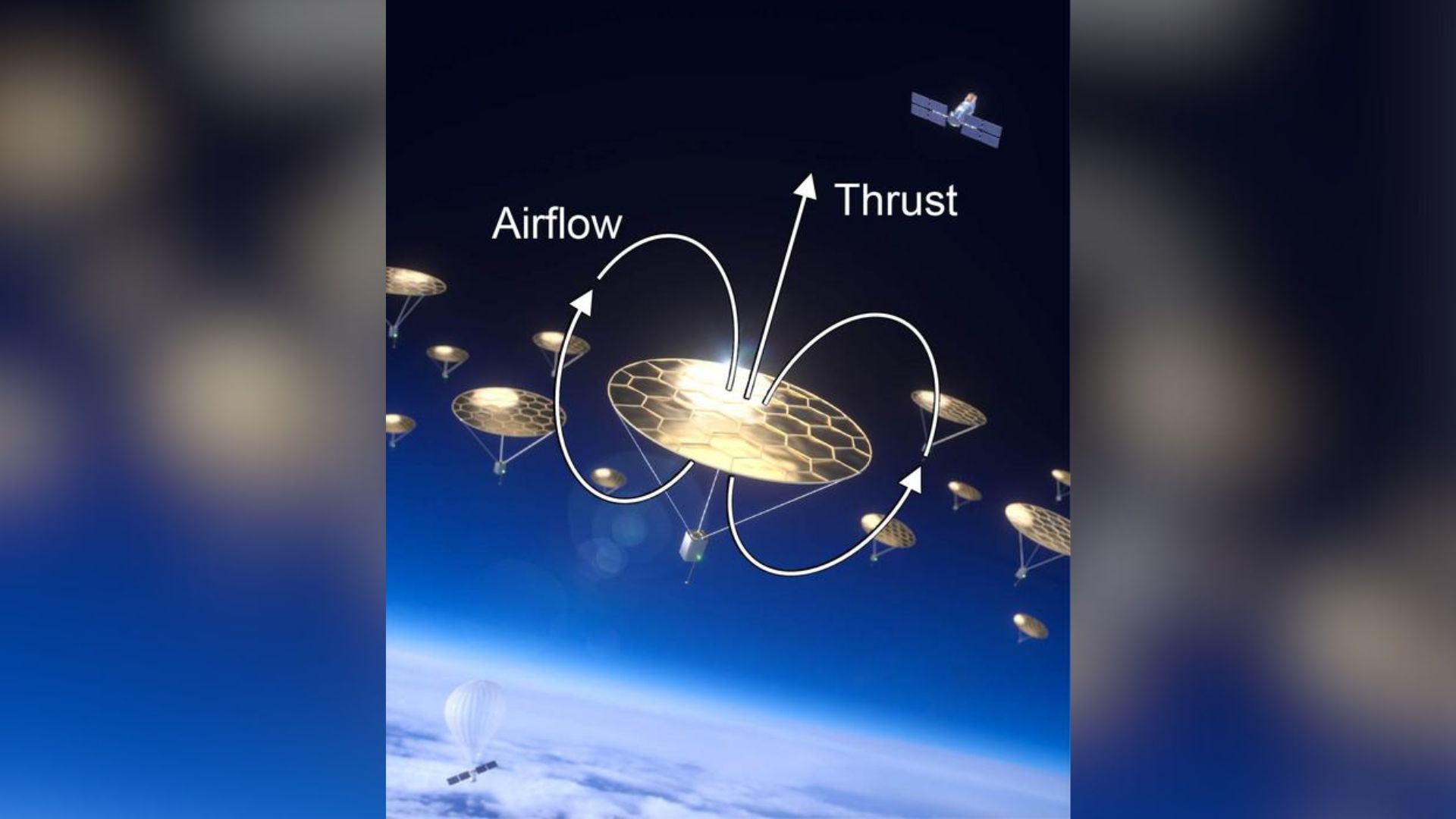
Researchers have successfully tested tiny sunlight-powered devices using photophoresis in near-vacuum conditions similar to Earth's upper atmosphere, opening new possibilities for exploring the ignorosphere and improving climate models, with potential applications in atmospheric research, space exploration, and satellite technology.

"Total Solar Eclipse Causes Subtle Shift in Global Time Signals and Upper Atmosphere, New Data Reveals"

Originally Published 1 year ago — by Livescience.com

Featured image for "Total Solar Eclipse Causes Subtle Shift in Global Time Signals and Upper Atmosphere, New Data Reveals"
Source: Livescience.com

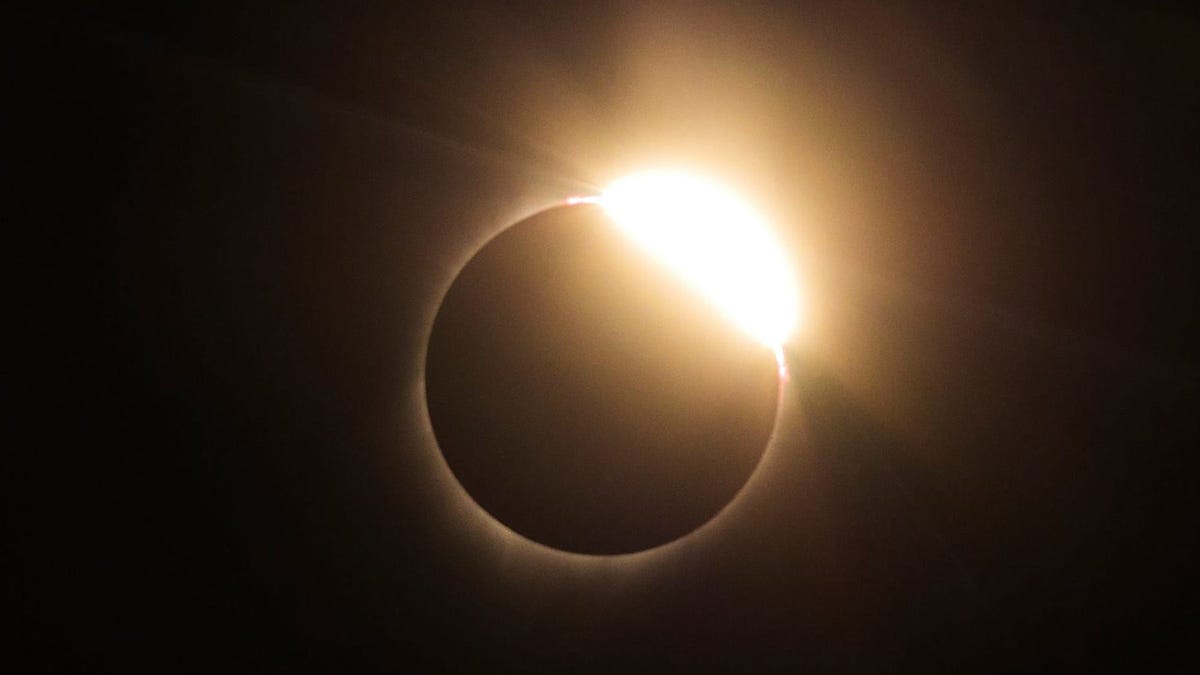
The total solar eclipse on April 8 subtly shifted the upper atmosphere, altering the frequency of radio waves and affecting the "time signals" transmitted by the WWV radio station. The eclipse caused a Doppler shift in the radio waves, but the digital time codes remained unaltered, ensuring that timekeeping devices were unaffected. Similar frequency shifts were observed in other radio signals during the eclipse, and researchers noted that such shifts also occur naturally due to daily changes in the ionosphere caused by sunlight.

"NASA's Rocket Launch to Study April 8 Solar Eclipse: Your Viewing Guide"

Originally Published 1 year ago — by USA TODAY

Featured image for "NASA's Rocket Launch to Study April 8 Solar Eclipse: Your Viewing Guide"
Source: USA TODAY

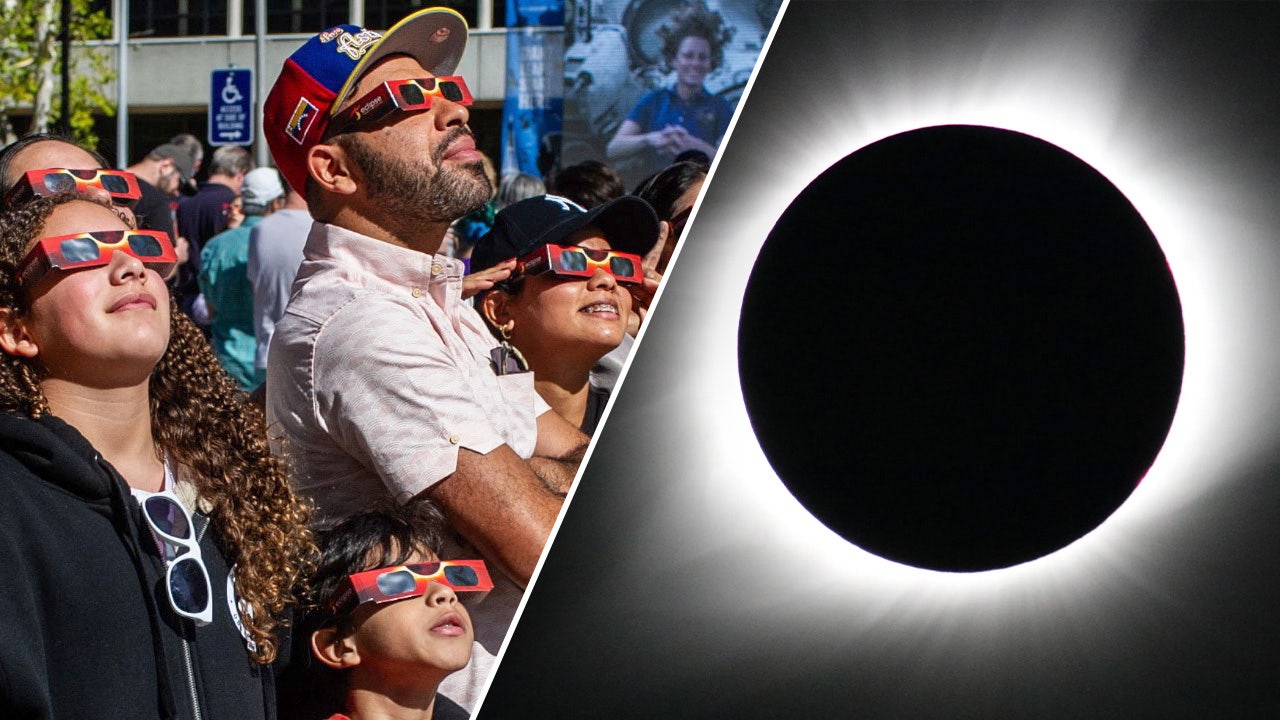
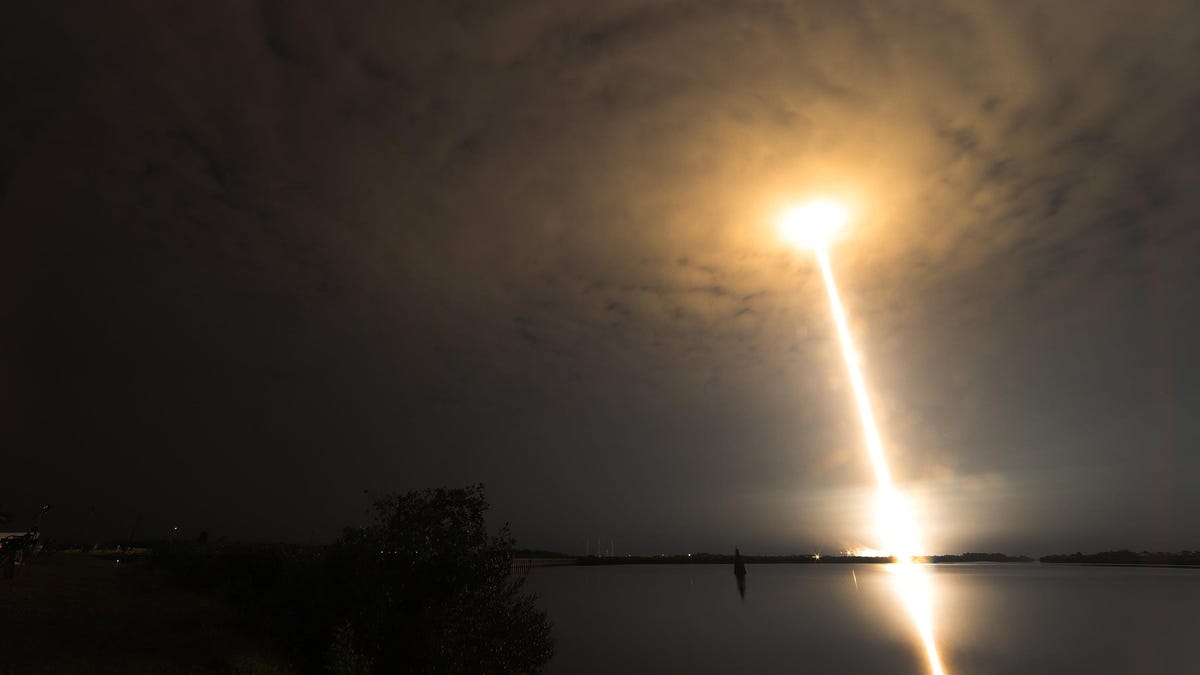
NASA is launching three sounding rockets during the solar eclipse on April 8 to study how the sudden drop in sunlight affects the upper atmosphere. The rockets will reach an altitude of 260 miles to study disturbances in the ionosphere. The public can watch the launches in person at the NASA Wallops Flight Facility Visitor Center in Virginia or online via NASA's live stream. This eclipse is the last in North America until 2044, and viewers are reminded to use certified solar eclipse glasses for safe viewing.

"2024 Solar Eclipse: NASA's Rockets to Explore Rare Space Marvel and Eclipse Impact"

Originally Published 1 year ago — by Fox News

Featured image for "2024 Solar Eclipse: NASA's Rockets to Explore Rare Space Marvel and Eclipse Impact"
Source: Fox News

NASA plans to launch three research rockets on April 8 to study the impact of a rare total solar eclipse on Earth's upper atmosphere. The rockets, part of the APEP mission, will analyze how the eclipse affects the ionosphere and atmospheric waves, which can disrupt communications. The data collected will be crucial for understanding and predicting disturbances in the ionosphere, with the potential to impact satellite communications. The rockets will reach a maximum altitude of 260 miles and will be equipped with instruments to study the eclipse. NASA will broadcast the eclipse and rocket launches, providing a live viewing for the public.

"NASA's Moon Shadow Probe: Rockets to Investigate Upcoming Eclipse"

Originally Published 1 year ago — by Gizmodo

Featured image for "NASA's Moon Shadow Probe: Rockets to Investigate Upcoming Eclipse"
Source: Gizmodo

NASA will launch three sounding rockets from Virginia's Wallops Flight Facility to study disturbances in the ionosphere during the upcoming solar eclipse, aiming to understand how the sudden disappearance of the Sun's light affects Earth's upper atmosphere and communication systems. The rockets will release instruments to measure perturbations in the ionosphere, providing data to improve models predicting potential disturbances to communication systems. This mission follows a previous launch during the 2023 eclipse, which revealed a reduction in charged particle density.

"Proposed Plan: Dehydrating the Stratosphere to Combat Global Warming"

Originally Published 1 year ago — by Phys.org

Featured image for "Proposed Plan: Dehydrating the Stratosphere to Combat Global Warming"
Source: Phys.org

Government scientists at NOAA and NASA have proposed a new concept to counteract global warming by manipulating the upper atmosphere to make it drier, which would reduce water vapor, a natural greenhouse gas. The idea involves injecting ice particles high up in the air to dehydrate the stratosphere, potentially reducing a small amount of the human-caused warmth. However, this approach is still in the early stages of exploration and is not a substitute for reducing carbon pollution. Critics raise concerns about potential side effects and emphasize the importance of addressing the root cause of climate change.

Decoding the Enigmatic Green Ghosts of the Sky

Originally Published 2 years ago — by The New York Times

Featured image for Decoding the Enigmatic Green Ghosts of the Sky
Source: The New York Times

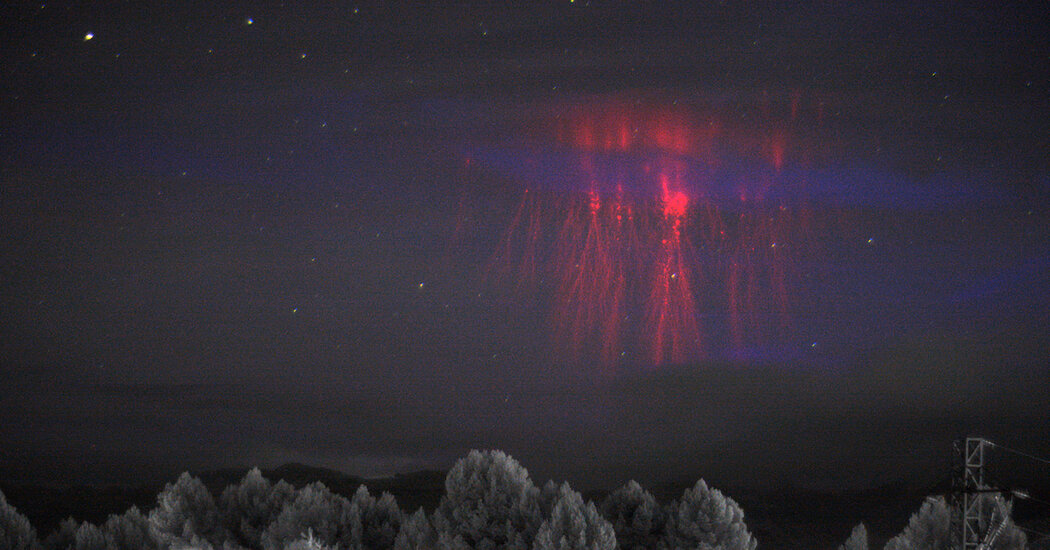
Scientists have captured new imagery of atmospheric phenomena known as "ghosts" that occur during some lightning storms. These green-hued wisps, which are difficult to see with the naked eye, were found to be composed of excited oxygen, nitrogen, and iron delivered from space. The discovery of the elemental makeup of these ghosts provides insights into the chemistry and physics of Earth's upper atmosphere. These transient luminous events, including ghosts, are still not well understood, but further research will continue to unravel their mysteries.

SpaceX Rockets' Atmospheric Impact: Concerns over Bright 'Holes' and Blood-Red 'Auroras'

Originally Published 2 years ago — by Gizmodo

Featured image for SpaceX Rockets' Atmospheric Impact: Concerns over Bright 'Holes' and Blood-Red 'Auroras'
Source: Gizmodo

SpaceX rocket launches are creating bright glowing "holes" in the sky, causing aurora-like phenomena in the upper atmosphere. These glows, caused by interactions between rocket exhaust and the ionosphere, are becoming more frequent as rocket launches increase. The impact of these glows on astronomical observations is still being evaluated. Additionally, the night sky is already affected by light pollution, and rockets and satellites are leaving metals in Earth's stratosphere, further polluting it. SpaceX's Starlink satellite constellation is expanding internet access but hindering astronomical observations, although efforts are being made to reduce its impact.

Unveiling the Enigmatic Martian Nightglow: European Satellite's Surprising Findings

Originally Published 2 years ago — by The Debrief

Featured image for Unveiling the Enigmatic Martian Nightglow: European Satellite's Surprising Findings
Source: The Debrief

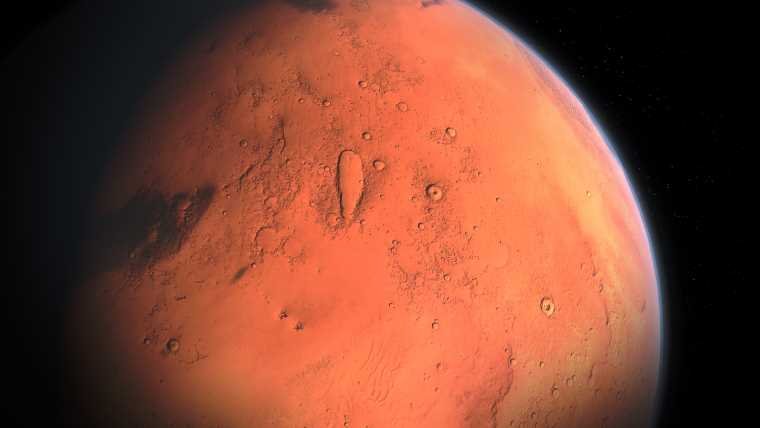
The European Space Agency's Trace Gas Orbiter satellite has detected a mysterious glow emanating from the night side of Mars in the planet's upper atmosphere. Researchers believe the glow is caused by the recombination of oxygen atoms carried by winds to the high winter latitudes, which then react with CO2 molecules and emit light in the visible range. The discovery could provide valuable information about the dynamics of Mars' upper atmosphere and guide future missions to the planet. Additionally, a glow in the ultraviolet range, likely caused by the nitric oxide molecule, has also been observed and will be further studied.

Unveiling Uncommon Plasma Flows in the Upper Atmosphere

Originally Published 2 years ago — by Phys.org

Featured image for Unveiling Uncommon Plasma Flows in the Upper Atmosphere
Source: Phys.org

Scientists have conducted a study on rare postmidnight subauroral ion drift (SAID) events in the upper atmosphere near South America. These events involve narrow, rapid, westward flows of extremely hot plasma and are linked to visible structures in the sky. The study found that postmidnight SAID events are influenced by ionospheric conditions, geomagnetic dynamics, and wave-particle interactions. Understanding these events could help mitigate disruptions to radar signals for satellite tracking and other critical applications.

Cooling Upper Atmosphere Raises Climate Concerns and Identifies Fingerprint.

Originally Published 2 years ago — by Yale Environment 360

Featured image for Cooling Upper Atmosphere Raises Climate Concerns and Identifies Fingerprint.
Source: Yale Environment 360

Rising CO2 levels are causing the upper atmosphere to cool dramatically, which could have negative effects on orbiting satellites, the ozone layer, and Earth's weather. The cooling aloft is increasing the strength of the human fingerprint of climate change, but also causing concern for atmospheric physicists. The contraction of the upper atmosphere due to cooling is reducing drag on satellites, but also increasing the risk of collisions with space junk. The cooling is also worsening ozone loss in the Arctic, potentially affecting densely populated regions.

Unraveling Saturn's Mysterious Ring-Heat Phenomenon.

Originally Published 2 years ago — by SciTechDaily

Featured image for Unraveling Saturn's Mysterious Ring-Heat Phenomenon.
Source: SciTechDaily

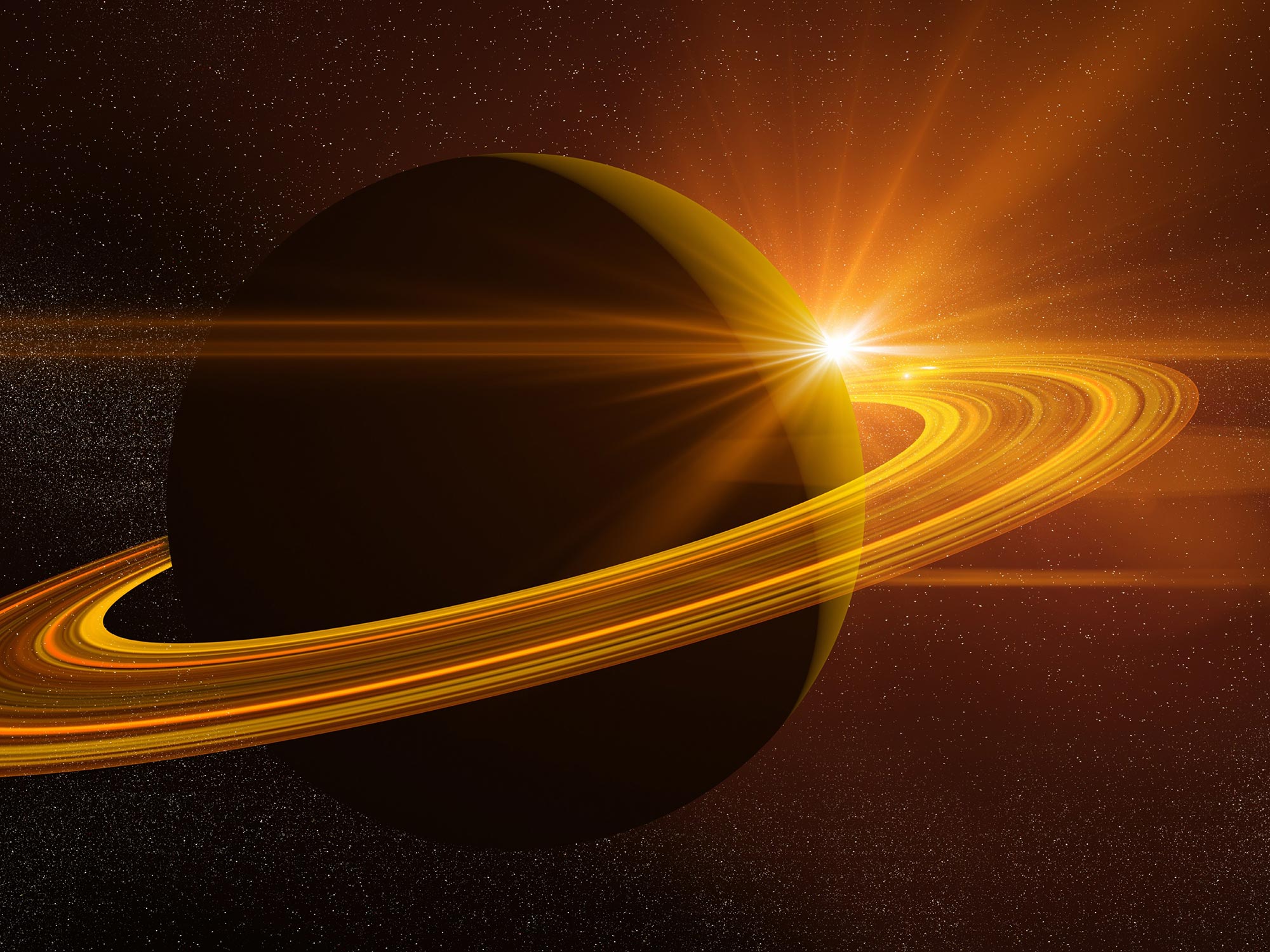
Saturn's ring system is heating the planet's upper atmosphere, a phenomenon never before observed in our solar system. By analyzing 40 years of ultraviolet data from multiple space missions, including NASA's Hubble Space Telescope, the Cassini probe, Voyager 1 and 2, and the International Ultraviolet Explorer, the researcher found that icy ring particles are raining down onto Saturn's atmosphere, causing heating. This groundbreaking discovery not only highlights an unexpected interaction between the planet and its rings, but also opens up the possibility of using this information to predict the existence of Saturn-like ring systems around exoplanets.

Astronomers uncover surprising new phenomenon on Saturn after 40 years of data.

Originally Published 2 years ago — by The Register

Featured image for Astronomers uncover surprising new phenomenon on Saturn after 40 years of data.
Source: The Register

Astronomers have discovered that the infall of icy debris from Saturn's rings is heating up the planet's upper atmosphere. The phenomenon was observed by analyzing UV radiation emitted from hydrogen atoms and comparing data collected from the Hubble Space Telescope with archival data taken from four historical spacecraft. The increased levels of Lyman-alpha UV radiation were traced to Saturn's atmosphere, and the most plausible explanation is that the icy particles in Saturn's rings are crashing down onto Saturn's atmosphere, causing it to heat up. This discovery could provide astronomers with a new way to look for ring systems on exoplanets.