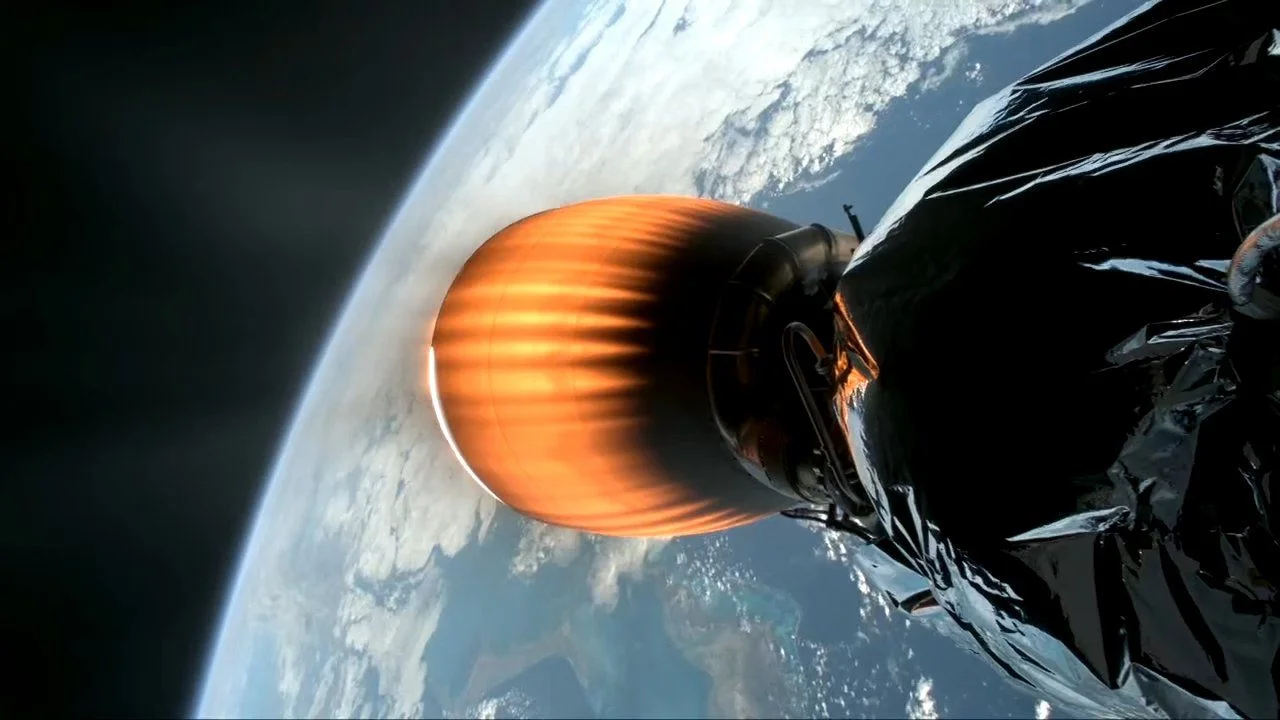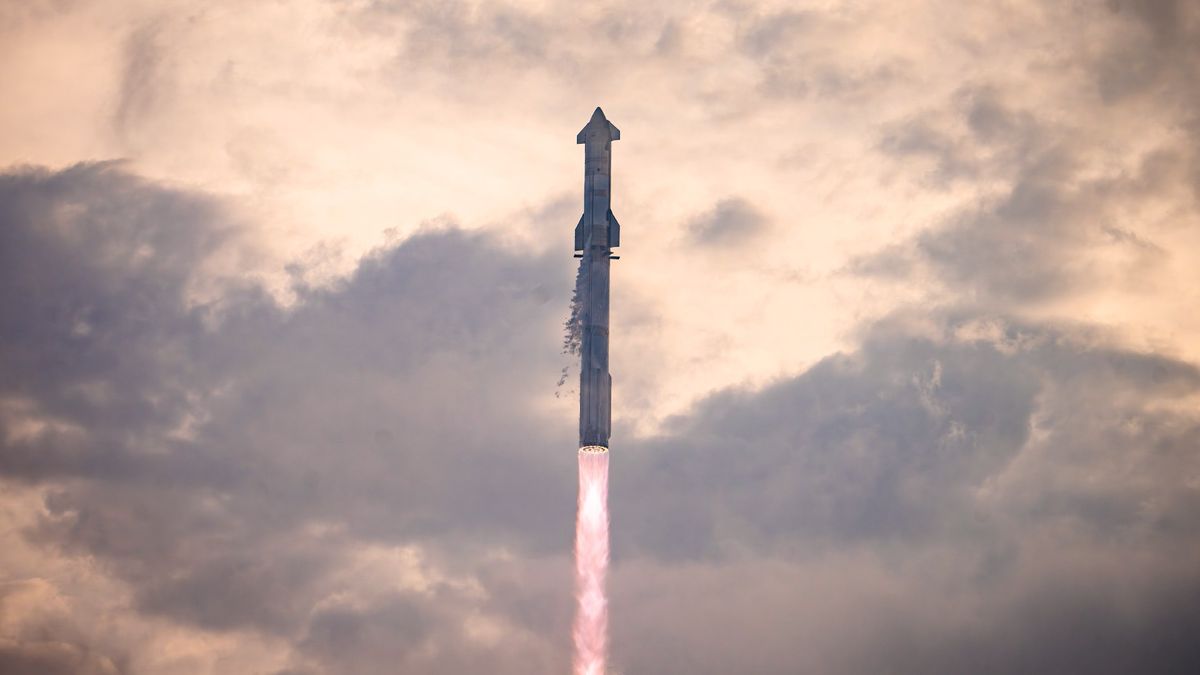
In 2025, SpaceX set a new record with 165 orbital launches, primarily using Falcon 9 rockets, dominating the US space launch market and launching over 9,300 Starlink satellites, while also advancing its Starship program for future missions to Mars.
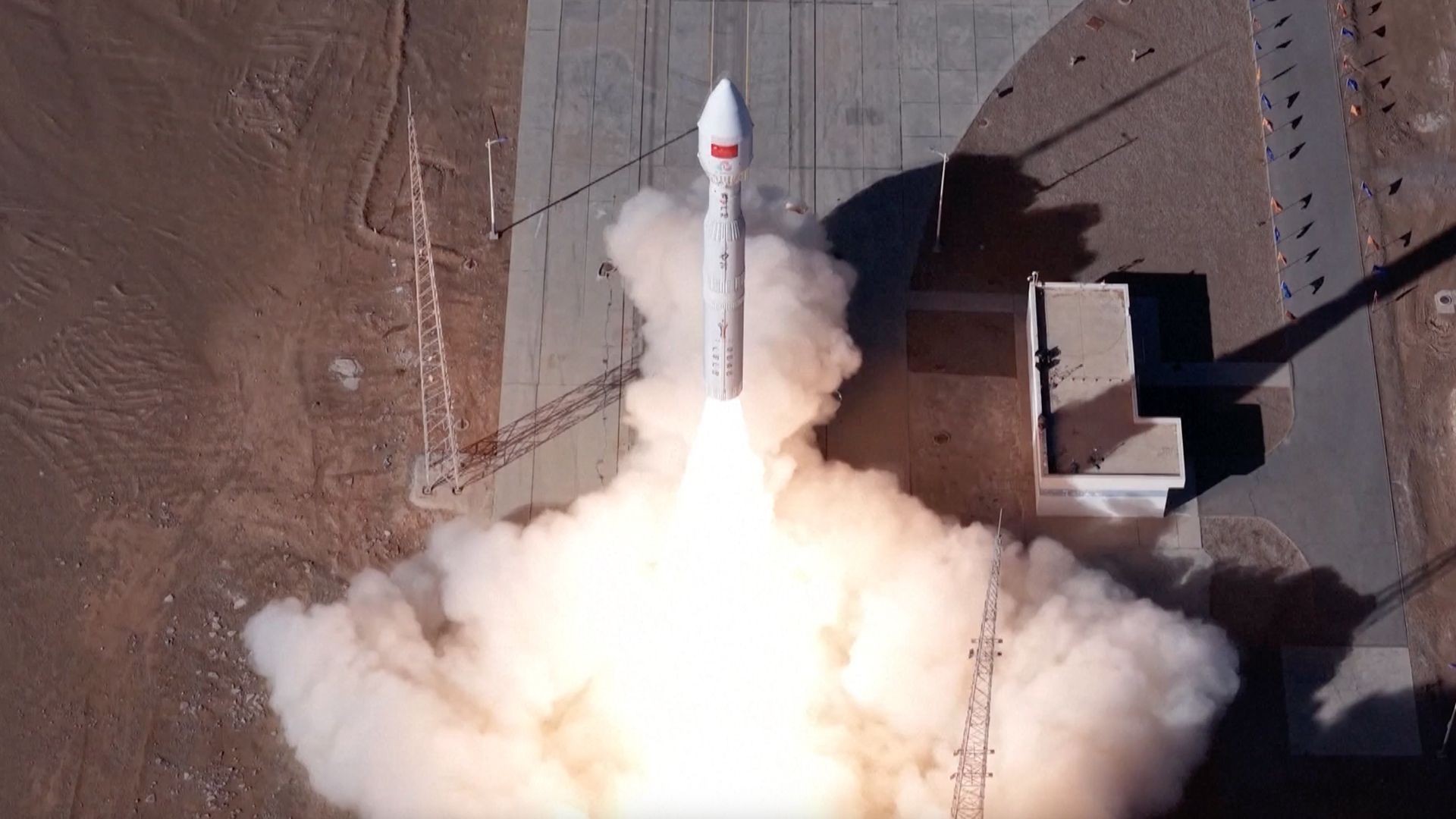
China set a new single-year record for rocket launches in 2025 with 72 missions, surpassing last year's 68, driven by multiple launches including government and private rockets, although the US leads globally with over 150 launches, mainly by SpaceX's Falcon 9.
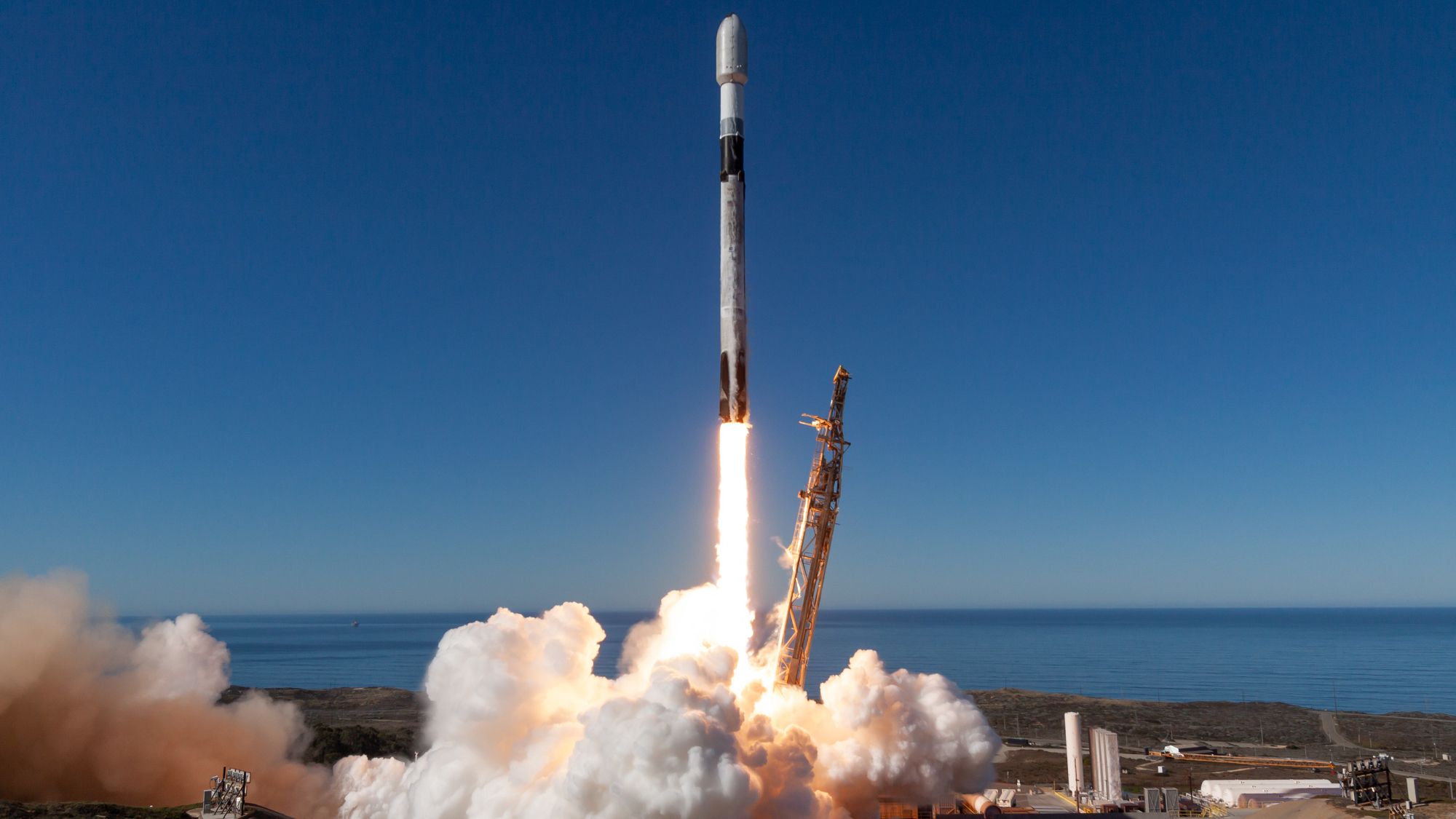
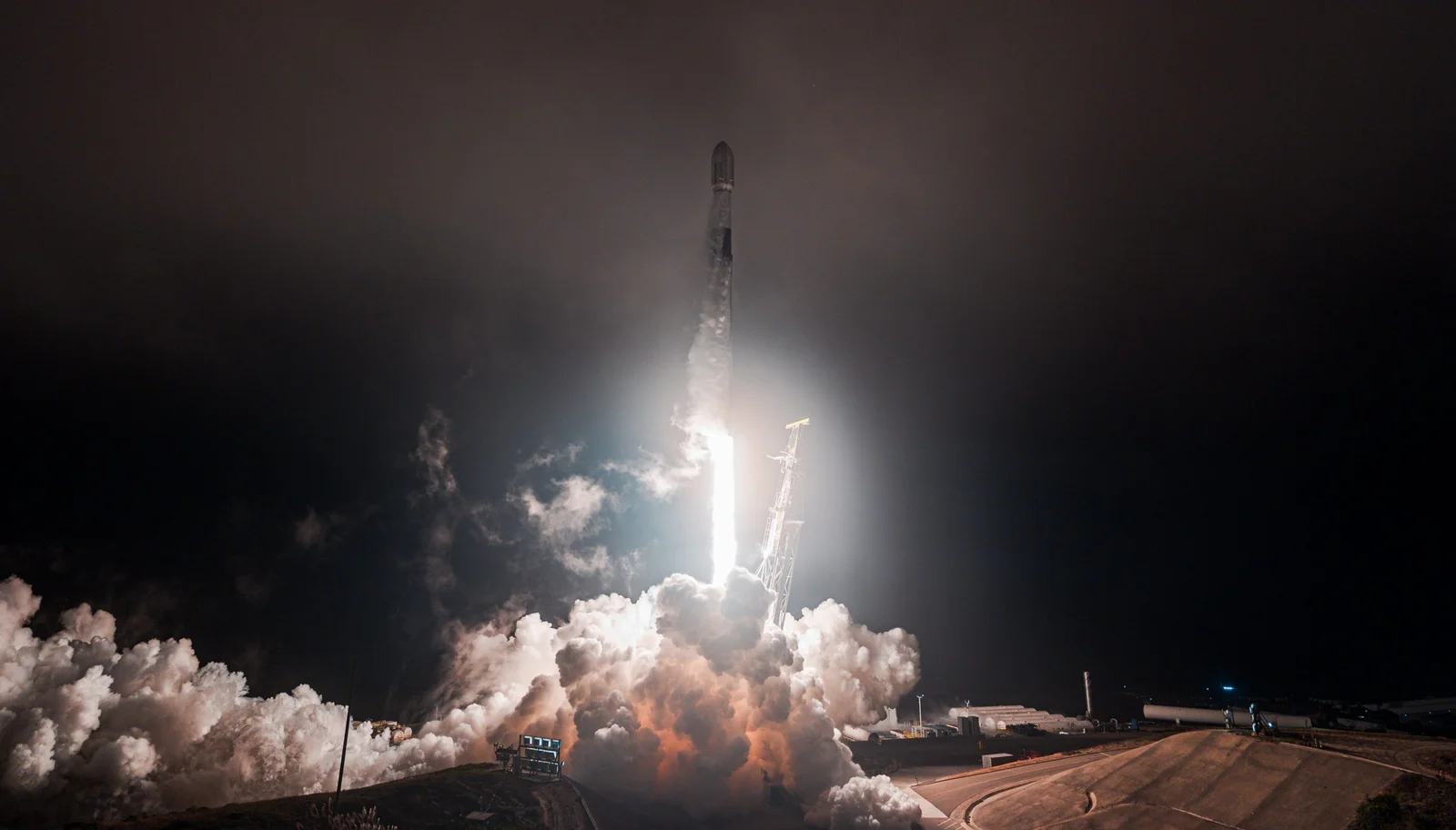
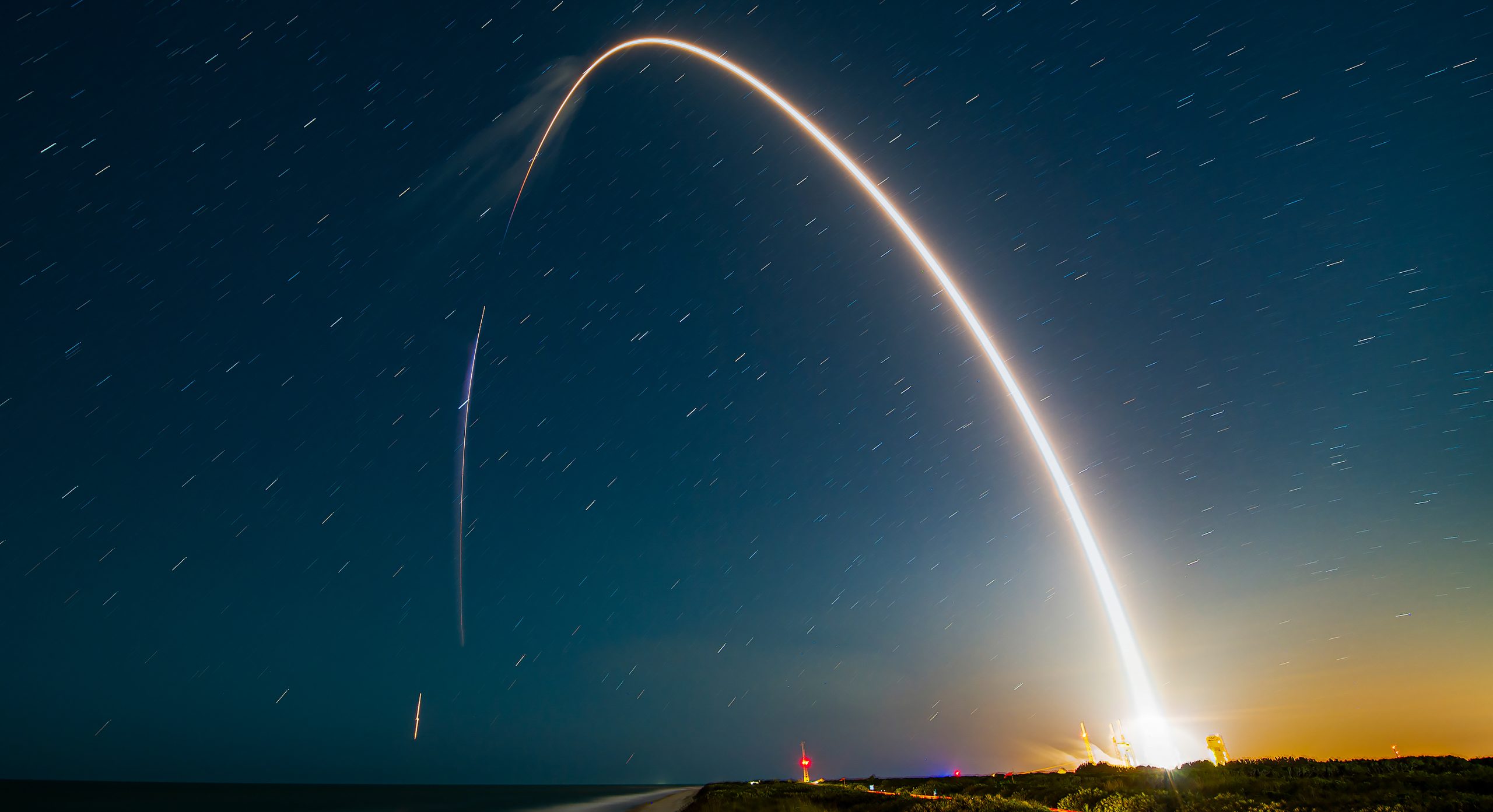
SpaceX has set a new record with its 133rd Falcon 9 launch of 2025, breaking its previous yearly launch record, and continues to push the boundaries of spaceflight with multiple missions including Starlink satellite deployments from California.
SpaceX achieved a record-breaking nine Falcon 9 launches in ten days in August, including a milestone of 30 flights for a single booster, and continued its Starlink and military satellite deployments, while also making progress with the Starship program.
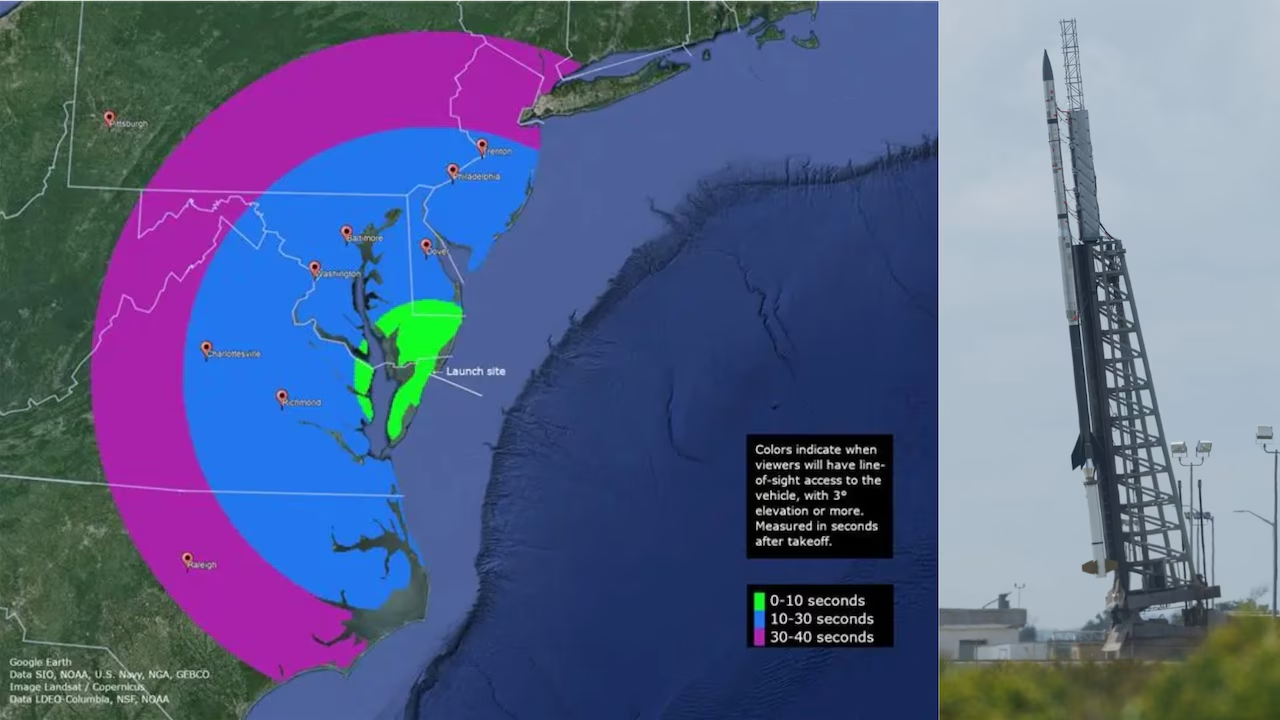
NASA is launching three rockets from Wallops Flight Facility, including two with colorful vapor trails visible from several eastern states, to study upper atmospheric turbulence and the mesopause, with a livestream available for public viewing.
Stargazers along the East Coast observed unusual spiral lights in the night sky, likely caused by the tumbling upper stage of the Ariane 6 rocket during its disposal, coinciding with the Perseid meteor shower and other rocket launches, creating a spectacular and rare visual display.
Netflix has launched NASA+, a new service offering live streams of space-related events such as rocket launches, astronaut spacewalks, and International Space Station coverage, allowing viewers to experience space exploration from home.
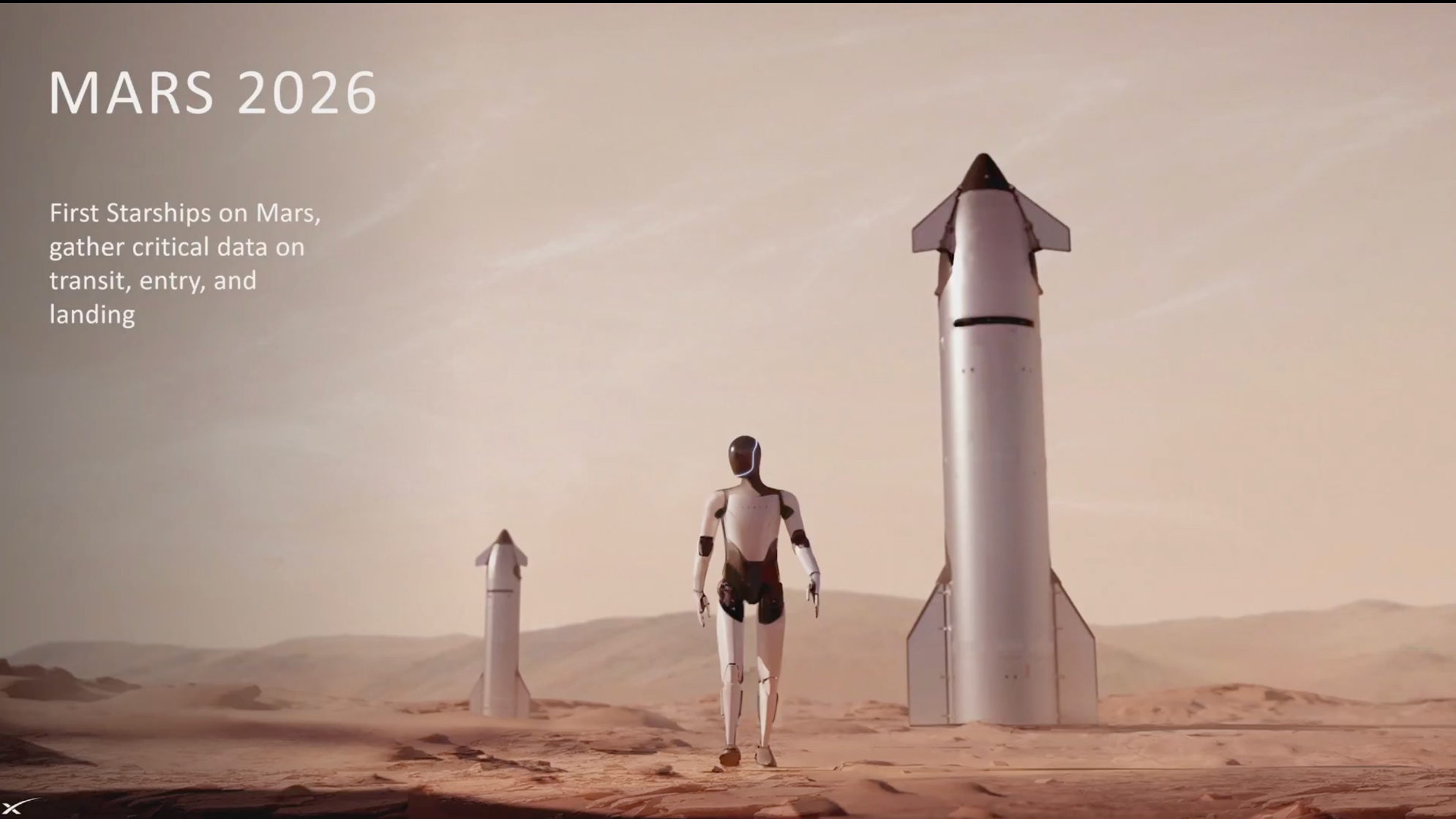
SpaceX aims to launch its largest Starship vehicle in 2023, with plans to send uncrewed missions to Mars in 2026, though the timeline has a 50/50 chance of success due to challenges like off-Earth refueling. The goal is to establish a self-sustaining city on Mars with potential human missions starting around 2028-2029, using increasingly larger and more capable Starship versions.
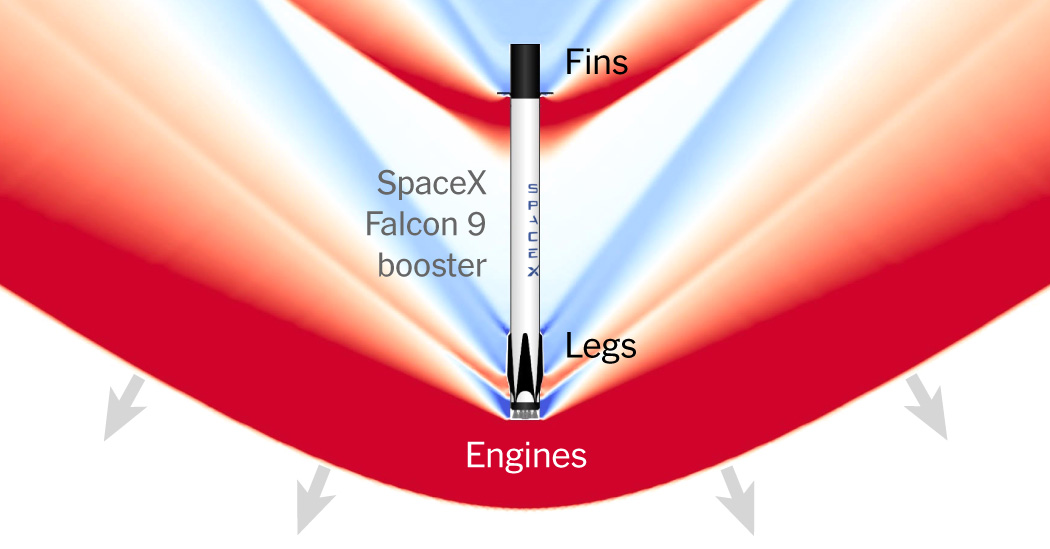
Scientists are studying the acoustics of rocket launches at SpaceX's Starbase to better understand the sounds and sonic booms produced by frequent launches, which are becoming more common with companies like SpaceX and Blue Origin increasing their launch schedules.
Elon Musk's SpaceX has solidified its dominance in the U.S. government launch market, completing 112 launches this year, a 16% increase from 2023. This rapid pace underscores SpaceX's critical role for NASA and the U.S. military, with launches occurring approximately every three days.
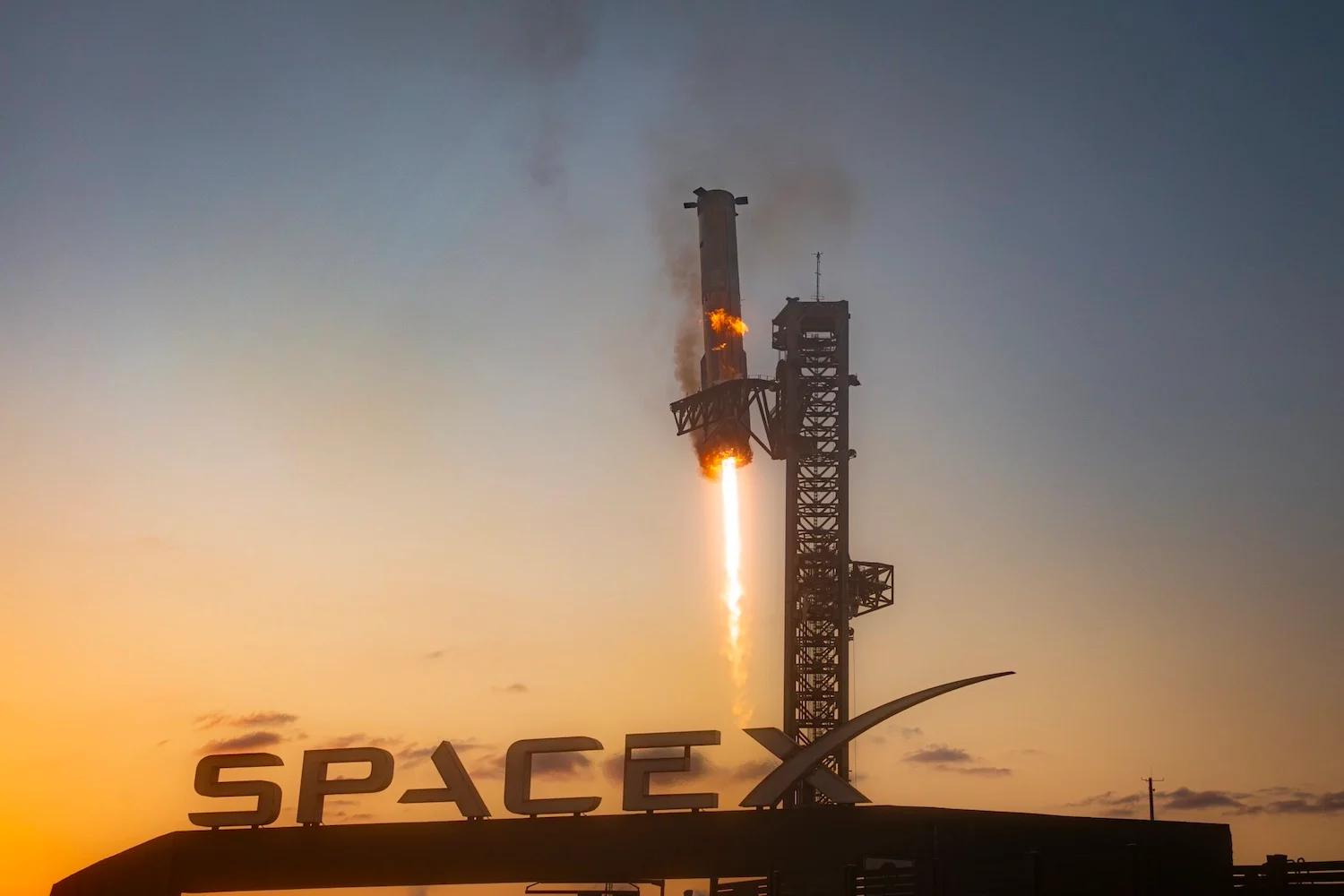
SpaceX aims to significantly increase the launch frequency of its Starship rocket, targeting 25 flights in 2025 and eventually reaching daily launches. This ambitious plan follows a successful test where the rocket's booster was caught by a landing tower. However, SpaceX faces regulatory challenges, as it seeks FAA approval to increase its launch cadence. The company argues that frequent flights are crucial for rapid learning and achieving full rocket reuse. SpaceX's efforts to expedite Starship's development may be influenced by potential changes in U.S. government leadership.
SpaceX achieved a new milestone by successfully launching and landing a Falcon 9 rocket for the 20th time, breaking its own turnaround record with just 2 days, 19 hours, and 42 minutes between launches. The company's ability to rapidly reuse launch pads is crucial in meeting its goal of 144 launches in a year. The Falcon 9 booster that set the record, Booster 1062, has been flying for over 3 years and has completed various missions, including launching satellites and sending humans to orbit. SpaceX is now leading the global launch industry in mission cadence and payload mass sent to orbit, while established companies are lagging behind in implementing similar capabilities.
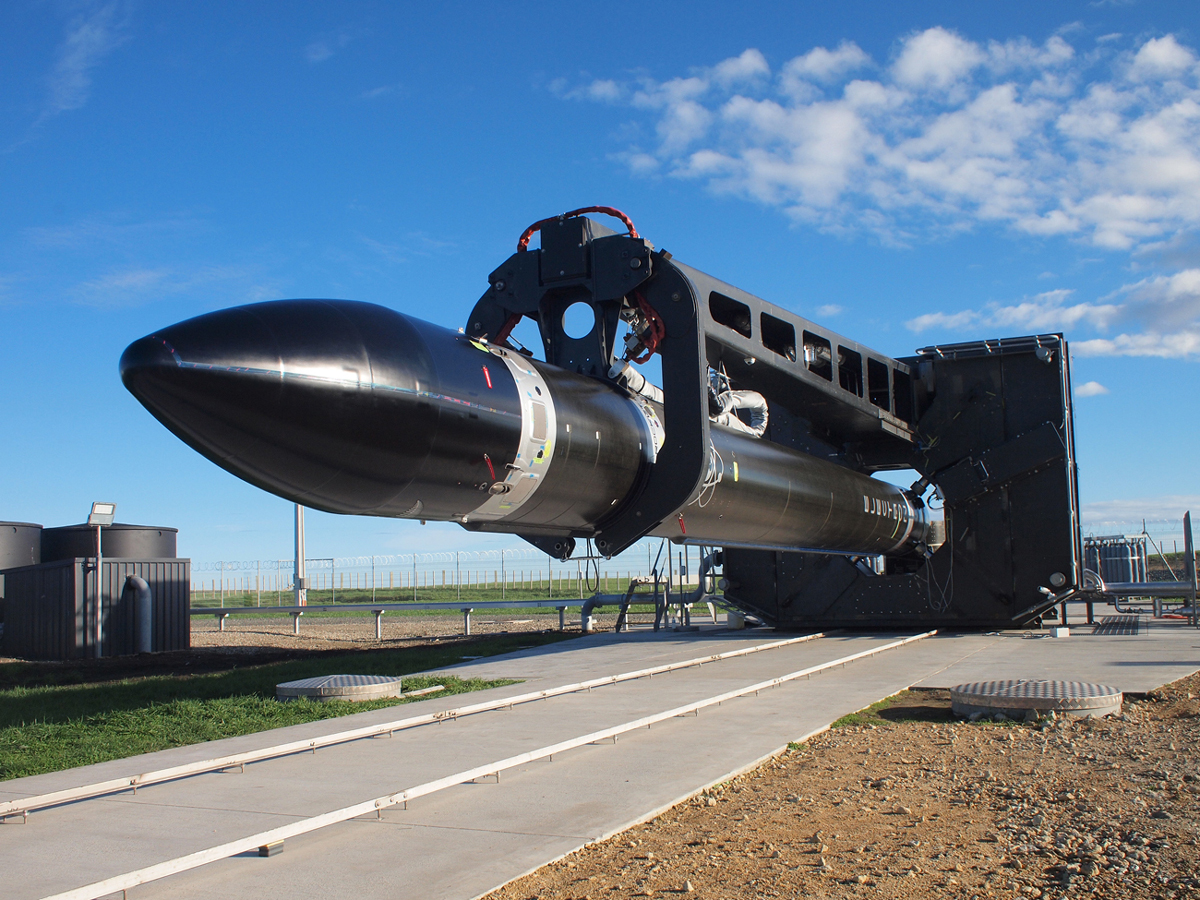
Rocket Lab wins a $515 million contract from the U.S. Space Force to build satellites for a missile defense system and secures a $14.5 million contract to launch an experimental satellite. The company's move to develop a launch complex in the U.S. near a NASA facility has paid off, allowing it to compete for lucrative government contracts. Rocket Lab aims to increase profitability by charging higher prices for its launches, reusing rockets, and winning more government contracts.
SpaceX's Elon Musk announced plans for the Starship rocket to reach a height of 500 feet, with each launch estimated to cost $3 million, as the company aims for Mars missions. The rocket's reusability and cost reduction are key focuses, with Musk emphasizing the potential for thousands of launches to support eventual settlement on Mars. Despite delays impacting NASA's Artemis program, Musk remains optimistic about Starship's capabilities and envisions a future with regular launches and a "Moon Base Alpha." The next Starship flight is expected in May, with ambitions for multiple launches this year and the construction of additional spacecraft by 2024.
SpaceX successfully launched the EUTELSAT 36D satellite from Kennedy Space Center, providing TV channels and connectivity services to Africa and Eurasia, and is set to launch a second Falcon 9 rocket carrying Starlink satellites from Cape Canaveral Space Force Station. Additionally, a third Falcon 9 rocket is scheduled to launch from Vandenberg Space Force Base in California, marking a double-header of rocket launches from Florida's Space Coast and the West Coast.