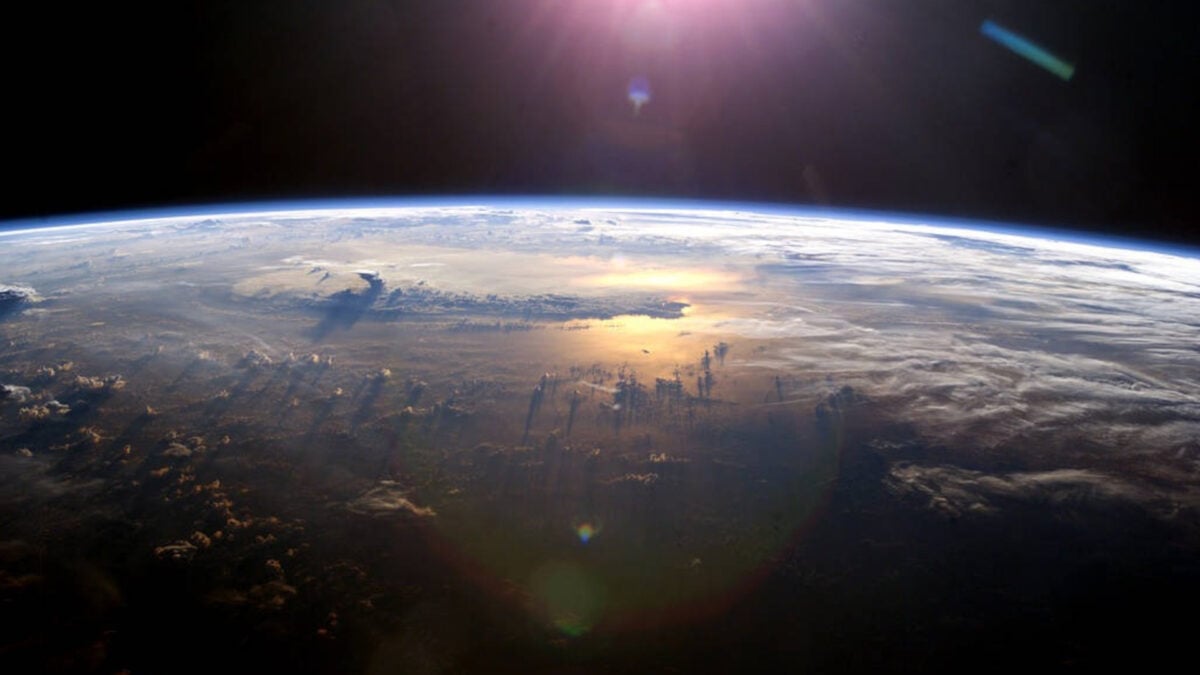
Elon Musk has proposed using satellite-based solar radiation management to combat climate change, a highly controversial and currently impractical geoengineering approach that involves deploying large satellite constellations to control sunlight reaching Earth. Experts warn of the enormous costs, technical challenges, and potential unintended consequences of such a plan, and Musk has not indicated any concrete plans for SpaceX to pursue this technology. Nonetheless, his interest may stimulate further debate and innovation in the field of climate geoengineering.
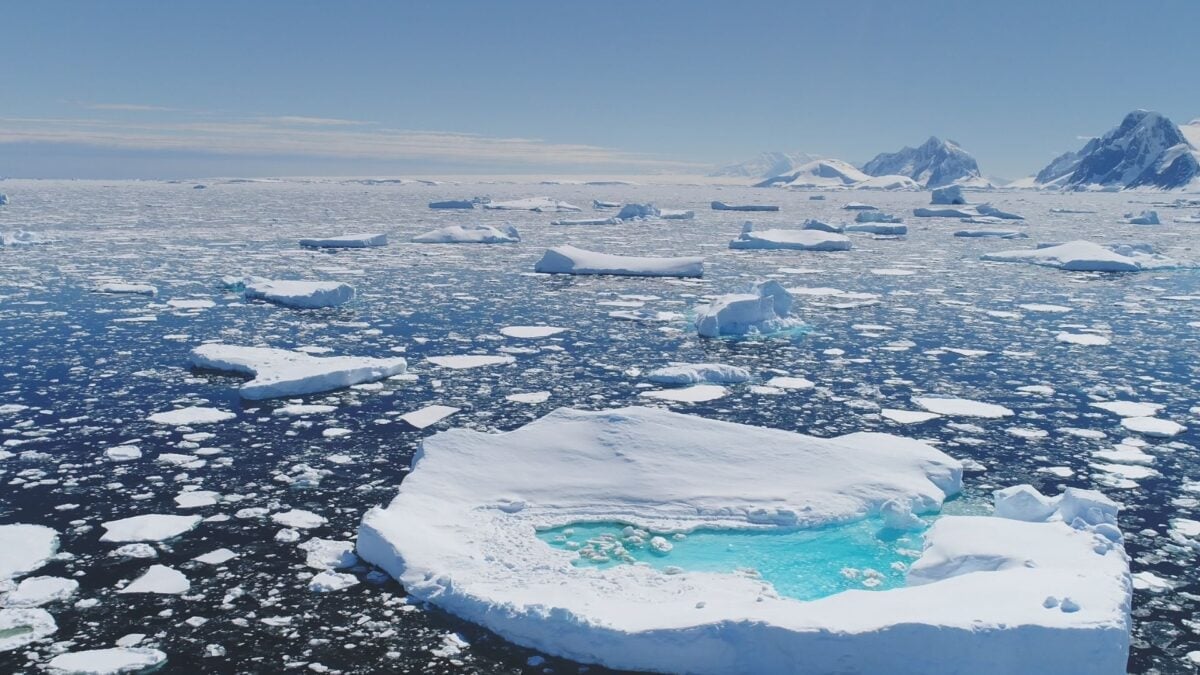
A review published in Frontiers in Science warns that proposed geoengineering solutions to slow polar ice melt, such as spraying reflective particles or creating underwater barriers, are likely to cause more environmental harm than good, are costly, and lack sufficient governance, emphasizing the need to focus on reducing greenhouse gas emissions instead.
The EPA has launched new online resources to provide transparency and educate the public about geoengineering and contrails, addressing myths, scientific facts, potential environmental impacts, and government actions.
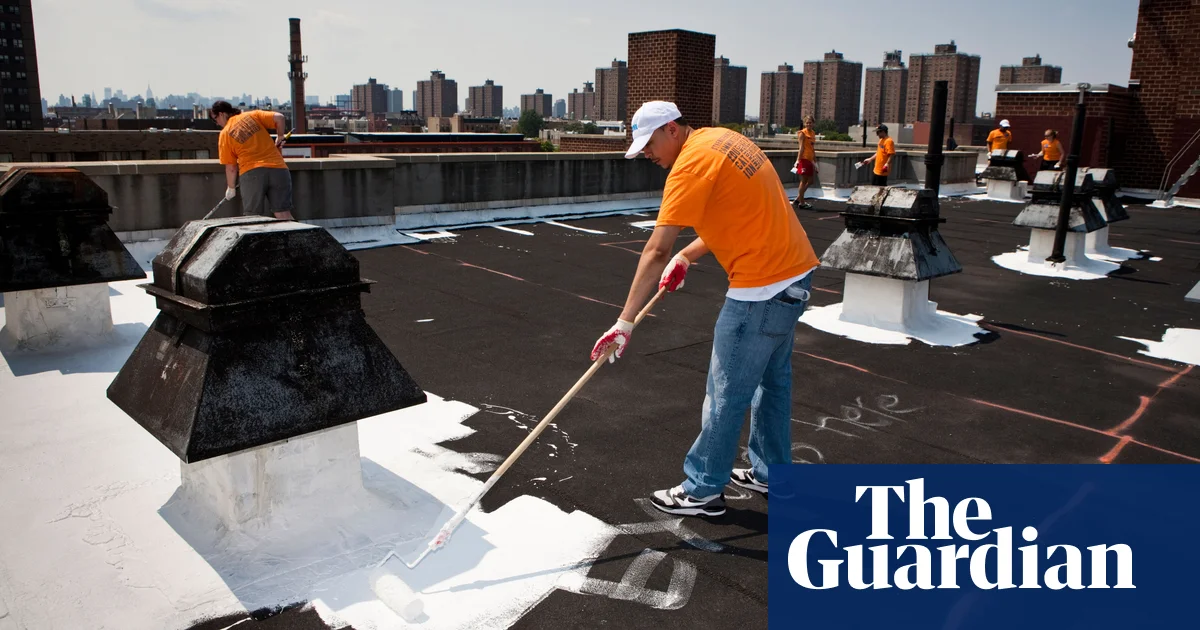
A study by Harvard researchers reveals that painting roofs white to reflect heat can inadvertently increase temperatures in surrounding areas due to changes in local atmospheric circulation. This geoengineering technique, intended to combat urban heat, can lead to increased convection and reduced rainfall, potentially exacerbating climate inequity by causing additional warming in neighboring regions. The findings highlight the complexity of implementing such solutions and their unintended consequences on local climates.
Covering the Sahara Desert with solar panels could have severe environmental impacts, including increased local and global temperatures, altered rainfall patterns, and disruptions to ecosystems like the Amazon rainforest. The project also faces economic and technological challenges, such as efficiency loss and high maintenance costs. Instead, experts recommend diverse, localized renewable energy solutions to avoid the potential catastrophic effects of large-scale geoengineering projects.
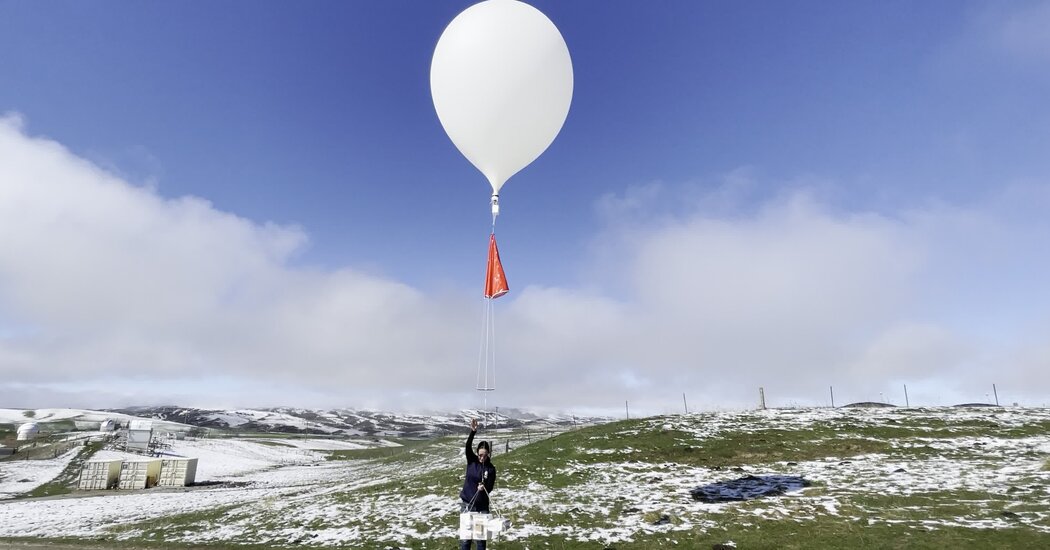
The United States is developing an early warning system to detect geoengineering activities, which involve deliberate interventions in the Earth's climate system to counteract climate change. This initiative aims to monitor and assess the potential impacts of such activities on the environment and global climate, ensuring that any geoengineering efforts are transparent and do not pose unforeseen risks.
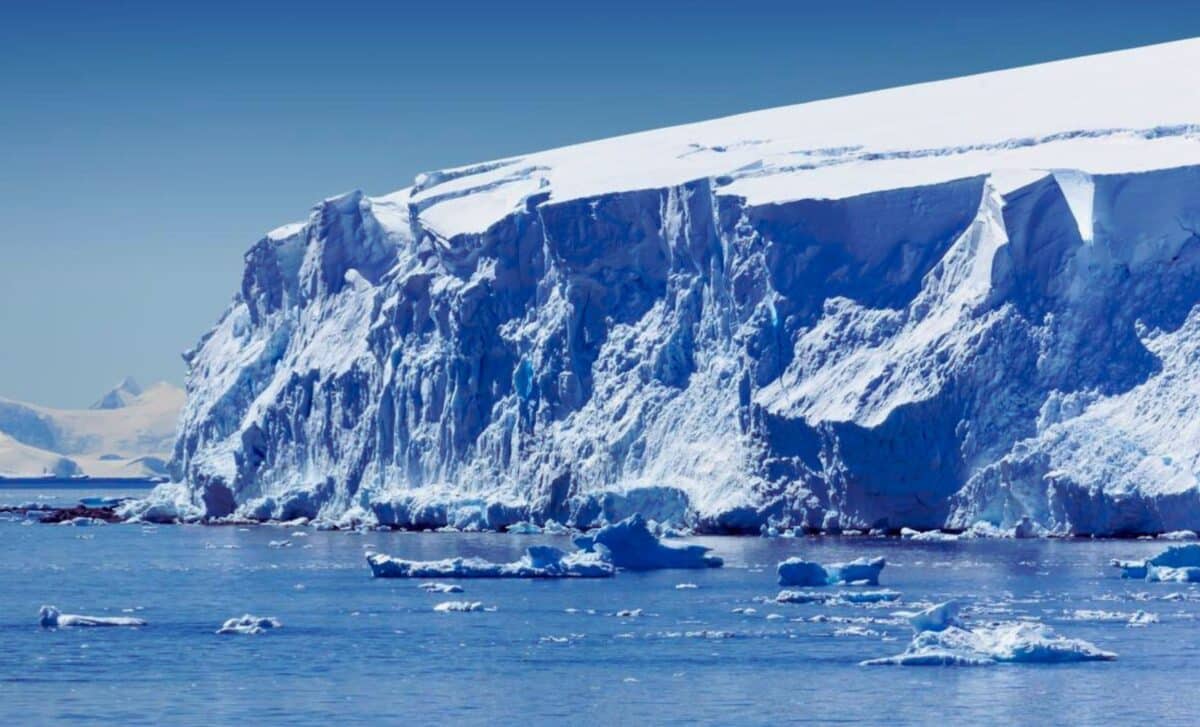
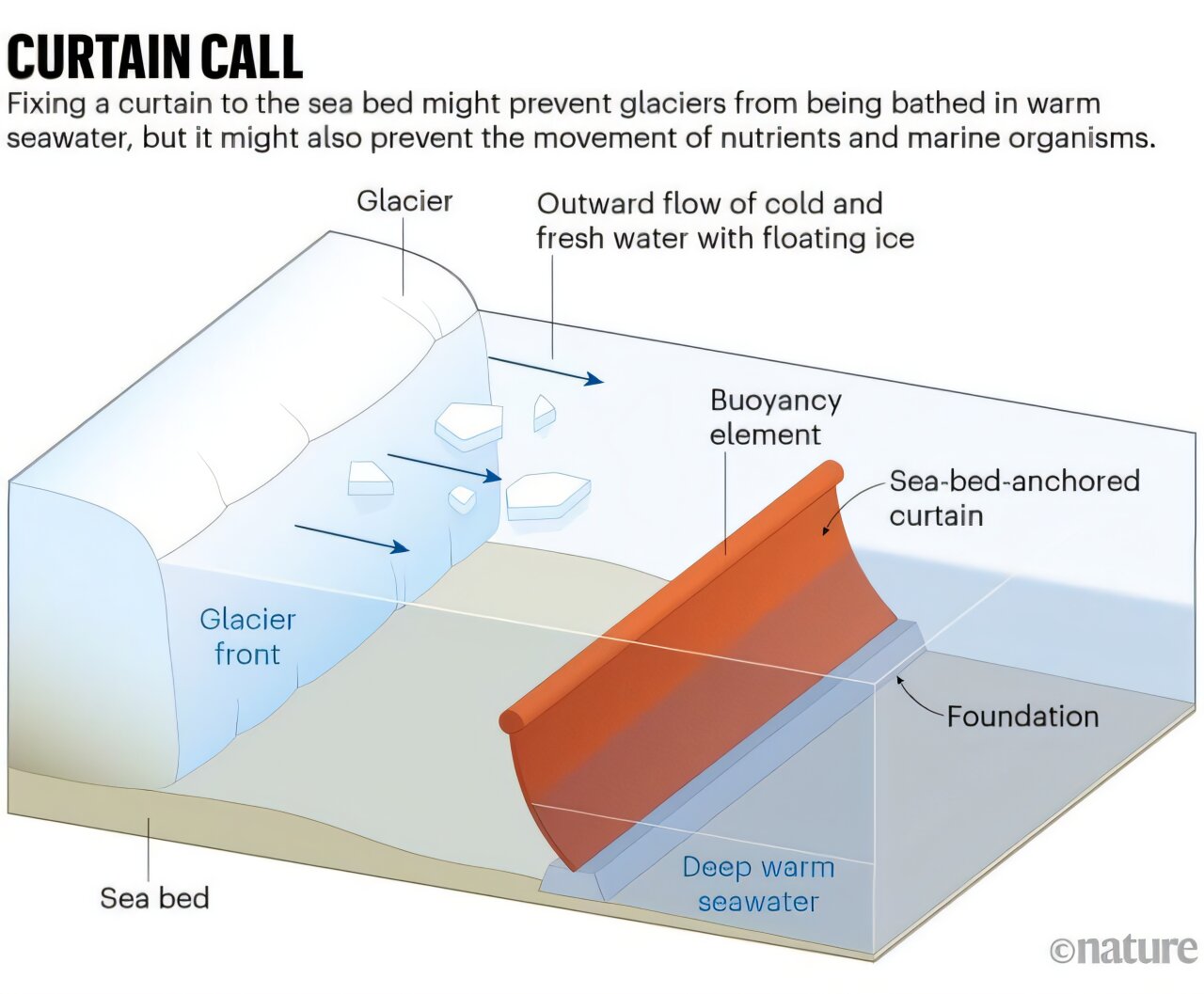
Scientists are considering a geoengineering project to prevent the collapse of Antarctica's Thwaites Glacier, known as the "Doomsday Glacier," by installing a massive underwater curtain to block warm ocean currents. This initiative aims to mitigate potential catastrophic sea level rise, particularly threatening coastal cities like New York and Miami. While the plan could cost around $6 billion annually and faces technical challenges, experts emphasize the importance of reducing carbon emissions to address the root causes of climate change.
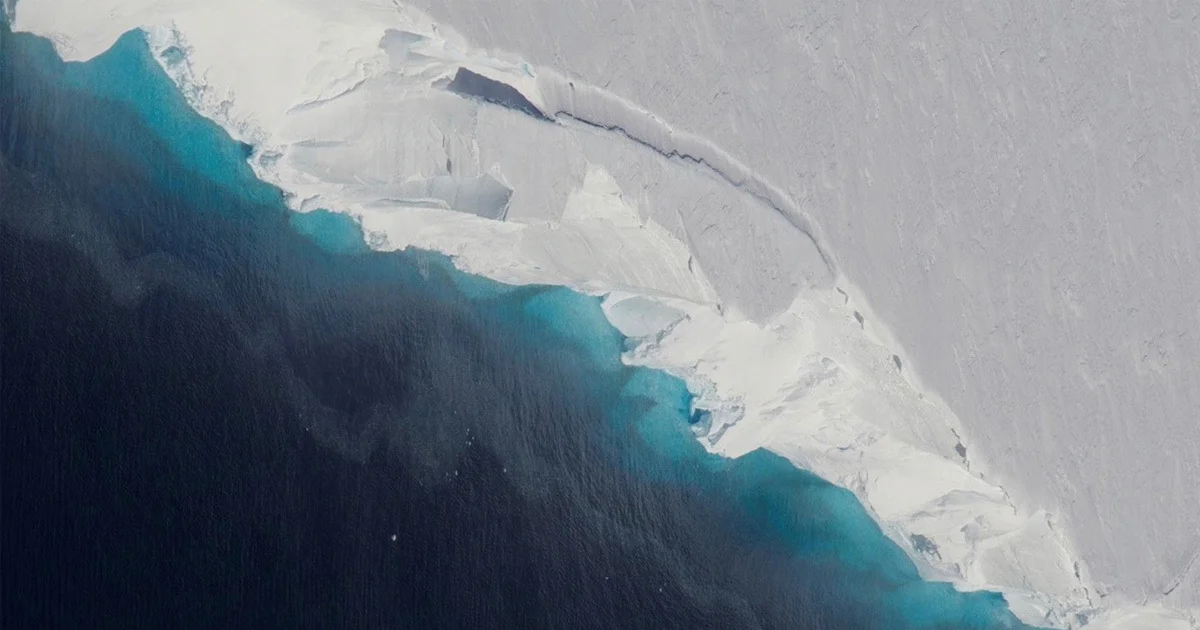
The Thwaites Glacier, known as the "Doomsday Glacier," poses a significant threat to global sea levels, potentially raising them by over ten feet if it collapses. Scientists are considering geoengineering solutions, such as barriers to block warm water, to slow its melting. However, these measures are seen as temporary fixes rather than solutions to climate change, emphasizing the need for reducing carbon emissions. Studies predict the glacier's complete collapse could occur by 2100 or in the following centuries, with its rapid retreat continuing to accelerate.
Scientists are proposing geoengineering solutions to slow the melting of the Thwaites Glacier, also known as the 'Doomsday Glacier,' which could raise global sea levels by 10 feet and flood major coastal cities. Ideas include installing an underwater curtain to block warm currents, thickening the glacier with seawater, and cooling the bedrock. These interventions are costly and risky, and experts emphasize the need for research to avoid hasty decisions in the future. The glacier's rapid melting is a potential tipping point in climate change, threatening the West Antarctic Ice Sheet and global sea levels.
The Thwaites Glacier, known as the "Doomsday Glacier," is melting faster than expected due to warming tidal currents, raising concerns about potential catastrophic sea level rise. While some studies suggest the glacier may be less vulnerable to collapse than previously thought, the uncertainty has fueled discussions on geoengineering as a possible solution. Proposals include using technology to slow glacier retreat, such as installing submarine curtains to block warm water. However, these ideas face criticism for potentially diverting attention from reducing carbon emissions, emphasizing the need for a balanced approach.
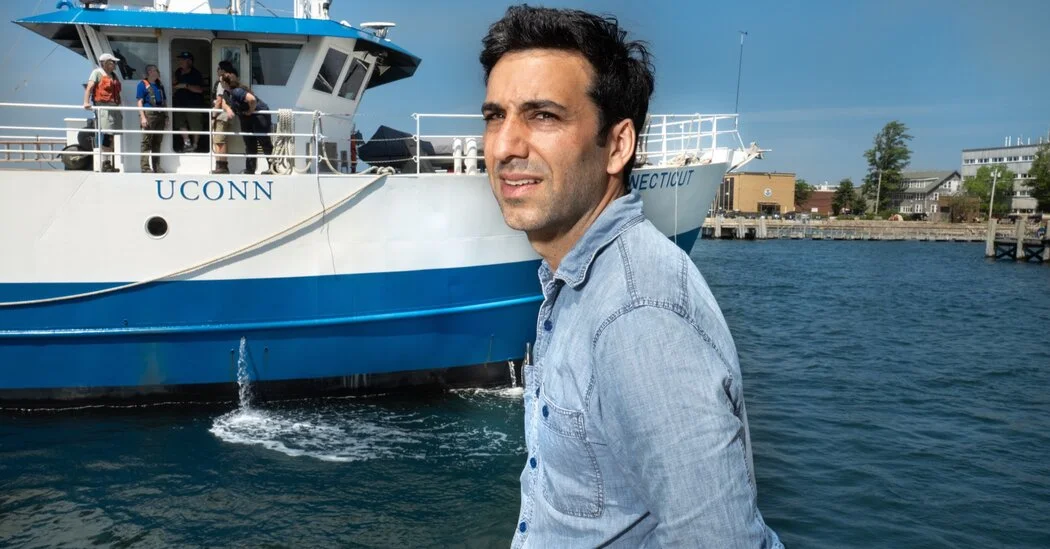
Researchers at the Woods Hole Oceanographic Institution are seeking a permit to dump 6,600 gallons of sodium hydroxide into the ocean off Cape Cod to enhance the ocean's ability to absorb CO2 and combat climate change. The plan faces opposition from regulators, fishermen, and environmentalists concerned about potential risks to marine life. The team argues that such geoengineering efforts are necessary given the slow transition away from fossil fuels.
A study reveals that geoengineering techniques aimed at reducing temperatures in California could unintentionally intensify heatwaves in Europe. The research highlights the potential global side-effects of regional climate interventions, such as marine cloud brightening, and underscores the need for international regulations and governance to manage these technologies.
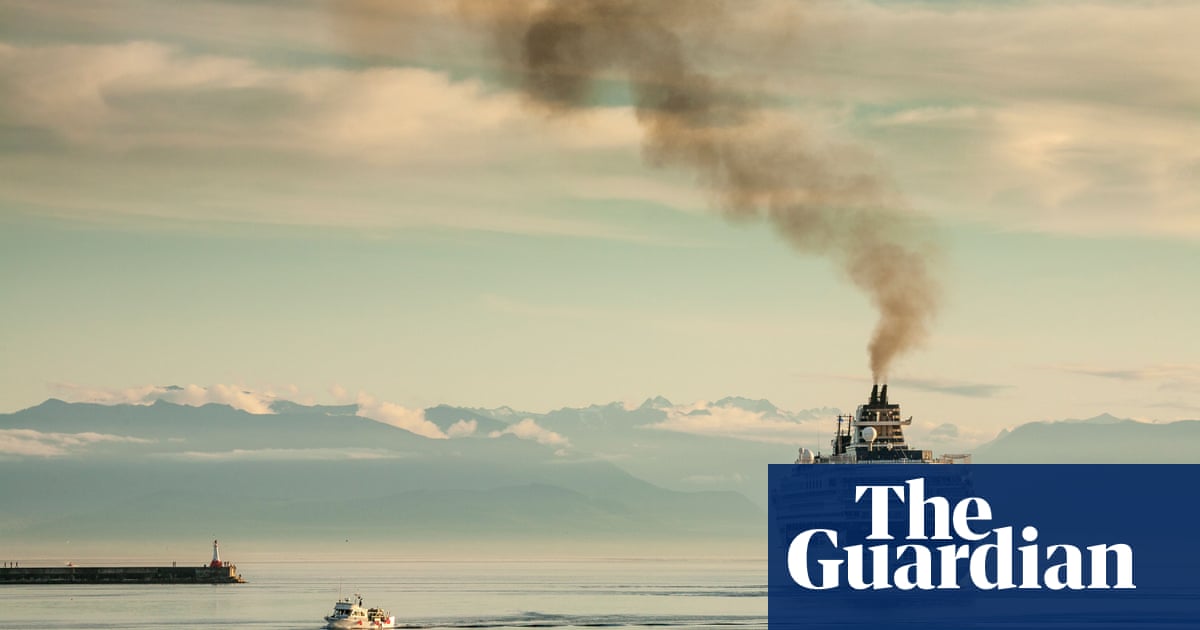
A significant reduction in sulphur emissions from global shipping in 2020 has inadvertently accelerated global warming by doubling the rate of heating, according to new research. The cut in pollution, which previously helped block sunlight and form clouds, has led to an estimated 0.16°C rise in global temperatures over seven years. This "termination shock" reveals both the potential and risks of geoengineering as a temporary measure to cool the Earth, highlighting the need for further research and the importance of addressing the root cause of global warming: fossil fuel emissions.
The reduction of sulphur pollution from global shipping in 2020 has led to a significant increase in global heating, doubling the long-term average rate, according to new research. The cut in pollution, which previously helped block sunlight and form clouds, has inadvertently revealed the impact of geoengineering. While some scientists believe this pollution cut is a major factor in recent temperature spikes, others argue its effect is smaller. The study highlights the complexities and risks of geoengineering as a temporary solution to global warming.
Scientists have stated that the recent floods in Dubai were not caused by cloud seeding, despite speculation. The downpour was attributed to weather patterns predicted by meteorological models, with climate change likely contributing to more frequent and extreme precipitation in the region. The UAE National Center of Meteorology denied conducting cloud-seeding operations during the storm, and experts emphasized that the scale of rainfall exceeded what cloud seeding could produce. Climate scientists highlighted the role of warming global temperatures in producing heavier rainfall, indicating that any focus on cloud seeding in the floods is misleading.