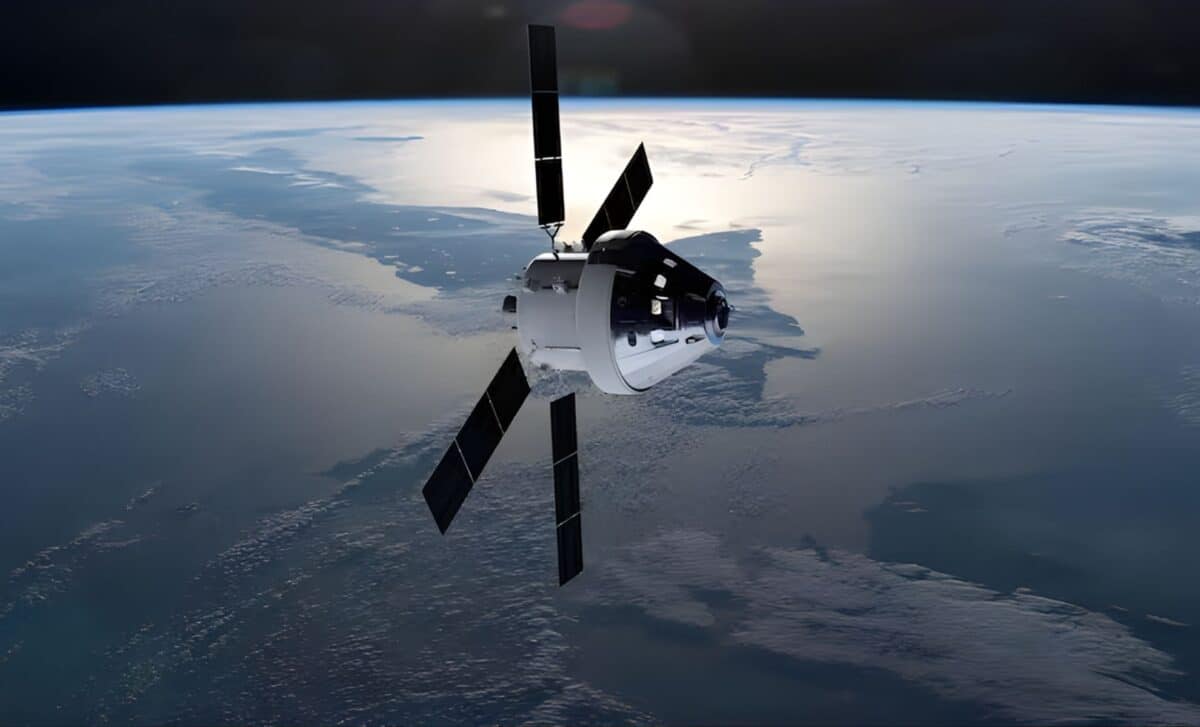
NASA's Artemis 2 mission, set for launch in 2026, will send four astronauts on a 10-day lunar flyby to test systems for future lunar landings, marking a significant step toward establishing a sustained human presence on the Moon, with European contributions playing a key role.
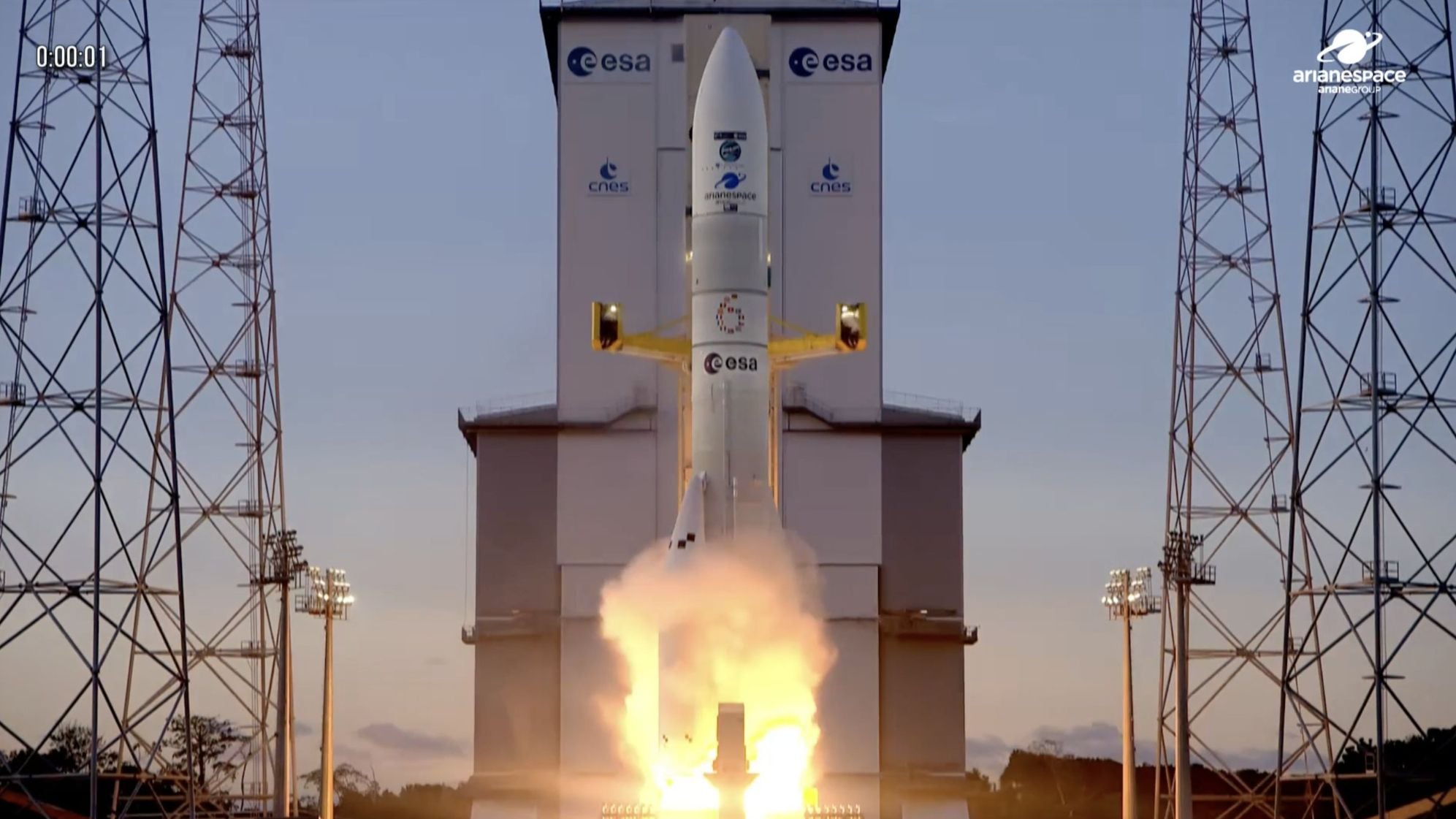
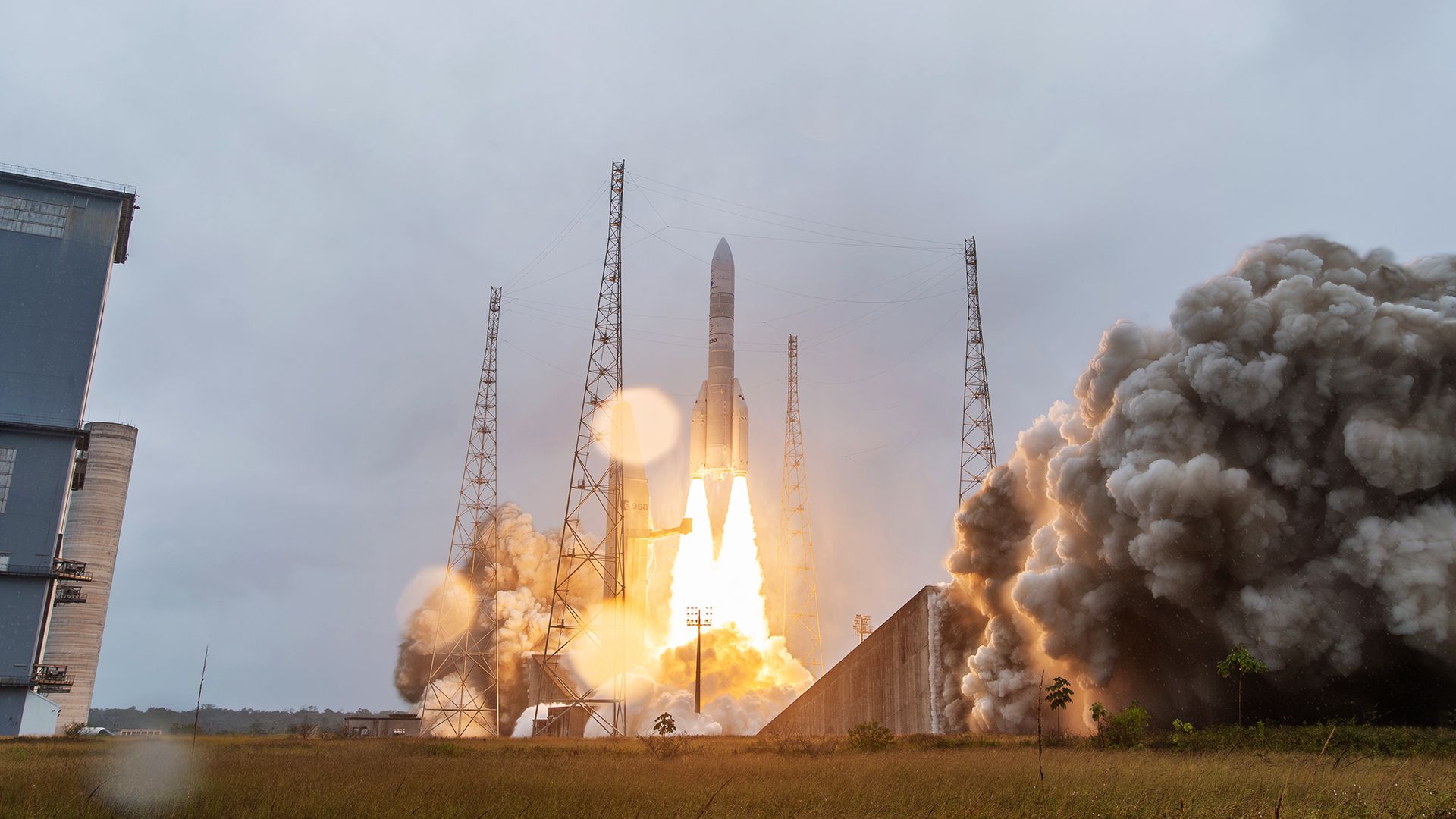
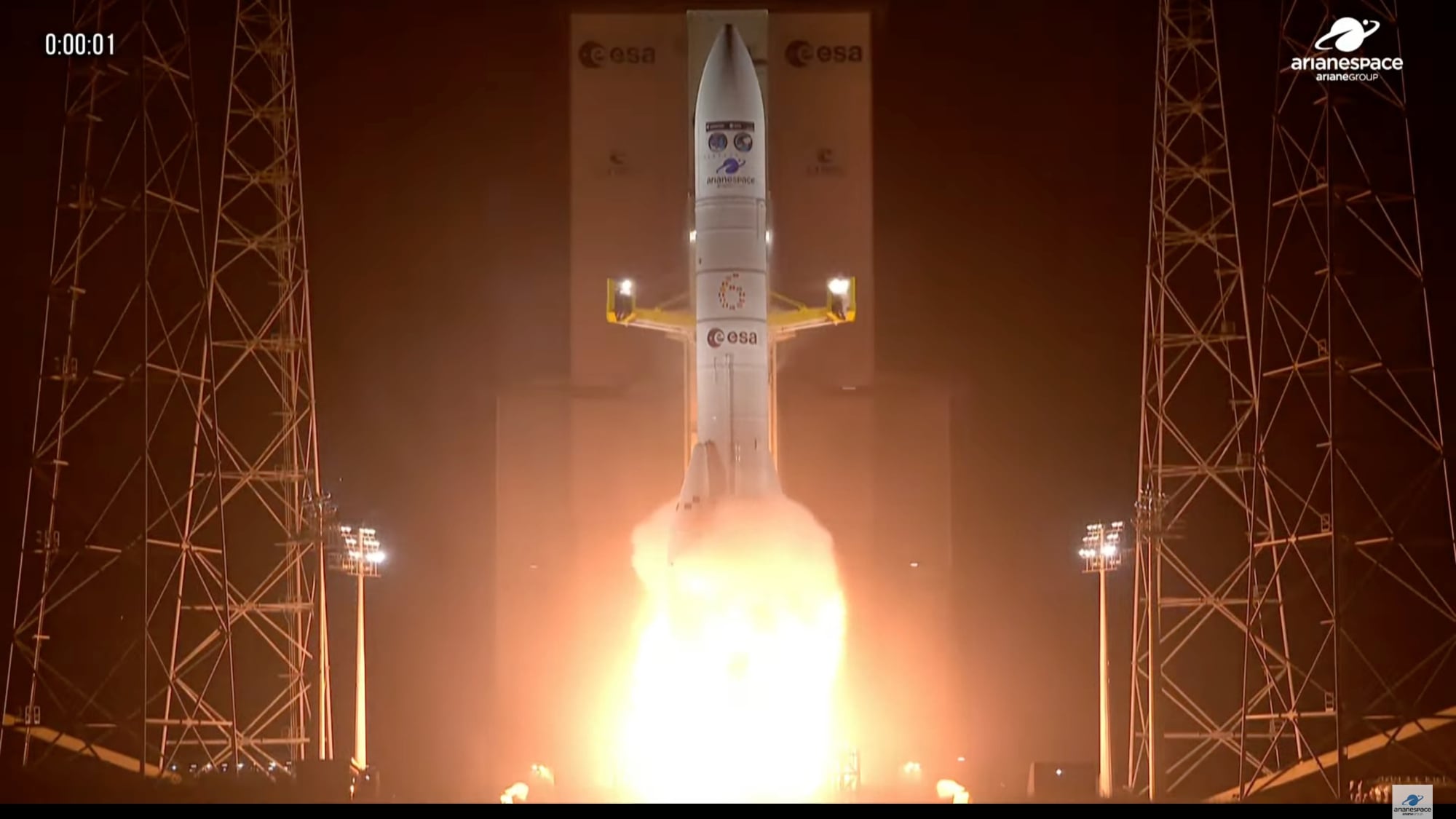
Europe's Ariane 6 rocket is set to launch its first pair of Galileo navigation satellites, marking a significant milestone for the vehicle's role in Europe's space capabilities, reducing reliance on external launch providers like SpaceX and Russia.
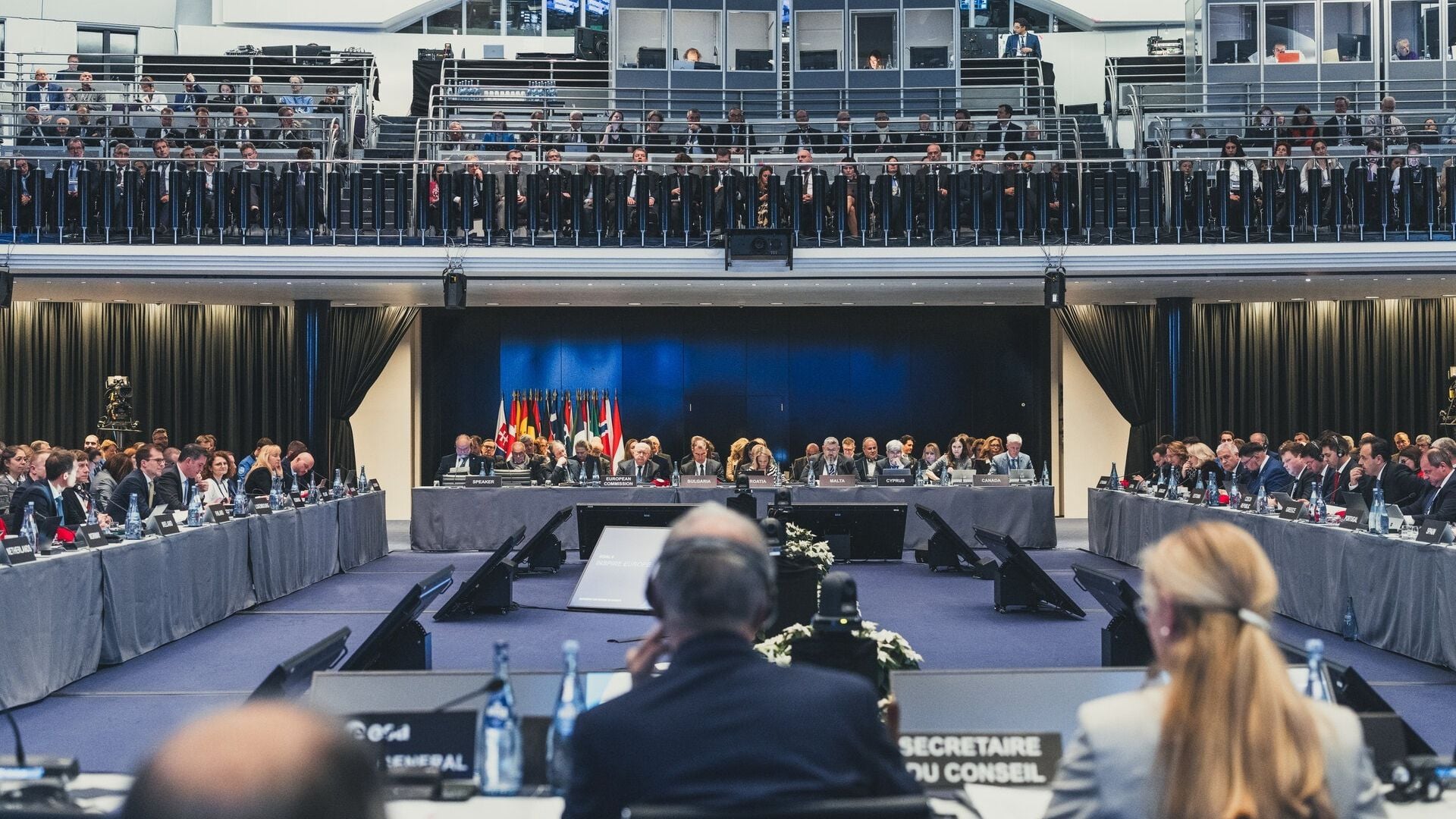
Europe's ESA approved a record 22.1 billion Euro budget for 2026-2028, focusing on space exploration, science, and self-reliance, despite NASA's budget cuts impacting international collaborations and projects like ExoMars and Mars Sample Return.
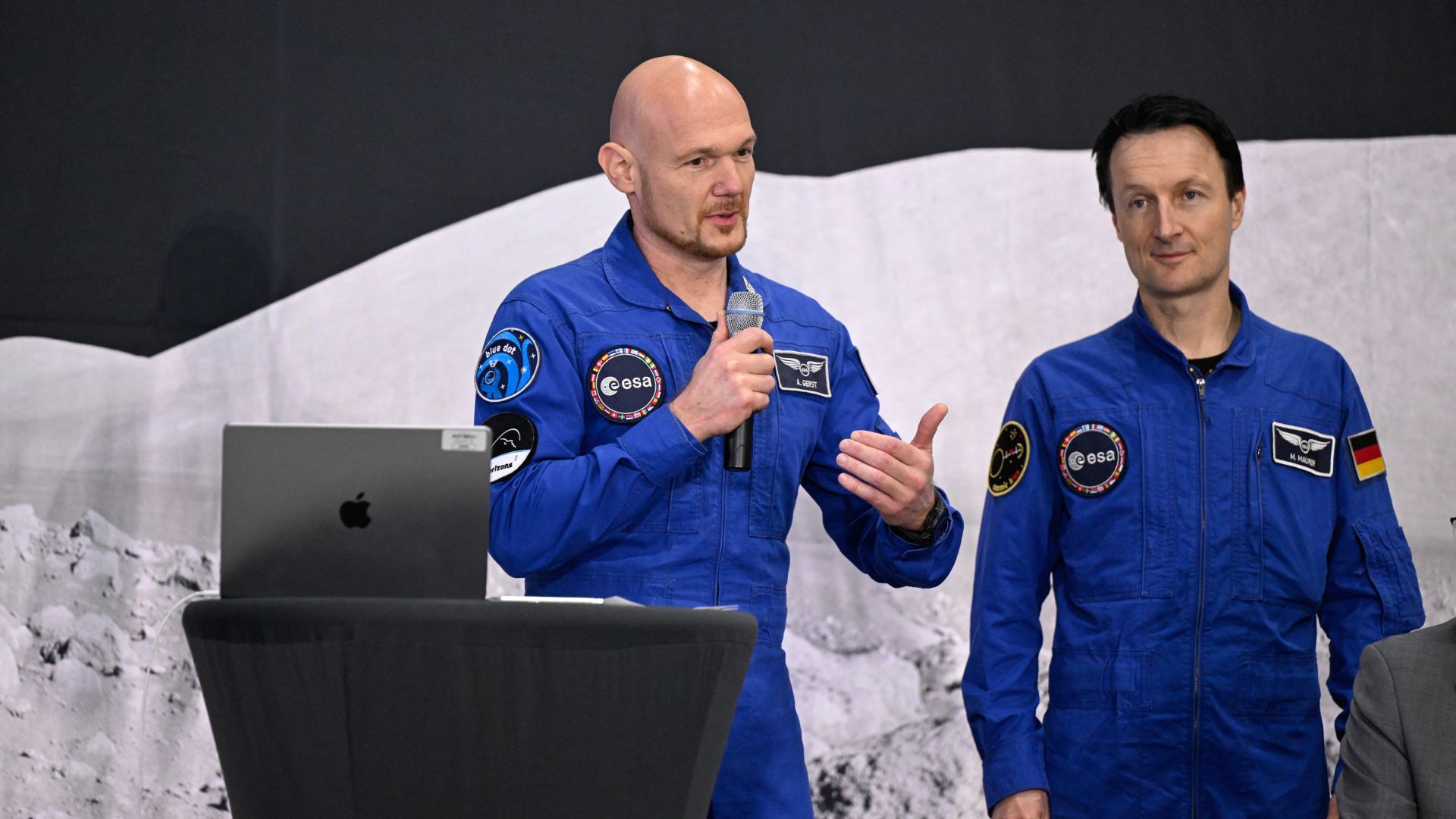
A German astronaut, likely Matthias Maurer or Alexander Gerst, will be the first European to fly to the moon on a NASA-led Artemis mission, marking a historic milestone for Europe in space exploration.
Europe's Ariane 6 rocket is launching its fourth mission, carrying the Sentinel-1D satellite for the EU's Copernicus program, which provides critical radar imagery for various applications, marking its third successful launch after debuting in July 2024.
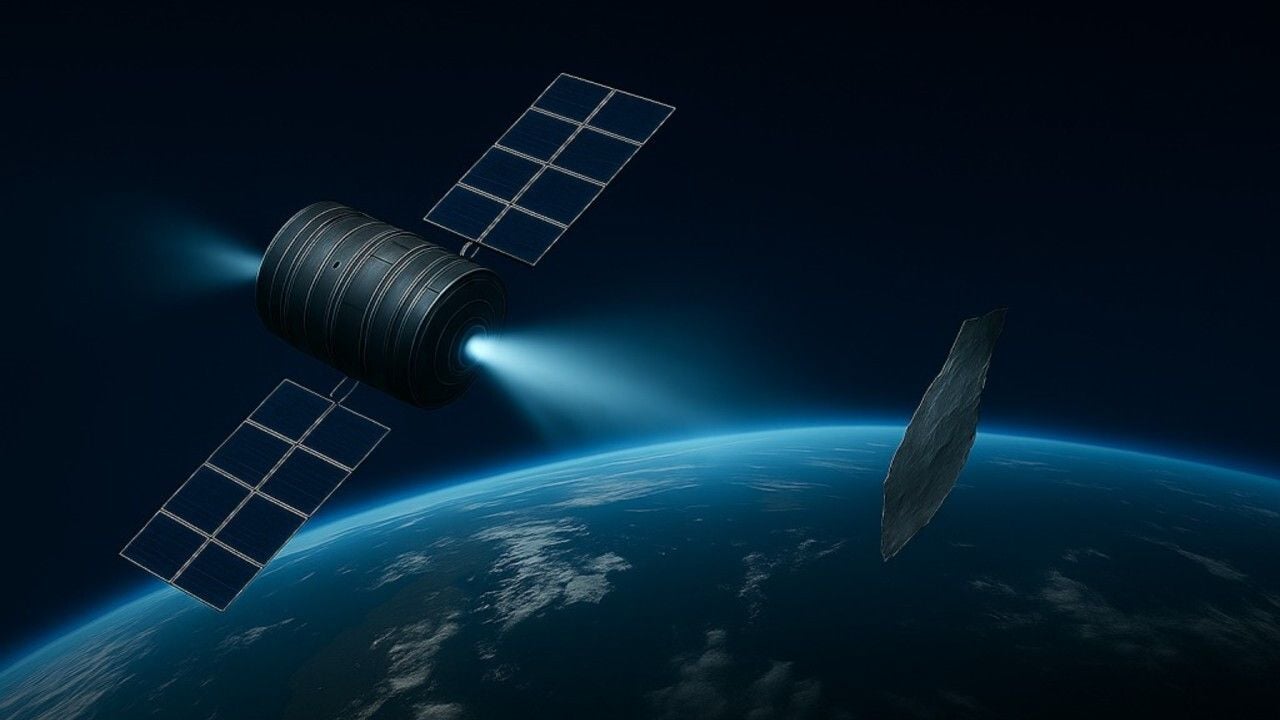
The ALBATOR project is developing a non-contact method using ion beams to move space debris out of the way of satellites and the International Space Station, aiming to improve space safety and sustainability, with a planned demonstration in the coming years.
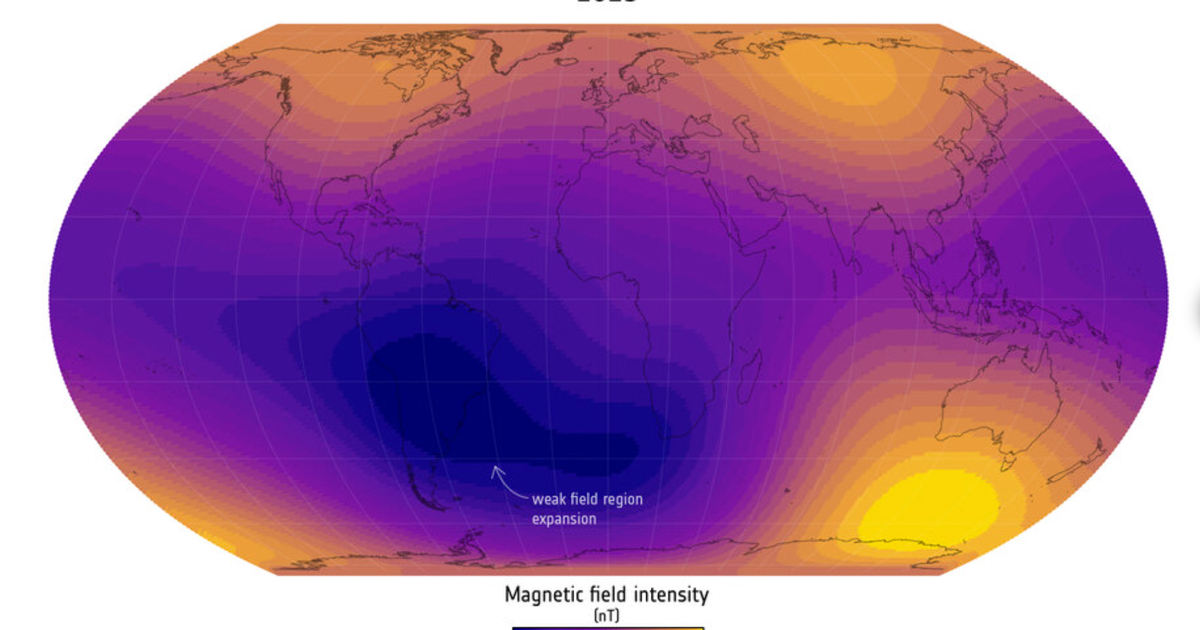
Satellite data over 11 years reveal that the South Atlantic Anomaly, a weak spot in Earth's magnetic field, is expanding and weakening more rapidly since 2020, with regional variations indicating complex changes in Earth's magnetic dynamics, which could impact satellite operations and Earth's protection from cosmic radiation.
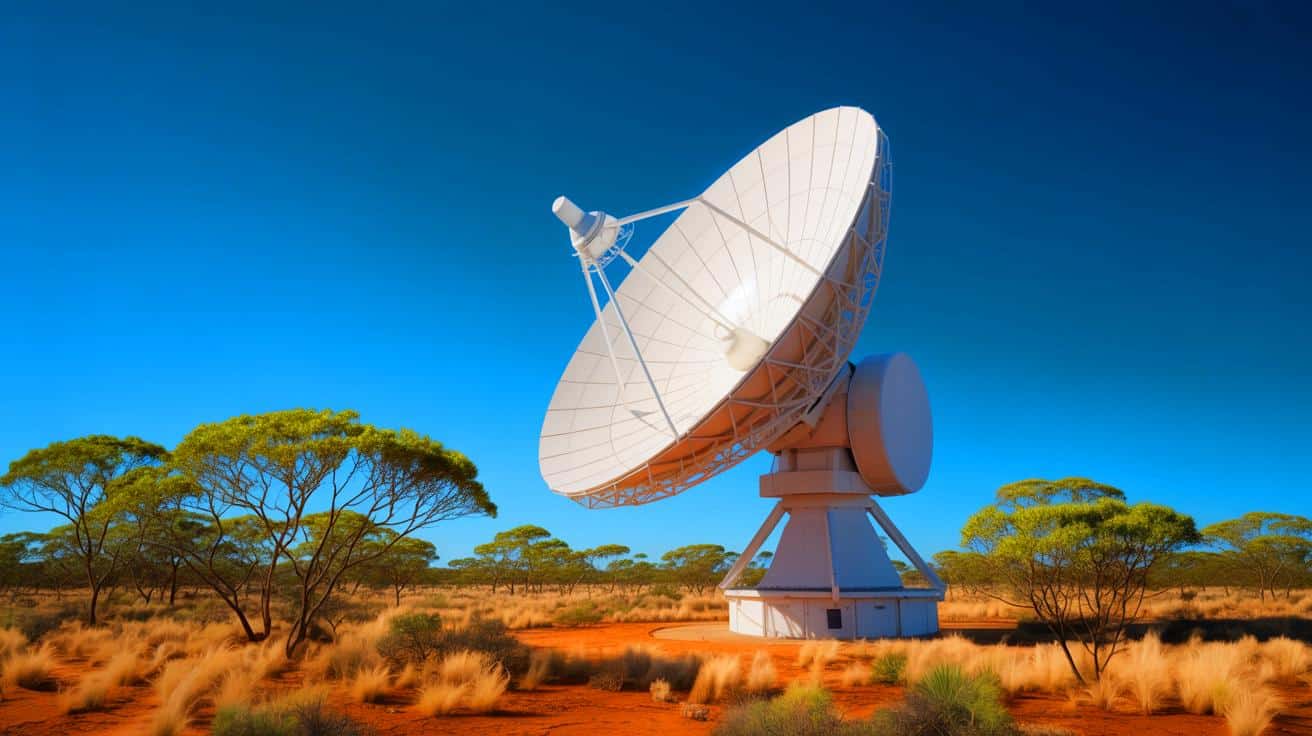
The European Space Agency has unveiled a new 115-foot deep space antenna in New Norcia, Australia, to enhance global space communication, support missions like Juice and Mars Express, and foster international cooperation, with significant scientific and economic benefits expected over its 50-year lifespan.
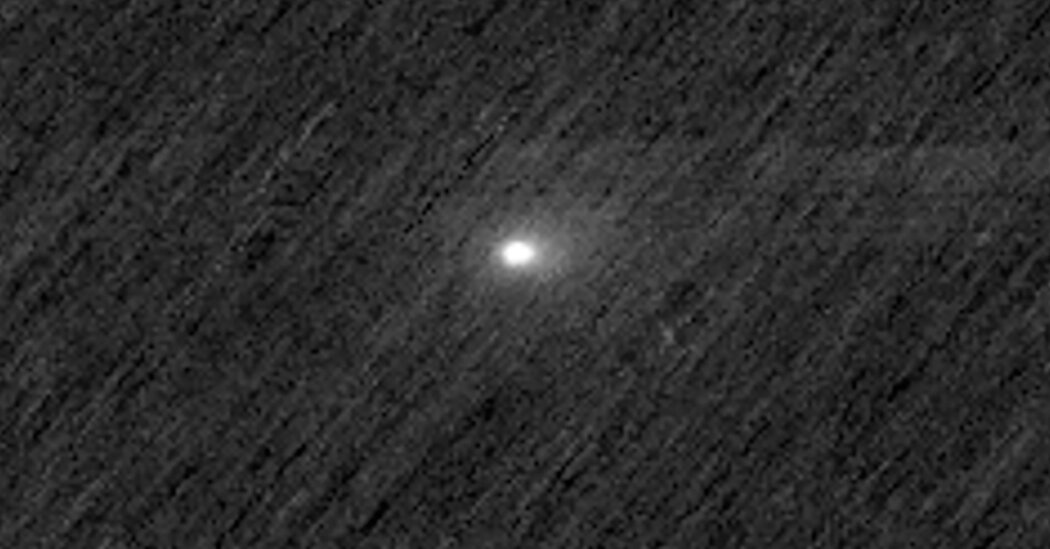
The European Space Agency's ExoMars Trace Gas Orbiter captured rare images of the interstellar comet 3I/ATLAS as it passed near Mars, marking only the third interstellar object observed from within our solar system, providing valuable insights into objects originating beyond our galaxy.
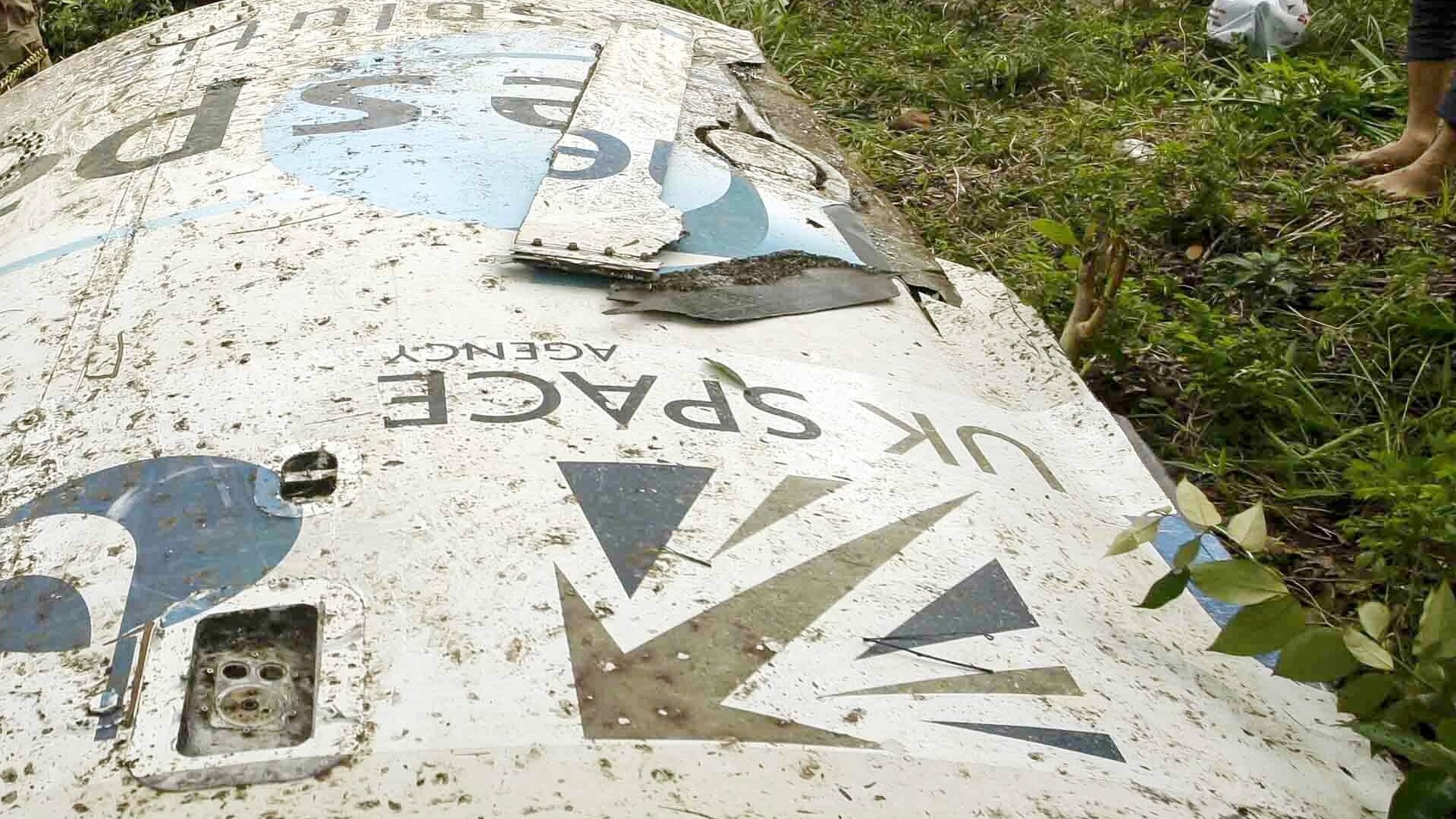
The UK government is dissolving the UK Space Agency after 15 years and integrating it into the Department for Science, Innovation and Technology, a move driven by cost-cutting and strategic realignment concerns, which raises questions about the UK's future role and influence within the European Space Agency and its domestic space ambitions.
Europe's Ariane 6 rocket successfully launched for the third time, deploying the Metop-SGA1 weather satellite into polar orbit to enhance global weather and climate observation capabilities, marking a significant milestone in European space efforts.
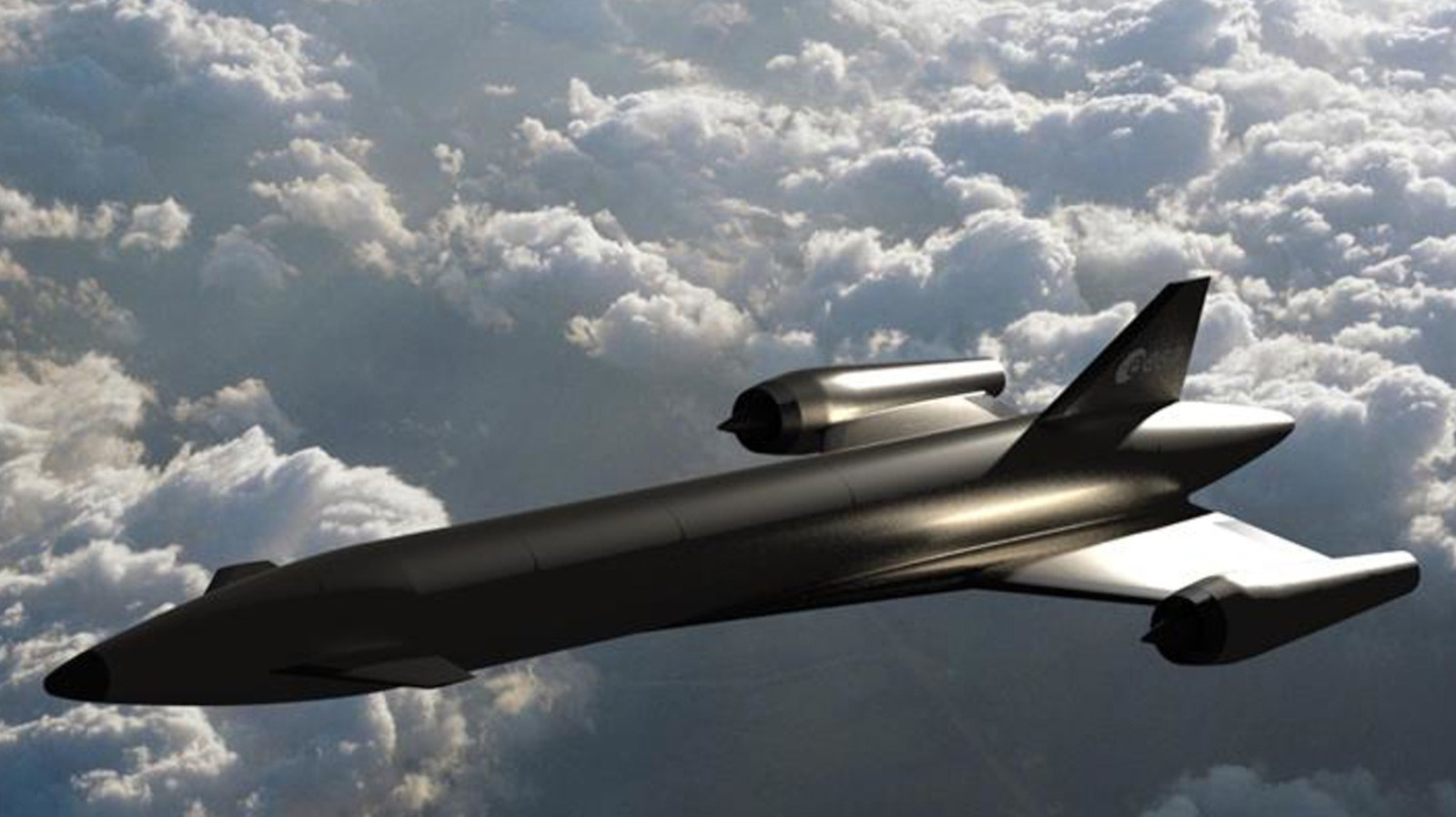
The European Space Agency is funding the Invictus program to develop a hypersonic spaceplane capable of horizontal takeoff and landing, aiming for a prototype by 2031, which could revolutionize space travel by making it cheaper and more efficient. The project builds on Reaction Engines' pre-cooling technology to enable engines to operate at hypersonic speeds, potentially transforming global transportation and space logistics.
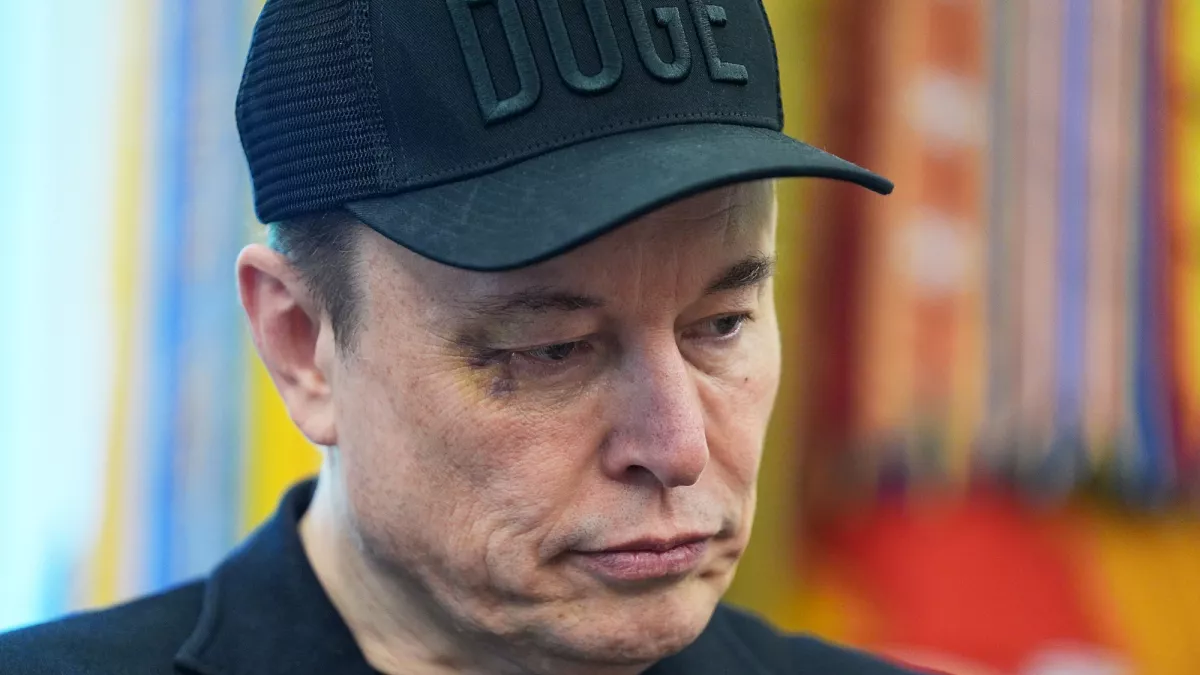
The US Senate approved $10 billion for Moon missions, including funding for NASA's Artemis program and the Gateway space station, despite opposition from Elon Musk who criticizes the non-reusable SLS rockets. The budget aims to establish a sustained human presence on the Moon, but cuts to Artemis and other programs could negatively impact European space collaborations and future lunar exploration.
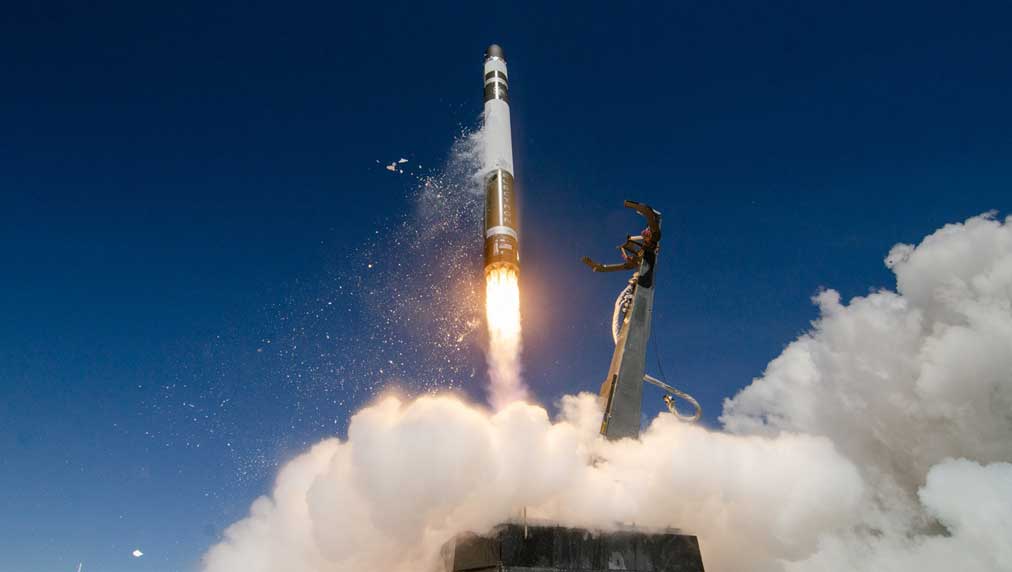
Rocket Lab and other aerospace stocks like AeroVironment and Joby Aviation rallied amid increased defense spending and NATO's pledge to boost military budgets, with Rocket Lab securing a satellite launch contract for the European Space Agency to test new navigation technology.
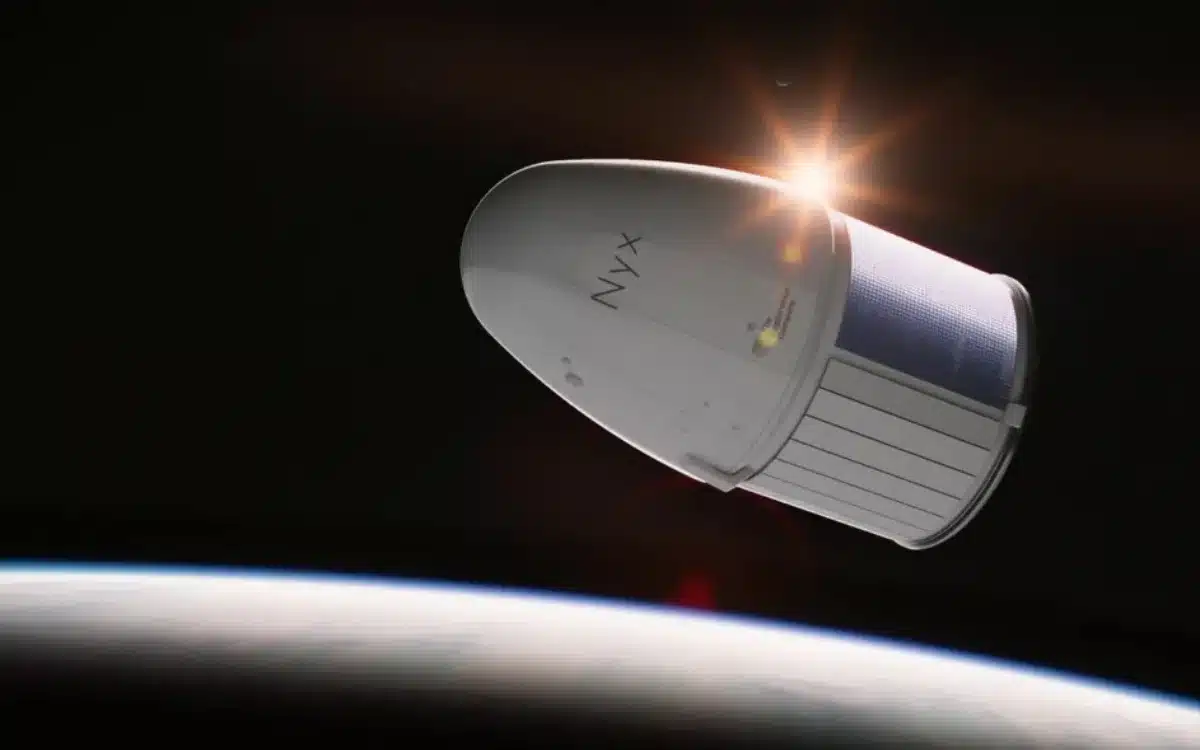
The European-built Nyx spacecraft, unveiled at the Paris Air Show, is initially carrying cargo including human remains from 150 people for cosmic memorial services, with plans for future crewed missions involving 4-5 astronauts. The project, costing around €1 billion, aims to develop European human spaceflight capabilities, despite past setbacks, and is seeking ESA support.