Peter Brannen's book argues that CO2, often vilified for its role in climate change, is actually fundamental to the development of life and human civilization, offering a comprehensive history from origins to modern issues.
Recent observations of interstellar object 3I/ATLAS by NASA's SPHEREx reveal a large CO2 cloud with no detectable water vapor, suggesting it may not be a water-rich comet as previously thought, and indicating a potentially large nucleus around 46 km in diameter. The findings challenge earlier claims and raise questions about the object's composition and origin.
Scientists have found that the unexpected distribution of hydrogen peroxide on Europa's surface may be explained by the presence of CO2, which enhances peroxide production by capturing electrons during radiation, providing new insights into the moon's surface chemistry and potential habitability.
New research from the University of Bristol reveals that higher concentrations of carbon dioxide (CO2) in indoor environments can significantly extend the lifespan of airborne viruses like SARS-CoV-2, challenging long-held beliefs about CO2 as merely an indicator of poor ventilation. This discovery underscores the need for improved indoor air quality standards to mitigate the risk of viral transmission, especially in poorly ventilated spaces.
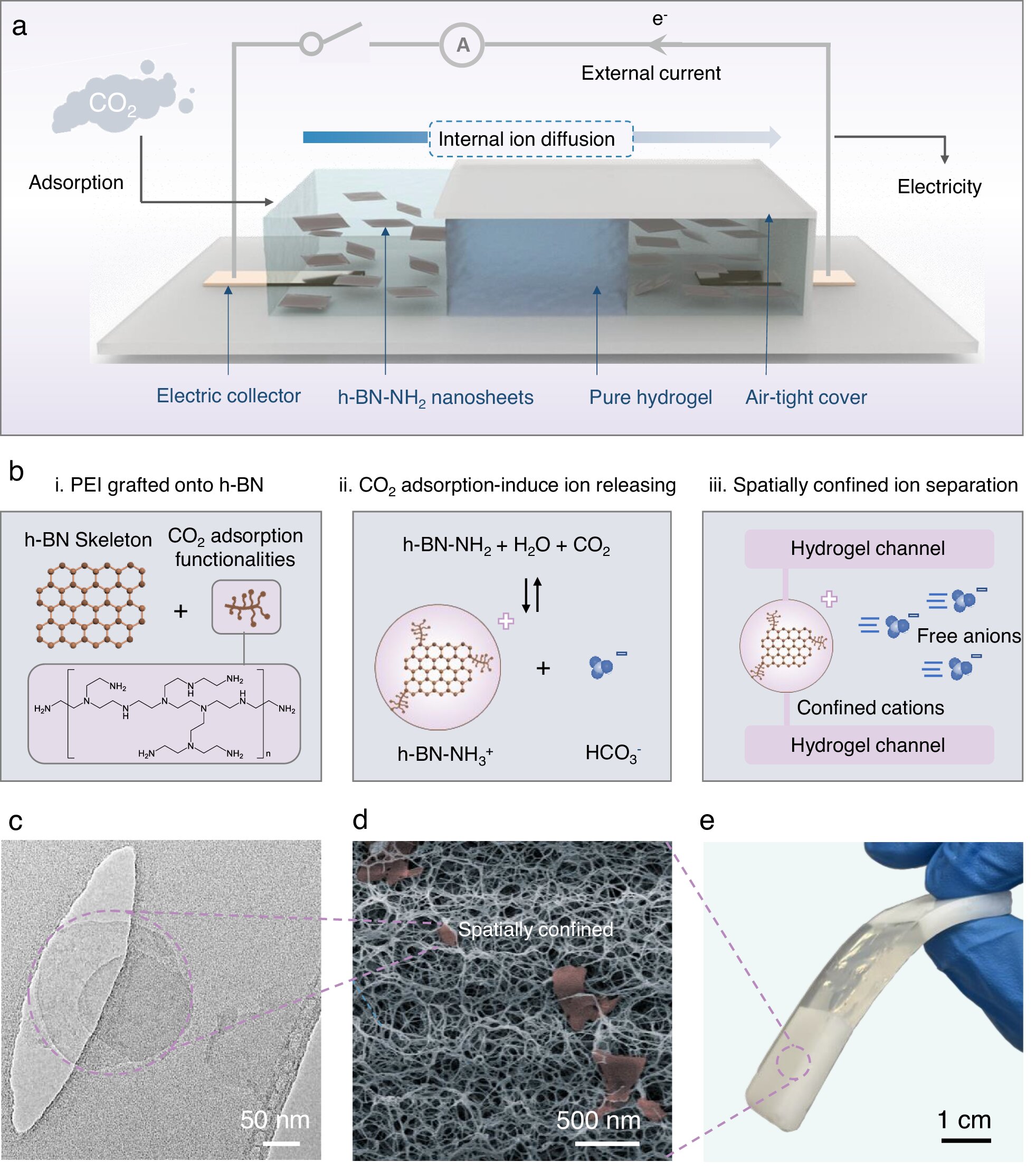
Researchers at the University of Queensland have developed a proof-of-concept nanogenerator that absorbs carbon dioxide (CO2) to generate electricity. The nanogenerator consists of a polyamine gel and boron nitrate that generates positive and negative ions, creating a diffusion current that can be amplified into electricity. The technology has the potential to be used in portable devices like mobile phones and laptops, as well as in industrial CO2 capture processes to harvest electricity. This innovation aims to change the perception of CO2 from a problem to a valuable resource for the future.
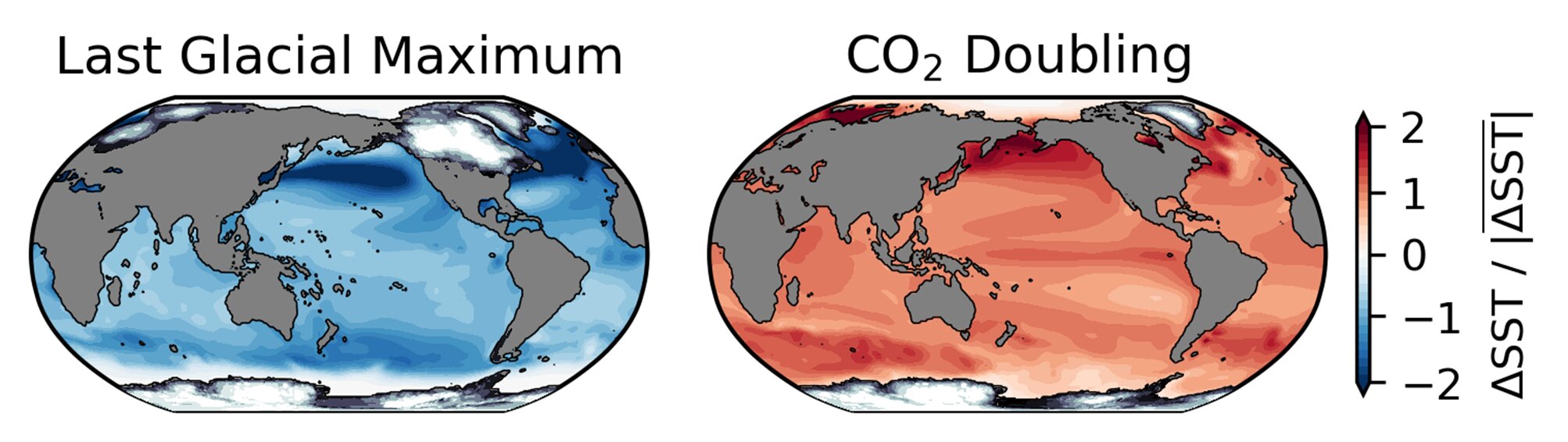
A new study led by the University of Washington analyzes the last ice age to better understand the relationship between CO2 and global temperature. The research suggests that the worst-case scenario for future warming due to doubling of CO2 is less likely, reducing the estimate from 5 to 4 degrees Celsius. By examining the cooling effects of the North American ice sheet during the last glacial maximum, the study indicates that CO2 played a smaller role in setting ice age temperatures than previously estimated. This research provides more confident predictions for future warming and emphasizes the limitations of using recent decades as a predictor of future global warming.
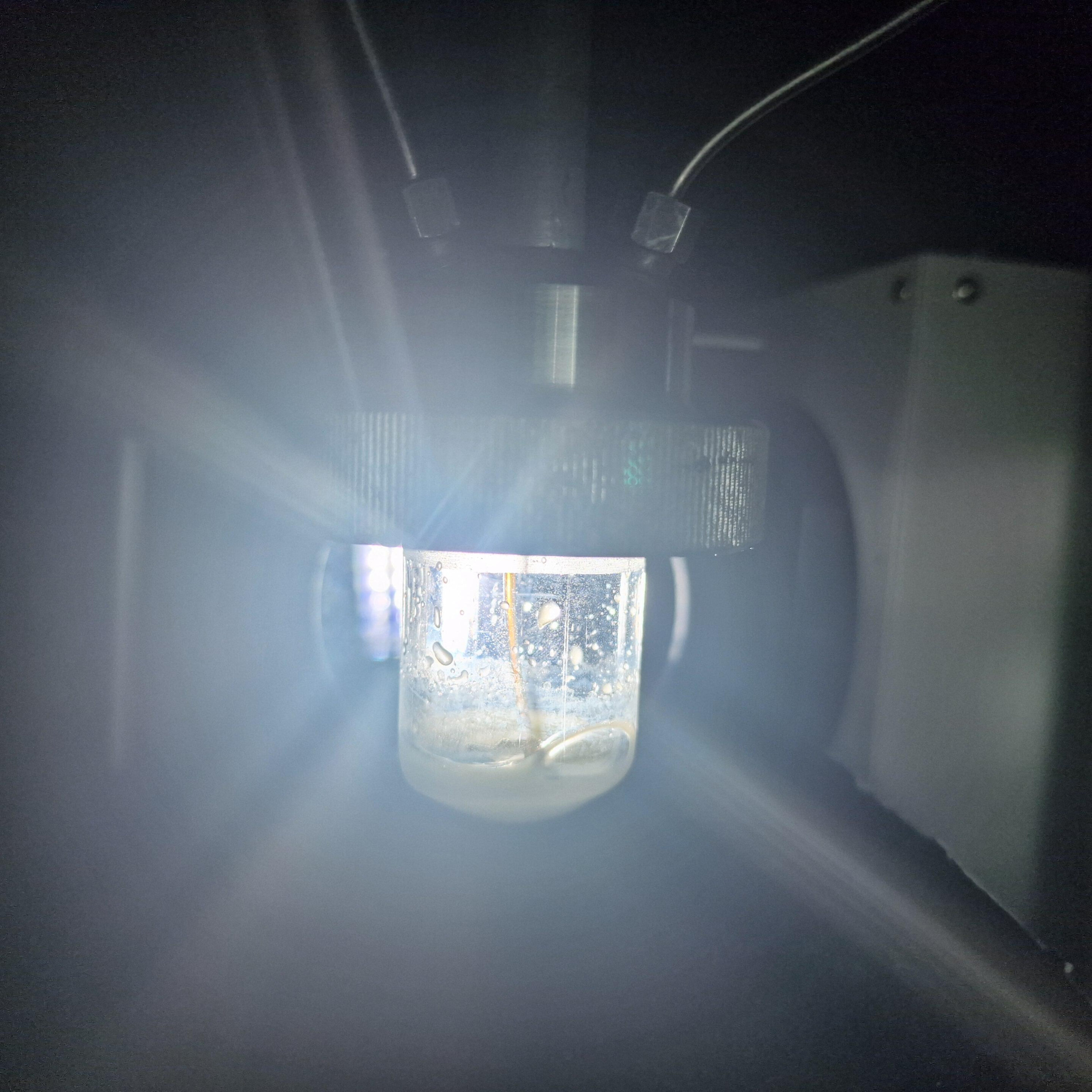
Researchers have developed a material consisting of copper anchored on nanocrystalline carbon nitride, which, when exposed to sunlight, can efficiently convert CO2 into methanol, a green fuel. This breakthrough paves the way for creating sustainable fuels and reducing the impact of carbon dioxide, the primary contributor to global warming. The new catalyst, made of abundant elements like carbon, nitrogen, and copper, demonstrates high efficiency and selectivity, offering a promising pathway for the development of highly tunable catalysts at the nanoscale for CO2 conversion.
Trees in warmer, drier climates are struggling to absorb excess CO2 and are instead releasing it back into the atmosphere, a process known as photorespiration. This subverts the belief that trees can help reduce carbon emissions, and as global warming increases, the ability of trees to absorb CO2 is expected to decrease significantly. Researchers found that in hotter climates, trees are releasing up to two times more CO2, and any climate exceeding average daytime temperatures of around 68 degrees Fahrenheit experiences this effect. This discovery raises concerns about the future impact of climate change on the planet's ability to mitigate CO2 levels.
Climate expert Willie Soon challenges the mainstream scientific consensus on climate change, arguing that changes in the sun's energy output, rather than rising carbon dioxide levels, are the primary driver of Earth's climate shifts. Soon, associated with The Heritage Foundation, emphasizes the importance of data over belief in science and discusses the sun's role in historical climate cycles. His views are part of a podcast series by The Daily Signal, where he seeks to correct what he sees as misconceptions about the causes of climate change.
Earth's good fortune in having a warm climate and supporting life is attributed to plate tectonics, which allows for the recycling of carbon dioxide through volcanic eruptions. Unlike Mars, Earth's internal heat sustains the plasticity of its mantle, enabling the movement of continents and the continuous release of CO2 into the atmosphere. This carbonate-silicate cycle maintains Earth's greenhouse effect, preventing the planet from freezing and supporting the existence of liquid water and diverse life forms.
Research from Waseda University has found that petit-spot volcanoes on the ocean floor contribute significantly to marine biogeochemical cycles, including the carbon cycle, due to their release of CO2 and methane-enriched alkaline magma. The study of a petit-spot volcano in the Japan Trench revealed it as the deepest known hydrothermal site, with iron and manganese oxides identified as evidence of hydrothermal activity. These findings highlight the need for further study of these underwater volcanoes.
Researchers at Helmholtz-Zentrum Berlin für Materialien und Energie are working on the clogging problem in CO2 electrolysis, which can convert the greenhouse gas into useful hydrocarbons. The process requires energy, water, suitable electrodes and special catalysts. The team is using a "zero-gap" electrolysis cell, which is particularly suitable for industrial processes, but the cathodes clog up quickly due to potassium crystals. The researchers are studying the process of crystal formation at the cathode in detail and plan to use X-rays to find out how ion migration in the cell affects the chemical reaction processes.
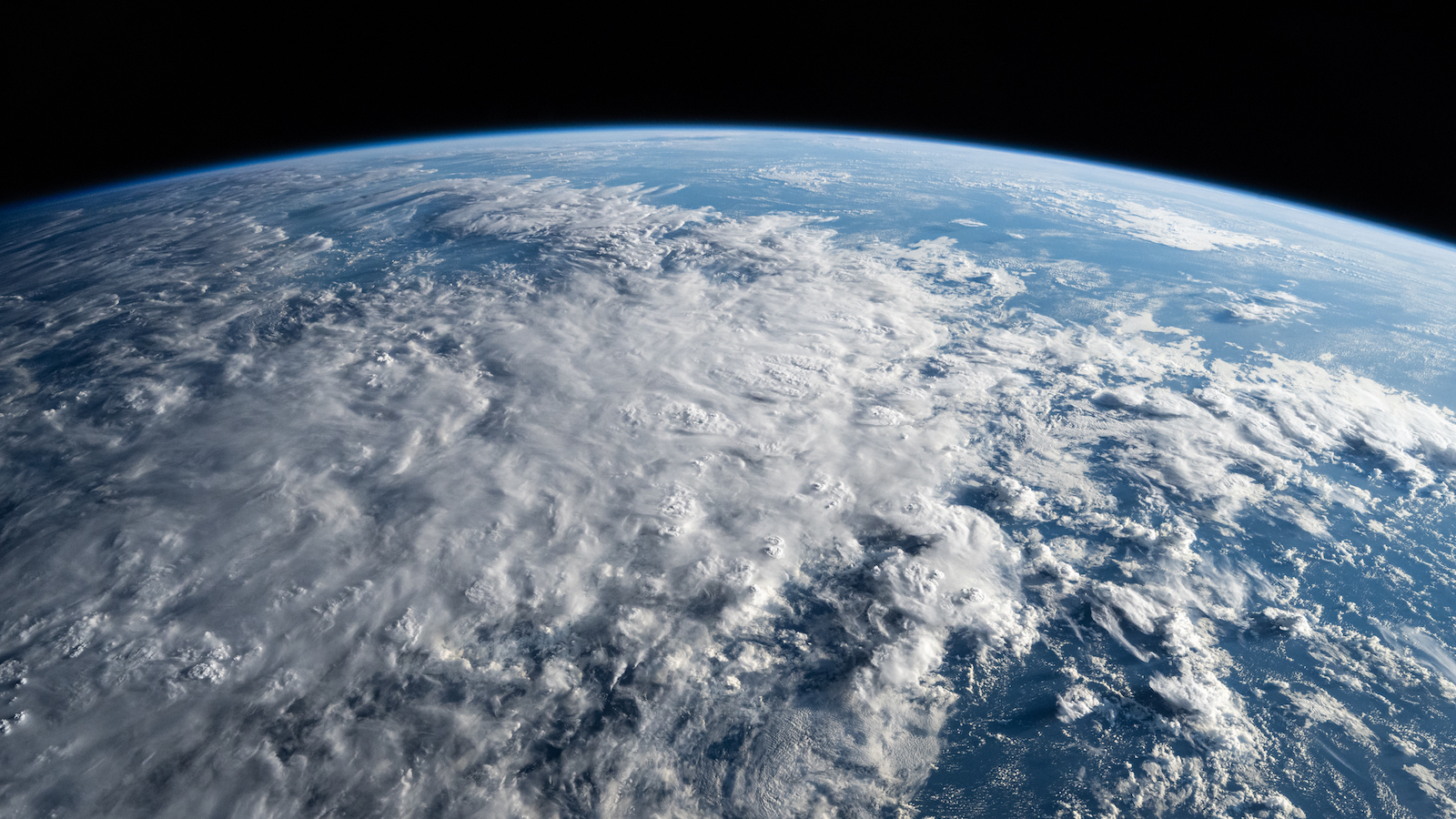
Rising CO2 levels are causing the upper atmosphere to cool dramatically, which could have negative effects on orbiting satellites, the ozone layer, and Earth's weather. The cooling aloft is increasing the strength of the human fingerprint of climate change, but also causing concern for atmospheric physicists. The contraction of the upper atmosphere due to cooling is reducing drag on satellites, but also increasing the risk of collisions with space junk. The cooling is also worsening ozone loss in the Arctic, potentially affecting densely populated regions.
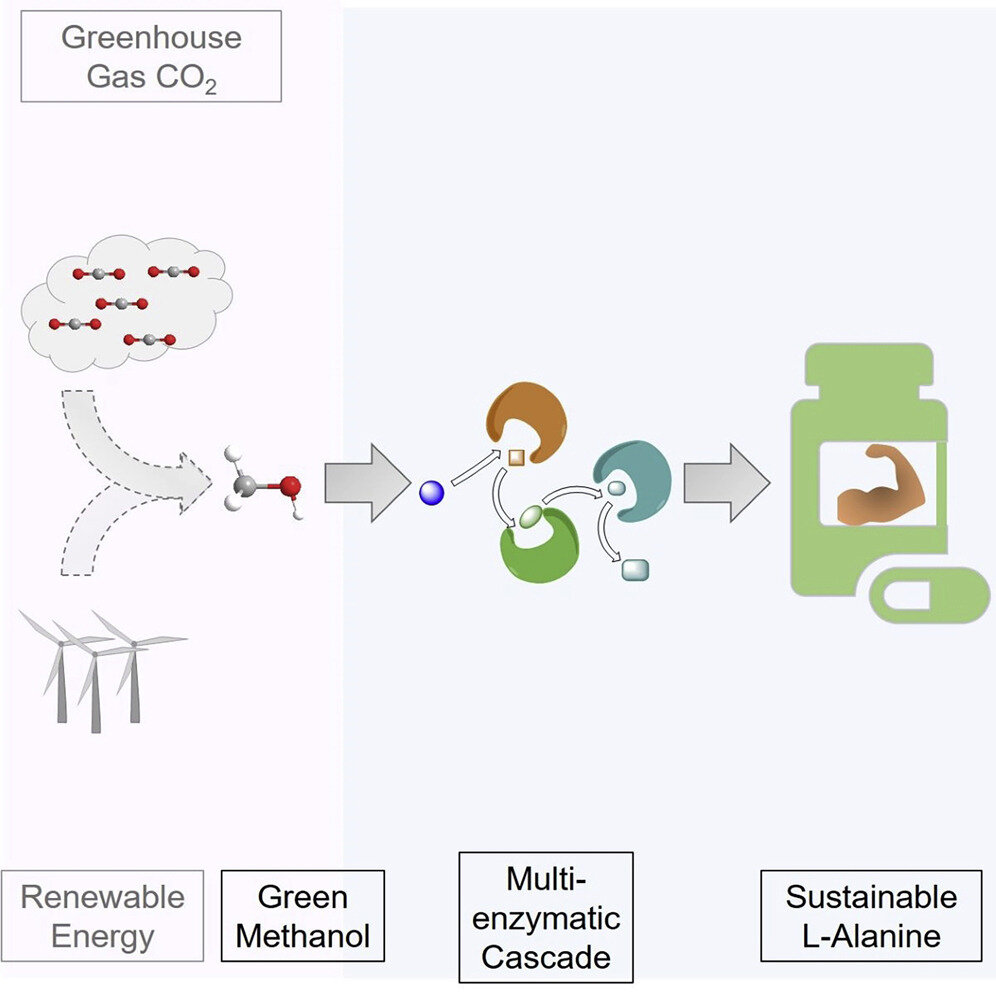
Researchers at the Technical University of Munich have developed a method for the synthetic manufacture of nutritional protein using a type of artificial photosynthesis. The method involves converting CO2 into methanol using green electricity and hydrogen, and then converting the methanol into L-alanine, an essential building block in proteins, using synthetic enzymes. The process is extremely effective and generates very high yields, requiring far less space than traditional methods of protein production. The researchers aim to produce other amino acids from CO2 using renewable energy and to further increase efficiency in the realization process.
Scientists have discovered a microbe in a volcanic hot spring that can consume carbon dioxide (CO2) "astonishingly quickly". The researchers hope to use naturally evolved microbes to absorb CO2 as an efficient way of removing the greenhouse gas from the atmosphere. The new microbe, a cyanobacteria, was discovered in volcanic seeps near the Italian island of Vulcano, where the water contains high levels of CO2. The microbe sinks in water, which could help collect the CO2 it absorbs. The project was funded by biotechnology company Seed Health, which is researching the use of microbial enzymes to break down plastics.