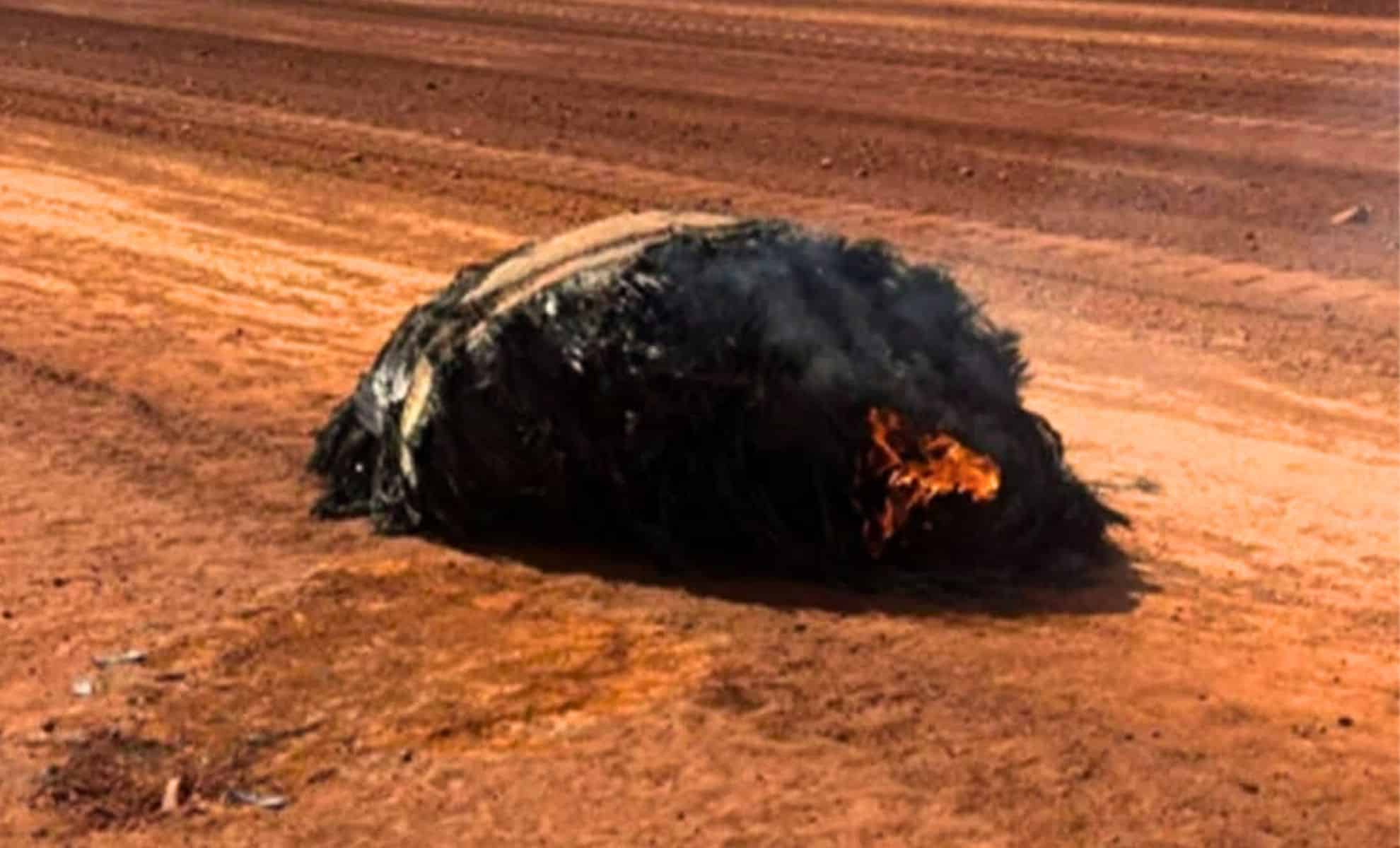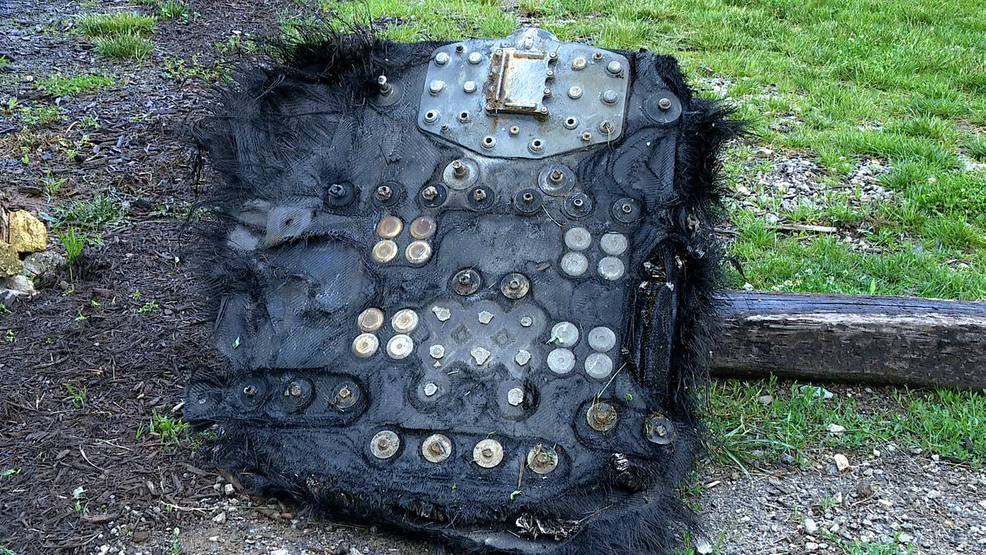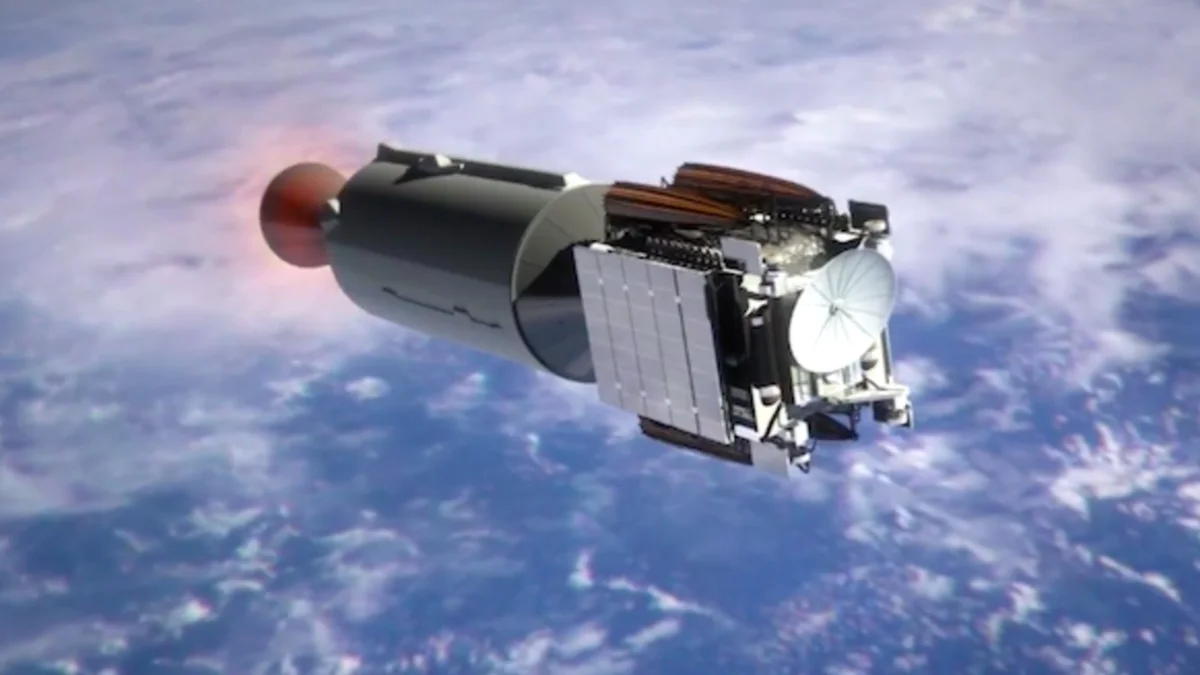
A mysterious charred object found in the Australian desert is confirmed to be space debris, likely from a Chinese rocket re-entry, highlighting ongoing concerns about uncontrolled spacecraft re-entries and debris tracking efforts. Authorities are investigating, and the public is advised to report any similar objects.
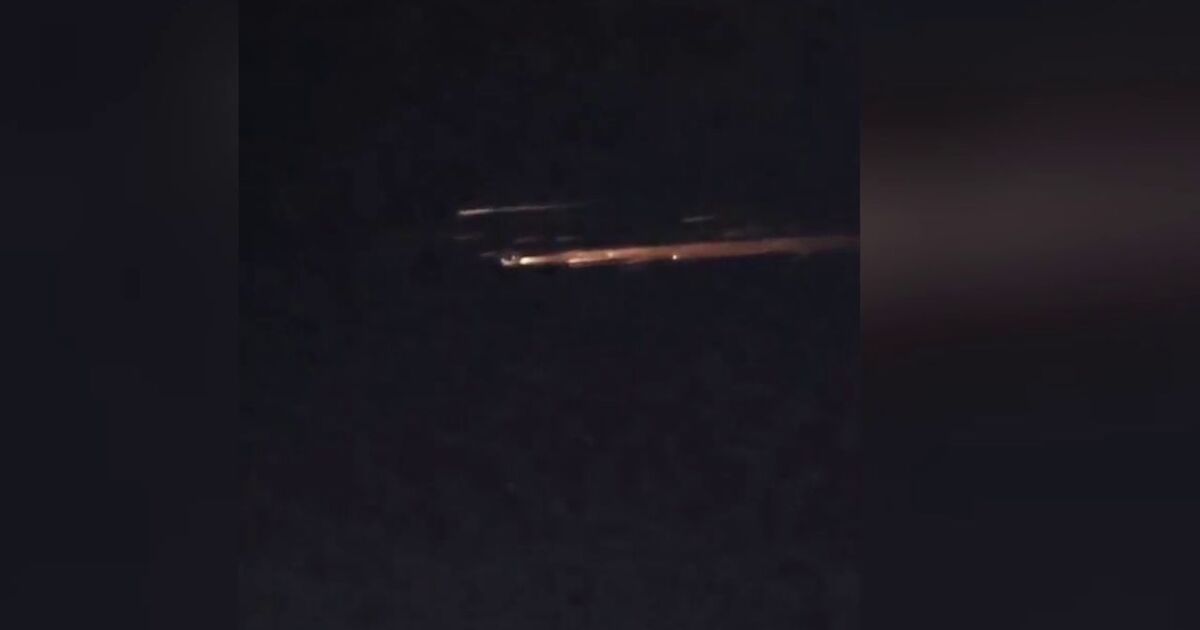
A bright streak across Montana's sky was caused by space debris, likely a satellite such as Starlink, burning up upon re-entry into Earth's atmosphere, coinciding with the Perseids meteor shower but unrelated to it. No damage was reported.
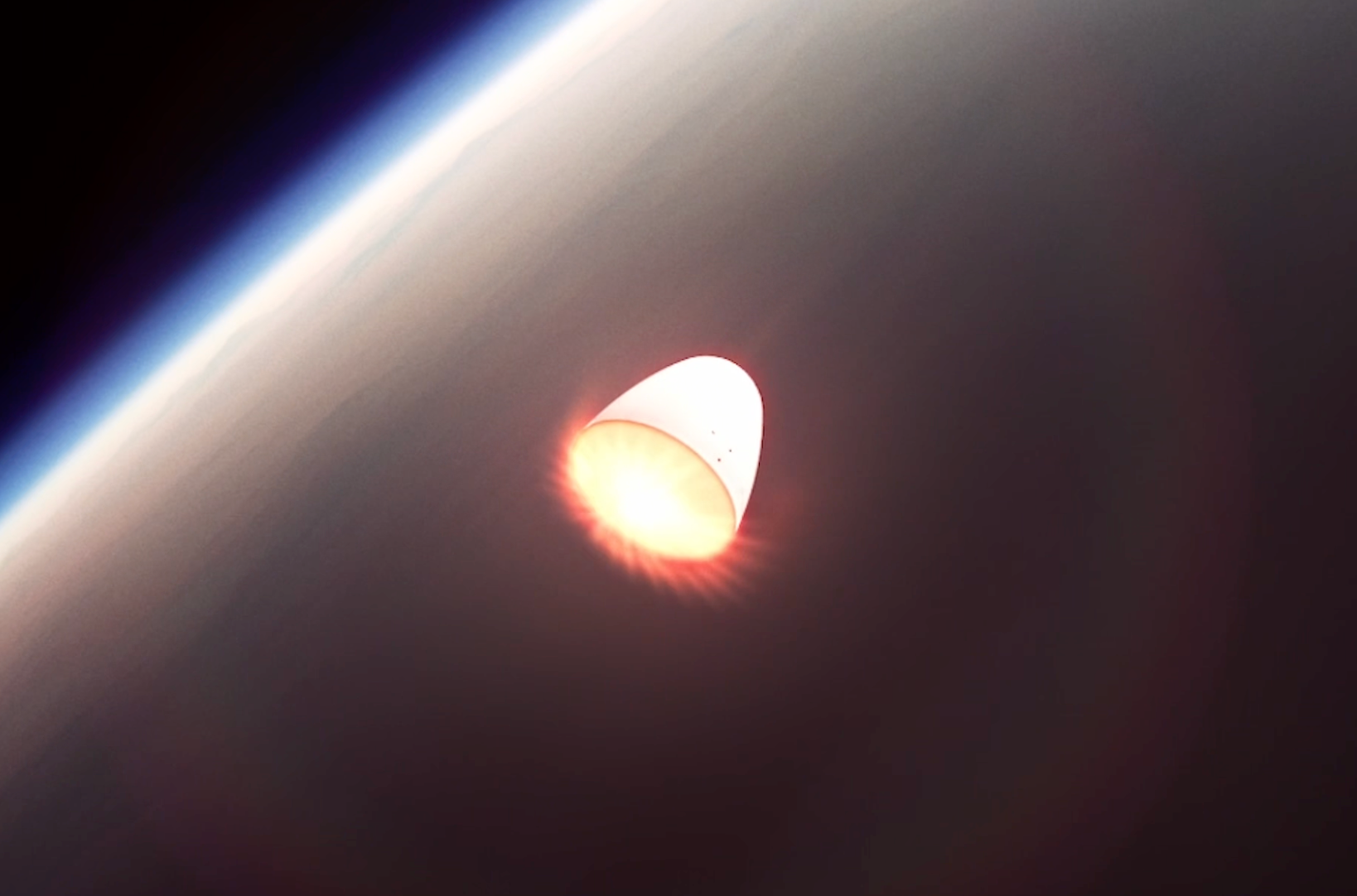
NASA's SCIFLI team will support Europe's Exploration Company by capturing in-flight imagery and spectrometer data of the Mission Possible capsule's re-entry, parachute deployment, and splashdown, aiding in refining models and future capsule designs, with operations staged in Hawaii and involving a Gulfstream III aircraft.
Astronauts describe re-entering Earth's atmosphere as the most perilous part of space travel, due to extreme physical, technical, and psychological challenges. The process involves navigating hypersonic speeds and intense heat, with spacecraft relying on advanced thermal protection systems to prevent disaster. Despite technological advances, the psychological toll remains significant, with astronauts needing to maintain focus amidst sensory overload. This experience often leads to a profound shift in perspective, highlighting Earth's fragility and the importance of global collaboration.
A SpaceX Starlink satellite re-entered Earth's atmosphere, creating a fireball spectacle over the Southwest U.S., with sightings reported in Texas, Oklahoma, and Kansas. The satellite, launched in 2022, was designed to burn up upon re-entry to prevent space debris. This event coincided with ongoing meteor showers, leading to initial confusion among skywatchers.
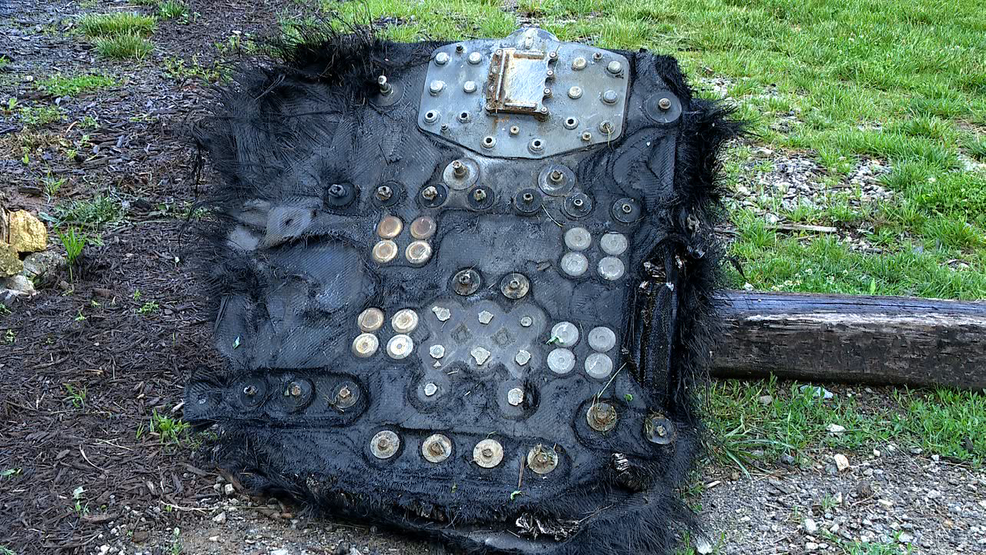
Debris found in Western North Carolina has been confirmed by NASA to be from a SpaceX Dragon spacecraft that broke apart during re-entry. The debris, which was expected to burn up, was discovered by local residents, prompting NASA and SpaceX to use the findings to improve debris modeling. Residents are advised not to handle the debris and to contact SpaceX for recovery.
Debris found in Western North Carolina has been confirmed by NASA to be part of a SpaceX Dragon spacecraft that broke apart during re-entry. The debris, which was expected to burn up, has been found in multiple locations, providing valuable data for improving debris modeling. Residents are advised to contact SpaceX if they find any space debris.
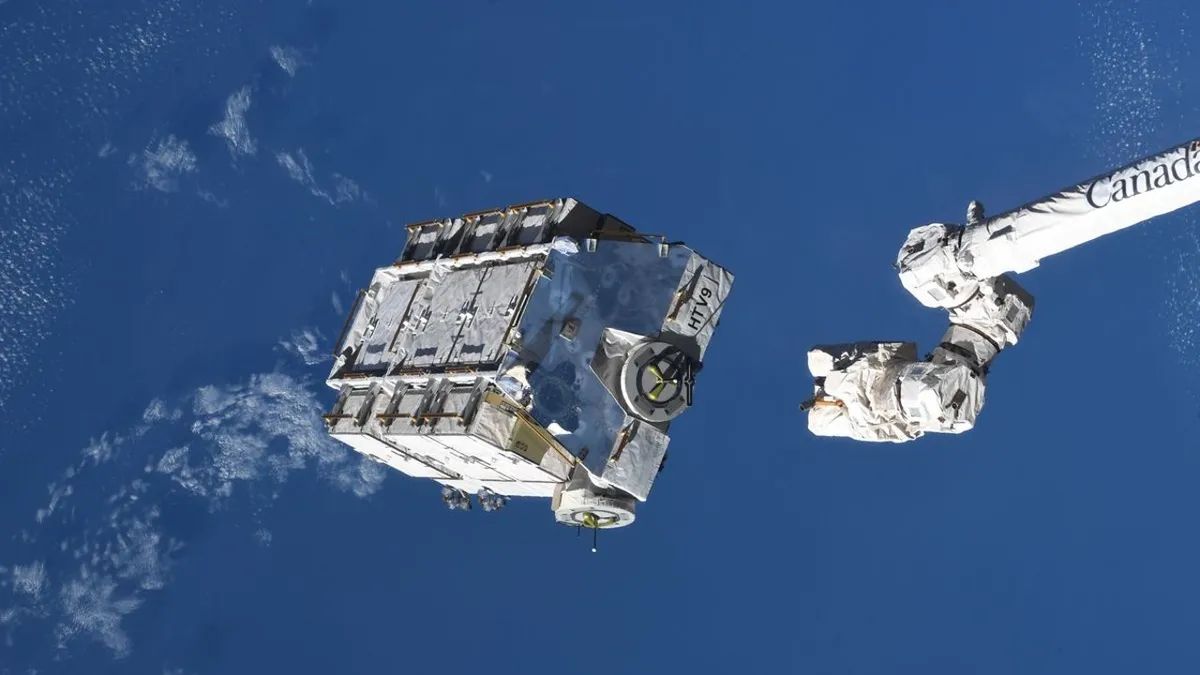
NASA has confirmed that the mysterious object that crashed into a Florida home last month came from the International Space Station, specifically a stanchion from the NASA flight support equipment used to mount batteries on a cargo pallet. The 1.6-pound metallic alloy piece survived re-entry and impacted the home. NASA plans to investigate why the batteries and pallet, which were expected to burn up in Earth's atmosphere, did not do so. The incident highlights the dangers of space junk, with Earth's orbit hosting thousands of pieces, and may have financial consequences for both NASA and the homeowner.
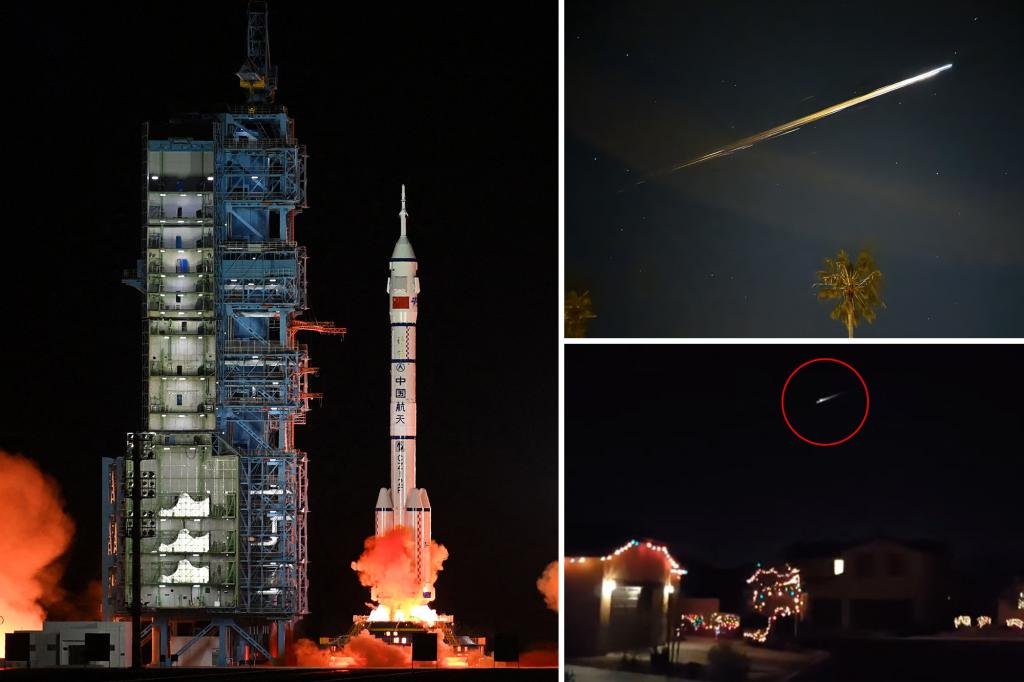
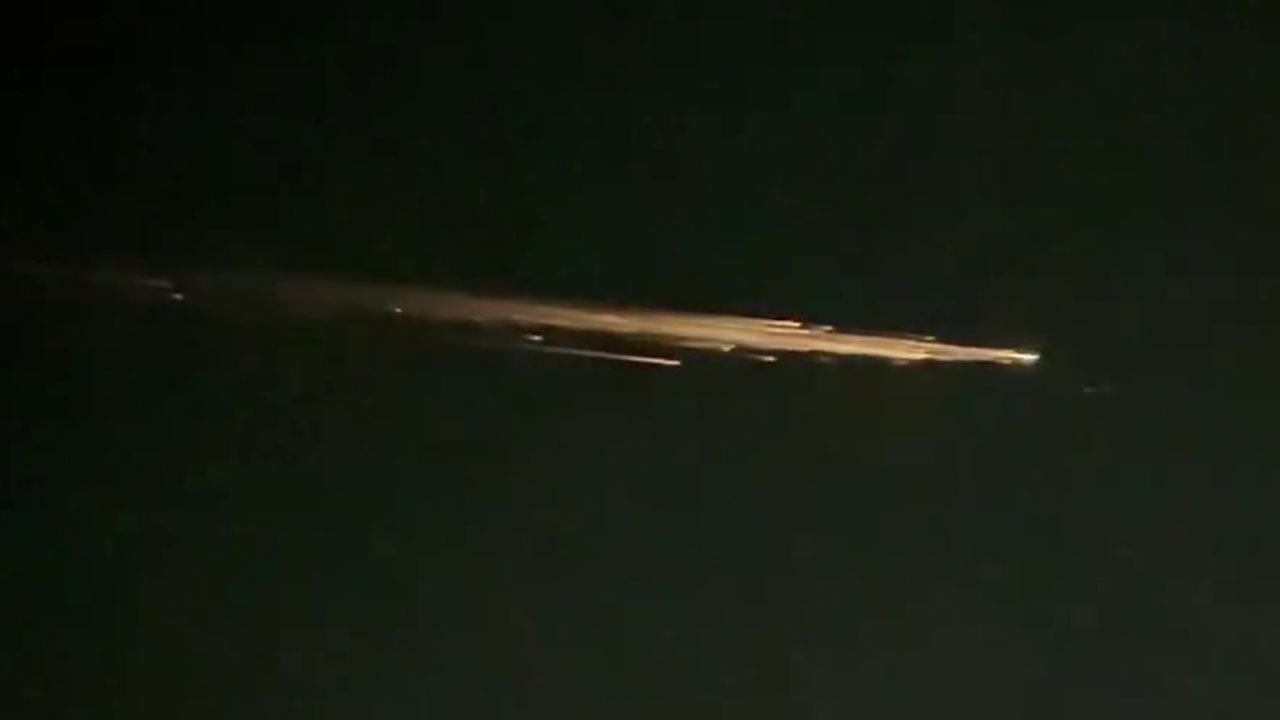
Mysterious streaks of light seen over California were identified as remnants of Chinese space junk, specifically the orbital module of China’s Shenzhou 15 spacecraft, re-entering the Earth's atmosphere. The debris, which had been in orbit for over a year after a mission to China’s Tiangong space station, caused a dazzling light show visible from Sacramento to San Diego. Initially mistaken for a meteor shower or UFOs, the spectacle was ultimately attributed to the re-entry of the space debris, captivating residents and sparking widespread speculation.
The U.S. Space Command confirmed that the fireball seen across Southern California was not a meteor, but the re-entry of a Chinese module used to launch astronauts in 2022. The module's heat shield burned away, giving it the appearance of a meteor shower, and it was expected to break up over the Pacific Ocean. This incident highlights the issue of space junk in low-Earth orbit, as the increasing number of satellites and defunct spacecraft pose a risk of collisions and contribute to the growing amount of debris orbiting Earth.
A large piece of Chinese space debris, the orbital module of China's Shenzhou 15 spacecraft, created a spectacular fireball as it re-entered the Earth's atmosphere over Southern California, captivating observers and sparking curiosity and speculation. This event highlights the challenges and responsibilities associated with space exploration and the management of space debris, emphasizing the need for international cooperation in ensuring the long-term sustainability of outer space activities.
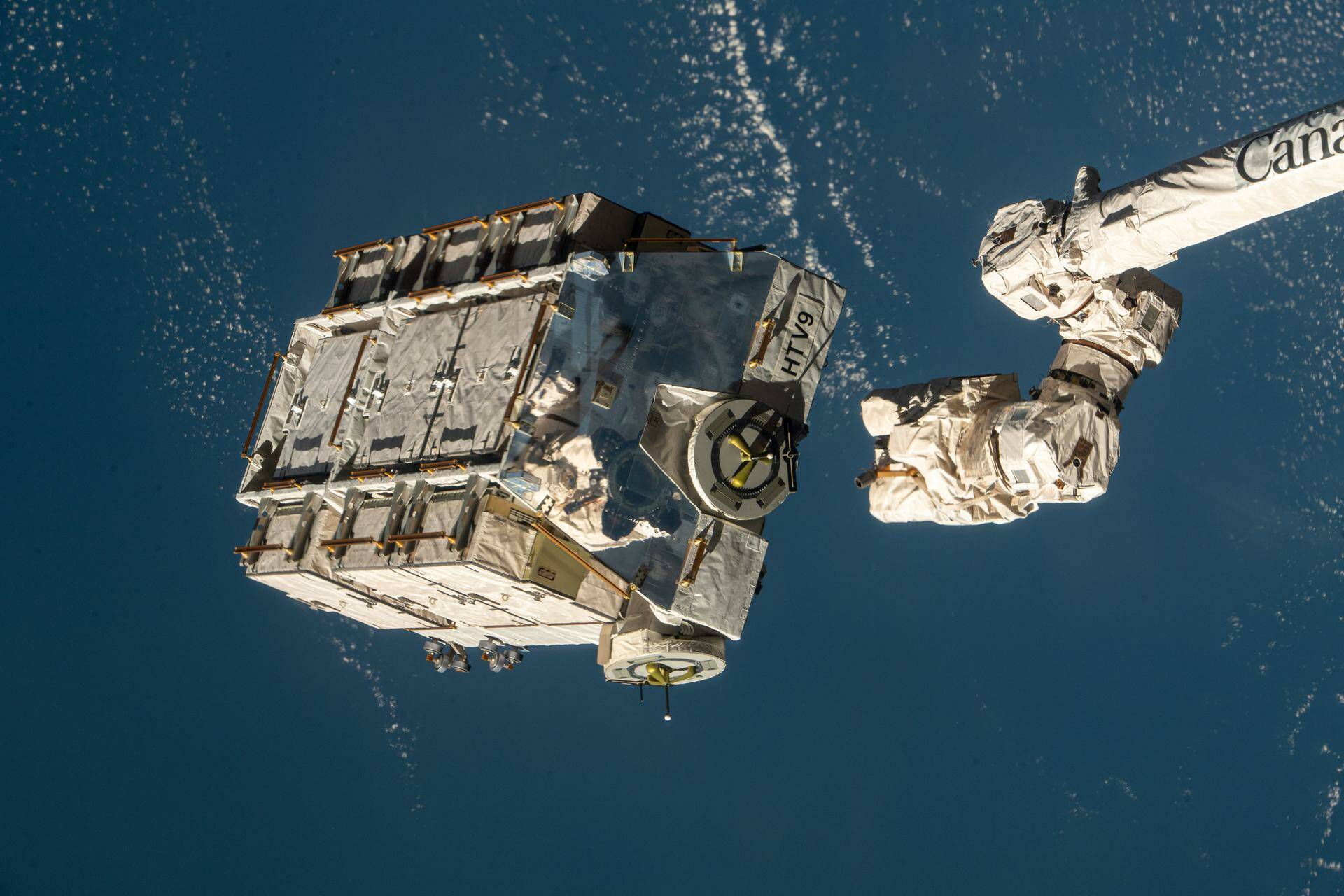
A pallet of used batteries from the International Space Station (ISS) is set to re-enter the Earth's atmosphere, with some parts likely to hit the ground. The re-entry is predicted to occur within a large area, making pinpointing the location difficult. The batteries, originally intended for disposal in an uninhabited area, were left over after a Soyuz failure in 2018 disrupted plans for their controlled re-entry. While the probability of the debris causing injuries is minimal, authorities have issued warnings, and the event is expected to bring about luminous phenomena and sonic booms.
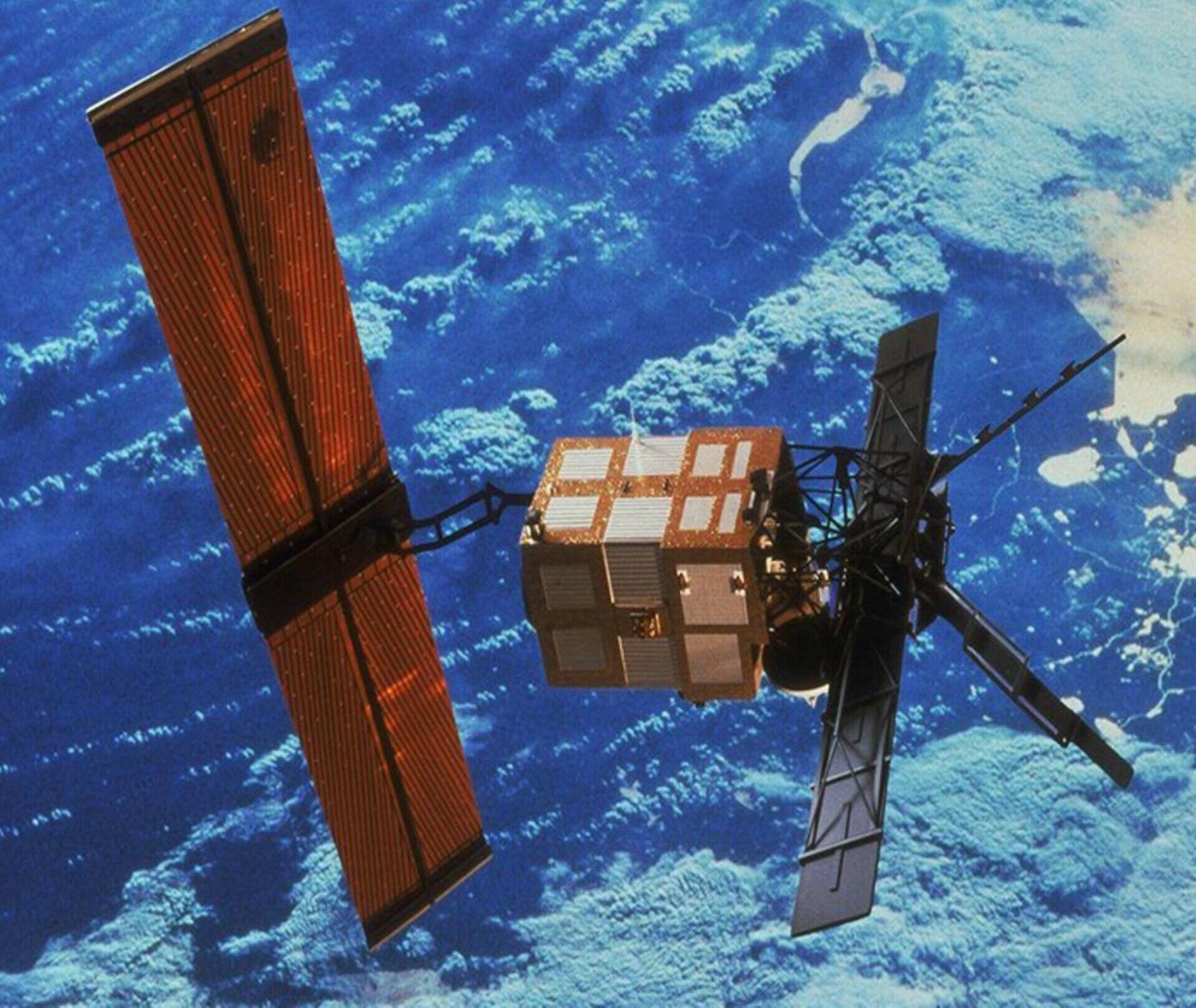
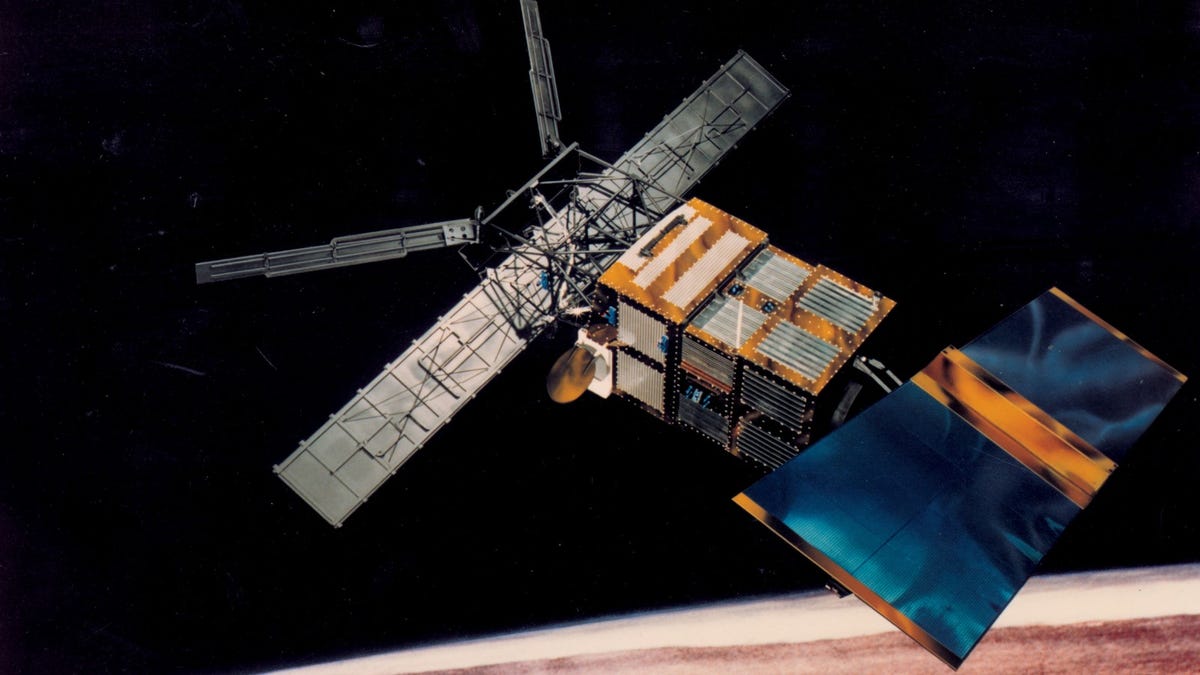
The European Space Agency's ERS-2 satellite re-entered the Earth's atmosphere earlier than predicted, with images showing it breaking apart before anticipated. The satellite's final orbits were tracked by the Fraunhofer Institute using the Tracking and Imaging Radar, revealing the solar array coming loose from the spacecraft. This unexpected behavior complicates re-entry trajectory predictions and will aid in forecasting the fate of other aging satellites, as ESA prepares for the upcoming re-entry of the Cluster spacecraft.
The European Space Agency is preparing to crash the ERS-2 satellite, the size of a Tesla Model X, back to Earth this week after 29 years in orbit. The satellite, which has been studying sea temperatures and wind speeds, is expected to re-enter the atmosphere on Wednesday, but the exact timing is uncertain due to unpredictable solar activity. Most of the satellite is projected to burn up upon re-entry, posing minimal risk of debris reaching the ground or sea.
The European Space Agency's ERS-2 satellite is expected to re-enter Earth's atmosphere this week, with substantial fragments likely to survive re-entry, although the chances of anyone being injured by the space debris are extremely low. The satellite, launched in 1995, has been deorbited and is set to return to Earth in an uncontrolled manner. While most of the satellite is expected to burn up, some sizable pieces could reach the ground, with the likelihood of causing harm to humans being extremely remote. ESA is confident that the surviving remnants will likely end up in the ocean, and the agency has a space debris mitigation policy in place for future satellite disposals.