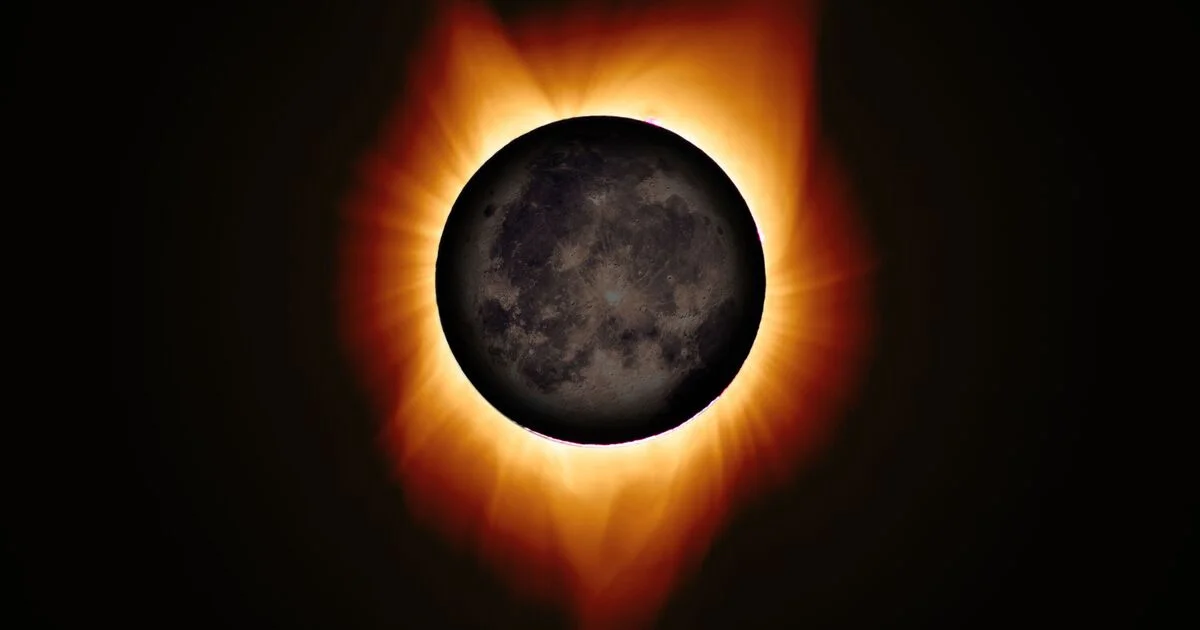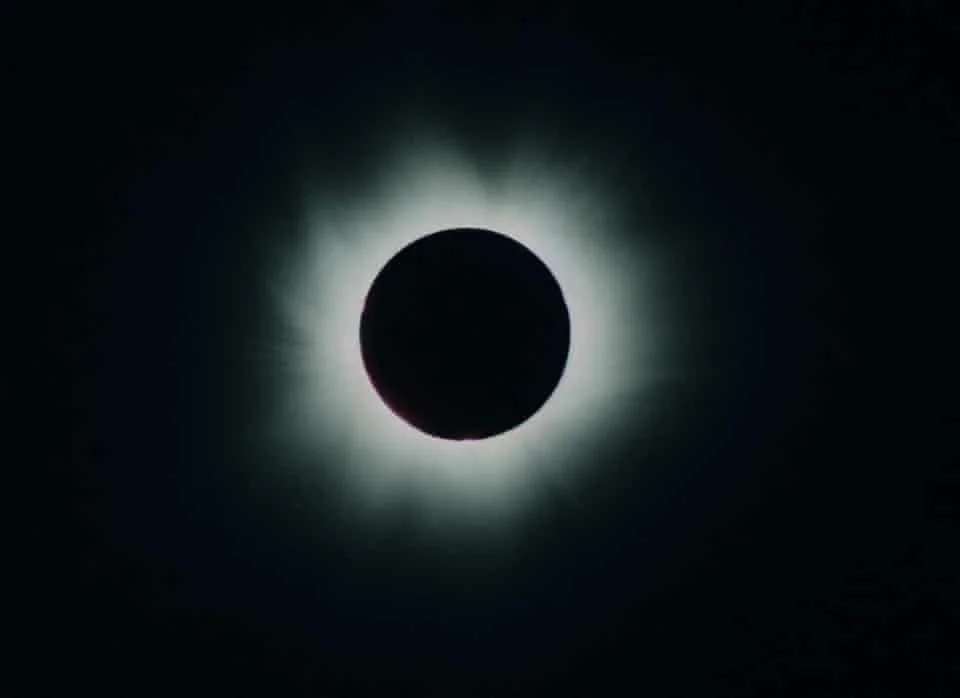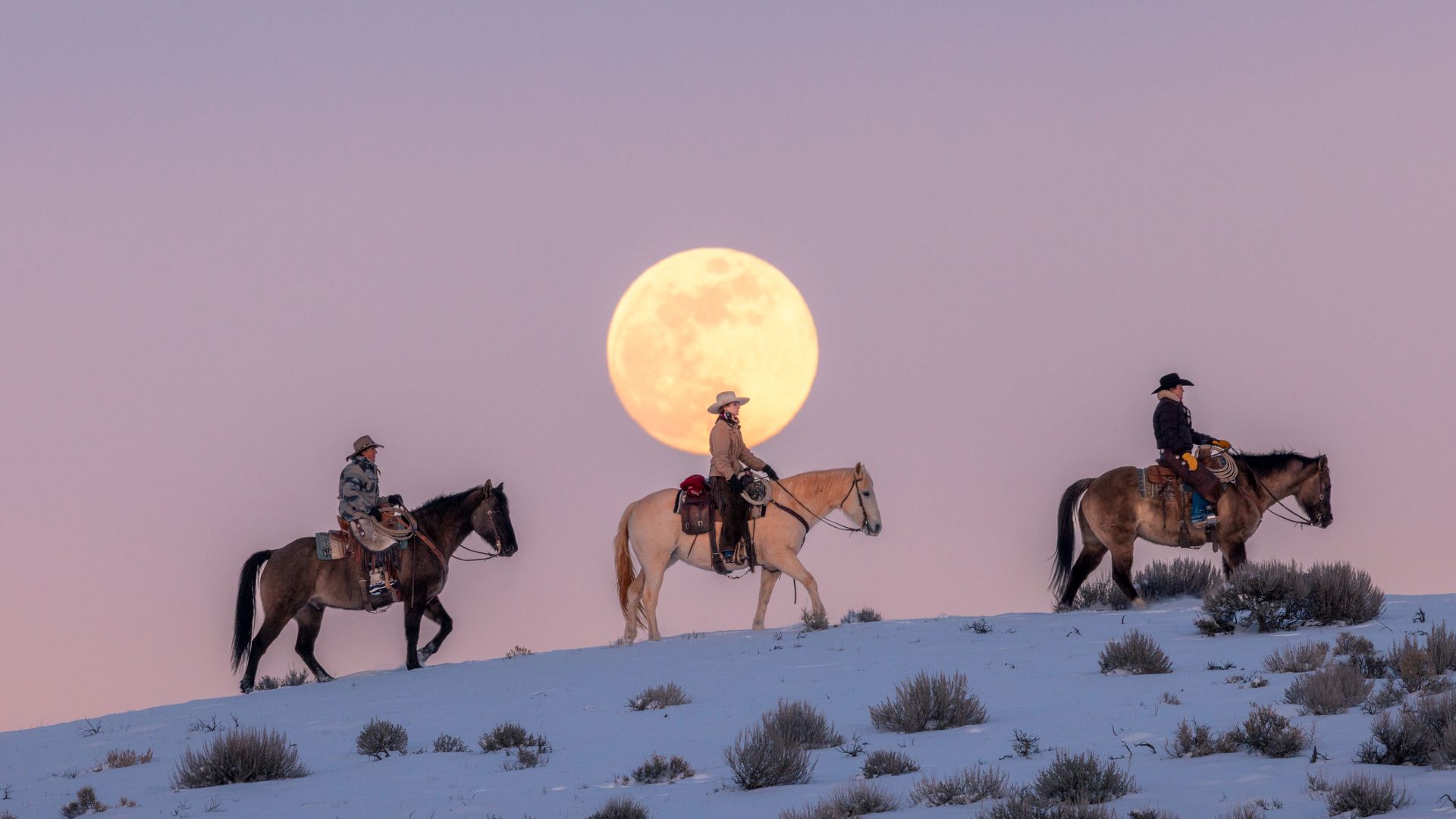
2026 will feature a variety of notable lunar and solar events including three supermoons, a total solar eclipse, a blood moon lunar eclipse, and close conjunctions of the moon with planets like Mercury, Venus, Saturn, Jupiter, and Mars, offering numerous opportunities for skywatchers to observe spectacular celestial phenomena.
The year 2026 will feature significant cosmic events including lunar missions, solar and lunar eclipses, multiple planetary alignments, supermoons, and the return of interstellar visitors like comet 3I/Atlas, alongside ongoing lunar exploration by NASA, China, and private companies.
The year 2026 will feature significant cosmic events including lunar missions, solar and lunar eclipses, multiple planetary alignments, supermoons, and the return of interstellar visitors, highlighting a dynamic year for space exploration and astronomy.
The movement to pass the 'Sunshine' bill, which aims to address daylight saving time, faces continued delays in Congress despite initial optimism after President Trump showed support, leaving the bill's future uncertain.
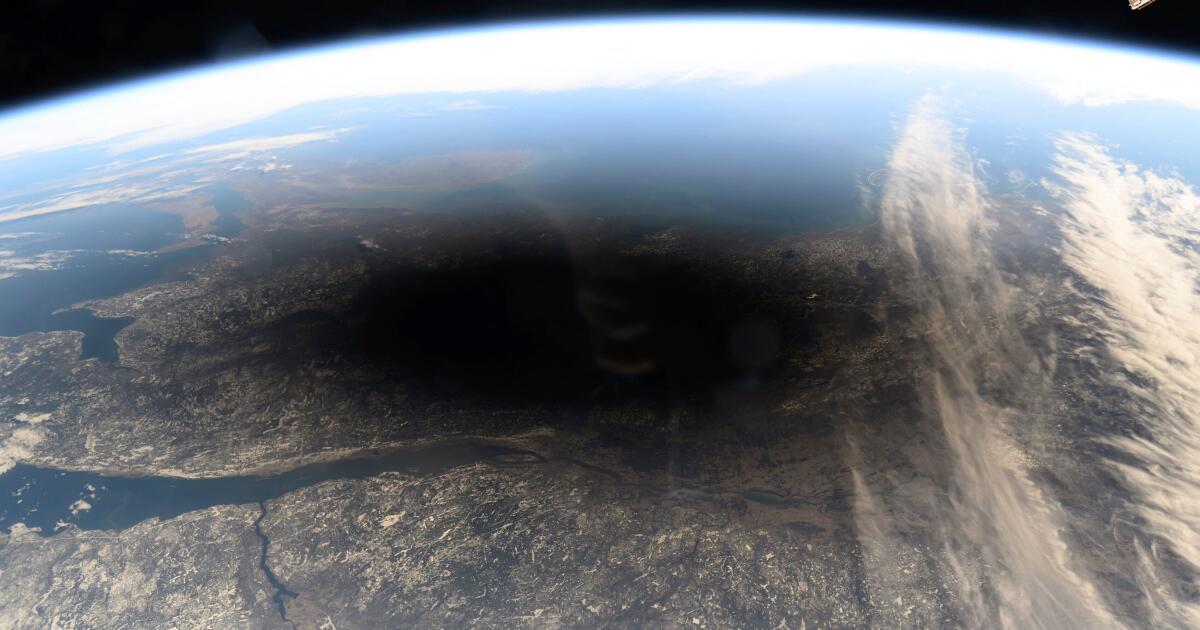
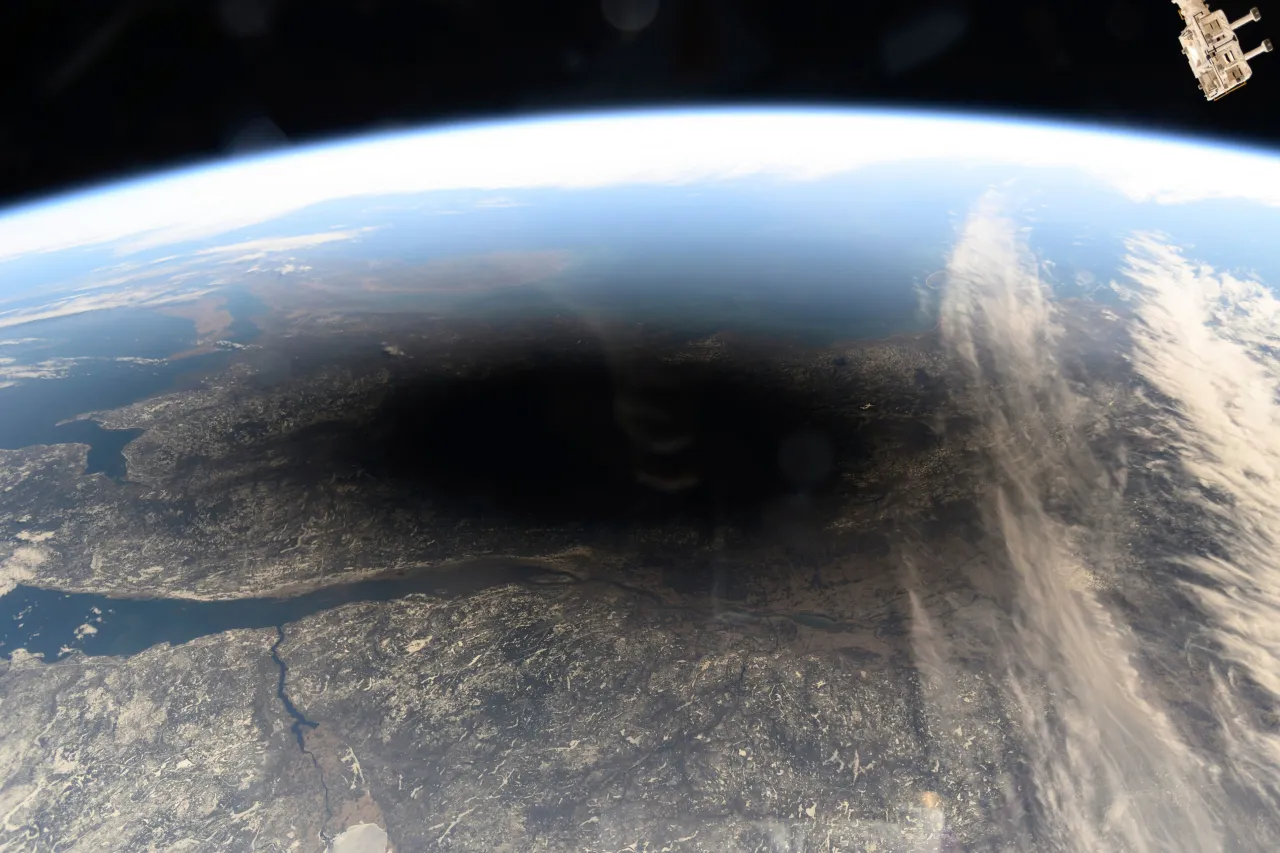
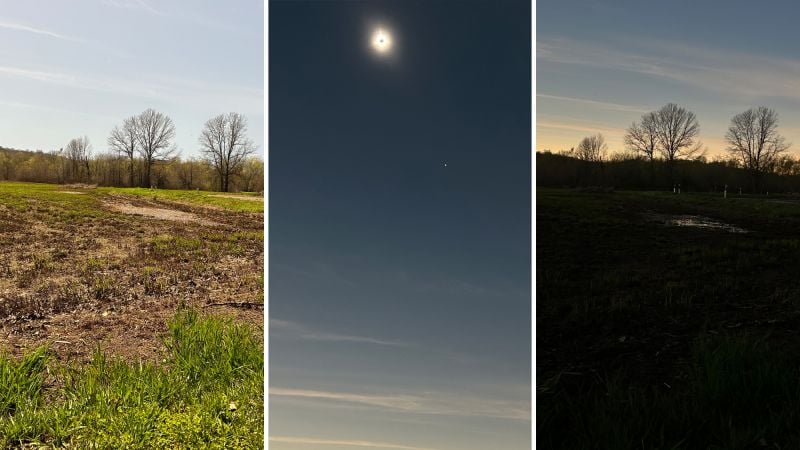
New research shows that the 2024 North American total solar eclipse temporarily reset the biological clocks of some bird species, causing many to sing as if it were dawn, highlighting their sensitivity to light changes and implications for conservation amid increasing light pollution.
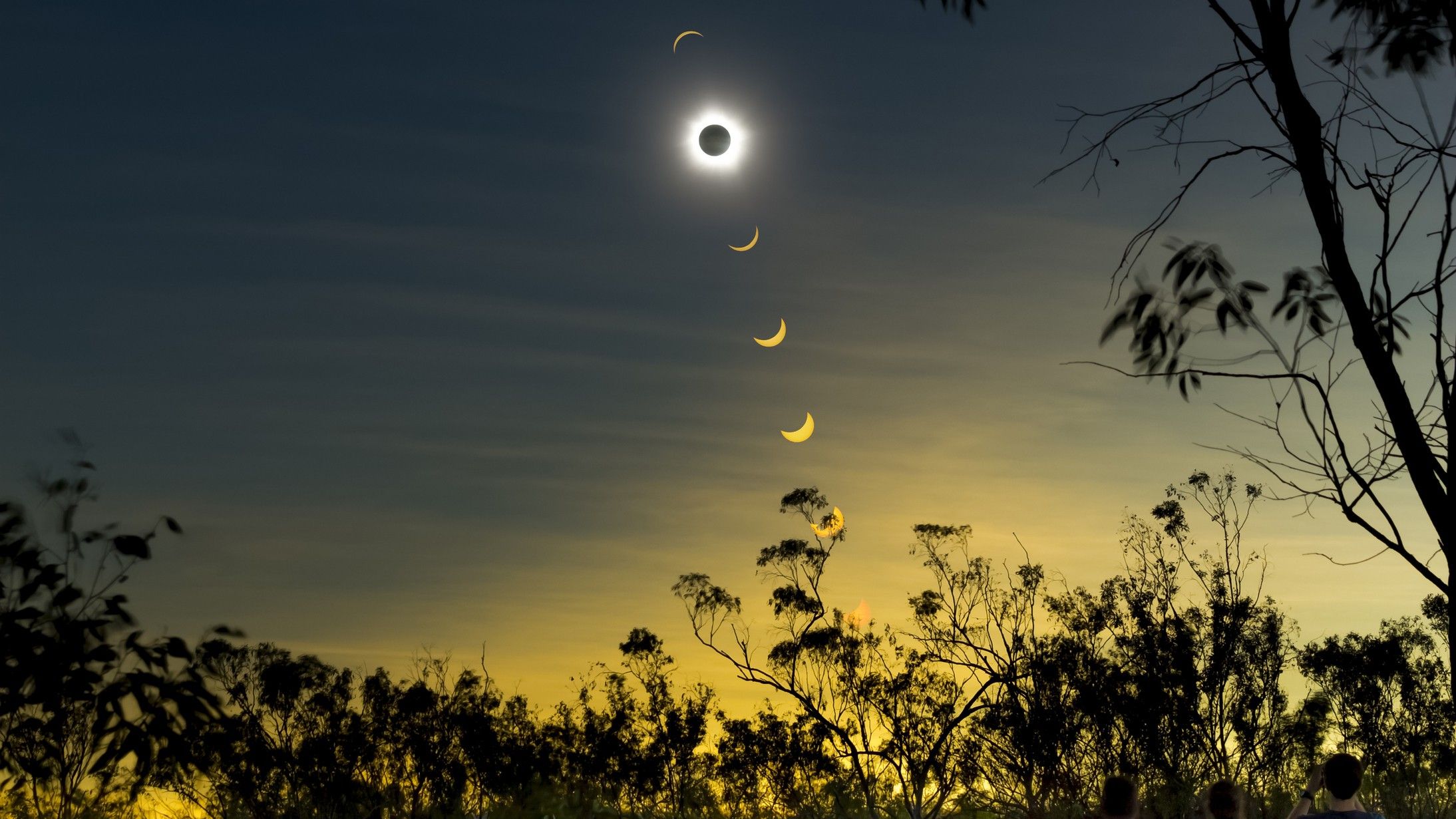
The total solar eclipse on July 22, 2028, will be visible across Australia and New Zealand, with the longest totality over remote regions like the Outback and iconic locations such as Sydney Harbour, offering a rare spectacle with up to 5 minutes of totality, and the event will be best observed from areas with clear winter skies.
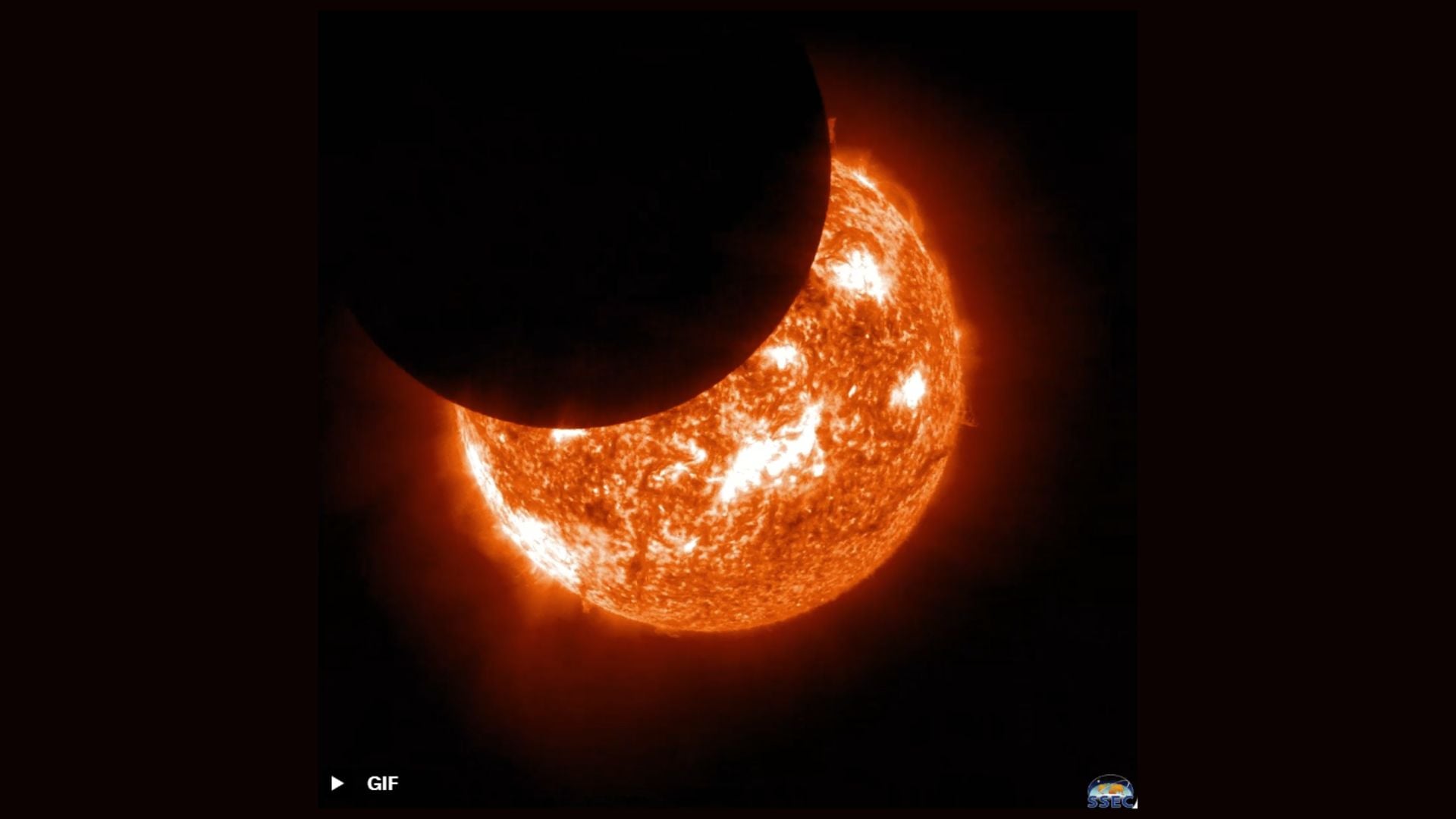
NASA's NOAA GOES-19 satellite captured rare footage of a natural solar eclipse from space on September 21, 2025, with the moon passing in front of the sun, creating unusual imagery due to image processing and a spacecraft maneuver that affected the moon's apparent path.
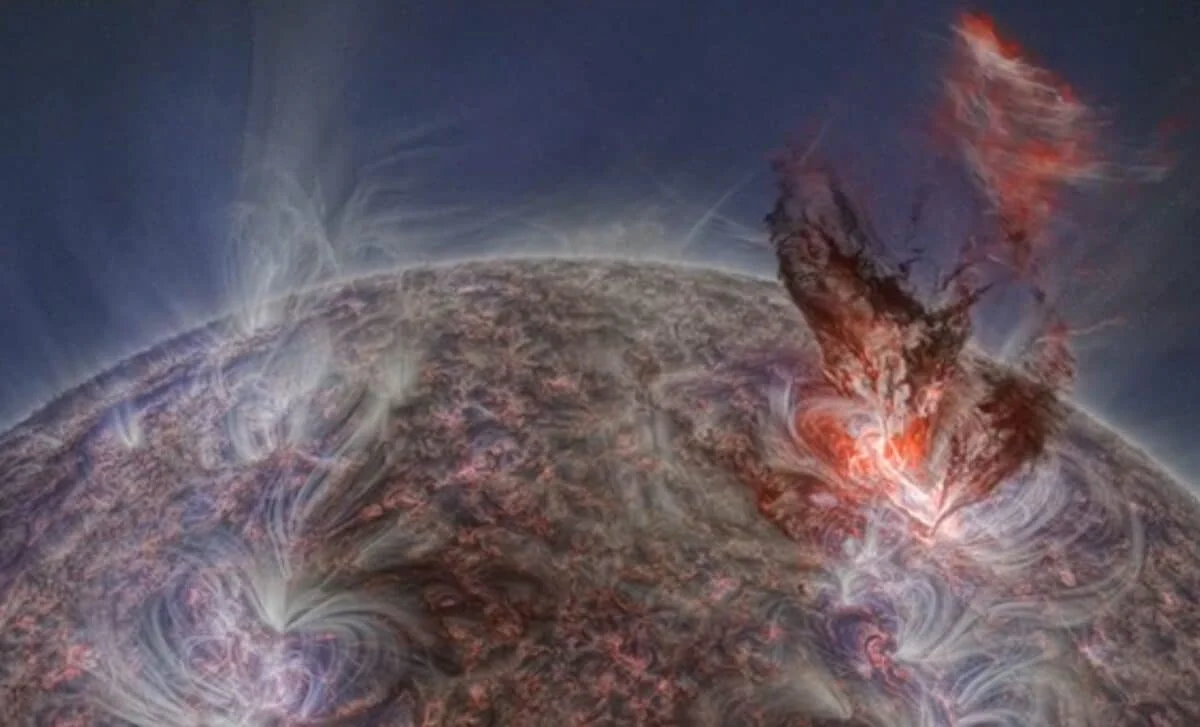
The NOAA GOES-19 satellite captured a stunning image of a partial solar eclipse on September 21, 2025, using its Solar Ultraviolet Imager, highlighting the satellite's role in monitoring solar phenomena and space weather from its orbit above Earth.
The annular solar eclipse on February 17, 2026, will create a 'ring of fire' visible only from a remote part of Antarctica, with limited opportunities for observation due to weather and accessibility. Partial views will be available in parts of Antarctica, southern Africa, and South America. The event's rarity and location make it a unique but challenging spectacle to witness.
Photographers Luca Vanzella and Alister Ling captured a year-long project of the Sun and Moon's movements over Edmonton, Canada, highlighting the major lunar standstill and celestial dance through 13 sunrises and moonrises, despite weather challenges and the need for proxies.
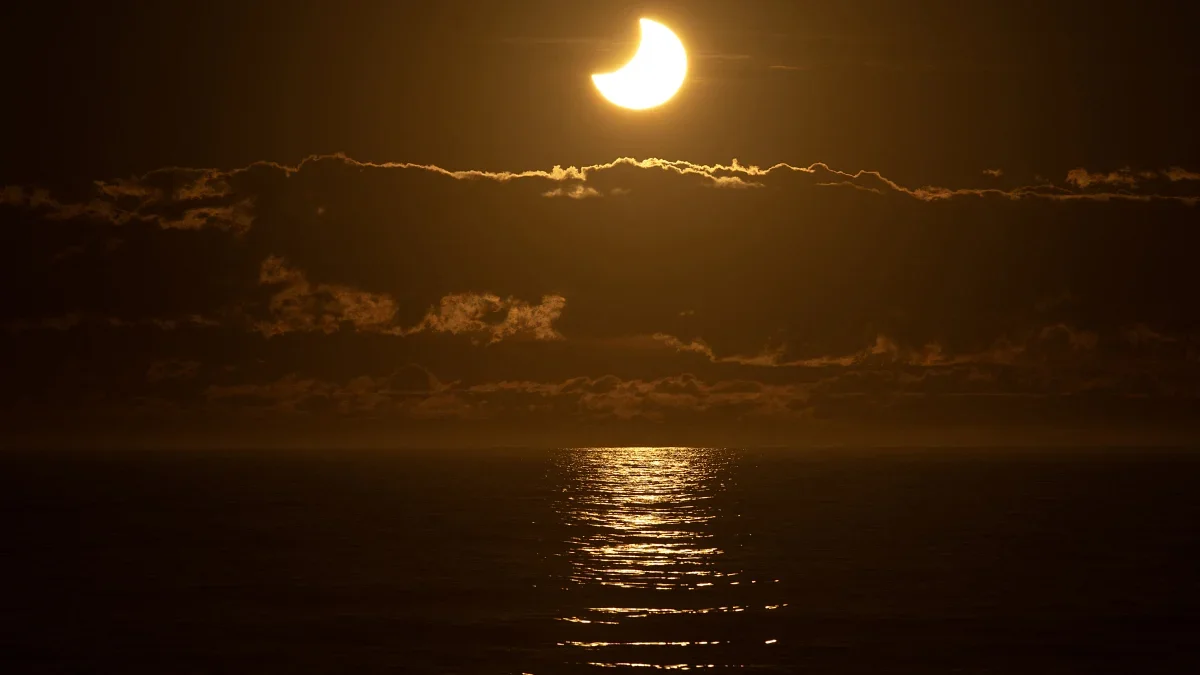
The article describes the first photos of the September 2025 partial solar eclipse over New Zealand, where up to 70% of the sun was obscured by the moon, captured during a live stream and by the Dunedin Astronomical Society, highlighting the celestial event's progression and providing educational context about eclipses.
The week features the last of the 2025 five-planet parade visible before sunrise, with Venus, Jupiter, and Saturn easily seen, Neptune at its annual opposition, and a dramatic solar eclipse occurring in the Southern Hemisphere on September 22, coinciding with the fall equinox.
A partial solar eclipse will occur on September 21, with maximum coverage at 3:41 p.m. EDT, visible in parts of New Zealand, Antarctica, and the South Pacific. Viewers should use proper eye protection to safely observe the event, which can also be watched live online.
The article discusses the significance of the upcoming New Moon Solar Eclipse in Virgo on September 21, 2025, emphasizing themes of renewal, setting intentions, and practical steps for each zodiac sign to harness this celestial event for personal growth and manifestation.
A partial solar eclipse will occur on September 21, 2025, with maximum coverage at 3:41 p.m. ET, and can be watched live online via a free YouTube livestream hosted by Time and Date, featuring expert commentary and real-time views of the eclipse.