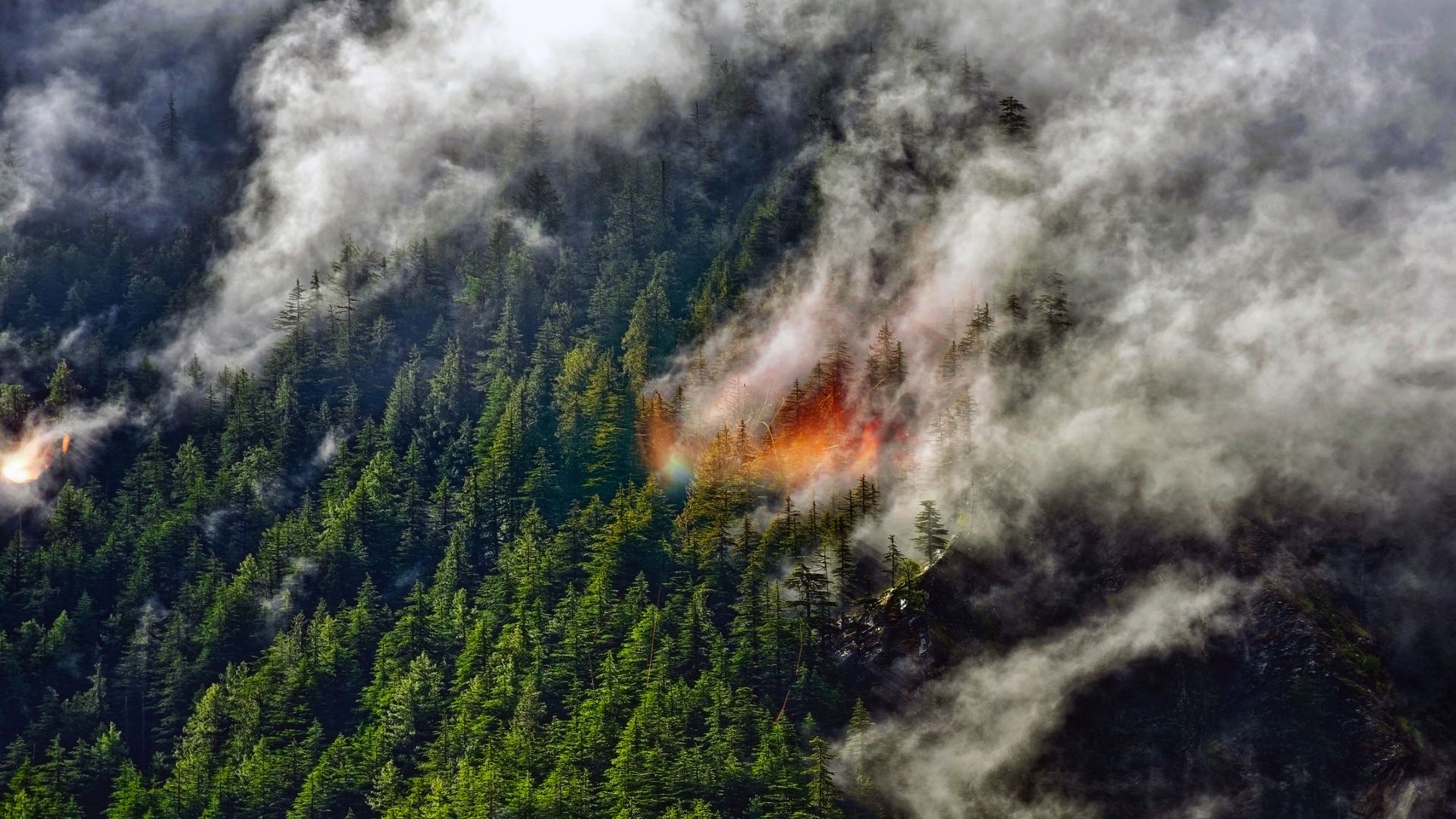
Wildfire smoke particles lofted high into the atmosphere can have a cooling effect on Earth's climate, and current climate models may need updating to include these large aerosols that increase outgoing radiation, potentially affecting weather and atmospheric circulation.
Early climate models, particularly those developed by Syukuro Manabe, accurately predicted key aspects of modern climate change, including global warming from CO2, stratospheric cooling, Arctic amplification, land-ocean contrast, and delayed Southern Ocean warming, demonstrating their significant predictive success despite their complexity and limitations.
Early climate models, particularly those developed by Syukuro Manabe in the 1960s, accurately predicted key features of modern climate change, including global warming from CO2, stratospheric cooling, Arctic amplification, land-ocean contrast, and delayed Southern Ocean warming, demonstrating the reliability of climate modeling despite its complexities and limitations.
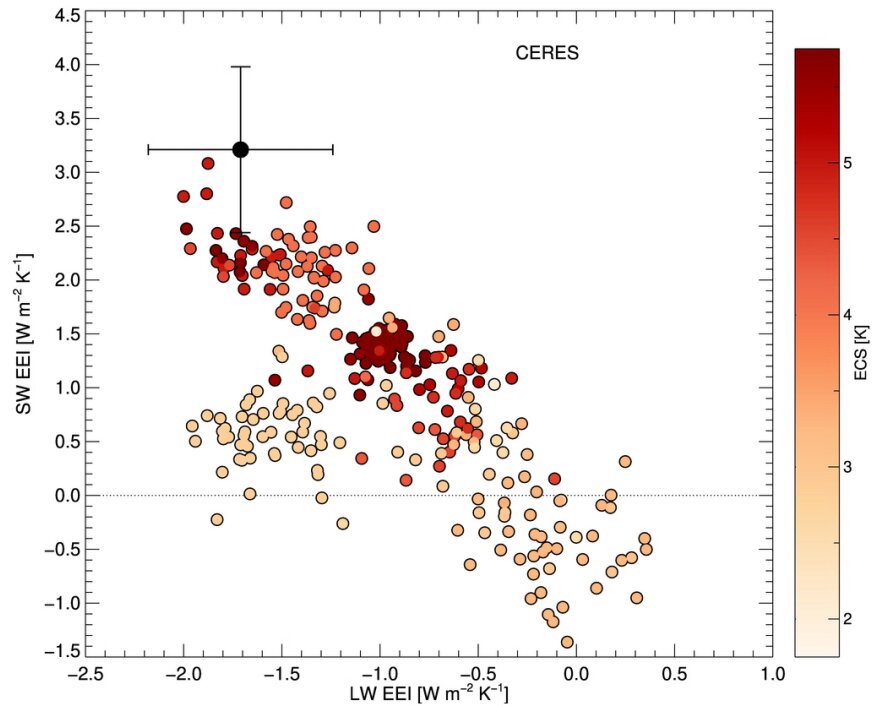
A recent study warns that Earth's energy imbalance has doubled over the past 20 years, surpassing climate model predictions, primarily due to changes in cloud cover and increased greenhouse gases, indicating accelerated global warming and potential for more severe climate impacts.
Recent research shows Earth's energy imbalance has more than doubled in 20 years, with the planet trapping significantly more heat than climate models predicted, mainly due to changes in cloud cover and other factors, indicating a potential acceleration of global warming and more severe climate impacts ahead.
Imperfect climate models, despite their inaccuracies and simplifications, are valuable tools for understanding climate change because they help identify robust relationships, inform purpose-specific applications, and can be repurposed to generate new insights, exemplifying antifragility in scientific research.
A recent study shows that climate models with low sensitivity to greenhouse gases do not match satellite data, indicating that future global warming may be more severe than previously estimated unless emissions are reduced further.
Pacific sediment cores are crucial for understanding Earth's past climate, but limited sampling and aging infrastructure hinder comprehensive insights. New drilling technologies and international collaboration are essential to fill data gaps, improve climate models, and better predict future climate changes.
A new study reveals that oceans may cool the Earth more than previously thought, due to sulfur gases like methanethiol emitted by marine life, which create aerosols that reflect solar radiation. This discovery suggests that climate models have overestimated solar radiation reaching the Southern Ocean, highlighting the need for more accurate models. The research emphasizes the role of oceanic sulfur compounds in climate regulation, potentially impacting climate change policies.
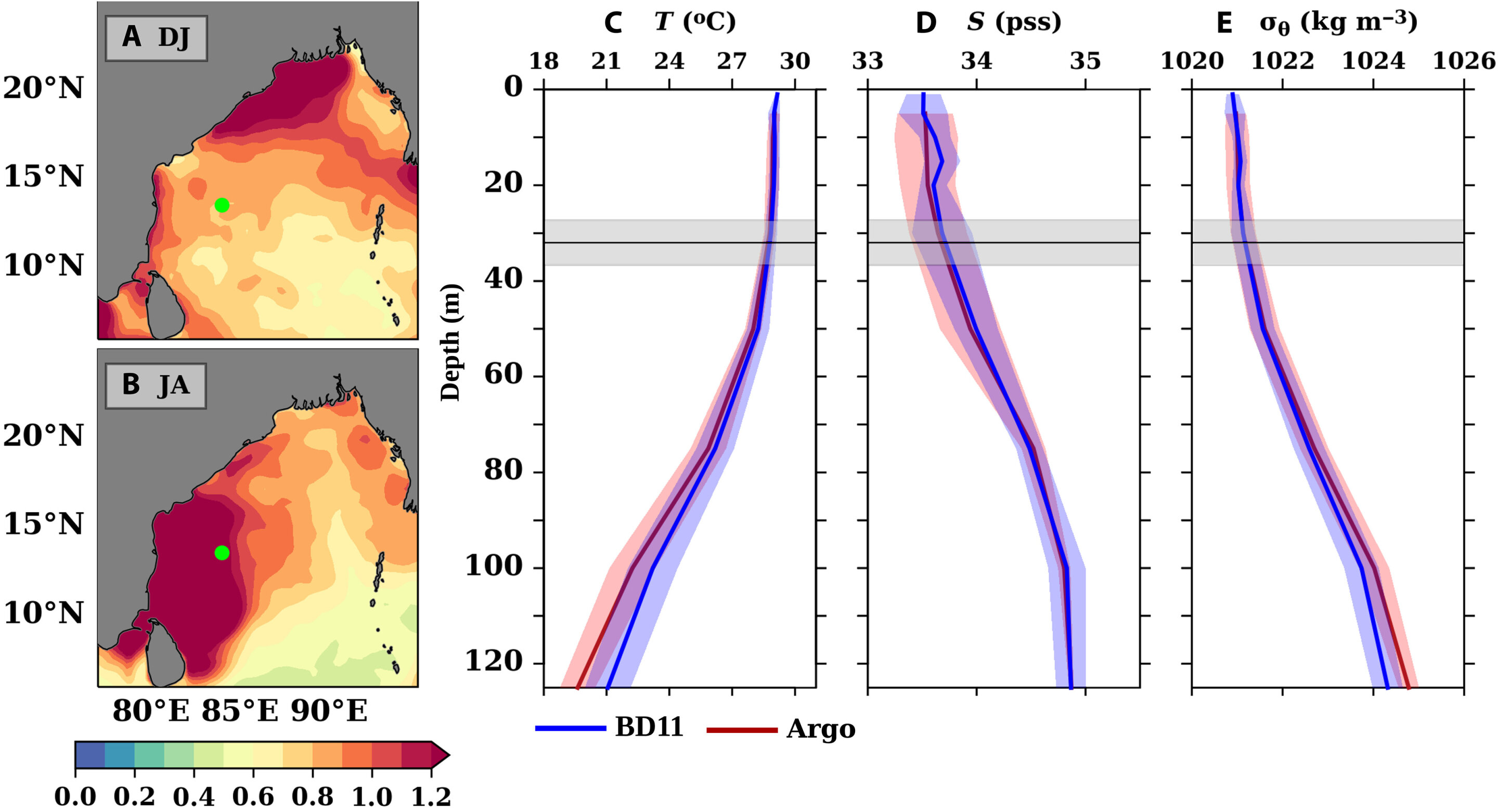
A study by scientists from NOAA and other institutions has identified an exception to Ekman's theory of wind-driven ocean currents in the Bay of Bengal, where currents deflect to the left of surface winds, contrary to the theory's predictions for the Northern Hemisphere. This finding, based on multi-year buoy data, suggests potential revisions to climate models and highlights the need for further research on wind impacts on ocean currents. The study could also support the development of a NASA satellite system to monitor wind and ocean surface currents.
A new study published in Science Advances reveals that polar oceans emit sulfur gases, particularly methanethiol, which have a greater cooling effect on the climate than previously understood. This discovery, led by researchers from Spain and the UK, highlights the role of marine sulfur in cloud formation and its impact on solar radiation reflection, challenging existing climate models. The findings underscore the importance of accurately representing these emissions in climate predictions, aiding in more precise policy-making for global warming scenarios.
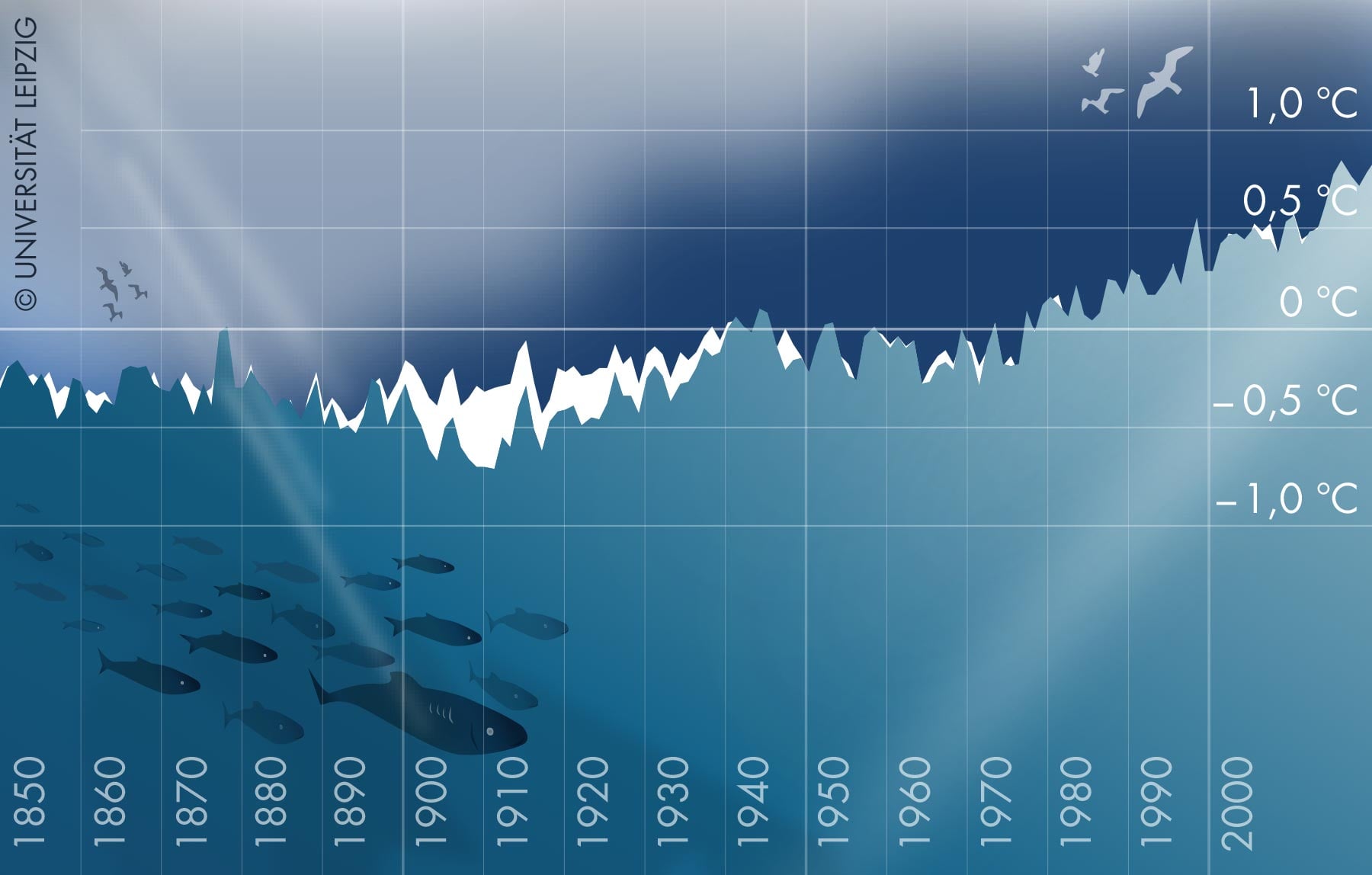
A new study reveals that early 20th-century ocean temperatures were colder than previously thought, challenging existing climate models. This discrepancy, found to be about 0.26 degrees Celsius, suggests inaccuracies in historical ocean temperature data due to changing measurement methods. The findings, however, do not alter the understanding of long-term global warming since 1850 but provide better insights into historical climate variability and improve future climate models.
Researchers from UC Irvine and the University of Michigan have identified that a commonly used climate model overestimates the albedo of ice by about 5%, leading to underestimations of ice melt. By incorporating more accurate ice reflectivity data, the model now shows the Greenland Ice Sheet melting at a rate of six gigatons more than previously estimated. This finding highlights the importance of accounting for microphysical properties of ice, such as the effects of algae and dust, in climate models.
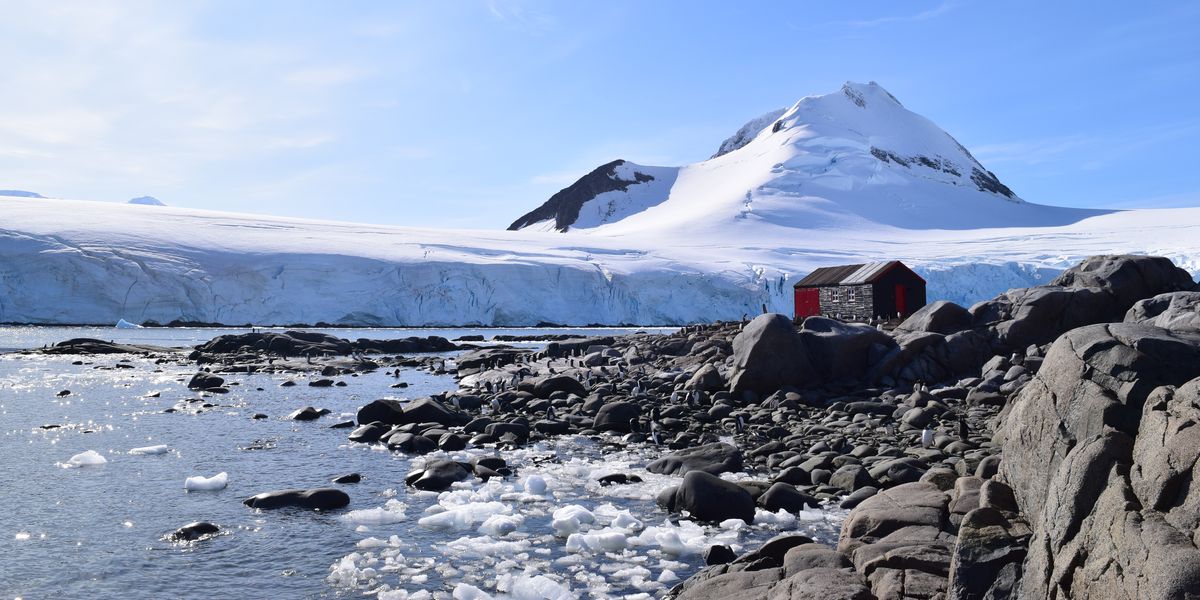
Researchers from the British Antarctic Survey have found that the recent loss of Antarctic sea ice, which is ten times the size of the UK, is a one-in-2,000-year event exacerbated by climate change. Using the CMIP6 climate dataset and 18 different climate models, they determined that the record low sea ice levels in 2023 were extremely rare and unlikely without climate change. The study also indicates that it could take over twenty years for the sea ice to partially recover, with significant impacts on global weather and Southern Ocean ecosystems.
A historic heat wave in West Africa, attributed to human-caused climate change, has raised concerns about a sudden surge in global temperatures. The planet has breached a feared warming threshold of 1.5 degrees Celsius above preindustrial levels, with nearly 19,000 weather stations recording record high temperatures since January 1. Scientists are puzzled by the unprecedented scale and intensity of this hot streak, and are uncertain whether Earth's climate has undergone a fundamental shift. Even if global temperatures return to a more predictable trajectory, the effects of warming on people and ecosystems have already entered uncharted territory, with previously unthinkable events becoming commonplace as the world continues to warm.