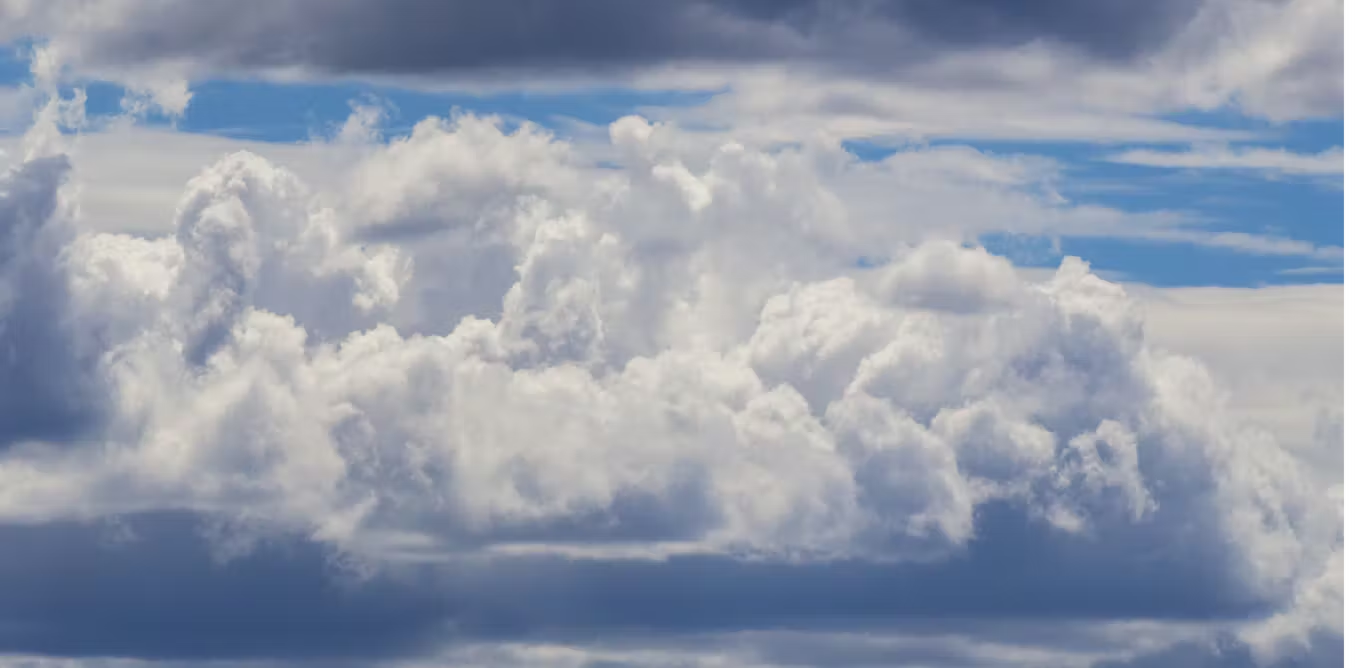
Researchers at Brookhaven National Laboratory have developed a high-resolution lidar that acts like a microscope for clouds, revealing new insights into cloud top structures and dynamics, which could improve climate models and weather predictions.
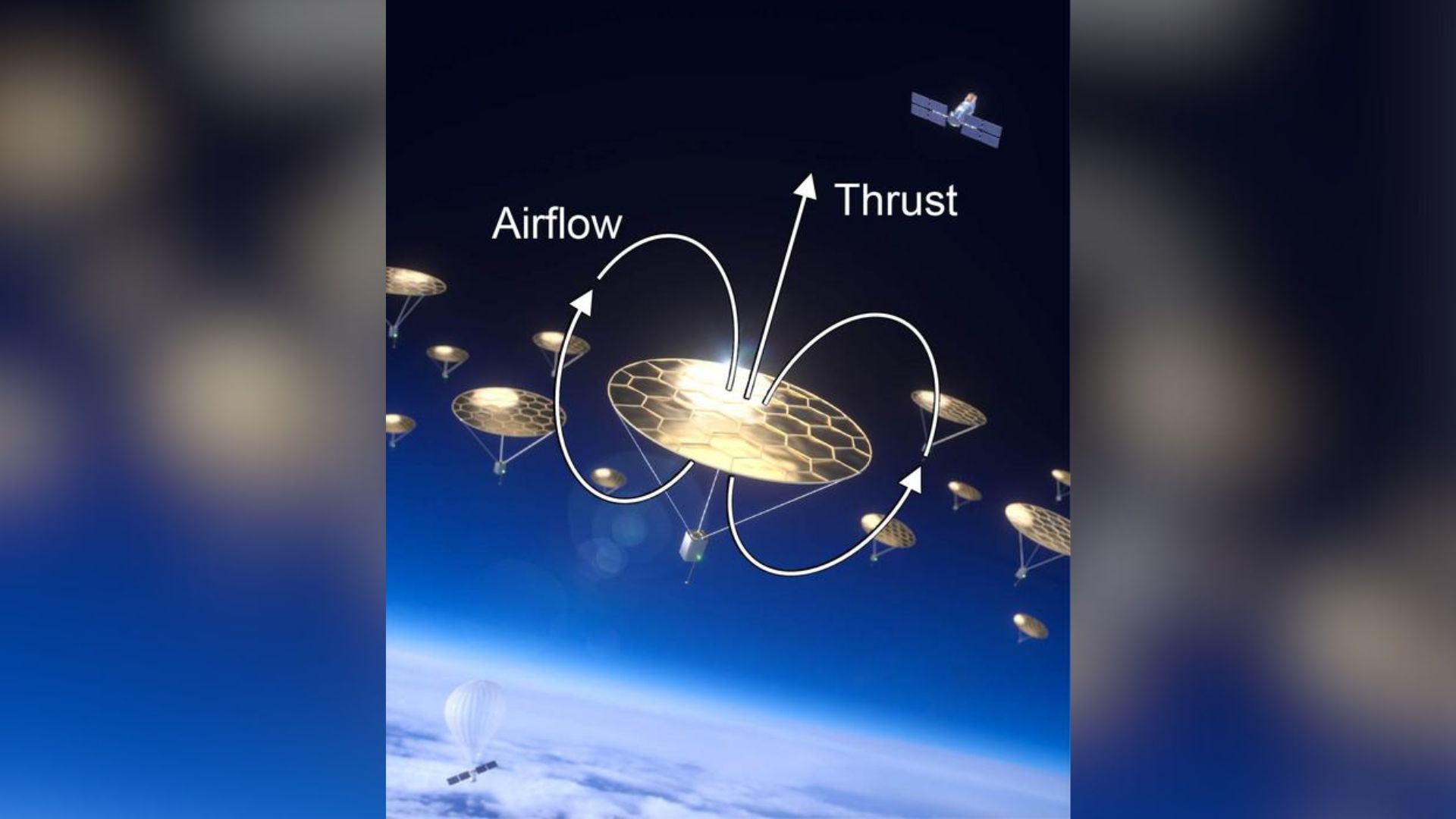
Researchers have successfully tested tiny sunlight-powered devices using photophoresis in near-vacuum conditions similar to Earth's upper atmosphere, opening new possibilities for exploring the ignorosphere and improving climate models, with potential applications in atmospheric research, space exploration, and satellite technology.
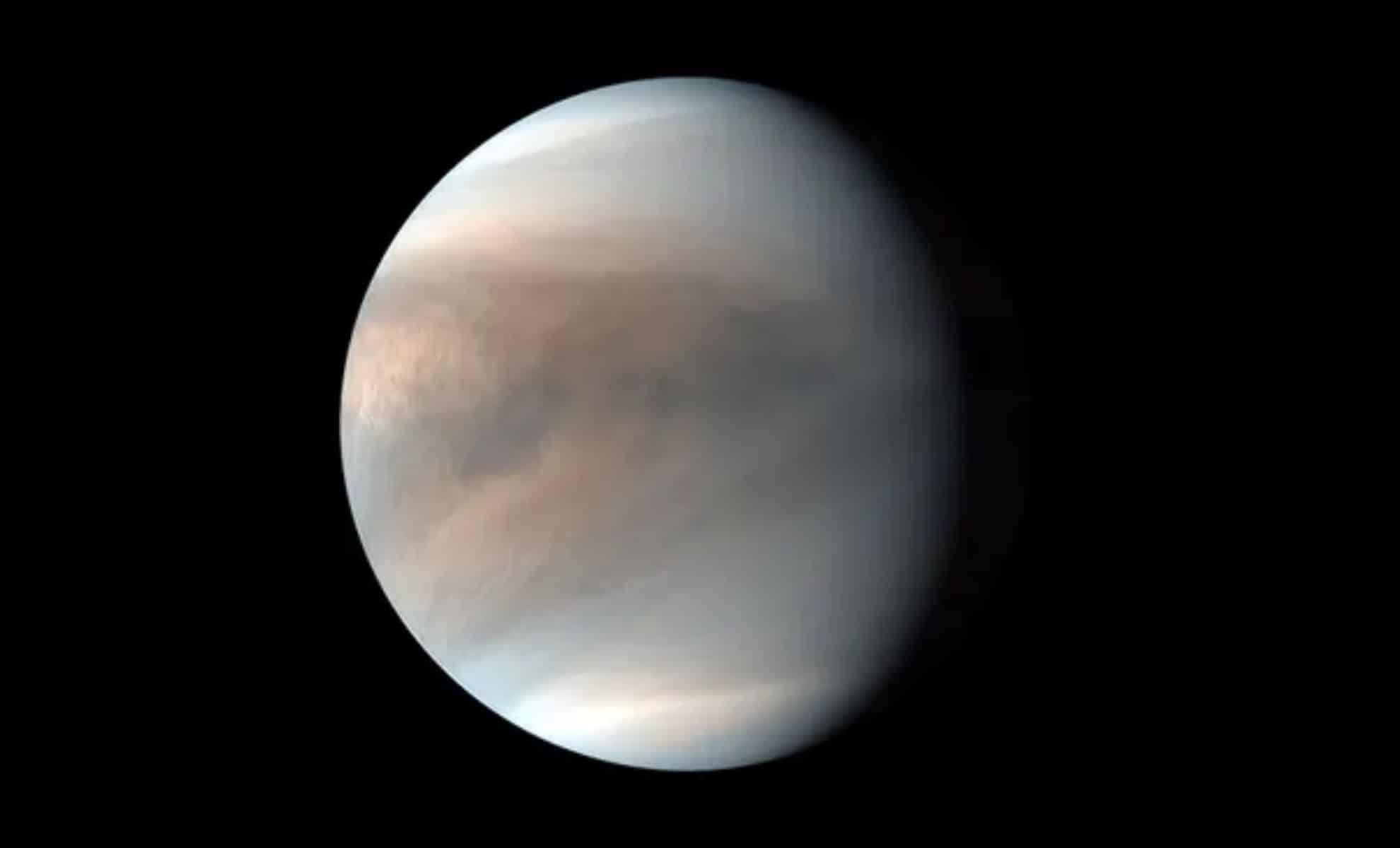
Japan’s weather satellites Himawari-8 and Himawari-9 accidentally captured detailed data on Venus, revealing atmospheric phenomena like thermal tides and Rossby waves, which enhance understanding of Venus’ atmosphere and can improve calibration of dedicated planetary missions.
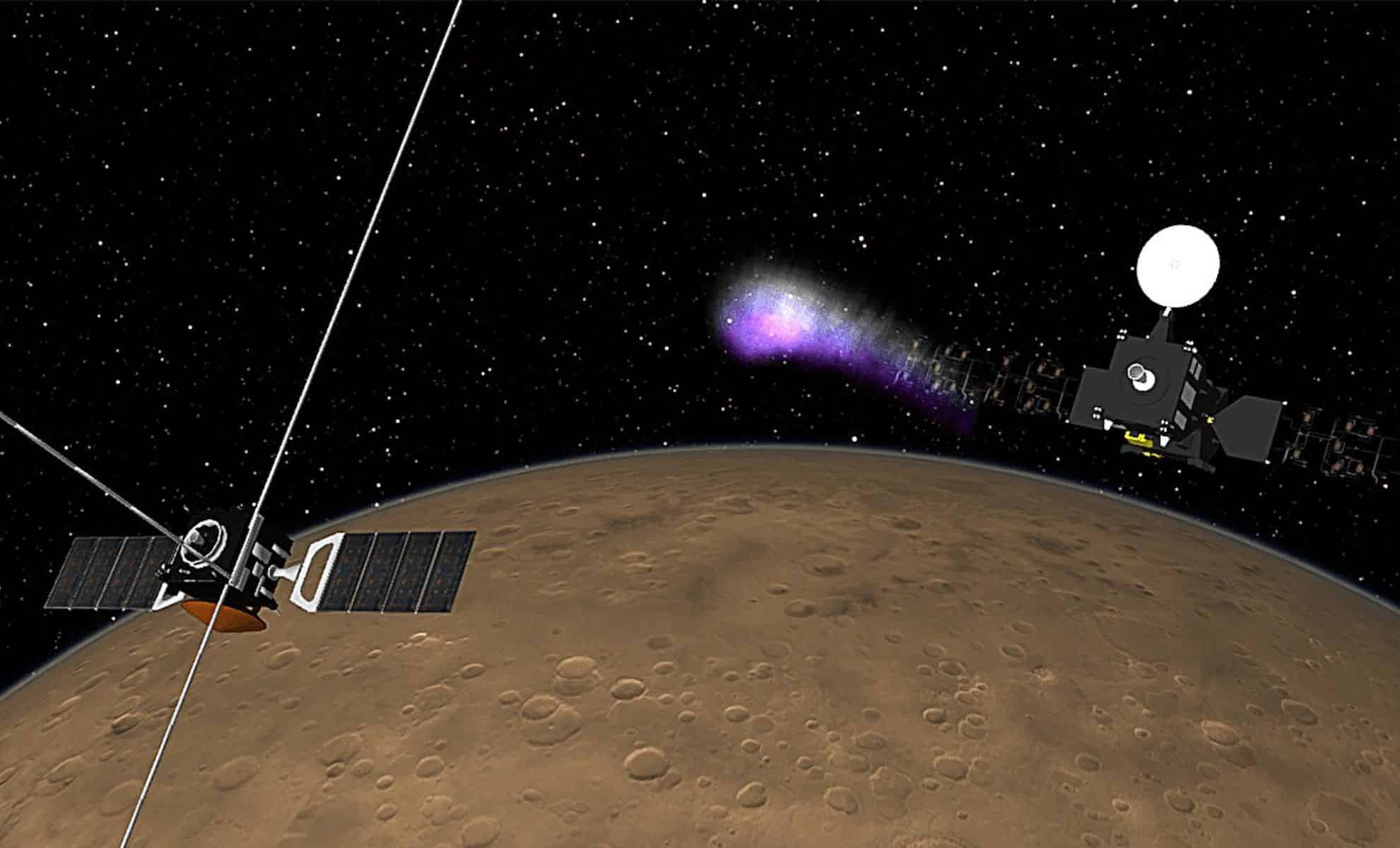
European Space Agency's Mars Express and ExoMars Trace Gas Orbiter used mutual radio occultation to study Mars' ionosphere, revealing new insights into its electron density, temperature, and layer behavior, challenging previous models and improving understanding of atmospheric dynamics crucial for future missions.
Satellites have revealed that volcanic ash can trigger the formation of high-altitude cirrus clouds by acting as nuclei for ice crystals, a discovery that enhances understanding of how eruptions influence Earth's climate and cloud dynamics.
A new study published in Science Advances reveals that polar oceans emit sulfur gases, particularly methanethiol, which have a greater cooling effect on the climate than previously understood. This discovery, led by researchers from Spain and the UK, highlights the role of marine sulfur in cloud formation and its impact on solar radiation reflection, challenging existing climate models. The findings underscore the importance of accurately representing these emissions in climate predictions, aiding in more precise policy-making for global warming scenarios.
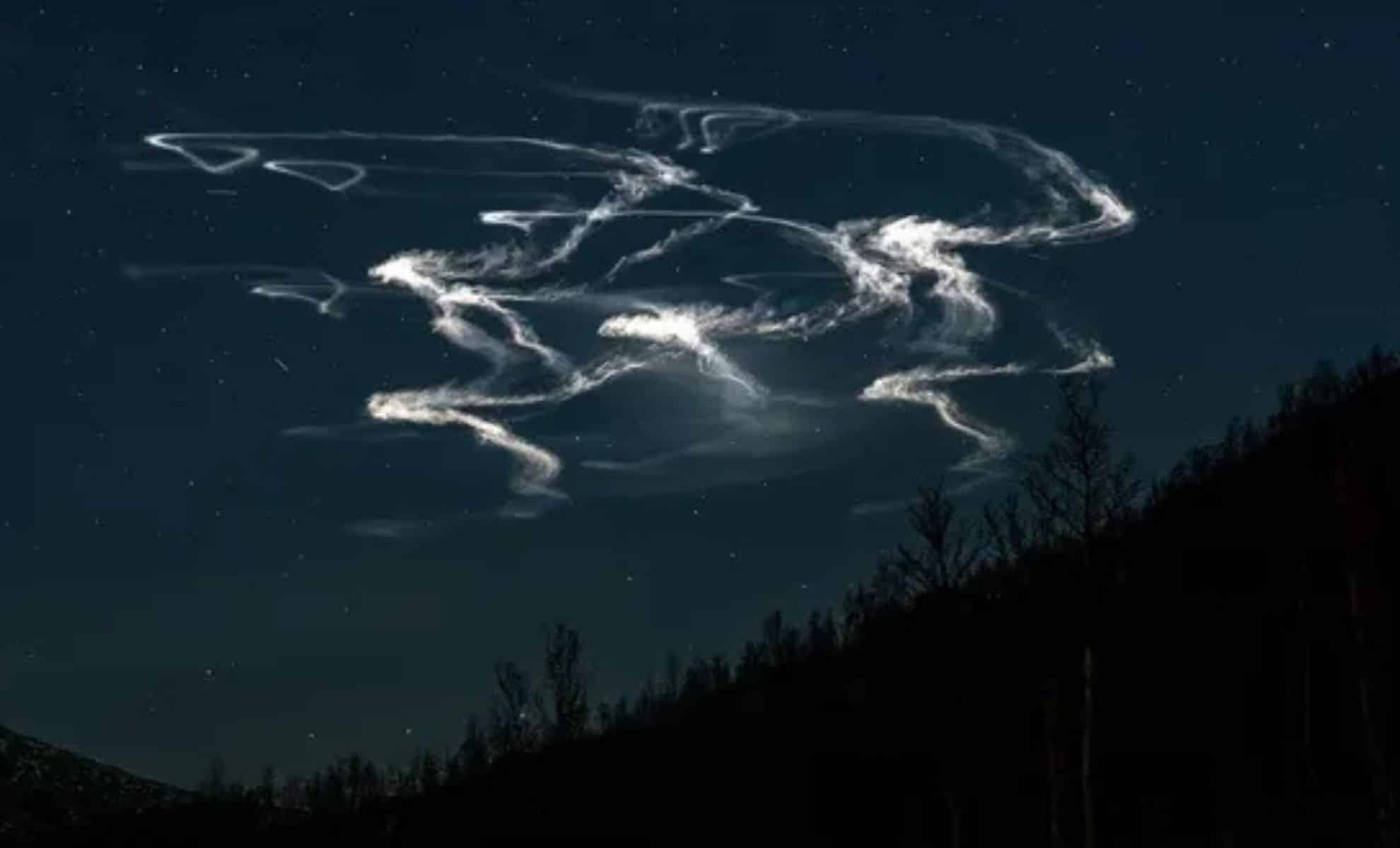
NASA conducted the Vorticity Experiment (VortEx) over Northern Norway, launching rockets that released glowing artificial clouds to study atmospheric turbulence and gravity waves. These clouds, created using trimethyl aluminum, served as visual markers to reveal energy flows between atmospheric layers, crucial for understanding weather and climate dynamics. The experiment, set against the northern lights, provided insights into the turbopause, a key atmospheric region, and has implications for both Earth and planetary science.
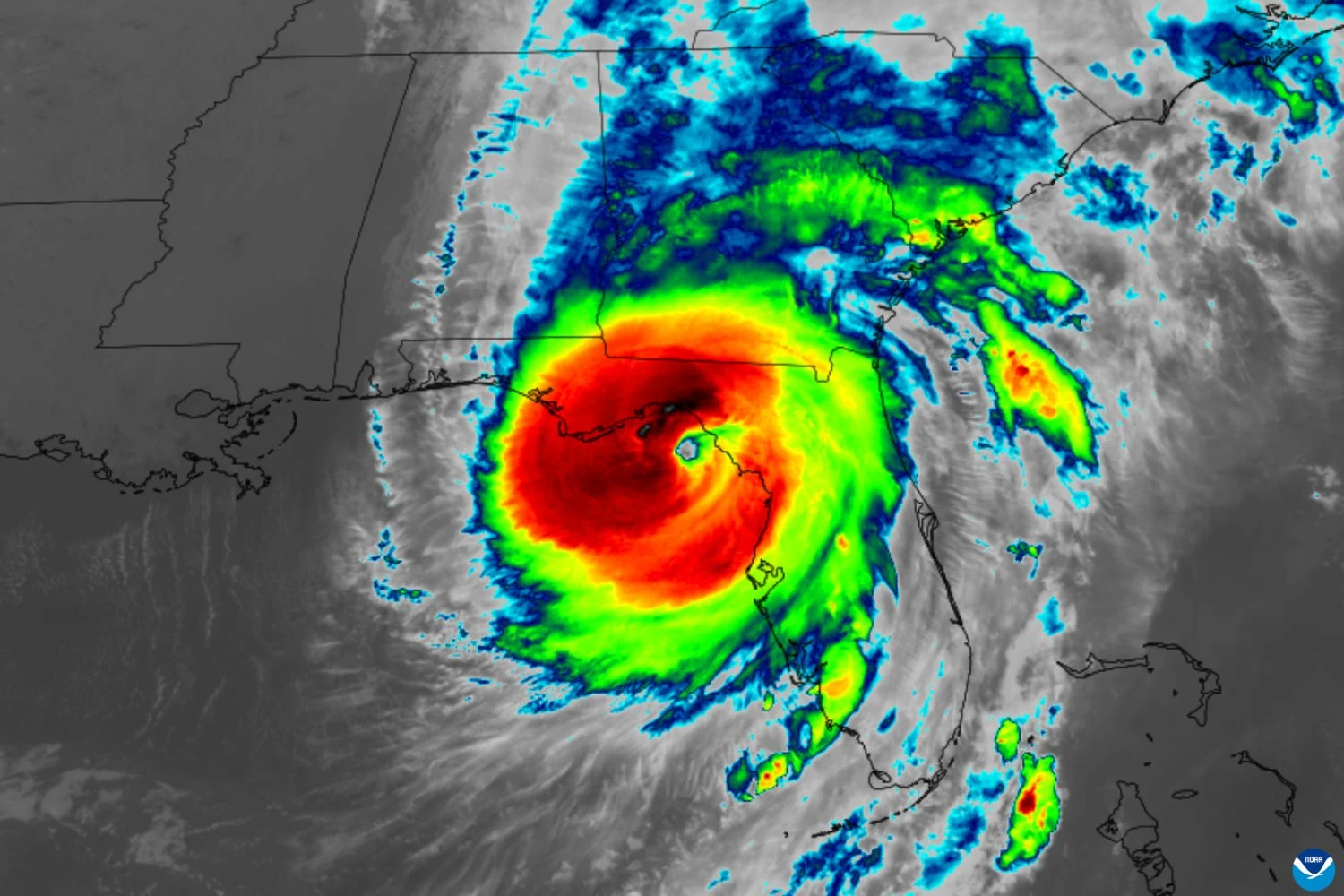
NASA's Atmospheric Waves Experiment aboard the International Space Station captured images of gravity waves generated by Hurricane Helene, highlighting the storm's intensity and the instrument's capabilities. Gravity waves, distinct from gravitational waves, are atmospheric ripples caused by natural phenomena like hurricanes. The data, visualized in infrared wavelengths, helps scientists understand the impact of terrestrial weather on space weather, which can affect low-Earth orbit instruments and communications. Helene, a Category 4 storm, caused significant damage in the southeastern U.S., including power outages and flooding.
A recent study reveals that microplastics can promote cloud formation by acting as nuclei for ice crystals at warmer temperatures than usual, potentially affecting weather and climate. These particles, found globally, could increase precipitation and alter clouds' impact on Earth's energy balance. The study tested common microplastics, finding that their ice nucleation ability is sensitive to surface chemical changes. Further research is needed to understand microplastics' concentrations in the atmosphere and their comparative impact on cloud formation.
The exoplanet WASP-39b, located 700 light-years away, has a bizarre weather pattern where its permanently dark side is 300 degrees hotter than its permanently light side. This phenomenon is due to powerful winds transferring heat from the star-facing side to the dark side. The Webb Space Telescope's near-infrared spectrograph helped scientists uncover these findings, revealing complex atmospheric dynamics and prompting further study of other tidally locked exoplanets.
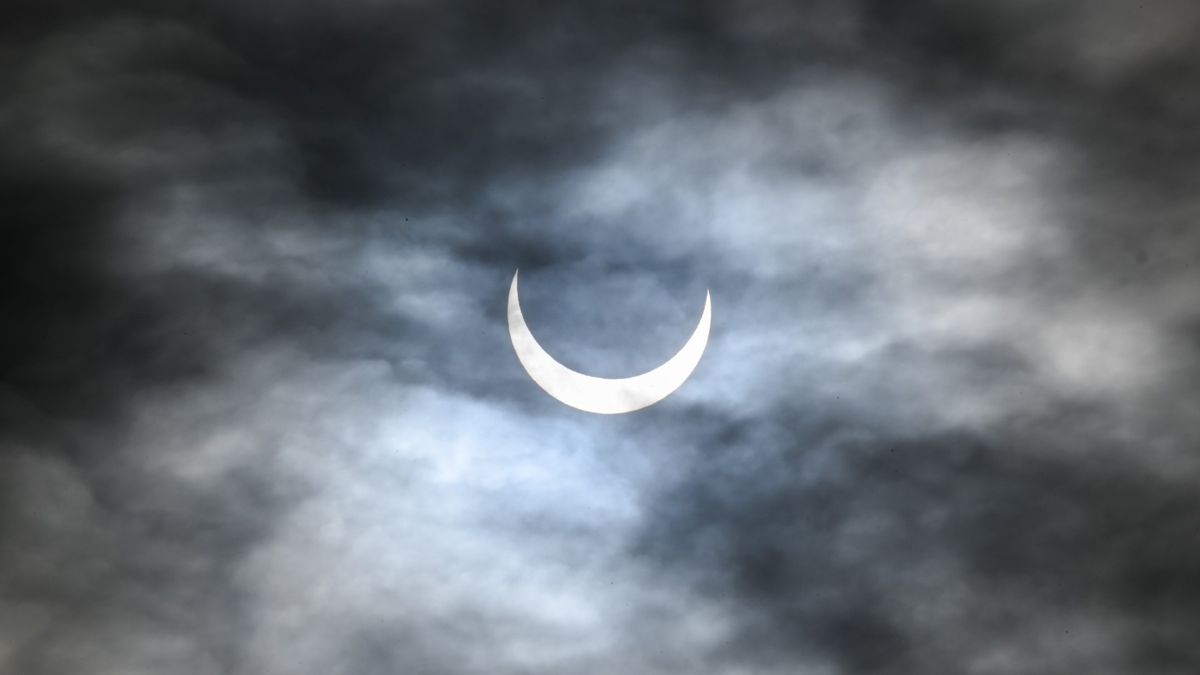
Researchers have found that during a solar eclipse, low-level cumulus clouds decrease significantly, with cloud cover falling by more than a factor of 4 on average. This phenomenon has implications for geoengineering efforts aimed at blocking sunlight to mitigate climate change, as it suggests that cloud cover could also decrease with such efforts. The decrease in land surface temperature during a solar eclipse is driving changes in cumulus cloud cover, shedding light on the physics of cloud dissipation during these events.
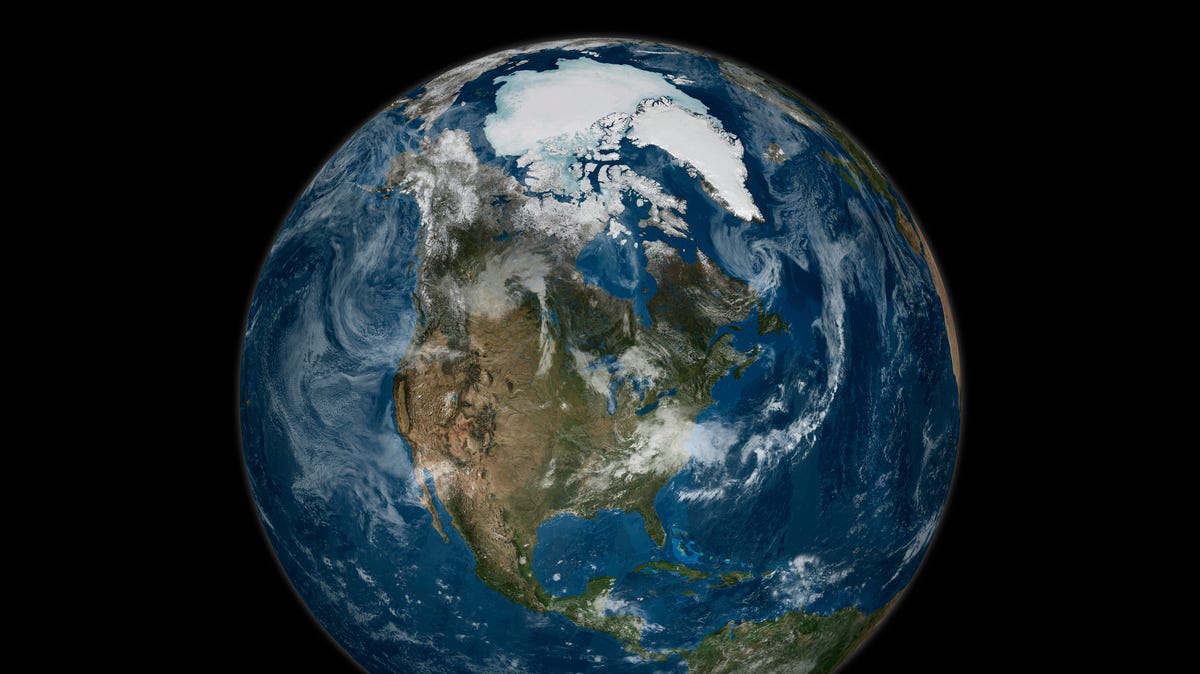
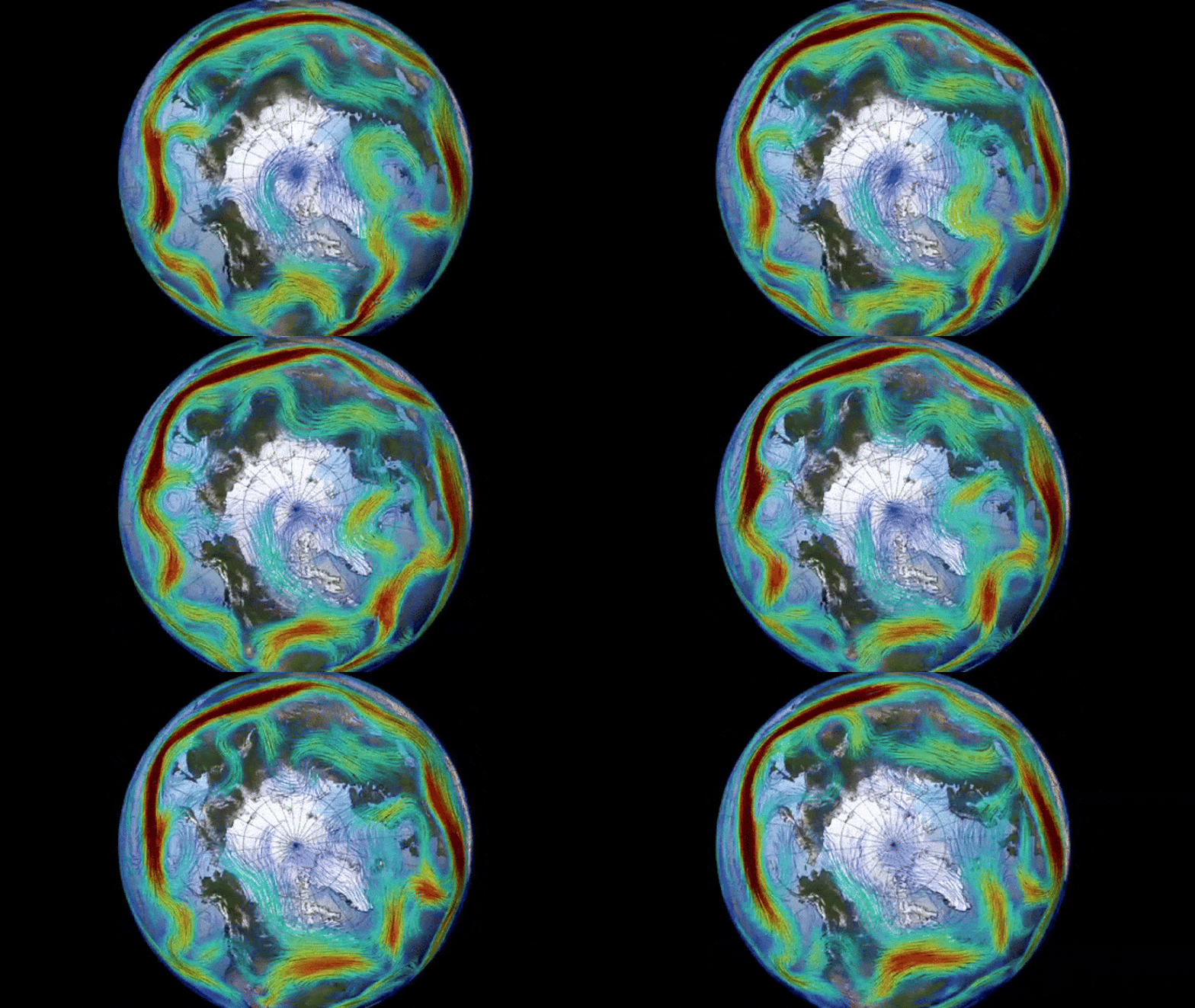
The Arctic's polar vortex has been spinning backwards since March 4, a rare event caused by sudden stratospheric warming and an increase in polar ozone. This reversal, one of the six strongest since 1979, has not led to extreme cold or storms. The polar vortex, a region of circulating winds that confines cold air to the polar regions, can cause major weather events when disrupted. The reversal was caused by sudden atmospheric warming from planetary waves. The winds are expected to slow down by the end of March, leading to a resumption of westerly winds.
The polar vortex above the Arctic is spinning in the opposite direction following a surprise warming event, causing a record-breaking "ozone spike" and disrupting the jet stream. While this reversal is not expected to lead to extreme cold weather in the U.S., it has drawn in large amounts of ozone from lower latitudes, creating a temporary ozone spike. The event, caused by sudden stratospheric warming, is the second of its kind this year and is linked to the current major El Niño phase, potentially making further disruptions more likely over the next year.
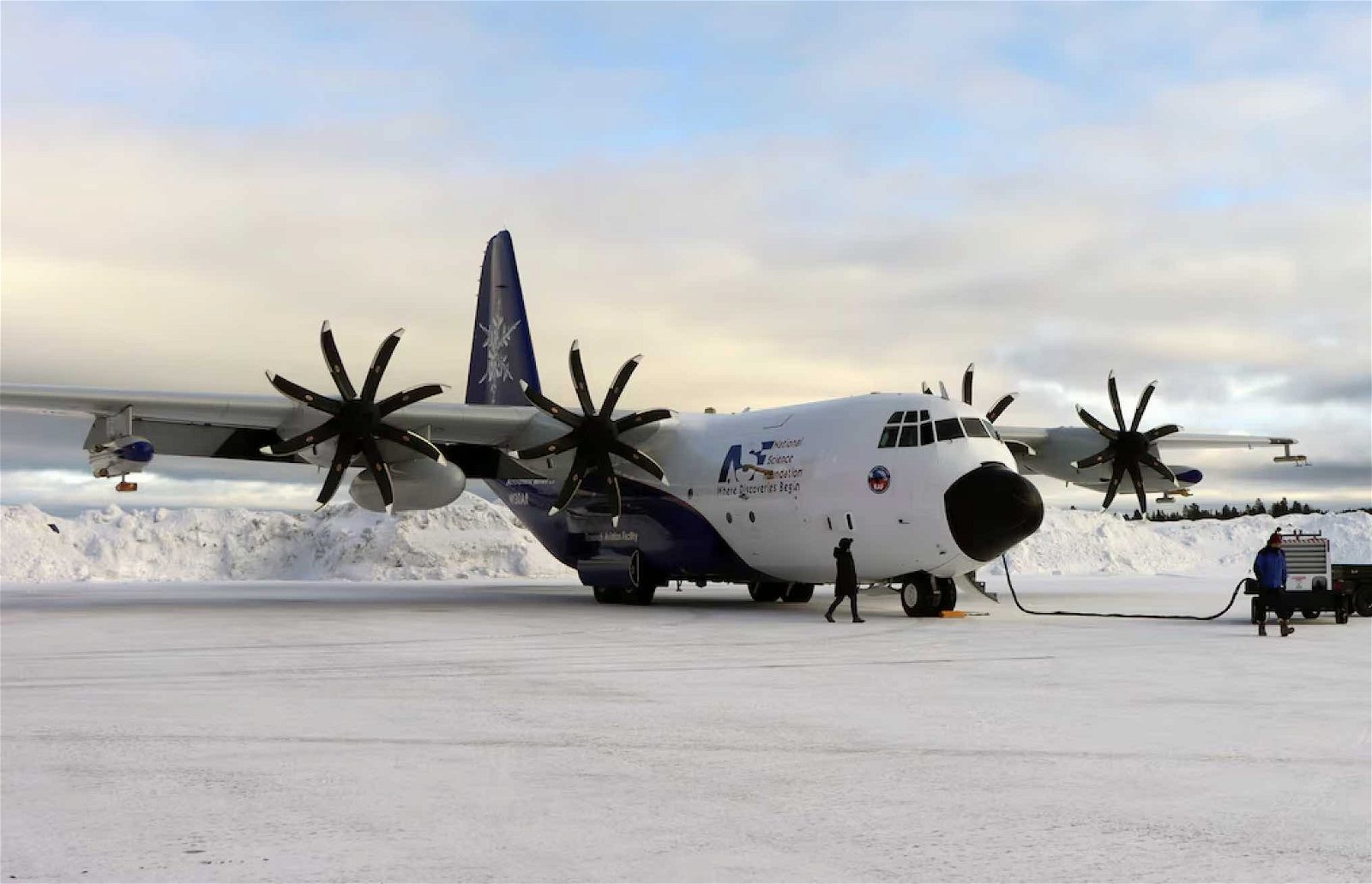
The U.S. Naval Research Lab is investigating unexplained arctic phenomena associated with the sudden formation of intense "polar lows" through the Cold-Air outbreak Experiment in the Sub-Arctic Region (CAESAR) campaign, aiming to understand the meteorological processes underlying Arctic cold-air outbreaks (CAOs) that pose a threat to sailing vessels and impact Arctic weather systems. The NRL has assigned a research meteorologist to participate in the campaign, which utilizes a specialized C-130 aircraft equipped with remote sensing capabilities to collect data on the Arctic air mass. Understanding these phenomena is crucial for Navy operations and could provide vital data for boundary layer and coupled modeling studies.
Scientists are exploring the possibility of dehydrating the stratosphere to combat climate change by preventing water vapor from forming a barrier that traps heat in the atmosphere. By targeting a specific region above Australia with ice-nucleating particles, they aim to create short-lived clouds that fall to lower altitudes, reducing water vapor in the stratosphere. This approach could potentially offset a fraction of climate change-induced warming, but the details and potential side effects of the strategy remain uncertain.