Eating specific foods like leafy greens, blueberries, avocados, fermented foods, and walnuts can help naturally reduce anxiety by supporting brain chemistry and reducing inflammation, offering a complementary approach to managing anxiety symptoms.
Taking a gentle walk after Christmas dinner, dubbed 'fart walking,' can improve sleep by aiding digestion, reducing stress, managing blood sugar levels, and regulating body temperature, making it a beneficial post-meal activity especially during the holiday season.
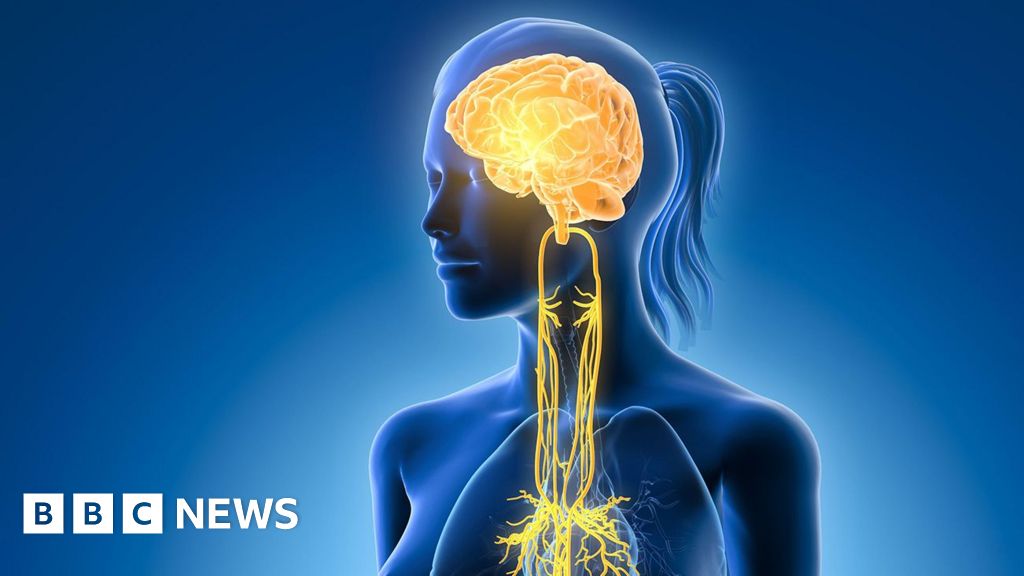
The article explores the role of the vagus nerve in stress and mental health, discussing various techniques and devices aimed at stimulating it to promote relaxation and emotional resilience, while highlighting the current scientific debate and personal success stories.
Recent research uncovers a neural pathway involving oxytocin that enhances synchronization between heartbeat and breathing in mice, which could lead to new therapies for stress and anxiety. The pathway links the hypothalamus, brainstem, and heart, and oxytocin plays a key role in regulating RespHRV, especially during calming states.
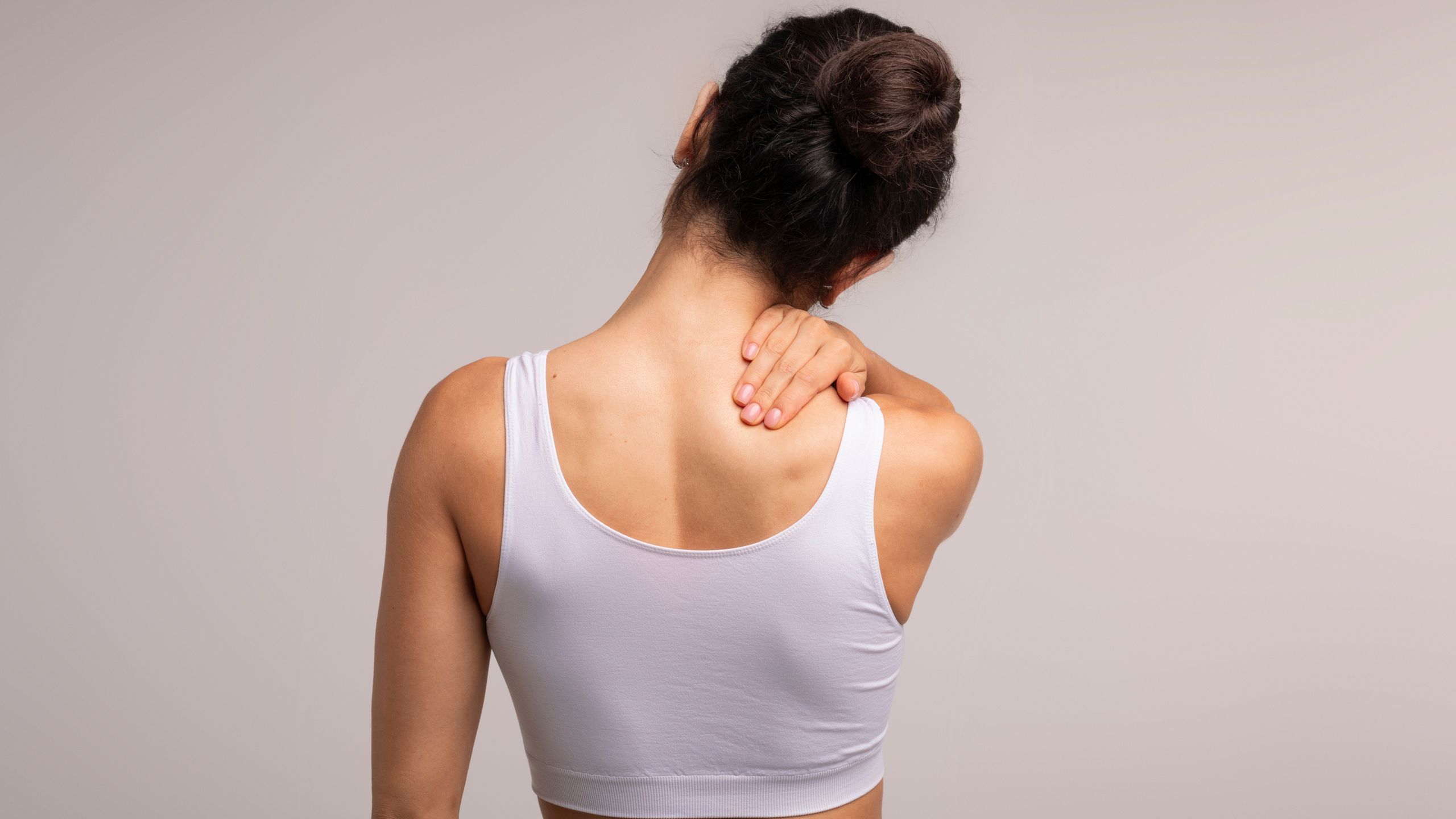
A simple 10-second stretch of the shoulders and neck can trigger the parasympathetic nervous system, leading to an immediate drop in blood pressure and a feeling of calm, making it a quick tool for stress relief, though it should not replace medical treatment for hypertension.
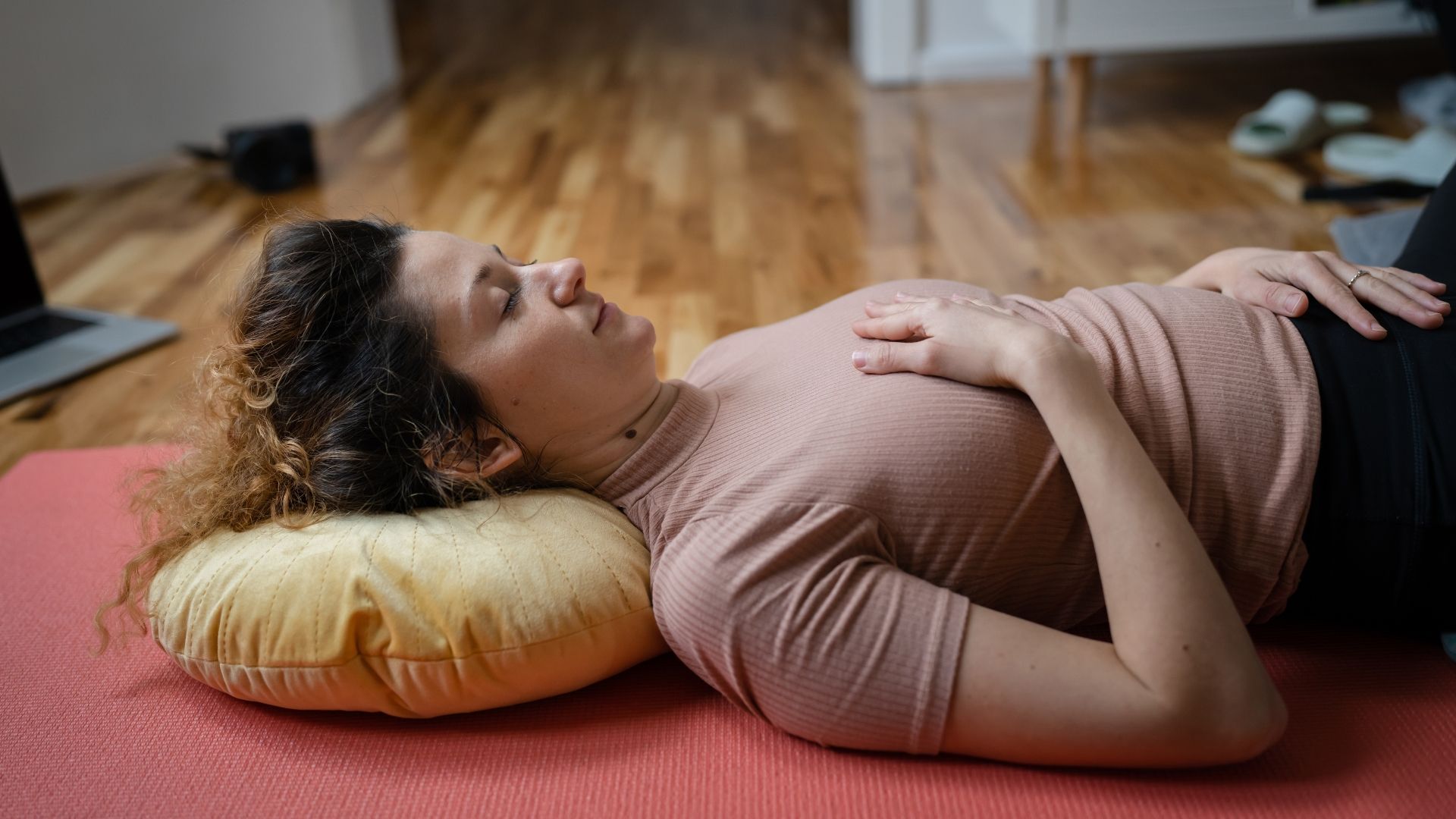
A yoga instructor shares three gentle yoga poses—supported savasana, sphinx with forehead support, and seated neck release—that can help alleviate neck discomfort caused by poor posture, stress, and modern habits like prolonged computer use, by promoting relaxation, alignment, and mobility.
A simple 10-second shoulder roll can lower blood pressure and activate the body's relaxation response, providing a quick and effective way to reduce stress and support heart health, according to research from the University of Minnesota.
The article reviews the top eight ashwagandha supplements recommended by experts for stress management, sleep, and overall well-being, emphasizing the importance of standardized extracts, consistency in use, and consulting healthcare providers before starting any new supplement.
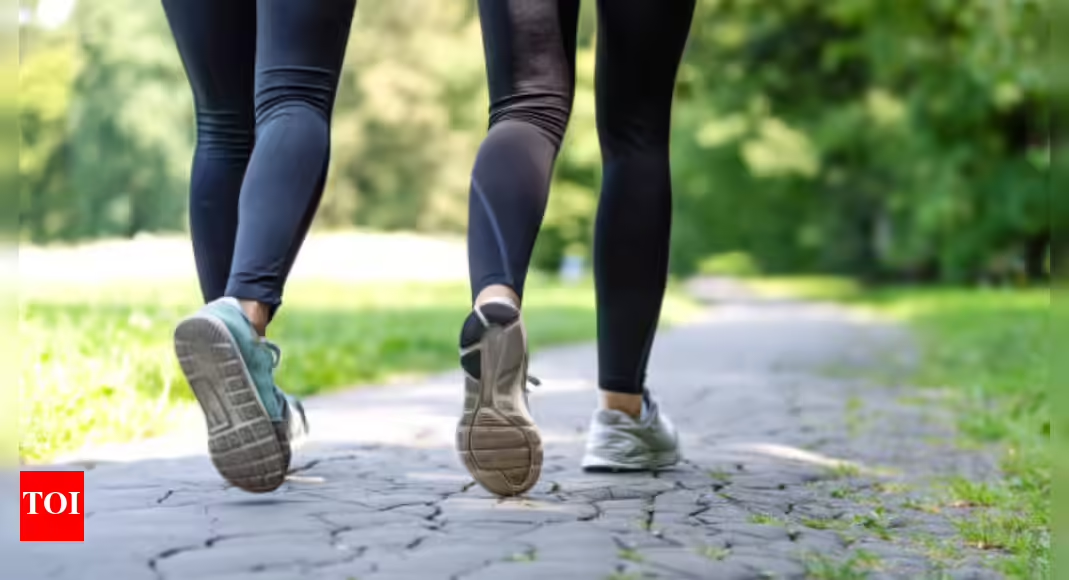
A cardiologist emphasizes that just 30 minutes of daily walking can significantly improve heart health, reduce stress, boost mood, and enhance overall well-being, making it an accessible and effective form of therapy for body and mind.
Scientists at Scripps Research identified a brain region in the thalamus that becomes more active during alcohol dependence, especially in relieving withdrawal symptoms, highlighting a biological basis for addiction and potential targets for new treatments.
An expert lists 10 natural supplements, including ashwagandha, shilajit, flaxseed oil, black seed, berberine, fenugreek, sea buckthorn, magnesium, garlic oil, and pumpkin seeds, that can enhance overall wellness, boost immunity, and support various health functions when incorporated into daily diets.
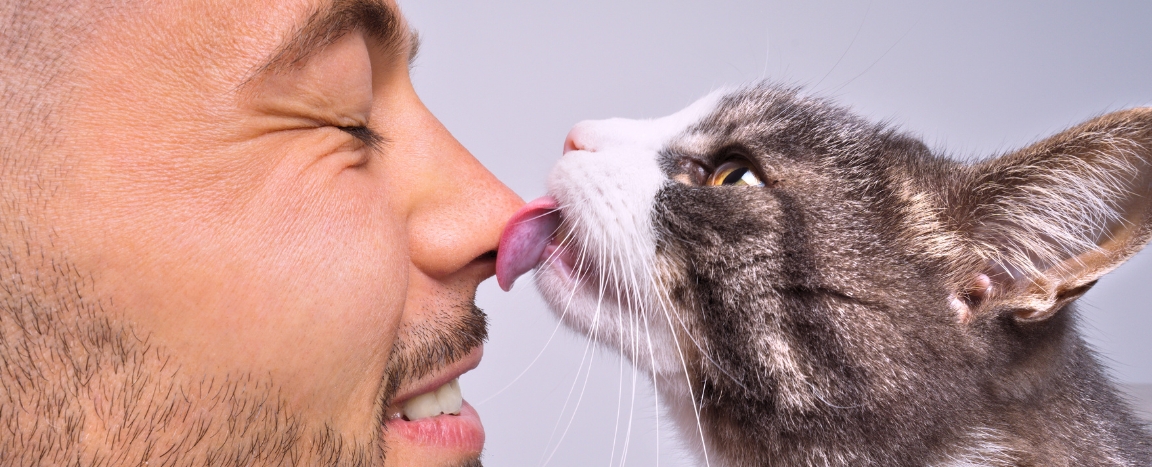
Emerging research highlights the role of oxytocin, the love hormone, in strengthening the bond between cats and humans through gentle interactions like petting and cuddling, which can reduce stress and promote trust, although cats may show their affection more subtly than dogs.
Engaging in simple hobbies like gardening, journaling, yoga, knitting, walking in nature, painting, playing music, cooking, and meditation can significantly soothe the nervous system and reduce stress, offering natural and accessible ways to improve mental well-being.
A study from Scripps Research identifies the brain's PVT region as key in addiction, showing that alcohol relapse is driven by the brain's response to stress relief rather than pleasure, highlighting potential new treatment targets for substance use disorders.
Weighted blankets, popular for stress and anxiety relief, have some scientific backing for use in individuals with mental health conditions, but evidence for benefits in healthy people is limited and mixed. They may help specific groups like shift workers or those with sleep disorders, but their effectiveness for casual users remains uncertain, and expectations should be realistic.