Amy Sheridan-Hill’s 10-year-old son Frankie has H-ABC, a rare genetic brain disorder affecting roughly 200 people, with doctors warning he is unlikely to survive beyond his teens, a prognosis that shapes the family’s daily life.
Dr. Amir Khan outlines a practical timetable to maximize supplement absorption: take iron first thing in the morning on an empty stomach with a splash of vitamin C (avoid taking it with tea, coffee, or magnesium); after breakfast, take fat‑soluble nutrients like vitamin D and omega‑3 with a meal; magnesium is best in the evening; creatine can be taken at any time; if you’re taking omega‑3 or a multivitamin, take them with food, and consult a doctor with any questions about your regimen.
Ophthalmologists lay out 13 practical steps to protect eye health, from regular sight tests (every two years) and using an optician as a first port of call for vision changes, to UV protection with UV400 sunglasses, the 20-20-20 rule to reduce screen strain, outdoor play for kids to curb myopia, safe contact-lens use and hygiene, careful makeup use, and lifestyle choices such as not smoking and staying hydrated; they also stress seeking urgent care for sudden vision loss or eye injuries, and safe DIY practices and eye protection at work.
Foot health is often overlooked until it hurts; experts recommend regular checks, choosing shoes that fit and flex with the foot, keeping a healthy weight, rotating footwear, and doing simple exercises to strengthen the arch, toes, and ankles.
Sugar activates the brain’s reward system and comes as glucose or fructose, which are processed differently: glucose prompts insulin release and energy storage, while fructose is sent to the liver and can be converted to fat. In excess, both raise triglycerides and may raise heart- and liver-related risks; repeated insulin spikes can fuel inflammation. The so-called 'sugar rush' is largely a myth, and when a sugar-induced dip occurs, people tend to eat more later. Timing matters: morning glucose responses are usually more favorable, and having sugar as part of a balanced meal with fiber, healthy fats, and protein helps blunt spikes. Moderation is best; avoid late-day sugar and be cautious with sugar substitutes, which may impact the gut/oral microbiome and can, in some cases, convert to fructose. Given that many people regularly eat sugary snacks (about 84% daily, with 79% up to three), reducing intake is sensible rather than demonizing it.
In 2026, wellbeing trends focus on prioritizing recovery over intense training, embracing JOMO (Joy of Missing Out) to reduce social pressure, and boosting brain health with supplements and mental exercises, while emphasizing simple, evidence-based self-care practices like sleep, nutrition, and stress management.
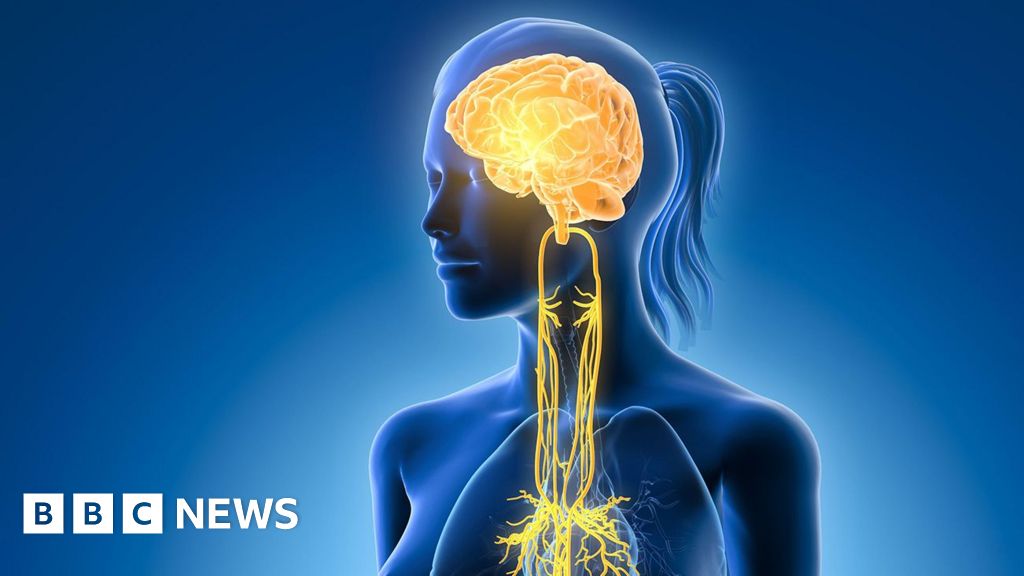
The article explores the role of the vagus nerve in stress and mental health, discussing various techniques and devices aimed at stimulating it to promote relaxation and emotional resilience, while highlighting the current scientific debate and personal success stories.
Magnesium, dubbed the 'miracle mineral,' is increasingly popular for its potential health benefits, including improving sleep and mental health, but evidence supporting supplement use is mixed. While many people report benefits, experts emphasize that a balanced diet rich in magnesium should be the first approach, and supplements should be used cautiously, especially for those with health conditions. The booming market is driven by social media and marketing, but scientific consensus on its effectiveness for the general population remains uncertain.
The effectiveness of collagen supplements for reducing skin aging is uncertain, with limited scientific evidence supporting their benefits. While some users report improvements in skin brightness, hair, and nails, experts highlight that collagen taken orally may not reach the skin directly, and topical creams are unlikely to penetrate deeply. Industry-funded studies tend to show more positive results, but overall, maintaining skin health is best achieved through sun protection, a healthy diet, and lifestyle choices rather than relying solely on supplements.
The article explores why teenagers are increasingly pursuing muscular physiques through intense gym routines, social media influence, and extreme dieting practices like cutting and bulking, highlighting potential health risks and the importance of balanced, evidence-based approaches to fitness for young people.
Serena Williams has publicly discussed her use of weight-loss drugs, aiming to reduce stigma and encourage honesty about weight management, highlighting her personal struggles and the societal pressures faced by women, while also raising awareness about the potential benefits and side effects of such medications.
Serena Williams has openly discussed her use of weight loss drugs, specifically GLP-1 medications, to shed pounds after having children, aiming to reduce the stigma around such treatments. Her honesty is seen as a breakthrough that could challenge stereotypes and encourage others, though some experts express concern about the potential side effects and the implications of highlighting elite athletes' use of these drugs. Williams emphasizes her efforts include diet and exercise, and her transparency may help normalize the conversation around weight management.
A recent article challenges the strict adherence to common health benchmarks like 10,000 steps, 7-9 hours of sleep, and 1.5-2 liters of water, suggesting that there is some flexibility and individual variation in these targets. Experts emphasize listening to your body and incorporating healthy habits into daily life rather than obsessing over specific numbers, highlighting that moderation and personalized approaches are key to long-term health.
The article discusses the misconceptions around lowering cortisol levels through quick fixes like social media hacks and supplements, emphasizing that stress management requires addressing underlying causes and adopting proven techniques like mindfulness and therapy, rather than relying on unproven remedies.
A new study reveals a strong link between daytime physical activity and improved sleep quality among both children and adults, emphasizing the integral role of exercise in enhancing sleep. The research highlights how higher levels of moderate to vigorous physical activity correlate with fewer sleep disturbances, less daytime tiredness, and overall better sleep quality, challenging the common focus on pre-bedtime routines for sleep improvement. Encouraging more vigorous daily activity could be an accessible and effective approach to combating sleep problems and enhancing health.