The article reviews the top eight ashwagandha supplements recommended by experts for stress management, sleep, and overall well-being, emphasizing the importance of standardized extracts, consistency in use, and consulting healthcare providers before starting any new supplement.
The article discusses the health benefits of three Ayurvedic superfoods—ashwagandha, amla, and moringa—highlighting their roles in boosting immunity, reducing stress, and supporting overall well-being, supported by modern scientific research. It also explains how to incorporate these nutraceuticals into daily diets for optimal health benefits.
A clinical trial found that a standardized ashwagandha extract containing Sominone improved memory and cognitive functions in people with mild cognitive impairment over two months, with no significant side effects, suggesting potential neuroprotective benefits, though larger and longer studies are needed.
Ashwagandha, an Ayurvedic herb, may help reduce anxiety, lower cortisol levels, improve sleep, and enhance focus, but more research is needed. It is generally safe for short-term use, with potential side effects and interactions, so consulting a healthcare provider before use is recommended.
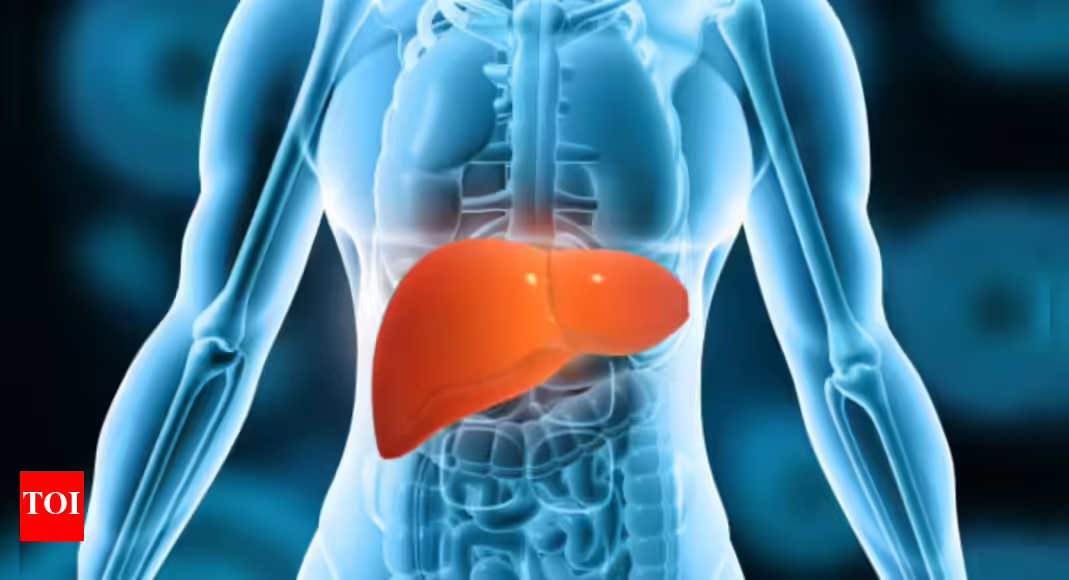
Ashwagandha, a traditional herbal supplement, offers health benefits but may cause serious side effects such as liver injury, drowsiness, vomiting, loose stool, and nausea, especially with long-term use or high doses. It is not recommended for pregnant women, those with liver disease, or individuals on certain medications, and should be used cautiously under medical advice.
Ashwagandha, a popular herbal supplement for stress relief, has been linked to rare but serious cases of liver toxicity, including liver failure and death. While generally considered safe, high doses or long-term use may overload the liver's detox system, especially in individuals with pre-existing liver conditions. Users should stick to recommended doses, avoid combining it with other liver-impacting substances, and monitor for symptoms of liver issues. Moderation and awareness are key, and consulting a healthcare professional is advised if concerns arise.
Ashwagandha, also known as Indian ginseng, has been used in traditional Indian medicine for centuries and is believed to offer benefits for stress, anxiety, sleep, and overall health. Scientific studies suggest that its bioactive components, such as withanolides, may help regulate the body's stress response and reduce inflammation. While promising, ashwagandha is not a cure-all and may not be beneficial for everyone. It's important to consult a doctor before using it, especially for pregnant or breastfeeding individuals, those with prostate cancer, or those taking certain medications. Additionally, the quality and safety of ashwagandha supplements are not regulated, so it's crucial to choose reputable brands and seek medical advice before use.
Ashwagandha, a popular supplement in alternative medicine, is touted for its potential effects on stress and anxiety, but more research is needed to prove its benefits. While some studies show promising results for anxiety and stress, the supplement's impact on immune support is not supported by research. Short-term side effects include nausea, vomiting, and diarrhea, and long-term safety is not yet known. It's recommended not to take it for longer than 3 months, and to consult a doctor or registered dietitian before trying it.
Ashwagandha, a popular herbal supplement, has been found to be "very effective" at reducing stress and anxiety levels. Research shows that it can lower cortisol levels, improve sleep quality, and provide other mental health benefits. It may also help with muscle recovery and male reproductive health. However, it is important to use ashwagandha responsibly and consult with a healthcare professional before taking it, especially for pregnant individuals, those with certain autoimmune conditions or cancers, and those with ulcers. Additionally, it is recommended to take breaks from using ashwagandha as herbs are not meant to be used continuously. Consumers should be cautious about the quality and potency of the supplements they purchase, as they are not well regulated by the FDA.
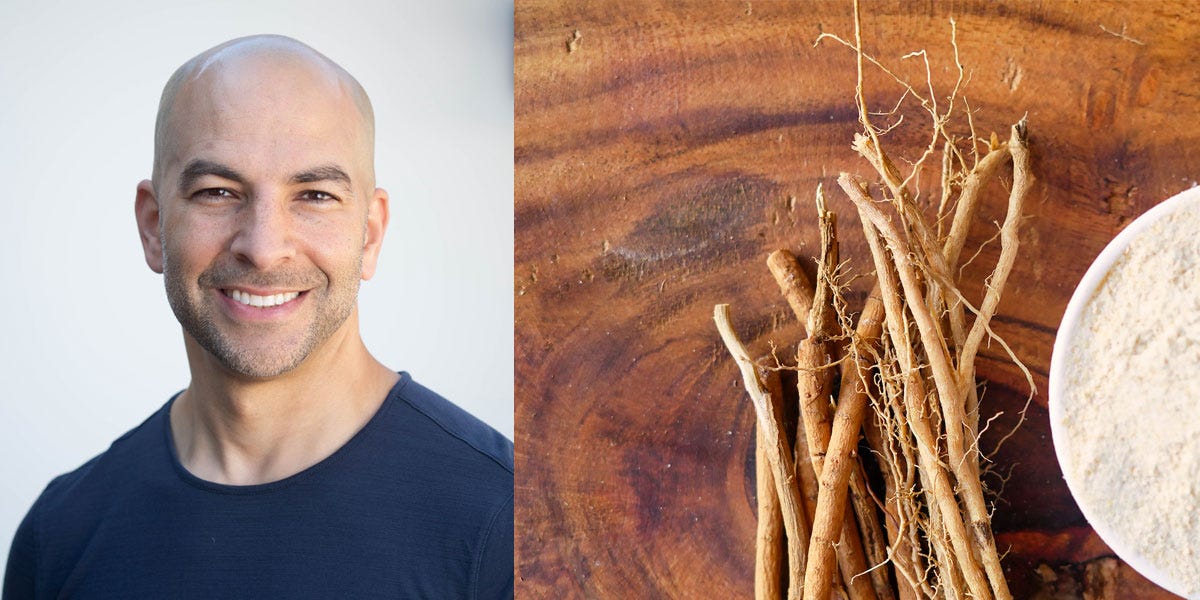
Dr. Peter Attia, a proponent of longevity, shares his nighttime supplement routine for better sleep and recovery. He takes ashwagandha, a traditional Ayurvedic medicine known for its potential benefits in reducing stress and improving sleep. He also includes lysine, an essential amino acid that aids in muscle recovery and cholesterol reduction. Attia takes a specific type of magnesium, Magtein, which is believed to support cognitive function and memory. Additionally, he incorporates a hot sauna session before bed and avoids alcohol to promote deep and restful sleep. However, Attia emphasizes that individual supplement regimens should be tailored to personal needs and preferences.
Ashwagandha, a popular botanical supplement, has various reported health benefits, but experts recommend taking it safely and not long-term. The dosage and frequency of ashwagandha supplements vary, and it is important to consult a healthcare provider for guidance. While generally regarded as safe, taking too much ashwagandha can cause side effects such as sleepiness, gastrointestinal distress, and fatigue. There have been rare reports of liver toxicity associated with ashwagandha consumption. People with certain health conditions or taking specific medications should avoid ashwagandha. It is crucial to approach ashwagandha as a supplement and consult a physician when taking prescription medications alongside it.
Ashwagandha, an herb known for its medicinal properties, is gaining popularity among people looking to lose weight caused by stress. The herb contains bioactive compounds that help improve hormonal balance and combat the impact of stress on the body. Studies have shown that ashwagandha can lower cortisol levels, reduce anxiety, stabilize blood sugar, and improve sleep. It also has a positive effect on thyroid function, which can contribute to weight loss. One woman's success story highlights how ashwagandha helped her lose 105 pounds and improve her overall well-being. However, it's important to consult with a healthcare provider before adding any new supplement to your routine.
Ashwagandha, an herb known for its medicinal properties, is gaining popularity among people looking to lose weight and manage stress. Research suggests that ashwagandha can help improve hormonal balance, reduce stress hormone cortisol levels, and promote weight loss by shrinking waistlines. It may also boost thyroid function and energy levels. One woman's success story highlights how ashwagandha, along with dietary changes, helped her lose 105 pounds and improve her overall well-being. However, it is important to consult with a healthcare provider before adding any new supplement to your routine.
Dr. Megan Bradley, a urogynecologist at the University of Pittsburgh, regularly takes the supplement ashwagandha, which is known for its potential to reduce stress, anxiety, and improve sleep. Ashwagandha, an adaptogen, has seen a significant rise in popularity in the United States, with sales increasing by 226% in 2021. Research suggests that ashwagandha may help decrease cortisol levels, reduce stress and anxiety, and promote better sleep. It can be taken in various forms, but individuals with pre-existing thyroid conditions should consult their doctor before trying ashwagandha. Pregnant or breastfeeding women and those with autoimmune diseases should also seek medical advice.
Dr. Megan Bradley, a urogynecologist at the University of Pittsburgh, regularly takes the supplement ashwagandha, which is known for its potential to reduce stress, anxiety, and improve sleep. Ashwagandha, an adaptogen, has seen a significant rise in popularity in the United States, with sales increasing by 226% in 2021. Research suggests that ashwagandha may help decrease cortisol levels, reduce stress and anxiety, and promote better sleep. It can be taken in various forms, but individuals with pre-existing thyroid conditions should consult their doctor before trying ashwagandha.