A study shows that just three minutes of slow, controlled breathing can immediately improve emotional control, reduce negative feelings, and boost confidence in managing emotions, especially in stressful situations, by activating the body's calming nervous system.
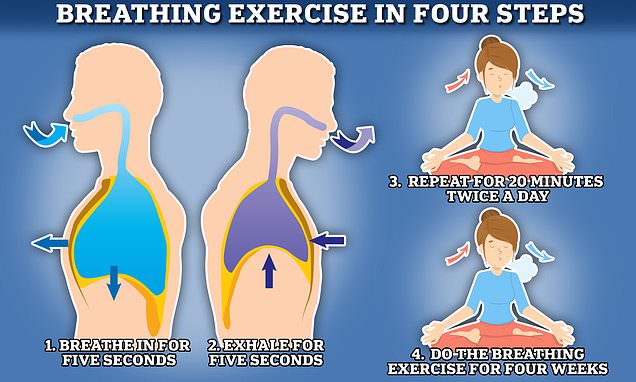
A breathing exercise involving inhaling and exhaling for 20 minutes, twice a day, for four weeks could reduce the risk of developing Alzheimer's disease, according to a study by Professor Mara Mather at SC Leonard Davis School of Gerontology. The exercise increased heart rate variability and decreased levels of amyloid-beta peptides in the bloodstream, which are connected to Alzheimer's disease. The study is the first to find that behavioural interventions can reduce amyloid-beta peptides in plasma and shows promise for future Alzheimer's treatment.
Scientists at the University of Southern California's Leonard Davis School of Gerontology have found that inhaling for a count of five and then exhaling for the same length of time can benefit the brain by reducing the amount of amyloid beta in the blood. Clumps of these toxic proteins have been heavily linked to Alzheimer's over the past few decades, with neurologists believing they may even cause the disease. The breathing exercise, when carried out for 20 minutes twice a day, for four weeks, was found to have a positive effect on amyloid because the way we breathe affects our heart rate, which in turn affects our nervous system and the way our brain produces and clears away these toxic proteins.
A former psychiatric nurse and meditation teacher shares a simple breathing exercise that can help ease stress and anxiety. By focusing on your breath, you can shift from the fight-or-flight response to a more relaxed state. Try pairing the exercise with a daily routine to make it a habit and support your body's natural ability to cope with stress.