Rucking turns a simple daily walk into resistance training by adding weight in a backpack or rucksack, boosting bone and muscle health, cardiovascular endurance, and posture, while also benefiting mental well-being from time outdoors. You can start with items you already own, like a backpack and a few pounds, and gradually increase weight, distance, or hilliness as you build strength. For safety, use a proper rucksack rather than a regular backpack and listen to your body as you progress.
Sitting on the ground, especially in cross-legged positions, can improve mobility, flexibility, and core strength, which are beneficial as we age. However, it may not be suitable for everyone, particularly those with joint issues or recovering from injuries. Incorporating varied sitting and movement practices can help maintain overall health and prevent falls in older adults.
Core strengthening is crucial for older adults as it helps prevent falls, supports proper posture, and makes daily activities safer. Many older adults neglect exercises that target deep trunk muscles, which are essential for maintaining mobility and stability as they age.
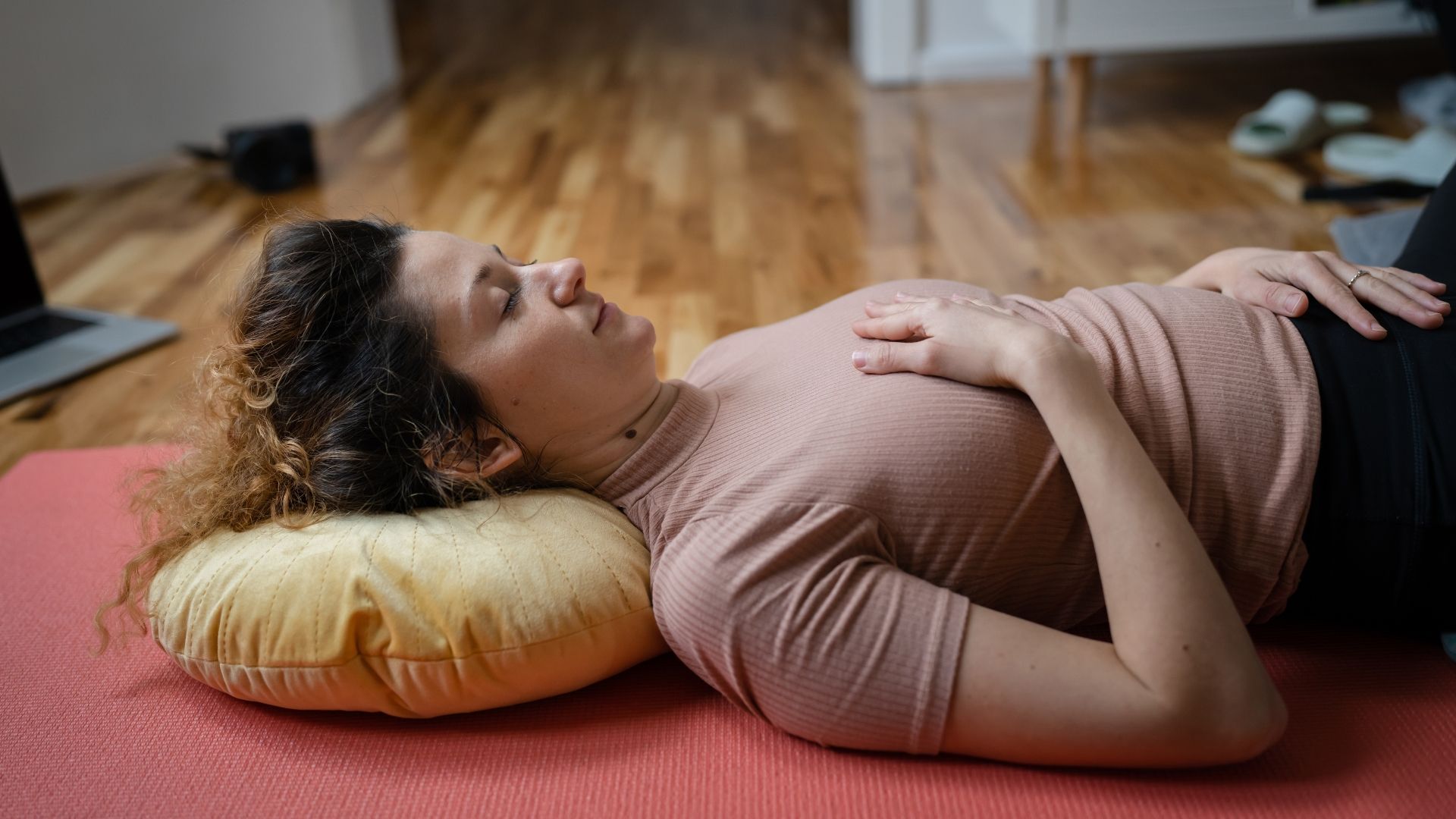
A yoga instructor shares three gentle yoga poses—supported savasana, sphinx with forehead support, and seated neck release—that can help alleviate neck discomfort caused by poor posture, stress, and modern habits like prolonged computer use, by promoting relaxation, alignment, and mobility.
Poor posture can contribute to bloating and digestive issues by compressing internal organs; improving posture through exercises like dead hangs and using accessories such as weighted vests can help alleviate symptoms, emphasizing the importance of standing straight for better gut health.
Prolonged sitting can cause lower back pain and muscle imbalances; incorporating simple stretches and regular movement every hour can alleviate stiffness and improve posture.
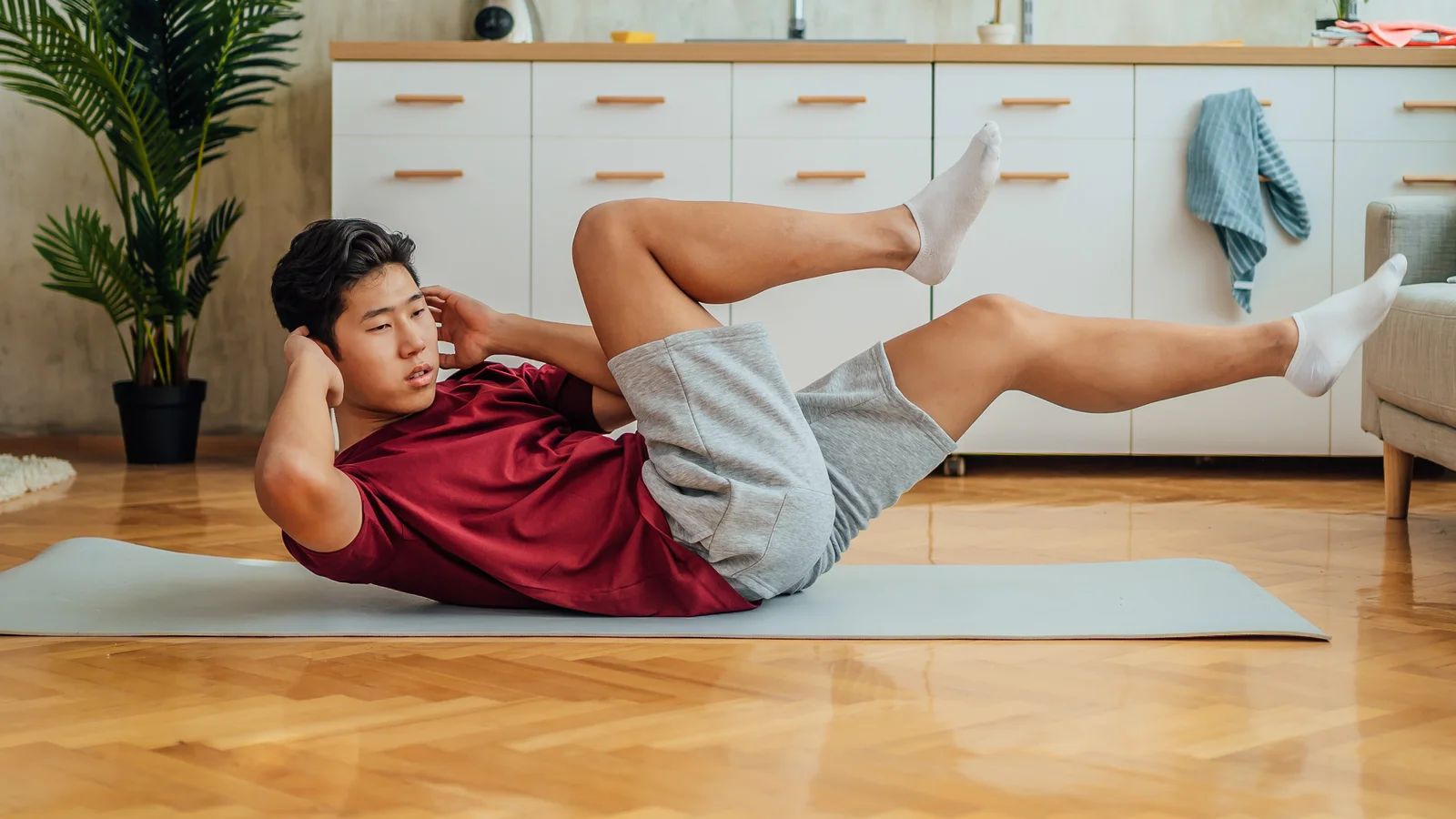
This article outlines seven effective equipment-free exercises—plank, bicycle crunch, Russian twist, leg raise, squat, side plank, and glute bridge—that strengthen the core, improve posture, balance, and stability, and can be incorporated into regular workouts for better overall health.
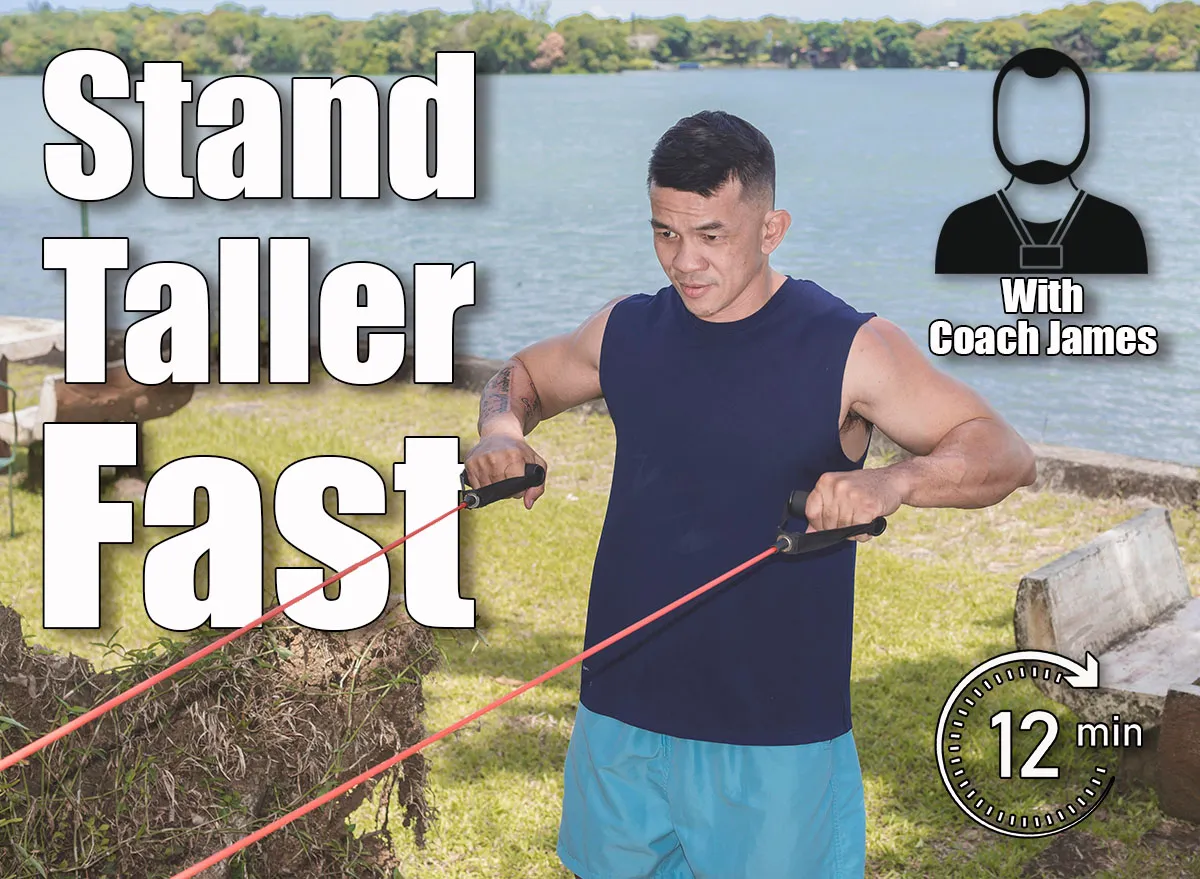
The article highlights five bodyweight exercises, including resistance band rows, pull-aparts, reverse flys, planks with shoulder squeezes, and wall angels, that can help improve posture, make you look taller, and reduce pain after 50 by strengthening the upper back and promoting better alignment.
A simple 5-minute daily Japanese exercise using a rolled towel can help improve posture, strengthen the core, and potentially help lose up to 5 kilos in a month, complementing a healthy lifestyle.
Good posture can significantly influence how young and energetic you appear, with common mistakes like slouching, forward head tilt, and uneven weight distribution making you look older. Small adjustments such as rolling shoulders back, bringing screens to eye level, and balancing pelvis tilt can help you look more youthful and vibrant. These changes are simple, within your control, and can improve both your appearance and overall well-being.
Back pain is a common issue caused by factors like poor posture, muscle strains, herniated disks, aging-related degenerative conditions, and stress. Accurate diagnosis through MRI can help identify the cause and guide effective treatment. Utah residents can access affordable, fast MRI scans at TaylorMed MRI without insurance or referrals to find relief quickly.
This article outlines six simple daily habits—such as using sunscreen, prioritizing sleep, strength training, eating colorful foods, de-puffing with massage, and managing stress—that can help you look and feel younger in 30 days without expensive products, emphasizing consistency and small daily efforts for noticeable improvements.
Poor posture from prolonged device use can lead to various health issues, including pain, digestive problems, and increased stress. Experts recommend using posture-supporting apparel, braces, phone holders, resistance bands, and massage tools to improve posture and alleviate discomfort.
Adult tummy time, inspired by its benefits for infants, is gaining popularity as a way to improve posture, relieve tech neck, and address musculoskeletal problems caused by prolonged sitting and screen time. Experts recommend starting with short sessions lying on the stomach to stretch and activate back, neck, and hip muscles, which can help counteract the negative effects of a sedentary lifestyle and improve overall mobility and pain.
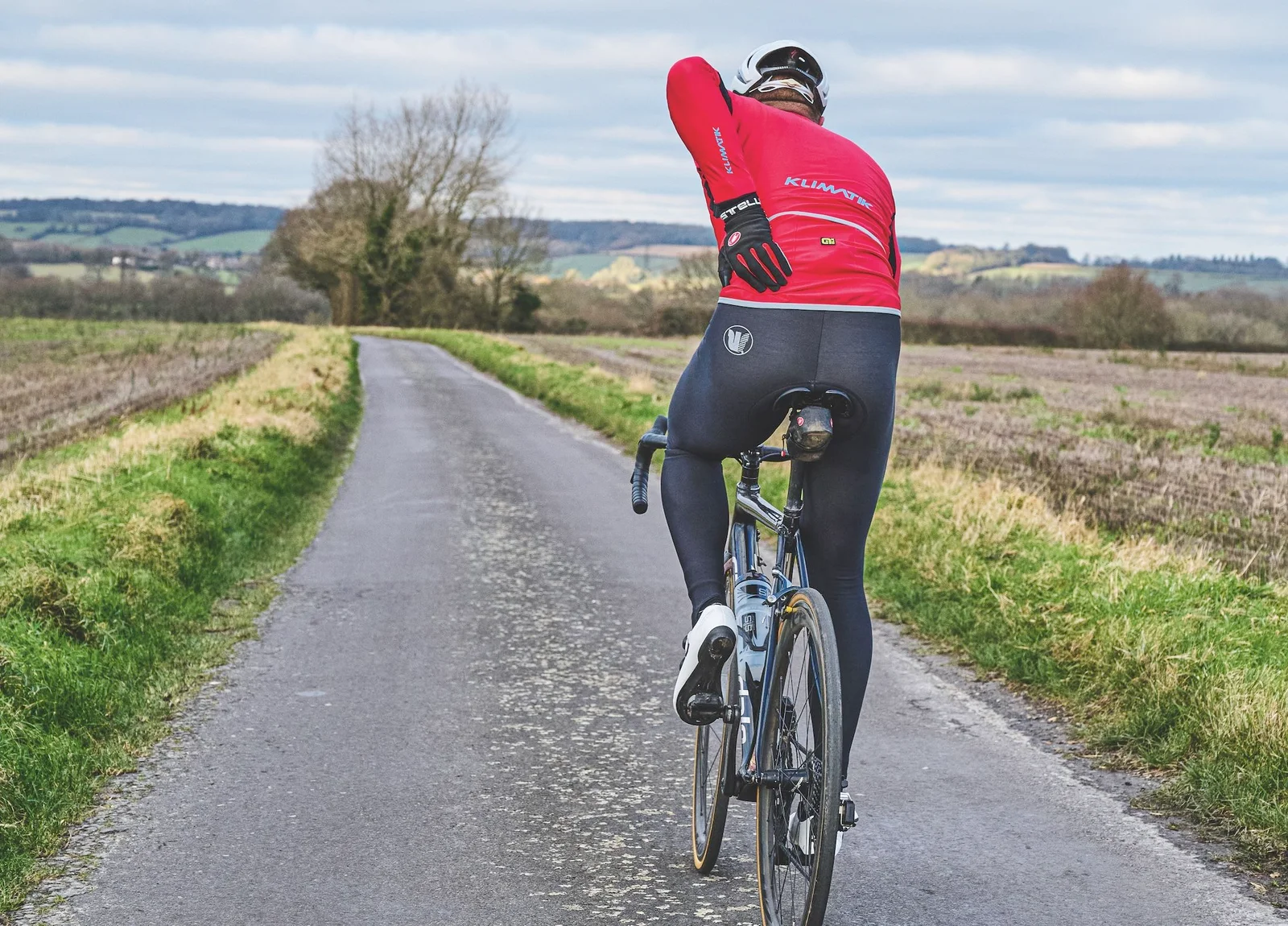
Back pain is a widespread and growing health issue linked to modern lifestyles and poor posture. Expert advice emphasizes the importance of proper movement, posture correction, and gentle exercises like glute bridges, bird dogs, cat-cow stretches, and dead bugs to prevent and alleviate lower back pain. While rest might seem intuitive, staying active with low-impact activities can promote recovery and prevent chronic issues, highlighting the need for early awareness and proactive habits.