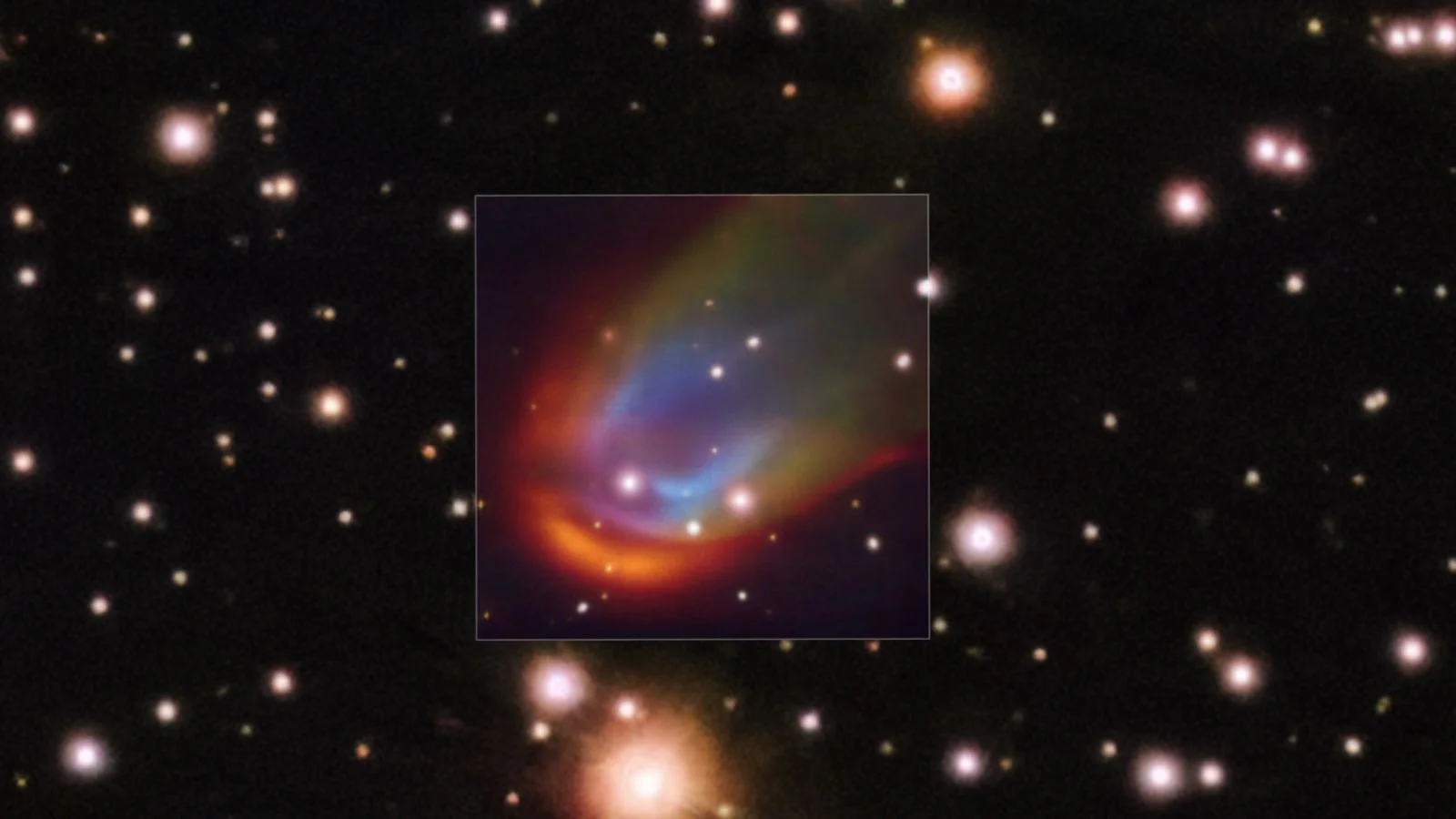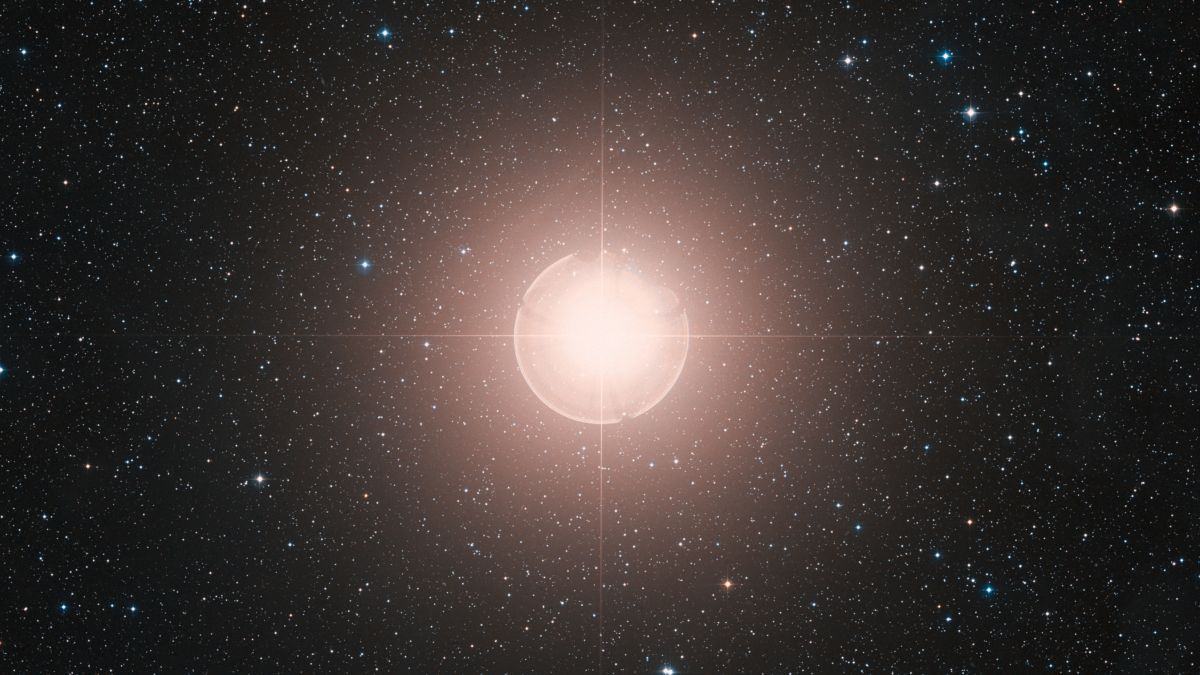
Astronomers using X-ray observations discovered that Betelgeuse's companion is likely a young Sun-like star rather than a white dwarf or neutron star, challenging previous expectations and offering new insights into stellar evolution and binary systems.
Astronomers have discovered a new type of supernova, SN 2023zkd, likely triggered by a massive star interacting with a black hole companion, with evidence suggesting the star was under extreme gravitational stress before exploding, and this discovery highlights the importance of studying binary star interactions in stellar evolution.
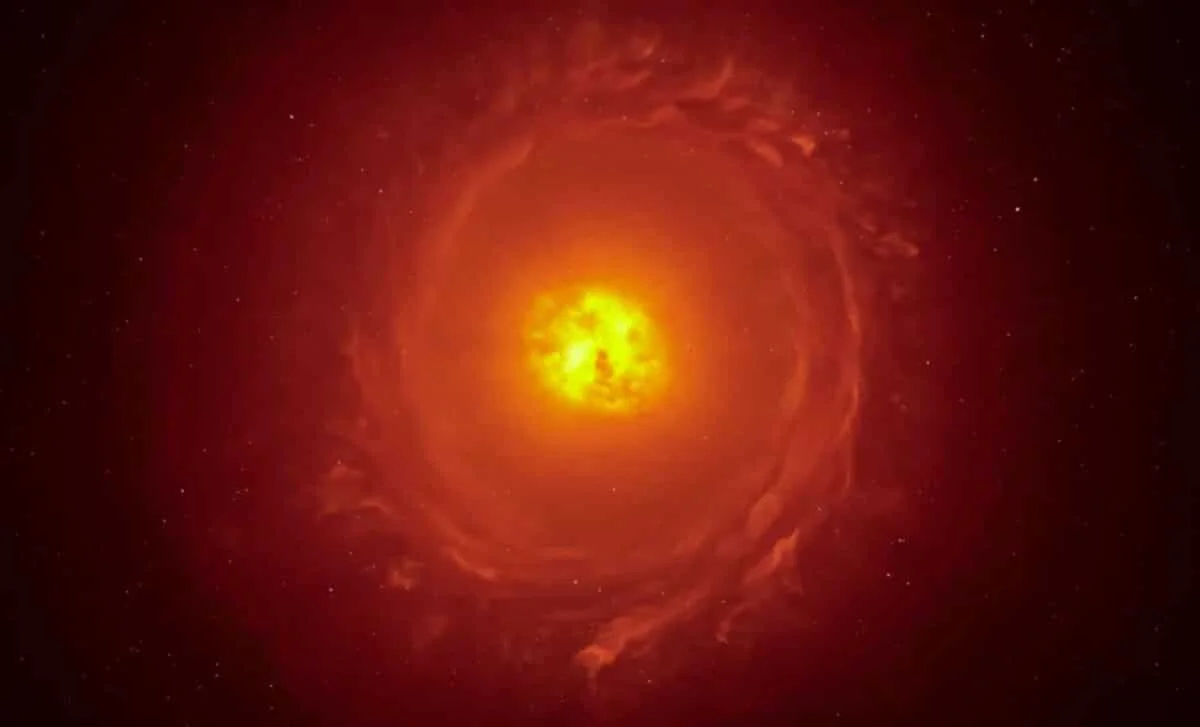
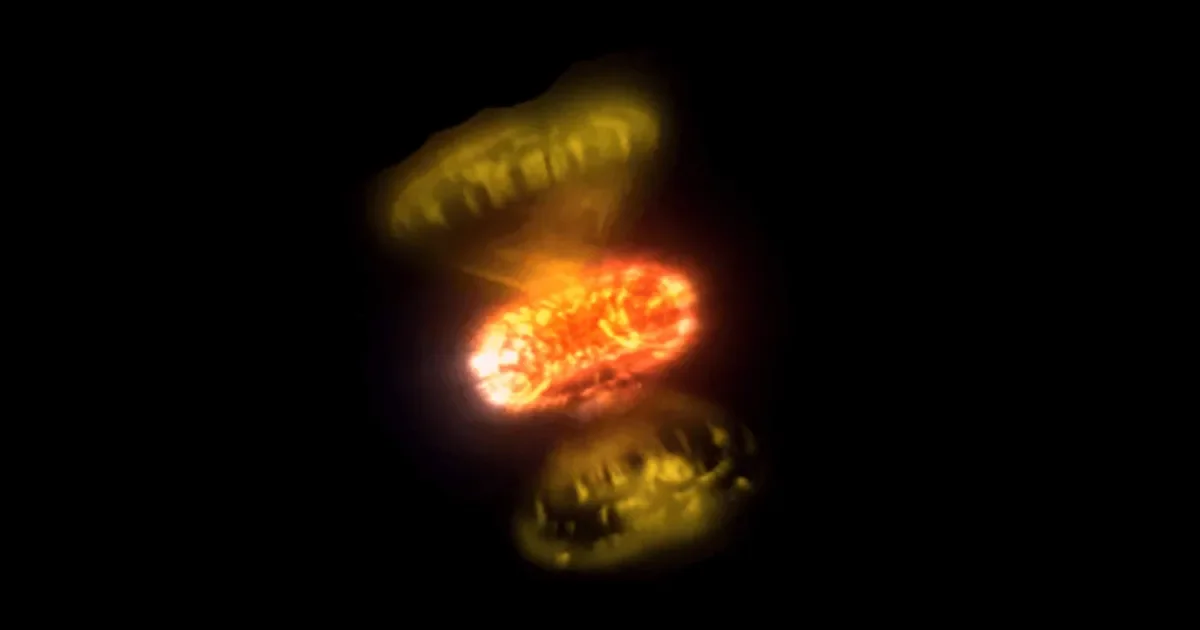
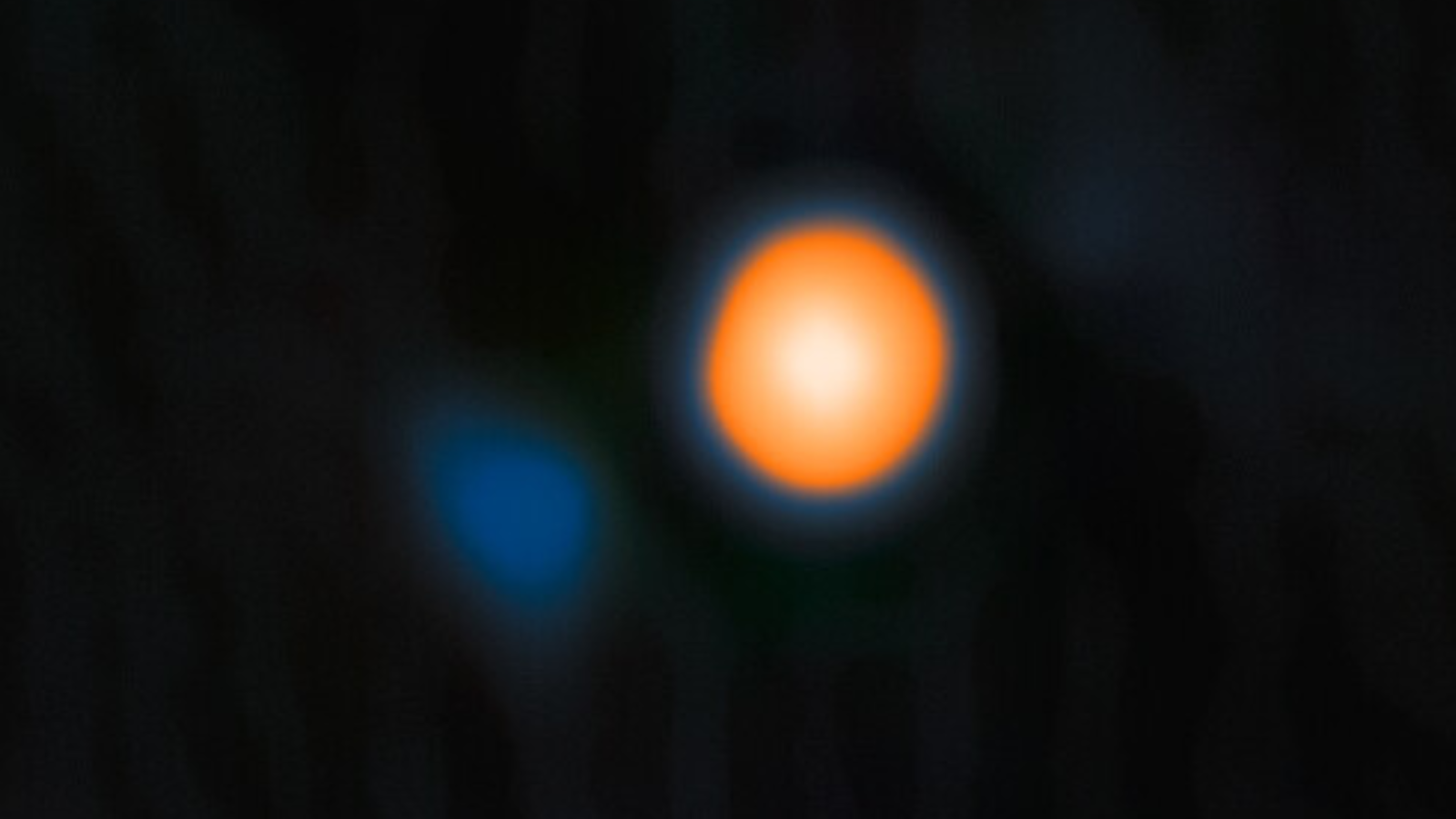
Astronomers have for the first time directly observed a close stellar companion to Betelgeuse using advanced imaging techniques, solving a long-standing mystery about its periodic brightness variations and revealing that Betelgeuse may eventually cannibalize this smaller star within the next 10,000 years.
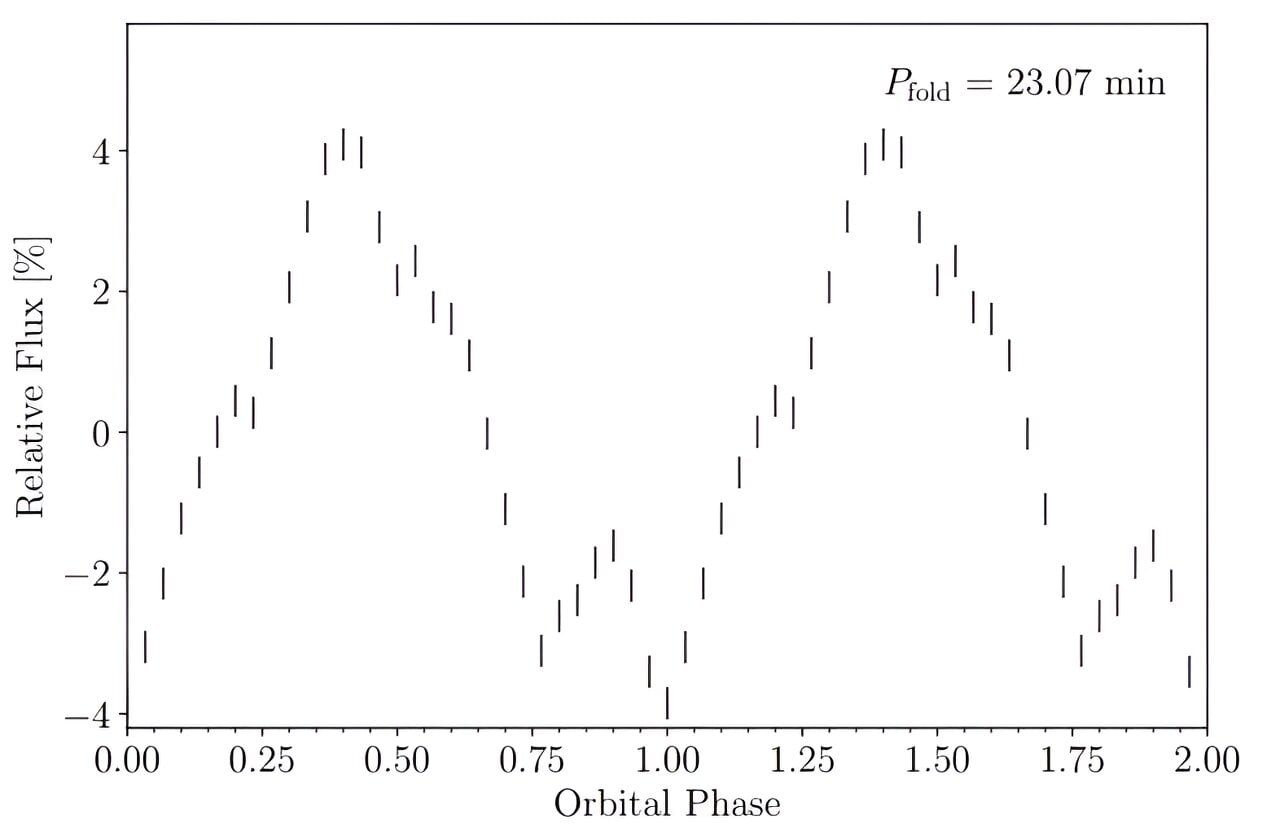
Astronomers using NASA's TESS have discovered a new cataclysmic variable system called TIC 378898110, which is an AM Canum Venaticorum (AM CVn) binary star. AM CVn systems are rare and consist of a white dwarf accreting helium-dominated matter from a degenerate or semi-degenerate donor star. TIC 378898110 is the third-brightest known AM CVn and has an orbital period of 22-23 minutes. The system recently underwent a brightening event, and its dominant photometric period decreased during this time.
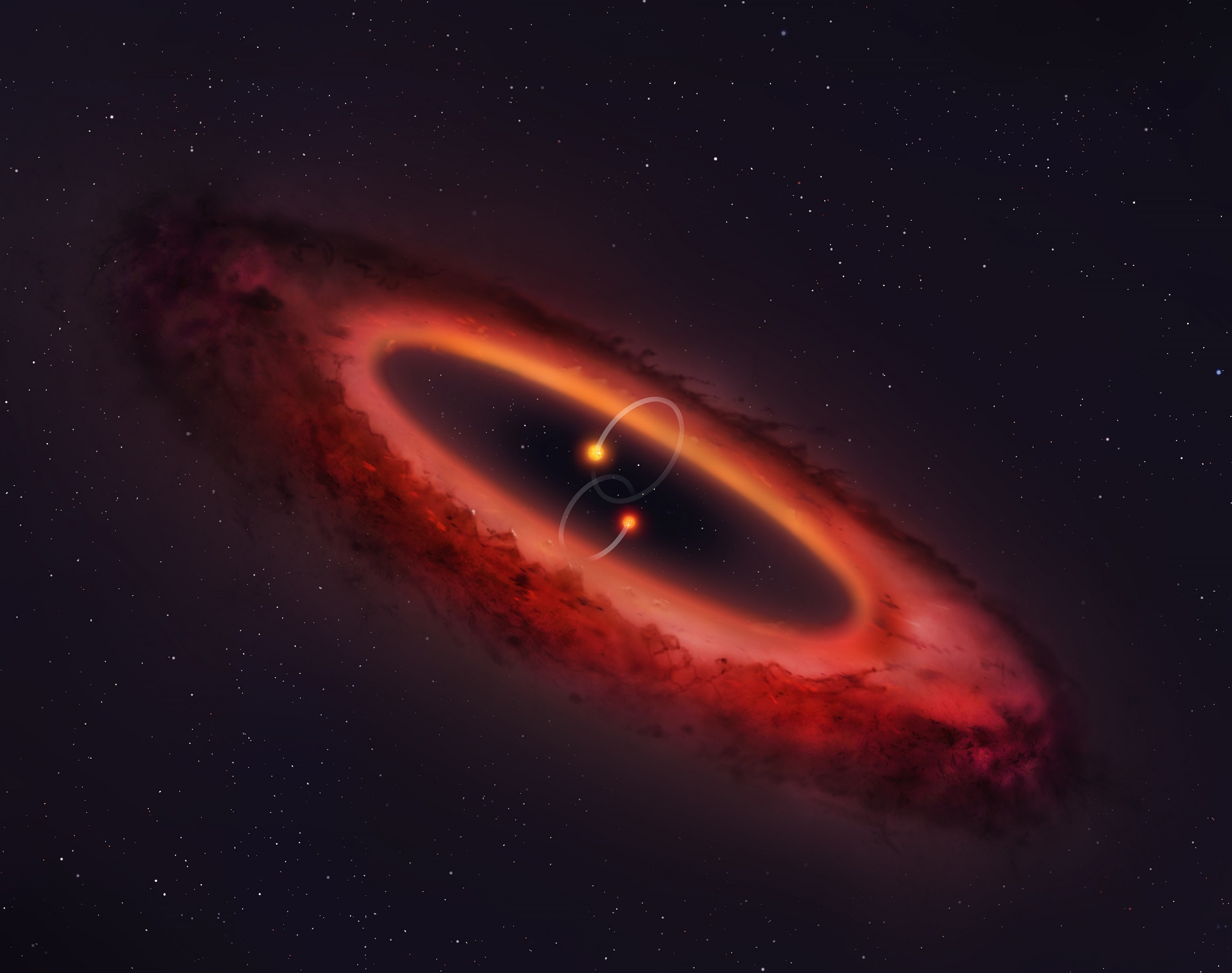
Astronomers have discovered evidence of an exoplanet in a polar circumbinary disk surrounding a binary star system, marking the first observation of its kind. The disk, located around the binary star AC Herculis, exhibits a large inner radius and a telltale gap indicating the presence of a planet. The primary star in the system is a post-AGB star, suggesting that the exoplanet may be a second-generation planet formed from the debris of destroyed first-generation planets. While the characteristics of the planet remain unknown, further study of this unique system is warranted.
The James Webb Space Telescope has captured detailed imagery of the ancient star Earendel, the most distant star ever detected. Surprisingly, the telescope has revealed evidence that Earendel may have a companion, a cooler red star. This finding challenges previous expectations and suggests that binary star systems are more common than previously thought. Earendel was discovered through the magnifying effect of a massive galaxy cluster, which warped the fabric of space and allowed astronomers to observe it. The star, located 12.9 billion light-years away, is incredibly hot and bright, making it a fascinating object for study.