Tag

Cryovolcanism

All articles tagged with #cryovolcanism

science1 month ago

Scientists Track and Study 3I/ATLAS Comet's Journey and Activity

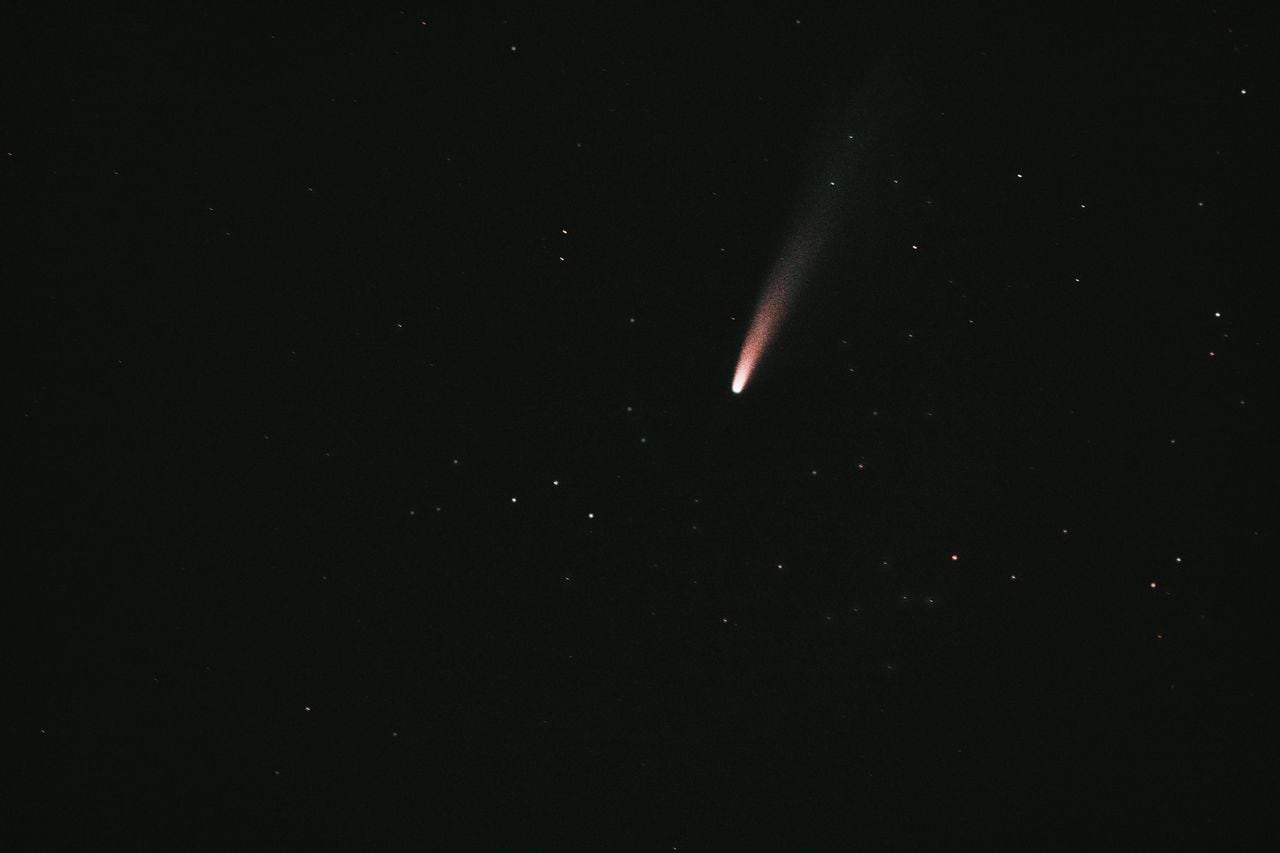
The interstellar object 3I/ATLAS, which recently reached its closest point to the Sun, shows signs of cryovolcanism with erupting ice volcanoes, resembling trans-Neptunian objects, likely caused by sublimating carbon dioxide reacting with metals in its core. This discovery offers valuable insights into planetary system formation and the chemical evolution of small bodies, highlighting the importance of studying such rare interstellar visitors.

science-and-environment2 years ago

"Mount Everest-Sized 'Devil Comet' on Collision Course with Earth, Expected to Erupt"

The Comet Pons-Brooks, also known as Comet 12P and the "Devil comet," is heading toward Earth and is expected to pass between our planet and Venus, reaching its closest point in June. This comet, larger than Mount Everest and cryovolcanic in nature, has been known to scientists since the 1800s and recently underwent an outburst, releasing gas and ice into space. It will be visible during the solar eclipse on April 8, and there is no danger of it impacting Earth.

space2 years ago

"NASA Discovers 17 Exoplanets with Potential Life-Sustaining Oceans"

NASA has identified 17 exoplanets that could potentially have subsurface oceans buried beneath thick sheets of ice, making them promising candidates for hosting life. These planets, similar to Jupiter's icy moons, receive enough internal heating from the decay of radioactive elements and tidal forces from their host stars to maintain internal oceans. While their host stars may not provide conditions warm enough for liquid water on the surface, these planets may generate enough heat below the surface to sustain a subsurface ocean. Follow-up observations will involve capturing the emission spectra of light traveling through these planets' atmospheres to search for chemical signs of life.

space2 years ago

'Devil Comet' with Horns Hurtling Towards Earth

The colossal comet 12P/Pons-Brooks, known for its explosive cryovolcanic activity, has experienced another outburst as it approaches Earth. This "devil comet," three times larger than Mount Everest, will be visible as a faint object with a tail in June 2024. It poses no threat to our planet. Comets like 12P/Pons-Brooks exhibit cryovolcanism, releasing gas and ice instead of molten rock. The recent outburst observed by an amateur astronomer is the second in a month and the third since July. Cryovolcanic comets, such as 12P/Pons-Brooks, provide insights into the composition and behavior of these celestial objects.

space2 years ago

"Pluto's Supervolcano Eruption Unveils Subsurface Ocean Discovery"

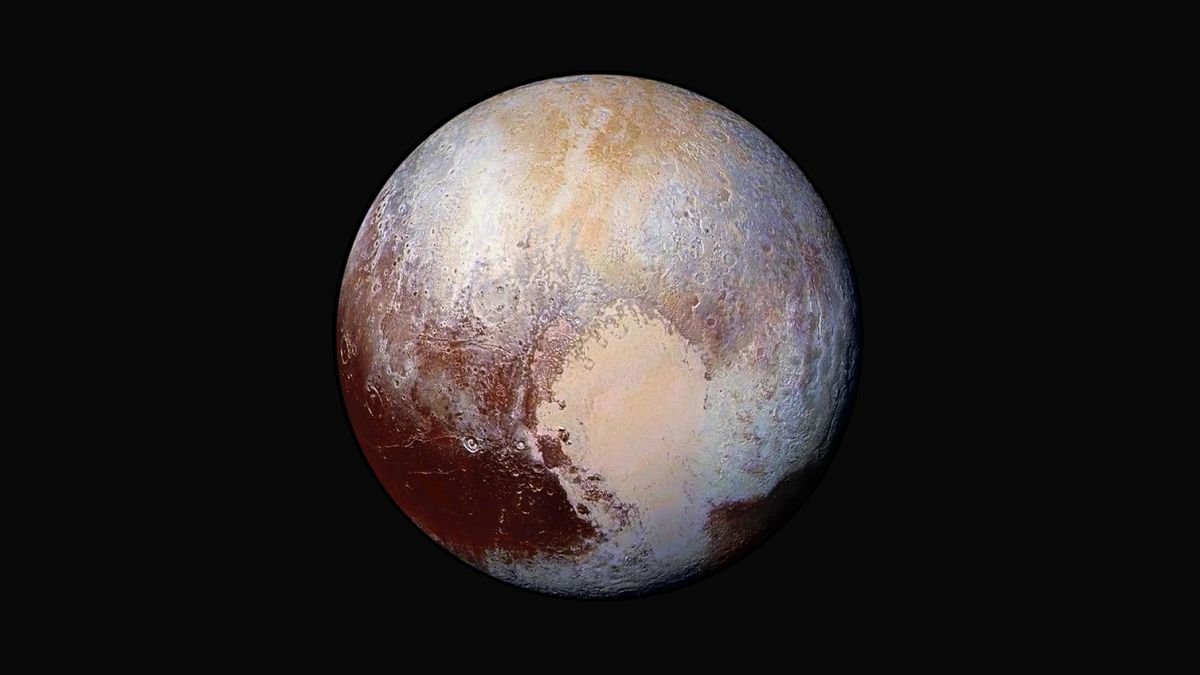
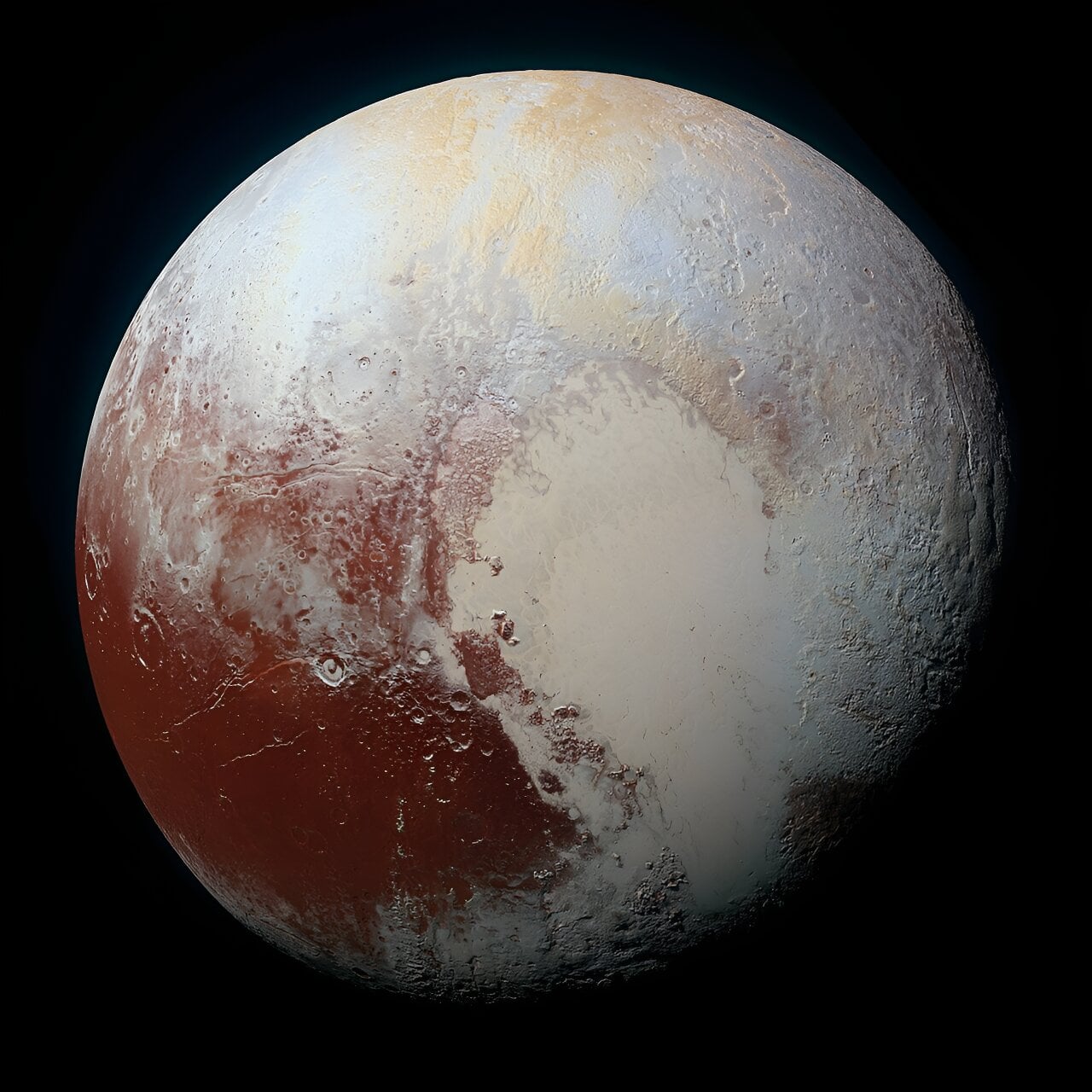
Scientists studying data from NASA's New Horizons spacecraft have discovered an unusual crater on Pluto called Kiladze, which they believe is a supervolcano that erupted a few million years ago. Unlike Earth's volcanoes, Kiladze spewed ice lava in a process known as cryovolcanism, likely originating from Pluto's hidden subsurface ocean. The presence of water ice around the crater suggests that there is more heat remaining in Pluto's interior than previously thought. The findings shed light on the complex nature of Pluto and its geological activity.

astronomy2 years ago

"Approaching Catastrophe: Massive Cryovolcanic Comet Hurtling Towards Earth"

A colossal cryovolcanic comet, named 12P/Pons-Brooks, three times the size of Mount Everest, has exploded in space and is now heading towards Earth. Although it will not collide with our planet, it will be visible to the naked eye on April 21, 2024. This cryovolcanic comet, similar in size to Halley's comet, has a solid core and releases icy fragments through fissures when warmed by the sun. Sky watchers can currently spot it in the Hercules constellation, and further eruptions are expected as it continues its journey. Cryovolcanic comets offer insights into the solar system's outer realms and may have played a role in delivering water and organic compounds to Earth. Future missions aim to study cryovolcanic activity up close and potentially discover extraterrestrial organisms in these icy eruptions.

space2 years ago

"Supervolcano Speculation: Unusual Crater on Pluto Raises Questions"

Scientists have identified a strange feature on Pluto called Kiladze Crater, which they believe could be a super cryovolcano. Cryovolcanism is the process by which ice "lava" is sent to the surface of Pluto. The presence of water ice and ammonia compounds surrounding Kiladze suggests that some kind of internal heating is causing the cryovolcanic activity. The researchers believe that Kiladze is relatively young, with eruptive activity occurring over the past few million years. This discovery provides important clues about the interior structure of Pluto and its unique geological processes.

astronomy2 years ago

Scientists Accurately Predict Volcanic Comet's Explosive Fate

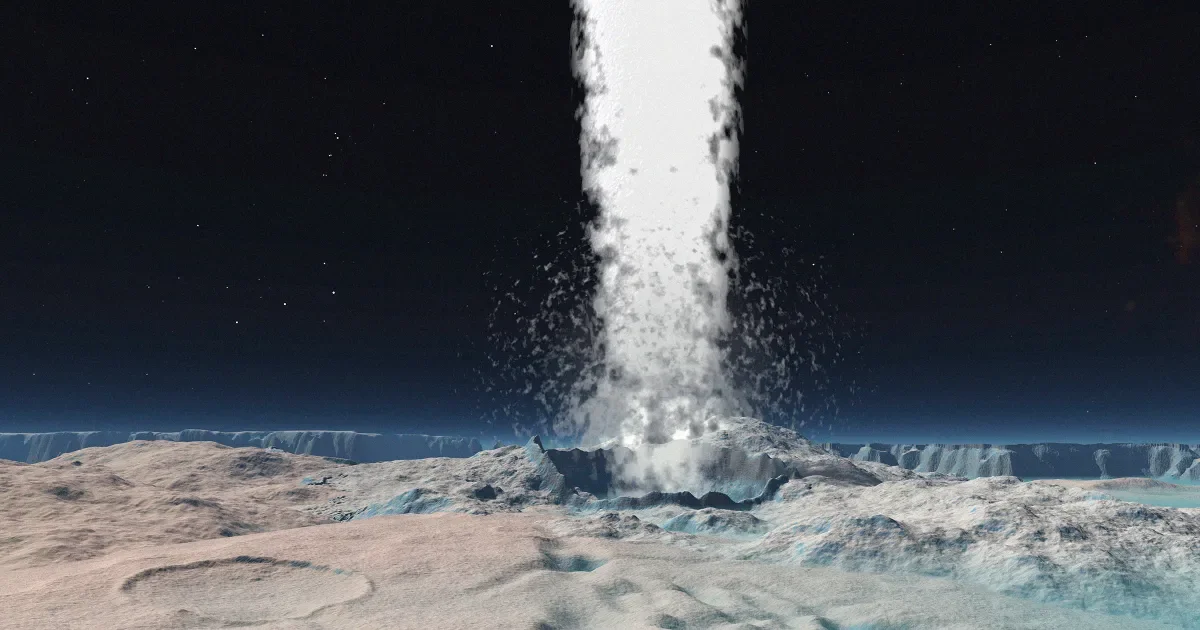
Astronomers have witnessed a volcanic comet, 29P/Schwassmann-Wachmann, erupt like a "Champagne bottle," spraying gas and ice through the solar system. This is the first time researchers have successfully predicted the eruption of the volatile comet, which is known for its cryovolcanic activity. Cryovolcanic bodies, including comets and several solar system moons, have a surface crust surrounding a mainly solid icy core. Radiation from the sun can cause a comet's icy interior to sublime from solid to gas, which causes a buildup of pressure beneath the crust. When radiation from the sun weakens the crust, that pressure causes the outer shell to crack, and cryomagma shoots out into space.

astronomy2 years ago

Scientists Accurately Predict Volcanic Comet's Explosive Fate

Astronomers successfully predicted the eruption of a volatile, volcanic comet known as 29P/Schwassmann-Wachmann, which spews out extremely cold gases and ice from its supercold interior in a type of volcanic activity known as cryovolcanism. The eruption was "like a cork popping from a champagne bottle," according to Spaceweather.com. Cryovolcanic bodies, which include a handful of other comets and several solar system moons, have a surface crust surrounding a mainly solid icy core. The latest eruption is proof that 29P's eruptions can be predicted in advance, which will hopefully help researchers to study future eruptions in greater detail.