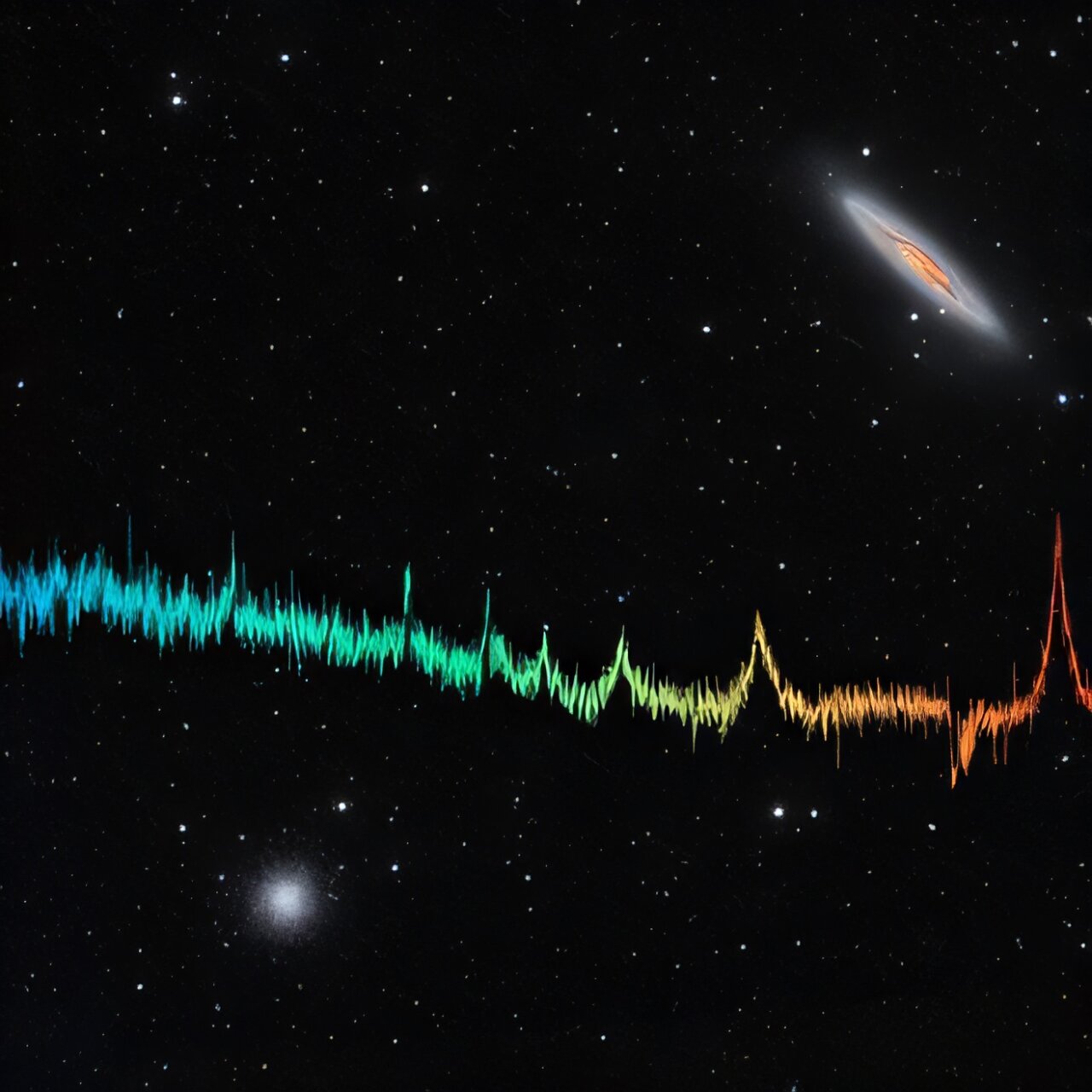
The 4MOST telescope at ESO's Paranal Observatory in Chile captured its first light on October 18, 2025, marking a significant milestone. It can simultaneously observe 2,400 objects and analyze their spectra across 18,000 color components, enabling detailed studies of stars, galaxies, and the universe's evolution. Its capabilities will support numerous scientific programs over the next 15 years, including understanding galaxy formation, dark matter, and cosmic history.

The article covers a livestream event for the upcoming PlayStation game '007: First Light,' featuring discussions about Bond music, game mechanics, release date, and nostalgic Bond references, with excitement building for its release on March 27th.
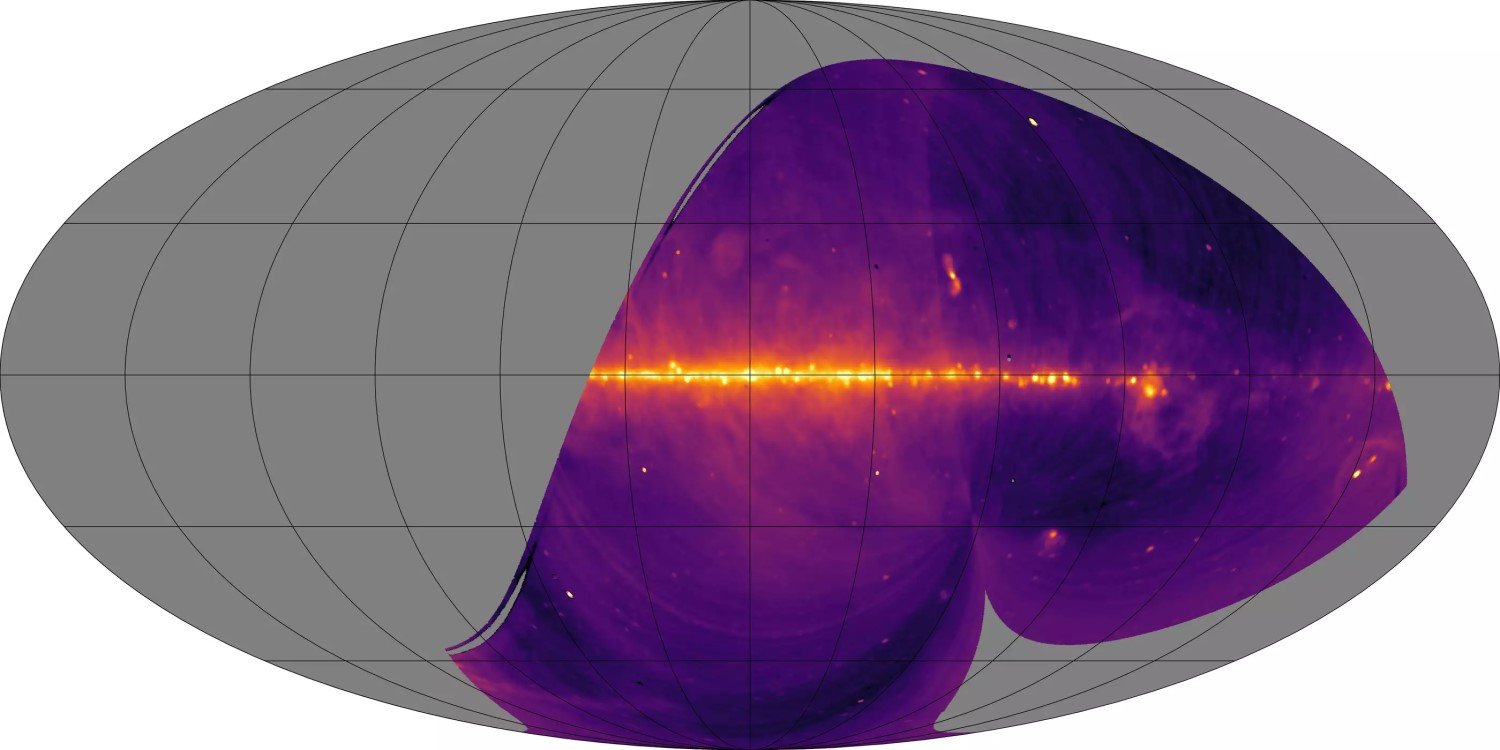
The Square Kilometre Array's radio telescope prototype, SKAMPI, has achieved first light in South Africa, demonstrating its spectral and pulsar capabilities by capturing the Southern sky at 2.5GHz wavelength. The telescope's success will inform the development of the 197-dish SKA-Mid telescope and the construction of the SKA-Low facility in Australia. India has also recently become a full member of the Square Kilometre Array project.
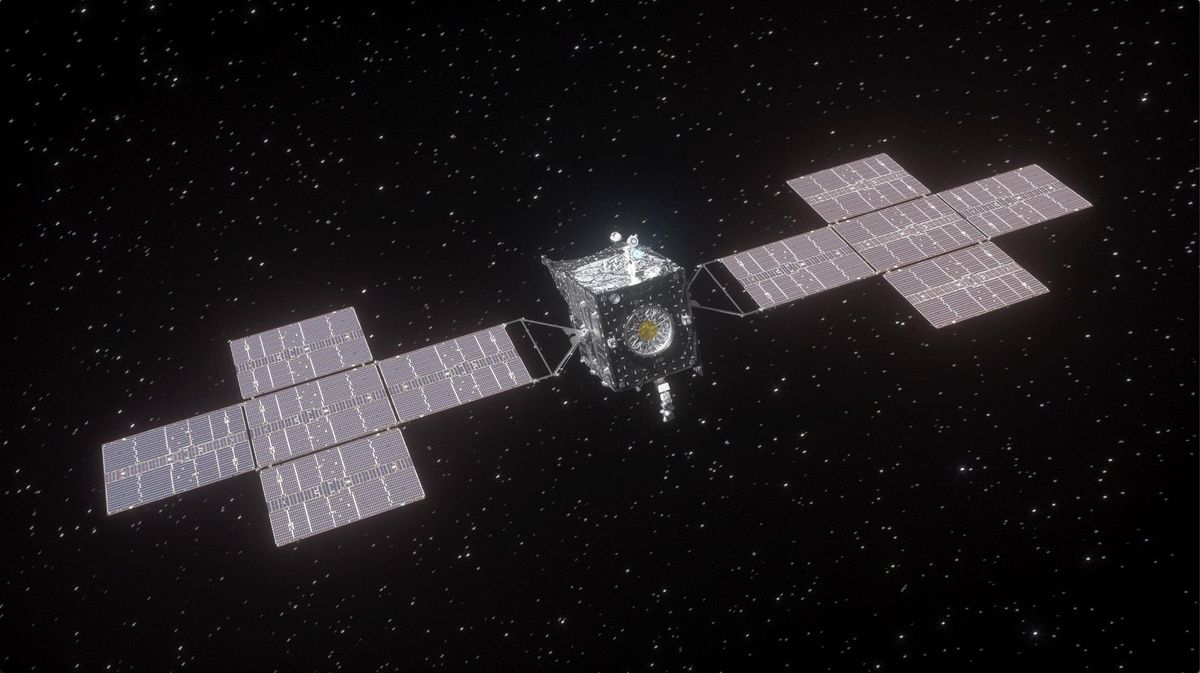
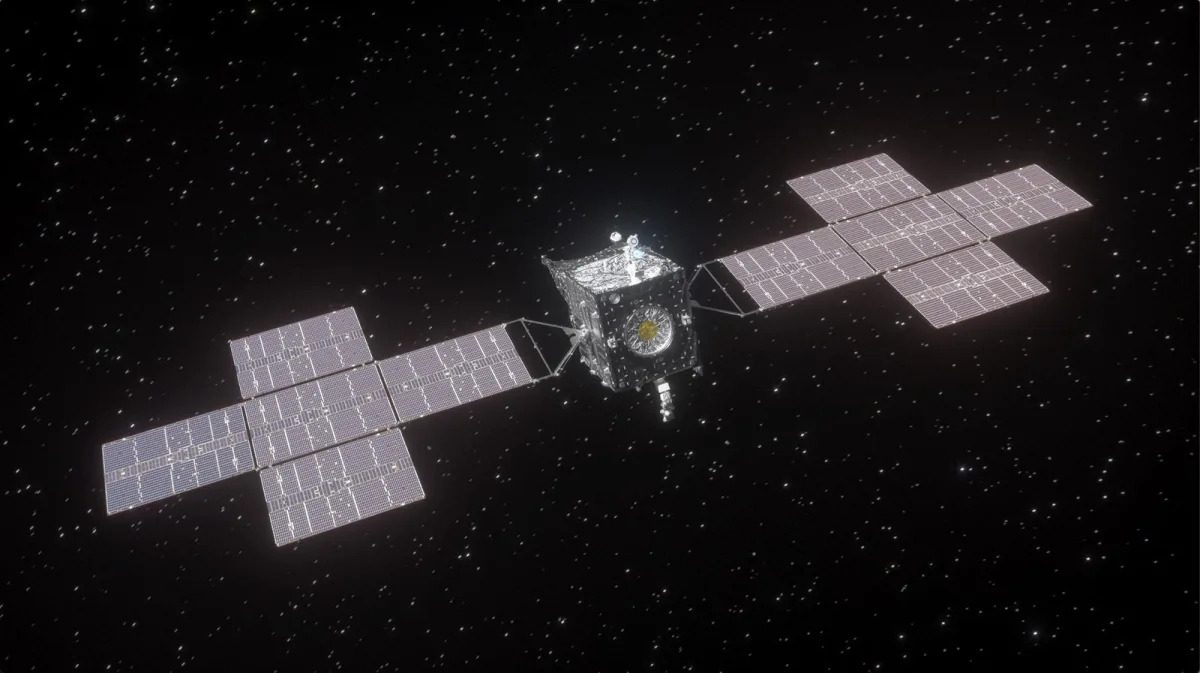
NASA's Psyche spacecraft, on its way to study the metal asteroid 16 Psyche, has captured its "first light" images on December 4. The spacecraft's imaging instrument, consisting of twin cameras, took a mosaic of raw data showcasing a spread of stars visible from Psyche's vantage point. These initial images will be used to test the imager's functionality and prepare for future flybys of Mars and the asteroid Psyche. The mission team plans to construct 3D maps of Psyche's chemical composition using visible and invisible wavelengths.
NASA's Psyche spacecraft, on its way to study the metal asteroid 16 Psyche, has captured its "first light" image, a mosaic of stars visible from its vantage point. The spacecraft's imaging instrument, consisting of twin cameras, took a total of 68 separate images to create the portrait. The team will use these star images to test the imager's functionality before its flyby of Mars in 2026 and the ultimate goal of capturing images of the target asteroid in 2029. The mission aims to analyze the composition of 16 Psyche, which is believed to be made mostly of iron and nickel, similar to Earth's core.
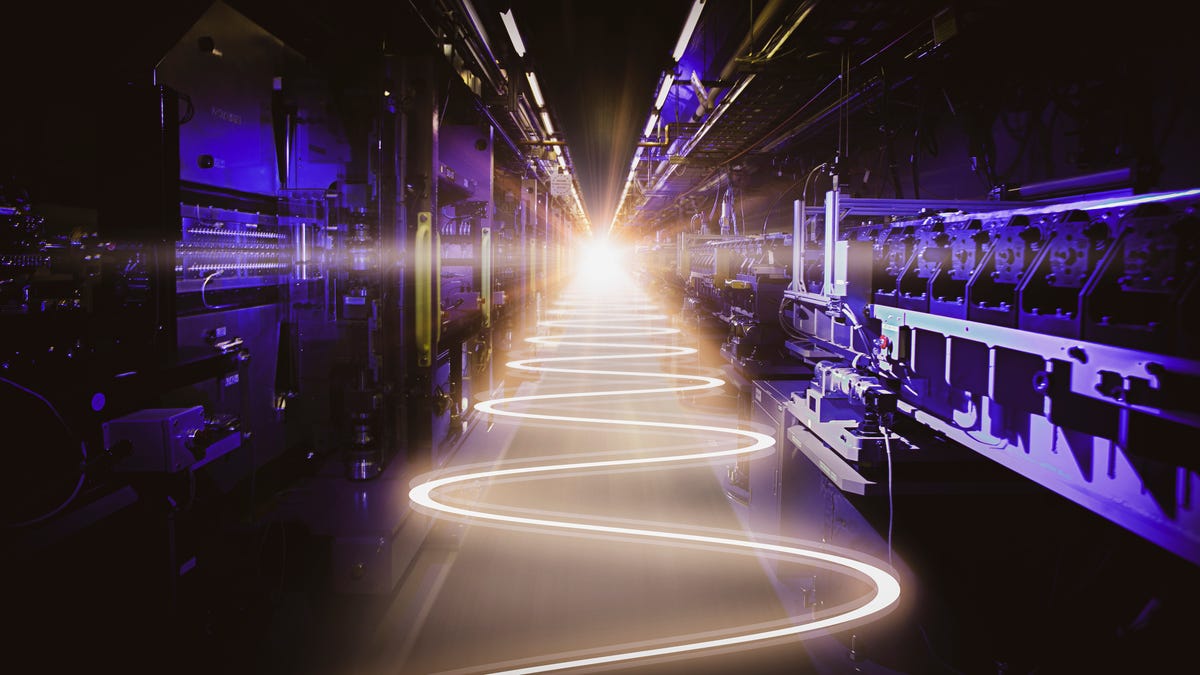
Engineers at the SLAC National Accelerator Laboratory in California have achieved "first light" with the Linac Coherent Light Source-II (LCLS-II), the world's most powerful X-ray laser. The upgraded linear accelerator will generate one million X-ray pulses per second, 10,000 times brighter than its predecessor, allowing scientists to study the smallest and fastest phenomena in the universe. The LCLS-II will provide valuable insights into various disciplines, from human health to quantum materials science, and keep the United States at the forefront of X-ray science. The first users of the upgraded accelerator are expected to arrive in November, marking a significant milestone in advancing scientific research.