Tag

Debris Disk

All articles tagged with #debris disk

Ancient White Dwarf Continues to Consume Its Planetary System

Originally Published 2 months ago — by Space

Featured image for Ancient White Dwarf Continues to Consume Its Planetary System
Source: Space

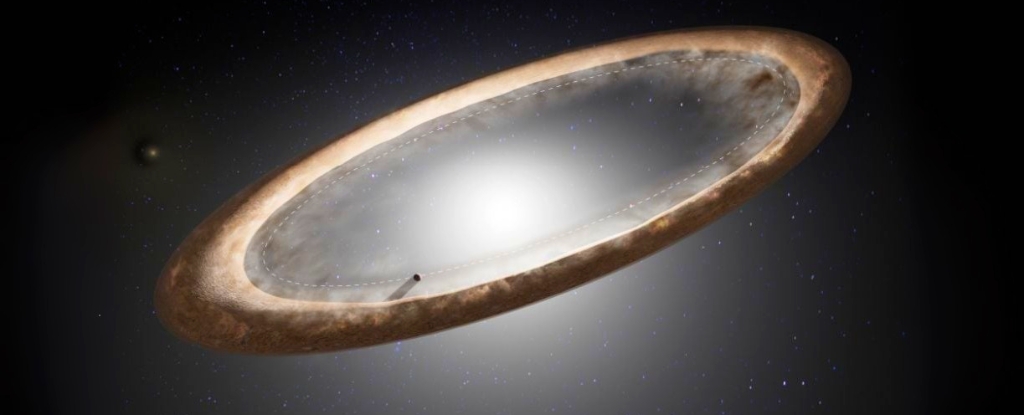
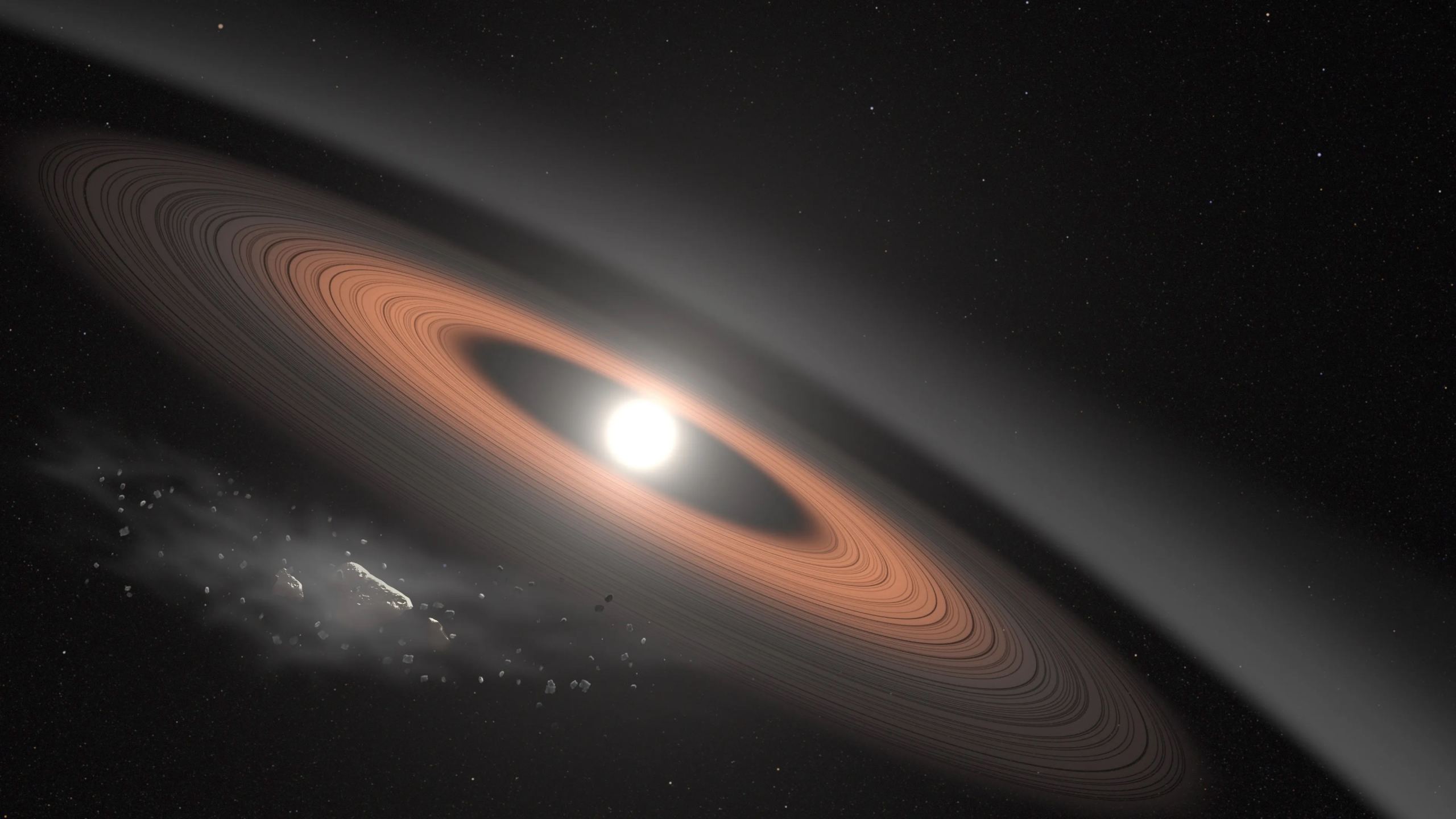
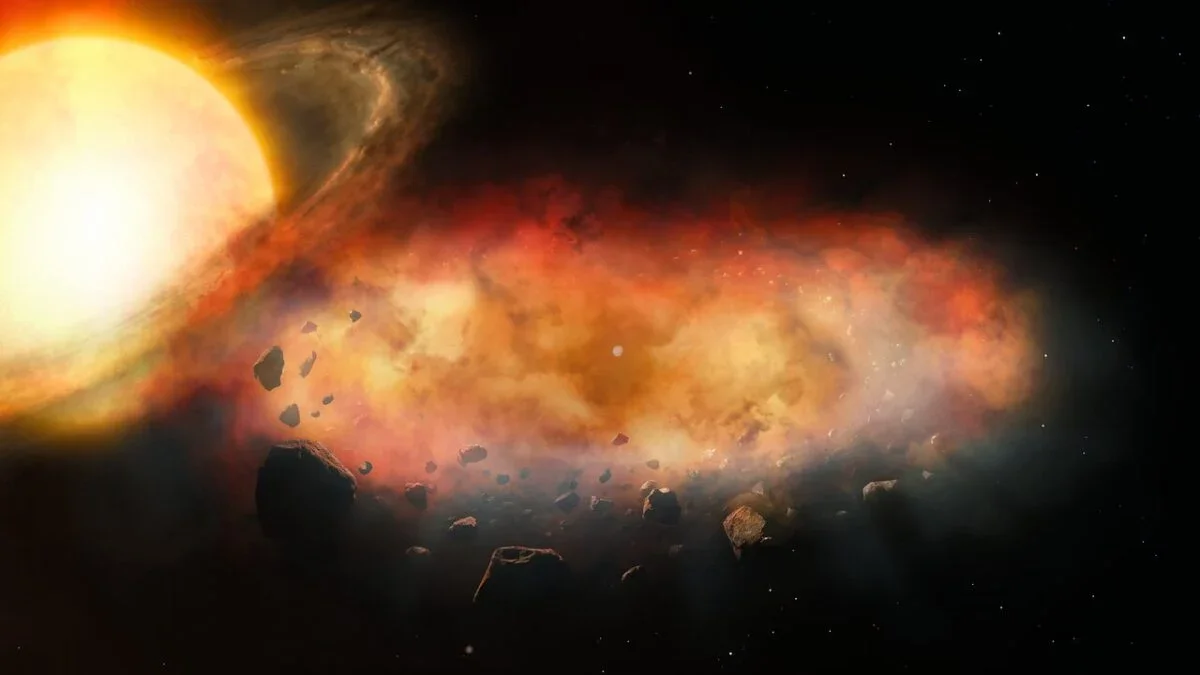
Astronomers have observed a white dwarf star, LSPM J0207+3331, actively tearing apart a planetary body, revealing recent accretion of debris rich in Earth-like elements, challenging current understanding of planetary system evolution and suggesting ongoing dynamical processes long after the star's death.

Hidden Planet Likely Warping Fomalhaut’s Bright Debris Disk

Originally Published 4 months ago — by ScienceAlert

Featured image for Hidden Planet Likely Warping Fomalhaut’s Bright Debris Disk
Source: ScienceAlert

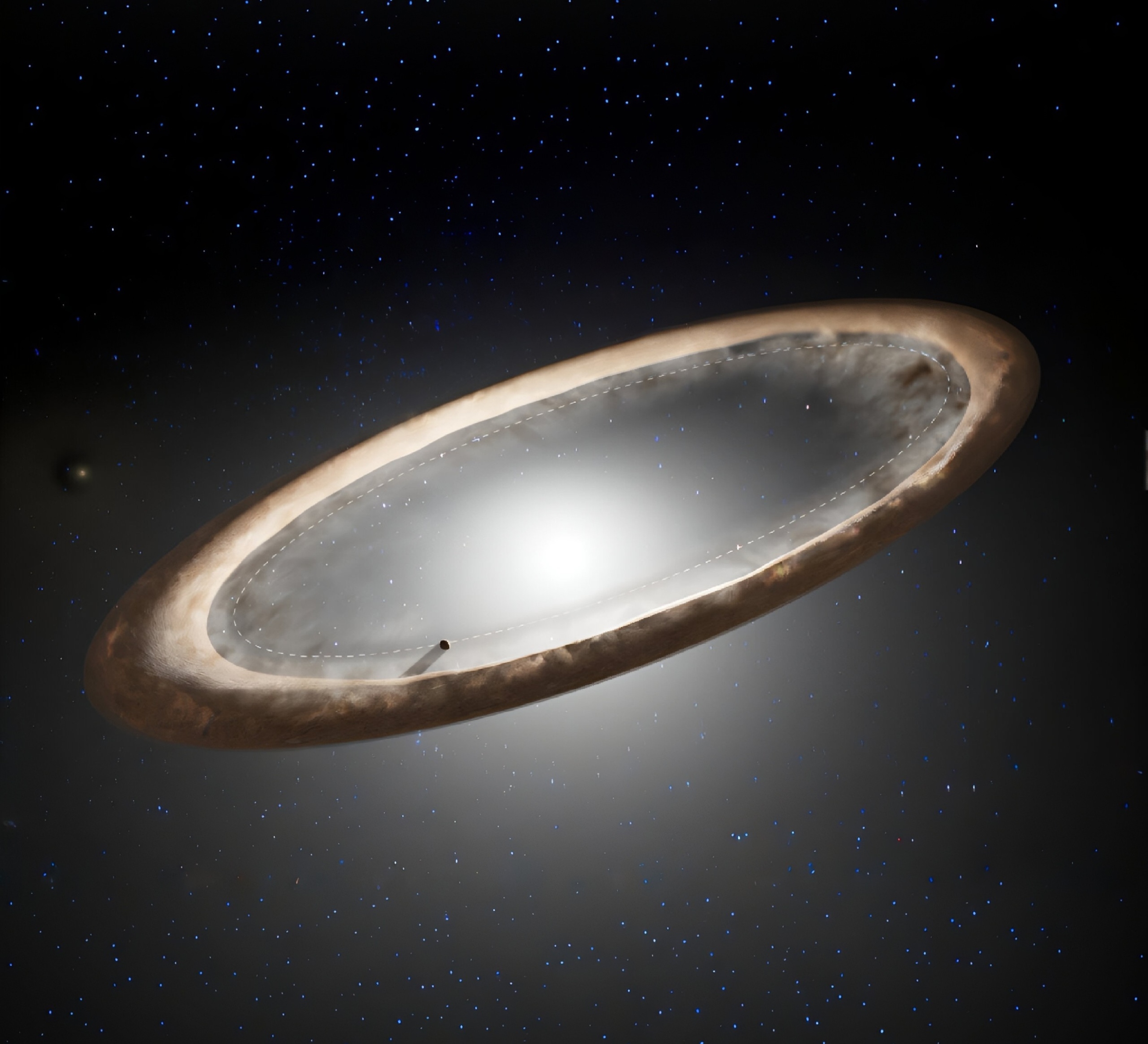
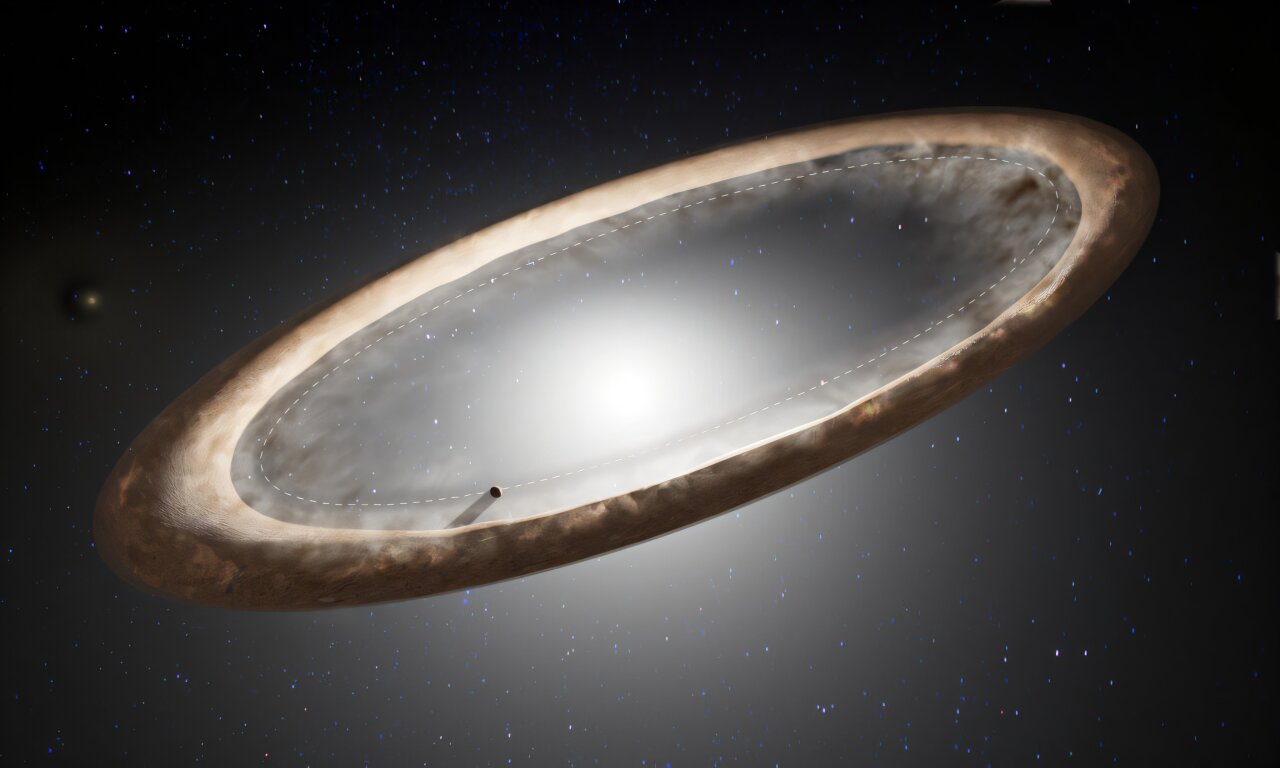
New ALMA observations suggest that a massive, unseen exoplanet is warping the debris disk around the young star Fomalhaut, with the disk's eccentricity varying with distance, indicating complex planet-disk interactions. The findings support the presence of a planet between 70-115 au from the star, although it has not yet been directly detected.

James Webb Telescope Detects Water Ice in Debris Disk Around Nearby Star

Originally Published 7 months ago — by SciTechDaily

Featured image for James Webb Telescope Detects Water Ice in Debris Disk Around Nearby Star
Source: SciTechDaily

Astronomers using the James Webb Space Telescope confirmed the presence of crystalline water ice in a debris disk around the star HD 181327, providing direct evidence of water ice orbiting a Sun-like star and offering insights into planetary formation processes in other systems.

"NASA's Webb Spots Dusty 'Cat's Tail' in Beta Pictoris System"

Originally Published 2 years ago — by NASA

Featured image for "NASA's Webb Spots Dusty 'Cat's Tail' in Beta Pictoris System"
Source: NASA

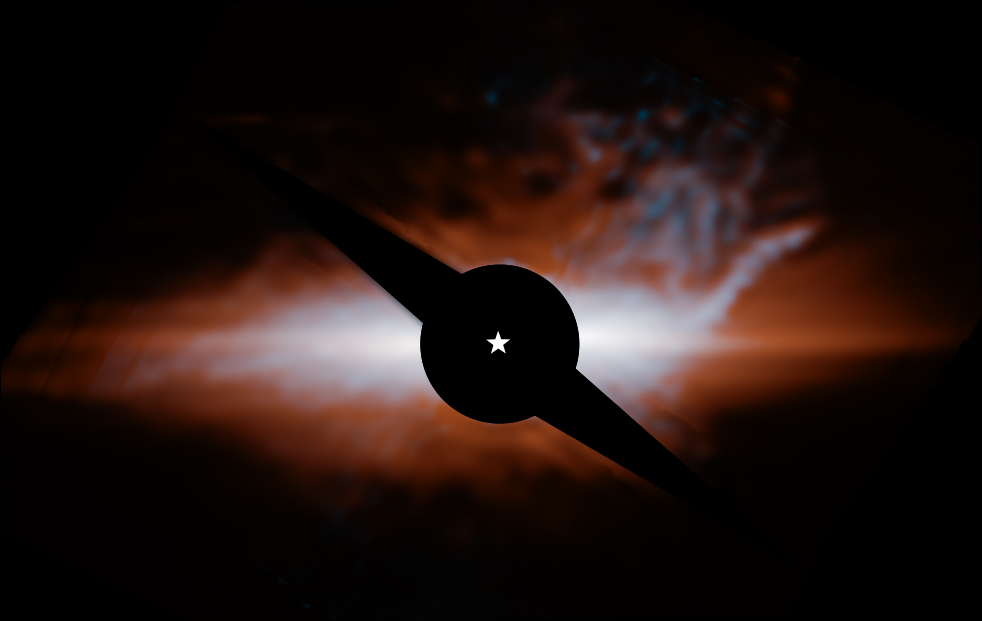
NASA's James Webb Space Telescope has discovered a new, previously unseen structure in the Beta Pictoris system, located 63 light-years away. The structure, shaped like a cat's tail, extends from the secondary debris disk and is composed of highly porous organic refractory material. The team of astronomers also observed differences in temperature between the two disks, indicating different compositions. The team's preferred model suggests that the cat's tail is the result of a recent dust production event, and its unusual curvature is explained as an optical illusion. These findings were presented at the 243rd meeting of the American Astronomical Society and provide new insights into the complex planetary system of Beta Pictoris.

Webb's Gaze: Exploring Dwarf Planets and Debris Discs

Originally Published 2 years ago — by Universe Today

Featured image for Webb's Gaze: Exploring Dwarf Planets and Debris Discs
Source: Universe Today

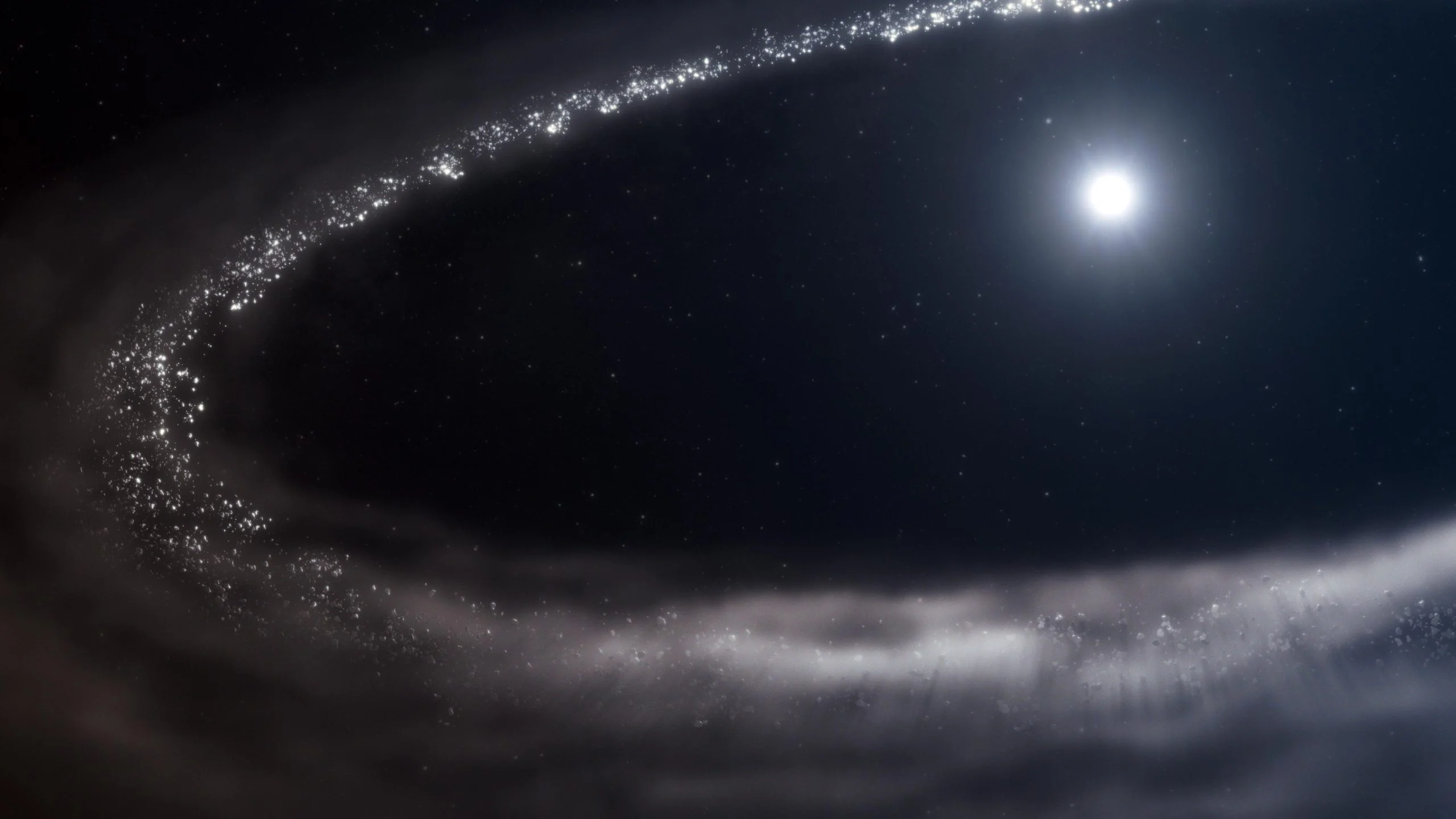
The James Webb Space Telescope (JWST) has observed a debris disk around a white dwarf star, providing insights into the composition and formation of these disks. The observations of the star WD 0145+234 confirm the presence of silicate grains and suggest the presence of carbonates, indicating larger body collisions have contributed to the disk. This finding suggests that white dwarf debris disks may result from similar planetary systems as our own. Further analysis of the data is ongoing to determine the most useful future observations.

"Webb Telescope Uncovers Secrets of Fomalhaut's Planetary System and Debris Disk"

Originally Published 2 years ago — by HT Tech

Featured image for "Webb Telescope Uncovers Secrets of Fomalhaut's Planetary System and Debris Disk"
Source: HT Tech

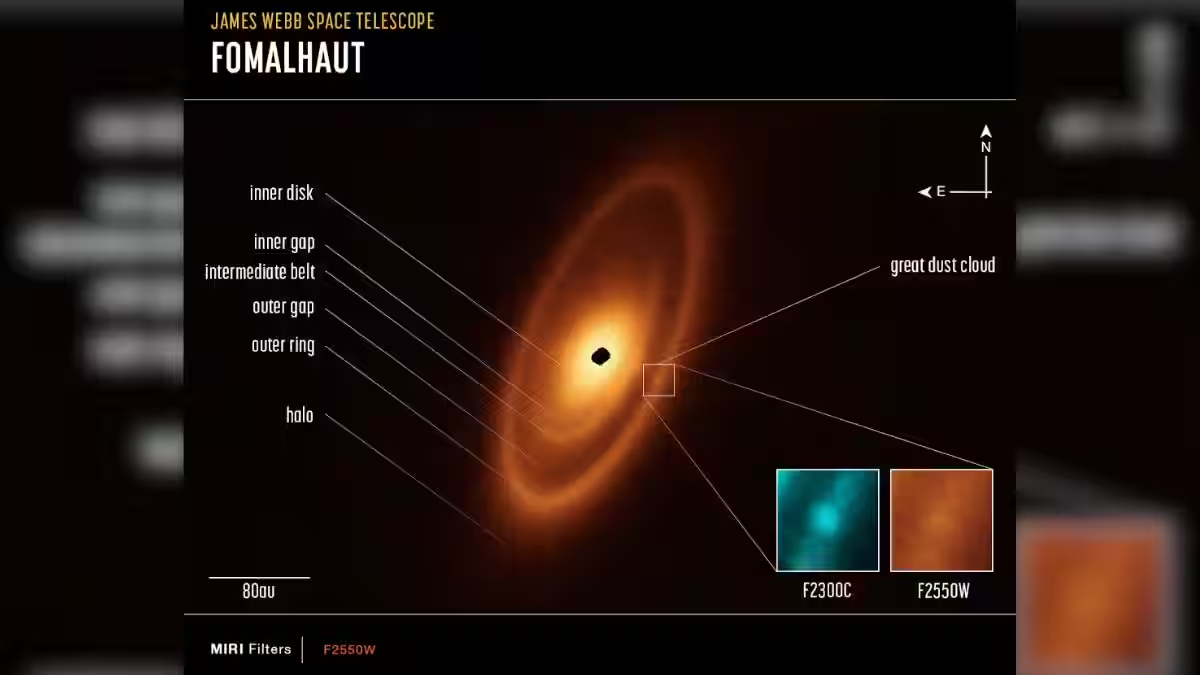
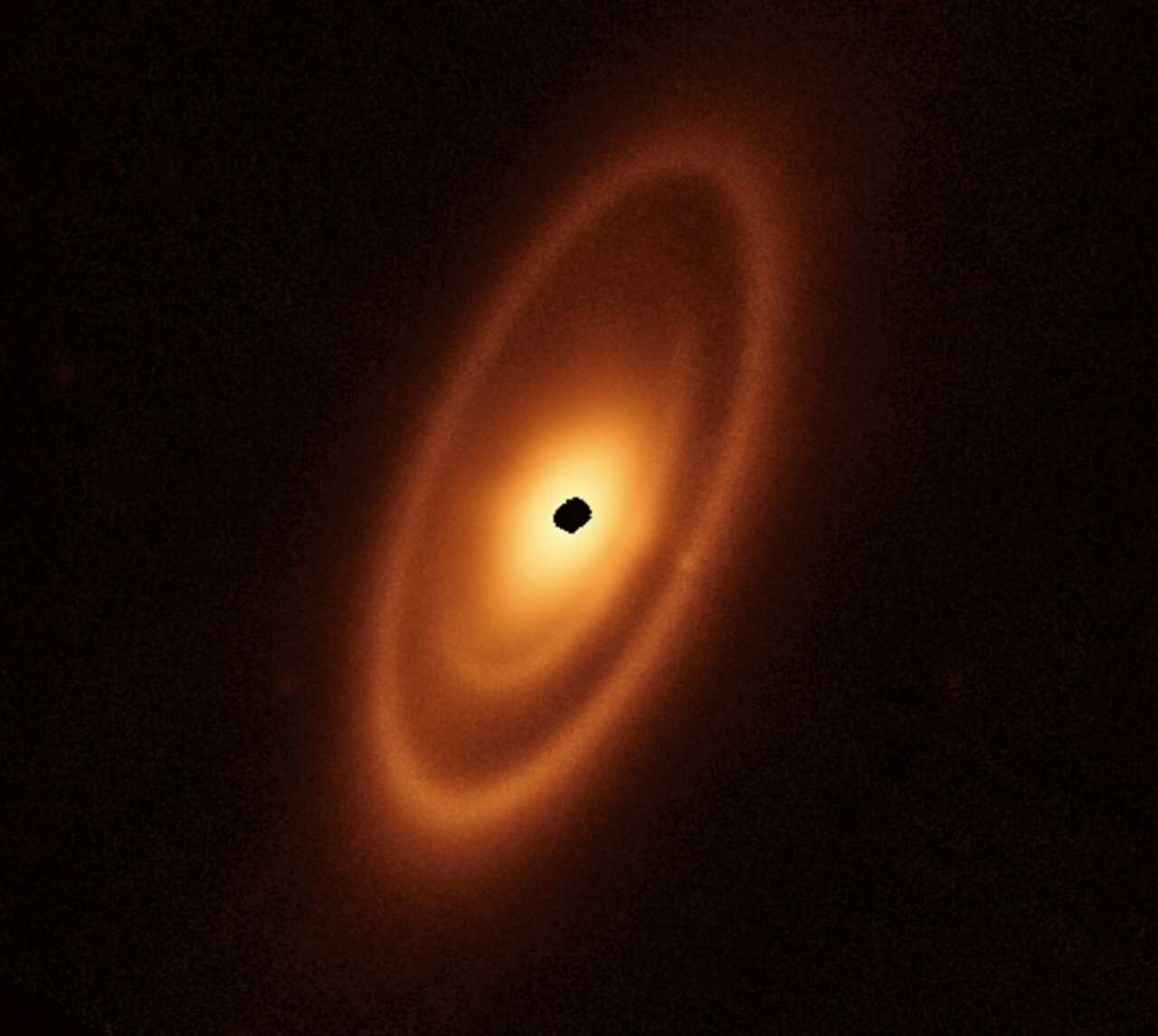
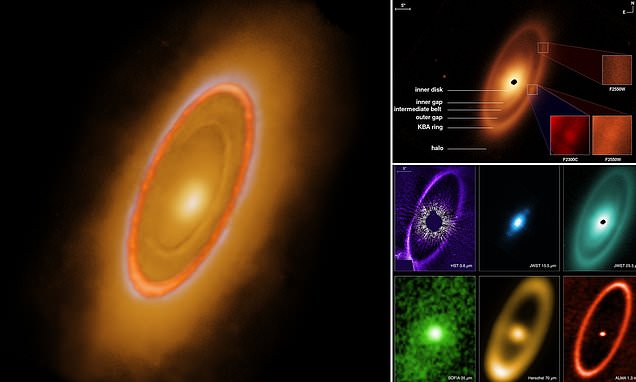
NASA's James Webb Space Telescope captured a sharp infrared image of Fomalhaut's debris disk, revealing details never seen before, including a large dust cloud in the outer ring that is possible evidence for colliding bodies, and an inner dust disk and gap likely shaped and maintained by embedded but unseen planets. The debris belts stretch across a gargantuan amount of space, nearly 14 billion miles (23 billion km) from Fomalhaut. The telescope used its Mid-Infrared Instrument (MIRI) to capture the image.

"Webb Telescope's Surprising Discoveries: Hidden Planets, Spiral Galaxies, and More"

Originally Published 2 years ago — by Universe Today

Featured image for "Webb Telescope's Surprising Discoveries: Hidden Planets, Spiral Galaxies, and More"
Source: Universe Today

The James Webb Space Telescope has revealed a more complex structure than expected in the debris disk surrounding the star Fomalhaut, including hints of planets forming among the dust and debris. The telescope's powerful infrared instruments caught the glow of dust in the disk's inner regions, revealing the presence of multiple rings and other features. The Fomalhaut system is full of surprises, and astronomers have been looking at it for a long time, with each new telescope revealing something new.

NASA's James Webb Telescope Captures Breathtaking Photos of Distant Star

Originally Published 2 years ago — by Daily Mail

Featured image for NASA's James Webb Telescope Captures Breathtaking Photos of Distant Star
Source: Daily Mail

NASA's James Webb Space Telescope has captured new images of Fomalhaut, a star located 25 light-years away from Earth, revealing three belts around it, including two inner ones previously unknown. The discovery of these belts could be the strongest indication yet that Fomalhaut has planets, possibly with alien life. The images also reveal a large dust cloud within the outer ring, which may be evidence of a collision between two protoplanets. The study describing the findings has been published in Nature Astronomy.