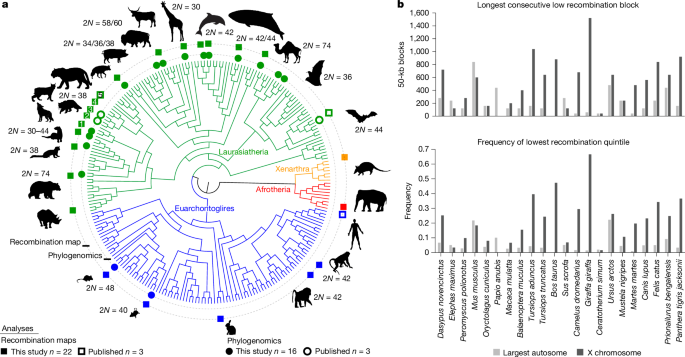
The article discusses the discovery of an ancient recombination desert acting as a supergene that influences speciation in placental mammals, highlighting the role of genomic architecture and introgression in evolutionary processes.
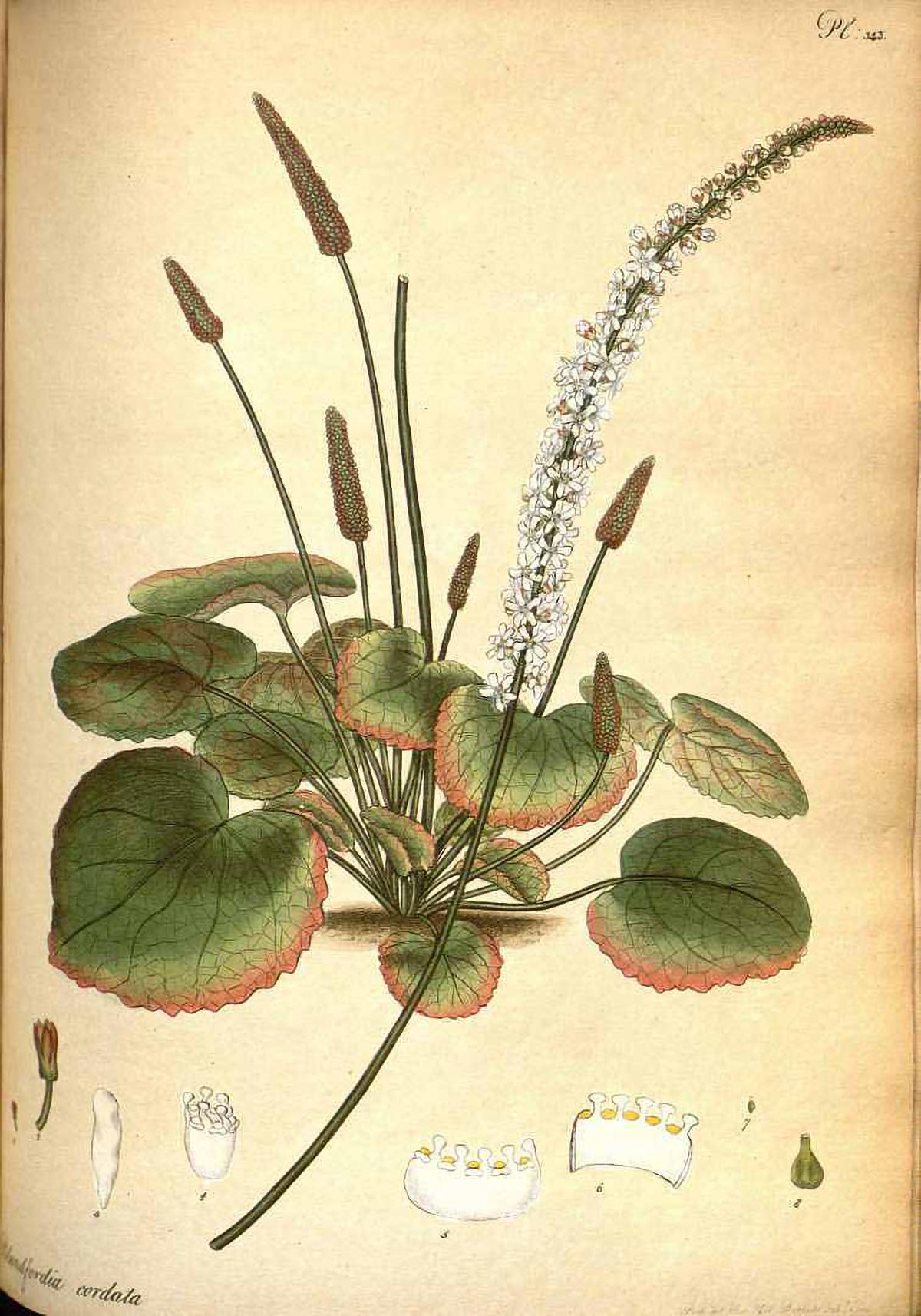
A study on beetleweed reveals that autopolyploid plants with different chromosome sets can coexist and persist over time, challenging previous beliefs that such plants were rare and unlikely to survive alongside their parent species, thereby reshaping understanding of rapid speciation and biodiversity.
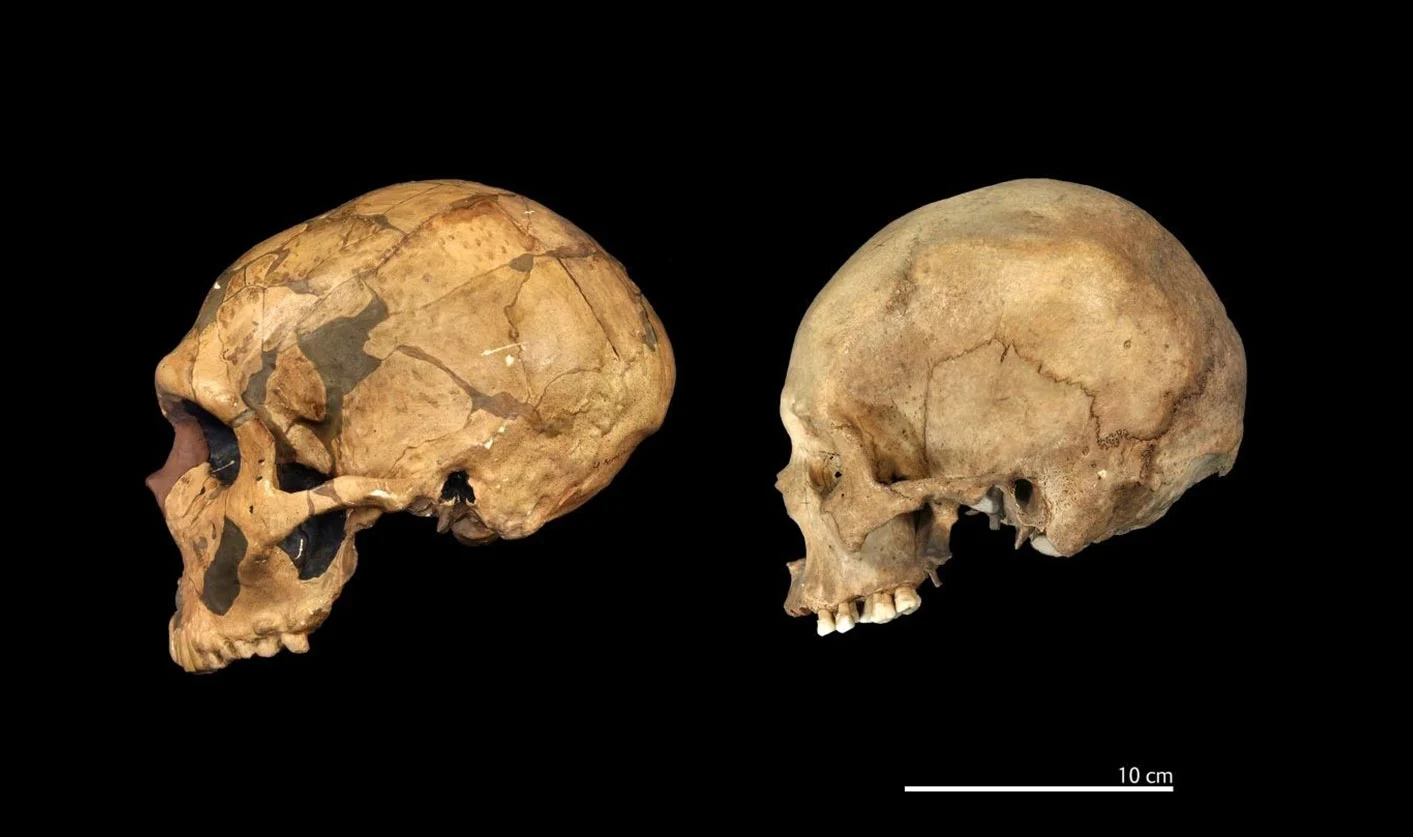
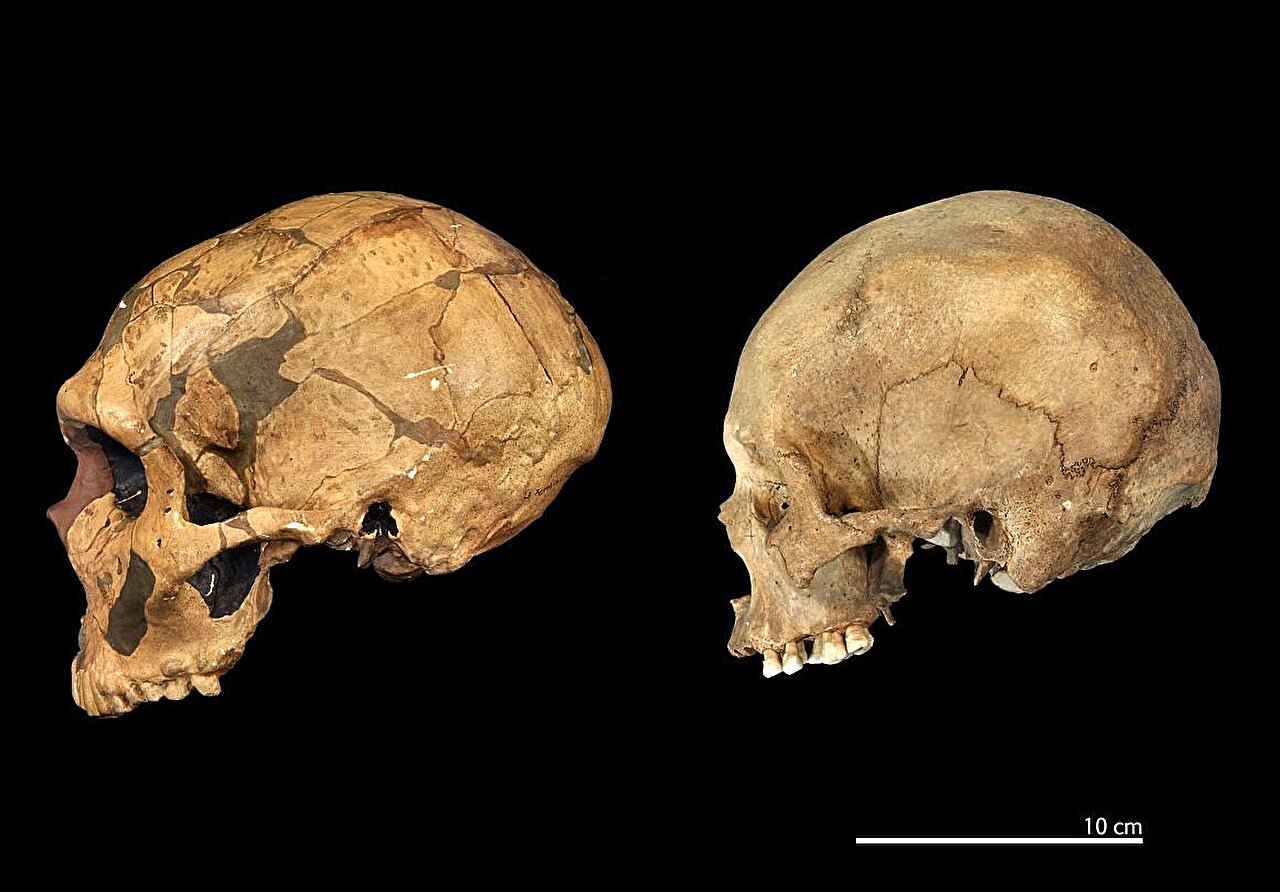
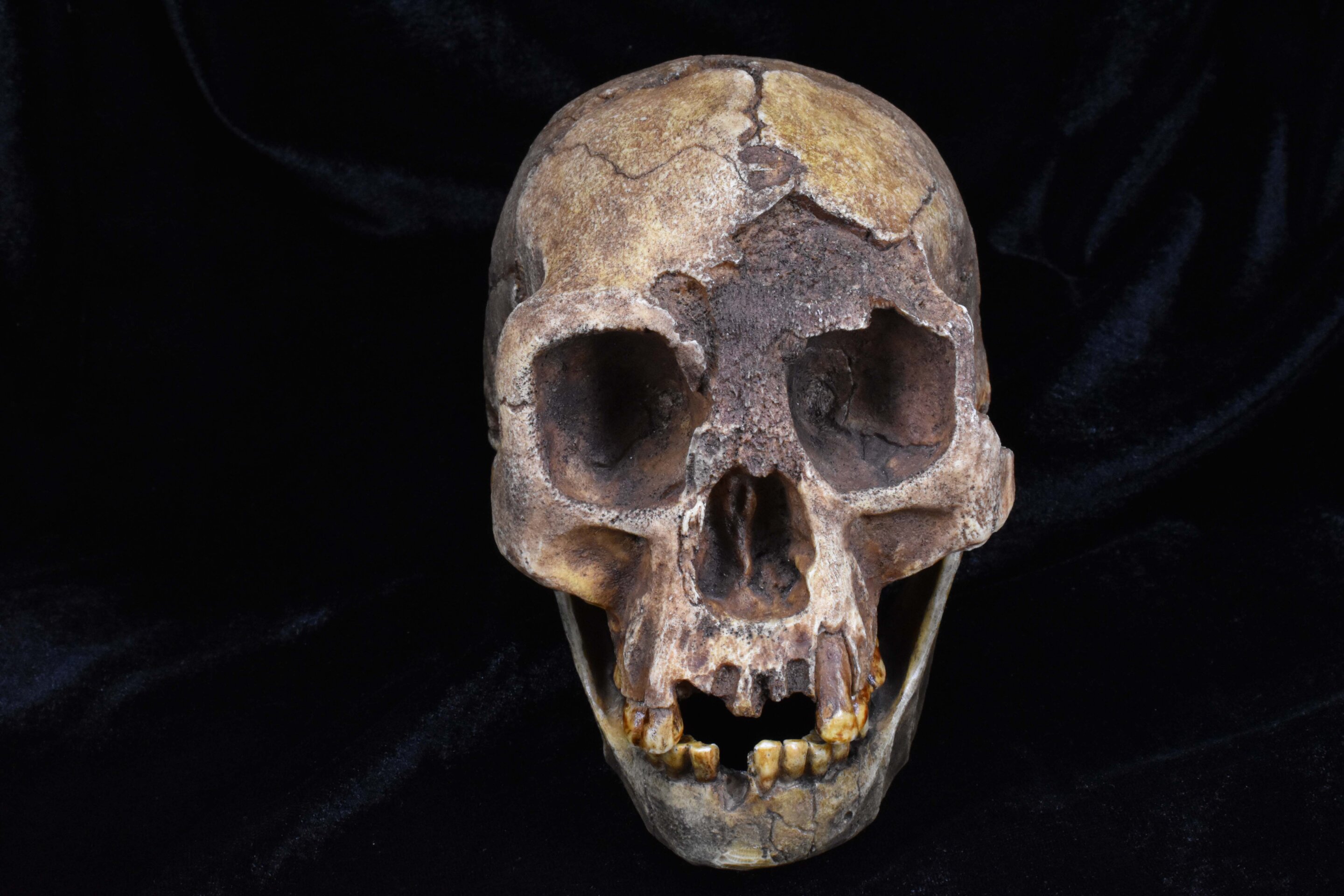
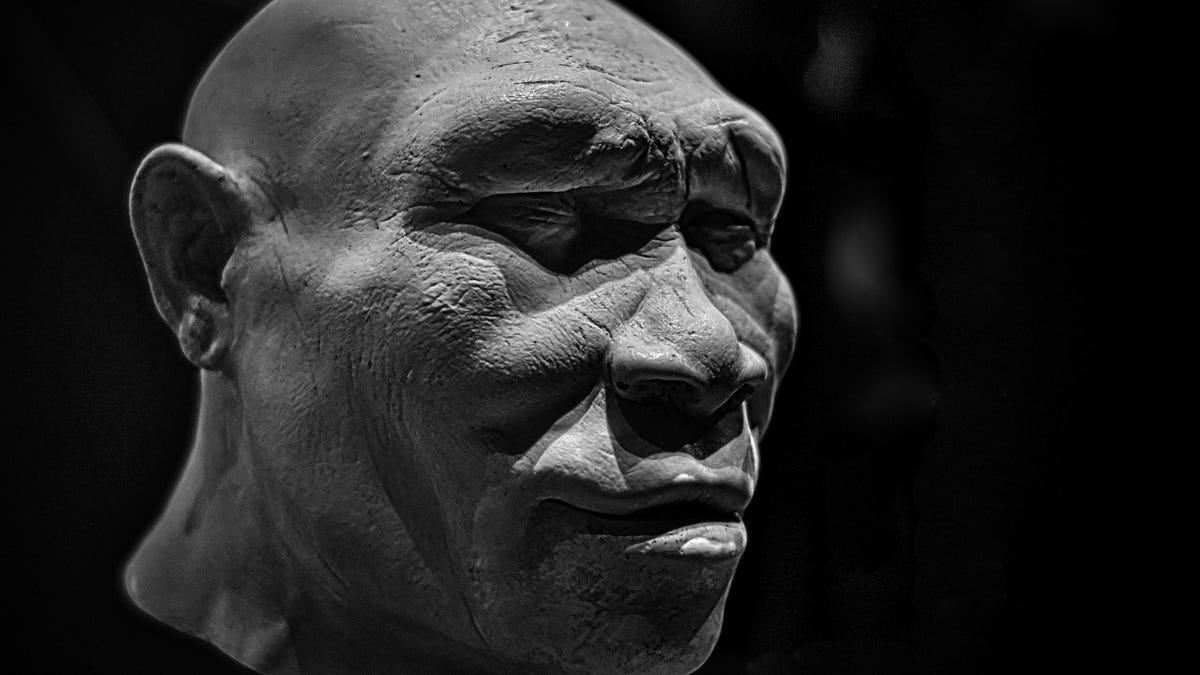
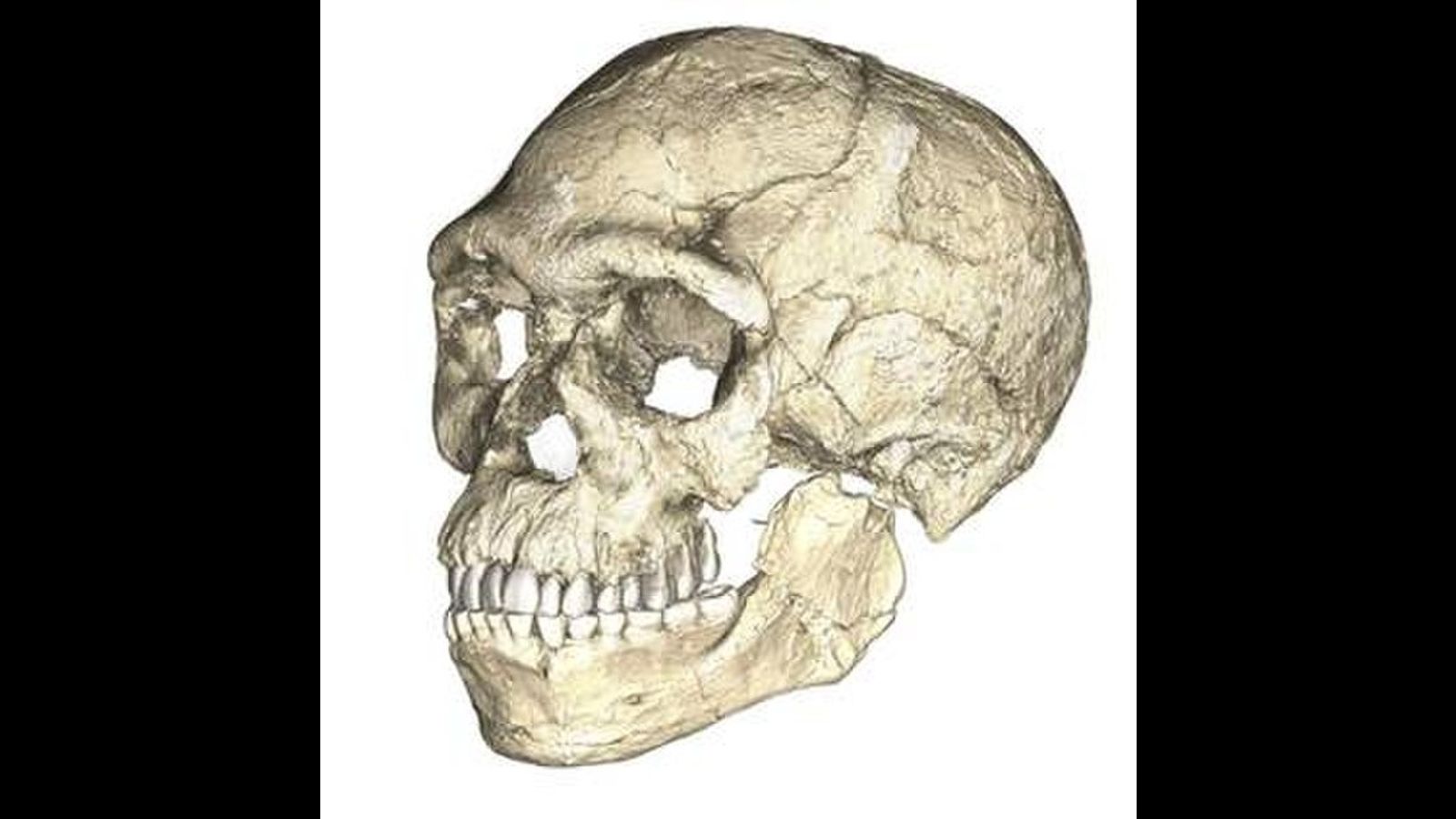
A study by researchers from London's Natural History Museum and KU Leuven argues that Neanderthals and modern humans (Homo sapiens) should be classified as distinct species, based on morphological, ecological, genetic, and temporal evidence. The study highlights the complexity of the speciation process, suggesting that despite interbreeding, the two species had diverged significantly by the time Homo sapiens expanded out of Africa. This research aims to provide a nuanced framework for understanding human evolution and speciation.
A study by researchers at London's Natural History Museum and KU Leuven argues that Neanderthals and modern humans should be classified as separate species to better understand human evolution. Despite interbreeding, the study highlights significant morphological, ecological, and genetic differences that justify this classification. The research suggests that speciation is a gradual process, and recognizing these distinctions is crucial for accurately tracing human origins.
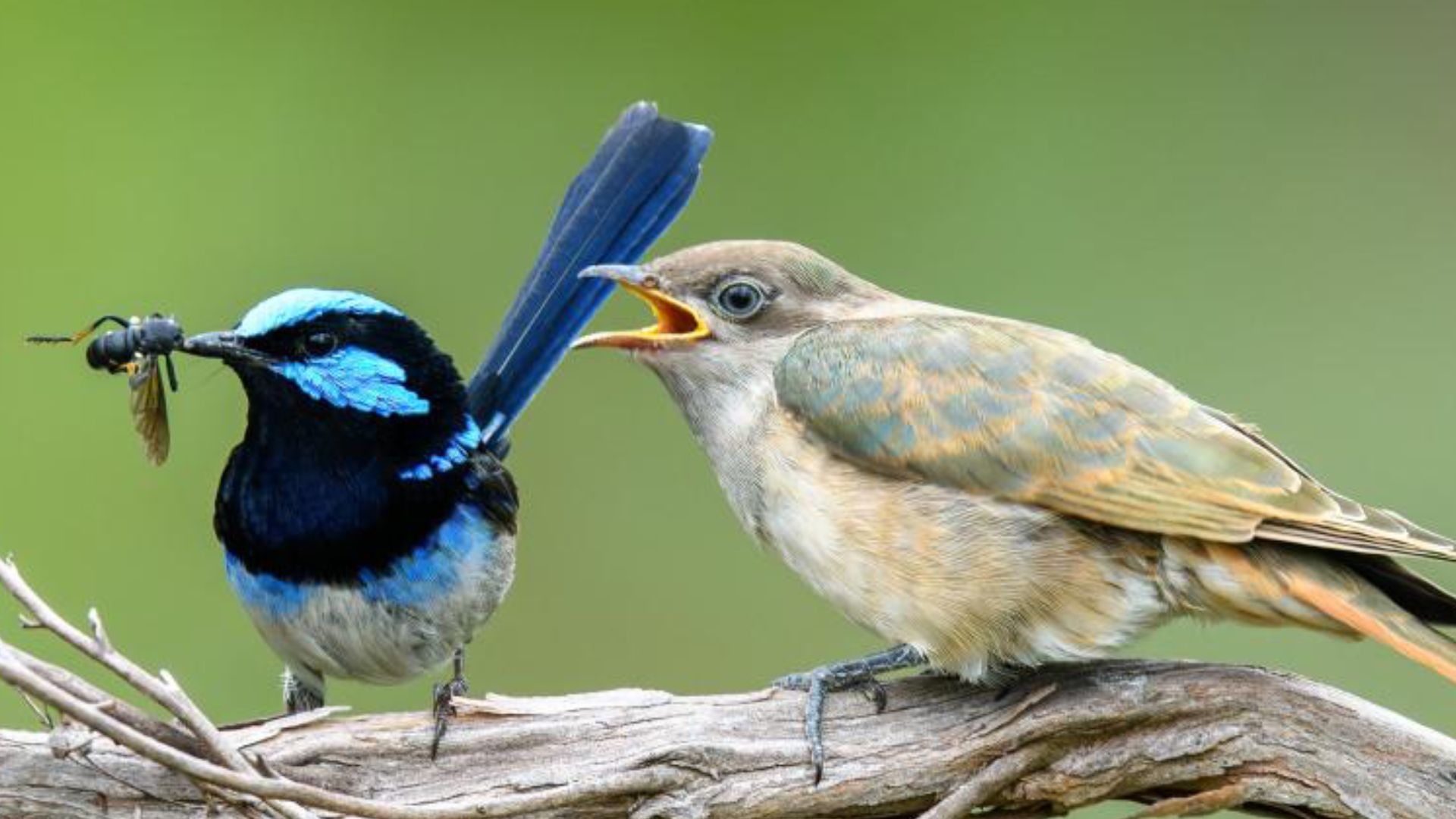
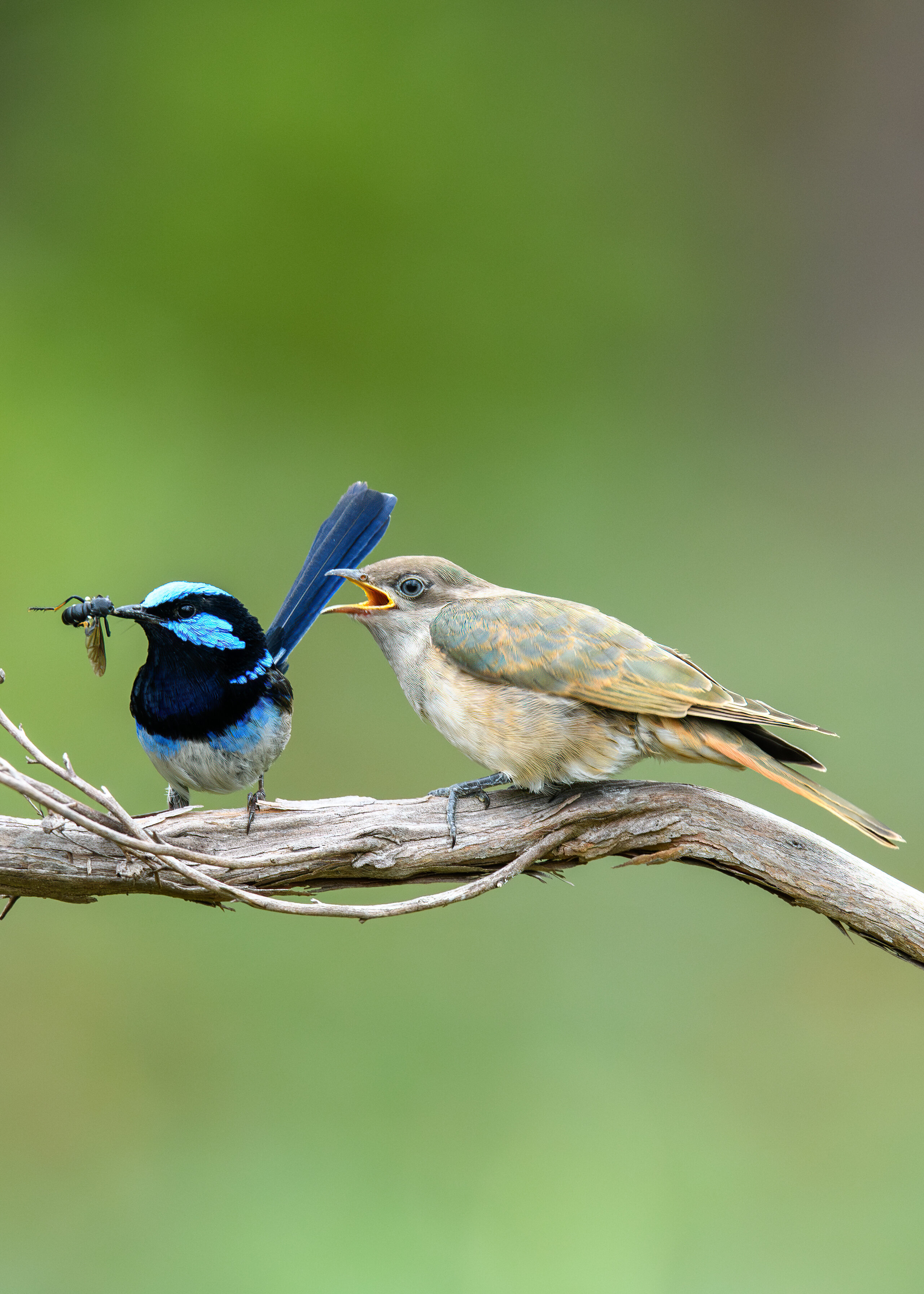
Researchers from the University of Cambridge have found that cuckoos laying eggs in other birds' nests can drive the evolution of new species. This coevolutionary interaction, where cuckoo chicks mimic host chicks to avoid detection, leads to genetic divergence and increased biodiversity. The study, published in Science, highlights how such interspecies battles can result in speciation.
A new study has found that coevolution between cuckoos and their host birds can drive the formation of new species. By mimicking the appearance of host chicks, cuckoos avoid detection and rejection, leading to genetic divergence and speciation. This research highlights how evolutionary arms races between species can increase biodiversity.
A new University of Cambridge study suggests that interspecies competition played a major role in the rise and fall of hominins, leading to a "bizarre" evolutionary pattern for the Homo lineage. Unlike conventional beliefs that climate was solely responsible for the emergence and extinction of hominin species, this research shows that competition was fundamental to speciation across five million years of hominin evolution. The study also reveals that the Homo lineage, which led to modern humans, experienced a reversal of the typical evolutionary trend, with competition between species resulting in the appearance of even more new species. This unusual pattern is attributed to the adoption of technology, such as stone tools and fire, allowing Homo species to rapidly carve out new niches and ultimately leading to the emergence of Homo sapiens.
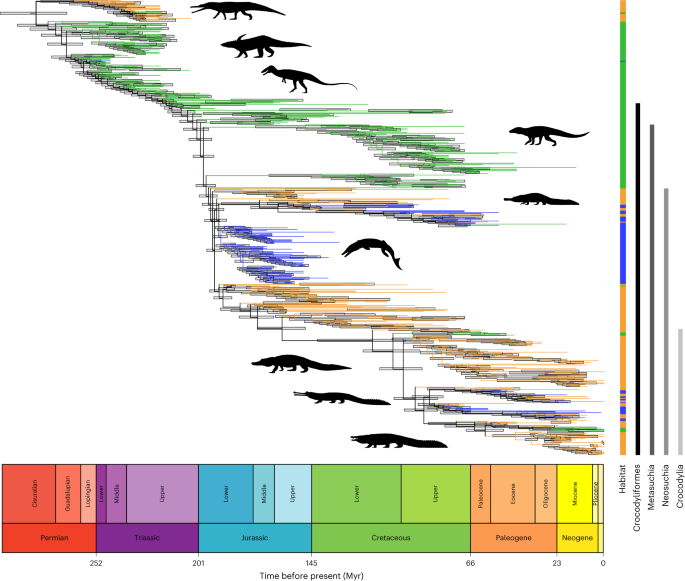
A new study on the evolutionary history of pseudosuchians, a group of crocodile-line archosaurs, reveals that their diversification dynamics were shaped by a combination of abiotic and biotic factors over 250 million years. The research shows that speciation, but not extinction, is correlated with higher temperatures in terrestrial and marine lineages, while high sea levels are associated with increased extinction in non-marine taxa. The study also highlights the importance of ecological partitioning and competition in driving both speciation and extinction. Understanding these drivers can provide insights into the long-term impact of climate change on biodiversity and extinction risks.
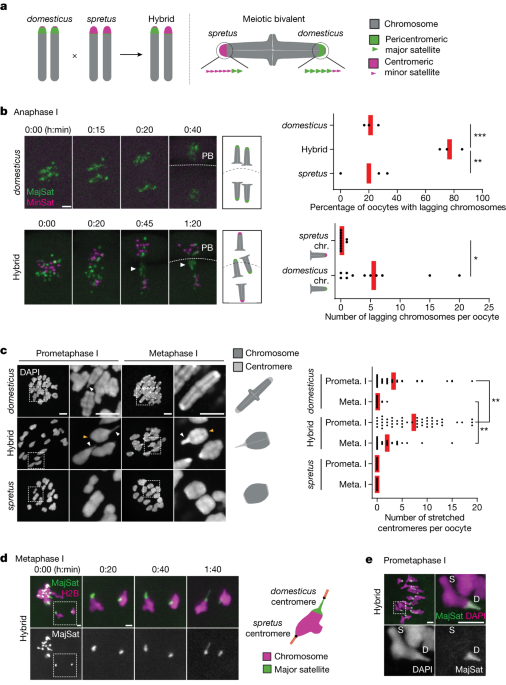
A study on mice has found that dysfunction in a protein complex called condensin can act as a reproductive isolating barrier, contributing to speciation. Condensin plays a crucial role in chromosome organization and segregation during cell division. The researchers discovered that mice with impaired condensin function exhibited abnormalities in meiosis, resulting in reduced fertility and hybrid sterility. This dysfunction disrupted the proper assembly of chromosomes, leading to errors in chromosome segregation and the formation of abnormal gametes. The findings shed light on the molecular mechanisms underlying reproductive isolation and speciation.
A new study suggests that there was a severe population bottleneck in our species' ancient past, reducing an ancestral human species to less than 1,300 breeding individuals between 813,000 and 930,000 years ago. This bottleneck lasted for 117,000 years and aligns with a gap in the African and Eurasian human fossil records. The researchers used a tool called FitCoal to analyze present-day genomes and found evidence of a "severe population bottleneck" in 10 African populations, possibly due to climatic changes. The study highlights the vulnerability of early human populations and suggests that the bottleneck may have led to the emergence of the last common ancestor shared by Denisovans, Neanderthals, and modern humans.
A new interpretation of the origin of Homo sapiens suggests that the species emerged from the interaction of multiple regional populations, rather than evolving from a single local population. This "tangled vine" model of human evolution is based on genetic studies of recent populations and has significant implications for understanding the complex dialectic between culture and biology in human evolution. The theory supports the view that humans rely on changes in culture rather than physical features to adapt to their environment, allowing them to occupy a wide range of environments without undergoing speciation.