BBC Wildlife explains how Japanese honeybees defend against the largest hornet by luring it into the hive and rapidly heating the surrounding air to about 46°C, roasting the intruder in a cooperative defense honed over millions of years on Honshu.
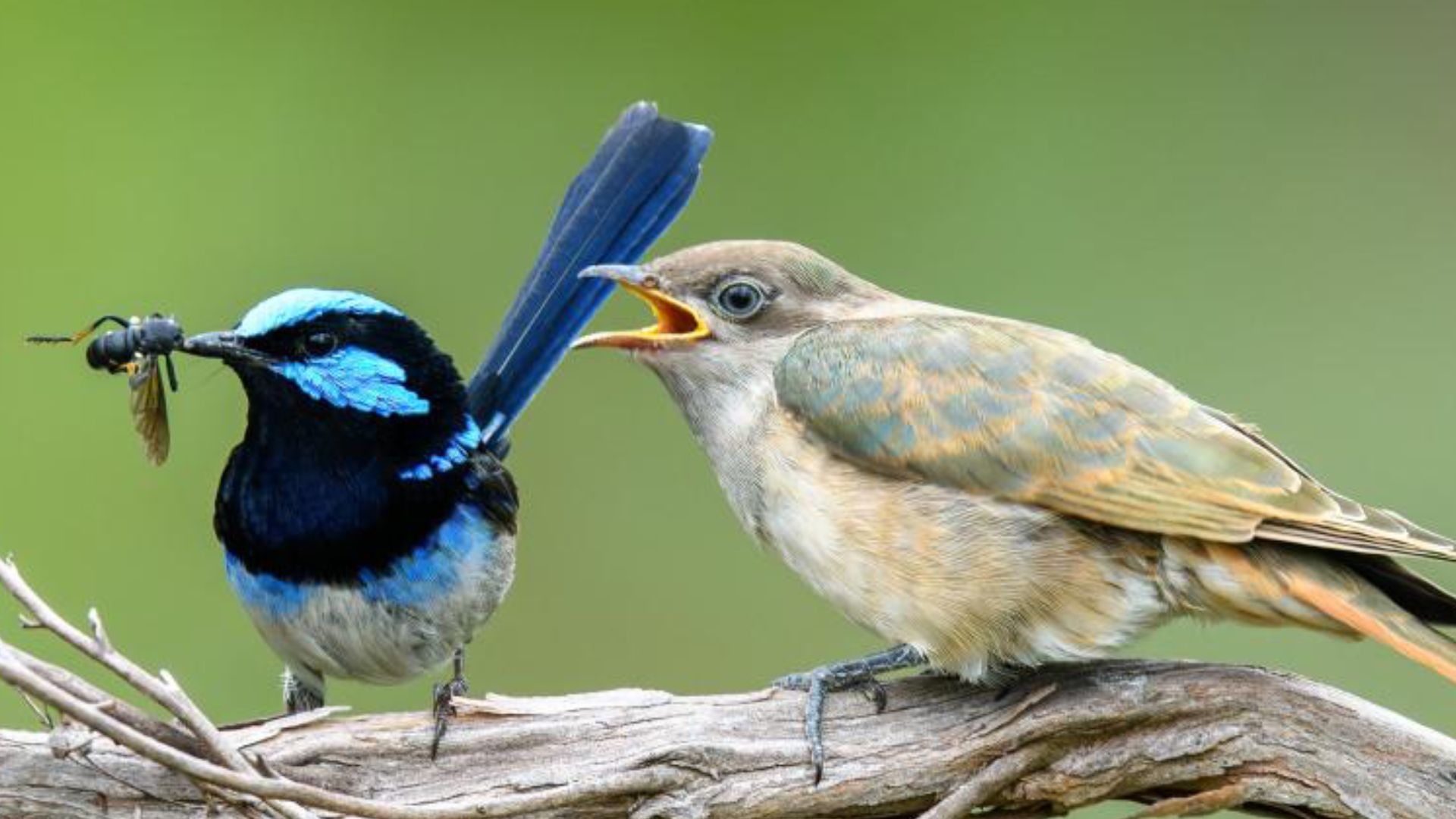
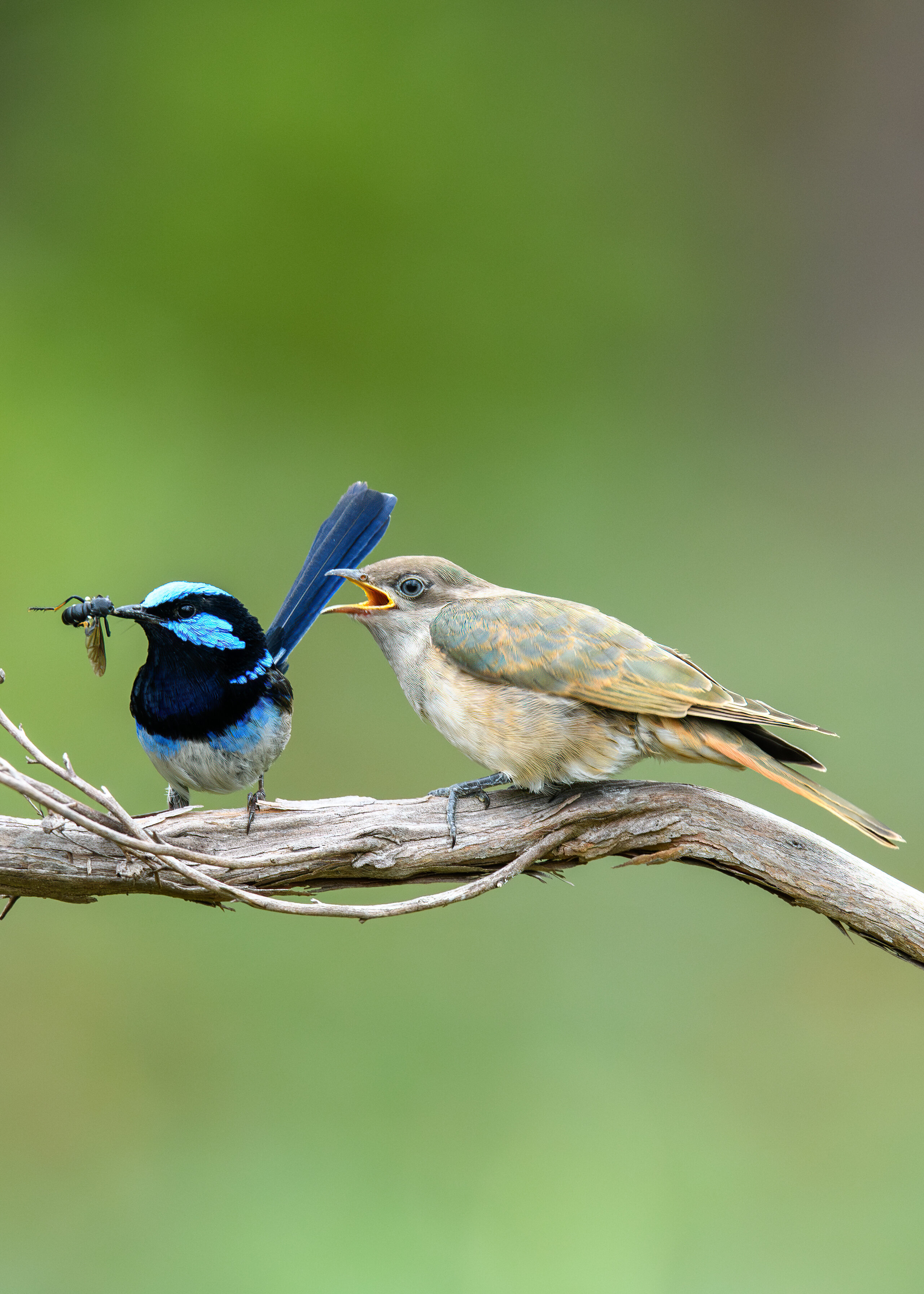
Researchers from the University of Cambridge have found that cuckoos laying eggs in other birds' nests can drive the evolution of new species. This coevolutionary interaction, where cuckoo chicks mimic host chicks to avoid detection, leads to genetic divergence and increased biodiversity. The study, published in Science, highlights how such interspecies battles can result in speciation.
A new study has found that coevolution between cuckoos and their host birds can drive the formation of new species. By mimicking the appearance of host chicks, cuckoos avoid detection and rejection, leading to genetic divergence and speciation. This research highlights how evolutionary arms races between species can increase biodiversity.
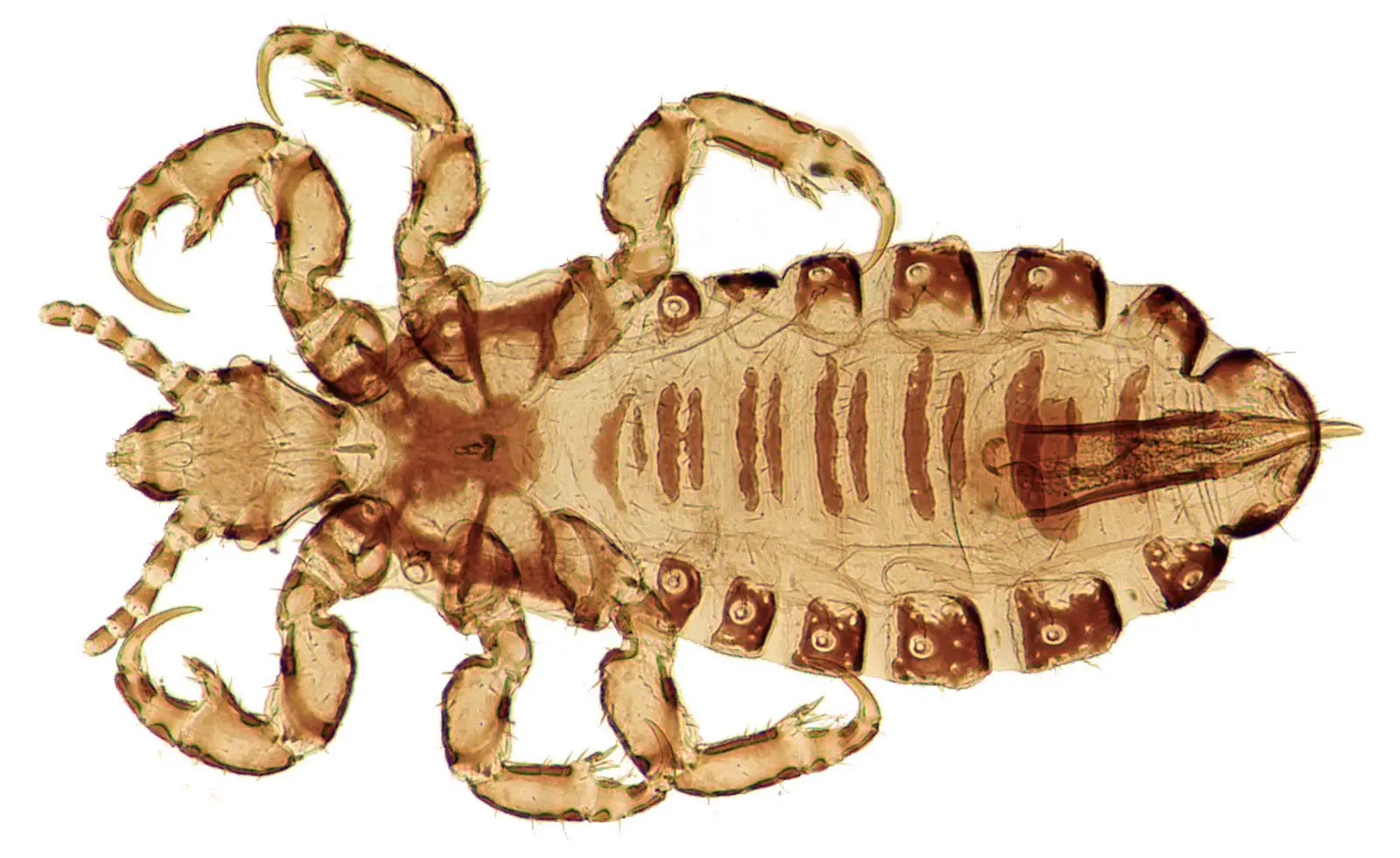
A genetic analysis of lice suggests that they arrived in the Americas twice - once during the initial human migration across the Bering Strait and again during European colonization. The study reveals two distinct clusters of lice, with a unique group in the Americas resulting from a mixture of lice descended from the First People and European lice. The research also supports the idea that people from East Asia migrated to North America and became the first Native Americans. The study highlights the coevolutionary history between humans and lice and provides insights into human migration patterns.
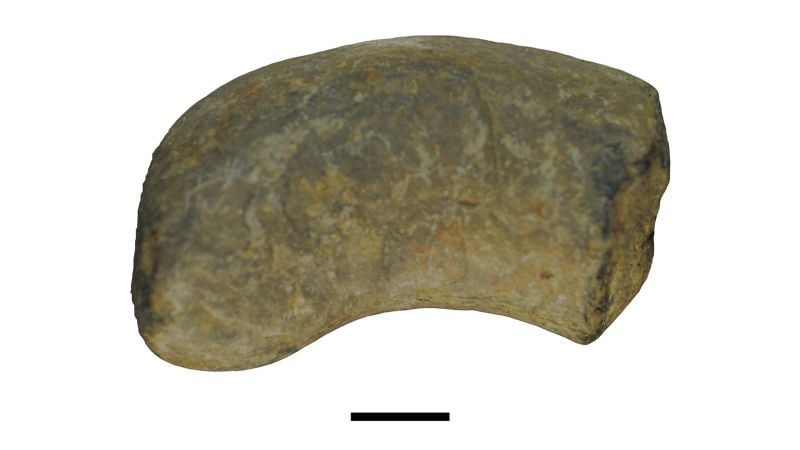
Scientists have discovered evidence of parasitic infection in a reptile that lived during the Triassic Period, around 252 million to 201 million years ago. The parasites were found in a coprolite, or fossilized feces, from a phytosaur, a reptilian carnivore resembling modern crocodiles. The coprolite contained at least five different types of parasites, including nematodes. This finding provides insights into ancient parasite-host relationships and suggests that parasites may have been inside prey animals before being eaten, shedding light on how past ecosystems were connected and how they affected prehistoric animals.