Tag

Ancient Dna

All articles tagged with #ancient dna

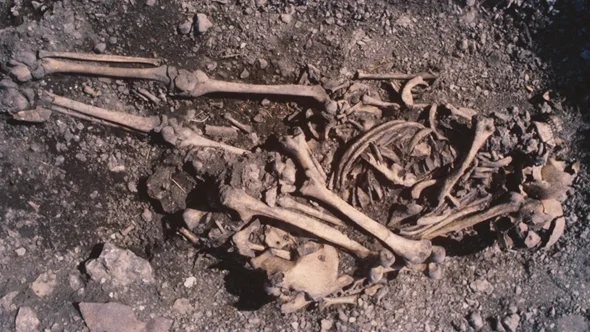
DNA reveals tangled kinship in 5,500-year-old Gotland gravesite
archaeology10 days ago

DNA reveals tangled kinship in 5,500-year-old Gotland gravesite

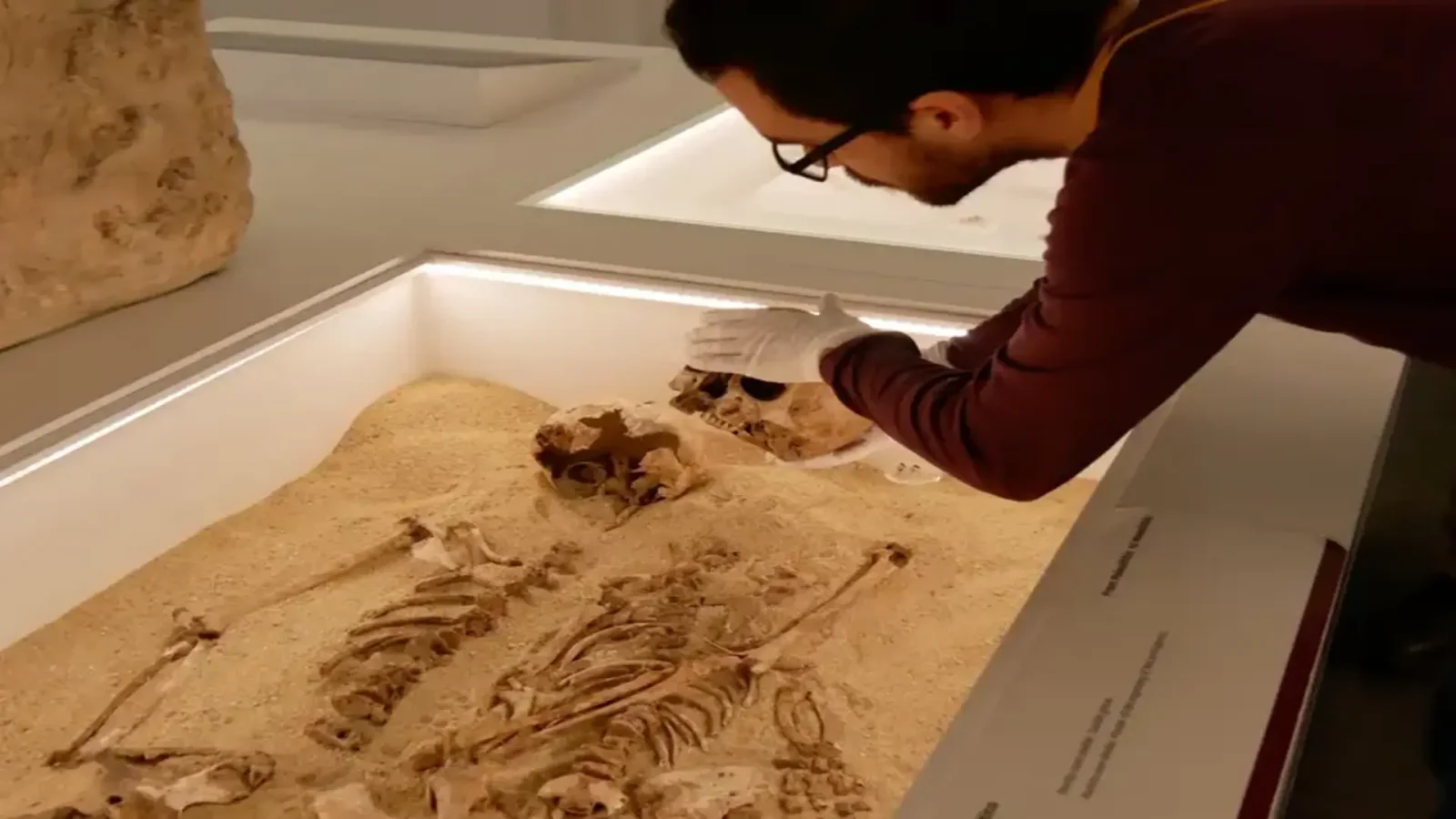
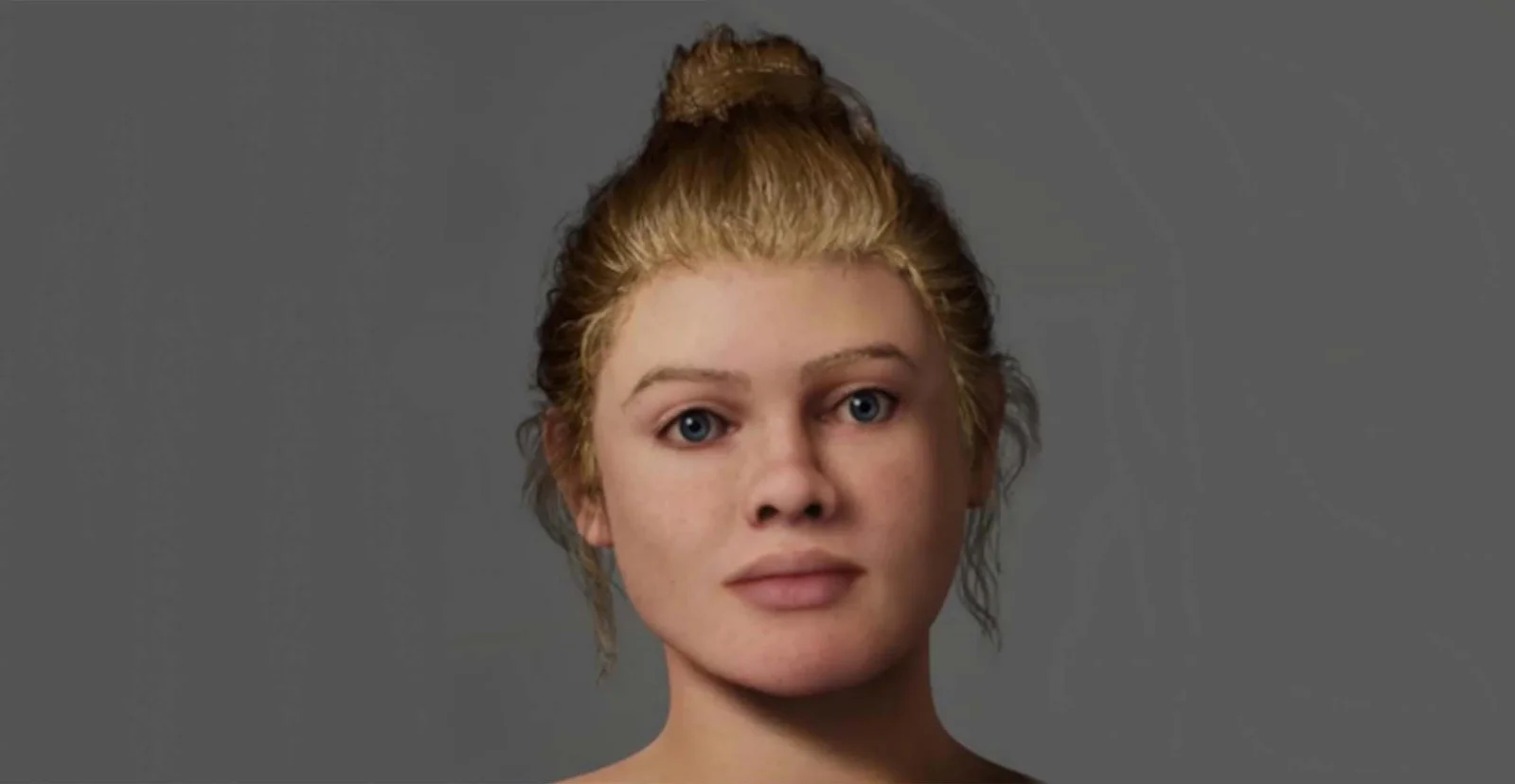
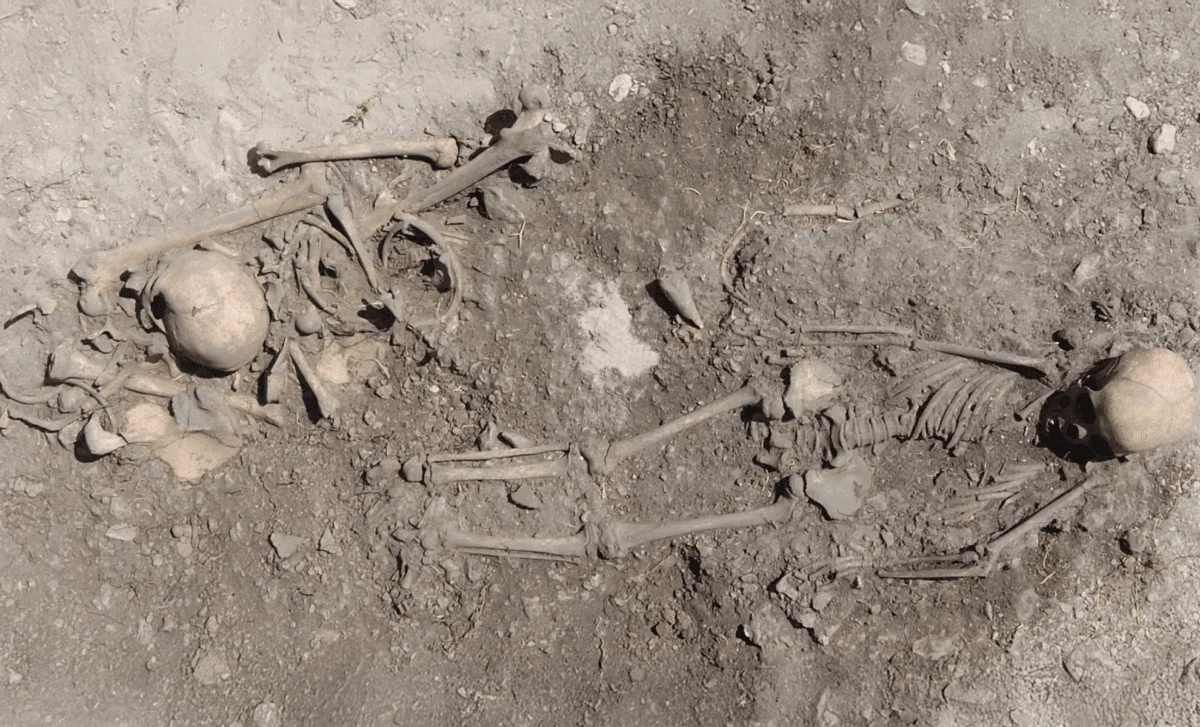
A DNA analysis of 5,500-year-old burials at Ajvide on Gotland, Sweden, uncovers complex kinship networks among Neolithic hunter-gatherers: many graves held distant relatives rather than immediate family, including a teen girl whose father’s bones were placed atop her grave, with bones moved from elsewhere; the study suggests kinship beyond the immediate family shaped burial practices.

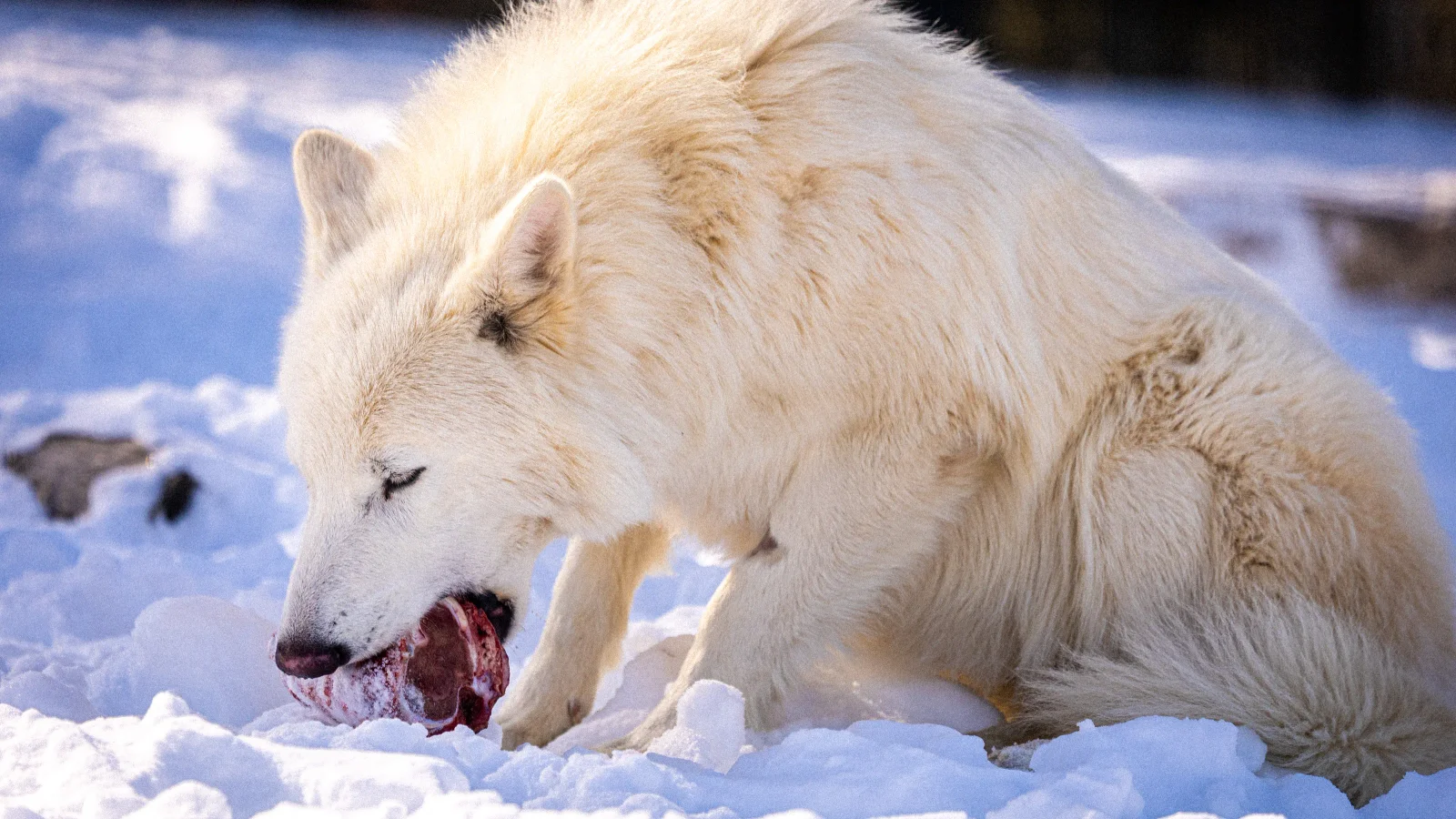
Dire Wolves Grow Up at Colossal Biosciences, Snacking on Deer Marks Maturation
science10 days ago

Dire Wolves Grow Up at Colossal Biosciences, Snacking on Deer Marks Maturation

Colossal Biosciences has brought dire wolves Romulus and Remus to life from ancient DNA, raised with surrogate dog mothers, and they are now about 16 months old with maturation to around age three. They recently fed on their first deer carcass and also catch small prey on Colossal’s 2,000+ acre preserve, illustrating their wolf nature rather than domestication. A female pup named Khaleesi, born Jan. 2025, rounds out the trio. They’re friendly toward staff when fed but remain wild wolves, not pets.

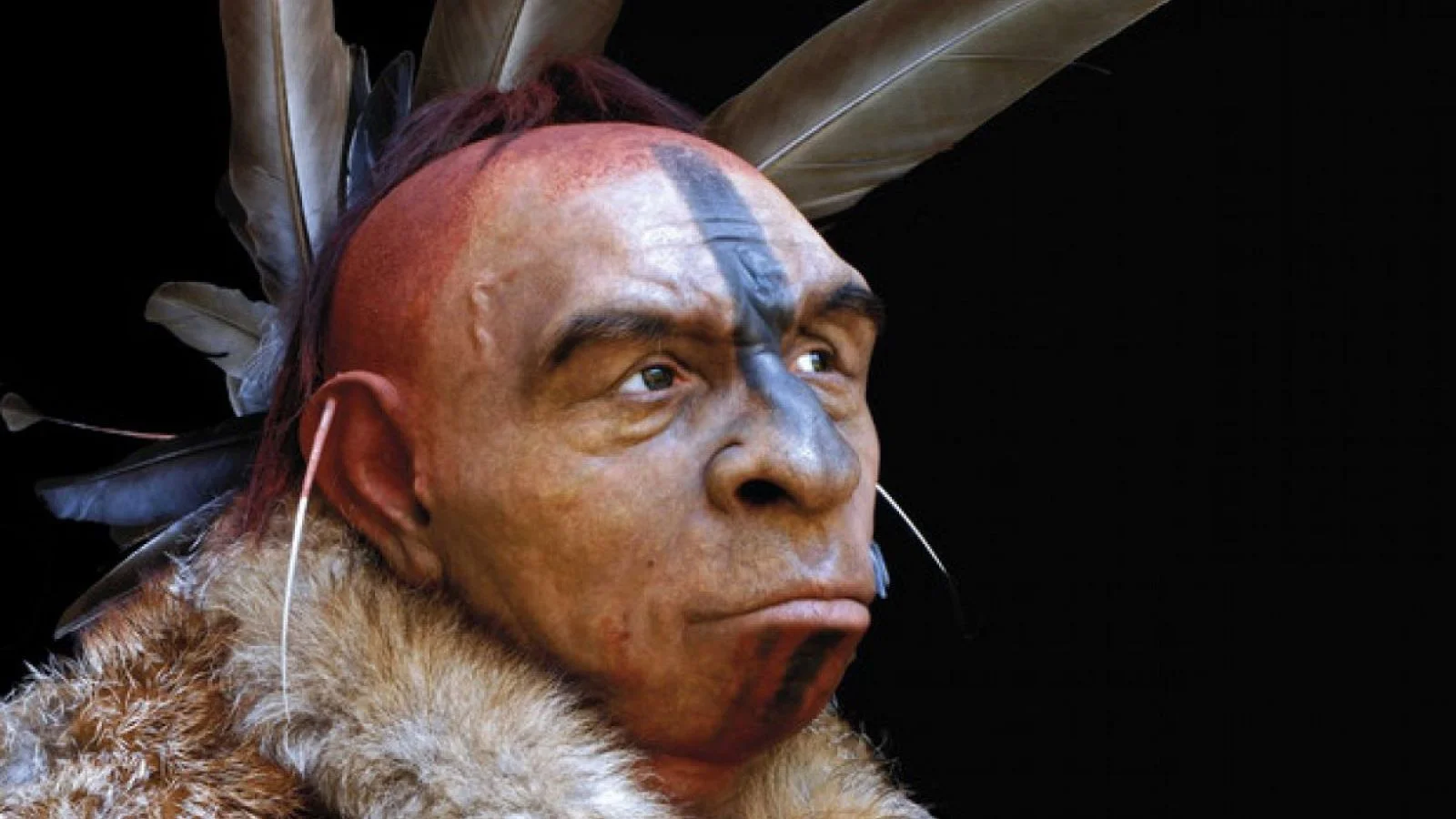
Neanderthals fell to a mosaic of factors, not a single foe
archaeology13 days ago

Neanderthals fell to a mosaic of factors, not a single foe

Extinction of Neanderthals appears to be the result of a mix of regional pressures: small, isolated populations prone to inbreeding and mutational burden, competition with expanding modern humans, and varied demographic dynamics across Eurasia. Genetic evidence confirms interbreeding with Homo sapiens, meaning Neanderthals contributed to the modern human genome, but there is no single smoking gun or uniform fate—different Neanderthal groups disappeared for different reasons over time.

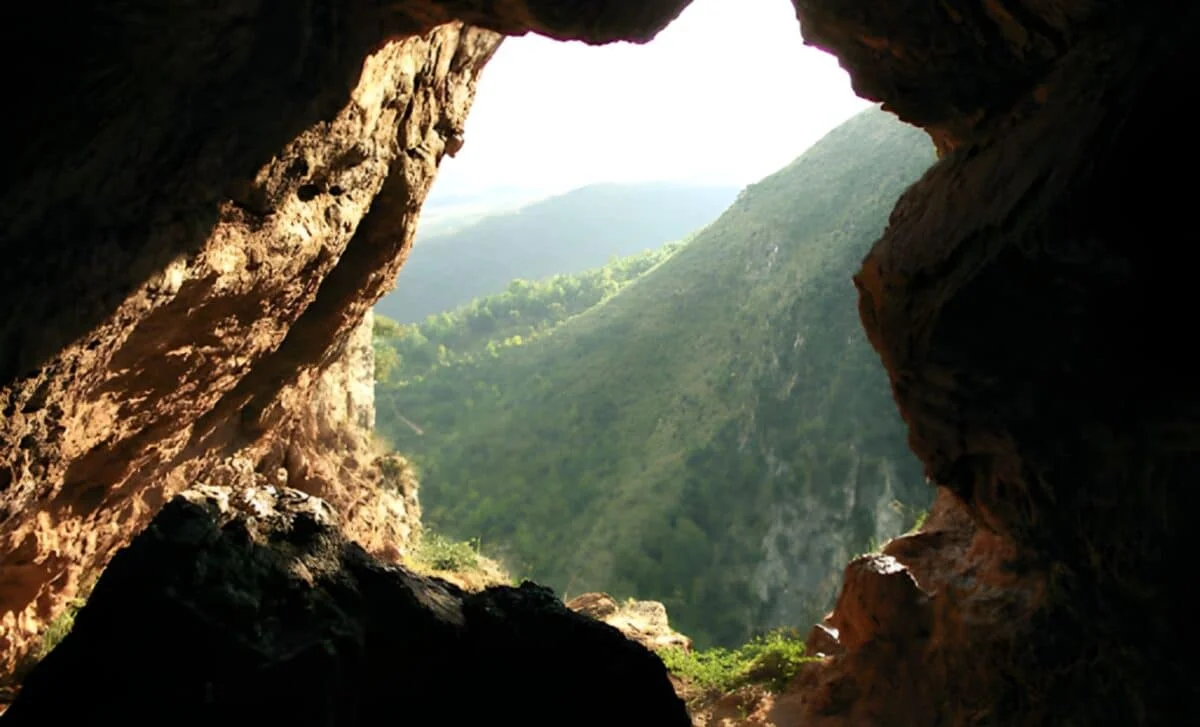
Calabrian Cave DNA Reveals Europe’s Oldest Father–Daughter Birth Case
science21 days ago

Calabrian Cave DNA Reveals Europe’s Oldest Father–Daughter Birth Case

DNA analysis of remains from Grotta della Monaca in Calabria uncovers a 3,700-year-old case of a child born to a father–daughter pair, the earliest such instance confirmed in prehistoric Europe. The population shows strong links to Early Bronze Age Sicily and some movement to northeastern Italy, indicating wider regional networks despite the site’s remote location. Interestingly, most adults lacked the lactase-persistence gene, yet dairy was regularly consumed—likely via yogurt or cheese—demonstrating culturally driven dietary adaptation before genetic changes.

Ancient Colombian skeleton yields oldest Treponema genome, reshaping syphilis origins
science1 month ago

Ancient Colombian skeleton yields oldest Treponema genome, reshaping syphilis origins

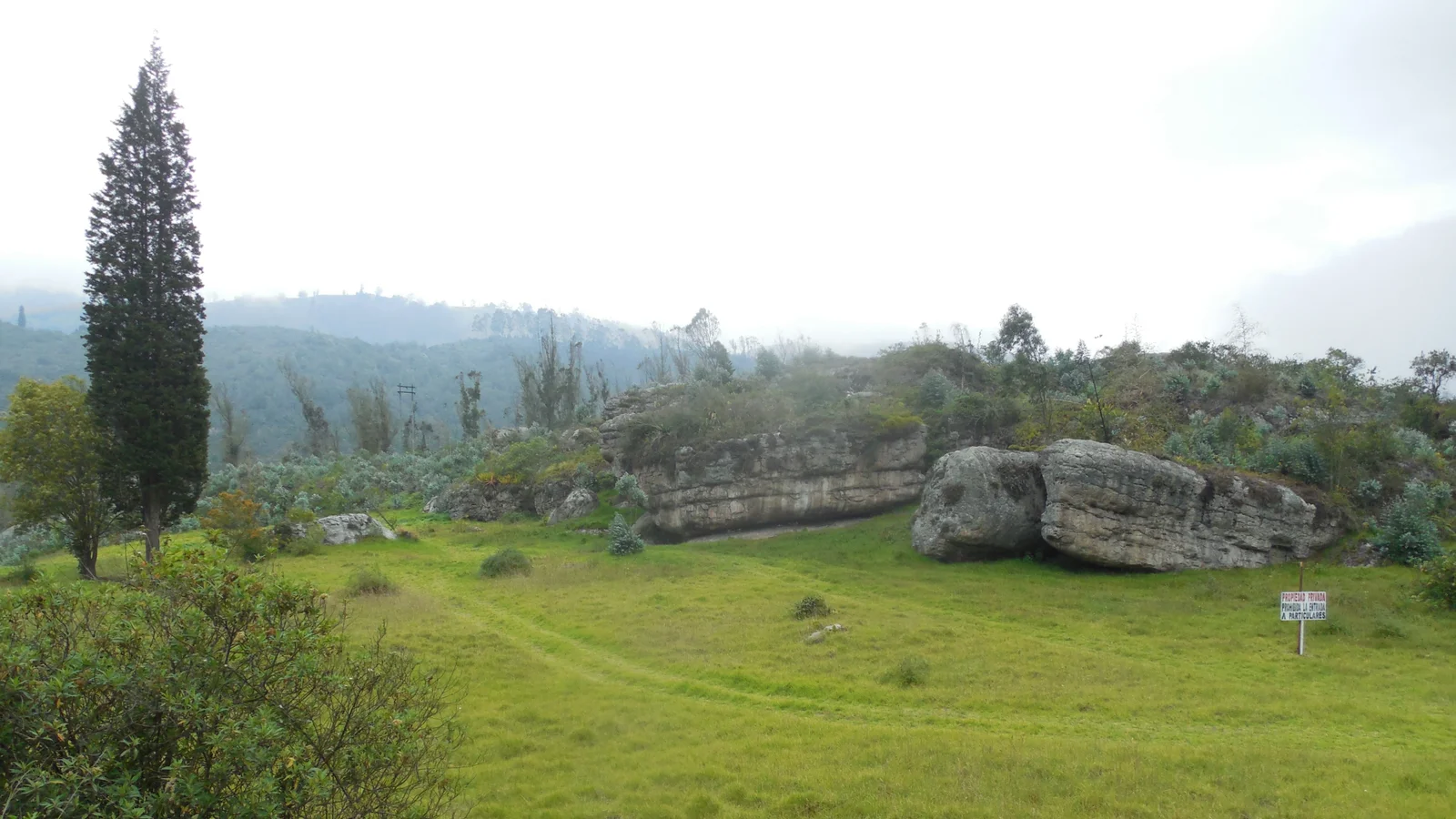
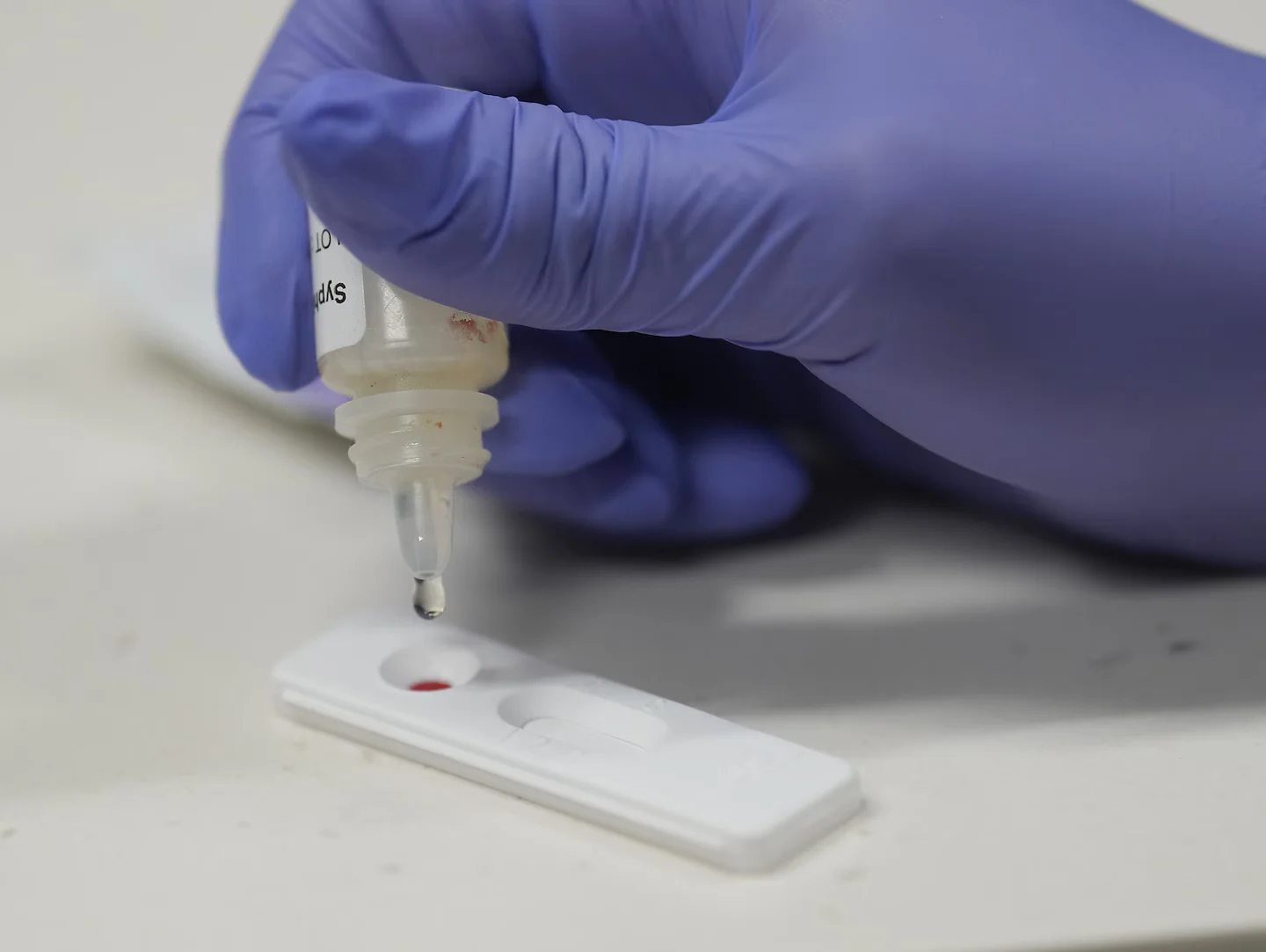
Researchers recovered TE1-3, the oldest Treponema pallidum genome, from a 5,500-year-old skeleton in Sabana de Bogotá, Colombia, pushing the bacterium’s presence in the Americas back by thousands of years and fueling the argument that syphilis may have originated in the Americas, though the exact origin and transmission routes remain unsettled.

Ice-age gut reveals woolly rhinoceros extinction story
science1 month ago

Ice-age gut reveals woolly rhinoceros extinction story

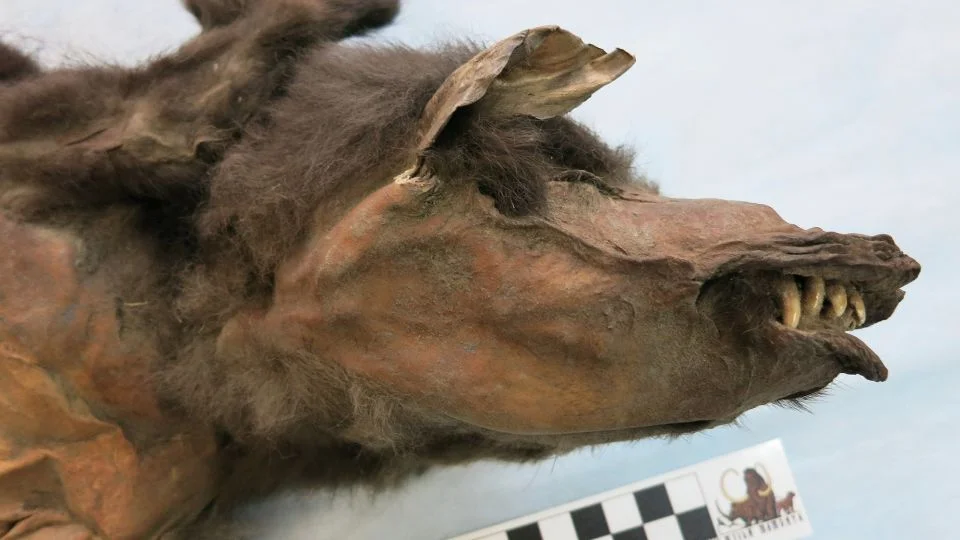
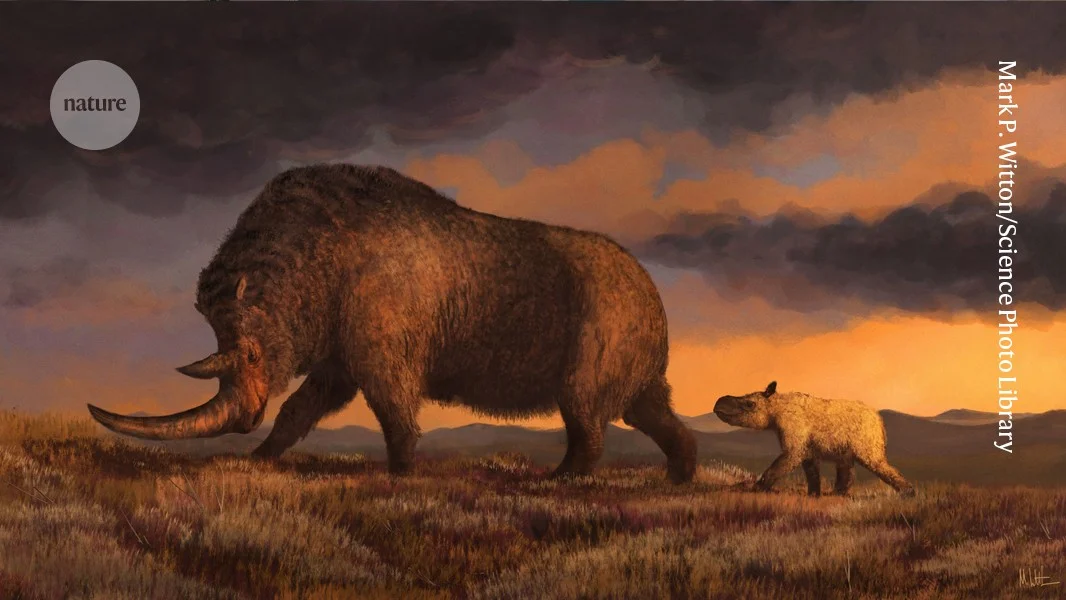
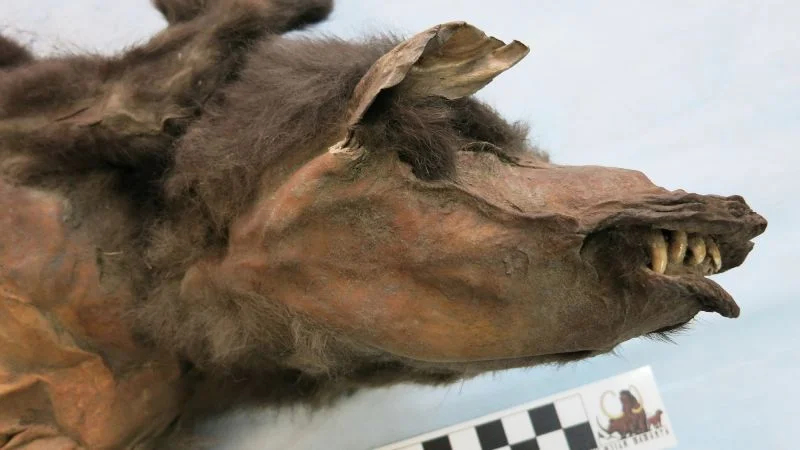
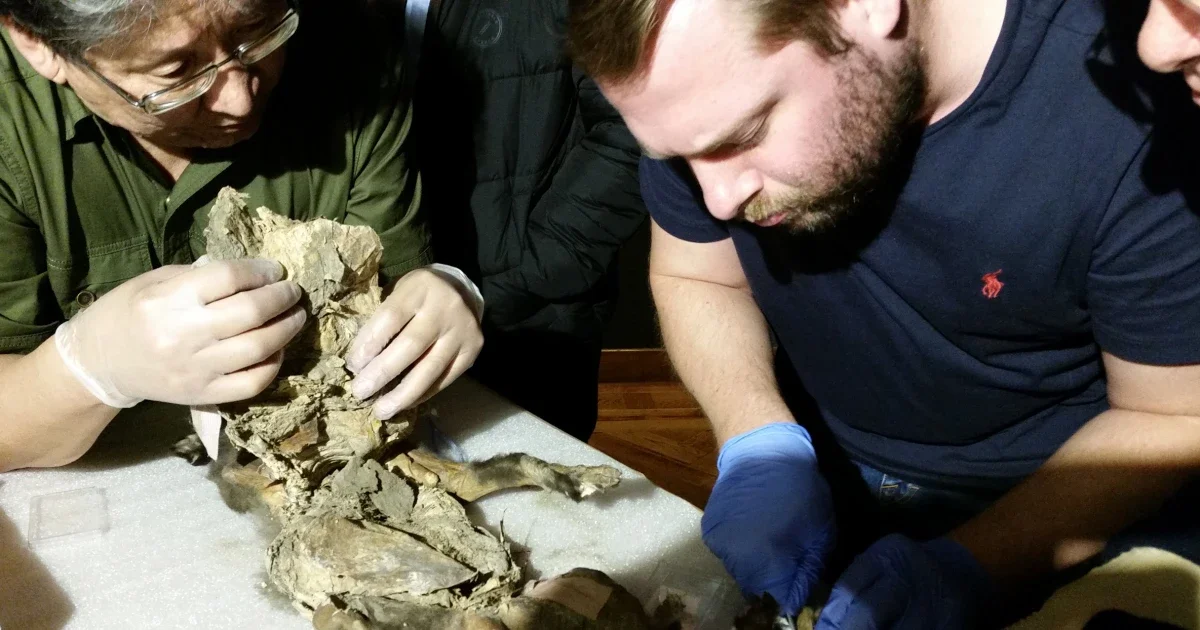
A 14,000-year-old wolf pup preserved in Siberian permafrost contained woolly rhinoceros tissue in its stomach. Scientists sequenced the rhinoceros genome from this stomach content—the first time a genome has been recovered from such material—and compared it with other woolly rhino genomes. They found no evidence of severe genetic deterioration, suggesting the species declined rapidly due to climate warming at the end of the last Ice Age rather than human hunting. The work, published in Genome Biology and Evolution, highlights permafrost-preserved remains as a powerful source of ancient dietary and ecological insights.

Wolf Pup’s Meal Preserves Woolly Rhino DNA, Illuminating a Swift Extinction
science1 month ago

Wolf Pup’s Meal Preserves Woolly Rhino DNA, Illuminating a Swift Extinction

A genomic analysis recovered woolly rhino DNA from the stomach of a mummified ice-age wolf pup dating to about 14,400 years ago in Russia, offering a rare direct glimpse into the species’ gene pool as it was near extinction. The study suggests the woolly rhino’s final decline occurred rapidly after a population collapse likely linked to climate warming, and the sample was initially mistaken for belonging to a cave lion.

Wolf’s last meal reveals woolly rhino genome, reframing Ice Age extinction
science1 month ago

Wolf’s last meal reveals woolly rhino genome, reframing Ice Age extinction

Scientists sequenced the woolly rhinoceros genome from tissue preserved in a 14,000-year-old wolf pup’s stomach in Siberian permafrost, marking the first time a genome has been reconstructed from inside another animal. By comparing this genome with other woolly rhino fossils and the Sumatran rhino, researchers found the species remained genetically stable until climate warming ended the last Ice Age, suggesting environmental change—not human hunting—drove extinction. The wolf pups likely died when their den collapsed, and the preserved stomach contents also offer a broader view of their ecosystem.

Woolly Rhino Genome Discovered Inside Ice-Age Wolf Pup
science1 month ago

Woolly Rhino Genome Discovered Inside Ice-Age Wolf Pup

In Siberian permafrost, scientists recovered a chunk of woolly rhinoceros tissue inside the stomach of one of two mummified Tumat wolf pups, enabling the first full genome of an Ice Age animal reconstructed from inside another Ice Age animal. The rhinoceros died about 14,400 years ago; its genome shows healthy genetic diversity up to near extinction, supporting climate change as the key driver of its demise rather than inbreeding. The finding highlights the value of preserved ancient DNA for understanding past ecosystems and informs conservation lessons for modern species facing warming and human pressures.