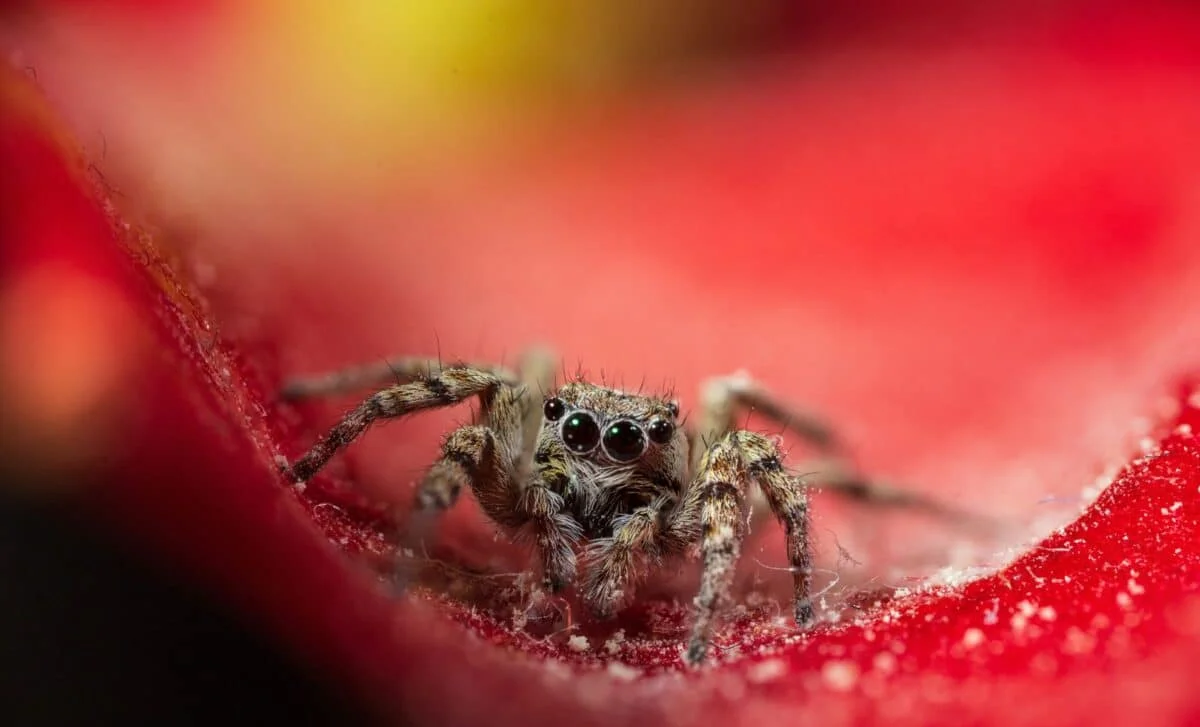
Researchers comparing Dysdera tilosensis from Gran Canaria with its mainland relative Dysdera catalonica found the island spider has halved its genome (about 1.7 vs 3.3 billion base pairs) yet retains higher genetic diversity, suggesting genome streamlining via purifying selection rather than adaptive expansion and challenging traditional island-evolution patterns.

Scientists highlight Brazil's unique genetic diversity and long-lived individuals as key to understanding extreme human longevity, emphasizing the importance of studying admixed populations and resilience traits to uncover biological mechanisms that promote healthy aging.
Most domestic cat breeds originated through human-driven artificial selection over the past 140 years, but some breeds like the Siberian forest cat are considered natural breeds that evolved without human intervention, although modern breeds have been significantly influenced by human breeding practices.
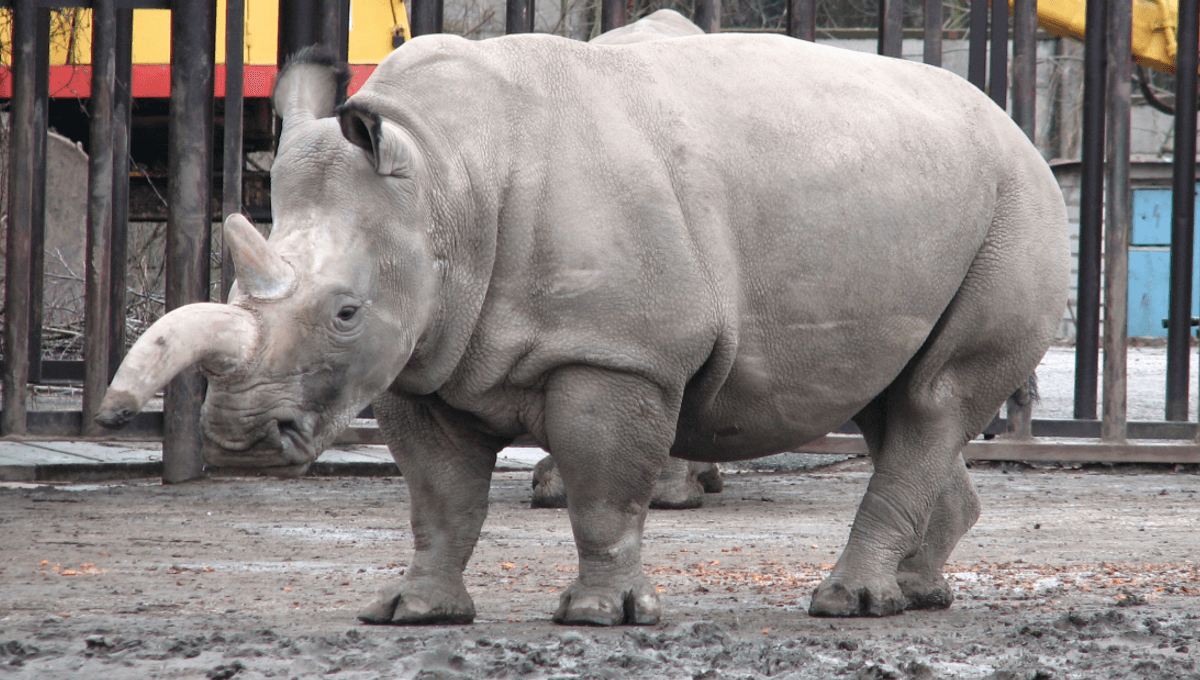
A rare hybrid between northern and southern white rhinos, born in 1977, offers hope for saving the critically endangered northern white rhino through advanced reproductive techniques like in-vitro fertilization and gene editing, aiming to restore the species' population and genetic diversity.
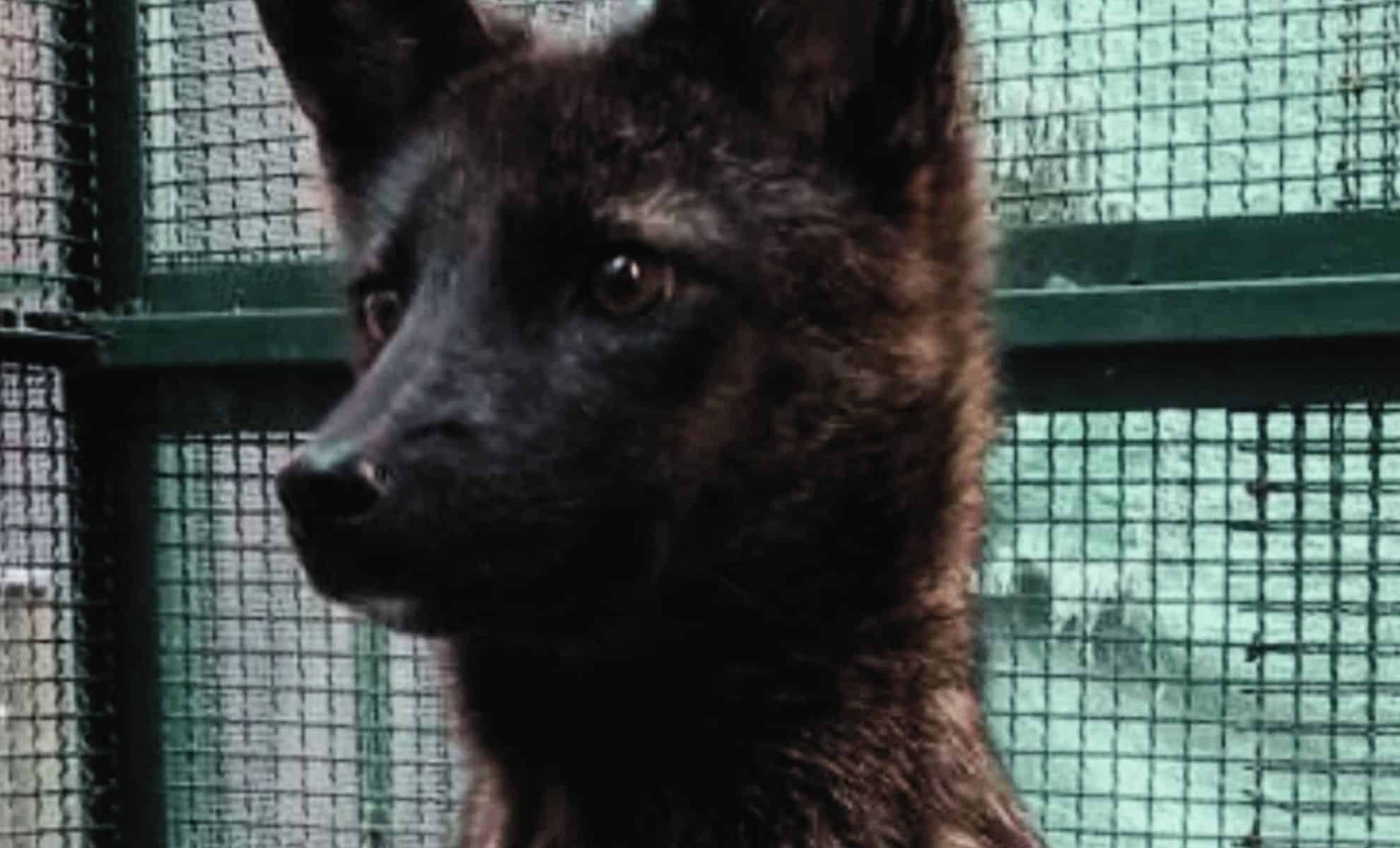
A rare hybrid animal called the dogxim, a mix between a domestic dog and a pampas fox, was discovered in Brazil, raising concerns about increasing interspecies hybridization due to human encroachment, which could threaten wild canid populations and biodiversity.
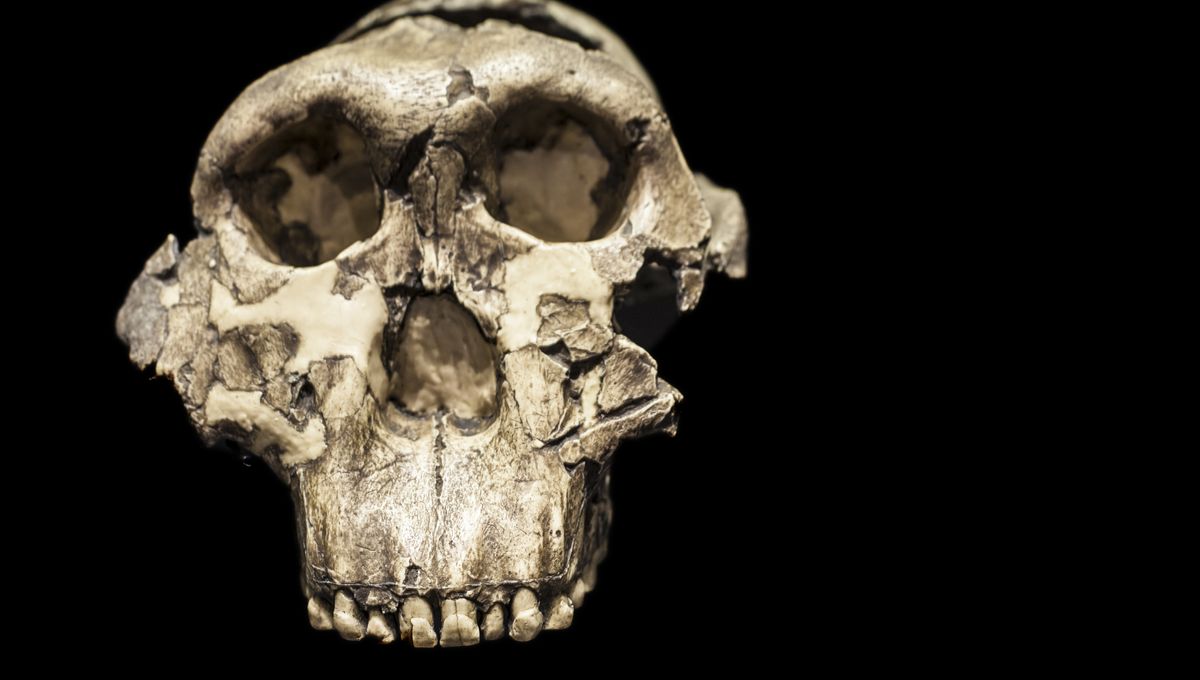
Scientists used palaeoproteomics to analyze 2-million-year-old teeth from South Africa, successfully determining the biological sex of Paranthropus robustus individuals for the first time, revealing significant genetic diversity within the genus and providing new insights into early hominin evolution.
A University of Oregon study highlights the limitations of forensic DNA analysis, particularly when dealing with DNA mixtures from groups with low genetic diversity. The research found that such mixtures are more prone to false positives, potentially implicating innocent individuals. This issue is exacerbated when more contributors are involved. The study underscores the importance of understanding the technique's limitations and the ethical challenges in genetic research, especially regarding informed consent.
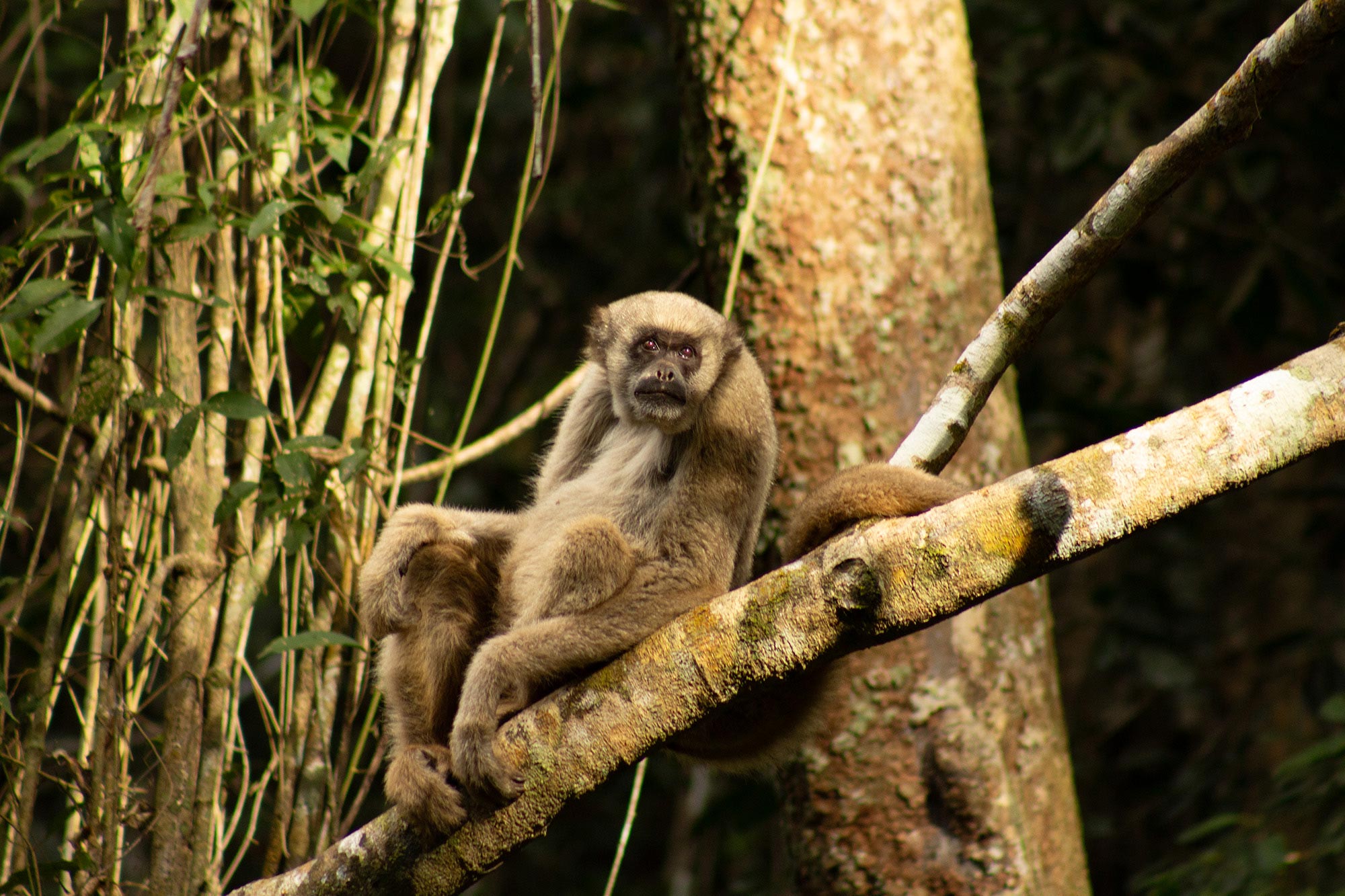
Researchers have used fecal DNA analysis to study the mating behaviors of Brazil's endangered northern muriquis, revealing a preference for mates with diverse immune system genes. This study highlights the importance of genetic diversity in mate selection for the survival of these peaceful primates. The research, combining genetic analysis with behavioral observations, found that females tend to choose males with a diverse set of MHC genes, which are crucial for immune response. The findings contribute to understanding muriqui reproductive strategies and raise questions for future research.
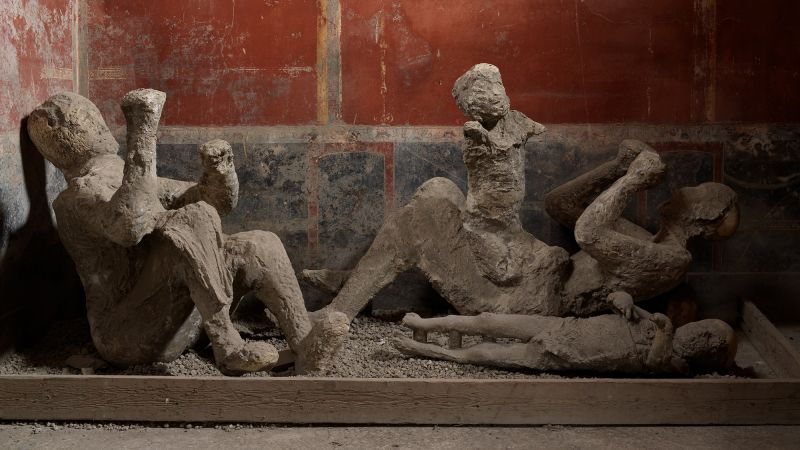
A new study using ancient DNA analysis has overturned previous assumptions about the identities and relationships of people who perished in Pompeii during the eruption of Mount Vesuvius in AD 79. The research, published in Current Biology, reveals that many of the victims were not related as previously thought, challenging traditional gender and familial assumptions. The findings highlight Pompeii's diverse population, reflecting broader patterns of mobility and cultural exchange in the Roman Empire, and provide a more nuanced understanding of the city's demographics and social structures.
A new study using DNA evidence has debunked many long-held narratives about the victims of Pompeii's volcanic eruption in 79 AD. Researchers found that presumed familial relationships among the victims were incorrect, with DNA revealing that individuals thought to be related were not. The study also highlighted the genetic diversity of Pompeii's residents, indicating migration from regions like the eastern Mediterranean, including Turkey, North Africa, and Lebanon. This challenges previous assumptions about the social and familial structures of Pompeii's inhabitants.
A new DNA analysis of victims from the 79 CE eruption of Mount Vesuvius in Pompeii challenges long-held assumptions about their identities and relationships. The study reveals that individuals previously thought to be related, such as a mother and child or sisters, were not genetically related, and some were misidentified in terms of gender. This suggests a more complex social structure in Pompeii and highlights the genetic diversity of its inhabitants, who were mainly descended from recent immigrants from the eastern Mediterranean and Near East. The findings urge caution against imposing modern biases on ancient contexts.
Recent DNA analysis of Pompeii victims has revealed surprising insights into the demographics and relationships of the ancient city's residents, challenging previous assumptions. The study found significant genetic diversity, with influences from the Eastern Mediterranean, highlighting Pompeii's cosmopolitan nature. Some individuals were misidentified in terms of sex and familial relationships, illustrating the unreliability of past narratives based on limited evidence. This research underscores the potential of ancient DNA analysis to provide a more nuanced understanding of historical populations.
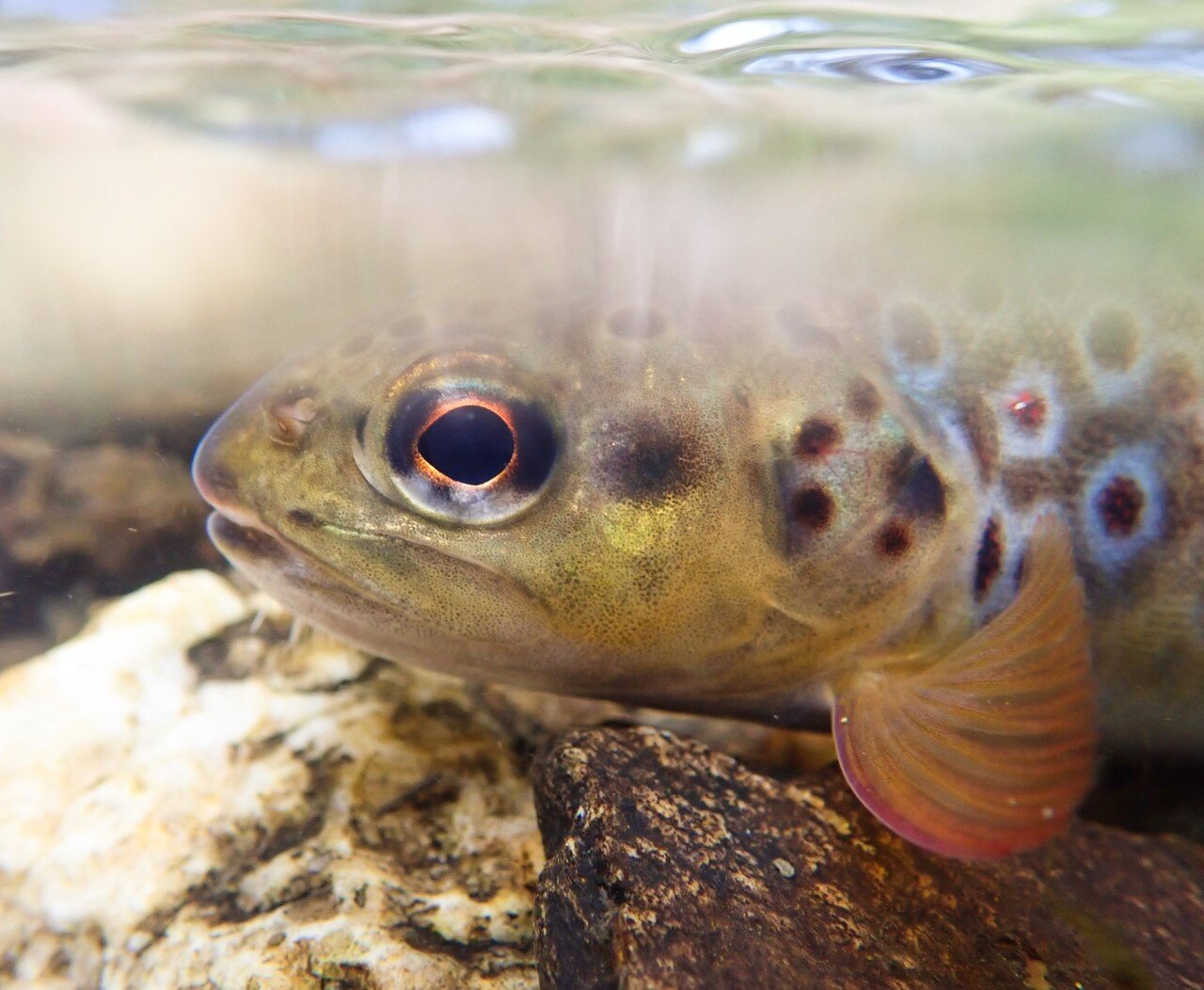
A study by the universities of Exeter and Cardiff reveals that brown trout in metal-polluted rivers across the British Isles are genetically isolated from other trout populations. This isolation, driven by the ability to tolerate toxic metals, has led to reduced genetic diversity, making these trout more vulnerable to future environmental changes. The research highlights the need to reduce mine water wash-out and remove physical barriers in rivers to mitigate genetic isolation.
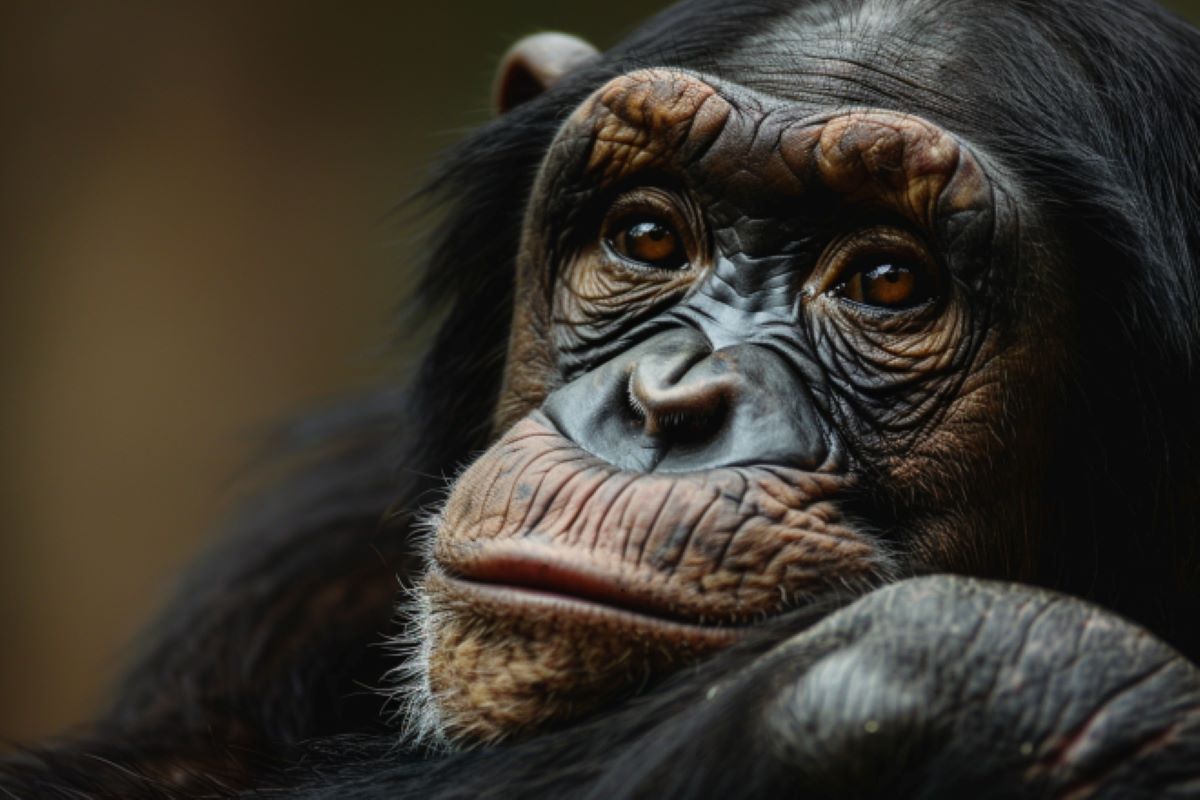
Researchers have created the first complete chromosome sequences from non-human primates, revealing significant variations in Y chromosomes among species. This study provides new insights into the rapid evolution of these chromosomes and previously unexplored regions of great ape genomes, offering valuable information for understanding human evolution and primate genetic diversity.
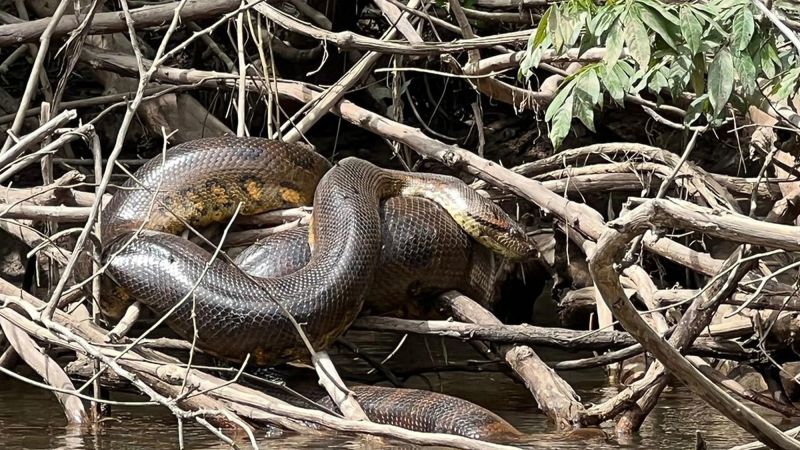
Scientists have discovered a new species of snake, the northern green anaconda, in the Amazon rainforest, with specimens reaching an astounding 6.3 meters in length. This species diverged from the southern green anaconda almost 10 million years ago and differs genetically by 5.5%. The team aims to use the genetic diversity of the green anaconda as an indicator species for the health of ecosystems, while also warning about the threats the Amazon faces, including deforestation, habitat loss, forest fires, drought, and climate change.