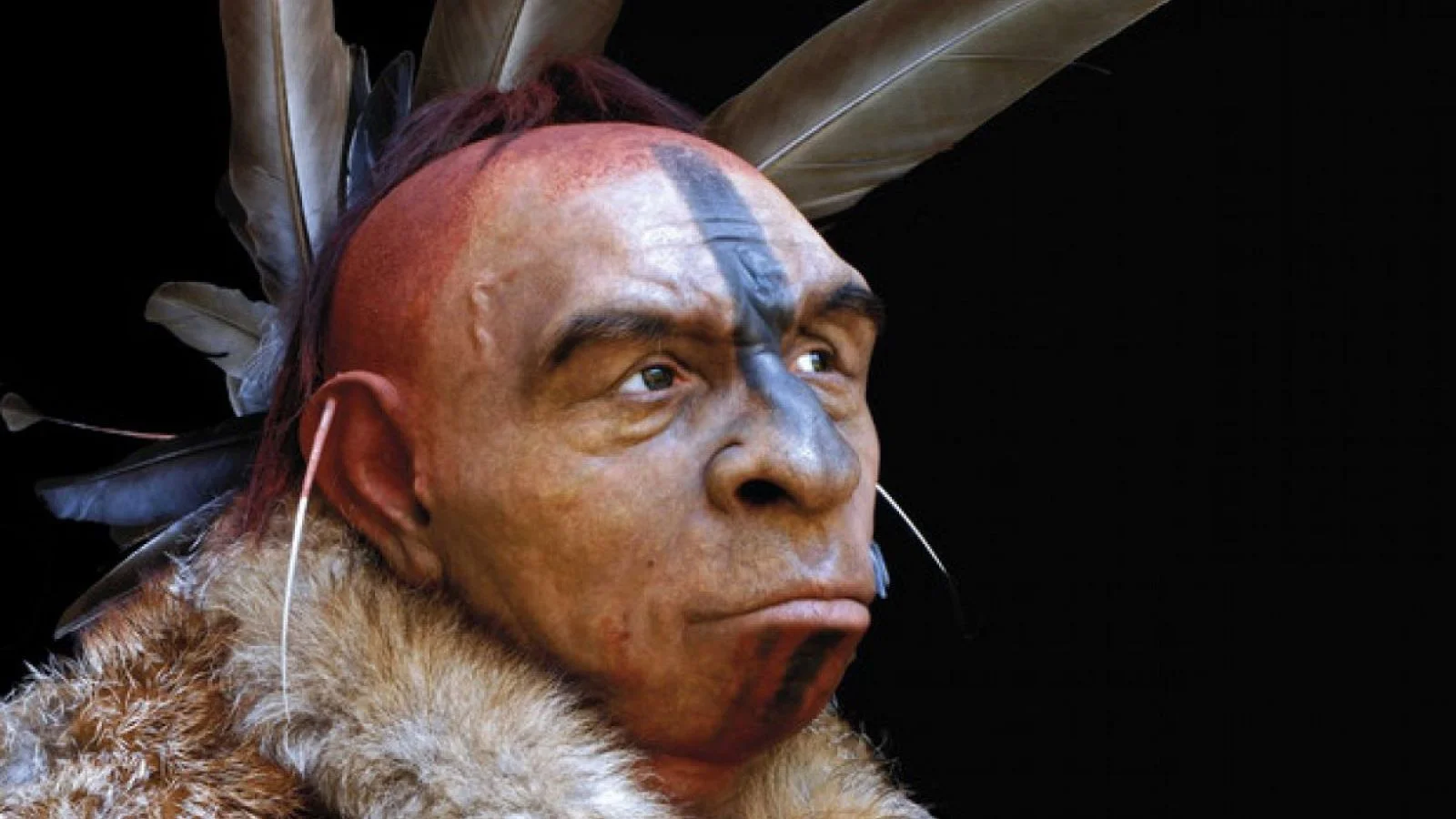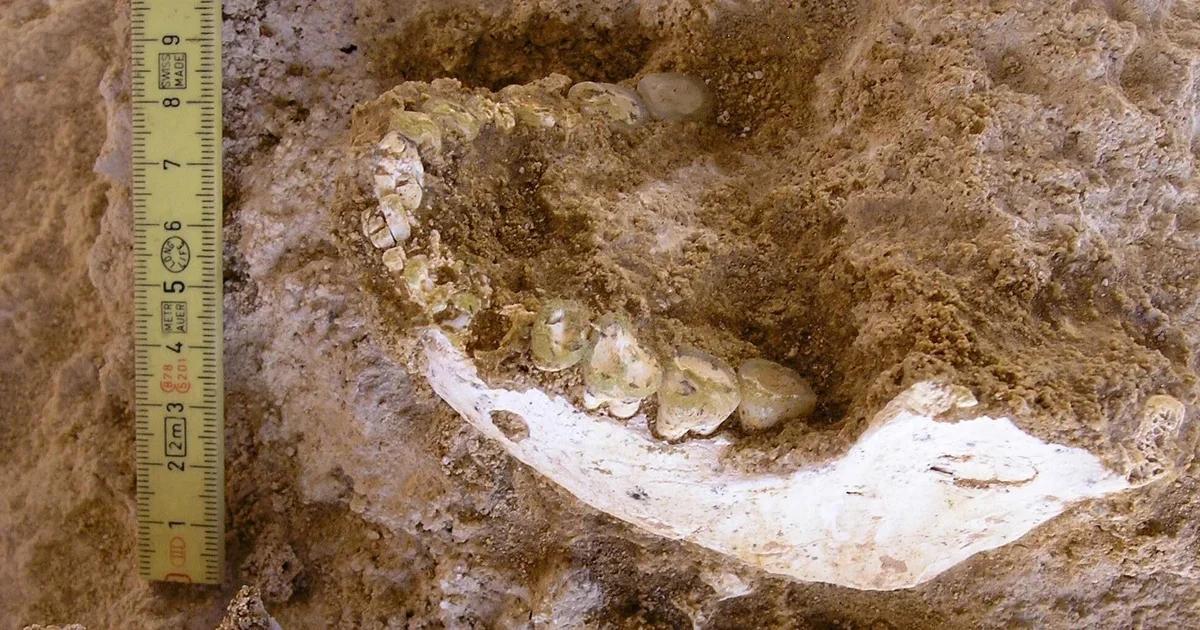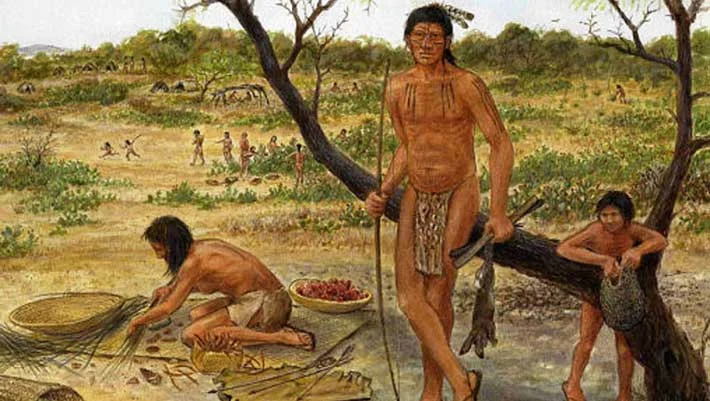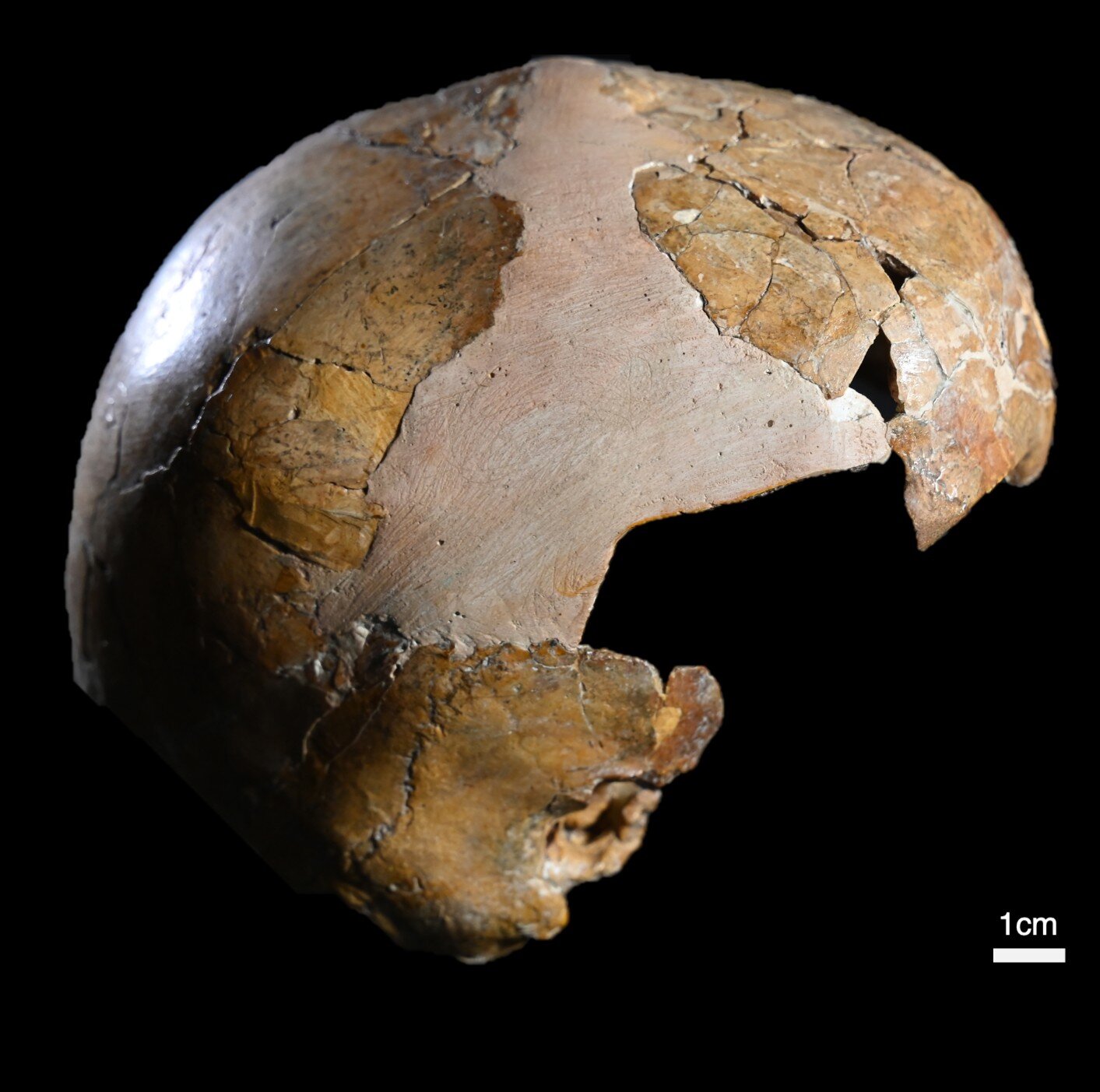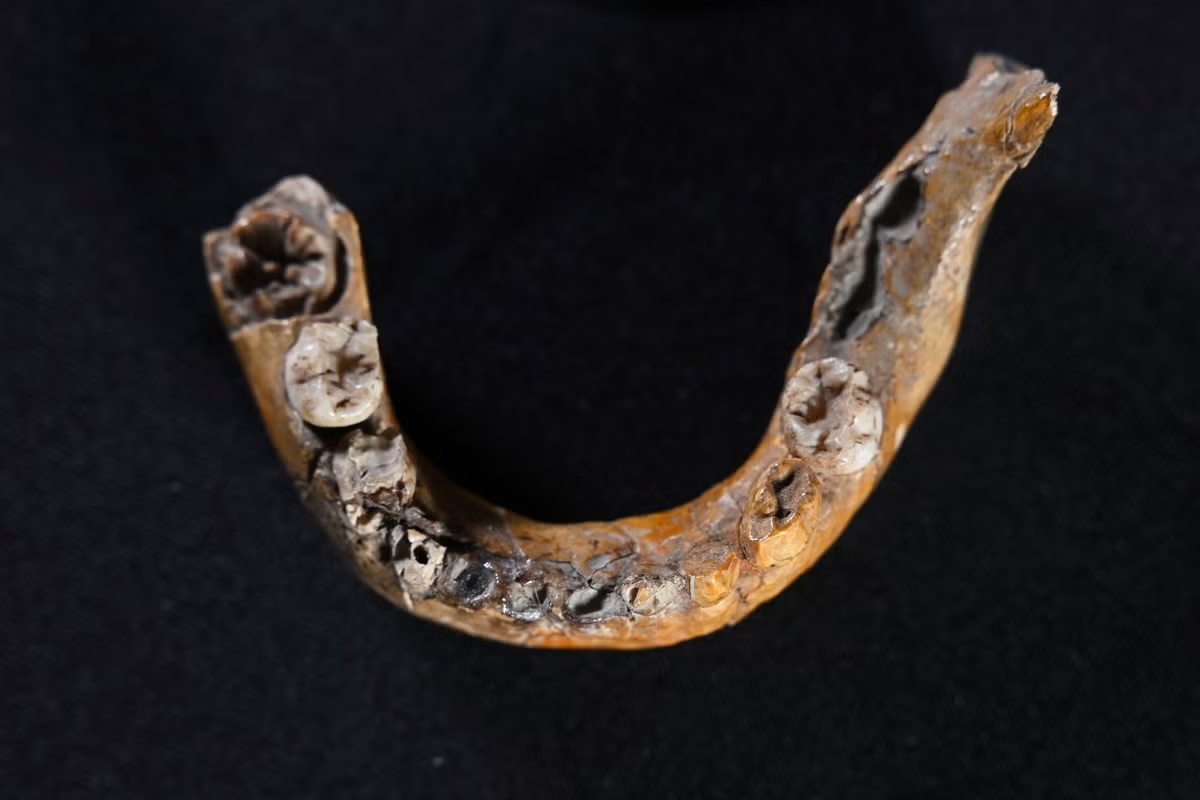
Fossils discovered in Morocco, dating back over 773,000 years, support the theory that Homo sapiens originated in Africa. The fossils, found in a cave and linked to Earth's magnetic field reversal, fill a crucial gap in the fossil record and suggest that our species' divergence from ancestors like Homo erectus may have occurred earlier than previously thought.
New research suggests that early Homo sapiens in Eurasia may have used bow and arrow technology earlier than previously believed, around 40,000 years ago, challenging the traditional view that such technology only appeared later. The study combines experimental and archaeological evidence to show that some ancient projectile points were consistent with arrow use, indicating a diverse and complex technological repertoire during human expansion.
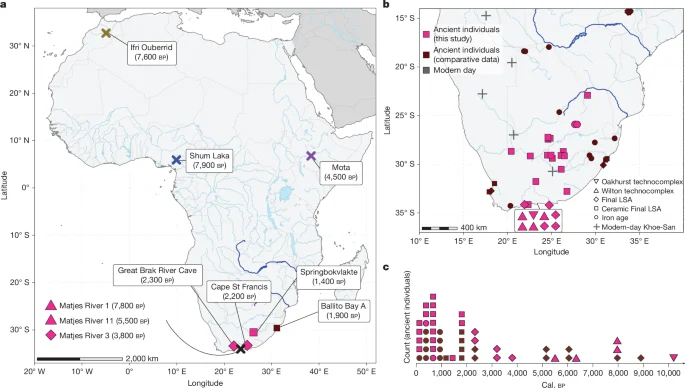
Ancient genomes from southern Africa reveal deep population stratification, long-term stability, and unique Homo sapiens-specific genetic variants, highlighting southern Africa as a long-standing refugium and providing insights into human evolution and adaptation.
A new study suggests that interbreeding between Neanderthals and Homo sapiens introduced a gene variant in Neanderthals that may have caused reproductive issues, potentially contributing to their eventual extinction by creating a genetic mismatch that reduced their survival over generations.
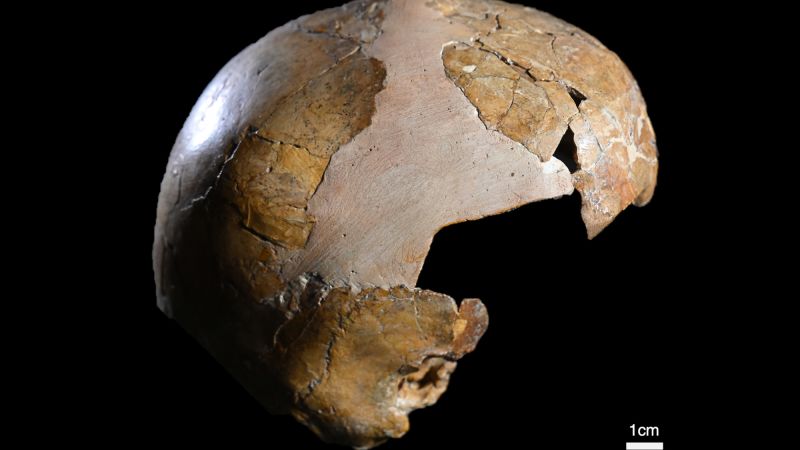
A digitally reconstructed ancient skull suggests our species is at least 1 million years old, challenging existing timelines of human evolution and sparking debate among scientists.
Scientists have found evidence at Skhul Cave in Israel suggesting that interbreeding between Neanderthals and Homo sapiens occurred around 140,000 years ago, predating previous estimates by nearly 100,000 years, indicating a long period of coexistence and genetic mingling between the two species.
A re-analysis of a 140,000-year-old child's skeleton from Skhul Cave suggests early contact and possible interbreeding between humans and Neanderthals, challenging previous timelines and highlighting the region as a long-term contact zone.
A 140,000-year-old fossil from Skhul Cave provides the earliest evidence of interbreeding between Neanderthals and Homo sapiens, showing a mix of traits and indicating social and biological relations between the two groups in the Land of Israel.
Researchers used advanced 3D imaging to study the bones of a 140,000-year-old child from Israel, revealing evidence of interbreeding between early humans and Neanderthals much earlier than previously thought, challenging assumptions about their interactions and coexistence.
Scientists in Israel discovered the oldest known mixed human-Neanderthal fossil, a 140,000-year-old child's skeleton showing traits of both species, providing evidence of interbreeding and social ties between Neanderthals and early Homo sapiens in the region.
Israeli archaeologists reanalyzed a 140,000-year-old child skull from Skhul Cave, revealing the earliest evidence of interbreeding between Neanderthals and Homo sapiens, predating previous genetic evidence by over 80,000 years, and indicating early gene flow in the Middle East.
A new study using 3D reconstructions of ancient and modern human ribcages reveals that ribcage shape and size are linked to climate, with colder environments associated with larger, broader ribcages, challenging previous beliefs about human body morphology and highlighting the influence of climate on human evolution.
A 140,000-year-old skull from Israel suggests early interbreeding between Neanderthals and Homo sapiens, challenging previous timelines and indicating complex social behaviors like burial rituals among hybrid individuals, reshaping understanding of human evolutionary history.
A new study of the 140,000-year-old Skhūl I skull from Israel reveals a complex mixture of archaic and modern features, sparking debate over its classification and suggesting it may represent a unique human group. Advanced imaging techniques highlight its hybrid traits, but DNA analysis has yet to be conducted due to preservation concerns. The findings also raise questions about early human social and burial practices.
A recent study suggests that Neanderthal extinction may have been influenced by astrophysical factors, specifically a geomagnetic event 41,000 years ago that increased radiation exposure, but this hypothesis is debated and lacks conclusive archaeological evidence, with other factors like population size and technology likely playing significant roles.