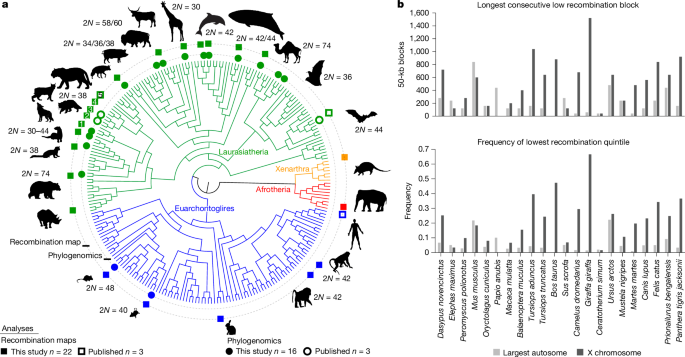
The article discusses the discovery of an ancient recombination desert acting as a supergene that influences speciation in placental mammals, highlighting the role of genomic architecture and introgression in evolutionary processes.
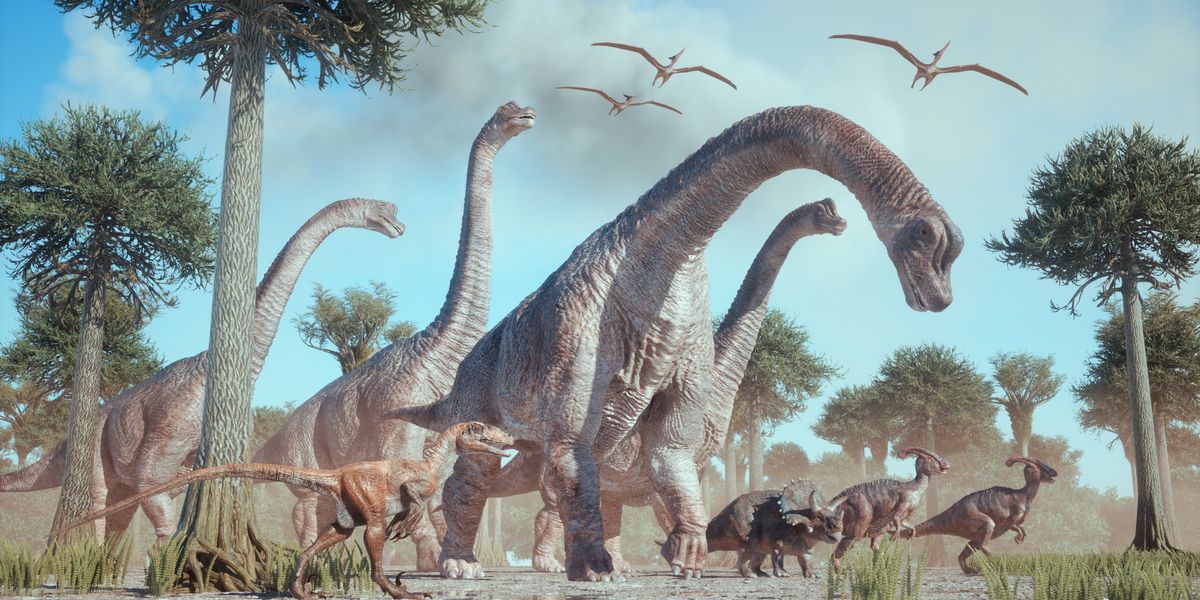
A new study published in Current Biology suggests that placental mammals, including early forms of humans, may have coexisted with dinosaurs. Fossils of placental mammals have been found in rocks dating back less than 66 million years, coinciding with the asteroid impact that caused mass extinctions. The research indicates that some placental mammals evolved before the asteroid event, suggesting coexistence with dinosaurs. After surviving the impact, placental mammals diversified and evolved, potentially benefiting from the absence of competition from dinosaurs.
A recent study analyzing fossil records suggests that placental mammals, including human ancestors, coexisted with dinosaurs for a brief period before the mass extinction event that wiped out the reptilian beasts. The research estimates that about 21.3% of placental mammal families evolved during the Cretaceous period, just before the catastrophic event. The study also indicates that more modern lineages of placental mammals emerged after the extinction, possibly due to the lack of competition from dinosaurs.
A new study by researchers from the University of Bristol and the University of Fribourg suggests that placental mammals, including humans, dogs, and bats, evolved during the Cretaceous period and co-existed with dinosaurs before their extinction. The study used statistical analysis of the fossil record to determine that placental mammals originated before the mass extinction event caused by an asteroid strike. However, it was only after the extinction that modern lineages of placental mammals began to evolve, indicating that they were better able to diversify once the dinosaurs were gone.
A new study suggests that human ancestors co-existed with dinosaurs for a brief period before the asteroid impact that caused their extinction. Researchers analyzed the fossil record of placental mammals, including humans, and found that early mammals evolved before the mass extinction event. The lack of competition from dinosaurs allowed placental mammals to diversify and thrive.
New research suggests that human ancestors and dinosaurs could have co-existed, as placental mammals were present before the asteroid that caused the extinction of dinosaurs 66 million years ago. Fossil records of placental mammals indicate that our ancestors roamed the Earth before the extinction event and thrived due to the absence of competition from dinosaurs. Primates, including our ancestors, evolved shortly before the asteroid impact. While the appearance of our placental mammal ancestors is unknown, it is believed that they were small and squirrel-like creatures.
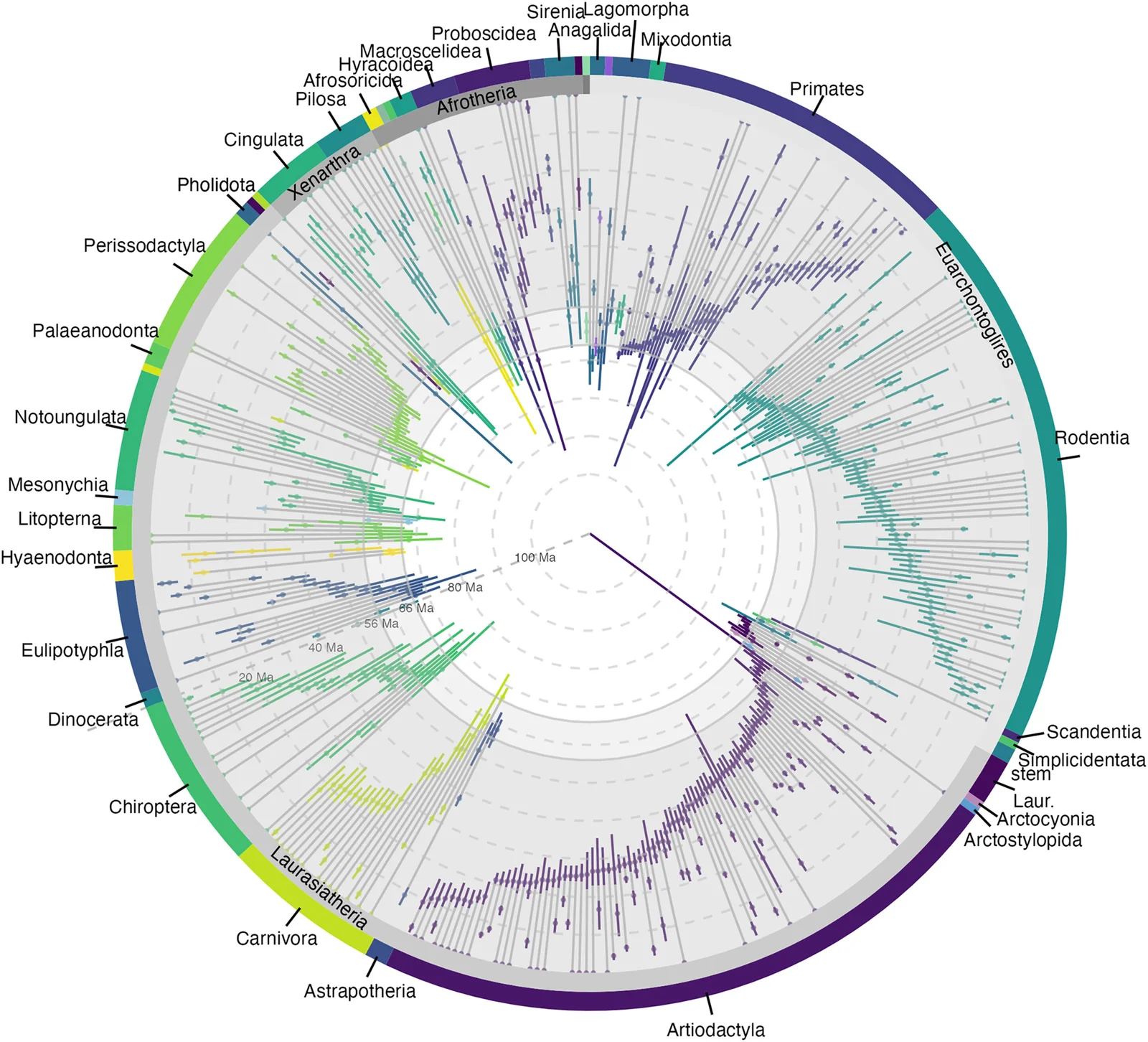
Placental mammals, including humans, dogs, and bats, originated before the asteroid impact that killed the dinosaurs, according to a new study analyzing the fossil record. The research suggests that placental mammals co-existed with dinosaurs for a short time before the mass extinction, but it was only after the asteroid impact that modern lineages of placental mammals began to evolve. The study used statistical analysis to estimate the origination and extinction ages of placental mammal groups, revealing that primates, Lagomorpha, and Carnivora evolved just before the mass extinction.
A new study suggests that human ancestors, along with other placental mammals, coexisted with dinosaurs for a brief period before the asteroid impact that caused the mass extinction event. Researchers analyzed the fossil record and found evidence that placental mammals originated in the Cretaceous period, contradicting the previous belief that they appeared only after the dinosaurs had vanished. The study also revealed that placental mammals thrived and diversified after the extinction of dinosaurs, suggesting that the removal of competition allowed them to flourish. This research provides new insights into the timeline of animal evolution and challenges long-standing assumptions about the relationship between dinosaurs and mammals.
A new study challenges the idea that marsupials are more 'primitive' than mammals by showing their development has changed more than mammals since they last shared an ancestor. The findings suggest that the extremely young age of marsupial births represents the more specialized type of development that required greater changes in traits compared to our shared ancestor than our strategy of allowing young to develop within us for longer. The changes most likely reflect environmental demands or lack thereof.
New research suggests that marsupials are the more evolved mammals, overturning the longstanding belief that they are more primitive than placental mammals. The study analyzed skulls during different stages of development in 22 living mammal species and found that the ancestor of both groups was more similar to placentals than to marsupials, meaning that marsupials have modified their method of reproduction more than placentals have. Marsupials give birth to highly underdeveloped young, which is thought to be a better strategy for living with environmental instability.
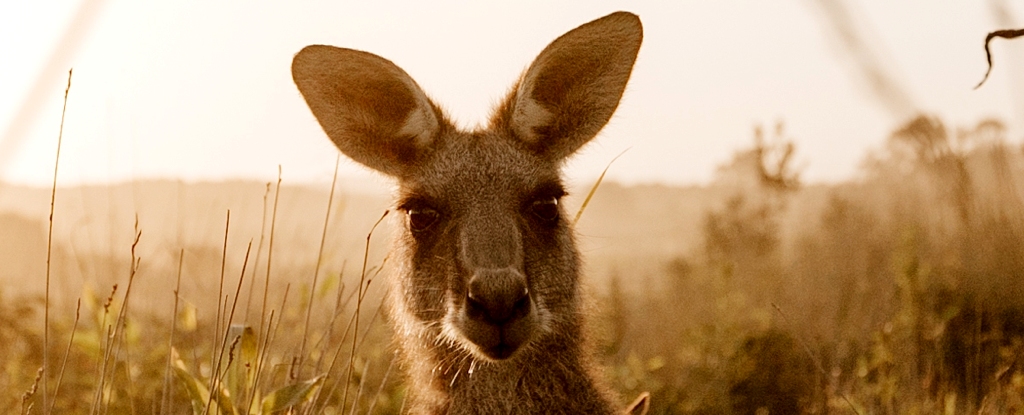
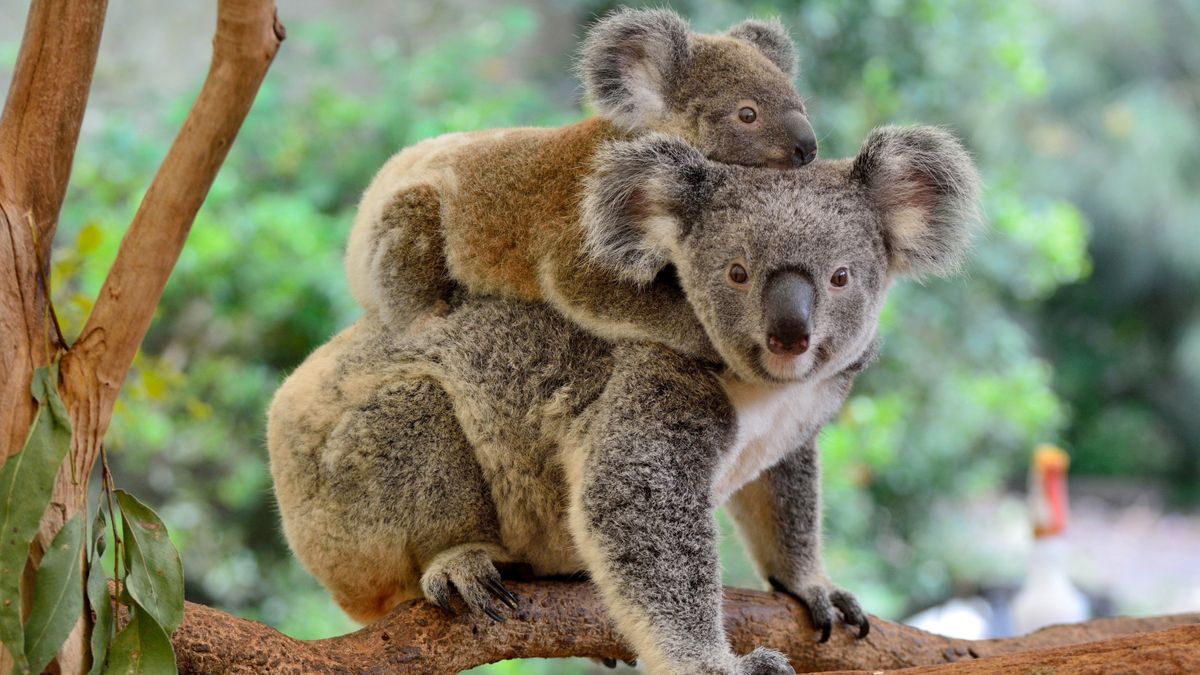
A new study suggests that mammals with pouches, such as kangaroos and koalas, have a more radical evolutionary history than previously thought, indicating that they are "more evolved" than placental mammals like humans. The researchers scanned the skulls of placental mammals and marsupials in various stages of development and concluded that the developmental strategy of placental mammals is closer to that of their common ancestor, suggesting that marsupials have evolved more than placental mammals since the split. The study challenges the historical misconception that marsupials are less successful intermediates.