The article explains the difference between hominids and hominins, clarifying that hominids include all great apes and their ancestors, while hominins specifically refer to the human lineage after diverging from chimpanzees, reflecting updated scientific classifications.
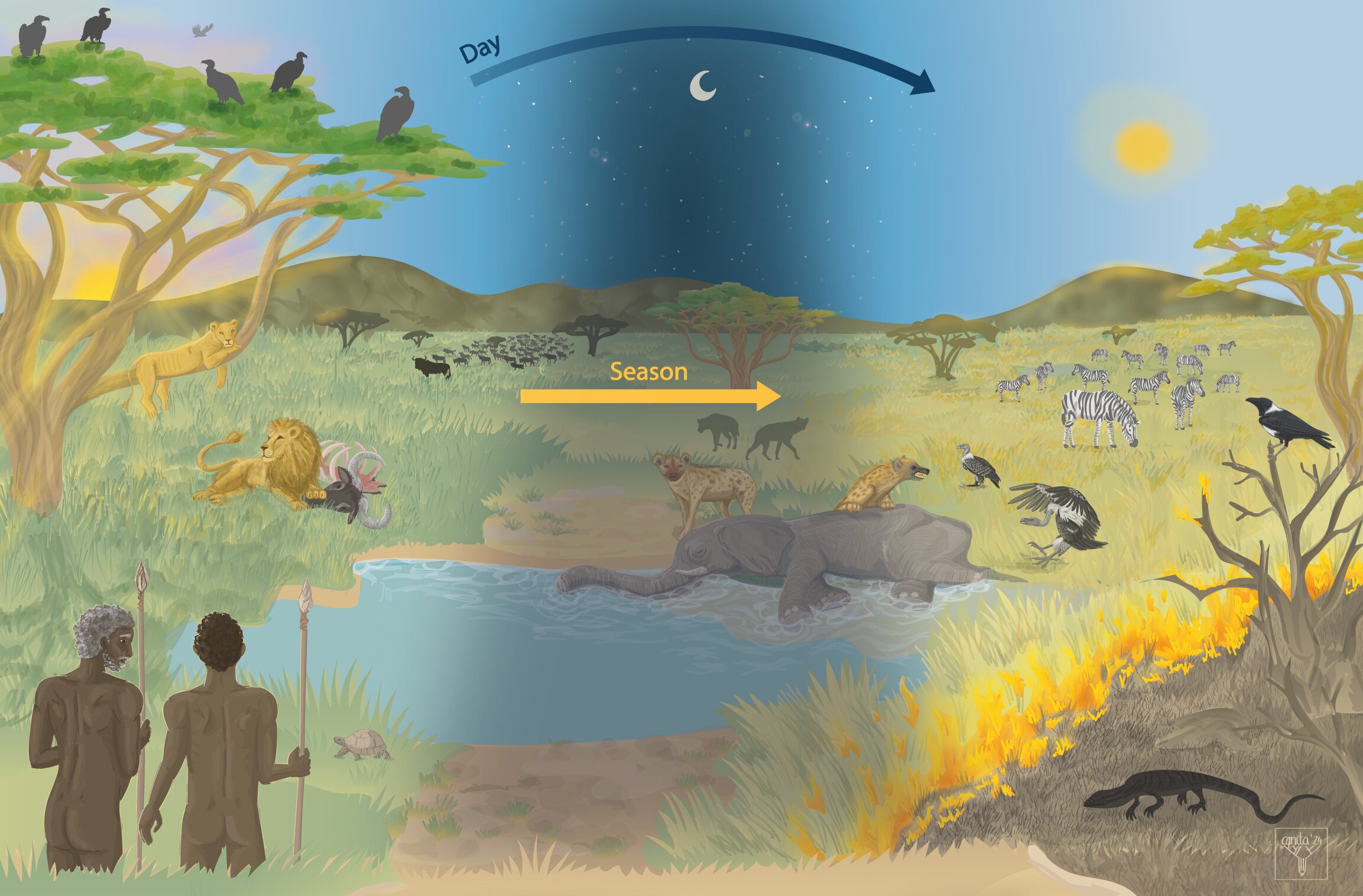
A recent study suggests that scavenging, particularly consuming carrion, played a crucial role in human evolution by providing a reliable and energy-efficient food source, challenging traditional views that emphasized hunting as the primary means of obtaining meat.
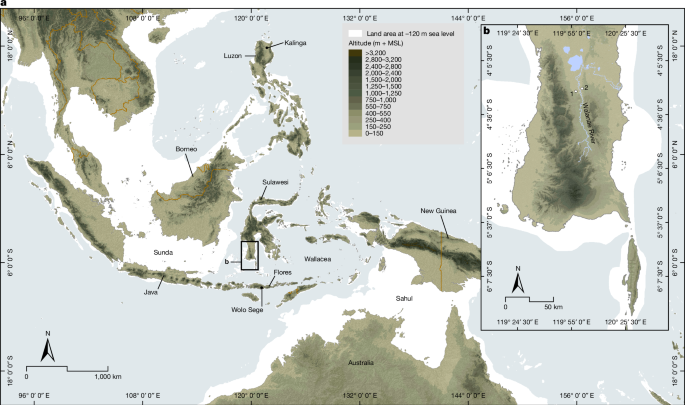
The discovery of in situ stone artifacts at Calio in Sulawesi, dated to at least 1.04 million years ago through palaeomagnetic and US-ESR dating, suggests that hominin presence on Sulawesi may have occurred earlier than previously thought, potentially predating the earliest known occupation on Flores and Luzon.
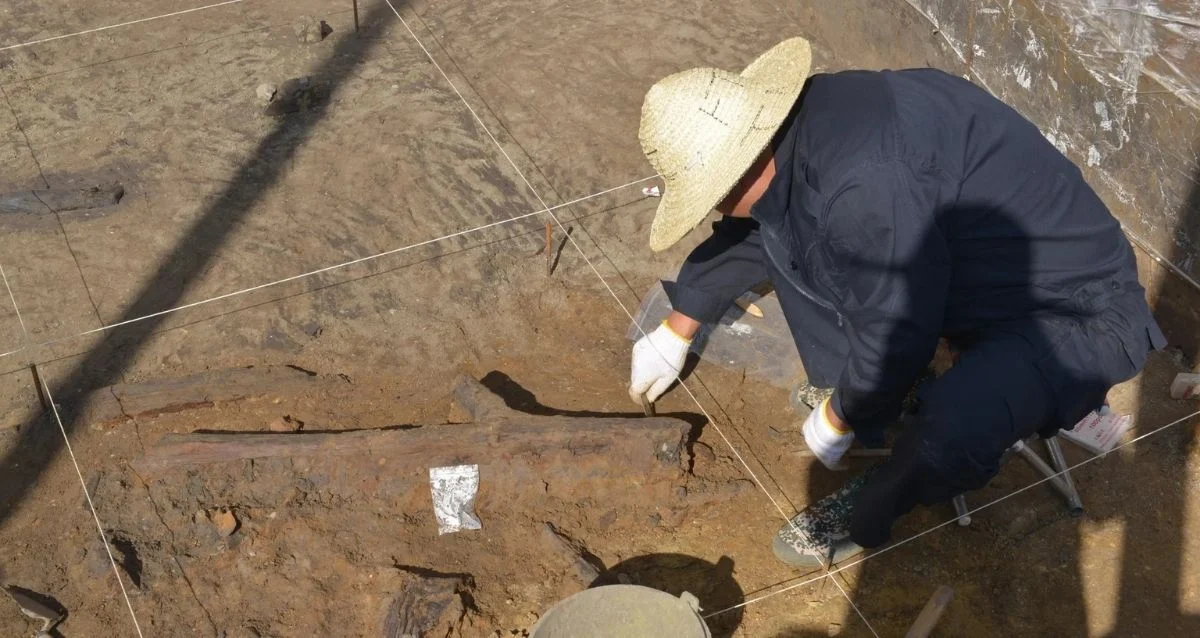
Archaeologists in China discovered the oldest wooden tools in East Asia, dating back 300,000 years, likely used for plant processing, providing new insights into early hominin behavior and tool use, though the exact species that made them remains uncertain.
A new fossil discovery in Türkiye, Anadoluvius turkae, suggests that human ancestors may have evolved in Europe rather than Africa, challenging the traditional "Out of Africa" theory. The 8.7-million-year-old fossil, found near Çankırı, indicates that Mediterranean fossil apes were more diverse and that hominins might have originated in Europe before migrating to Africa. This finding, based on a well-preserved partial cranium, could reshape our understanding of human evolution and highlights the importance of exploring fossil sites outside Africa.
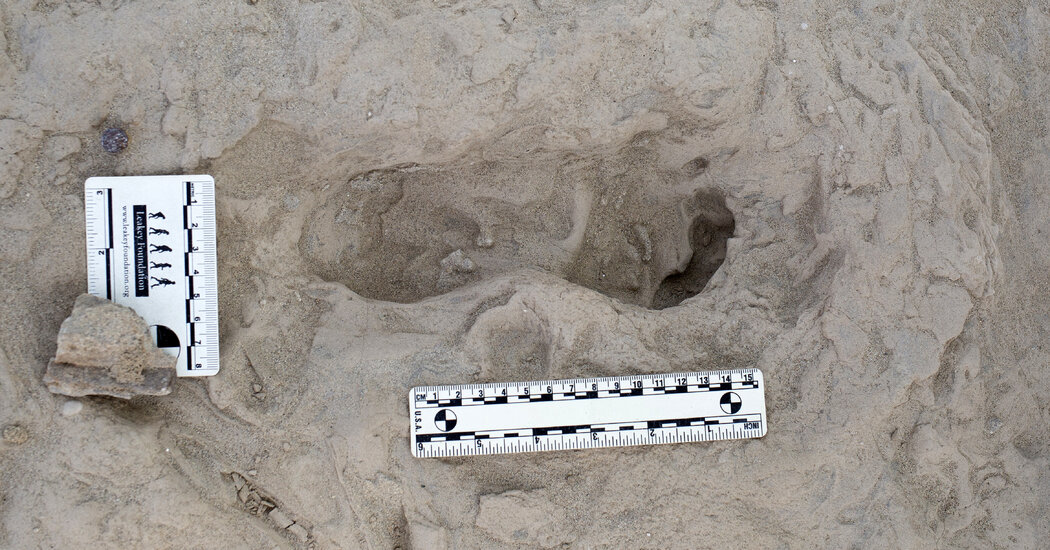
Recent discoveries of ancient footprints suggest that different human relatives, or hominins, may have coexisted in the same regions, providing new insights into human evolution and the diversity of early human species.
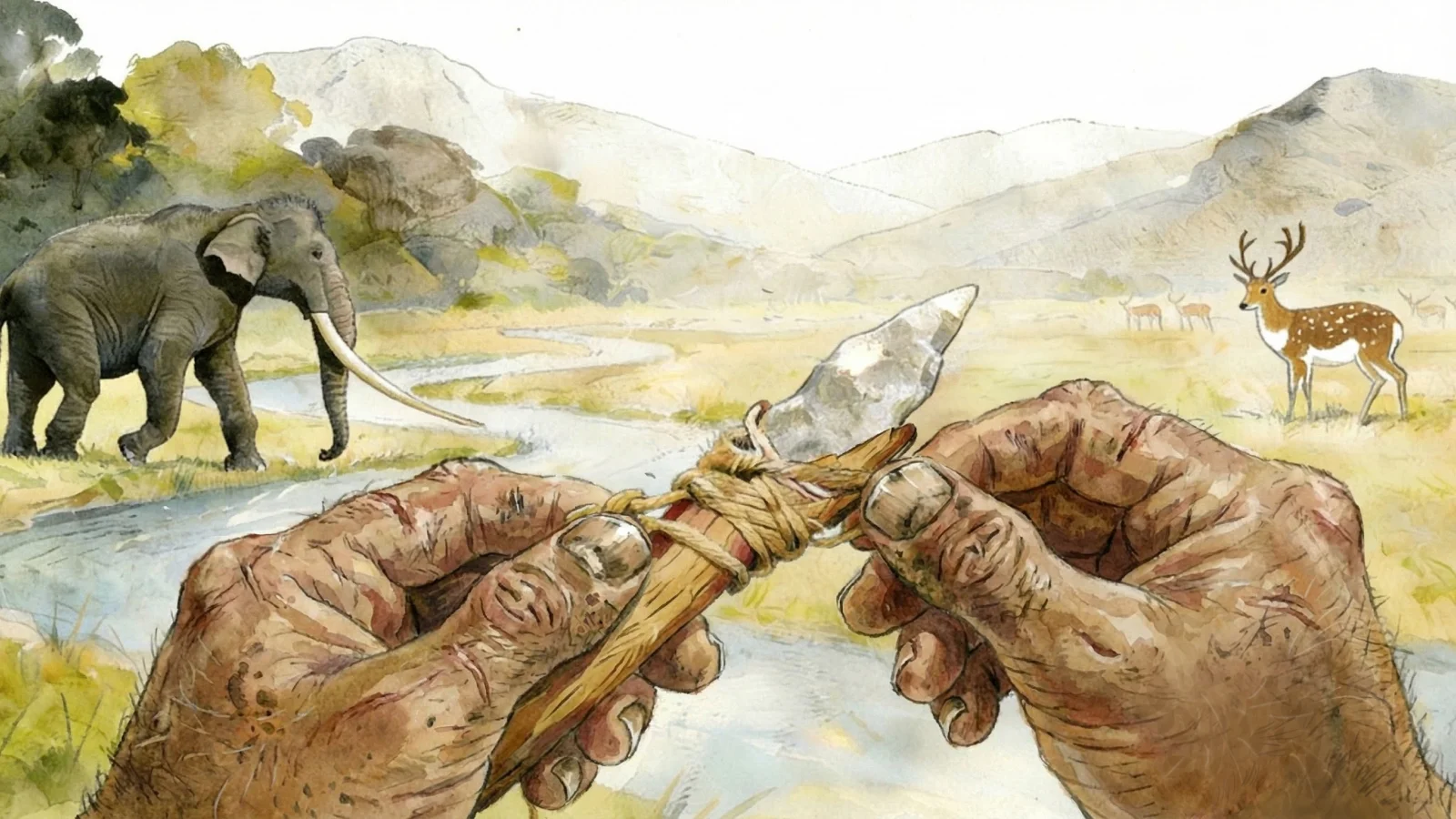
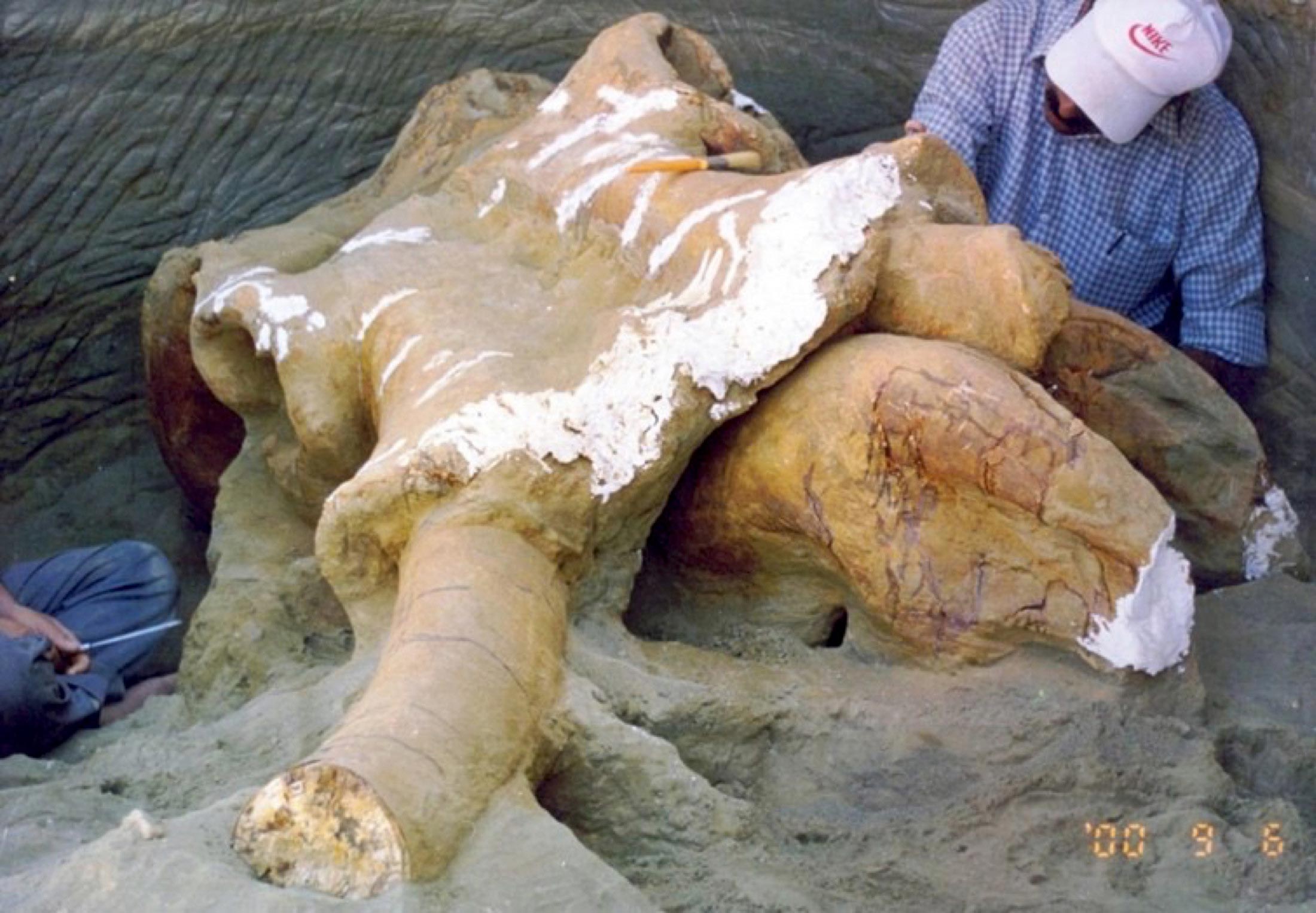
Paleontologists have uncovered evidence of early human butchery of extinct elephants in the Kashmir Valley, India, dating back 300,000 to 400,000 years. The discovery includes rare Palaeoloxodon elephant fossils and 87 stone tools, suggesting early humans extracted marrow from elephant bones. This finding marks the earliest evidence of animal butchery in India and provides insights into the evolution and migration of both hominins and the Palaeoloxodon genus. The research highlights the need for more extensive fossil surveys to uncover further evidence of early human activities.
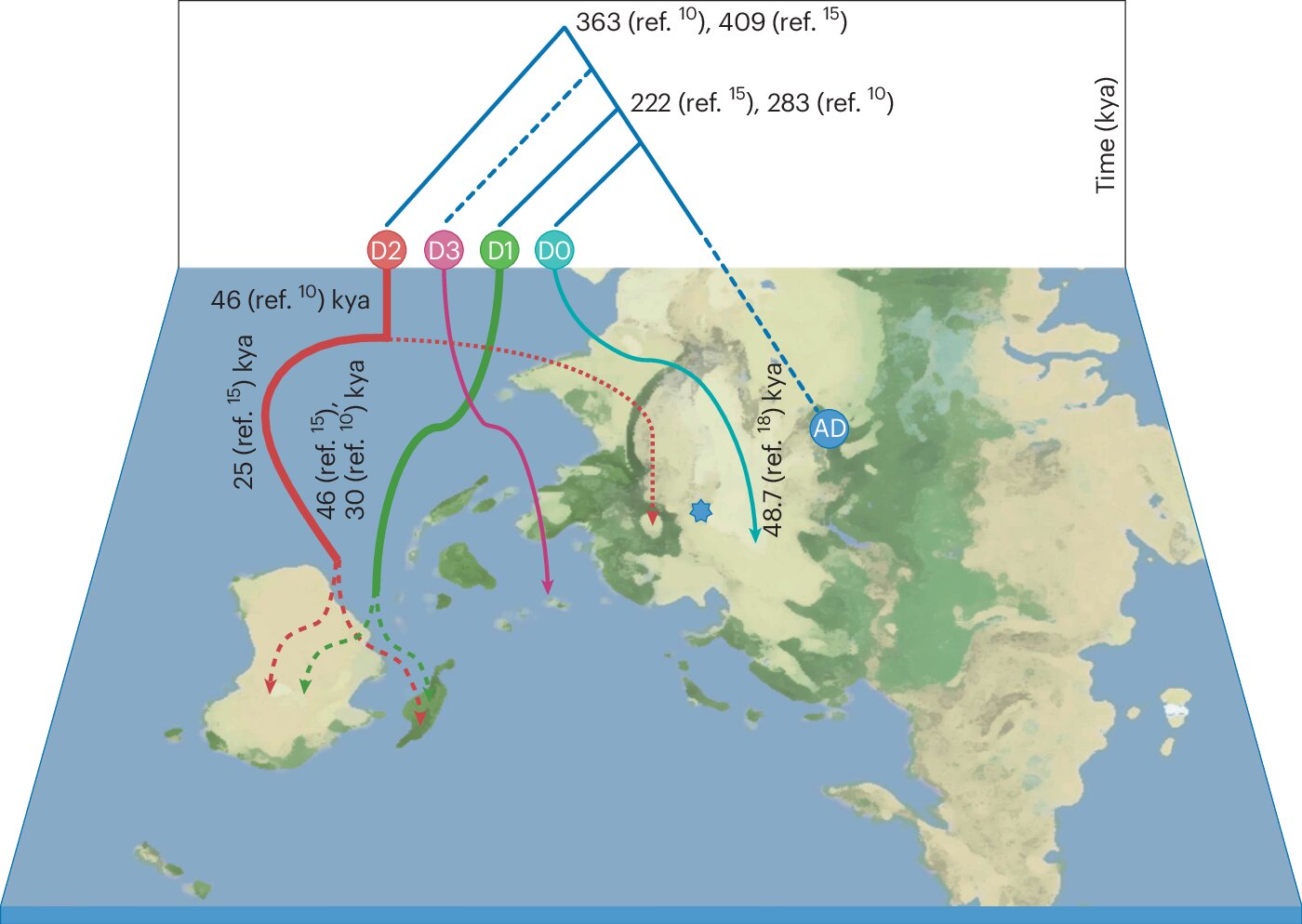
New research reveals that Denisovans, a hominin group that interbred with modern humans, contributed genes through multiple interbreeding events, influencing human evolution. These genes provided advantages such as hypoxia tolerance in Tibetans and improved lipid metabolism in Inuit populations. The study highlights the complex interbreeding history and suggests further research could uncover more about Denisovan contributions to modern humans.
A new University of Cambridge study suggests that interspecies competition played a major role in the rise and fall of hominins, leading to a "bizarre" evolutionary pattern for the Homo lineage. Unlike conventional beliefs that climate was solely responsible for the emergence and extinction of hominin species, this research shows that competition was fundamental to speciation across five million years of hominin evolution. The study also reveals that the Homo lineage, which led to modern humans, experienced a reversal of the typical evolutionary trend, with competition between species resulting in the appearance of even more new species. This unusual pattern is attributed to the adoption of technology, such as stone tools and fire, allowing Homo species to rapidly carve out new niches and ultimately leading to the emergence of Homo sapiens.
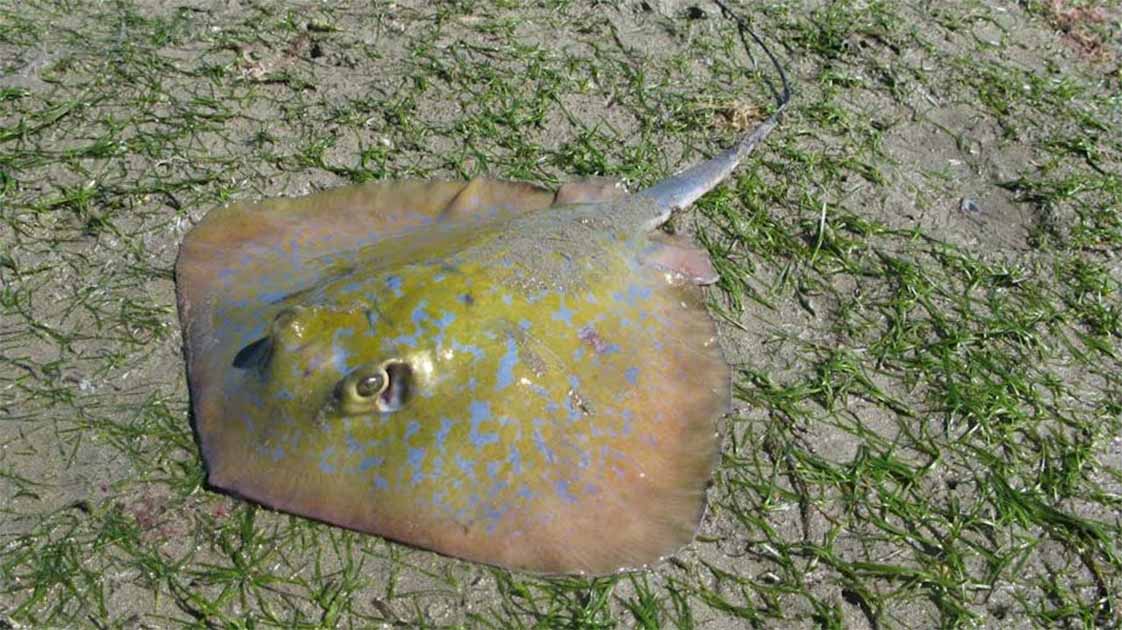
Researchers in South Africa have discovered a rock that may be the world's oldest example of humans creating an image of a creature other than themselves, dating back to around 130,000 years ago during the Middle Stone Age. The rock, resembling a stingray, was found on the Cape south coast and exhibits near-perfect symmetry, leading researchers to believe it may have been a sand sculpture or "sand castle" created by ancient hominins. This finding suggests that tracing in sand could have been a possible "stepping stone" in the development of representational paleoart, shedding light on the emergence of ancient art and potentially explaining the sudden appearance of magnificent art in European caves.
A new study suggests that the migration of hominins out of Africa approximately 1 million years ago may have been driven by the first major glaciation of the Pleistocene, rather than a population bottleneck as previously thought. The researchers found evidence that the onset of the first major Pleistocene ice age coincided with a drop in ocean levels, making migration out of Africa more feasible, and that conditions in Africa became more difficult for hominins. This study provides a new perspective on the timing and reason for the migration of hominins.
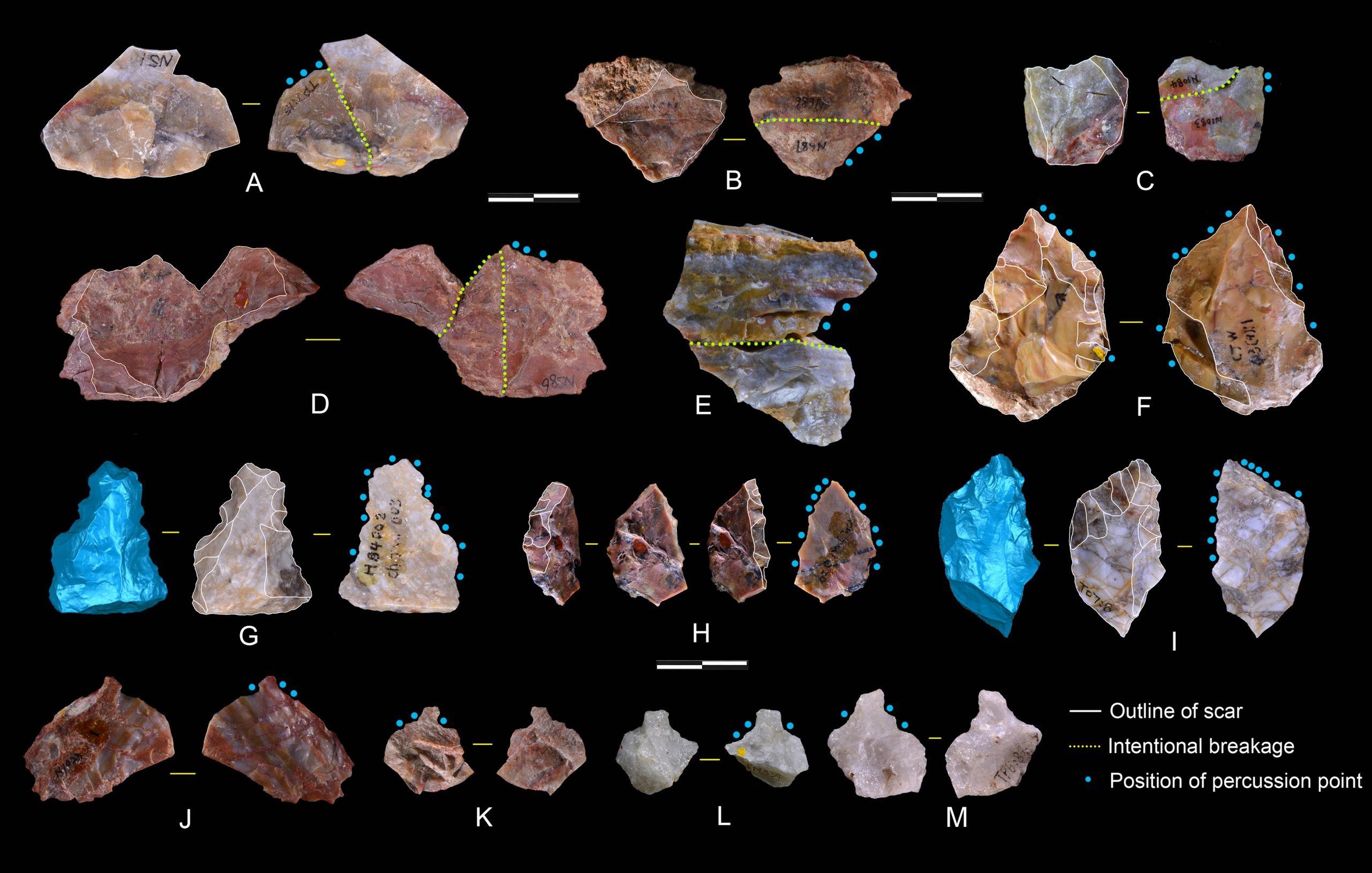
A new study reveals that hominins in East Asia possessed advanced tool-making skills equivalent to Mode 2 technology over 1.1 million years ago, challenging previous timelines and perceptions of early technological development in the region. The discovery suggests a reevaluation of early human culture and connections across Eurasia, providing compelling evidence for complex technical abilities and in-depth planning behaviors among Early Pleistocene hominins in East Asia.
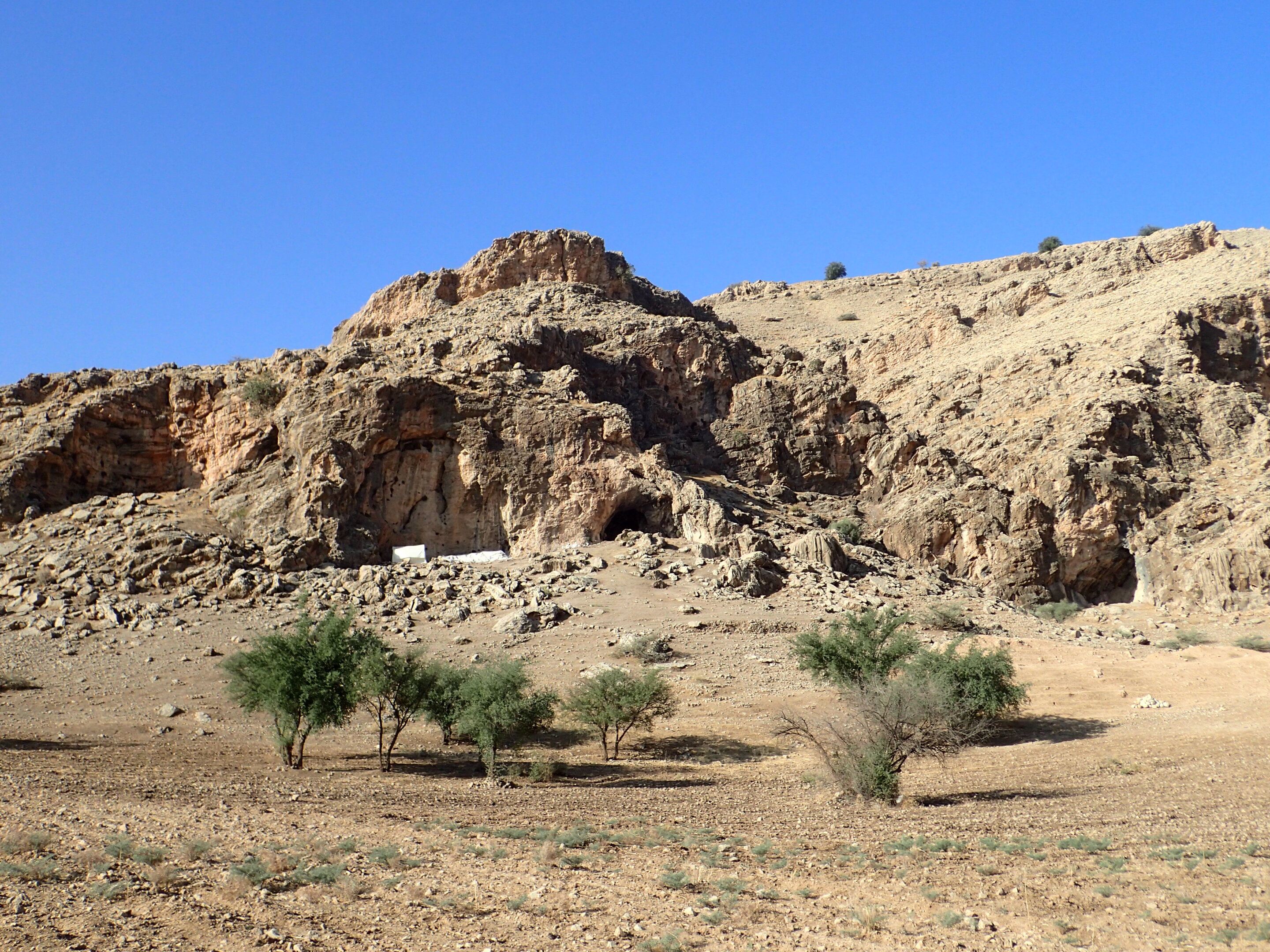
A study conducted by researchers from the University of Tübingen reveals that early humans in the Middle Paleolithic, between 81,000 and 45,000 years ago, had a more diverse diet than previously believed. The analysis of a site in the Zagros Mountains in Iran shows that in addition to hunting ungulates, the local hominins also consumed tortoises, carnivores, and possibly birds. This study sheds light on the dietary habits and adaptation of early humans in different environments during the Paleolithic Age.
Archaeologists have discovered the oldest wood structure ever found, dating back 476,000 years, at Kalambo Falls in Zambia. The structure, made by an unknown species of hominins predating Homo sapiens, consisted of two interlocking logs joined by a cut notch. Additionally, four wooden tools were found at the site. The discovery challenges previous assumptions about early human capabilities and suggests that these hominins may have lived in the area for an extended period of time. The finding provides valuable insights into human evolution and may contribute to Kalambo Falls becoming a UNESCO World Heritage Site.
A theoretical model published in Nature suggests that competition over carcasses between hominins and hyenas in the late Early Pleistocene may have played a role in the evolution of our genus. The study proposes that hominins scavenged carcasses abandoned by big cats, potentially providing crucial nutrients and fueling the spread of early humans in Europe. Computer simulations indicate that when hominins scavenged in groups of five or more, they were able to chase away hyenas and outnumber them by the end of the simulations. The researchers also suggest that this competition may have forced hominins to improve their interpersonal coordination and develop group cohesion, potentially influencing the emergence of language.