A 400-million-year-old fossil of Horneophyton lignieri reveals that early land plants had a more complex vascular system than previously thought, with a unified system for water and sugar transport, challenging traditional views of plant evolution and shedding light on how plants adapted to terrestrial life.
Recent research on a 407-million-year-old plant fossil, Asteroxylon mackiei, challenges the idea that Fibonacci spirals are a universal feature of plant evolution, suggesting these patterns may have evolved later and indicating greater diversity in early plant structures. Modern technology like 3D printing played a key role in these discoveries.
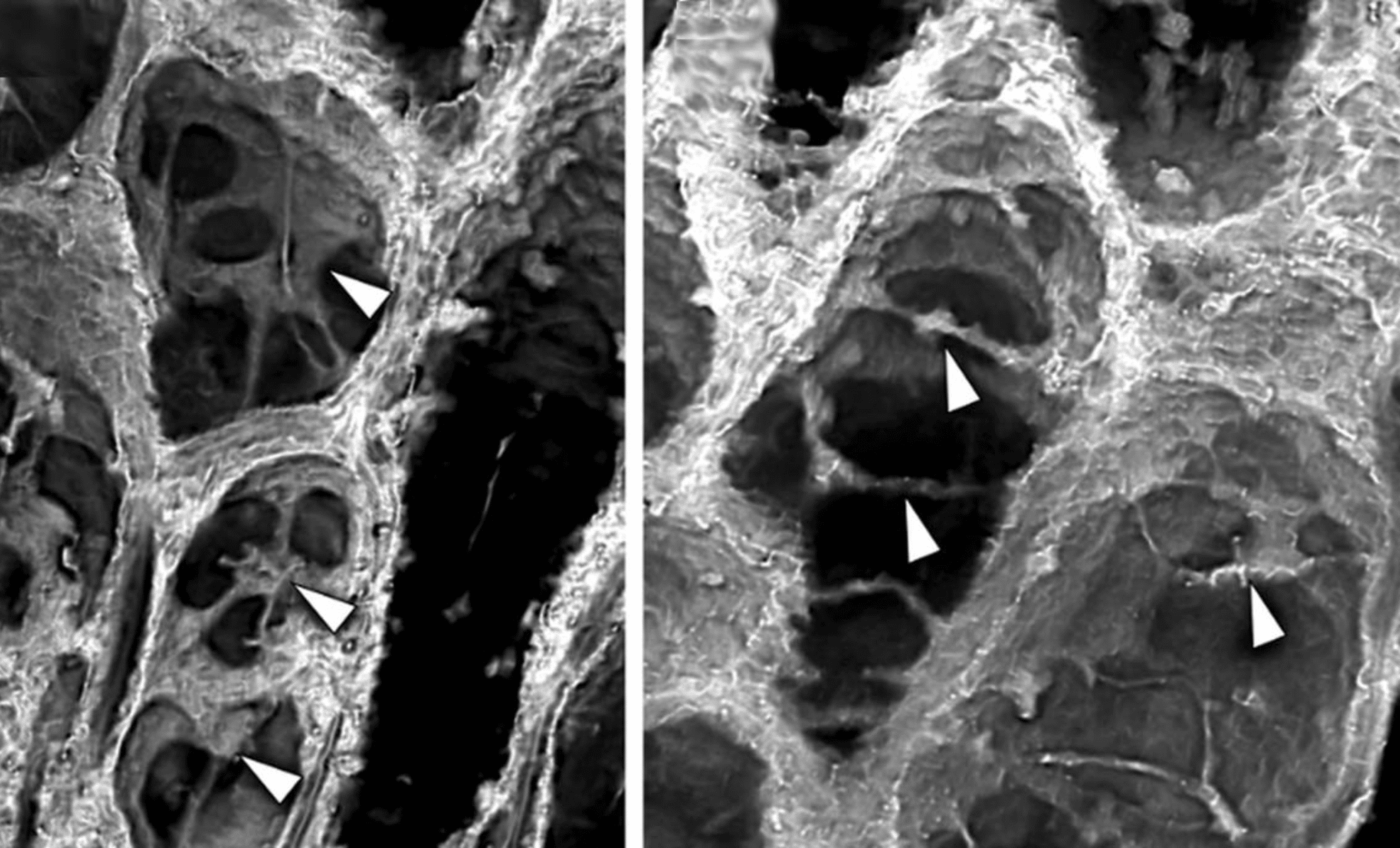
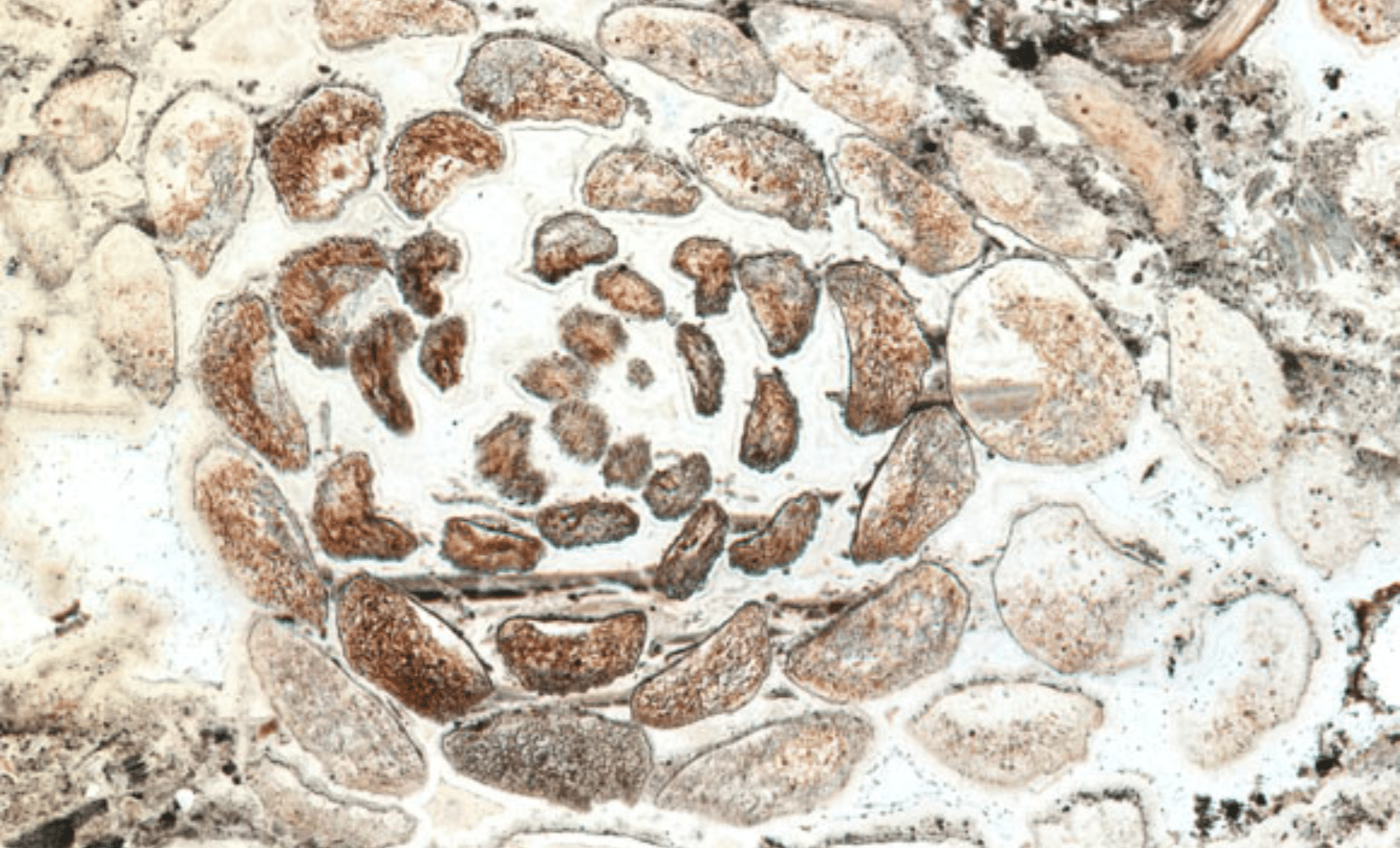
Scientists studying a 407-million-year-old fossilized plant, Asteroxylon mackiei, found that its leaf arrangement does not follow the Fibonacci sequence, challenging previous assumptions that Fibonacci spirals are universal in plant evolution. Using 3D reconstructions, they observed non-Fibonacci leaf patterns, suggesting early plants may have evolved different leaf arrangements before Fibonacci spirals became common in modern plants.
A recent study reveals that modern potatoes are descended from tomatoes, with genetic analysis showing potatoes likely emerged about 9 million years ago as a hybrid of tomatoes and a potato-like species, etuberosum, challenging previous beliefs about their origins.
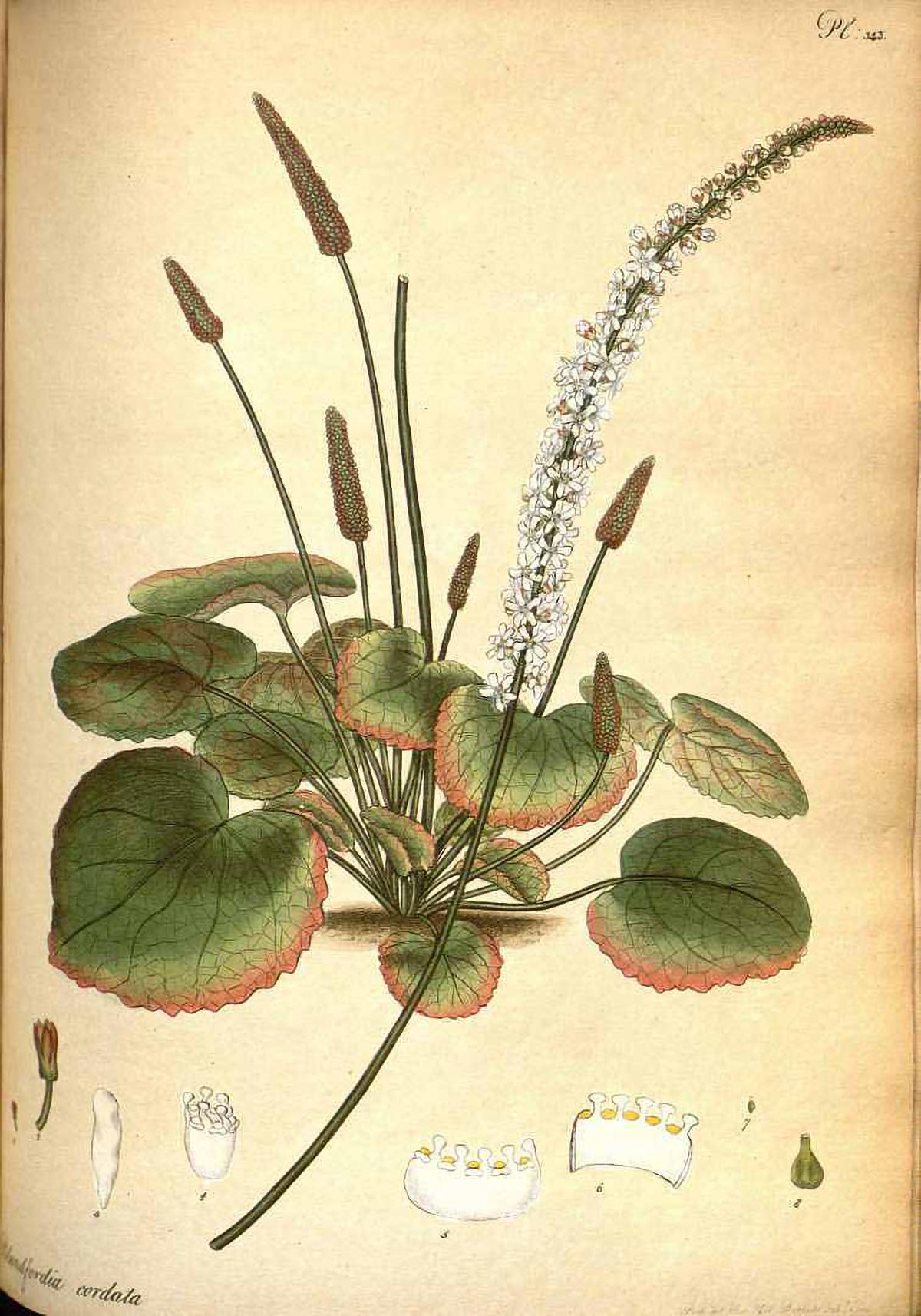
A study on beetleweed reveals that autopolyploid plants with different chromosome sets can coexist and persist over time, challenging previous beliefs that such plants were rare and unlikely to survive alongside their parent species, thereby reshaping understanding of rapid speciation and biodiversity.
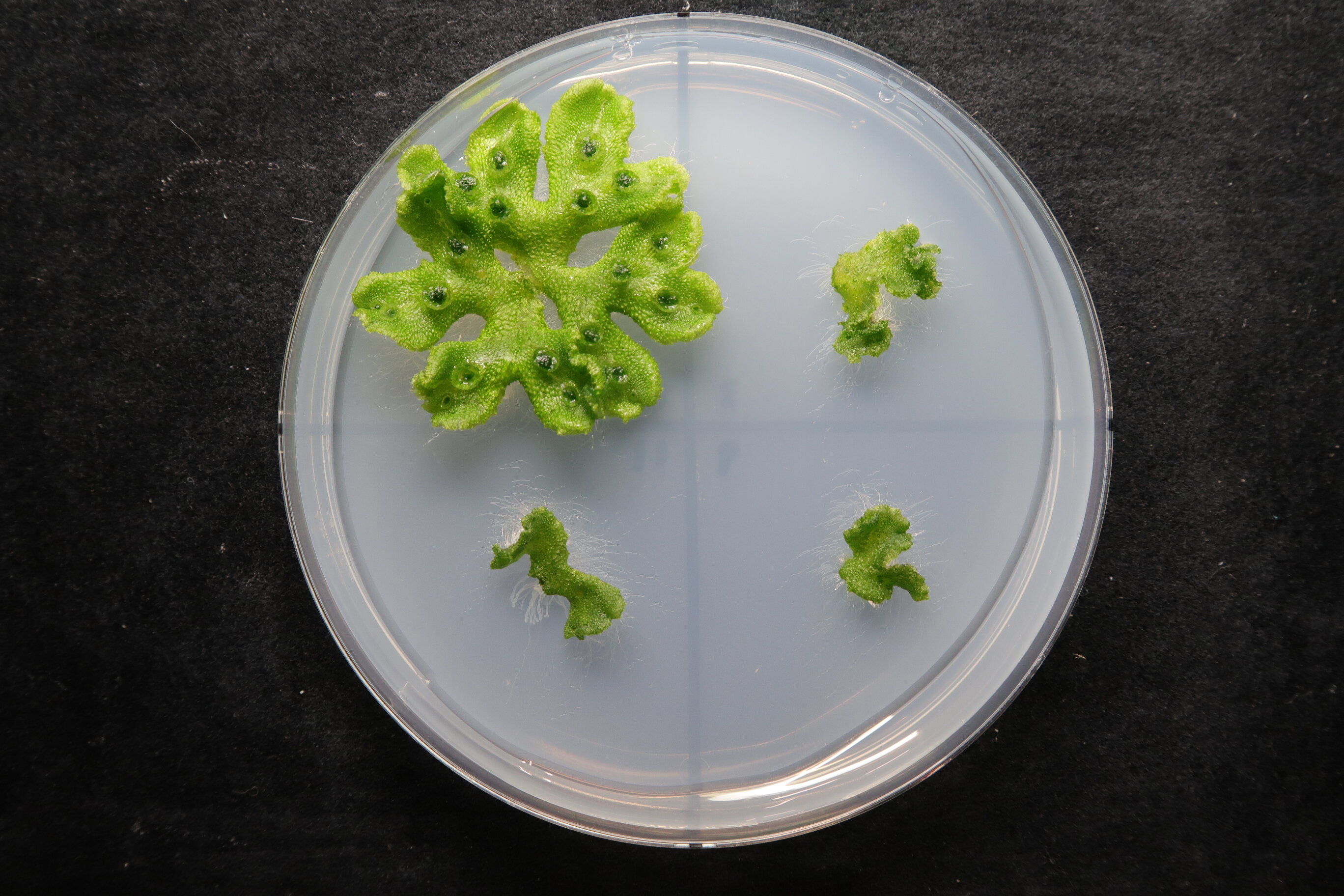
Researchers discovered that the RLF gene, involved in root development in vascular plants, is also crucial for organ development in liverworts, ancient land plants lacking true roots, indicating that this gene's role predates root evolution and highlights evolutionary reuse of mechanisms.
The first seeds emerged during the Devonian period, around 372 million years ago, as plants transitioned from spores to seeds for reproduction. This evolution provided plants with advantages such as protective shells, food storage, and adaptability to diverse environments, allowing them to thrive and diversify. Seeds can remain dormant, enabling them to survive across generations and travel long distances, contributing to their evolutionary success.
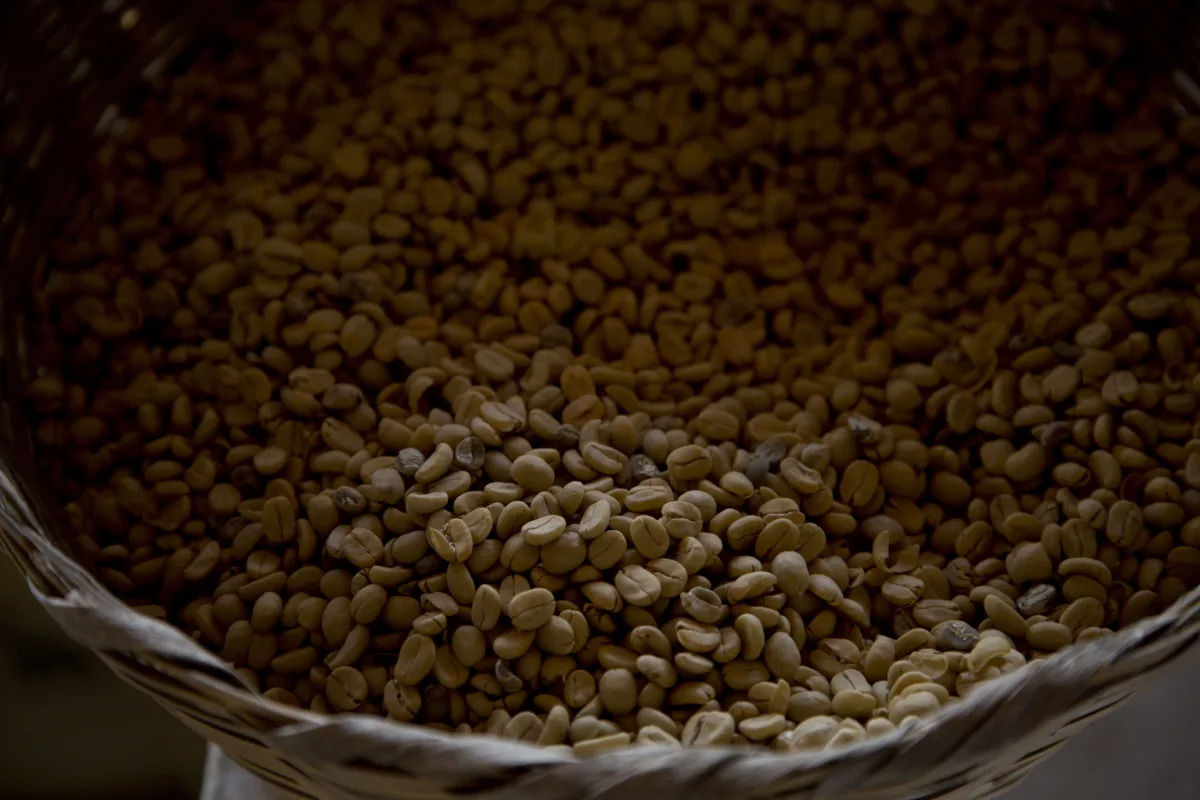
Researchers have traced the origins of arabica coffee back 600,000 years through natural crossbreeding of two other coffee species, shedding light on its genetic makeup and vulnerabilities. The study, published in Nature Genetics, reveals how the plant's population fluctuated over time and highlights genetic clues that could help protect it from diseases like coffee leaf rust. Understanding arabica's past and present could aid in safeguarding the crop for future generations, ensuring a steady supply of the beloved beverage.
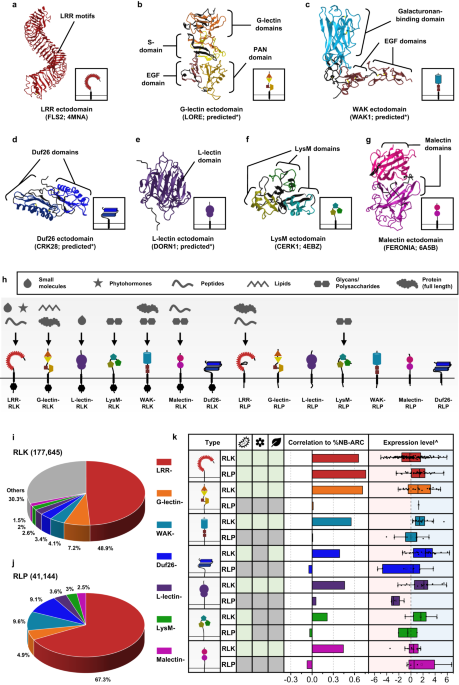
The evolutionary trajectory of pattern recognition receptors (PRRs) in plants, crucial for perceiving environmental changes and detecting pathogens, involves the expansion of receptor-like proteins (RLPs) and receptor-like kinases (RLKs) in response to pathogen pressure. The study identifies the origin and expansion of various cell-surface receptors involved in immunity, development, and reproductive processes, shedding light on their divergence and specialization in distinct biological functions. The findings reveal substantial expansions in specific receptor families across plant lineages, with RLKs demonstrating greater expansion compared to RLPs, particularly in the context of pathogen recognition. Additionally, the study identifies the presence of cell-surface co-receptors and signaling components involved in plant immunity across different plant lineages.
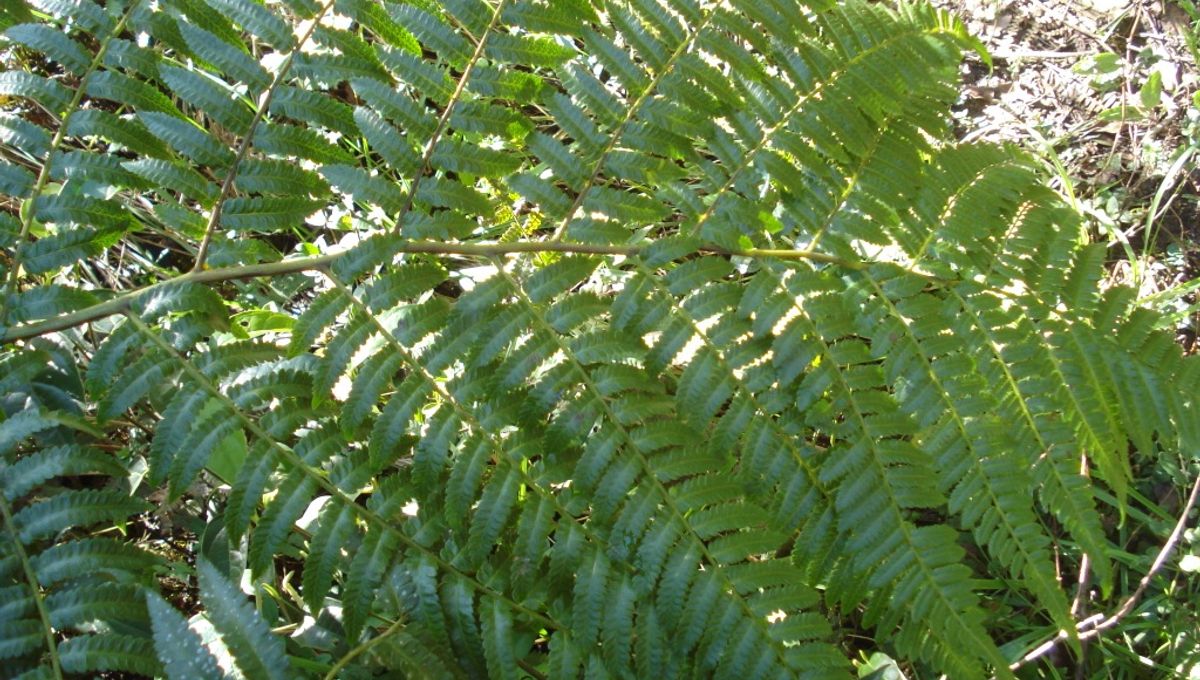
The Cyathea rojasiana, a tree fern species found in Panama, has the unique ability to reanimate its dead leaves, which then transform into living roots that draw nutrients from the soil to feed the rest of the plant. This remarkable adaptation is believed to have evolved to extract nutrients from poor volcanic soils and is the first known instance of a fern repurposing its leaves in this way. The plant's slow growth and specific environmental conditions have contributed to the development of this extraordinary survival strategy.
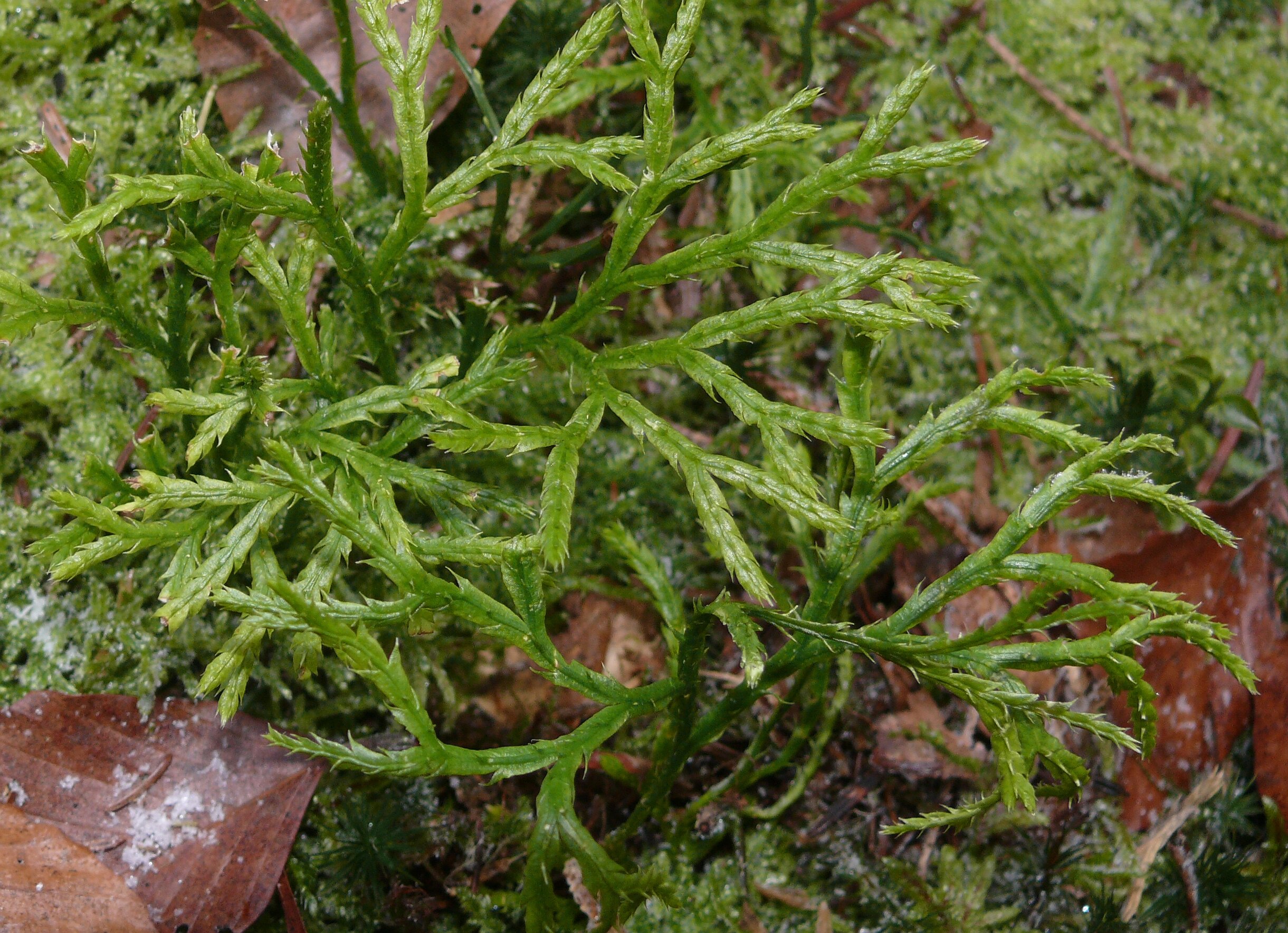
A study published in PNAS has revealed that lycophytes, ancient land plants similar to ferns, have maintained a remarkably stable genetic structure for over 350 million years, deviating from the norm in plant genetics. The research uncovered that about 30% of their genes have remained in the same arrangement since their divergence, exhibiting an unusual evolutionary pattern known as synteny. This discovery provides insights into plant genetics and evolution, highlighting the importance of preserving biodiversity as these plants hold vital clues to the history of life on Earth.
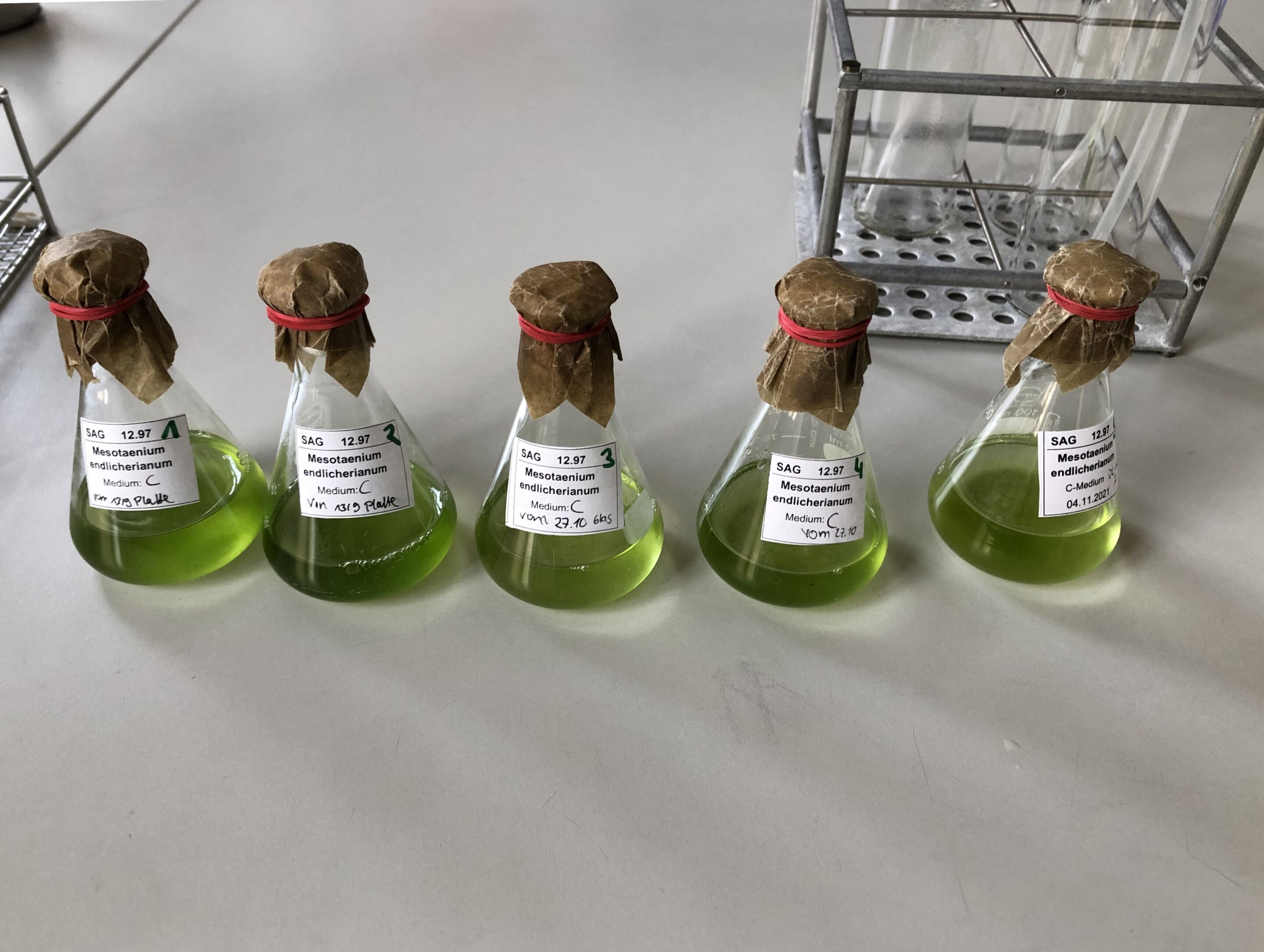
Researchers have studied the single-celled alga Mesotaenium endlicherianum to gain insights into the molecular networks and genetic mechanisms involved in plant terrestrialization. By subjecting the alga to different light intensities and temperatures, the researchers identified shared patterns of gene expression and discovered "hub genes" that coordinate responses to environmental signals. These genetic mechanisms were found to be shared across more than 600 million years of plant and algal evolution, providing valuable insights into the long-term evolutionary patterns of plants.
A new study challenges the belief that Fibonacci spirals in plants are an ancient and highly conserved feature, dating back to the earliest stages of plant evolution. Researchers examined the spirals in the leaves and reproductive structures of a fossilized plant dating back 407 million years and discovered that all of the spirals observed in this particular species did not follow the Fibonacci sequence. The findings suggest that non-Fibonacci spirals were ancient in clubmosses, overturning the view that all leafy plants started out growing leaves that followed the Fibonacci pattern, and that Fibonacci spirals emerged separately multiple times throughout plant evolution.
Researchers have discovered evidence of non-Fibonacci spirals in a fossilized plant that lived approximately 407 million years ago, challenging the traditional belief that these spirals are a conserved trait originating from Earth’s first land-dwelling plants. The analysis revealed that the leaves and reproductive structures of Asteroxylon mackiei primarily followed non-Fibonacci spirals, a pattern that’s quite rare in present-day plants. The research implies that the evolutionary path of leaf spirals took two separate routes, with the leaves of ancient clubmosses carving out a distinct evolutionary history from other major groups of plants today, such as ferns, conifers, and flowering plants.
A 407-million-year-old plant fossil has challenged the long-held theory that Fibonacci spirals were common in the most ancient land plants. The fossil, Asteroxylon mackiei, was found to have non-Fibonacci spirals, indicating that the evolution of leaf spirals diverged into two separate paths. The discovery was made by an international team led by the University of Edinburgh, using digital reconstruction techniques to produce the first 3D models of leafy shoots in the fossil clubmoss. The findings transform scientists' understanding of Fibonacci spirals in land plants and suggest that ancient clubmosses had an entirely distinct evolutionary history to other major groups of plants today.