Unconventional Evolution: How Interspecies Competition Shaped Human Ancestry
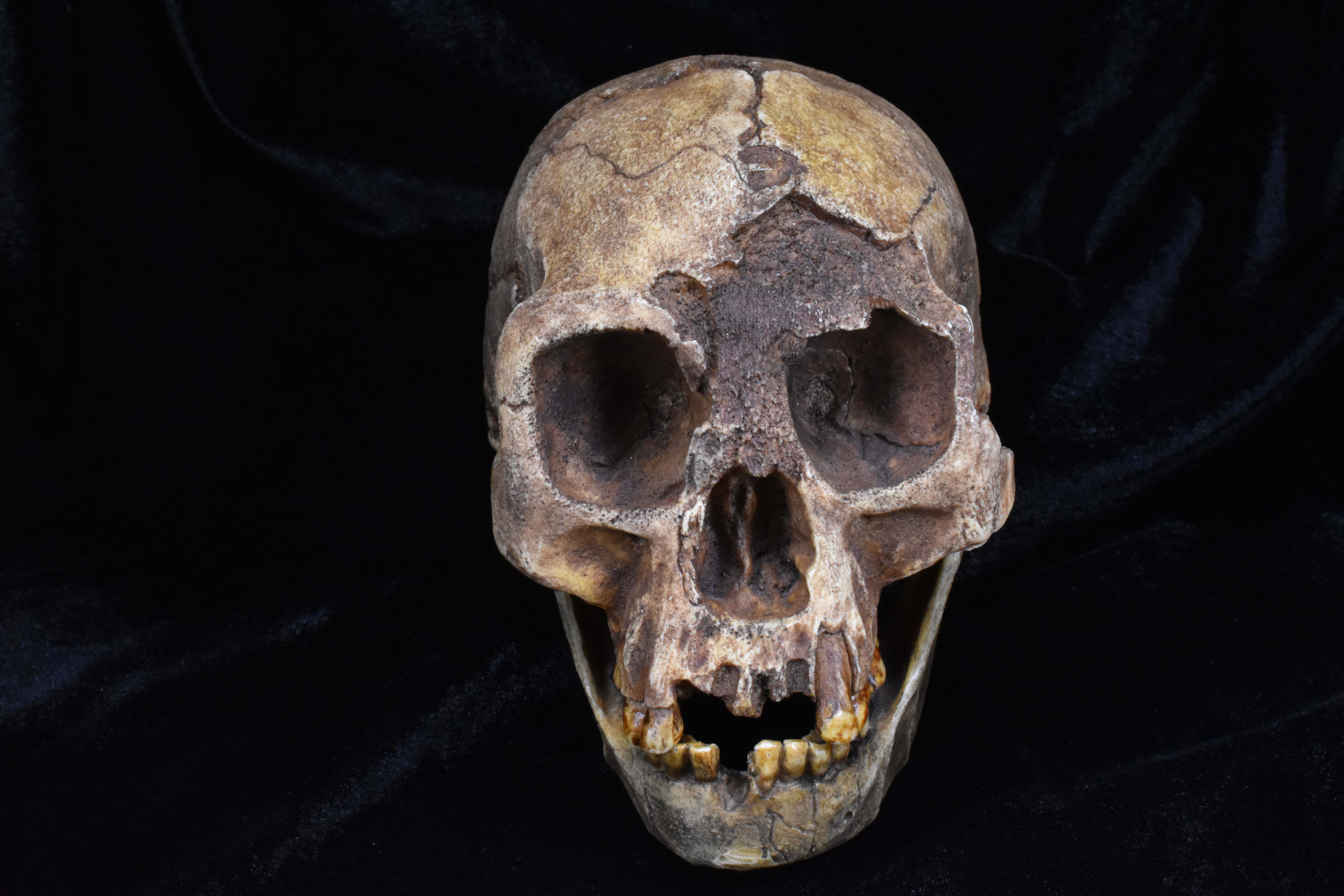
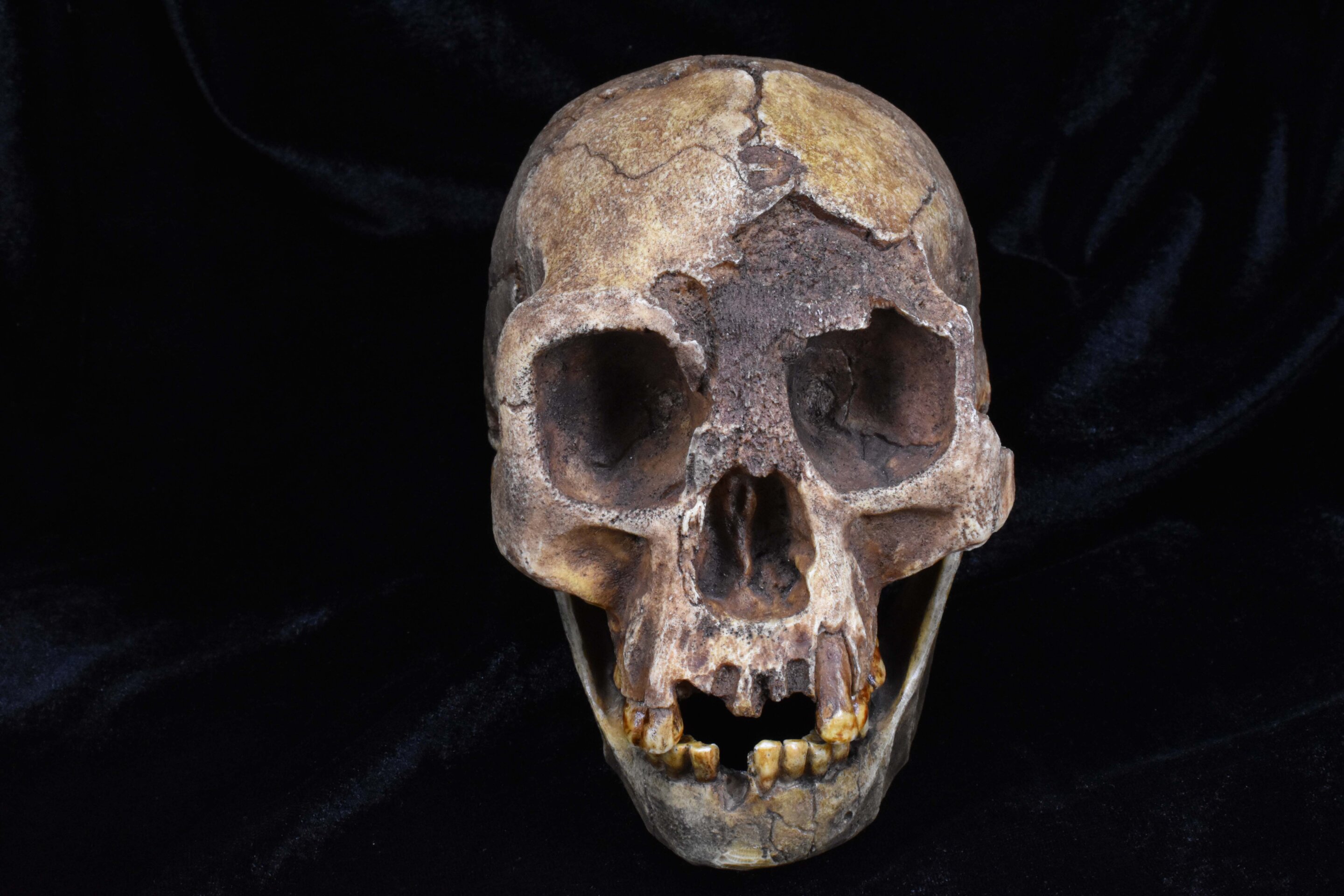
A new University of Cambridge study suggests that interspecies competition played a major role in the rise and fall of hominins, leading to a "bizarre" evolutionary pattern for the Homo lineage. Unlike conventional beliefs that climate was solely responsible for the emergence and extinction of hominin species, this research shows that competition was fundamental to speciation across five million years of hominin evolution. The study also reveals that the Homo lineage, which led to modern humans, experienced a reversal of the typical evolutionary trend, with competition between species resulting in the appearance of even more new species. This unusual pattern is attributed to the adoption of technology, such as stone tools and fire, allowing Homo species to rapidly carve out new niches and ultimately leading to the emergence of Homo sapiens.