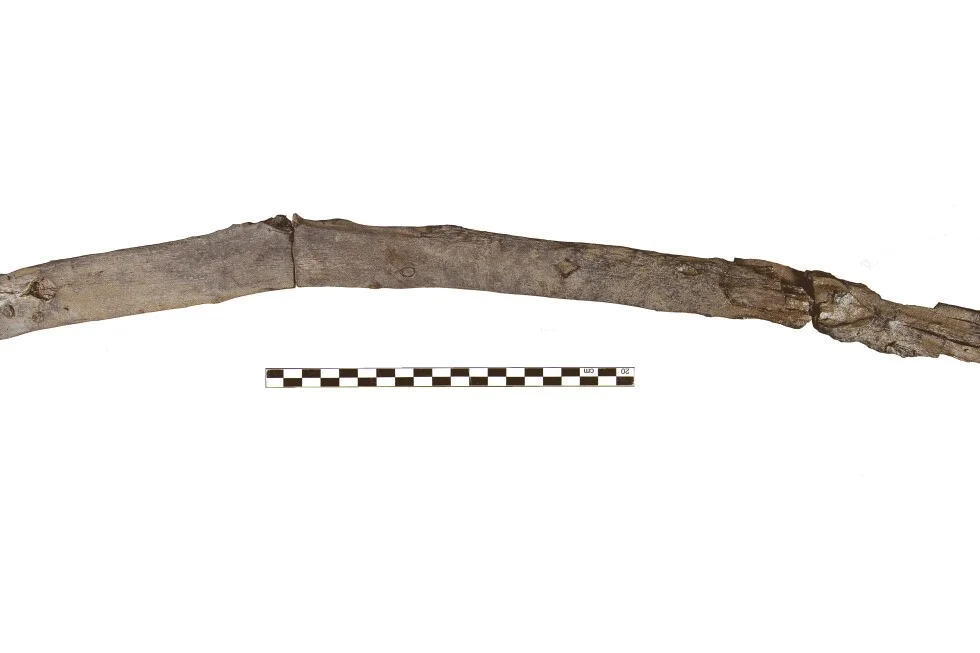
Scientists in Greece have recovered the oldest known wooden tools, dating to about 430,000 years ago, including a tool possibly used for digging, highlighting that early humans used wood for technology long before metal tools.
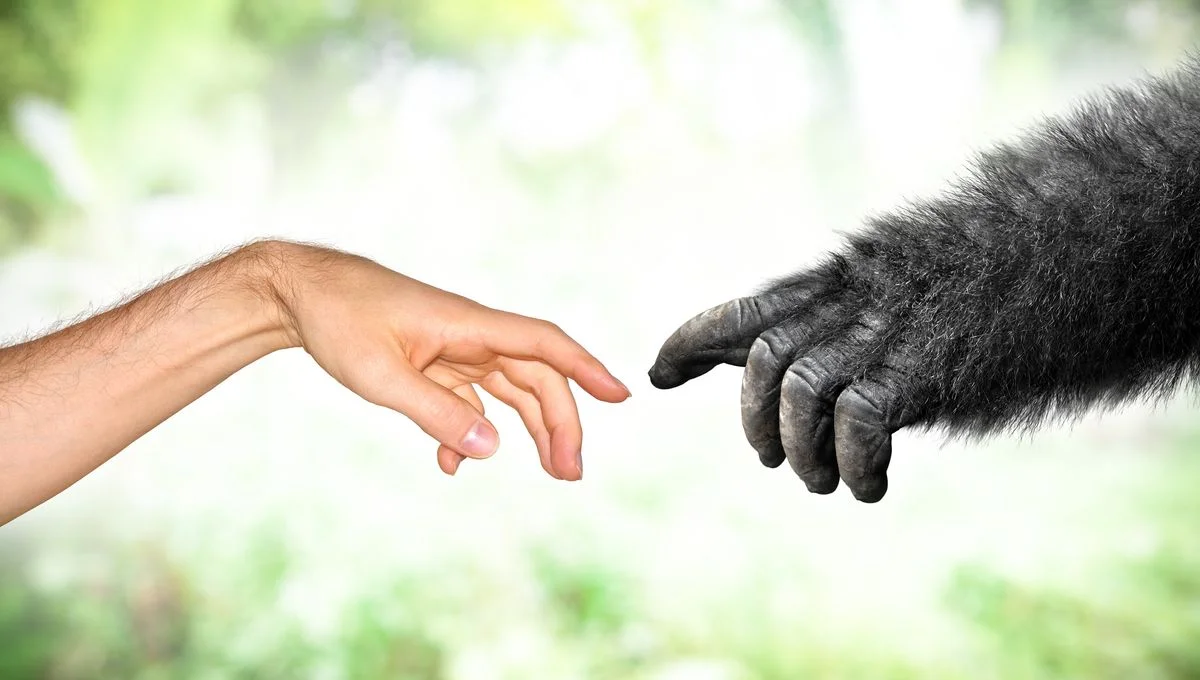
The article explains the difference between hominids and hominins, clarifying that hominids include all great apes and their ancestors, while hominins specifically refer to the human lineage after diverging from chimpanzees, reflecting updated scientific classifications.
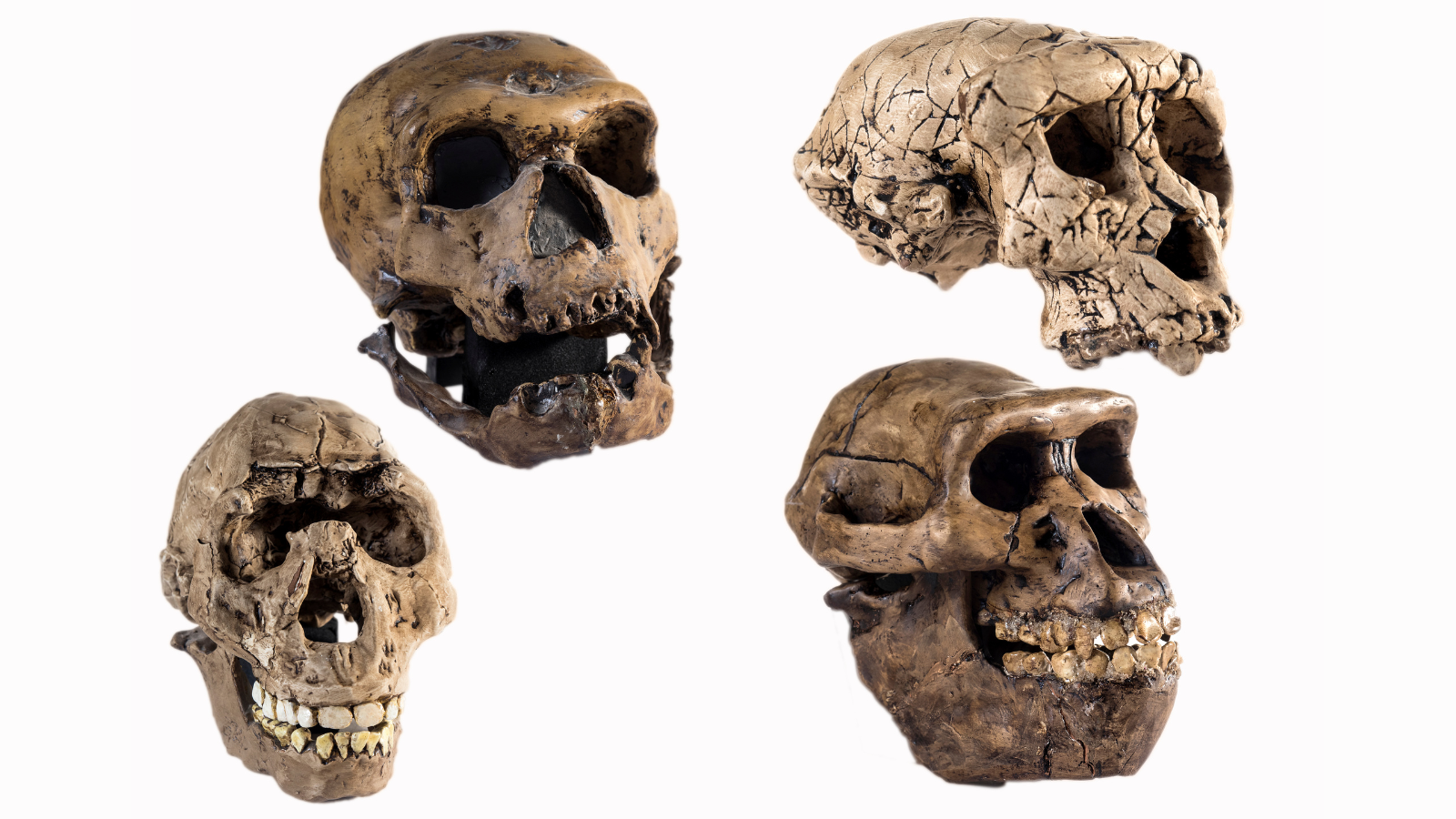
Recent research questions Lucy's status as the direct ancestor of humans, suggesting other species like A. deyiremeda or A. africanus might be closer to our lineage, sparking debate among scientists about human evolutionary origins.
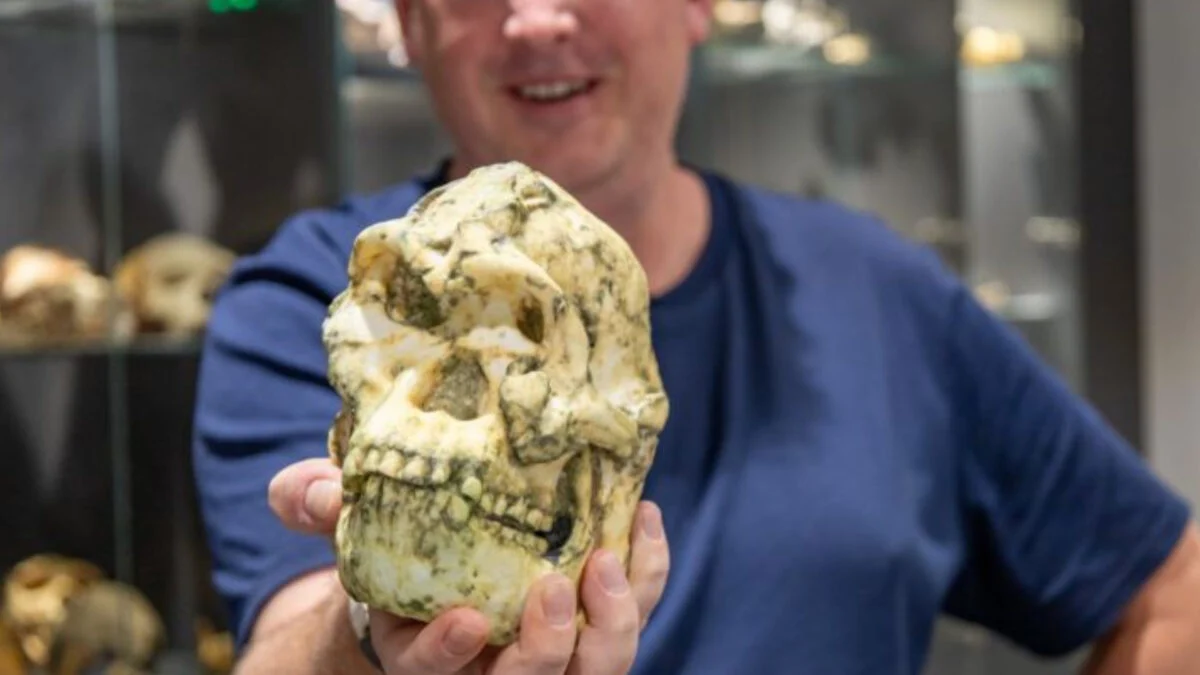
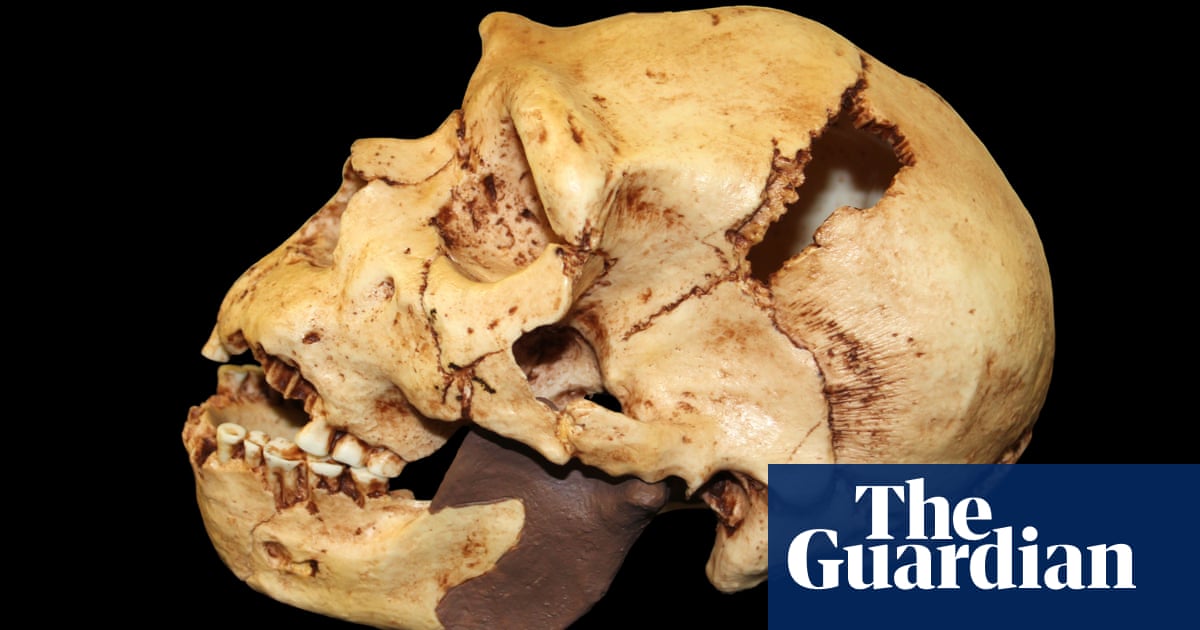
New research challenges the previous classification of the complete human ancestor fossil 'Little Foot,' suggesting it may belong to a previously unidentified species, which could reshape our understanding of human evolution.
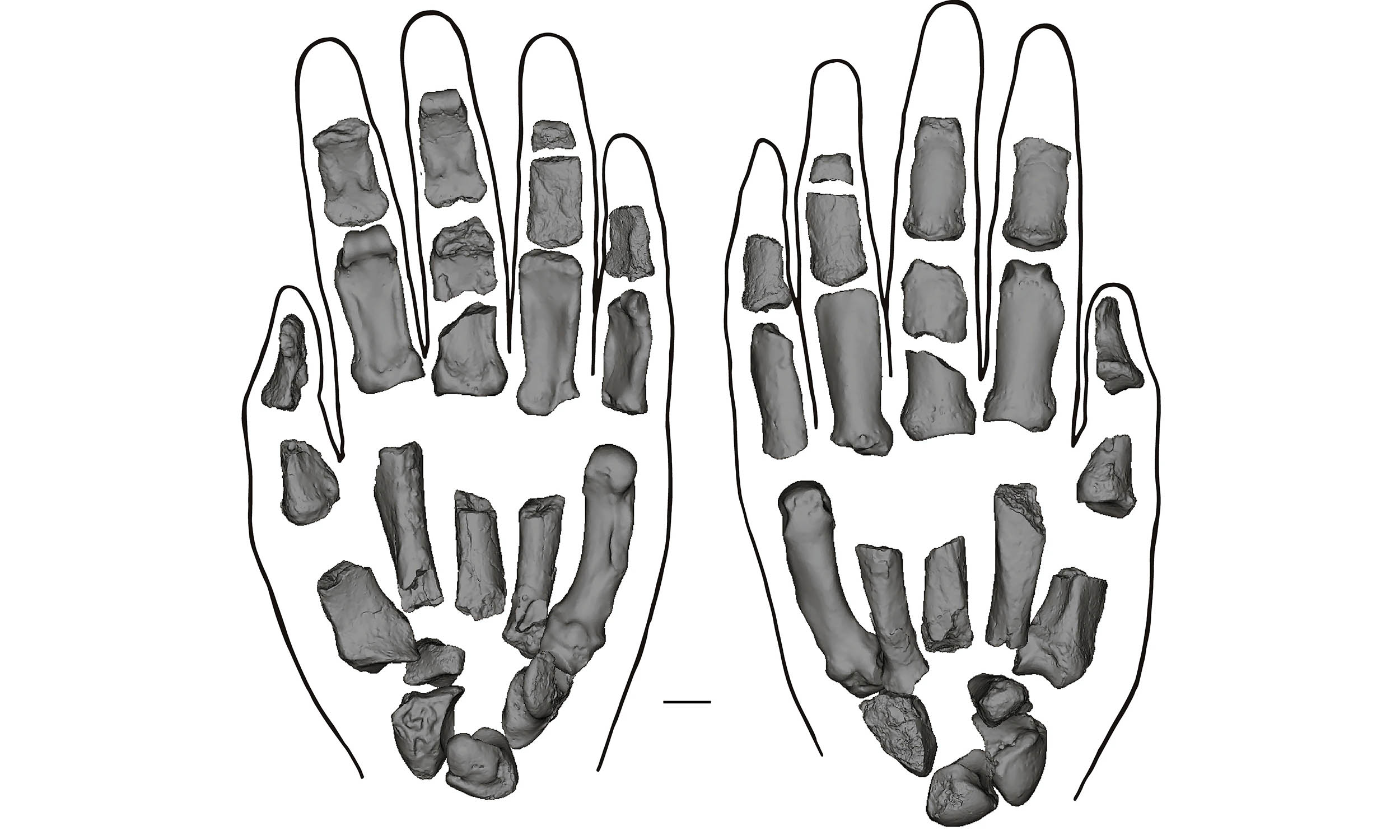
A 1.52 million-year-old fossil of Paranthropus boisei from Kenya reveals that this robust human ancestor had large, dexterous thumbs and foot structures supporting bipedal walking, indicating it could make and use simple tools, challenging previous assumptions that only Homo species used tools.
An AI analysis of carnivore tooth marks on fossils provides insights into interactions between ancient humans and predators, shedding light on early human behavior and environment.
A new study led by researchers at NYU Grossman School of Medicine suggests that a genetic change in our ancient ancestors, specifically an insertion of DNA called AluY, may have contributed to the loss of tails in humans and apes. This insertion, found in the TBXT gene, influenced alternative splicing and resulted in a variety of tail lengths, ultimately leading to tail loss. The study provides insight into the genetic mechanisms behind the evolution of tail loss and raises questions about potential trade-offs, such as an increase in neural tube defects, associated with this evolutionary change.
A new study led by researchers at NYU Grossman School of Medicine suggests that a genetic change, specifically the insertion of a DNA snippet called AluY into the TBXT gene's regulatory code, may partly explain why humans lost their tails. This finding, published in the journal Nature, sheds light on the evolutionary process that led to tail loss in humans and apes, and may also have implications for understanding neural tube birth defects. The study provides insights into the genetic basis of tail-loss evolution and highlights the complex interplay between genetic mutations and evolutionary adaptations.
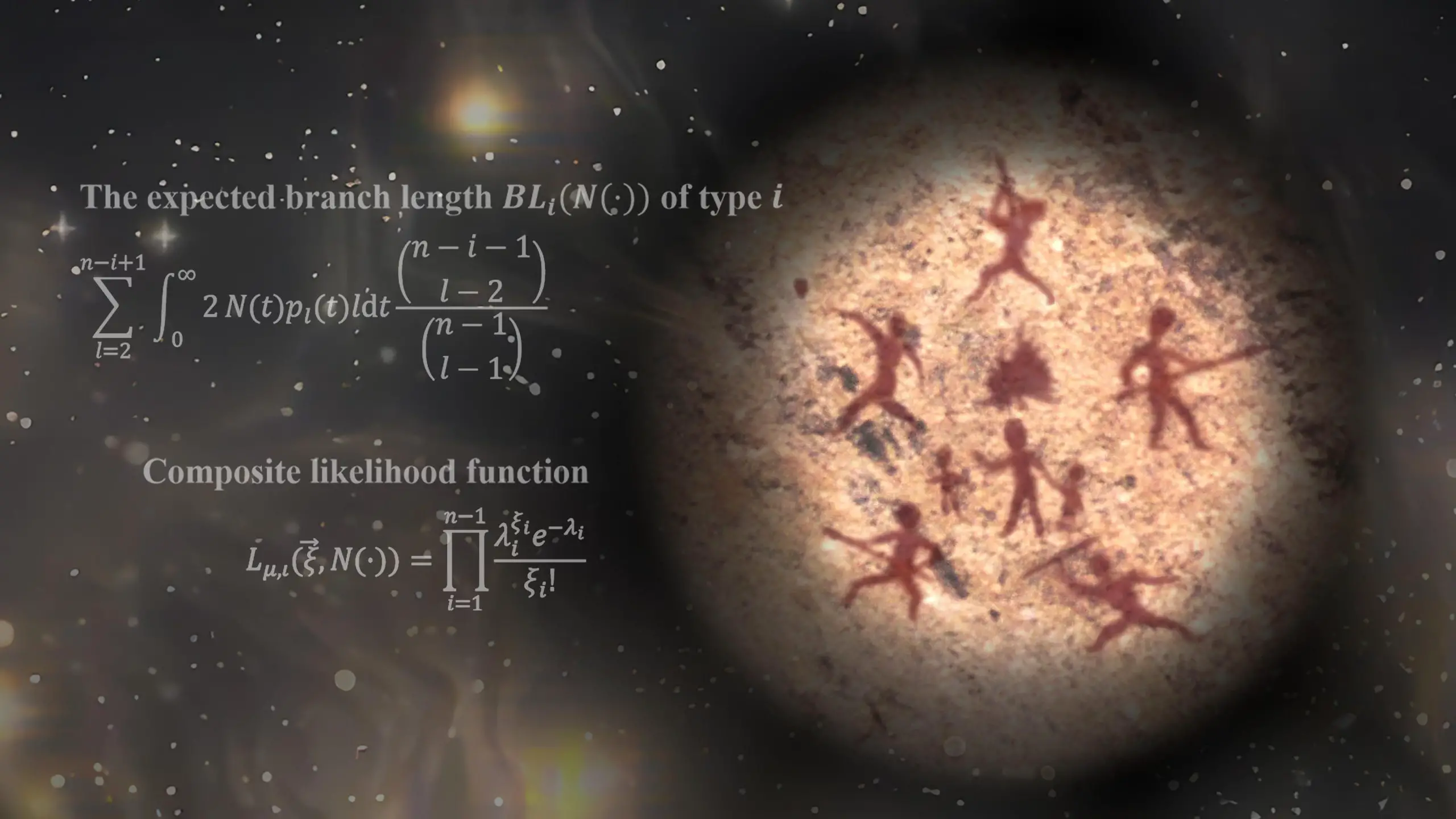
A recent study suggests that human ancestors teetered on the brink of extinction 900,000 years ago, with the population shrinking to about 1,280 individuals. However, scientists not involved in the research have expressed skepticism, citing the difficulty of estimating population changes so long ago and the lack of evidence supporting a massive population crash. They argue that the study's claim is not convincing and that the ability of modern genomic data to infer such an event is weak.
A new genomic model suggests a significant decline in human ancestor populations between 800,000 and 900,000 years ago, with only 1280 breeding individuals during the transition from the early to middle Pleistocene. This population bottleneck lasted for about 117,000 years and coincided with climatic changes. The coalescence model used in the study revealed a distinct bottleneck in African populations and a weaker signal in non-African populations. The proposed bottleneck aligns with the time period of the last common ancestor of Denisovans, Neanderthals, and modern Homo sapiens, but further archaeological evidence is needed for validation.
Genomic data from 3,154 modern humans suggests that around 900,000 years ago, humanity's ancestors experienced a population bottleneck, reducing their numbers from approximately 100,000 to just 1,280 breeding individuals. This drastic decline of 98.7% lasted for 117,000 years and could have brought humanity to the brink of extinction. The findings help explain a gap in the human fossil record during the Pleistocene and shed light on the impact of the Mid-Pleistocene Transition. The research also suggests that the bottleneck may have contributed to the fusion of two chromosomes, leading humans on a different evolutionary path.
Scientists have discovered that early human ancestors experienced a severe population collapse between 800,000 and 900,000 years ago, with their total population dropping to around 1,280 breeding individuals for approximately 117,000 years. This bottleneck event, likely triggered by an extreme climate event, nearly wiped out our ancestral line. However, it may have also led to the emergence of a new species, Homo heidelbergensis, which could be the shared ancestor of modern humans, Neanderthals, and Denisovans. The decline coincided with significant changes in global climate and a relatively empty period in the fossil record. The study analyzed genomic sequences from over 3,000 individuals and found evidence of the bottleneck in African populations, while non-African populations showed a weaker signal due to a more recent population bottleneck during the out-of-Africa migration. Further research will explore whether genetic samples from Neanderthals and Denisovans also exhibit evidence of the same bottleneck.
A new study suggests that there was a severe population bottleneck in our species' ancient past, reducing an ancestral human species to less than 1,300 breeding individuals between 813,000 and 930,000 years ago. This bottleneck lasted for 117,000 years and aligns with a gap in the African and Eurasian human fossil records. The researchers used a tool called FitCoal to analyze present-day genomes and found evidence of a "severe population bottleneck" in 10 African populations, possibly due to climatic changes. The study highlights the vulnerability of early human populations and suggests that the bottleneck may have led to the emergence of the last common ancestor shared by Denisovans, Neanderthals, and modern humans.
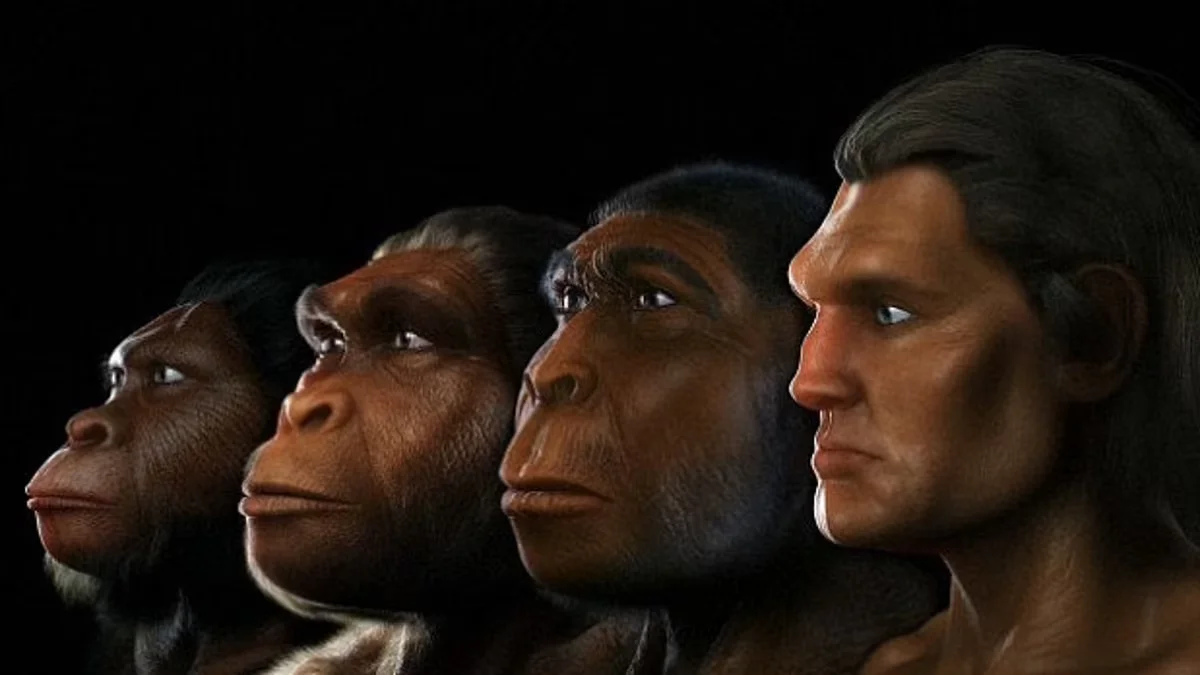
A study from Washington University in St Louis suggests that climate change, specifically glacial phases over 600,000 years ago, may have played a role in the evolution of humanity's ancient ancestors by increasing their brain sizes. The researchers developed a computer simulation showing how new mating habits and parental cooperation during an inhospitable Ice Age could have accelerated the evolution of the human brain. The simulation suggests that positive assortative mating, where hominins sought mates similar to themselves, may have advanced critical human abilities such as language-based communication and the use of fire. The study also proposes that survival pressures due to climate change would have reduced physical differences between sexes and influenced the evolution of early hominins.
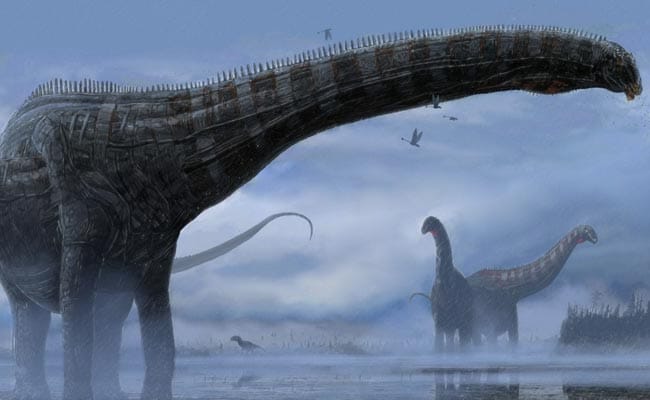
A new study suggests that human ancestors co-existed with dinosaurs for a brief period before the asteroid impact that caused their extinction. Researchers analyzed the fossil record of placental mammals, including humans, and found that early mammals evolved before the mass extinction event. The lack of competition from dinosaurs allowed placental mammals to diversify and thrive.