Tag

Soil

All articles tagged with #soil

Unraveling Why Worms Emerge During Rainfall

Originally Published 1 year ago — by Livescience.com

Featured image for Unraveling Why Worms Emerge During Rainfall
Source: Livescience.com

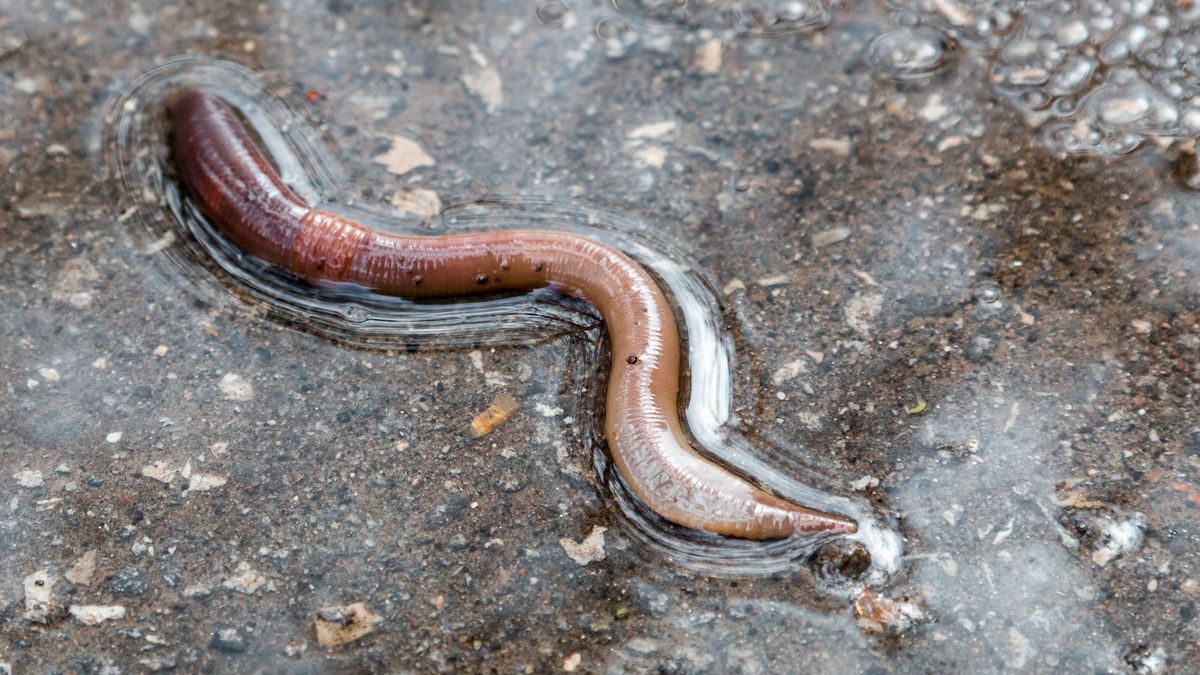
Earthworms often surface during rain, not to avoid drowning, as they can breathe through their skin in water, but possibly due to needing higher oxygen levels, mistaking rain vibrations for predators, or to move more easily on wet ground. Some species are more sensitive to low oxygen, prompting them to surface, while others may remain underground. Additionally, wet conditions may facilitate mating or migration. The phenomenon is also exploited in practices like 'worm charming,' where vibrations are used to lure worms to the surface.

"Scientists Concerned as Dormant Organisms Awaken After Millennia"

Originally Published 1 year ago — by The Debrief

Featured image for "Scientists Concerned as Dormant Organisms Awaken After Millennia"
Source: The Debrief

As global temperatures rise, previously dormant bacteria in Earth's soil are becoming active, potentially impacting carbon stocks and contributing to global warming. A new study by researchers at the University of Vienna reveals that the activation of dormant bacteria, rather than accelerated growth of existing microbes, is the primary mechanism behind the release of carbon into the atmosphere. The findings highlight the complex relationship between microbial activity, soil temperature, and the global carbon cycle, providing valuable insights for climate modeling and understanding the impact of warming temperatures on Earth's microbiome.

"Global Crop Yields at Risk Due to Potassium Depletion in Soil"

Originally Published 1 year ago — by Phys.org

Featured image for "Global Crop Yields at Risk Due to Potassium Depletion in Soil"
Source: Phys.org

A study published in Nature Food reveals that potassium deficiency in agricultural soils poses a significant threat to global food security, with more potassium being removed from soils than added in many regions. This depletion can inhibit plant growth and reduce crop yields, affecting food supplies for millions of people. The researchers recommend policies and practices to address this issue, including global assessment of potassium stocks, monitoring and responding to price fluctuations, sustainable application practices, and intergovernmental cooperation to develop global policy coordination.

"Conserved Microbial Network Unveils Clues for Forensic Science"

Originally Published 1 year ago — by Nature.com

Featured image for "Conserved Microbial Network Unveils Clues for Forensic Science"
Source: Nature.com

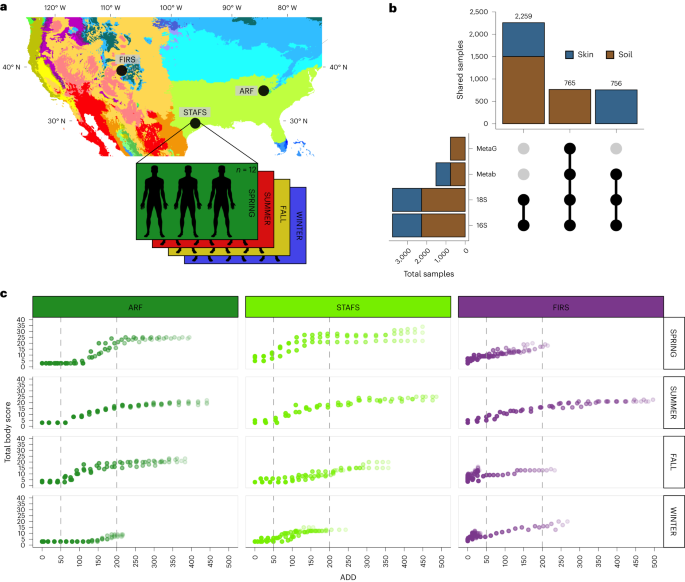
Researchers have discovered a universal network of microbes that respond to cadaver decomposition, despite variations in climate, location, and season. The study used multi-omic data to reveal that a conserved interdomain soil microbial decomposer network assembles in response to mammalian remains, with evidence of increased metabolic efficiencies to process lipid- and protein-rich compounds. Key members of the microbial decomposer network are associated with various mammalian carrion, suggesting that they are not human-specific. The findings have implications for forensic science, agriculture, sustainability, and the human death care industry.

"Uncovering the Ancient Amazonians' Mysterious 'Dark Earth' for Humanity's Salvation"

Originally Published 1 year ago — by Express

Featured image for "Uncovering the Ancient Amazonians' Mysterious 'Dark Earth' for Humanity's Salvation"
Source: Express

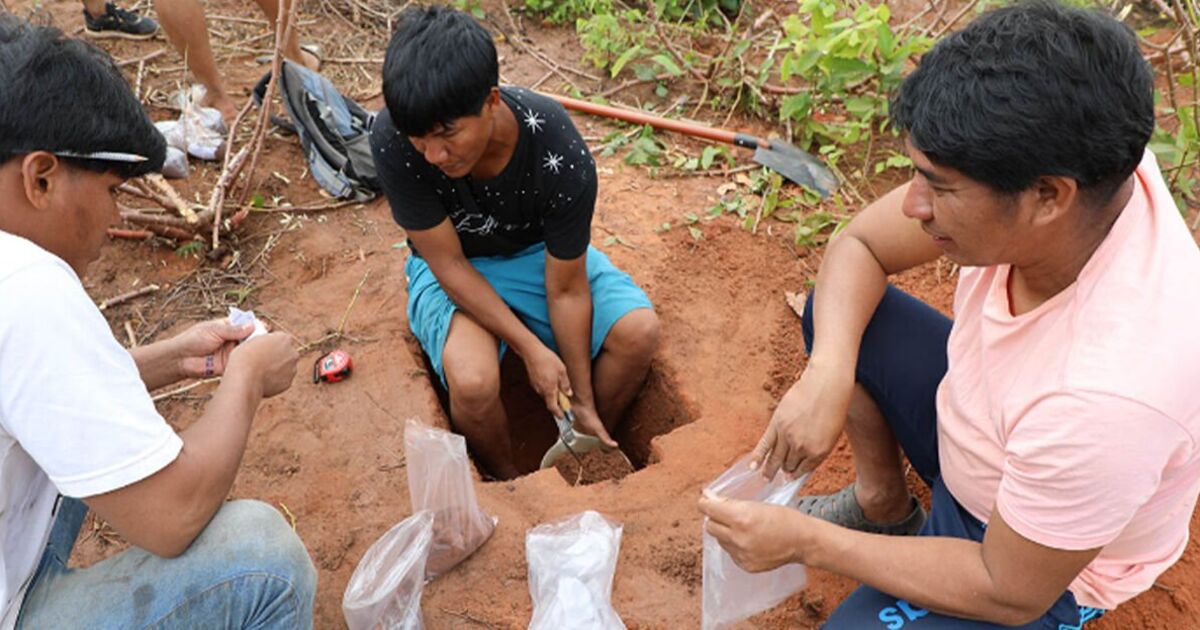
Ancient Amazonians are believed to have intentionally created extremely fertile soil known as terra preta, or 'Amazonian dark earth', by enriching it with food scraps, charcoal, and waste over hundreds to thousands of years. This discovery could change our understanding of the region's history and the potential of organic matter vital to human well-being. The unintentional carbon sequestration in this soil has scientists excited about its potential to mitigate the negative effects of climate change, and the study suggests that modern sustainable agriculture and climate change mitigation efforts could draw on traditional methods practiced by Indigenous Amazonians.

"Farmland's Rock Solid Solution: Harnessing Rocks to Combat Global Warming"

Originally Published 2 years ago — by SciTechDaily

Featured image for "Farmland's Rock Solid Solution: Harnessing Rocks to Combat Global Warming"
Source: SciTechDaily

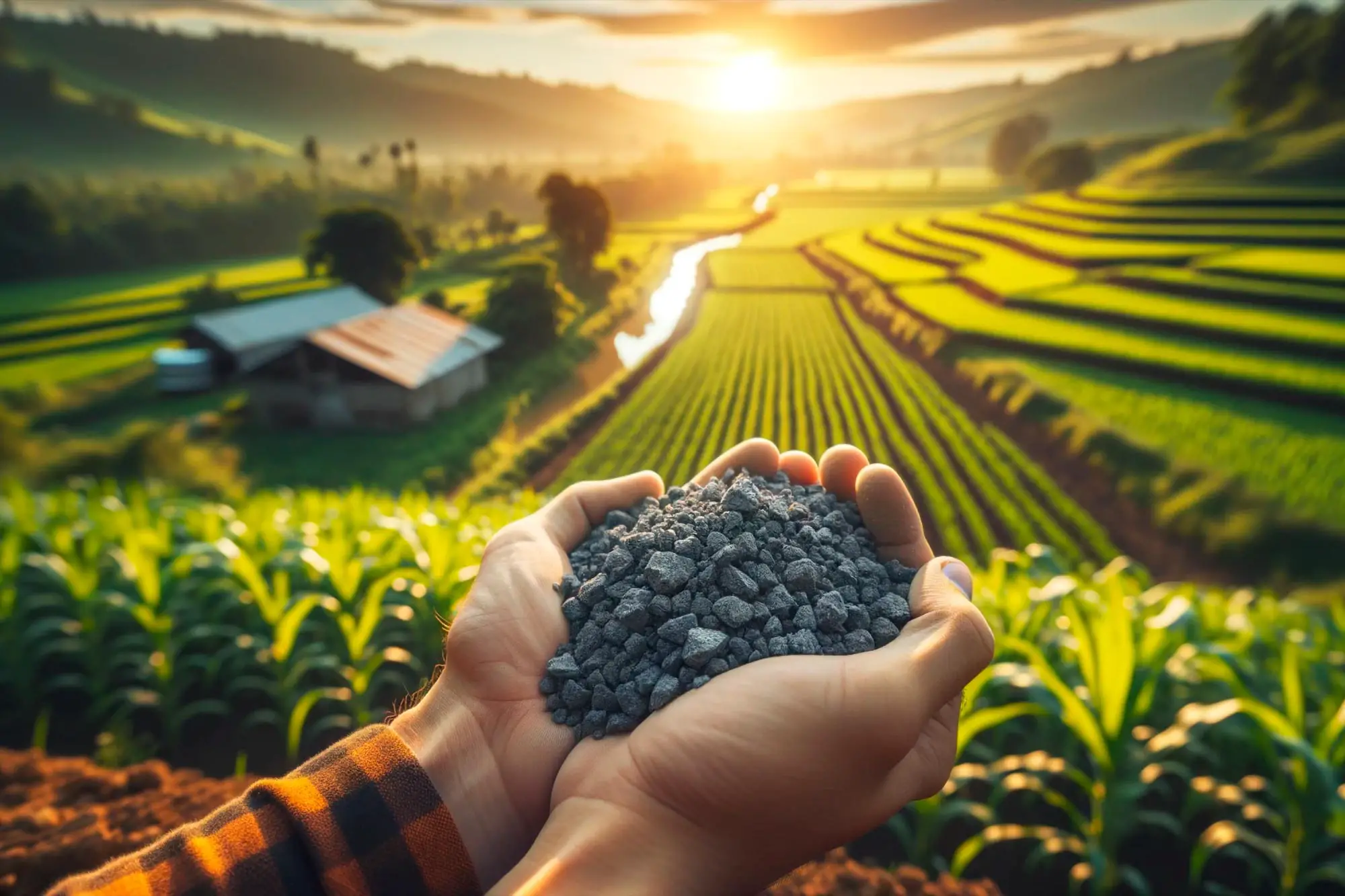
Scientists from UC Davis and Cornell University have conducted a field study demonstrating that applying crushed volcanic rock to croplands can store carbon in soil, even in dry climates like California. This "enhanced rock weathering" technique could potentially capture up to 215 billion tons of CO2 over 75 years if implemented globally. The study found that the addition of crushed rock stored carbon dioxide in the soil, even during an extreme drought. This research suggests that drylands, which cover a significant portion of Earth's land surface and are expanding due to climate change, could play a crucial role in carbon storage efforts.

The Circle of Life: Your Necrobiome's Role in Recycling

Originally Published 2 years ago — by Atlas Obscura

Featured image for The Circle of Life: Your Necrobiome's Role in Recycling
Source: Atlas Obscura

Trillions of microorganisms, known as the necrobiome, live in and around our bodies and continue to thrive after we die. These symbiotic bacteria play a crucial role in decomposing our bodies, recycling nutrients, and supporting new life. When our bodies break down, the cellular breakdown products become food for these bacteria, especially gut bacteria like Clostridia. As our bodies decompose, our microbes are flushed into the soil, where they encounter a diverse microbial community. Research suggests that our host-associated microbes are not only alive in the soil but also cooperate with native soil microbes to enhance decomposition rates and nitrogen cycling. This microbial recycling process is essential for fueling biodiversity and supporting ecosystems.

The Eternal Legacy of Your Necrobiome: How Your Microbes Sustain Life Beyond Death

Originally Published 2 years ago — by ScienceAlert

Featured image for The Eternal Legacy of Your Necrobiome: How Your Microbes Sustain Life Beyond Death
Source: ScienceAlert

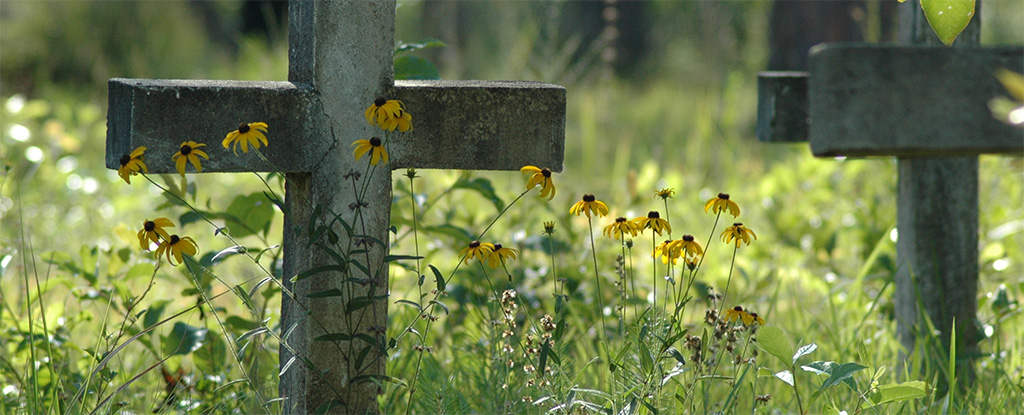
Trillions of microorganisms that reside in the human body continue to live on and play a crucial role in recycling the body after death. These symbiotic bacteria, especially Clostridia, feed on the breakdown products of cells during decomposition and aid in the process of putrefaction. When the body is buried, these microbes are flushed into the soil, where they encounter a diverse microbial community. Recent research suggests that these host-associated microbes are not only alive in the soil but also cooperate with native soil microbes to enhance decomposition rates and nitrogen cycling. This microbial activity contributes to the recycling of nutrients from dead bodies, supporting new life in ecosystems.

Uncovering the Surprising Impact of Arctic Soil Methane Consumption in Dry Climates

Originally Published 2 years ago — by Phys.org

Featured image for Uncovering the Surprising Impact of Arctic Soil Methane Consumption in Dry Climates
Source: Phys.org

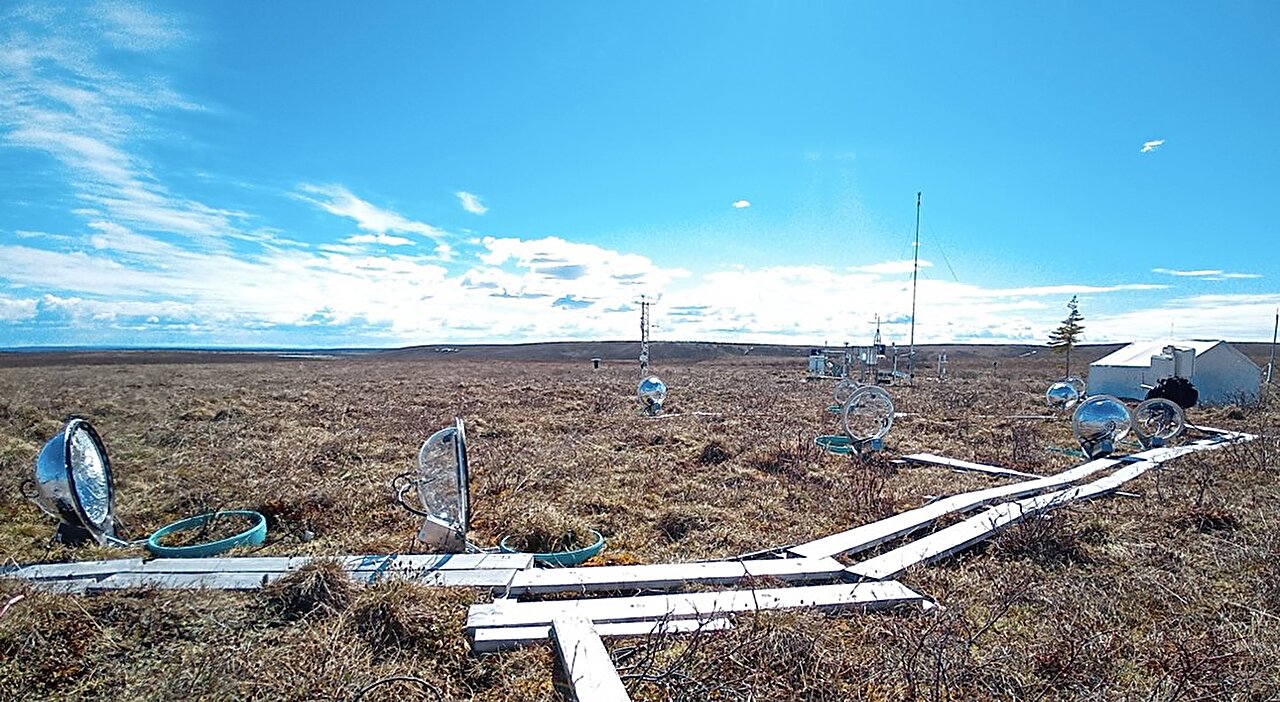
A study led by researchers from the University of Eastern Finland and the University of Montreal reveals that Arctic soil methane uptake may be larger than previously thought, with methane uptake increasing under dry conditions and with the availability of labile carbon substrates. The study, conducted at Trail Valley Creek in the Western Canadian Arctic, used high-resolution measurements to uncover diel and seasonal dynamics in methane uptake. The findings have implications for estimating the current Arctic methane budget and predicting the future response of Arctic soil methane uptake to a changing climate, particularly in relation to large-scale drying.

"Microplastics in Soil: A Potential Pathway for Drug-Resistant Superbugs in Food"

Originally Published 2 years ago — by Phys.org

Featured image for "Microplastics in Soil: A Potential Pathway for Drug-Resistant Superbugs in Food"
Source: Phys.org

Microplastics and nanoplastics, which are widely dispersed in agricultural soils, could contribute to the development of antibiotic-resistant bacteria in the food supply. These plastics act as vectors for transmitting pathogenic and antimicrobial-resistant bacteria into the food chain. Chemical substances and microorganisms stick to plastic, allowing bacteria to activate stress response genes that help them resist antibiotics. Bacteria on microplastics can also transfer genes through horizontal gene transfer, potentially increasing their virulence. While gene transfer in agricultural soil is currently hypothetical, ongoing laboratory studies aim to document this phenomenon. The presence of nanoplastics and antibiotic-resistant bacteria in plant tissues raises concerns about food safety. Researchers emphasize the need to understand the impacts of microplastics in soil and advocate for biodegradable plastic alternatives.

Mysterious Leprosy Case in Florida Linked to Local Soil

Originally Published 2 years ago — by Ars Technica

Featured image for Mysterious Leprosy Case in Florida Linked to Local Soil
Source: Ars Technica

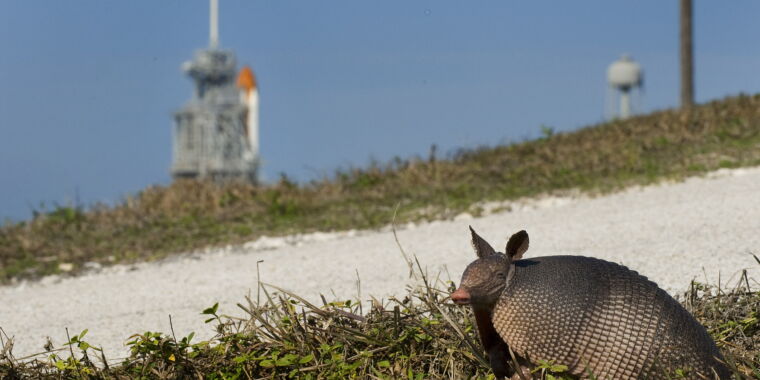
A Florida man's unexplained case of leprosy has raised concerns that the rare bacterial infection may be endemic to central Florida and transmitted through the environment, possibly in the soil. The man, who had no established risk factors, spent a lot of time outdoors as a landscaper. Dermatologists suspect that contaminated soil, potentially seeded with leprosy-causing bacteria from armadillos, could be the source of transmission. The Centers for Disease Control and Prevention (CDC) has not issued a travel advisory for leprosy in Florida, emphasizing that the disease is rare, not highly contagious, and can be effectively treated with antibiotics.

Fungi's 'necromass' absorbs one-third of carbon emissions.

Originally Published 2 years ago — by Phys.org

Featured image for Fungi's 'necromass' absorbs one-third of carbon emissions.
Source: Phys.org

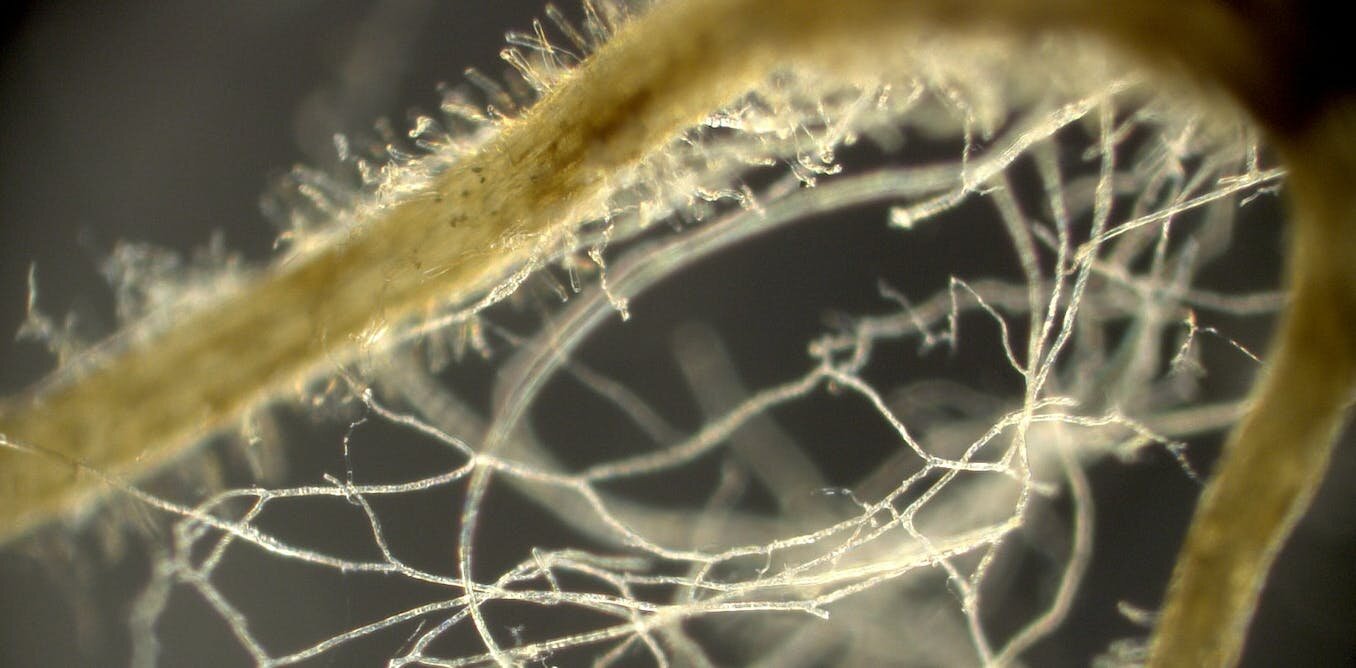
Mycorrhizal fungi, which live in partnership with plants, take up the equivalent of more than a third (36%) of the world's annual carbon emissions from fossil fuels—every year. These fungi transport essential nutrients and water to plants, and can even boost their resistance to pests and disease. By analysing almost 200 datasets, the researchers estimate the world's plants are transferring a staggering 3.58 billion tonnes of carbon per year to this underground network. Protecting these hidden fungal networks is crucial to safeguarding our plants' resilience and playing a key role in the carbon cycle.

"Expert Tips for Growing Blueberries at Home"

Originally Published 2 years ago — by Yahoo Life

Featured image for "Expert Tips for Growing Blueberries at Home"
Source: Yahoo Life

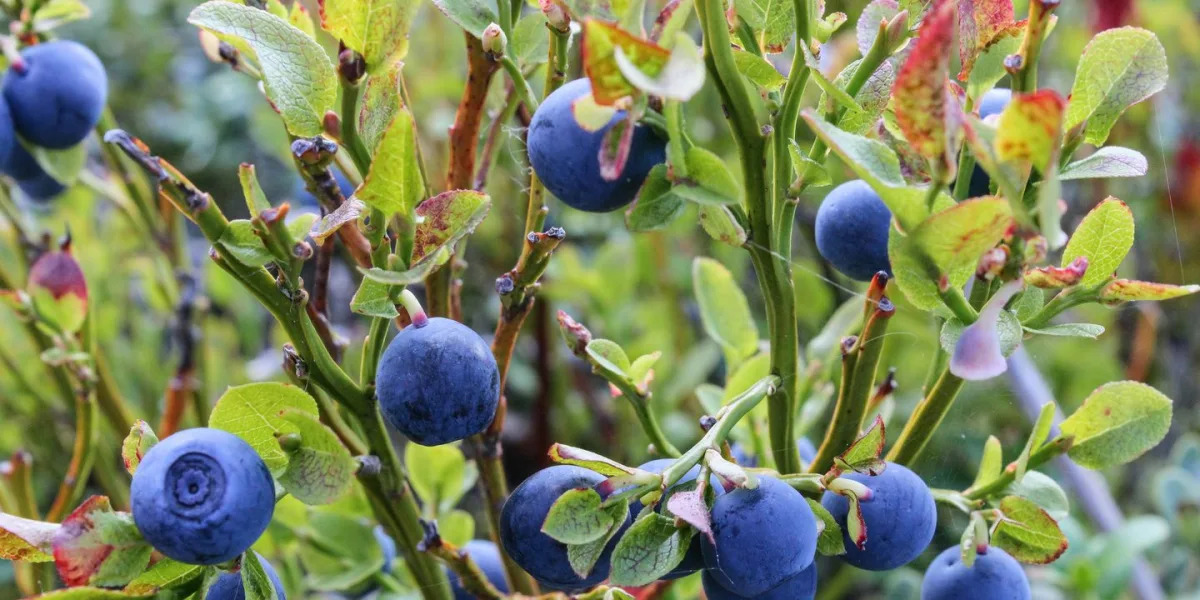
Growing blueberries in your yard requires acidic soil with a pH level of around 4 to 5. Blueberries need a certain number of chill hours, so it's important to buy the right kind for your climate. Plant them in full sun, space them 3 to 4 feet apart, and water them during dry spells. Fertilize them after a month in the ground and pick off buds the first two years to allow for more foliage and deeper roots. Prune blueberries annually to keep them healthy and producing.

Optimal Gardenia Planting Location in Your Garden.

Originally Published 2 years ago — by House Digest

Featured image for Optimal Gardenia Planting Location in Your Garden.
Source: House Digest

To ensure optimal growth of gardenias, it is crucial to choose the right spot in your garden. Gardenias prefer a humid climate, ample sunlight, slightly acidic, well-draining soil, and protection from frost. Proper planting techniques and consistent care, including watering deeply and consistently, applying a balanced, acidic fertilizer, and mulching, are essential for their long-term success.

Reviving the Amazon with Ancient Dark Earth.

Originally Published 2 years ago — by ScienceAlert

Featured image for Reviving the Amazon with Ancient Dark Earth.
Source: ScienceAlert

Researchers have found that the ancient Amazonian dark earth (ADE) soil, created by the Amerindians 2,000 to 2,500 years ago, can greatly improve an ecosystem's transition from pasture to rainforest. The soil is rich in minerals and microorganisms that are beneficial to plant health and growth. The study suggests that ADE could be used to speed up ecological restoration projects in the Amazon, which is on the brink of a catastrophic collapse. The findings could help recover the lost habitat and biodiversity in the region, even in a warming world.