Tag

Microbial Ecology

All articles tagged with #microbial ecology

science3 months ago

Revealing the Human Gut's Hidden Viral World and Its Impact on Health

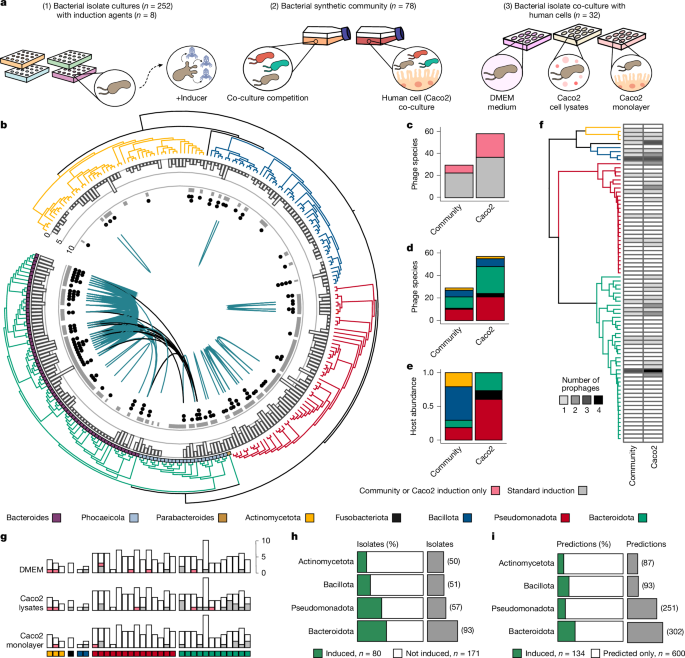
The study investigates temperate phages in the human gut microbiota, revealing that while most bacteria harbor prophages, only a fraction can be induced to enter lytic cycles, with human cellular products acting as novel triggers. It highlights the diversity, taxonomy, and induction mechanisms of gut phages, emphasizing their complex interactions with host bacteria and potential influence on gut ecology.

science1 year ago

"Uncovering the Survival Secrets of Desert Soil Microbes"

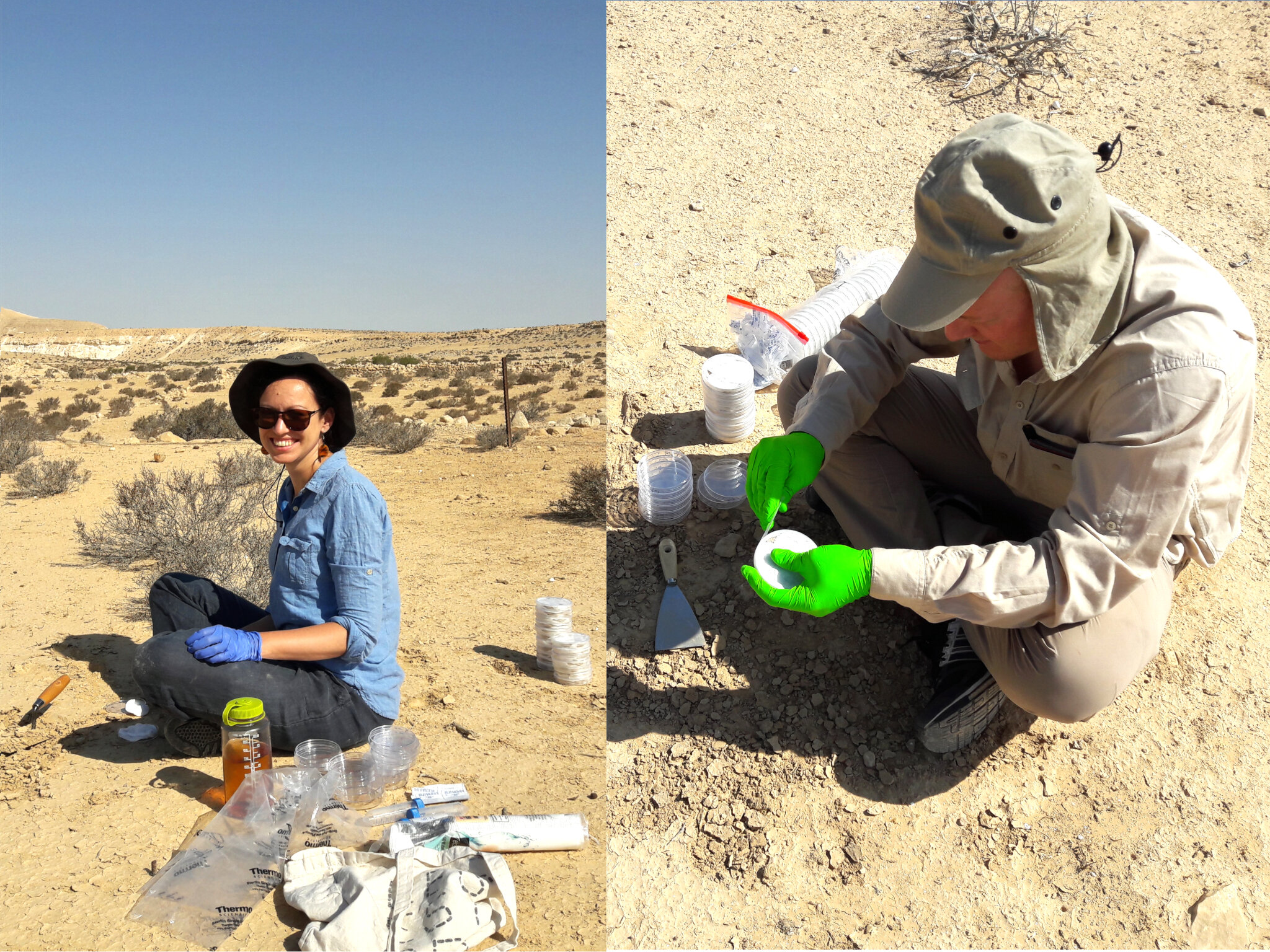
A study led by microbiologist Dagmar Woebken from the University of Vienna has revealed that desert soil bacteria have a unique "all-in" reactivation strategy to survive harsh desert conditions. These bacteria endure long drought periods in a state of dormancy, but are rapidly reactivated in response to rare rainfall events, allowing them to quickly generate energy and repair their genomes. The findings have implications for understanding how soil microorganisms can survive water limitation in various regions, especially as the frequency and intensity of droughts increase due to climate change.

science1 year ago

"Conserved Microbial Network Unveils Clues for Forensic Science"

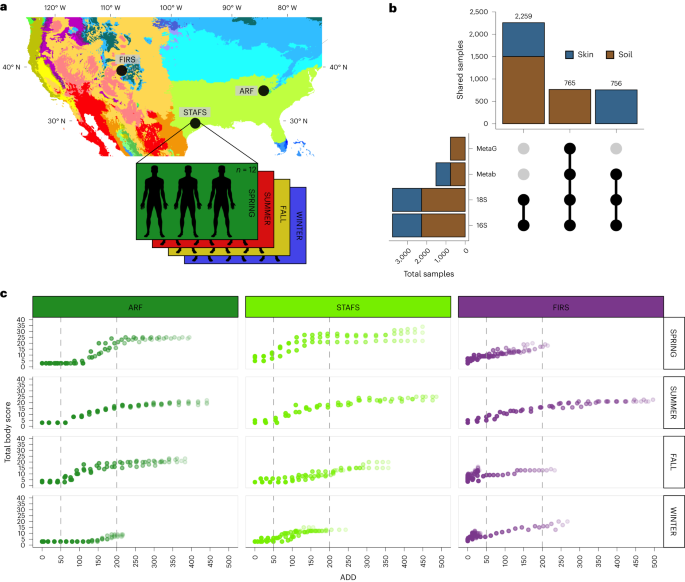
Researchers have discovered a universal network of microbes that respond to cadaver decomposition, despite variations in climate, location, and season. The study used multi-omic data to reveal that a conserved interdomain soil microbial decomposer network assembles in response to mammalian remains, with evidence of increased metabolic efficiencies to process lipid- and protein-rich compounds. Key members of the microbial decomposer network are associated with various mammalian carrion, suggesting that they are not human-specific. The findings have implications for forensic science, agriculture, sustainability, and the human death care industry.

science2 years ago

"Simplifying Microbial Community Building: The Quest for Simple Rules"

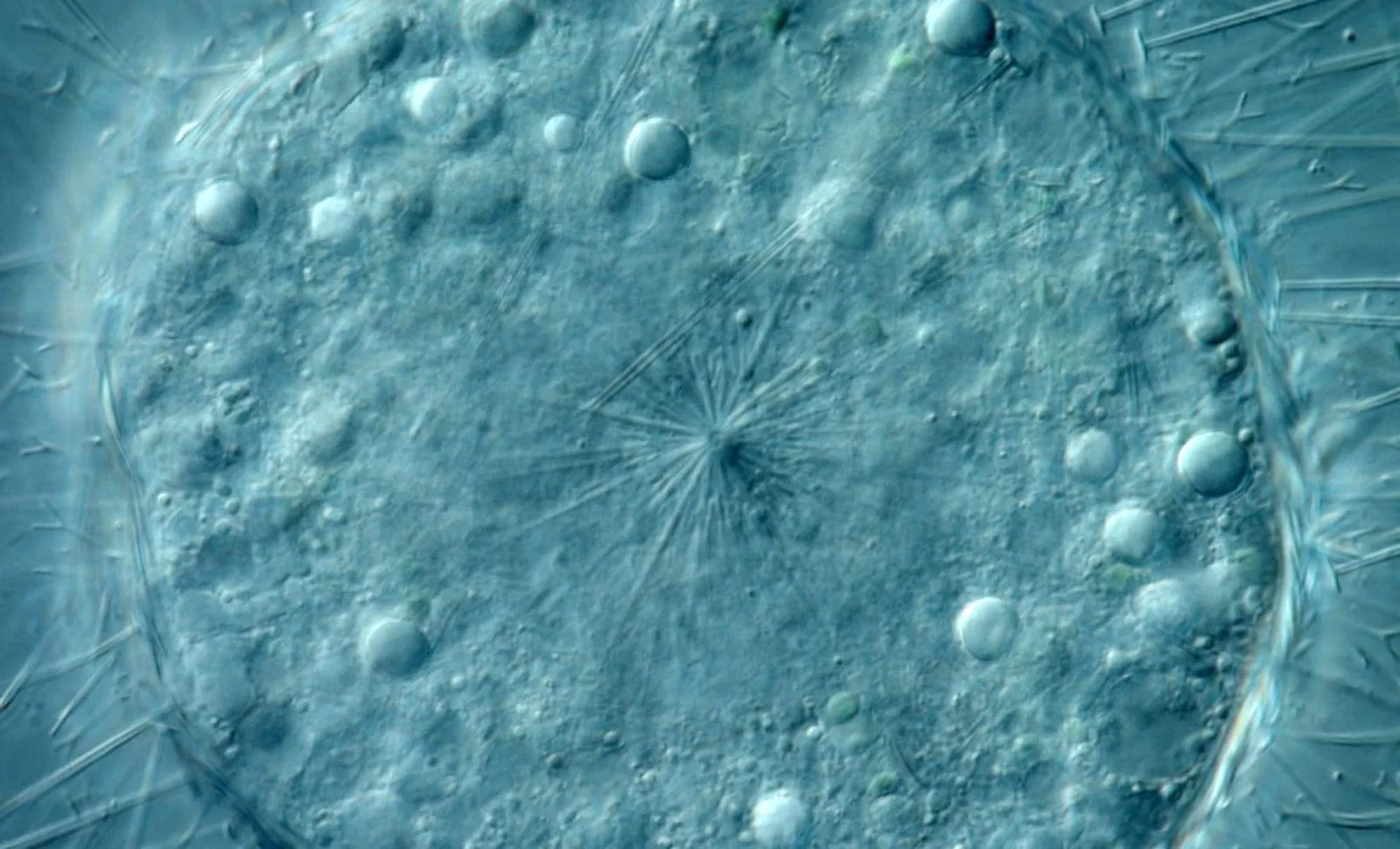
Microbiologists are seeking a universal theory for how bacteria form communities based on their roles rather than species. By using genome sequencing techniques, researchers aim to uncover universal rules governing bacterial communities, focusing on the functions of organisms rather than their taxonomy. Recent research has shown that microbial functions can be predicted without species information, and the molecular makeup of a microbe's genome can predict its food preferences. This new approach could lead to practical predictions about microbial communities, potentially aiding in environmental management and medical treatments.