Tag

Carbon Cycle

All articles tagged with #carbon cycle

science1 month ago

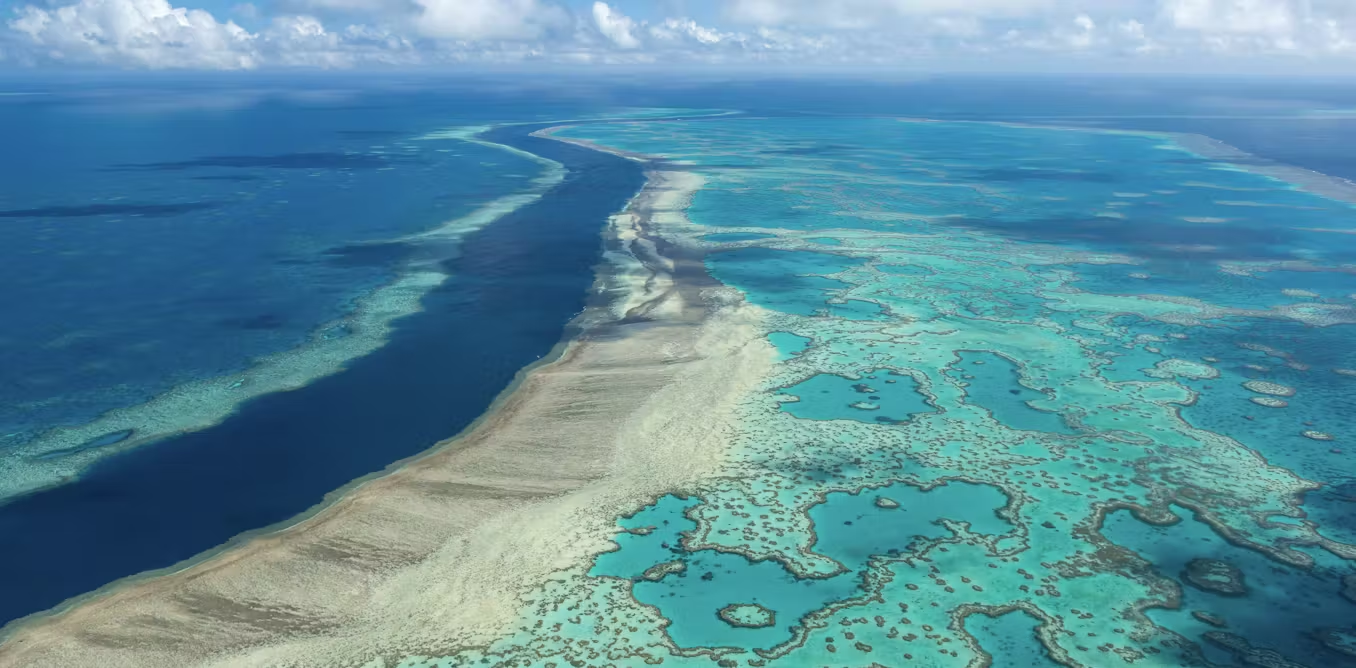
Coral Reefs: Key Players in Earth's Climate and Carbon Cycle for 250 Million Years

Coral reefs have played a crucial role in regulating Earth's climate for over 250 million years by influencing ocean alkalinity and carbon absorption, with their rise and fall affecting climate recovery times and marine evolution; current reef decline due to human activity may impact this natural climate regulation, but recovery would take thousands to hundreds of thousands of years.

science2 months ago

Potential Climate Feedbacks That Could Trigger a New Ice Age

A new study uncovers a feedback mechanism in Earth's carbon cycle that could cause global warming to overshoot and trigger an ice age, suggesting Earth's climate system can overreact and potentially plunge the planet into deep freeze, especially under past conditions of low atmospheric oxygen. However, current higher oxygen levels may dampen this effect, but the risk remains if warming continues. The findings highlight the importance of limiting ongoing climate change.

science2 months ago

Arctic Ocean Methane Release Accelerated Global Warming

Scientists have discovered that the Arctic Ocean was a major source of greenhouse gases during a past rapid warming event 56 million years ago, involving a switch from methane-consuming microbes that produce bicarbonate to those that produce CO2, potentially contributing to ocean acidification and warming. This historical methane cycle shift could recur today as Arctic warming and oxygen levels change, possibly accelerating climate change.

science2 months ago

Arctic Ocean Methane Release Accelerated Global Warming

Researchers have found that during the Paleocene-Eocene Thermal Maximum 56 million years ago, a switch in methane-consuming microbes in the Arctic Ocean led to increased methane release, which contributed to rapid global warming. This historical event provides insights into how similar microbial shifts today could accelerate climate change as Arctic conditions warm and oxygen levels decrease.

science3 months ago

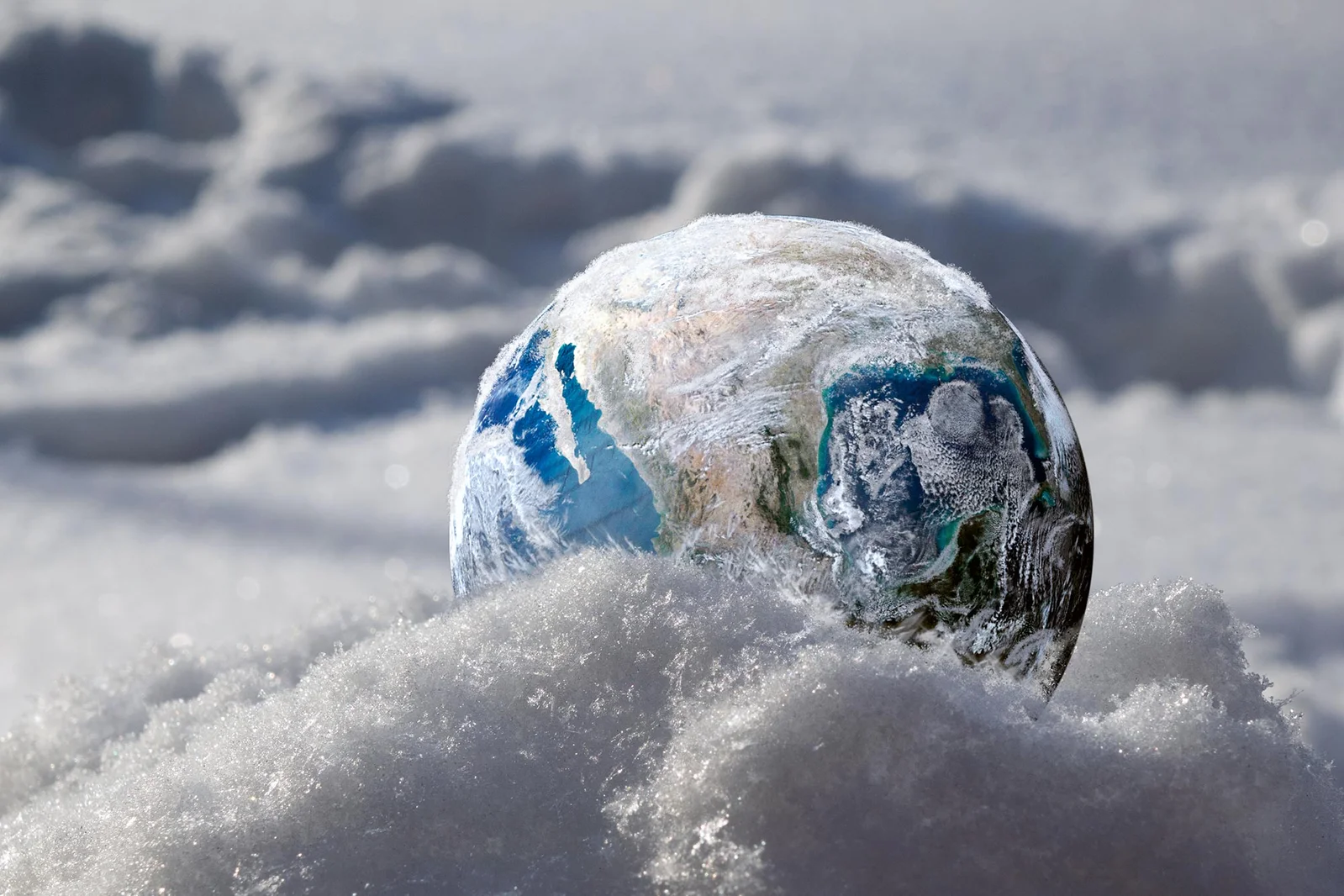
Earth's Carbon Cycle May Trigger an Ice Age Amid Global Warming

New research suggests that Earth's climate regulation involves complex ocean feedback loops that could overcorrect global warming, potentially triggering an ice age in the distant future, although current human-induced warming is unlikely to cause such a rapid cooling. The study highlights the importance of understanding Earth's natural climate mechanisms and emphasizes the need to limit ongoing warming.

environment4 months ago

Are We Heading Toward the Sixth Major Mass Extinction?

The article discusses the potential for human-induced climate change to trigger a sixth major mass extinction, drawing parallels with past catastrophic events like the Permian extinction caused by massive volcanic eruptions and CO2 overloads, emphasizing that the rapid rate of current CO2 emissions could push Earth beyond its capacity to recover, leading to irreversible damage to global biodiversity.

environment5 months ago

Arctic Changes Threaten Global Climate Stability

A study published in Nature Climate Change reveals significant shifts in Antarctic phytoplankton communities over nearly three decades, driven by reduced sea ice and iron availability, leading to a decline in diatoms crucial for carbon sequestration. These changes threaten to disrupt the marine food web and accelerate global climate change by decreasing the ocean's ability to store carbon, highlighting the importance of long-term data collection in understanding climate impacts.

science5 months ago

NASA Satellites Reveal Mysterious Glow Beneath Antarctica

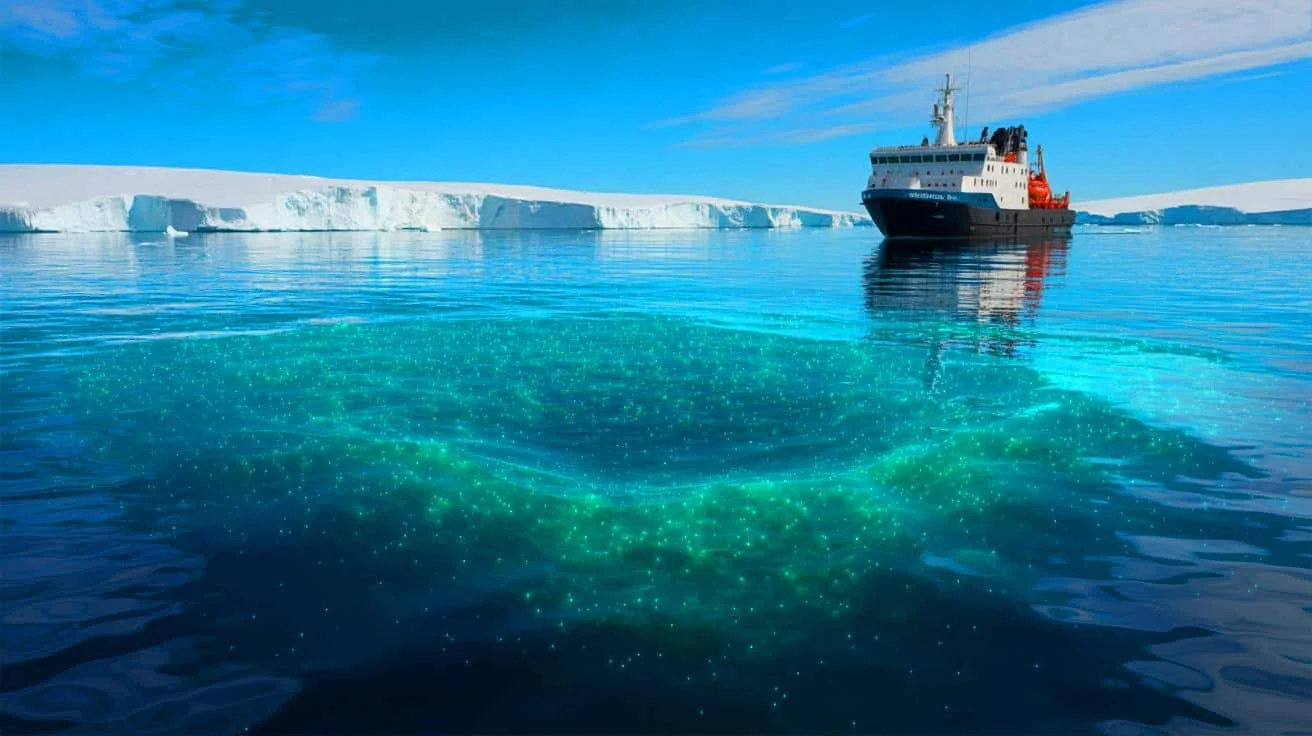
Scientists have identified that the bright, glowing patches of water near Antarctica are caused by blooms of silica-rich diatoms and calcium carbonate–bearing coccolithophores, which play a crucial role in the ocean's carbon cycle and climate regulation. This discovery, made through combined satellite and field research, enhances understanding of polar ecosystems and improves climate models, revealing a more complex and resilient ecosystem than previously thought.