A Black- and women-owned plant nursery in Southeast Portland, Birds & Bees Nursery, is closing after 14 years due to financial difficulties exacerbated by recent challenging years, with owners seeking community support to sell remaining inventory and settle debts.
The Farmers' Almanac, a 208-year-old publication known for long-range weather predictions and gardening tips, will cease publication after its 2026 edition due to financial challenges, marking the end of an era for its readers.
The Old Farmer’s Almanac, a historic publication since 1792, will continue its annual print edition and expand its digital offerings in 2026, maintaining its reputation for reliable weather forecasts and seasonal wisdom, despite rumors of ceasing publication.
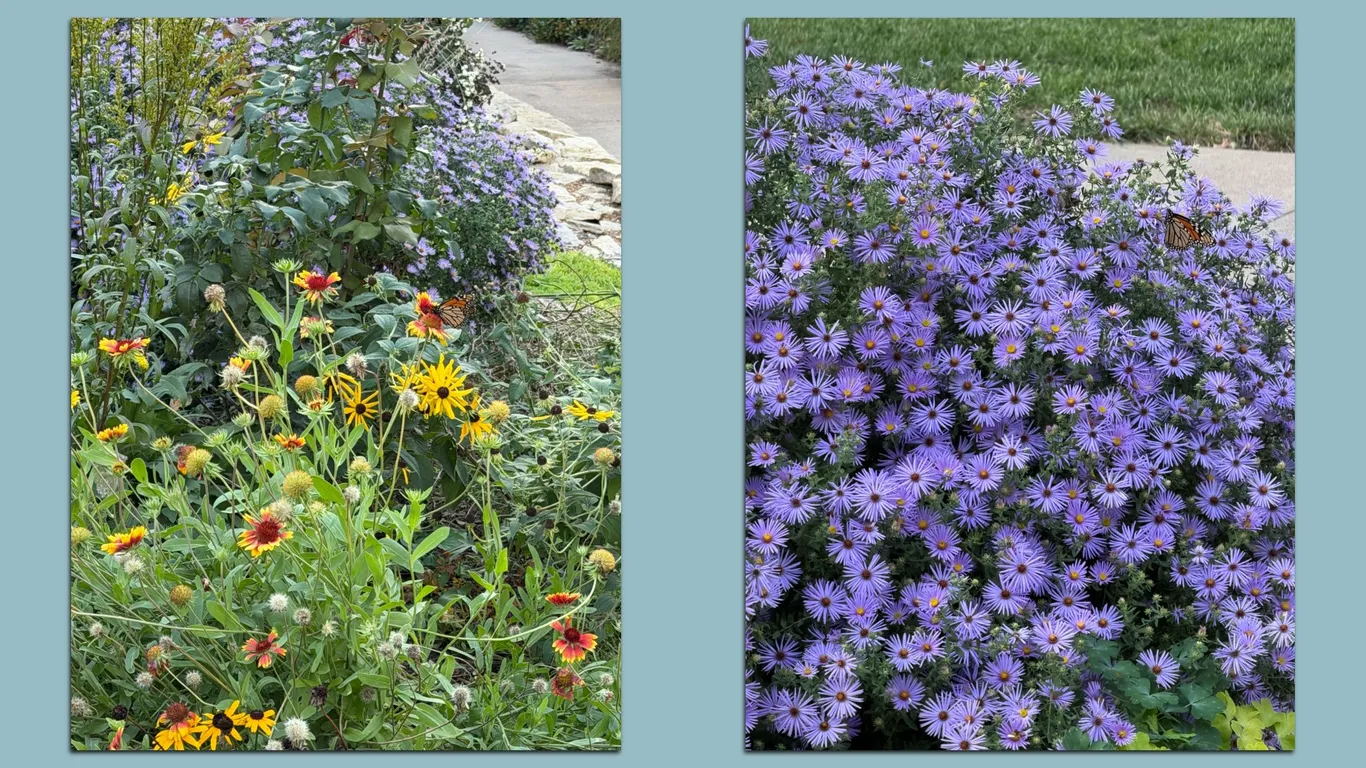
The author describes transforming a sad lawn into a thriving native plant garden over three years, leading to increased butterfly activity and a deeper connection with neighbors, illustrating the rewarding process of gardening and ecological restoration.
The article offers advice for gardening enthusiasts who prefer to work in peace without engaging in conversations with neighbors, suggesting strategies like wearing earbuds or politely indicating they are busy to maintain their privacy and focus.
A gardener who prefers solitude while working seeks advice on how to politely discourage neighbors from engaging in conversations about his landscaping, with suggestions including using earphones or politely explaining he's focused.
A neighborhood gardener prefers to work in peace without engaging in conversations with passersby about his landscaping projects, despite receiving compliments, as he values his privacy and focus while working on his property.
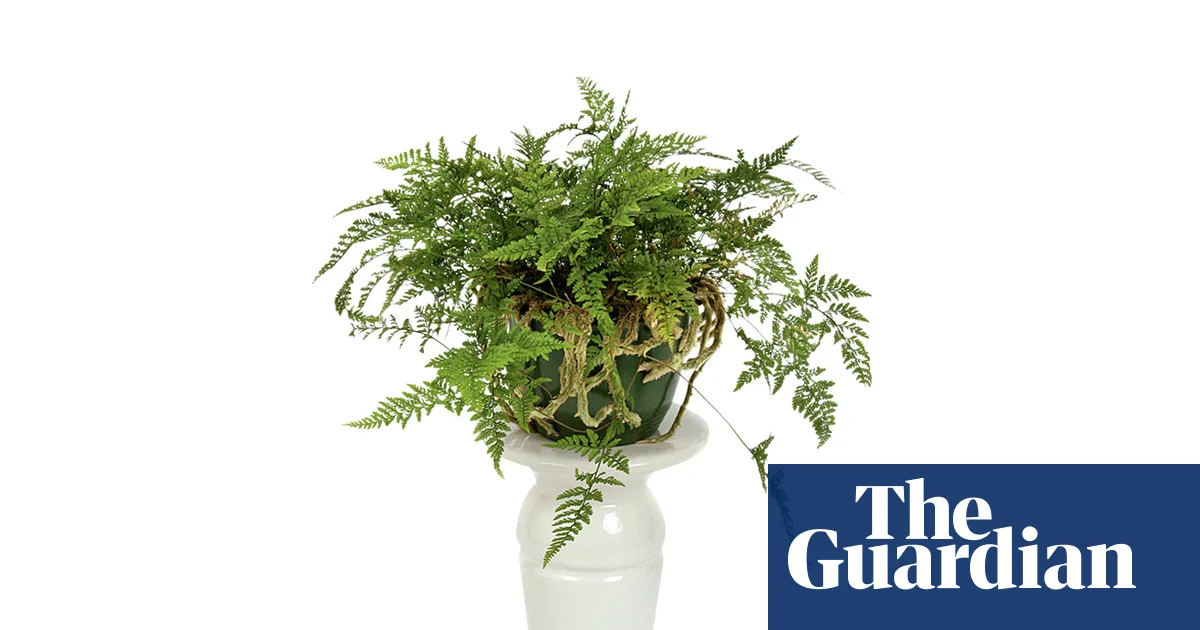
The brown lumps on the rabbit’s foot fern are likely scale insects, which can be treated with neem oil or insecticidal soap, and prevention involves quarantine, regular inspection, and maintaining good airflow.
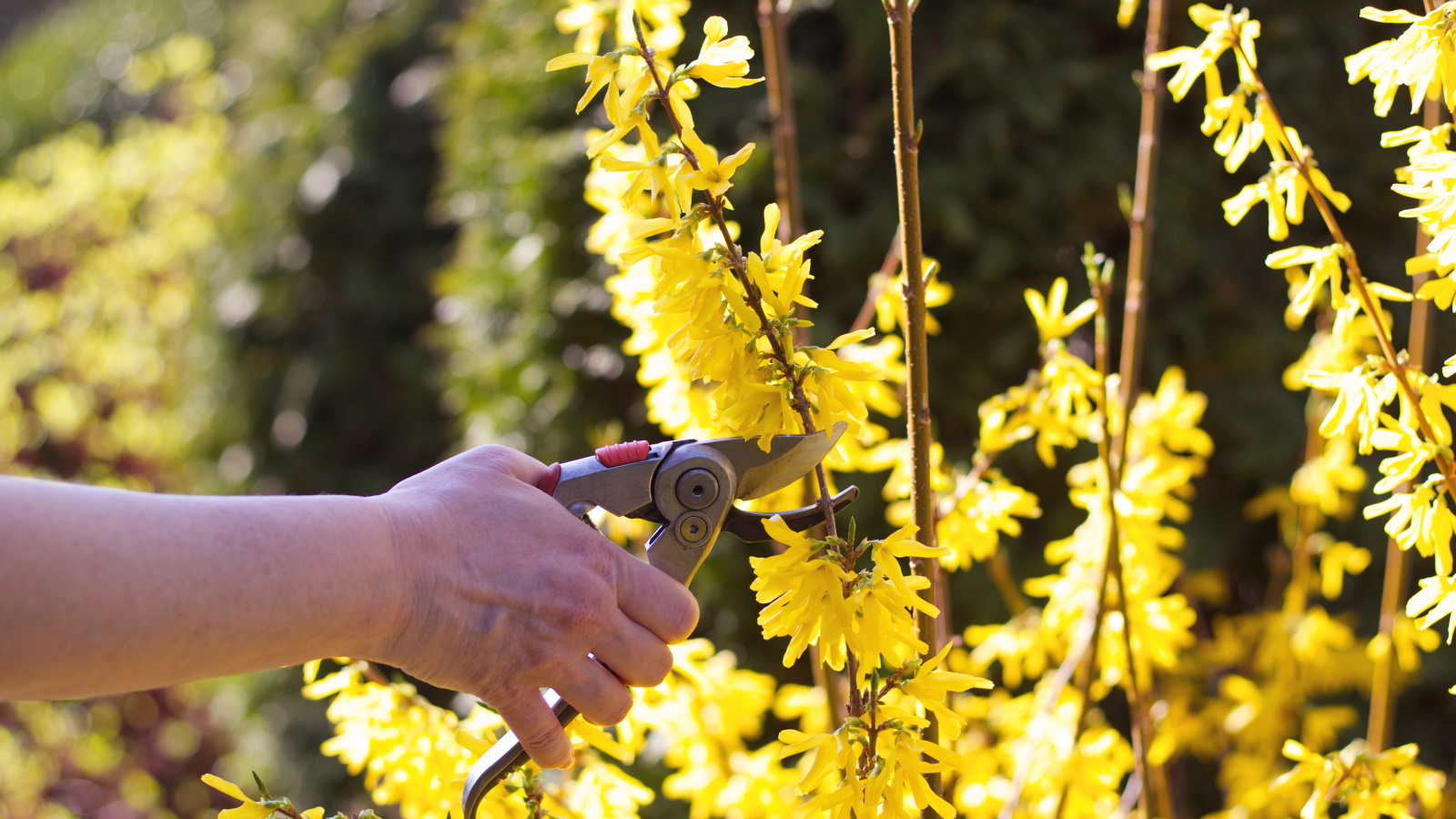
The article provides a step-by-step guide on how to take semi-ripe forsythia cuttings in August, emphasizing the best time, tools, and techniques for successful propagation to grow more shrubs for free, highlighting that summer is an ideal period for this gardening activity.
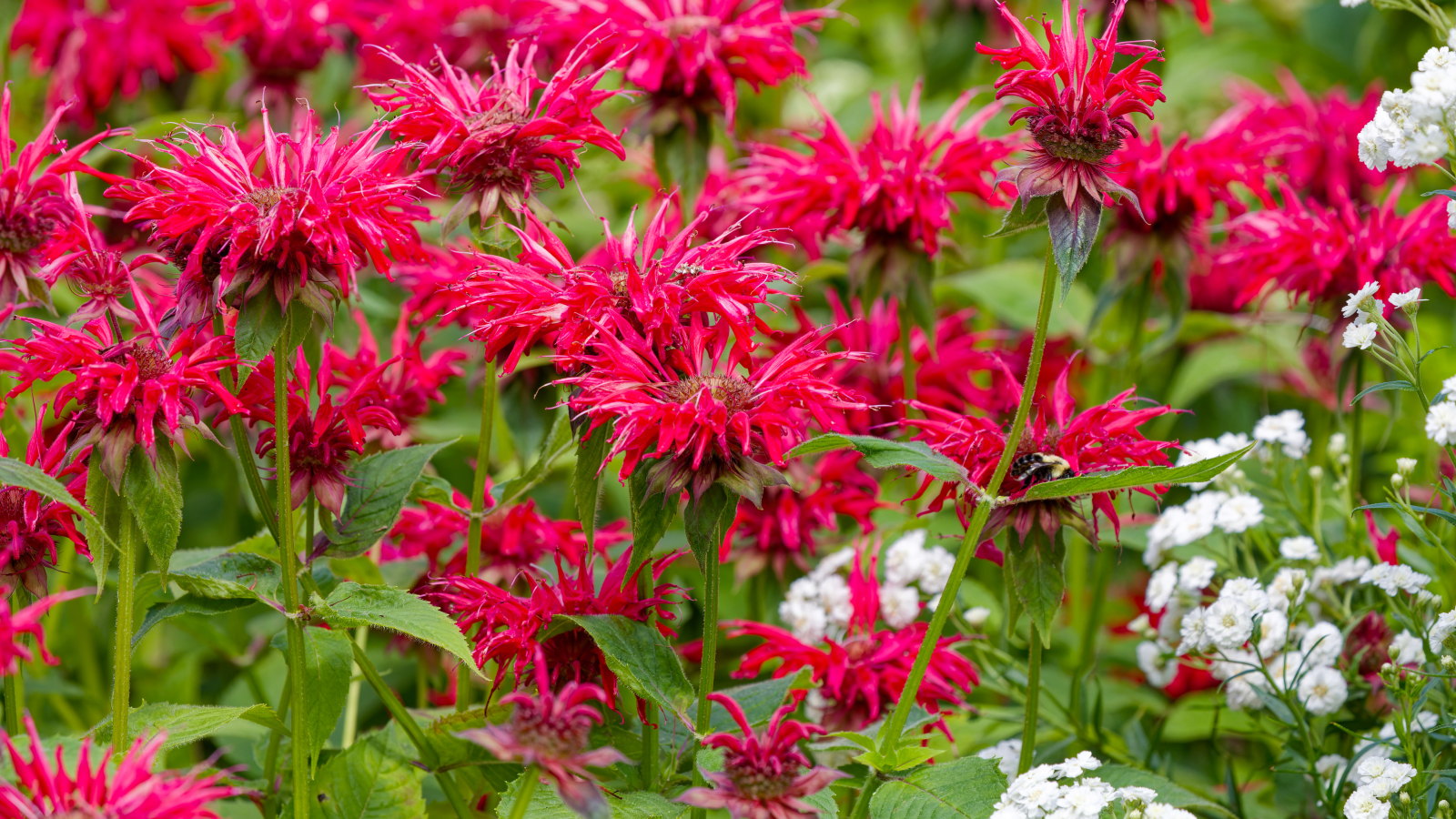
The article discusses the best times to cut back bee balm, highlighting benefits of pruning in spring for bushier growth and more blooms, or in fall to tidy the garden and prevent disease, especially powdery mildew. It emphasizes personal preference, disease management, and the importance of deadheading and proper pruning techniques to promote healthy, vibrant plants and support pollinators.
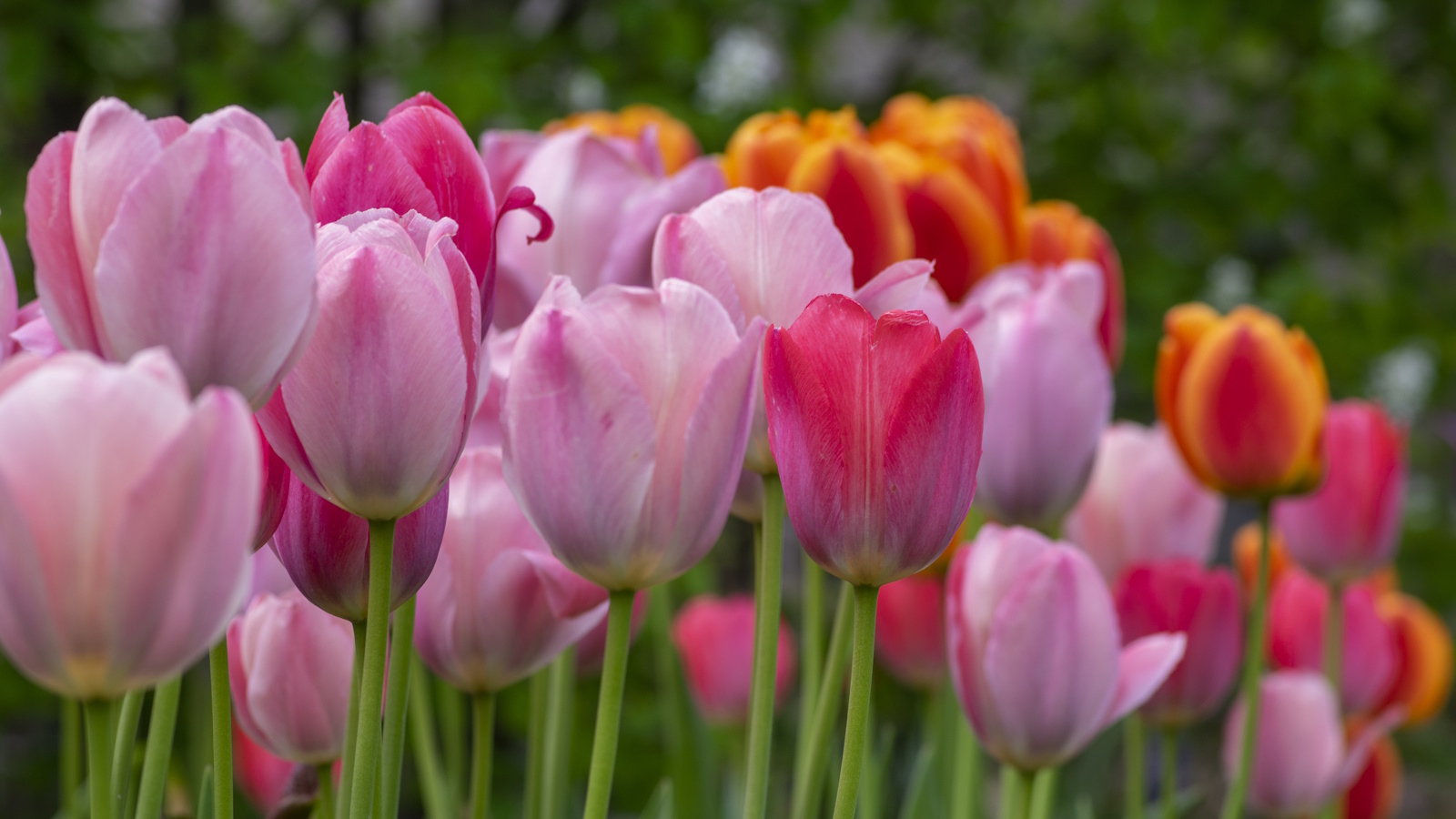
The article emphasizes the importance of ordering spring bulbs like tulips, daffodils, and hyacinths in August to ensure availability of popular varieties, and provides tips on storing bulbs properly. It also highlights seven must-have bulbs for a vibrant spring garden, including 'Purple Sensation' hyacinths, 'Pheasant’s Eye' daffodils, 'Orange Emperor' tulips, and others, encouraging gardeners to be bold with colors and varieties while acting early to avoid disappointment.
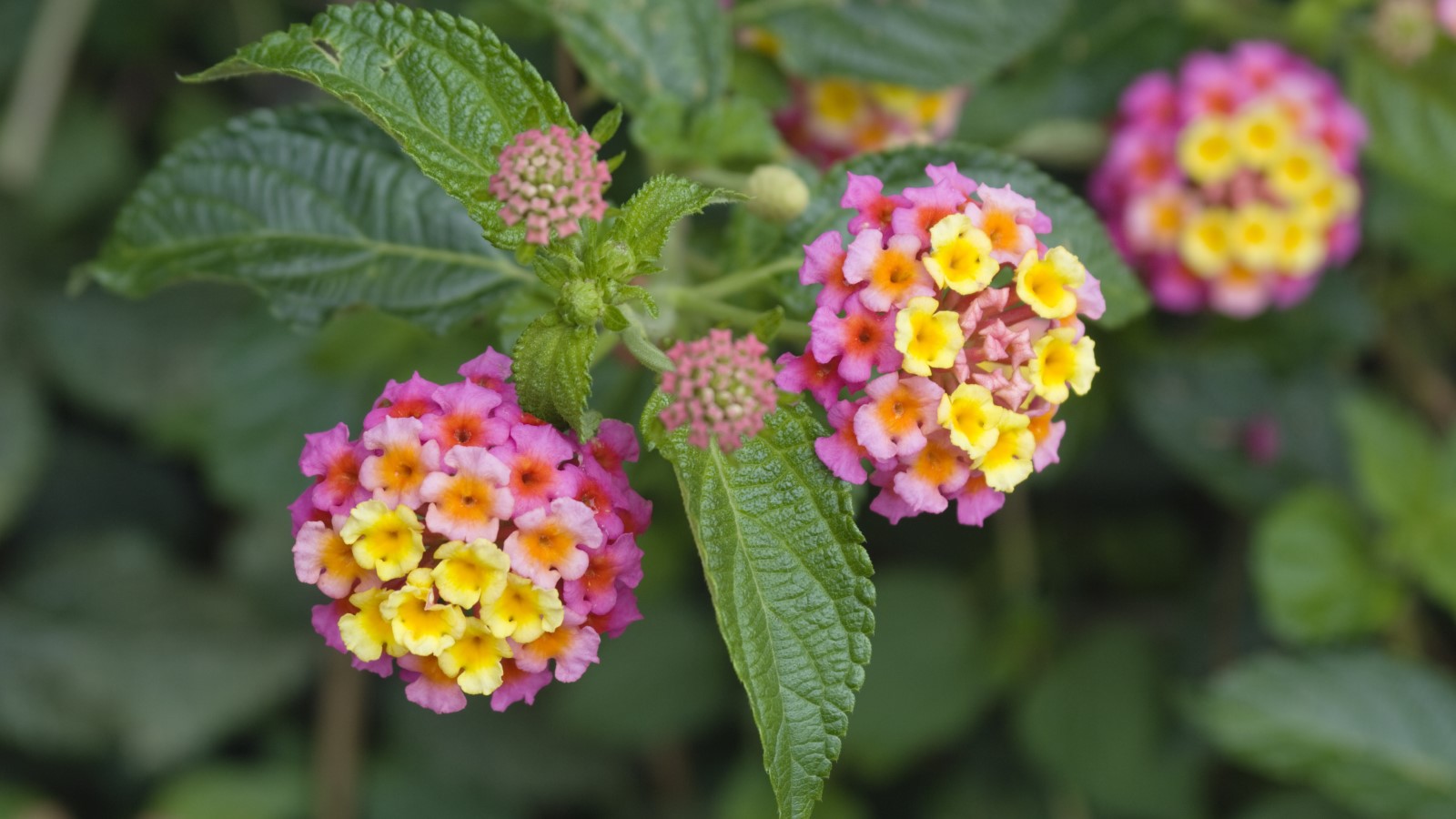
August is an ideal time to take semi-ripe cuttings of popular shrubs and perennials like rosemary, lantana, potentilla, Ribes, lavender, forsythia, and sage, using proper techniques such as snipping below leaf nodes, stripping lower leaves, and using well-draining soil. Proper care and timing can help gardeners propagate new plants at home, saving money and expanding their garden.
To encourage blooming in a wax plant (Hoya carnosa), allow the soil to dry out completely between waterings, limit fertilization, provide bright indirect sunlight, and introduce mild stress through slight temperature drops or sun-stressing techniques, as these conditions promote flowering.
The article discusses seven plants—marigolds, lavender, geraniums, painted daisies, milkweed, garlic, and peppermint—that can help prevent or control grub infestations in gardens by repelling or attracting pests, promoting soil health, and maintaining ecological balance.
To naturally keep ticks out of your yard, maintain short grass, create barriers like fences or gravel, plant tick-repelling plants such as lavender and garlic, trim tall shrubs regularly, and use organic treatments like eucalyptus oil or diatomaceous earth. These methods can reduce tick populations and help prevent tick-borne diseases.