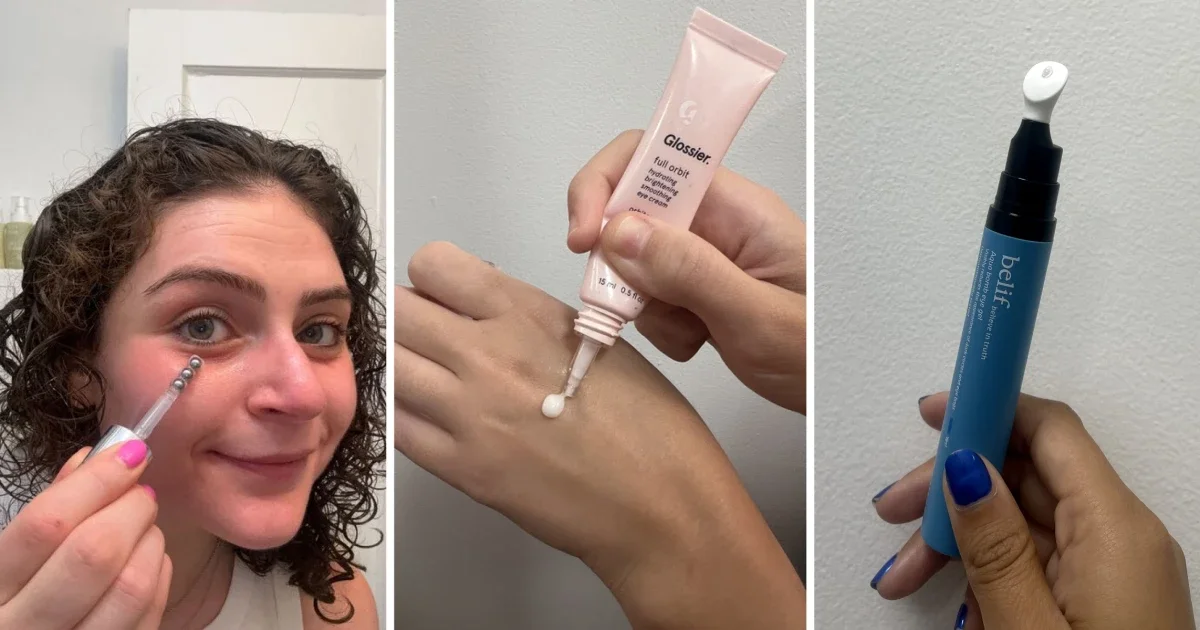
The article reviews the 27 best eye creams of 2026, emphasizing the importance of choosing products based on specific under-eye concerns such as dryness, dark circles, puffiness, and fine lines, with expert advice on ingredients and application tips.

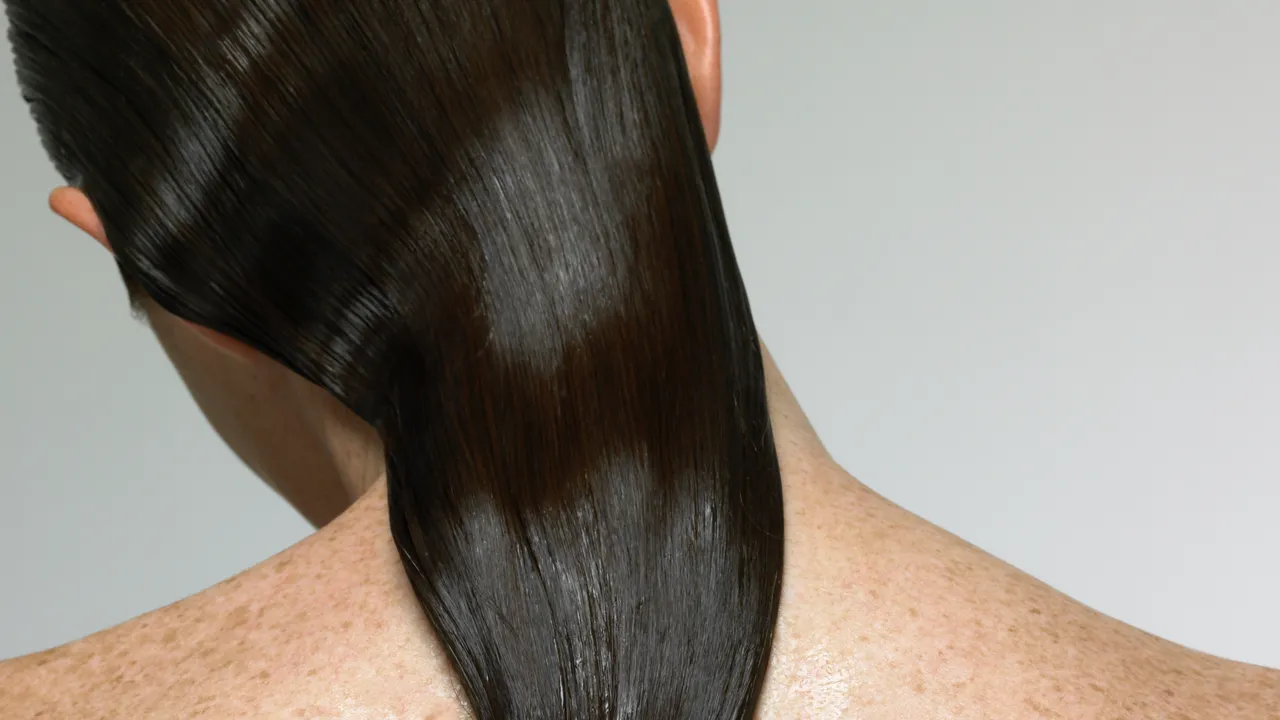
Dermatologists are skeptical about a new scalp trend, raising concerns about its safety and effectiveness, highlighting the importance of consulting professionals before trying new haircare practices.
The article discusses effective hair growth ingredients and treatments recommended by dermatologists, highlighting key components like peptides, minoxidil, rosemary oil, caffeine, biotin, and Redensyl, along with product recommendations and advice on addressing hair loss causes.
The article discusses proven methods to boost collagen production in the skin, as recommended by dermatologists, though specific techniques are not detailed in the provided excerpt.
Dermatologists share their expert tips for protecting skin during a day at the beach, emphasizing thorough sunscreen application, wearing UPF clothing and hats, seeking shade, timing outdoor activities to avoid peak UV hours, and reapplying sunscreen every two hours to prevent skin damage and aging.
Under-eye wrinkles, caused by aging, sun damage, and facial expressions, can be minimized through prevention with SPF, at-home treatments like retinol and caffeine, and professional procedures such as laser resurfacing and fillers. Identifying the type of wrinkle—dynamic, static, or crepey skin—is key to choosing the right approach, with expert advice emphasizing personalized treatment plans.
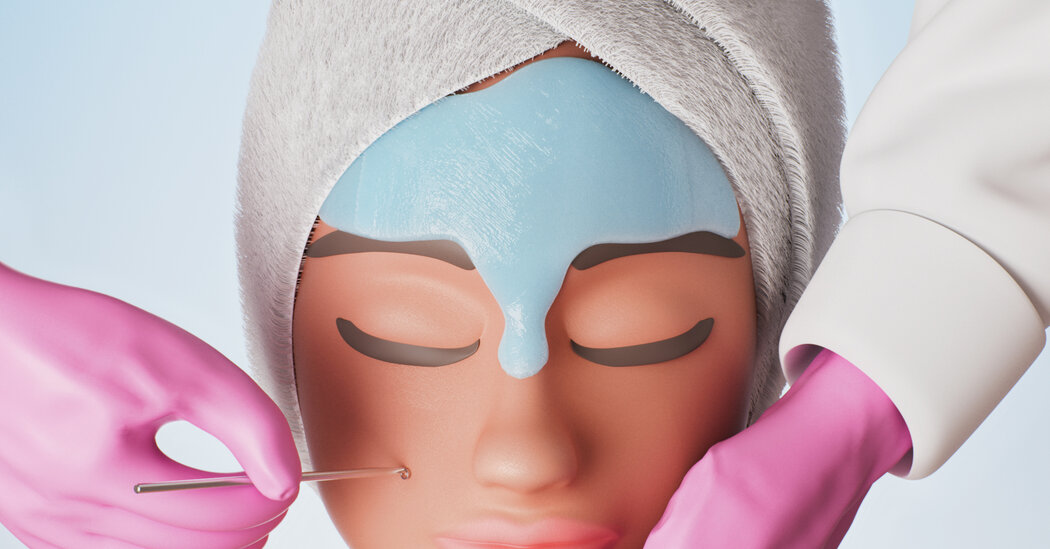
While facials can provide immediate benefits like glowing skin and relaxation, their long-term effectiveness for reducing wrinkles, acne, or improving skin tone is uncertain, and dermatologists suggest that regular treatments may be necessary for lasting results.
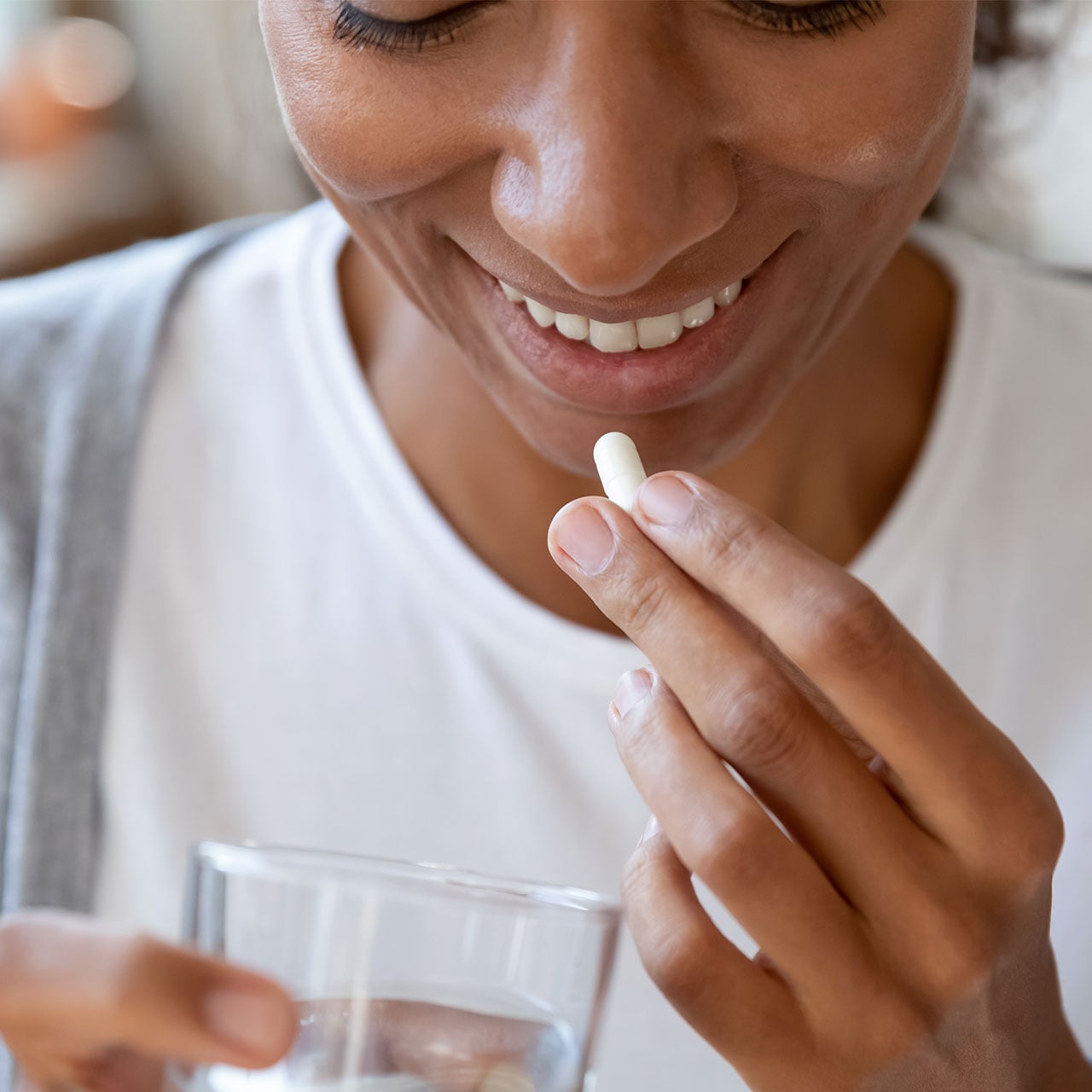
The article reviews top dermatologist-recommended vitamins for hair, skin, and nails, emphasizing the importance of a balanced diet and addressing underlying health issues before supplementing. It highlights specific products like Pure Encapsulations, OMI, Nutrafol, and others, and discusses key ingredients such as biotin, collagen, vitamin C, and zinc, while also cautioning about safety, quality, and the realistic expectations for results.
Experts warn that young people are risking skin cancer by following social media influencers who claim that SPF is harmful and unnecessary. Dermatologists emphasize that sunscreens are safe and effective in protecting against sun damage and skin cancer, debunking the influencers' advice to build up melanin naturally.
Dermatologists are seeing an increase in tweens and young teenagers experiencing rashes and skin irritation from using skincare products popularized on social media. Brands like Drunk Elephant and Glow Recipe, known for their trendy and colorful products, are being purchased by kids ages 7 to 13, leading to red, dry, bumpy, and itchy rashes. Ingredients like retinoids and exfoliating acids, intended for addressing specific skin issues, can be too harsh for young skin without problems. Dermatologists advise parents to keep skincare simple for children without skin issues and to consult a pediatrician or dermatologist if there's any doubt about a product's suitability.
Dermatologists and health professionals recommend collagen supplements to improve skin elasticity and firmness, with suggestions including NeoCell Super Collagen Powder, Nature's Truth Hydrolyzed Ultra Collagen + C Grass Fed Peptides, Vital Proteins Collagen Waters, and Reserveage Collagen Replenish Powder. These supplements, containing various types of collagen and additional beneficial ingredients, aim to promote radiant and supple skin, and can be easily incorporated into daily routines for enhanced skin health.
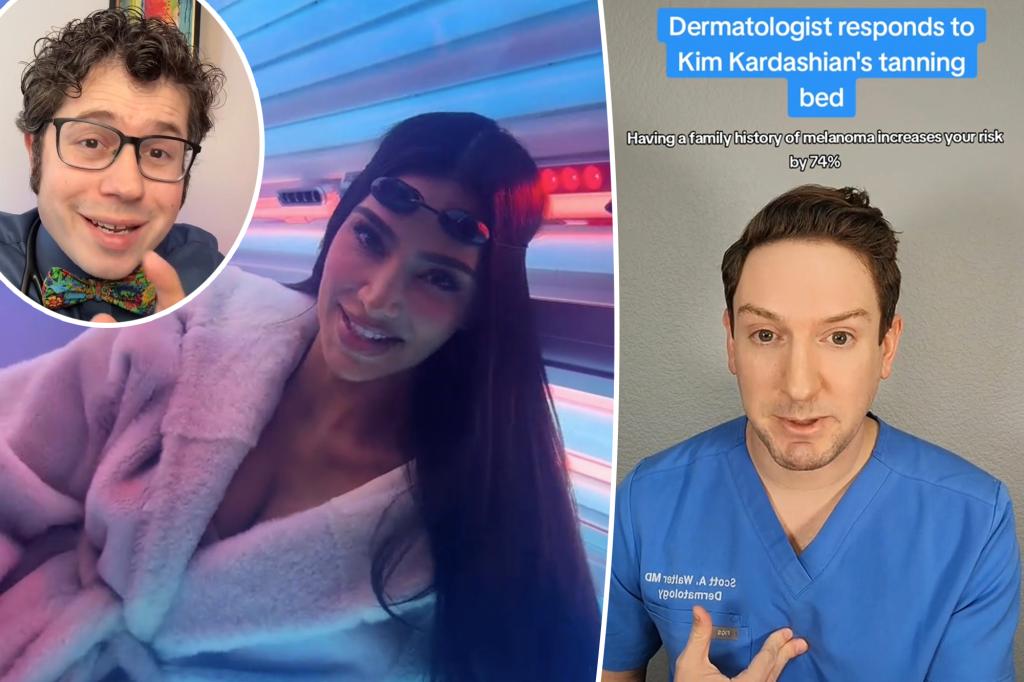
Kim Kardashian is facing criticism from doctors for using tanning beds to treat her psoriasis, with dermatologists calling it "irresponsible" and emphasizing the risks of tanning bed use, including increased risk of melanoma and premature aging. While Kardashian defended her usage by stating that it helps with her psoriasis, doctors argue that there are safer and more effective medical therapies available for treating the condition, such as red light therapy, and that promoting tanning beds for this purpose is not the right approach.
Kim Kardashian's TikTok teaser showing off her in-office tanning bed has sparked controversy among dermatologists, who warn of the risks of tanning bed use and its link to skin cancer. Despite suggestions that the tanning bed might be for treating psoriasis, experts debunk the theory and emphasize the skin damage risks outweigh the minimal benefits. With her sister's history of melanoma, doctors on TikTok have voiced concerns over Kim's increased risk of skin cancer and emphasized that there's no safe reason to use a tanning bed.
Dermatologists suggest that vitamin deficiencies, particularly in iron, zinc, folate, protein, biotin, and vitamin D, may contribute to hair loss, especially in women. Factors such as restrictive diets, age, medications, autoimmune conditions, and extreme stress can also play a role. To address hair loss, it's important to eat a well-balanced diet and consider supplements only after consulting a doctor. Reversing a vitamin deficiency may lead to thicker, healthier hair, but it can take several months to see results.
Dermatologists say that there is no evidence to suggest that "anti-gray" hair supplements effectively prevent or reverse gray hair. Gray hair is a natural part of aging influenced by various factors such as genetics, stress, and health conditions. While supplements may support overall hair health, they cannot stop or reverse gray hair growth. Treating underlying health conditions that contribute to gray hair, such as chronic stress or vitamin deficiencies, may help with re-pigmentation. However, more research is needed to fully understand the causes and effective prevention of gray hair.